Aestura makes the choice look simple.
Cream or lotion.
But that split is where people waste money.
The Aestura Atobarrier365 Cream and the Aestura Atobarrier365 Lightweight Face Lotion are not just two sizes of the same idea. They solve different routine problems.
In June 2026, I would treat the Cream as the comfort layer for dry, tight, treatment-tired, or winter-stressed skin. I would treat the Lightweight Face Lotion as the easier daily moisturizer for people who want barrier support without committing to a rich cream every morning and night.
That is the real decision.
Not which one is better.
Which texture will you actually repeat?
| Product | Image | My read |
|---|---|---|
| Aestura Atobarrier365 Cream | 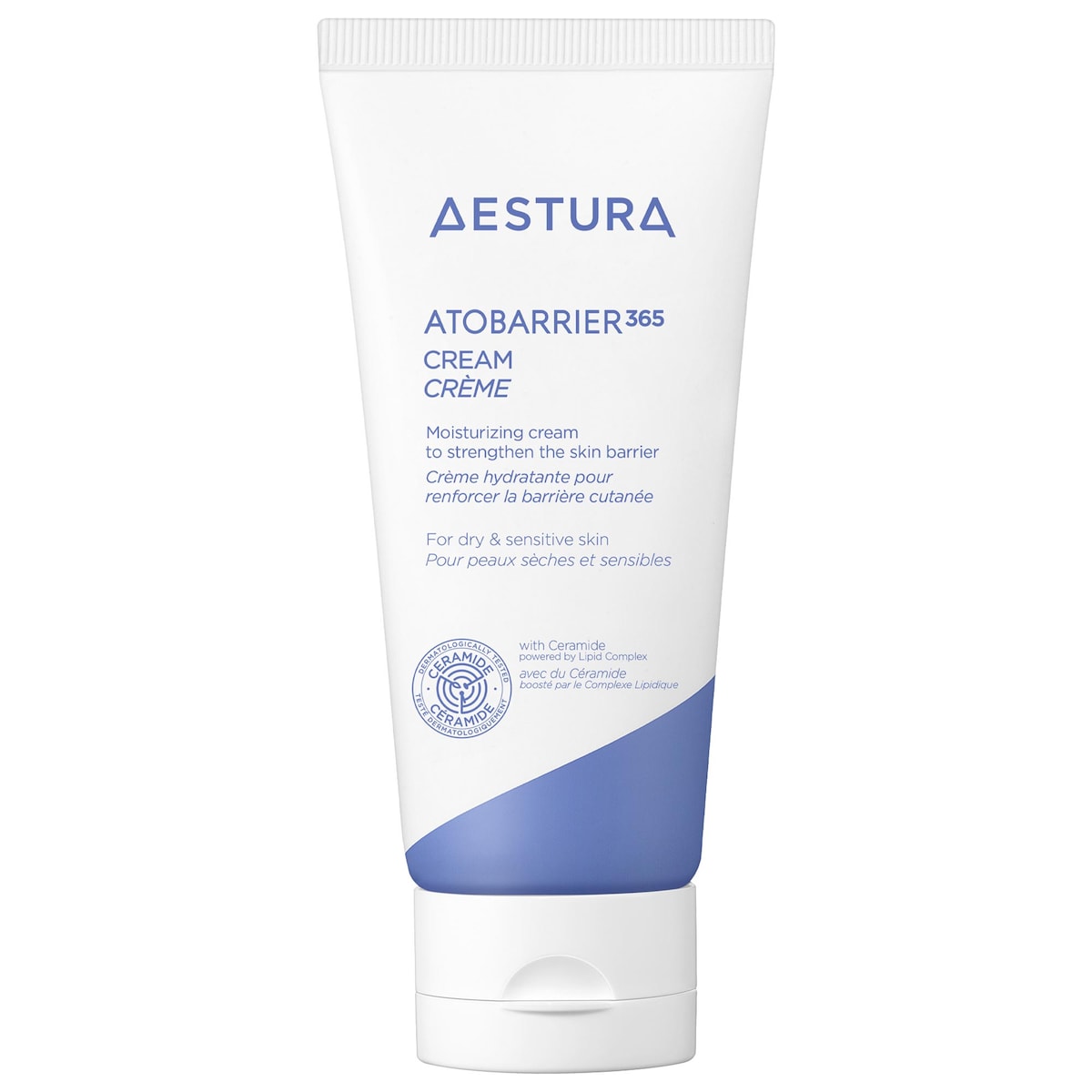 | The richer barrier cream for dry, tight, retinoid-tired, or flaky skin that needs cushion. |
| Aestura Atobarrier365 Lightweight Face Lotion |  | The easier daily lotion for normal, combination, oily-leaning, or dry-but-clog-prone skin that still wants barrier support. |
Fast answer
Choose Aestura Atobarrier365 Cream if your skin feels underprotected. I mean tight after cleansing, flaky around the mouth, uncomfortable after retinoids, dull from dryness, or unable to stay moisturized with lighter products.
Choose Aestura Atobarrier365 Lightweight Face Lotion if your skin needs support but hates a heavy finish. It is the one I would try first for combination skin, oily-leaning skin, humid weather, morning sunscreen layering, or anyone who wants an easier daily repeat.
If you are unsure, start with the lotion for daytime and use the cream only at night or on dry zones. That setup keeps the routine flexible instead of forcing one texture to do every job.
The product signals are close, but not identical
Both products sit in the same Aestura Atobarrier365 family. Both lean on ceramides, skin-barrier language, niacinamide, and a dermatologist-tested positioning. Both are fragrance-free in the way I want a barrier product to be.
The difference is the base.
The Cream is described in the product data as a rich cream for normal and dry skin, with a focus on dryness and long hydration. Its formula story includes ceramide NP, cholesterol, fatty acids, squalane, glycerin, allantoin, niacinamide, and texture-building fatty components.
The Lightweight Face Lotion is still barrier-focused, but it is built as a lotion for normal, dry, and combination skin. It has ceramides, fatty acids, cholesterol, glycerin, dimethicone, squalane, niacinamide, and a lighter daily-use signal.
That sounds subtle until you put it into a real routine.
Cream means cushion.
Lotion means repeatability.
The Cream is for skin that feels exposed
I would reach for the Cream when the face feels like it cannot hold comfort.
That usually looks like tight cheeks, rough patches, flakes around the nose or mouth, a stinging feeling after basic cleanser, or that papery look skin gets when a routine has been too active for too long.
The Cream makes sense when the moisturizer step needs to feel like a final layer. Not a splash of hydration. Not a barely-there gel. A real cream that tells the skin, "we are done for tonight."
That is why I like it most for:
- dry skin that keeps drinking up lighter moisturizers
- retinoid nights where the face needs a softer landing
- cold weather or dry indoor air
- cheeks that need more than the T-zone
- recovery weeks after over-exfoliating
- simple night routines with cleanser, treatment if tolerated, and cream
The danger is overusing it because it sounds responsible.
If your skin is oily and congested, a rich barrier cream can become too much. It may sit. It may shine. It may make you suspicious of your whole routine. That does not make the product bad. It means the texture is not matching the moment.
The Lotion is for skin that wants help without weight
The Lightweight Face Lotion is the more practical first buy for a lot of people.
It still belongs to the barrier-support lane, but it does not ask for the same commitment as the Cream. I would use it when the skin feels dehydrated or slightly stressed, but not so dry that it needs a heavier seal.
This is the product I would look at if the routine has to work under sunscreen, under makeup, or in warm weather. It is also the one I would consider if my cheeks need comfort but my forehead gets shiny fast.
The lotion makes sense when:
- gel creams disappear too quickly but rich creams feel risky
- sunscreen pills over heavier moisturizers
- combination skin needs one daily product
- oily skin still feels dehydrated
- dry skin wants a morning layer and a richer night cream separately
- you want barrier support without turning every routine into recovery mode
The word "lightweight" matters here. It does not mean empty. It means easier to place.
That is often the difference between a product you admire and a product you finish.
Morning routine: I would usually start with the Lotion
Morning routines punish heavy products.
They have to layer under sunscreen. They have to survive makeup. They have to look acceptable by noon. They have to avoid pilling, greasiness, and that strange feeling where the skin is moisturized but the whole face looks tired.
For that reason, I would start with the Lightweight Face Lotion in the morning.
Use it like this:
| Step | Morning order |
|---|---|
| 1 | Gentle cleanse or water rinse |
| 2 | Hydrating serum only if you already use one |
| 3 | Aestura Lightweight Face Lotion |
| 4 | Sunscreen |
| 5 | Makeup if used |
If the skin is very dry, the Cream can still work in the morning. I would just use less than I think I need, press it into damp skin, and give it a few minutes before SPF.
But if I had to pick one for daily morning life, the Lotion is easier.
Night routine: the Cream gets stronger
Night is where the Cream earns its place.
At night, I care less about whether a moisturizer disappears beautifully and more about whether my skin wakes up comfortable. The Cream has the better logic for that job.
I would use it after a gentle cleanse, after a hydrating serum if the routine already has one, or after a retinoid if my skin tolerates that order. Then I would stop adding things.
That last part matters.
People buy a barrier cream and then keep the same irritating routine underneath it. The cream can help, but it cannot turn too many actives into a gentle plan. If your skin is angry, the better move is often fewer steps, not a thicker final step over chaos.
For a calm night:
| Skin state | Better Aestura choice |
|---|---|
| Tight, flaky, retinoid-dry | Cream |
| Normal but a little dehydrated | Lotion |
| Oily T-zone, dry cheeks | Lotion all over, Cream on cheeks |
| Humid summer night | Lotion first |
| Winter recovery week | Cream |
If you are acne-prone, do not make this too simple
Acne-prone skin still needs moisturizer.
The American Academy of Dermatology points out that moisturizer can help acne-prone skin tolerate drying acne treatments, but the type of moisturizer matters. That is exactly how I would think about this Aestura split.
If acne-prone skin is dry because of adapalene, tretinoin, benzoyl peroxide, salicylic acid, or isotretinoin, the Cream may be useful. Dry acne-prone skin is not the same as oily acne-prone skin.
If acne-prone skin is already oily, easily clogged, and suspicious of rich creams, I would start with the Lotion. I might still use the Cream around the mouth, nose, or dry patches, but I would not smear it everywhere just because the ingredient story sounds elegant.
The better test is boring:
- Use one new moisturizer at a time.
- Keep cleanser and sunscreen the same.
- Try it for a week unless irritation shows up.
- Watch the same clog-prone zones, not random texture.
- Separate comfort from congestion.
Comfort in the first hour is useful.
Clear skin after a week is more useful.
If you are dry, decide how dry
Dry skin is not one category.
There is "my skin feels a little tight in the morning" dry.
There is "my moisturizer disappears by lunch" dry.
There is "retinoids made my mouth flaky and sunscreen burns" dry.
The Lotion can handle the first version. The Cream is better for the second and third.
Mayo Clinic's dry-skin guidance points people toward moisturizing when skin feels dry and mentions ingredients such as ceramides, fatty acids, glycerin, and shea butter as helpful categories. I like that framing because it keeps the decision practical. You are not chasing a brand name. You are choosing the amount of support your skin is asking for.
If the skin only needs a little help, a lotion is enough.
If the skin feels exposed, go cream.
Texture mistakes I would avoid
The easiest mistake is buying the richer product because richer sounds more serious.
That is not always true.
The richer product is more serious for skin that needs richness. For skin that does not, it can become friction. You use less. Then you stop using it. Then it becomes an expensive tube you keep for "when my skin gets bad."
The second mistake is buying the lighter product because you are afraid of all cream textures.
If your skin is genuinely dry, the Lotion may feel good at application and still leave you wanting more later. That can lead to layering extra serums, oils, and masks when the simpler answer was just a richer moisturizer at night.
The third mistake is treating one product as full-face law.
You can use the Lotion on the T-zone and the Cream on cheeks.
You can use Lotion in the morning and Cream at night.
You can use Cream only after retinoid nights.
The skin does not care whether the routine looks tidy on paper. It cares whether each area gets what it needs.
Cream vs Lotion vs Water Cream
There is one more Aestura product that makes the choice less binary: the Aestura Atobarrier365 Cooling Hydro Soothing Water Cream.
I would think of the line this way:
| Product | Best for | Skip if |
|---|---|---|
| Cream | Dry, tight, flaky, winter-stressed, or retinoid-tired skin | You hate rich creams or clog easily |
| Lightweight Face Lotion | Normal, combination, oily-leaning, or daily morning routines | You need a true night cream for severe dryness |
| Water Cream | Oily, red, warm, or gel-cream-loving skin that wants a cooler feel | Your skin needs plush cushion |
The Cream is the most protective-feeling lane.
The Lotion is the middle lane.
The Water Cream is the lightest, most cooling-feeling lane.
That makes the Lotion the most flexible, but not always the most comforting.
How I would test them without confusing my skin
I would not test both across my full face at the same time.
I would choose one primary lane, then keep the other as a targeted helper.
If I bought both, I would test them like this:
| Day | Test |
|---|---|
| 1 | Lotion in the morning, Cream on one dry cheek at night |
| 2 | Lotion again under sunscreen, Cream only where dryness showed up |
| 3 | Cream full-face only if skin is clearly dry and not clog-prone |
| 4 | Skip extra actives and check comfort by midday |
| 5 | Check clog-prone zones: chin, jaw, cheeks, forehead |
| 6 | Decide whether Cream is full-face, night-only, or spot-only |
| 7 | Decide whether Lotion is enough for daytime |
Do not change cleanser, sunscreen, exfoliant, and moisturizer all in the same week. That makes every result blurry.
If something breaks you out, you will not know what did it.
If something works, you will not know what to keep.
My bottom line
I would buy Aestura Atobarrier365 Lightweight Face Lotion first if I wanted the safer daily moisturizer. It is easier under sunscreen, easier for combination skin, easier for humid weather, and easier to finish.
I would buy Aestura Atobarrier365 Cream first if my skin was clearly dry, tight, flaky, retinoid-tired, or asking for a richer final layer.
My own practical setup would be simple: Lotion in the morning, Cream at night when the skin needs it. That gives the routine comfort without making every step heavy.
The right Aestura product is not the one with the most barrier language.
It is the one your skin will let you repeat.
Useful references: Aestura Atobarrier365 Cream, Aestura Lightweight Face Lotion, Aestura Water Cream, AAD on moisturizer for acne-prone skin, and Mayo Clinic on dry skin care.
FAQ
Is Aestura Cream better than Aestura Lotion?
Aestura Cream is better if your skin needs a richer barrier layer. Aestura Lotion is better if you want daily barrier support with less weight. The best choice depends on texture tolerance, not brand loyalty.
Which Aestura moisturizer is better for oily skin?
I would start with the Lightweight Face Lotion or Water Cream for oily skin. The Cream can still work as a dry-zone or night-only product, but it is the riskiest first choice if rich creams usually clog you.
Which one should I use with retinol or tretinoin?
If retinol or tretinoin leaves you dry or flaky, the Cream is the stronger night option. If your skin is only mildly dry or you need morning support, the Lotion may be enough. Introduce slowly so you can tell whether the texture agrees with your skin.
Can I use the Lotion and Cream together?
Yes, but I would not layer them everywhere by default. Use the Lotion where you want lighter support and the Cream where the skin is actually dry. For many people, Lotion in the morning and Cream at night is cleaner.