
I would not book the strongest peel first.
I would book the clearest consult.
That is the rule I would use if I were comparing chemical peels in Biloxi in May 2026. A peel can sound simple when it is described as a glow treatment. It can also sound intimidating when the menu mentions resurfacing, pigment, acne marks, or stronger correction. The truth sits in the middle. A chemical peel can be a smart, practical treatment, but only when the depth, timing, skin history, and aftercare match the person wearing the face.
Biloxi adds its own pressure to that decision. The coast is bright. The sun is not a side detail. Salt air, humidity, boat days, beach weekends, fishing trips, golf, outdoor work, casino nights, and quick trips between Biloxi and Gulfport can all make skin planning less theoretical. If I am going to loosen the outer layers of my skin on purpose, I want to know how I will protect it when I step back outside.
So my first question is not "Which peel gets the fastest result?"
My first question is "Can my skin recover cleanly in the life I actually live?"
My Biloxi starting point
I would start with the Biloxi skin care directory, then use the Biloxi provider comparison page to build a short list. I would not treat every med spa, dermatology office, facial studio, or aesthetics clinic as interchangeable.

Provider guide
Trillium Medical Aesthetics & Gynecology: Michael McKay, MD
Trillium Medical Aesthetics — Gulfport’s premier medical spa on the Gulf Coast. Expert, advanced face and body treatments tailored to your needs to enhance confidence and restore radiance. Schedule a consultation today.

Provider guide
Magnolia Aesthetics and Wellness
Discover beauty and wellness at Magnolia Aesthetics & Wellness in Biloxi, MS. From injectables to rejuvenation, we're here for you.
Provider guide
Aqua Medical Spa - Biloxi
At Aqua Medical Spa, our team of cosmetic dermatologists are here to keep you looking as young and vibrant on the outside as you feel on the inside.
Provider guide
Glam and Glo Medical Aesthetics Lounge, LLC
Welcome to Glam + Glo Medical Aesthetics Lounge Offering Botox, Fillers, Microneedling & Advanced Anti-Aging Solutions across the Mississippi Gulf Coast.
Provider guide
The Dermatology Clinic (Gulfport) - Medical & Surgical Dermatology, Laser, Fillers, Injectables, Aesthetic & Spa Services
Providing care across the Mississippi Gulf Coast with five locations, we are experts in medical and surgical dermatology, laser, fillers, injectables, aesthetic and spa services.
Provider guide
Med Spa At The Islands
The Med Spa at the Islands | A medical spa in Ocean Springs, MS 228-818-0416 theislandscenter@gmail.com Gynecology Obstetrics Hormone Therapy Wellness Men Med Spa Med Spa Services Med Spa Products Physicians ADVMD Patient Portal Select Page Caring for your health & wellness……
From there, I would compare the actual treatment lanes:
- chemical peels in Biloxi
- Hydrafacial in Biloxi
- laser treatments in Biloxi
- microneedling in Biloxi
- Botox in Biloxi
- fillers in Biloxi
That list matters because a peel is not the answer to every skin concern. A provider who offers chemical peels, Hydrafacial, laser, microneedling, injectables, and facials should be able to explain why one belongs before another. If every concern gets routed to the same appointment, I would slow down.
What I would want a peel to solve
A chemical peel is controlled exfoliation. The provider applies a chemical solution to encourage skin shedding at a chosen depth. A light peel may be a quick tone-and-texture reset. A stronger peel may create more visible flaking, redness, tightness, and downtime.
That does not make one better than the other.
It makes them different tools.
I would consider a peel if my main concern were dullness, rough surface texture, uneven tone, clogged-looking pores, mild post-breakout marks, or some sun-related discoloration. I would be more cautious if I had active inflamed acne, a damaged skin barrier, recent sunburn, melasma-prone skin, a history of dark marks after irritation, or an event coming up in the next few days.
The phrase "chemical peel" can hide too much. I would want the provider to name the exact target:
- brown post-acne marks
- red post-breakout marks
- rough texture
- dull surface buildup
- oily congestion
- enlarged-looking pores
- fine surface lines
- sun spots
- uneven tone
Those are not all the same problem. Brown marks and melasma need a pigment-aware plan. Red marks may need time, barrier support, or vascular-focused care. Deep acne scars usually need more than a superficial peel. Enlarged-looking pores may respond better to oil control, retinoids, microneedling, or device work depending on what is actually visible.
If I ask what the peel is for and the answer is only "glow," I would keep asking.
Coastal sun changes the timing
Biloxi is not the place where I would casually peel my face and then wing the aftercare.
After a peel, the skin can be more sensitive to sun exposure. That matters in a coastal city where normal life can mean bright parking lots, waterfront meals, beach walks, outdoor sports, commutes over reflective roads, and sudden plans outside. Even if I am not intentionally tanning, I can still get meaningful UV exposure.
For that reason, I would not schedule a peel right before:
- a beach weekend
- boating or fishing
- an outdoor wedding
- a golf trip
- heavy yard work
- a sunny vacation
- a long day walking outside
- a spray tan or real tan
I would also be honest about whether I can wear sunscreen, reapply it, use a hat, skip tanning, and avoid picking at flakes. If I cannot do those things that week, I would rather choose a gentler facial or wait.
This is where I want the provider to sound practical, not dramatic. I do not need fear. I need a plan. What SPF should I use? How often should I reapply? Should I wear a brimmed hat? How long should I avoid direct sun? When can I restart vitamin C, retinoids, exfoliating acids, benzoyl peroxide, or acne prescriptions?
If those answers are vague, the peel is not ready.
When I would choose Hydrafacial instead
Hydrafacial-style treatments can be tempting because they often sound lower downtime. They usually sit closer to cleansing, exfoliation, extraction, hydration, and serum infusion than true peel recovery. I would consider that lane if I wanted my skin to feel cleaner, smoother, and more hydrated without committing to obvious peeling.
I would choose Hydrafacial before a peel if:
- my skin felt dehydrated or tight
- I had an event soon
- I wanted congestion support but not real downtime
- I was new to professional skin treatments
- I had been overusing actives at home
- I was not sure whether my barrier was ready
That does not mean Hydrafacial is always safer or always better. It can still irritate the wrong skin at the wrong time, especially with aggressive add-ons or active exfoliation. But if the main goal is polish, hydration, and a quick reset, I would ask why a peel is being recommended over a Hydrafacial.
The reverse is also true. If I have stubborn brown marks, rough texture, or a longer-term tone goal, a Hydrafacial may feel nice without moving the issue very far. I would want the provider to tell me where the lighter appointment stops.
Peel strength is the whole decision
The strongest peel is not automatically the smartest peel.
A light peel may use acids like lactic, mandelic, glycolic, salicylic, or a gentle blended formula. A medium-depth peel may involve stronger combinations or ingredients such as TCA, depending on the provider and protocol. The menu name matters less than the depth, the skin type, the prep, and the recovery window.
Before booking, I would ask:
- Is this a superficial, medium-depth, or deeper peel?
- What active ingredients or peel blend are you using?
- Why did you choose this peel for my concern?
- What skin tones and pigment patterns do you treat often?
- What would make you choose a lighter peel?
- What would make you refuse to peel me today?
- How many days of redness, tightness, dryness, flaking, or peeling should I expect?
- What products should I stop before and after?
The refusal question is important. A careful provider should be willing to postpone treatment if my skin is sunburned, freshly waxed, irritated, recently lasered, over-exfoliated, infected, picked at, or too close to an event.
I would rather hear "not today" than pay for a peel my skin was not ready to handle.
Pigment risk needs a serious conversation
Pigment is where I would be most careful.
If my skin tans easily, develops dark marks after pimples, reacts strongly to bug bites, scars visibly, or has melasma-like patches, I would not treat a chemical peel like a casual refresh. Post-inflammatory hyperpigmentation can happen when irritated skin creates darker marks during healing. Sun exposure can make that worse.
This does not mean darker or pigment-prone skin cannot have peels. It means the provider needs experience, restraint, and a clear plan. I would ask how they adjust peel choice, prep, contact time, aftercare, and spacing for someone with my skin history.
I would also ask whether they recommend pigment-prep products before a peel. Some providers may suggest a gentle brightening routine, prescription support, or a pause on irritating actives before stronger pigment work. I would not start that blindly, but I would want the conversation to exist.
For melasma-looking patches, I would be even more cautious. Heat, irritation, hormones, and sun can all complicate the picture. A one-off aggressive peel can backfire if the provider treats melasma like ordinary surface discoloration.
In Biloxi, where sun management is part of daily life, I would want pigment risk discussed before price.
Acne marks, pores, and texture are different lanes
People often group acne marks, pores, and texture together because they show up in the same mirror. I would separate them before choosing a peel.
Post-breakout marks can be brown, red, purple, or shadowed. Brown marks are pigment. Red marks are often lingering inflammation or vascular color. Purple marks may need more time and careful assessment. Indented scars are structural texture, not just discoloration.
Chemical peels may help some surface discoloration and roughness. They may support acne-prone skin when chosen carefully. But they are not magic for pitted scars, rolling scars, or deep texture. For those, I would ask about microneedling in Biloxi, laser, or dermatology options.
Pores are also tricky. A peel can make skin look smoother by reducing surface buildup and oil congestion, but it cannot permanently shrink pore openings. If my pores look larger because my skin is oily, clogged, or dehydrated, a peel may help the look. If the issue is genetics, skin laxity, or acne scarring, I would need a different expectation.
Texture needs the same honesty. Sandpapery surface texture may respond well to a conservative peel series. Deeper unevenness may need microneedling, resurfacing laser, acne-scar treatment, or a longer prescription-backed plan.
I would ask the provider to point to what they think is pigment, what they think is texture, and what they think is active acne. If they cannot separate those, I would not let them choose a peel depth.
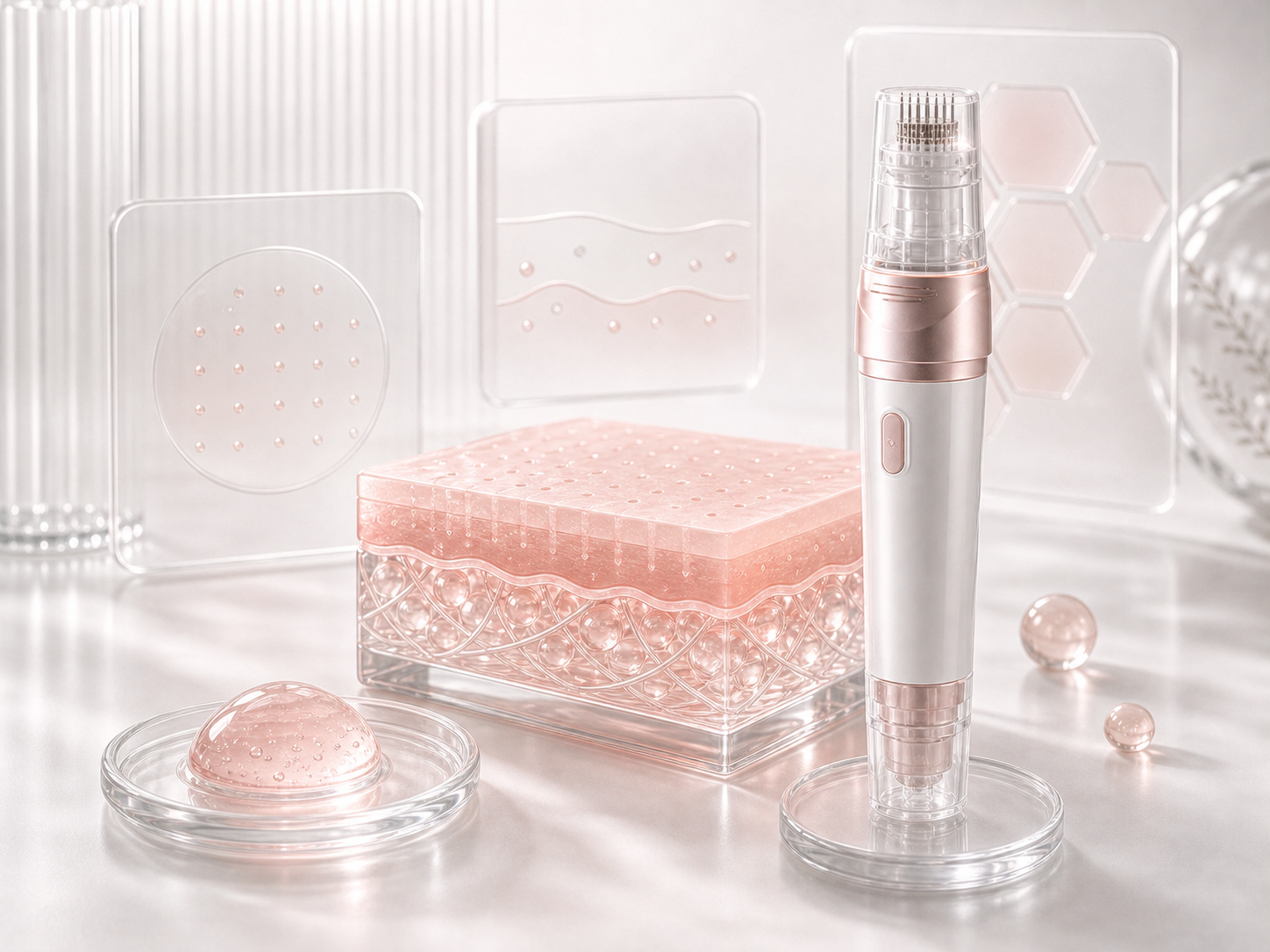
How I would compare peels with microneedling
Microneedling is usually a texture and collagen-support conversation. Traditional microneedling creates controlled micro-injuries. RF microneedling adds energy. Some offices may combine microneedling with PRP, growth factors, or other post-care products.
I would compare microneedling against chemical peels this way:
| Concern | I would ask about |
|---|---|
| Dull surface buildup | Light peel, facial, or Hydrafacial |
| Brown post-acne marks | Pigment-aware peel plan or dermatology support |
| Pitted acne scars | Microneedling, RF microneedling, laser, or scar consult |
| Enlarged-looking pores | Oil control, peel series, microneedling, or device plan |
| Rough surface texture | Peel or microneedling depending on depth |
| Active inflamed acne | Acne plan first, peel only if appropriate |
Microneedling is not automatically safer than a peel. It still requires skin-tone judgment, sterile technique, downtime planning, and aftercare. But if my main frustration is texture under makeup, acne scarring, or enlarged-looking pores, I would want the provider to explain why they prefer peel first or microneedling first.
The best answer may be a sequence. Calm the skin. Build a routine. Do a light peel. Wait. Reassess. Consider microneedling later. I would trust that more than a rushed bundle of everything at once.
How I would compare peels with laser
Laser is not one treatment.
That is the sentence I would keep repeating. Laser can mean hair removal, redness treatment, pigment work, IPL, non-ablative resurfacing, ablative resurfacing, tightening, scar treatment, or something else entirely. A peel and a laser may both be described as resurfacing, but they do not work the same way.
I would ask about laser treatments in Biloxi if my concern involved deeper sun damage, stubborn pigment, redness, visible vessels, hair removal, acne scarring, or texture that seems beyond a light peel. But I would be just as cautious as I am with peels, maybe more cautious.
For laser, I would ask:
- What device are you using?
- Is it IPL, laser resurfacing, hair removal, vascular laser, or something else?
- Is it appropriate for my skin tone?
- Do I need to avoid sun before and after?
- What happens if I have a recent tan?
- How many sessions are realistic?
- What downtime should I expect?
In a sunny coastal place, recent tanning matters. If a provider ignores that, I would not move forward.
A peel may be the more conservative first step for mild dullness and surface texture. Laser may be better for certain deeper or more specific concerns. The consult should not pretend they are interchangeable.
How injectables fit into the comparison
Chemical peels do not replace injectables.
That sounds obvious, but it matters when someone is unhappy with the face in a general way. A peel can improve the look of the skin surface. It cannot relax movement lines like Botox. It cannot restore volume like filler. It cannot sharpen a chin, balance lips, or soften a fold that is caused by structure rather than skin texture.
If my concern is forehead lines, frown lines, crow's feet, jaw tension, or expression-related creasing, I would compare Botox in Biloxi. If my concern is lips, cheeks, chin, folds, or facial balancing, I would compare fillers in Biloxi.
But I would not stack everything together casually.
If I were doing injectables and a peel, I would ask about timing. Which should happen first? How far apart? Does peeling affect injection recovery? Should I avoid facial massage, heat, workouts, or strong skincare after either appointment? Is there any reason to wait until swelling, bruising, or irritation is gone?
The answer may vary by provider and treatment plan. I would want it in writing.
Prep matters more than the appointment
I would not show up to a peel with a mystery routine.
Before a consult, I would bring or list:
- cleanser
- moisturizer
- sunscreen
- retinoids
- exfoliating acids
- benzoyl peroxide
- acne prescriptions
- pigment products
- recent antibiotics or photosensitizing medications
- recent waxing, threading, laser, or tanning
- cold sore history
- past peel reactions
The provider should tell me what to pause and when. Many people need to stop retinoids, acids, scrubs, and other irritating products before a peel. Some may need antiviral planning if they have a history of cold sores. Some should avoid waxing or other exfoliating services near the appointment.
I would also want aftercare written down. Verbal instructions are easy to forget when the skin starts feeling tight on day two.
For the first few days after a peel, I would expect the routine to be boring: gentle cleanser, plain moisturizer, sunscreen, and no picking. I would not add new actives just because my skin looks dull mid-peel. I would not scrub flakes off. I would not test a new vitamin C, retinoid, exfoliating toner, or acne treatment until the provider clears it.
This is where restraint creates the result.
Downtime is not just peeling
Downtime is not only whether sheets of skin come off.
Downtime can mean redness, tightness, dryness, sensitivity, roughness, flaking around the mouth, makeup sitting badly, sunscreen stinging, or the skin looking worse before it looks better. A light peel may be subtle. A stronger peel may make the recovery obvious.
I would ask the provider for a day-by-day expectation:
| Day | What I would want to know |
|---|---|
| Same day | Will I be red, shiny, tight, or sensitive? |
| Day 1 | Can I work, wear sunscreen, and apply makeup? |
| Days 2 to 4 | When might flaking or peeling start? |
| Days 5 to 7 | When should skin look more normal? |
| After one week | When can I restart actives or exercise fully? |
I would also ask when to call. Burning that does not calm, swelling, blistering, pus, severe pain, eye-area symptoms, or unexpected darkening should not be handled with internet guessing. The provider should give clear escalation instructions.
If the clinic cannot explain normal recovery versus a problem, I would choose someone else.
Price should come after fit
I would compare price, but not first.
A cheaper peel is not cheaper if it creates irritation, pigment, or a recovery problem that takes months to calm. An expensive peel is not automatically better if it is too aggressive for my skin or sold without enough prep.
I would compare:
- consult fee
- peel price
- whether post-care is included
- whether a series is recommended
- how far apart sessions are spaced
- whether photos are used to track progress
- who performs the peel
- whether a medical provider oversees protocols
- what happens if I react badly
For a single light peel, price may be straightforward. For pigment, acne marks, or texture, I would think in terms of a plan. One appointment may help, but a series or combined approach may be more realistic.
I would rather know the full plan before starting than discover after the first peel that the real recommendation is six visits, three products, and a device upgrade.
My final Biloxi filter
If I were booking a chemical peel in Biloxi in May 2026, I would use a simple filter.
I would book with the provider who can explain my skin concern better than I can.
Not the provider with the most dramatic before-and-after. Not the one offering the strongest peel. Not the one with the fastest available opening before a beach weekend. The one who can look at pigment, texture, acne marks, pores, sun exposure, home care, timing, and downtime as one connected decision.
I would want them to say:
- what the peel can realistically improve
- what it cannot improve
- what strength they would start with
- why they would avoid going stronger
- how Biloxi sun exposure changes aftercare
- what I should pause before treatment
- what I should use afterward
- when Hydrafacial, microneedling, laser, Botox, or filler would make more sense
That is the kind of consult that makes a peel feel less like a gamble.
I would still be cautious. I would still protect my skin from sun. I would still avoid picking. I would still keep my routine quiet until the skin was calm again.
But with the right plan, a peel can be useful: brighter tone, smoother texture, softer-looking marks, and a cleaner surface without pretending one appointment can solve every skin concern.
That is the version I would book.
Useful medical references: AAD chemical peel overview, AAD chemical peel safety tips, Mayo Clinic on chemical peels, FDA dermal filler safety information, and Biloxi skin care providers.