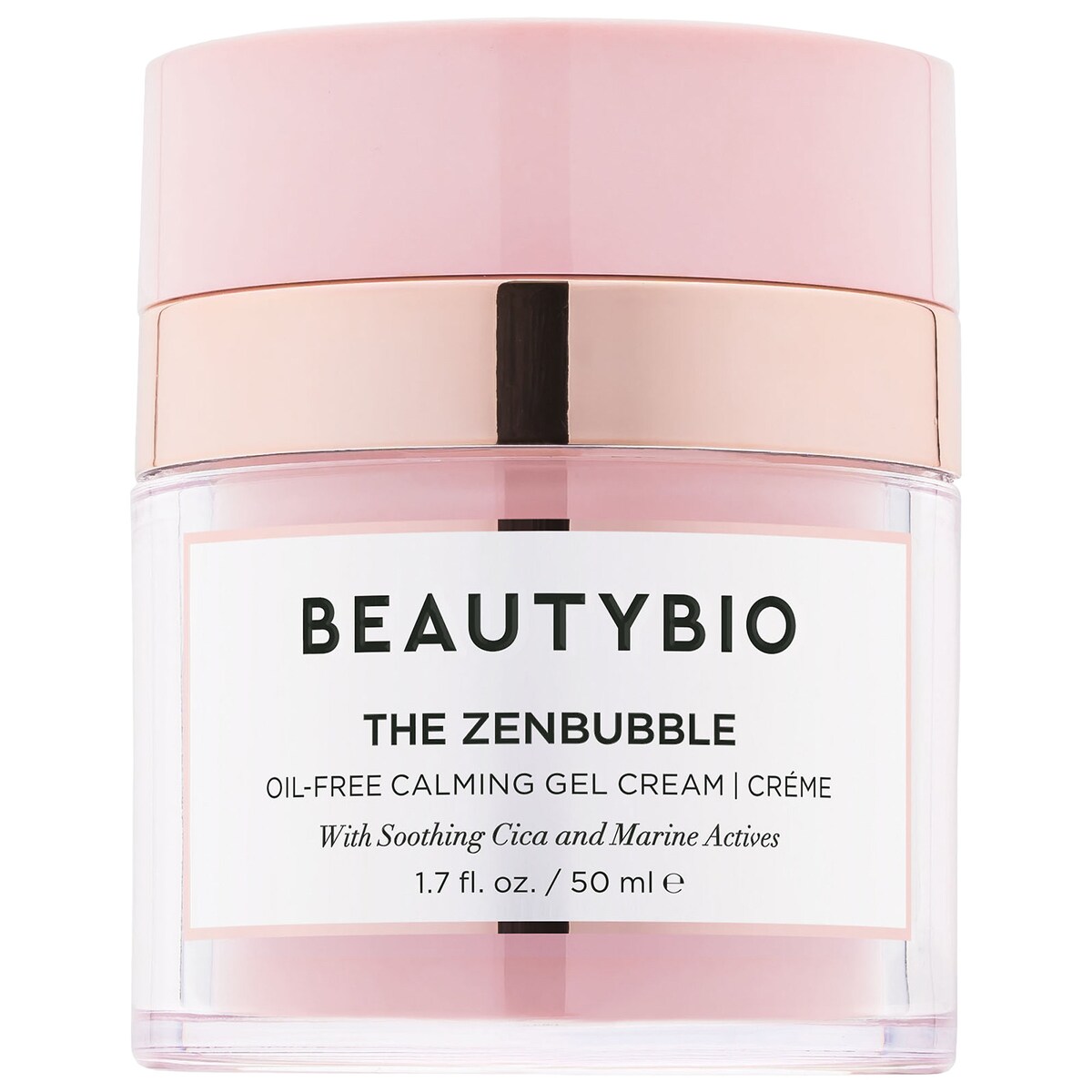
The base for most skincare formulations.
Usually helps with
Hydration
Attracts water to the skin, helping to keep it hydrated and supple.
Usually helps with
Hydration, softening
Emollient/Occlusive
Dimethicone
Provides a smooth feel and can create a protective barrier on the skin. It's generally non-irritating but can be comedogenic for some.
Usually helps with
Smoothing, barrier support
Watch for
Potential for pore-clogging in acne-prone individuals
Humectant/Solvent
Butylene Glycol
Helps to draw moisture into the skin and improves product texture.
Usually helps with
Hydration, texture enhancement
Emollient
Diphenylsiloxy Phenyl Trimethicone
A silicone derivative that provides a smooth, silky feel and helps to condition the skin.
Usually helps with
Smoothing, skin conditioning
Viscosity Controlling Agent
Microcrystalline Cellulose
Used to thicken formulations and improve texture.
Usually helps with
Texture
Emulsifier/Surfactant
Peg-9 Polydimethylsiloxyethyl Dimethicone
A silicone-based emulsifier that helps blend oil and water ingredients. Can sometimes cause irritation.
Usually helps with
Texture
Watch for
Potential for irritation in sensitive skin
Film Former
Polymethylsilsesquioxane
A silicone polymer that can create a smooth, matte finish on the skin.
Usually helps with
Mattifying, smoothing
Soothing Agent
Chamomilla Recutita (Matricaria) Flower Extract
Known for its anti-inflammatory and calming properties, it helps soothe irritated skin.
Usually helps with
Soothing, calming
Soothing Agent
Chlorella Vulgaris Extract
A type of algae extract rich in antioxidants and nutrients, known for its calming and skin-supporting benefits.
Usually helps with
Soothing, antioxidant
Soothing Agent
Centella Asiatica Extract
Also known as Cica or Gotu Kola, it's renowned for its ability to calm inflammation, promote healing, and reduce redness.
Usually helps with
Soothing, healing, redness reduction
A form of Vitamin E that helps protect the skin from environmental damage.
Usually helps with
Antioxidant protection
Humectant
Saccharide Isomerate
A carbohydrate complex that binds moisture to the skin, providing long-lasting hydration.
Usually helps with
Long-lasting hydration
Humectant/Preservative Booster
Caprylyl Glycol
Improves skin hydration and helps preserve the product.
Usually helps with
Hydration, preservation
Viscosity Controlling Agent
Dimethicone/Phenyl Vinyl Dimethicone Crosspolymer
A silicone elastomer that provides a smooth, velvety feel and can help mattify the skin.
Usually helps with
Texture, mattifying
Emulsifier
Dimethicone/Peg-10/15 Crosspolymer
A silicone-based emulsifier that helps stabilize the formula. Can potentially cause irritation for some.
Usually helps with
Texture
Watch for
Potential for irritation in sensitive skin
Solvent/Humectant
Dipropylene Glycol
Helps dissolve other ingredients and can add a moisturizing effect.
Usually helps with
Solvent, hydration
Chelating Agent
Disodium Edta
Helps improve the stability and efficacy of the product by binding to metal ions.
Usually helps with
Product stability
A plant-derived ingredient used to thicken cosmetic formulations.
Usually helps with
Texture
Exfoliant/Humectant
Lactic Acid
An Alpha Hydroxy Acid (AHA) that can gently exfoliate and hydrate the skin. In this concentration, it likely acts more as a pH adjuster or mild humectant.
Usually helps with
Gentle exfoliation, hydration
Watch for
Can cause sensitivity, especially when starting
Humectant/Solvent
Propanediol
A plant-derived solvent that enhances skin hydration and improves the feel of the product.
Usually helps with
Hydration, texture
Preservative
Chlorphenesin
A synthetic preservative used to prevent microbial growth. Can be a mild irritant for some.
Usually helps with
Preservation
Watch for
Potential for skin sensitivity
Preservative
Phenoxyethanol
A common preservative used to prevent bacterial contamination. Generally considered safe but can be an irritant for sensitive skin.
Usually helps with
Preservation
Watch for
Potential for skin sensitivity
Buffering Agent
Sodium Citrate
Used to adjust the pH of the product.
Usually helps with
pH balance
Viscosity Controlling Agent
Sodium Chloride
Can be used to thicken certain formulations.
Usually helps with
Texture