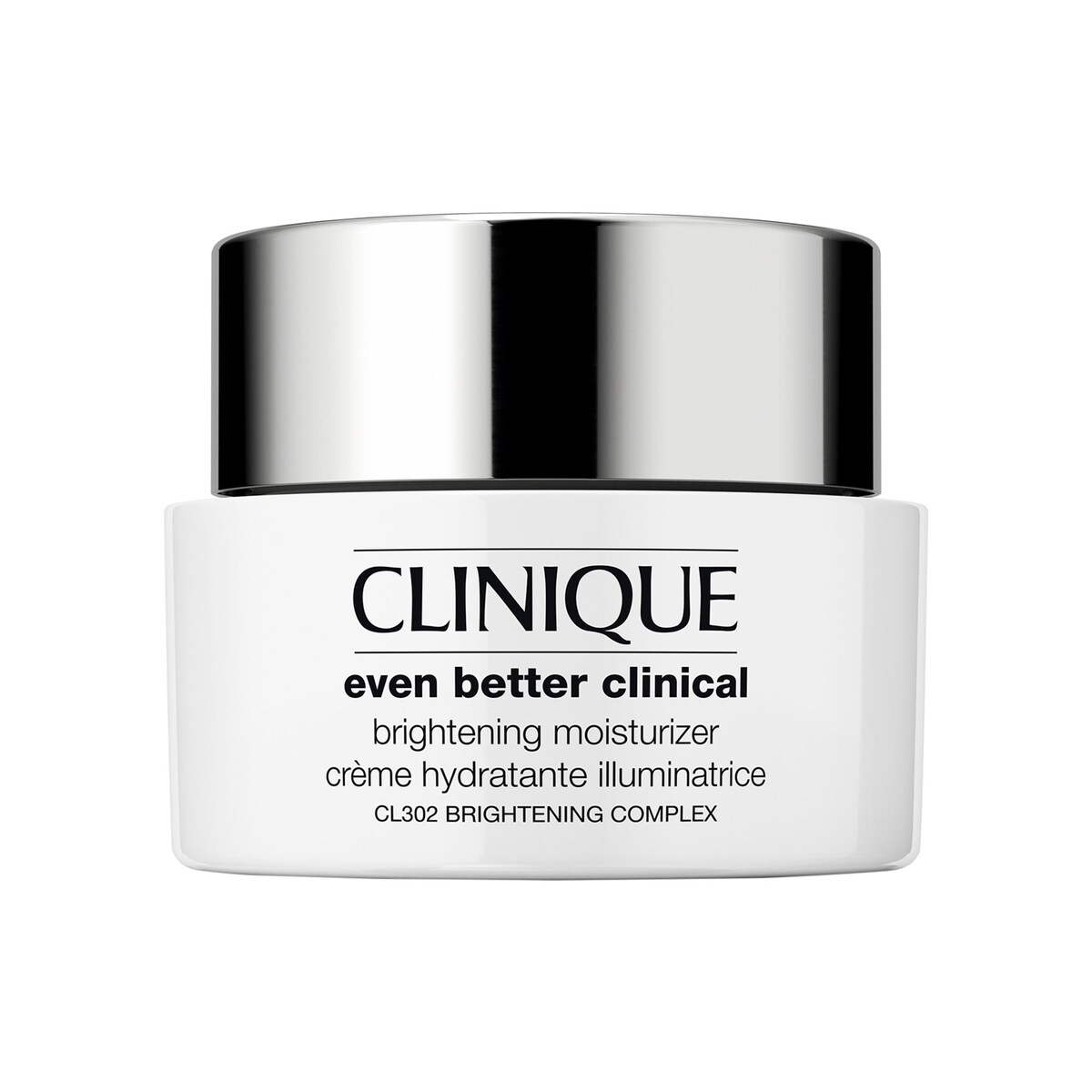
The primary base for most cosmetic formulations, dissolving other ingredients.
Usually helps with
All skin types
A humectant that draws moisture to the skin, improving hydration. It can also act as a solvent.
Usually helps with
All skin types
Watch for
Can be a mild irritant for some very sensitive skin types.
Emollient
Octyldodecyl Myristate
An emollient that softens and smooths the skin by filling in gaps between skin cells.
Usually helps with
Dry to normal skin
Watch for
Can feel heavy on very oily skin.
A silicone that forms a breathable barrier on the skin, providing a smooth feel and preventing moisture loss.
Usually helps with
All skin types
Watch for
Some prefer to avoid silicones due to potential pore-clogging concerns, though it's generally considered non-comedogenic.
Emollient
Di-C12-15 Alkyl Fumarate
An emollient that helps to soften and smooth the skin.
Usually helps with
All skin types
Emollient
Isopropyl Isostearate
An emollient that conditions and softens the skin.
Usually helps with
Dry to normal skin
Watch for
Can be comedogenic for some acne-prone individuals.
Emulsifier
Glyceryl Stearate
An emulsifier that helps blend oil and water ingredients, and also acts as an emollient.
Usually helps with
All skin types
Emollient
Diisostearyl Malate
An emollient that provides a smooth feel and helps to condition the skin.
Usually helps with
All skin types
Emulsifier
Peg-100 Stearate
A common emulsifier used to stabilize oil and water mixtures in formulations.
Usually helps with
All skin types
Watch for
Can be a skin irritant for some individuals.
A solvent and humectant that helps to dissolve ingredients and attract moisture.
Usually helps with
All skin types
Watch for
Can be a skin irritant for some individuals.
A powerful humectant that draws water from the air into the skin, keeping it hydrated and soft.
Usually helps with
All skin types
A stable derivative of Vitamin C that brightens skin, reduces the appearance of dark spots, and provides antioxidant protection.
Usually helps with
Dull skin, dark spots, uneven tone
Watch for
Can cause mild tingling or redness in sensitive individuals, especially when first introduced.
Emollient
Butyrospermum Parkii (Shea) Butter
A rich emollient known for its moisturizing and skin-conditioning properties. It contains fatty acids and vitamins.
Usually helps with
Dry to very dry skin
Watch for
Can be comedogenic for acne-prone skin.
An emollient that helps to condition and soften the skin.
Usually helps with
Dry to normal skin
A fatty alcohol that acts as an emollient, emulsifier, and thickener, helping to soften and smooth the skin.
Usually helps with
All skin types
Watch for
Generally well-tolerated, but can be a mild irritant for some.
A derivative of glucose that helps to gently exfoliate the skin by weakening the bonds between dead skin cells, improving texture and tone.
Usually helps with
Dull skin, uneven tone, texture
Watch for
Generally well-tolerated.
Humectant
Sodium Hyaluronate
The salt form of hyaluronic acid, a humectant that draws moisture into the skin for hydration.
Usually helps with
All skin types, especially dehydrated
Soothing Agent
Dipotassium Glycyrrhizate
Derived from licorice root, it has anti-inflammatory and soothing properties, helping to calm irritated skin.
Usually helps with
Sensitive, irritated skin
A form of sugar that can act as a humectant, attracting moisture to the skin.
Usually helps with
All skin types
A stimulant that can temporarily constrict blood vessels, reducing redness and puffiness. It also has antioxidant properties.
Usually helps with
Redness, puffiness
Watch for
Can be irritating for some sensitive skin types.
Antioxidant
Tocopheryl Acetate
A form of Vitamin E that acts as an antioxidant, protecting the skin from free radical damage.
Usually helps with
All skin types
Watch for
Can be comedogenic for some acne-prone individuals.
Soothing Agent
Cucumis Sativus (Cucumber) Fruit Extract
Known for its soothing, cooling, and hydrating properties.
Usually helps with
All skin types, especially irritated or sensitive
Antioxidant
Camellia Sinensis Leaf Extract
Green tea extract, rich in antioxidants that help protect the skin from environmental damage.
Usually helps with
All skin types, especially aging or environmentally stressed
Skin-Conditioning Agent
Saccharomyces Lysate Extract
A yeast extract that can help condition and improve the skin's appearance.
Usually helps with
All skin types
Skin-Conditioning Agent
Algae Extract
Contains vitamins, minerals, and amino acids that can help hydrate and condition the skin.
Usually helps with
All skin types
Emollient
Helianthus Annuus (Sunflower) Seed Extract
Rich in linoleic acid, it helps to moisturize and support the skin barrier.
Usually helps with
Dry to normal skin
Skin-Conditioning Agent
Hordeum Vulgare Extract/Extrait D'Orge
Barley extract, which can help condition and improve the skin's texture.
Usually helps with
All skin types
Active
Yeast Extract/Faex/Extrait De Levure
Helps to break up clusters of excess pigmentation, contributing to a more even skin tone.
Usually helps with
Dull skin, dark spots
Skin-Conditioning Agent
Molasses Extract/Saccharum Officinarum/Extrait De Mélasse
Contains sugars and minerals that can help condition the skin.
Usually helps with
All skin types
A beta-hydroxy acid (BHA) that exfoliates inside pores, helping to clear congestion and improve skin texture. It can also help with dark spots.
Usually helps with
Acne-prone skin, oily skin, clogged pores, dark spots
Watch for
Can cause dryness, peeling, and irritation, especially at higher concentrations or when used with other exfoliants. Start slowly.
A lipid that helps to support the skin's natural barrier function and retain moisture.
Usually helps with
Dry, compromised skin
Emollient
Propylene Glycol Dicaprate
An emollient that softens and smooths the skin.
Usually helps with
All skin types
Emollient
Cetearyl Alcohol
A fatty alcohol that acts as an emollient, emulsifier, and thickener, helping to soften and smooth the skin.
Usually helps with
All skin types
Watch for
Generally well-tolerated, but can be a mild irritant for some.
A fatty alcohol that acts as an emollient and thickener, providing a smooth feel to the skin.
Usually helps with
All skin types
Emulsifier
Cetearyl Glucoside
A gentle, plant-derived emulsifier that helps to blend oil and water ingredients.
Usually helps with
All skin types
A thickening agent that improves the texture and stability of formulations.
Usually helps with
All skin types
pH Adjuster
Potassium Hydroxide
Used to adjust the pH of a formulation. Can be irritating at high concentrations.
Watch for
Can be a strong irritant.
pH Adjuster
Sodium Hydroxide
Used to adjust the pH of a formulation. Can be irritating at high concentrations.
Watch for
Can be a strong irritant.
pH Adjuster
Disodium Phosphate
Used to adjust the pH of a formulation.
Watch for
Can be a mild irritant.
pH Adjuster
Sodium Phosphate
Used to adjust the pH of a formulation.
Watch for
Can be a mild irritant.
An alpha-hydroxy acid (AHA) used to adjust pH and provide mild exfoliation.
Usually helps with
All skin types
Watch for
Can cause irritation or stinging, especially on sensitive skin or at higher concentrations.
Brightening Agent
Dimethoxytolyl Propylresorcinol
A skin-brightening ingredient that works by inhibiting tyrosinase, an enzyme involved in melanin production.
Usually helps with
Hyperpigmentation, dark spots
Watch for
Can cause irritation or sensitivity in some individuals.
Emulsifier
Sorbitan Oleate
An emulsifier that helps to blend oil and water ingredients.
Usually helps with
All skin types
A silicone that provides a smooth, silky feel and can help to improve the texture of the formulation.
Usually helps with
All skin types
Watch for
Some prefer to avoid silicones due to potential pore-clogging concerns.
Antistatic Agent
Di-C12-18 Alkyl Dimonium Chloride
A conditioning agent that can also have antimicrobial properties.
Usually helps with
All skin types
Watch for
Can be irritating for some.
A solvent that helps to dissolve other ingredients and can also act as a humectant.
Usually helps with
All skin types
Watch for
Can be a mild irritant for some.
An emulsifier that helps to disperse oils in water.
Usually helps with
All skin types
Watch for
Can be a skin irritant for some individuals.
Thickener
Acrylates/C10-30 Alkyl Acrylate Crosspolymer
A polymer used to thicken formulations and improve their texture.
Usually helps with
All skin types
A humectant that helps to moisturize the skin and can also act as a preservative booster.
Usually helps with
All skin types
Thickener
Acrylamide/Sodium Acryloyldimethyltaurate Copolymer
A polymer used to thicken formulations and improve their texture.
Usually helps with
All skin types
An emollient that provides a smooth feel and helps to condition the skin.
Usually helps with
All skin types
Chelating Agent
Disodium Edta
A chelating agent that binds to metal ions, improving the stability and effectiveness of the formulation.
Usually helps with
All skin types
Watch for
Can enhance the penetration of other ingredients, which may increase irritation potential.
An antioxidant used to prevent oxidation and preserve the product. Concerns exist regarding its potential health effects.
Usually helps with
Product preservation
Watch for
Some individuals are sensitive to BHT.
Preservative
Chlorphenesin
A preservative that helps to prevent microbial growth in cosmetic products.
Usually helps with
Product preservation
Watch for
Can cause skin irritation or allergic reactions in some individuals.
Preservative
Phenoxyethanol
A common preservative used to prevent bacterial contamination in cosmetic products.
Usually helps with
Product preservation
Watch for
Can cause skin irritation or allergic reactions in some individuals.
Preservative
Sodium Benzoate
A preservative that helps to prevent microbial growth in cosmetic products.
Usually helps with
Product preservation
Watch for
Can cause skin irritation or allergic reactions in some individuals, especially when combined with ascorbic acid.
Preservative
Potassium Sorbate
A preservative that helps to prevent microbial growth in cosmetic products.
Usually helps with
Product preservation
Watch for
Can cause skin irritation or allergic reactions in some individuals.