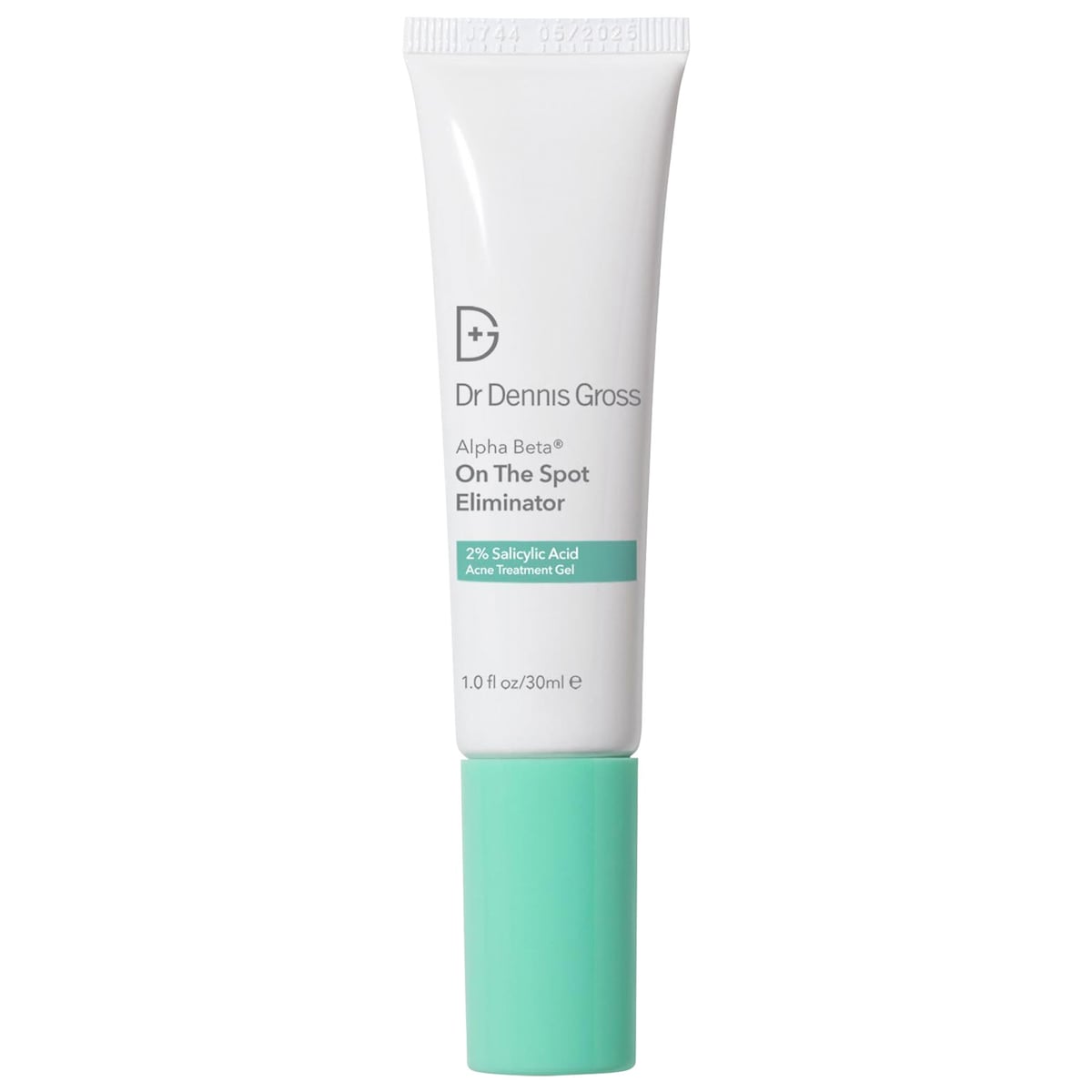
A BHA that exfoliates within the pores to treat and prevent acne. It's a standard and effective acne-fighting ingredient.
Usually helps with
Acne, blackheads, whiteheads, oiliness
Watch for
Can cause dryness or peeling, especially when first starting.
The primary base for most skincare formulations, dissolving other ingredients.
Usually helps with
All skin types
Astringent
Hamamelis Virginiana (Witch Hazel) Water
A natural astringent that can help to temporarily tighten skin and reduce oiliness. It may have mild anti-inflammatory properties.
Usually helps with
Oily skin, temporary pore appearance reduction
Watch for
Can be drying for some skin types.
Film Former
PVM/MA Decadiene Crosspolymer
A polymer used to create a film on the skin, which can help with texture and product adherence.
Usually helps with
Improving product feel
A common solvent and humectant that helps to draw moisture into the skin.
Usually helps with
Hydration, improving texture
Watch for
Generally well-tolerated.
Solvent
Dimethyl Isosorbide
A solvent that can help to improve the solubility and delivery of other ingredients.
Usually helps with
Enhancing ingredient efficacy
A powerful humectant that draws water into the skin, helping to keep it hydrated and plump.
Usually helps with
All skin types, hydration
pH Adjuster
Potassium Hydroxide
Used to adjust the pH of a formulation, ensuring it is safe and effective for the skin.
Usually helps with
Formulation stability
Watch for
Can be irritating in high concentrations, but safe in cosmetic formulations.
An emulsifier that helps to mix oil and water-based ingredients. It can also act as a solubilizer.
Usually helps with
Formulating stable products
Watch for
Can be a mild irritant for very sensitive skin.
Skin Conditioning Agent
Carnitine HCl
An amino acid derivative that may play a role in skin metabolism and energy production.
Usually helps with
Skin conditioning
Watch for
Limited research on topical benefits.
A polyhydroxy acid (PHA) that offers gentle exfoliation and hydration. It's less irritating than AHAs.
Usually helps with
Gentle exfoliation, hydration, sensitive skin
Chelating Agent
Phytic Acid
A natural chelating agent that can help to bind metal ions, potentially offering antioxidant benefits and improving skin tone.
Usually helps with
Antioxidant support, brightening
Watch for
Can be mildly exfoliating.
An alpha-hydroxy acid (AHA) that effectively exfoliates the skin's surface, improving texture and tone. Can increase sun sensitivity.
Usually helps with
Exfoliation, texture improvement, dullness
Watch for
Can cause stinging or irritation, especially on sensitive skin or when overused. Increases sun sensitivity.
Antioxidant
Silybum Marianum Fruit Extract
Also known as milk thistle extract, it contains silymarin, which has antioxidant and anti-inflammatory properties.
Usually helps with
Antioxidant protection, soothing
A primary component of chamomile, known for its potent anti-inflammatory and skin-soothing properties.
Usually helps with
Calming irritation, redness
Skin Conditioning Agent
Vitex Agnus-Castus Extract
An extract from the chaste tree berry, sometimes used for its potential to help balance hormones and improve skin.
Usually helps with
Skin conditioning
Watch for
Limited robust clinical data for topical use.
Antioxidant
Ganoderma Lucidum (Mushroom) Extract
Mushroom extracts can offer antioxidant and anti-inflammatory benefits, helping to protect the skin.
Usually helps with
Antioxidant support, soothing
Antioxidant
Vitis Vinifera (Grape) Seed Extract
Rich in antioxidants like proanthocyanidins, it helps protect the skin from free radical damage.
Usually helps with
Antioxidant protection
Antioxidant
Tetrahydrocurcumin
A derivative of curcumin (from turmeric) with potent antioxidant and anti-inflammatory properties. It's known for its brightening effects.
Usually helps with
Brightening, antioxidant protection, anti-inflammatory
Watch for
Can be unstable in formulations.
A naturally occurring antioxidant in the body that helps protect cells from damage. Topically, it may help with brightening and antioxidant defense.
Usually helps with
Antioxidant protection, brightening
Watch for
Stability can be an issue in formulations.
Skin Conditioning Agent
Potassium Azeloyl Diglycinate
A derivative of azelaic acid, it's known for its anti-inflammatory, oil-regulating, and brightening properties, often with less irritation than pure azelaic acid.
Usually helps with
Redness, oiliness, brightening
Fragrance Ingredient
Farnesol
A naturally occurring organic compound found in essential oils. It's often used as a fragrance ingredient and can have antimicrobial properties.
Usually helps with
Fragrance
Watch for
Can be a potential allergen or irritant for sensitive skin.
Preservative
Leuconostoc/Radish Root Ferment Filtrate
A natural preservative derived from fermented radish root, offering antimicrobial benefits.
Usually helps with
Natural preservation
Skin Conditioning Agent
Sodium Pantothenate
A salt form of Vitamin B5 (pantothenic acid), known for its moisturizing and skin-soothing properties.
Usually helps with
Hydration, soothing
A form of Vitamin A that promotes cell turnover, boosts collagen production, and helps with acne and signs of aging. Can cause irritation, dryness, and sun sensitivity.
Usually helps with
Acne, anti-aging, texture, tone
Watch for
Causes significant sun sensitivity, potential for irritation, redness, and peeling. Not recommended during pregnancy.
A form of Vitamin B3 that helps improve skin barrier function, reduce inflammation, minimize pores, and regulate oil production.
Usually helps with
Pores, oiliness, redness, barrier support
Watch for
Generally well-tolerated, but high concentrations can cause flushing in some individuals.
Humectant
Saccharide Isomerate
A carbohydrate complex that binds to skin cells, providing long-lasting hydration and improving skin barrier function.
Usually helps with
Deep hydration, barrier support
A potent antioxidant that helps protect the skin from environmental damage and enhances the stability and efficacy of other antioxidants like Vitamin C and E.
Usually helps with
Antioxidant protection, brightening
Antioxidant
Camellia Sinensis Leaf Extract
Green tea extract, rich in antioxidants that help protect the skin from free radical damage and have anti-inflammatory properties.
Usually helps with
Antioxidant protection, soothing
Emulsifier
Glyceryl Stearate
An emulsifier and emollient that helps to create a stable emulsion and soften the skin.
Usually helps with
Emulsifying, softening skin
A sugar alcohol that acts as a humectant, drawing moisture to the skin.
Usually helps with
Hydration
Skin Conditioning Agent
sh-Oligopeptide-1
A synthetic peptide that mimics epidermal growth factor (EGF), which can help promote cell regeneration and skin repair.
Usually helps with
Skin regeneration, anti-aging
Watch for
Can be expensive; efficacy depends on formulation and concentration.
Emulsifier
Methyl Glucose Sesquistearate
A gentle emulsifier derived from glucose and stearic acid, used to blend oil and water ingredients.
Usually helps with
Emulsifying
Emollient
Neopentyl Glycol Diethylhexanoate
An emollient that helps to soften and smooth the skin, improving the product's texture.
Usually helps with
Softening skin, improving texture
Emulsifier
PEG-20 Methyl Glucose Sesquistearate
A water-soluble emulsifier that helps to create stable formulations.
Usually helps with
Emulsifying
Watch for
PEG compounds can sometimes be a concern for those avoiding them.
Soothing Agent
Aloe Barbadensis Leaf Juice
Known for its soothing, hydrating, and anti-inflammatory properties. It can help calm irritated skin.
Usually helps with
Soothing, hydration, calming irritation
Soothing Agent
Centella Asiatica Extract
Also known as cica or gotu kola, it's renowned for its wound-healing, anti-inflammatory, and antioxidant properties. Excellent for calming and repairing skin.
Usually helps with
Soothing, redness, barrier repair, wound healing
Essential components of cell membranes, they help to moisturize and support the skin barrier.
Usually helps with
Hydration, barrier support
Humectant
Sodium Hyaluronate
The salt form of hyaluronic acid, it attracts and holds moisture in the skin, providing hydration and plumping effects.
Usually helps with
Hydration, plumping
Antioxidant
Soy Isoflavones
Plant-derived compounds with antioxidant properties that may help improve skin texture and tone.
Usually helps with
Antioxidant support, skin conditioning
Soothing Agent
Chamomilla Recutita (Matricaria) Flower Extract
Chamomile extract is well-known for its calming, anti-inflammatory, and antioxidant properties.
Usually helps with
Soothing, redness, calming irritation
Emulsifier
Polyglyceryl-10 Laurate
A gentle, water-soluble emulsifier derived from glycerin and lauric acid.
Usually helps with
Emulsifying
A derivative of zinc that helps to regulate sebum production and has antimicrobial properties, beneficial for oily and acne-prone skin.
Usually helps with
Oiliness, acne
Preservative
Ethylhexylglycerin
A preservative and skin-conditioning agent that also enhances the efficacy of other preservatives.
Usually helps with
Preservation, skin conditioning
Watch for
Can be a mild irritant for some.
A skin-conditioning agent known for its soothing, moisturizing, and cell-regenerating properties.
Usually helps with
Soothing, moisturizing, healing
A solvent that helps to dissolve other ingredients and can improve product penetration.
Usually helps with
Improving formulation
A fatty acid used as an emulsifier and emollient to soften and smooth the skin.
Usually helps with
Emulsifying, softening skin
An alpha-hydroxy acid used to adjust the pH of formulations and provide mild exfoliation.
Usually helps with
pH adjustment, mild exfoliation
Watch for
Can cause irritation at higher concentrations.
pH Adjuster
Sodium Citrate
The salt form of citric acid, used to adjust and buffer the pH of cosmetic products.
Usually helps with
pH adjustment
Skin Conditioning Agent
Calcium Gluconate
A mineral salt that can help condition the skin.
Usually helps with
Skin conditioning
Skin Conditioning Agent
Potassium Gluconate
A mineral salt that can help condition the skin.
Usually helps with
Skin conditioning
Encapsulating Agent
Cyclodextrin
A cyclic oligosaccharide used to encapsulate and stabilize active ingredients, potentially improving their delivery and efficacy.
Usually helps with
Ingredient stabilization
Chelating Agent
Tetrasodium Glutamate Diacetate
A biodegradable chelating agent that helps to improve the stability and performance of formulations by binding metal ions.
Usually helps with
Formulation stability
Emollient
Caprylic/Capric Triglyceride
A derivative of coconut oil and glycerin, it's an excellent emollient that replenishes the skin's surface and helps reduce moisture loss.
Usually helps with
Moisturizing, softening skin
Fragrance Ingredient
Jasminum Officinale (Jasmine) Flower/Leaf Extract
An extract from jasmine flowers, typically used for its fragrance. It may have some antioxidant properties.
Usually helps with
Fragrance
Watch for
Can be a potential allergen or irritant for sensitive skin.
Antioxidant
Vitis Vinifera (Grape) Fruit Extract
Extract from grapes, rich in antioxidants that help protect the skin from environmental damage.
Usually helps with
Antioxidant protection
Fragrance Ingredient
Eugenia Caryophyllus (Clove) Flower Extract
Extract from clove flowers, used for its strong fragrance. It contains eugenol, which can be a skin irritant.
Usually helps with
Fragrance
Watch for
Can be a potent irritant and allergen for sensitive skin.
Fragrance Ingredient
Lavandula Angustifolia (Lavender) Flower/Leaf/Stem Extract
Lavender extract, commonly used for its fragrance and calming properties. However, it can be a sensitizer for some.
Usually helps with
Fragrance, calming
Watch for
Can be a potential allergen or irritant for sensitive skin.
Preservative
Phenoxyethanol
A common preservative used to prevent microbial growth in cosmetics. It's generally considered safe but can be an irritant for some.
Usually helps with
Preservation
Watch for
Can cause skin irritation or allergic reactions in sensitive individuals.
Preservative
Sodium Benzoate
A salt of benzoic acid, used as a preservative. It works best in acidic formulations.
Usually helps with
Preservation
Watch for
Can cause irritation, especially when combined with Vitamin C.
Preservative
Potassium Sorbate
A salt of sorbic acid, used as a preservative to inhibit the growth of mold, yeast, and fungi.
Usually helps with
Preservation
Watch for
Generally well-tolerated.