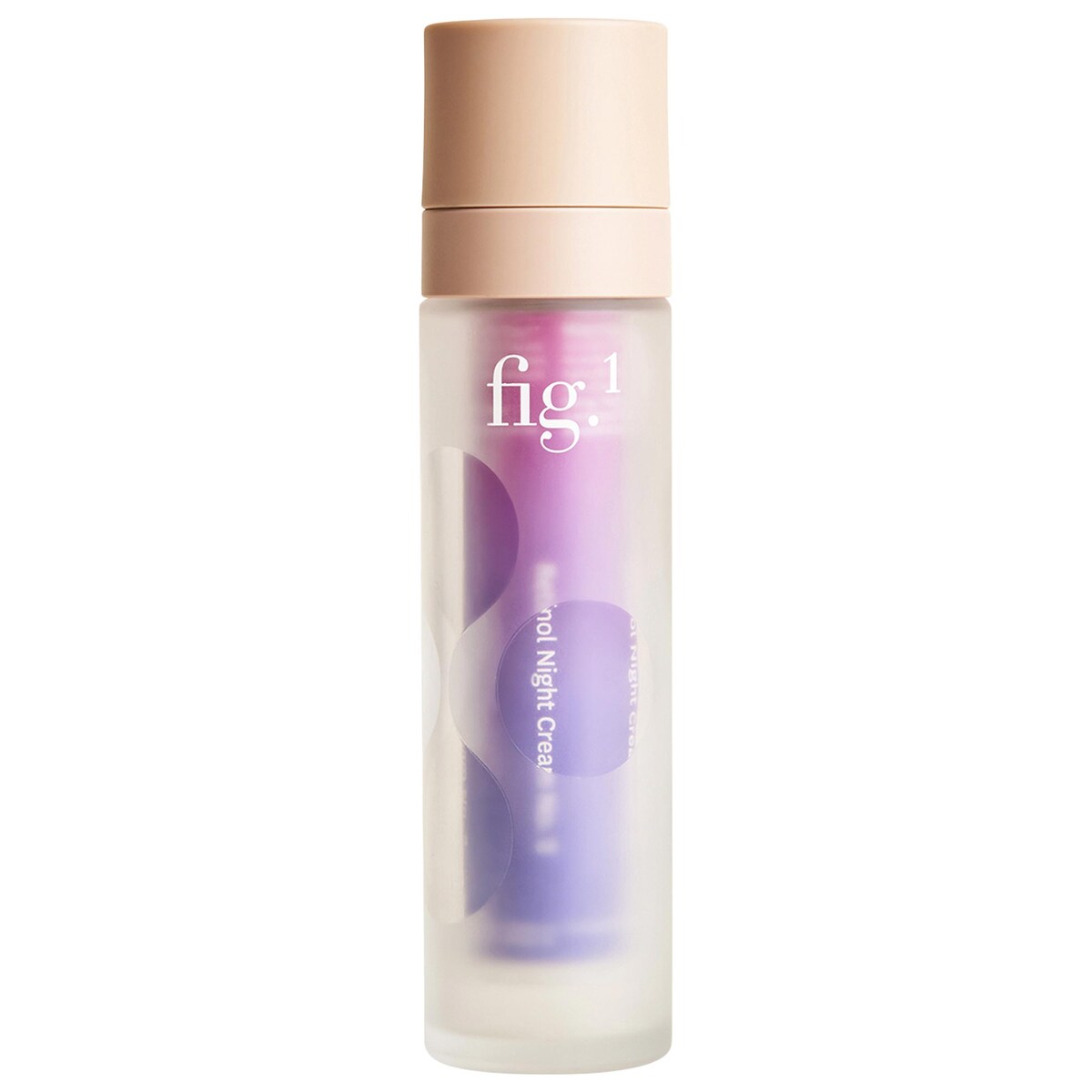
Fig.1moisturizerTreat step

Fig.1 0.3% Retinol Refillable Night Cream for Fine Lines + Wrinkles

This is Fig.1's intermediate retinol offering, designed to tackle fine lines and wrinkles with a manageable 0.3% concentration. Its refillable packaging is a nice touch for sustainability. It aims to deliver retinol benefits while minimizing the irritation often associated with the ingredient.

Sephora price

$51.00 - $56.00

Price matters most when you are trying to learn whether this lane belongs in your routine without turning the test into a luxury gamble.

Sephora reviews

4.8 / 5

About 157 reviews on the current Sephora source, so there is real volume behind the reputation.

Shoppers keep mentioning

Fig.10.3% Retinol Refillable Night Cream for Fine Lines + Wrinkles$56.00157

These are the shopper themes that keep showing up around this listing and shape why people open it in the first place.

Glass take

4.8 / 5 overall fit

A solid intermediate retinol that balances efficacy with a gentle, hydrating base. It's a great choice for those looking to upgrade their retinol routine without significant irritation.

Fig.1 0.3% Retinol Refillable Night Cream for Fine Lines + Wrinkles

Sephora snapshot refreshed April 23, 2026

Price, rating, review count, and source status come from Sephora. Glass adds the routine fit, overlap risk, and what to compare next.

View Sephora

What Sephora says

What this product is supposed to do

An intermediate night cream—Level 2 in Fig. 1’s Retinol Level-Up System—that minimizes irritation while visibly targeting texture and wrinkles.

DryCombinationand SensitiveFine Lines and Wrinkles and Loss of Firmness and Elasticity

Suitable for all skin types.

Not recommended for those who are pregnant or nursing.

Order a recyclable refill or step up to Retinol Night Cream Level 3 when empty.

Fig.1 Retinol Night Cream has a hydrating cream base that allows it to be used as a moisturizer, though you can also follow with Ceramide Moisturizer (sold separately) for added hydration.

If you're new to retinol or have sensitive skin, start by using every other night to build tolerance.

After six to eight weeks of consistent use without irritation, your skin is ready to step up to Retinol Night Cream Level 3 (sold separately).

Refill Instructions:

Fig. 1 packages their formulas in glass bottles with refillable cartridges and airless pumps to keep air, light, and bacteria out, preserving the potency of active ingredients.

When you’ve run out of product, keep the glass bottle and pump and order a refill cartridge—that’s the small, colorful tube which contains the actual product).

Twist off the old cartridge, recycle it, and twist on the new one.

What Glass adds

What actually matters before you buy it

A well-formulated retinol cream that bridges the gap between beginner and advanced treatments. The hydrating base is a significant plus, and the refillable system is commendable. It's a good option for those who want to see results from retinol without the harshness.

Gentle yet effective

Many users appreciate that this retinol delivers noticeable improvements in fine lines and texture without the redness or peeling they've experienced with other products.

Hydration boost

The creamy texture is frequently praised for its moisturizing properties, reducing the need for a separate moisturizer for some.

Best for

When this is a smart buy

  • Fine lines and wrinkles
  • Texture concerns
  • Users looking for an intermediate retinol
  • Those who prefer a hydrating cream base

Skip if

When this is the wrong lane

  • You are pregnant or nursing
  • You are looking for a very high concentration of retinol immediately
  • You have a compromised skin barrier and are not yet acclimated to retinoids

Routine fit

How to integrate this retinol

Apply a pea-sized amount to clean, dry skin in the evening. If you are new to retinol, start by using it every other night and gradually increase frequency as tolerated. It can be used as your sole nighttime moisturizer or followed by a more emollient cream if your skin needs extra hydration. Always use sunscreen during the day when using retinoids.

Why it works

Where it earns the slot and where it does not

The useful question is not whether this product is good in a vacuum. It is whether it makes your routine easier to run or just adds one more bottle with a familiar ingredient on it.

What it actually does well

  • Effective 0.3% retinol concentration
  • Hydrating cream base
  • Refillable and sustainable packaging
  • Targets multiple signs of aging

Where it starts to feel redundant

  • May not be potent enough for advanced retinol users
  • Requires careful introduction for sensitive skin

Routine fit

Where it belongs in the stack

Nighttime treatment

This is a nighttime product. Apply it after cleansing and before any other serums or moisturizers, or as your final step if it provides sufficient hydration for your skin type.

Glass rating

How this formula scores in real life

4.8/ 5 overall

A solid intermediate retinol that balances efficacy with a gentle, hydrating base. It's a great choice for those looking to upgrade their retinol routine without significant irritation.

Retinol strength

4.5 / 5

0.3% is an effective concentration for visible results without being overwhelming for many users.

Hydration

4.7 / 5

The cream base provides good moisture, making it suitable for use as a standalone moisturizer for many.

Full ingredient breakdown

Every ingredient, what it does, and whether I care

Solvent

Water (Aqua)

Badness

0.0 / 10

The base for most cosmetic formulations.

Usually helps with

Hydration

Watch for

Humectant

Glycerin

Badness

0.0 / 10

Attracts water to the skin, helping to keep it hydrated and supple.

Usually helps with

Dryness, hydration

Watch for

Emollient

Hydrogenated Ethylhexyl Olivate

Badness

0.0 / 10

A derivative of olive oil that softens and smooths the skin.

Usually helps with

Dryness, softening

Watch for

Emollient

Limnanthes Alba (Meadowfoam) Seed Oil

Badness

0.0 / 10

A rich oil that helps to moisturize and condition the skin.

Usually helps with

Dryness, conditioning

Watch for

Emollient

Squalane

Badness

0.0 / 10

A stable, hydrogenated form of squalene, a natural component of skin sebum. It's an excellent moisturizer and antioxidant.

Usually helps with

Dryness, antioxidant

Watch for

Emollient/Emulsifier

Cetyl Alcohol

Badness

0.0 / 10

A fatty alcohol that helps to soften and smooth skin, and also acts as an emulsifier to keep oil and water mixed.

Usually helps with

Softening, stabilizing

Watch for

Emollient/Emulsifier

Cetearyl Alcohol

Badness

0.0 / 10

Similar to cetyl alcohol, it softens and smooths skin and aids in product texture.

Usually helps with

Softening, texture

Watch for

Humectant/Solvent

Propanediol

Badness

0.0 / 10

A versatile ingredient that helps to hydrate the skin and improve the absorption of other ingredients.

Usually helps with

Hydration, penetration

Watch for

Emulsifier

Glyceryl Stearate SE

Badness

0.0 / 10

An emulsifier derived from glycerin and stearic acid, helping to blend oil and water components.

Usually helps with

Stabilizing

Watch for

Emollient/Emulsifier

Behenyl Alcohol

Badness

0.0 / 10

A fatty alcohol that provides emollience and helps to stabilize the formulation.

Usually helps with

Softening, stability

Watch for

Emulsifier

Glyceryl Stearate

Badness

0.0 / 10

Another emulsifier that helps to create a smooth texture and keep ingredients combined.

Usually helps with

Texture, stability

Watch for

Emulsifier

Sorbitan Stearate

Badness

0.0 / 10

Helps to mix oil and water ingredients in the formula.

Usually helps with

Stabilizing

Watch for

Emollient

Borago Officinalis Seed Oil

Badness

0.0 / 10

Rich in gamma-linolenic acid (GLA), it helps to soothe and moisturize the skin.

Usually helps with

Soothing, moisturizing

Watch for

Emollient

Oenothera Biennis (Evening Primrose) Oil

Badness

0.0 / 10

Contains essential fatty acids that can help to improve skin hydration and elasticity.

Usually helps with

Hydration, elasticity

Watch for

Emulsifier

Sodium Stearoyl Glutamate

Badness

0.0 / 10

A mild emulsifier that helps to create a stable and pleasant texture.

Usually helps with

Stabilizing, texture

Watch for

Emollient

Vitis Vinifera (Grape) Seed Oil

Badness

0.0 / 10

A lightweight oil rich in antioxidants, known for its skin-conditioning properties.

Usually helps with

Antioxidant, conditioning

Watch for

Emollient

Triolein

Badness

0.0 / 10

A triglyceride that helps to soften and smooth the skin.

Usually helps with

Softening, smoothing

Watch for

Emulsifier

Cetearyl Glucoside

Badness

0.0 / 10

A gentle, plant-derived emulsifier that helps to create stable emulsions.

Usually helps with

Stabilizing, gentle

Watch for

Humectant/Solvent

Butylene Glycol

Badness

0.0 / 10

A common ingredient that helps to hydrate the skin and improve the texture of the product.

Usually helps with

Hydration, texture

Watch for

Emollient

Hydrogenated Olive Oil Unsaponifiables

Badness

0.0 / 10

A derivative of olive oil that provides emollience and skin conditioning.

Usually helps with

Softening, conditioning

Watch for

Emollient

Astrocaryum Vulgare Kernel Oil

Badness

0.0 / 10

A rich oil known for its moisturizing and skin-conditioning properties.

Usually helps with

Moisturizing, conditioning

Watch for

Preservative

Benzyl Alcohol

Badness

2.0 / 10

A preservative that can also act as a solvent. It can be a potential allergen for some.

Usually helps with

Preservation

Watch for

Potential irritation or allergy

Emollient/Preservative Booster

Caprylyl Glycol

Badness

0.0 / 10

Helps to condition the skin and boost the effectiveness of preservatives.

Usually helps with

Conditioning, preservation

Watch for

Emulsifier/Skin Conditioning

Hydrogenated Lecithin

Badness

0.0 / 10

A modified form of lecithin that helps to stabilize emulsions and condition the skin.

Usually helps with

Stabilizing, conditioning

Watch for

Emollient

Caprylic/Capric Triglyceride

Badness

0.0 / 10

A mix of fatty acids derived from coconut oil and glycerin, it's an excellent emollient and skin-replenishing ingredient.

Usually helps with

Moisturizing, replenishing

Watch for

Thickener

Allyl Methacrylates Crosspolymer

Badness

0.0 / 10

A polymer used to thicken the product and improve its texture.

Usually helps with

Texture

Watch for

Thickener

Sodium Polyacrylate

Badness

0.0 / 10

A synthetic polymer used to thicken cosmetic formulations.

Usually helps with

Texture

Watch for

Antioxidant

Tocopherol

Badness

0.0 / 10

A form of Vitamin E, it helps to protect the skin from free radical damage.

Usually helps with

Antioxidant, protection

Watch for

Skin-Replenishing

Ceramide NP

Badness

0.0 / 10

A crucial lipid that helps to restore and maintain the skin's barrier function, improving hydration and resilience.

Usually helps with

Barrier repair, hydration

Watch for

Emollient

Glyceryl Dioleate

Badness

0.0 / 10

An emollient that helps to soften and smooth the skin.

Usually helps with

Softening, smoothing

Watch for

Thickener/Emulsifier

Ammonium Acryloyldimethyltaurate/VP Copolymer

Badness

0.0 / 10

A polymer that helps to thicken the product and stabilize emulsions.

Usually helps with

Texture, stability

Watch for

Emollient/Emulsifier

Palmitic Acid

Badness

0.0 / 10

A fatty acid that helps to soften and smooth skin, and can also aid in emulsification.

Usually helps with

Softening, smoothing

Watch for

Emulsifier

Polysorbate-20

Badness

1.0 / 10

A synthetic emulsifier used to help mix oil and water. Can be irritating for some sensitive skin types.

Usually helps with

Stabilizing

Watch for

Potential irritation

Emollient/Emulsifier

Stearic Acid

Badness

0.0 / 10

A fatty acid that helps to soften and smooth skin, and also acts as an emulsifier.

Usually helps with

Softening, smoothing

Watch for

Preservative

Benzoic Acid

Badness

1.0 / 10

A preservative used to prevent microbial growth. Can be a mild irritant for some.

Usually helps with

Preservation

Watch for

Potential mild irritation

Active

Retinol

Badness

2.0 / 10

A form of Vitamin A that promotes cell turnover, reduces wrinkles, and improves skin texture. Can cause irritation, dryness, and sun sensitivity.

Usually helps with

Anti-aging, texture, tone

Watch for

Redness, peeling, dryness, sun sensitivity

Chelating Agent

Disodium EDTA

Badness

0.0 / 10

Helps to improve the stability and performance of the product by binding to metal ions.

Usually helps with

Stability

Watch for

Emollient/Skin Conditioning

Linoleic Acid

Badness

0.0 / 10

An essential fatty acid that helps to support the skin barrier and improve hydration.

Usually helps with

Barrier support, hydration

Watch for

Emollient/Skin Conditioning

Phospholipids

Badness

0.0 / 10

Components of cell membranes that help to moisturize and support the skin barrier.

Usually helps with

Moisturizing, barrier support

Watch for

Emollient/Antioxidant

Phytosterols

Badness

0.0 / 10

Plant-derived sterols that help to condition and soothe the skin, and offer antioxidant benefits.

Usually helps with

Conditioning, soothing, antioxidant

Watch for

Thickener

Carbomer

Badness

0.0 / 10

A polymer used to thicken cosmetic formulations and improve their texture.

Usually helps with

Texture

Watch for

Humectant/Exfoliant

Sodium Lactate

Badness

0.0 / 10

A salt of lactic acid that acts as a humectant to draw moisture to the skin. At higher concentrations, it can be an AHA exfoliant.

Usually helps with

Hydration

Watch for

Humectant

Sodium Hyaluronate

Badness

0.0 / 10

The salt form of hyaluronic acid, it attracts and holds moisture in the skin, providing hydration.

Usually helps with

Hydration

Watch for

Peptide

Palmitoyl Tripeptide-1

Badness

0.0 / 10

A signaling peptide that helps to stimulate collagen production, improving skin firmness and reducing wrinkles.

Usually helps with

Anti-aging, firmness

Watch for

Peptide

Palmitoyl Tetrapeptide-7

Badness

0.0 / 10

Another signaling peptide that works with Palmitoyl Tripeptide-1 to reduce inflammation and support collagen synthesis.

Usually helps with

Anti-aging, inflammation

Watch for

Compare before you buy

The next pages that make this product more useful

A good product page should push you into the next decision, not trap you inside one product page forever. These are the cleaner next clicks.

FAQ

The fast answers people actually need

Is this retinol cream suitable for sensitive skin?

Yes, it is formulated to minimize irritation and is suitable for sensitive skin, especially when introduced gradually. However, always patch test if you have very reactive skin.

Can I use this retinol cream every night?

If you are new to retinol, start by using it every other night. Once your skin builds tolerance, you can increase to nightly use. Listen to your skin; if irritation occurs, reduce frequency.

What is the refillable system?

The glass bottle contains an airless pump. When the product is finished, you replace the inner cartridge with a new one, keeping the bottle and pump for sustainability.