
What Sephora says
What this product is supposed to do
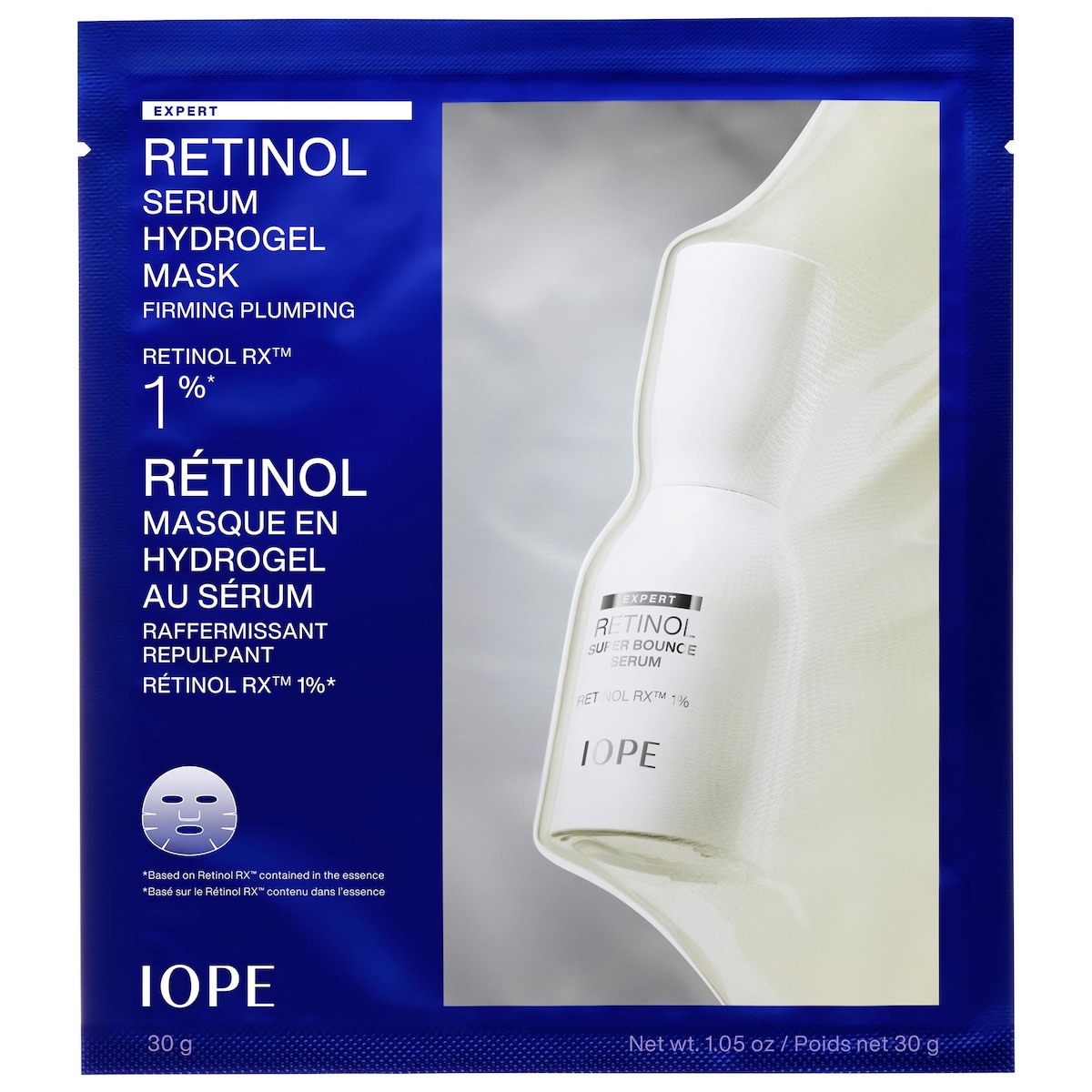
A hydrogel mask delivers a full-bottle dose of 1% Retinol RX in every mask.
NormalDryCombinationand OilyPoresUneven TextureLoss of Firmness and Elasticity
This hydrogel mask is a concentrated dose of retinol designed for a significant skin treatment. It’s a convenient way to introduce or boost your retinol routine without the commitment of a daily serum, targeting firmness and texture.
Sephora price
$7.00 - $30.00
Price matters most when you are trying to learn whether this lane belongs in your routine without turning the test into a luxury gamble.
Sephora reviews
4.7 / 5
About 73 reviews on the current Sephora source, so there is real volume behind the reputation.
Shoppers keep mentioning
These are the shopper themes that keep showing up around this listing and shape why people open it in the first place.
Glass take
4.7 / 5 overall fit
A potent, single-use retinol treatment that delivers noticeable firming and texture improvement, especially for those targeting signs of aging.
Sephora snapshot refreshed April 23, 2026
Price, rating, review count, and source status come from Sephora. Glass adds the routine fit, overlap risk, and what to compare next.
View SephoraWhat Sephora says
A hydrogel mask delivers a full-bottle dose of 1% Retinol RX in every mask.
What Glass adds
A powerful single-use treatment for those seeking the anti-aging benefits of retinol. It’s a good option for a targeted boost, but not a replacement for a consistent daily retinol product.
Visible results
Users report a noticeable improvement in skin firmness and a smoother texture after using this mask.
Potency
The high retinol concentration is praised for delivering significant results, though some caution against frequent use.
Best for
Skip if
Routine fit
Use this mask once or twice a week, after cleansing and toning. Apply to dry skin, leave on for the recommended time (usually 20-30 minutes), then remove and pat in any remaining serum. Follow with a moisturizer. Avoid using other strong actives on the same night.
Why it works
The useful question is not whether this product is good in a vacuum. It is whether it makes your routine easier to run or just adds one more bottle with a familiar ingredient on it.
What it actually does well
Where it starts to feel redundant
Routine fit
Evening treatment
Retinol is best used in the evening as it can increase sun sensitivity. Always follow with sunscreen the next day.
Glass rating
A potent, single-use retinol treatment that delivers noticeable firming and texture improvement, especially for those targeting signs of aging.
Routine fit
4.5 / 5
Best used as an occasional treatment, not daily, due to the high concentration of retinol.
Ingredient quality
4.6 / 5
Combines retinol with hydrating and soothing ingredients for a balanced approach.
Full ingredient breakdown
Solvent
Badness
0.0 / 10
The primary ingredient in most skincare products, acting as a base for other components.
Usually helps with
All skin types
Watch for
None
Humectant
Badness
0.0 / 10
A popular humectant that draws moisture from the air into the skin, keeping it hydrated and soft.
Usually helps with
All skin types, especially dry
Watch for
None
Solvent
Badness
1.0 / 10
A solvent and viscosity-decreasing agent that can help other ingredients penetrate the skin. Can be an irritant for some.
Usually helps with
Normal to oily skin
Watch for
Potential irritation for sensitive skin
Emollient
Badness
1.0 / 10
An emollient that softens and smooths the skin, improving its texture.
Usually helps with
Dry to normal skin
Watch for
Can be comedogenic for acne-prone skin
Active
Badness
2.0 / 10
A versatile ingredient that helps improve skin barrier function, reduce inflammation, and minimize the appearance of pores and fine lines.
Usually helps with
All skin types, especially acne-prone and aging
Watch for
Can cause flushing or irritation in high concentrations for some individuals
Humectant
Badness
0.0 / 10
A humectant and preservative booster that also has antimicrobial properties.
Usually helps with
All skin types
Watch for
None
Thickener
Badness
0.0 / 10
A type of red algae extract that acts as a thickening agent and skin-conditioning agent.
Usually helps with
All skin types
Watch for
None
Thickener
Badness
0.0 / 10
A plant-derived gum used as a thickening and stabilizing agent.
Usually helps with
All skin types
Watch for
None
Humectant
Badness
0.0 / 10
A sugar beet-derived ingredient that acts as a humectant, helping to hydrate and protect the skin.
Usually helps with
All skin types, especially dry
Watch for
None
Emollient
Badness
0.0 / 10
A rich emollient known for its moisturizing and skin-conditioning properties.
Usually helps with
Dry to very dry skin
Watch for
Can be heavy for oily or acne-prone skin
Thickener
Badness
0.0 / 10
A thickening agent derived from cellulose, used to improve product texture.
Usually helps with
All skin types
Watch for
None
Emollient
Badness
1.0 / 10
An emollient derived from olive oil, providing a smooth feel on the skin.
Usually helps with
Dry to normal skin
Watch for
None
Thickener
Badness
0.0 / 10
A common thickening agent and emulsion stabilizer.
Usually helps with
All skin types
Watch for
None
Thickener
Badness
1.0 / 10
A synthetic polymer used as a thickening agent.
Usually helps with
All skin types
Watch for
None
Humectant
Badness
1.0 / 10
A humectant and solvent that can enhance the penetration of other ingredients. Can be a mild irritant for some.
Usually helps with
Normal to oily skin
Watch for
Potential irritation for sensitive skin
Emulsifier
Badness
0.0 / 10
An emulsifier and emollient that helps to mix oil and water components in a formula and softens the skin.
Usually helps with
All skin types
Watch for
None
Emulsifier
Badness
1.0 / 10
An emulsifier that helps to stabilize oil and water mixtures.
Usually helps with
All skin types
Watch for
None
Thickener
Badness
1.0 / 10
A synthetic polymer used to thicken cosmetic formulations.
Usually helps with
All skin types
Watch for
None
Thickener
Badness
0.0 / 10
A thickening agent derived from seaweed, also used for its skin-conditioning properties.
Usually helps with
All skin types
Watch for
None
Emulsifier
Badness
0.0 / 10
An emulsifier derived from glycerin and oleic acid, used to blend oil and water.
Usually helps with
All skin types
Watch for
None
Preservative
Badness
0.0 / 10
A preservative and skin-conditioning agent that also enhances the efficacy of other preservatives.
Usually helps with
All skin types
Watch for
None
Thickener
Badness
0.0 / 10
A carbohydrate that can act as a thickener and skin-conditioning agent.
Usually helps with
All skin types
Watch for
None
Antioxidant
Badness
0.0 / 10
A fruit extract that can provide antioxidant benefits and skin conditioning.
Usually helps with
All skin types
Watch for
None
Thickener
Badness
0.0 / 10
A water-soluble dietary fiber that can be used as a thickening agent.
Usually helps with
All skin types
Watch for
None
Emulsifier
Badness
0.0 / 10
An emulsifier derived from glycerin and lauric acid, used to blend oil and water.
Usually helps with
All skin types
Watch for
None
Skin-Conditioning Agent
Badness
1.0 / 10
A naturally occurring compound that can help improve the appearance of wrinkles and fine lines.
Usually helps with
Mature skin
Watch for
None
Emollient
Badness
1.0 / 10
A synthetic emollient that softens and smooths the skin.
Usually helps with
Dry to normal skin
Watch for
Can be occlusive
Humectant
Badness
0.0 / 10
A sugar that helps to retain moisture and protect skin cells from dehydration.
Usually helps with
All skin types, especially dry
Watch for
None
Solvent
Badness
1.0 / 10
A solvent that can help to improve the solubility and penetration of other ingredients.
Usually helps with
All skin types
Watch for
None
Thickener
Badness
1.0 / 10
A synthetic polymer used as a thickening and suspending agent.
Usually helps with
All skin types
Watch for
None
Skin-Conditioning Agent
Badness
0.0 / 10
Rose water known for its soothing and hydrating properties.
Usually helps with
All skin types, especially sensitive
Watch for
None
Emollient
Badness
0.0 / 10
A plant-based oil rich in fatty acids, providing emollient and antioxidant benefits.
Usually helps with
Normal to dry skin
Watch for
None
Viscosity Controlling Agent
Badness
0.0 / 10
Used to control the viscosity of the formula.
Usually helps with
All skin types
Watch for
None
Chelating Agent
Badness
0.0 / 10
A chelating agent that helps to improve the stability of the formula by binding to metal ions.
Usually helps with
All skin types
Watch for
None
Emollient
Badness
1.0 / 10
A synthetic emollient that provides a smooth feel and helps to condition the skin.
Usually helps with
Normal to dry skin
Watch for
None
Antioxidant
Badness
0.0 / 10
An extract from the iris root known for its antioxidant and skin-conditioning properties.
Usually helps with
All skin types
Watch for
None
Emulsifier
Badness
0.0 / 10
A mild emulsifier used to blend oil and water phases.
Usually helps with
All skin types
Watch for
None
Antioxidant
Badness
0.0 / 10
A fruit extract that can provide antioxidant benefits and hydration.
Usually helps with
All skin types
Watch for
None
Emollient
Badness
2.0 / 10
An emollient derived from palm oil that can give a smooth feel but may clog pores for some.
Usually helps with
Normal to dry skin
Watch for
Can be comedogenic for acne-prone skin
Skin-Conditioning Agent
Badness
0.0 / 10
An extract from ivy that can have soothing and antioxidant properties.
Usually helps with
All skin types
Watch for
None
Skin-Conditioning Agent
Badness
3.0 / 10
A derivative of kojic acid, often used for its skin-brightening properties. Can be a mild irritant.
Usually helps with
Hyperpigmentation
Watch for
Potential for irritation
Emulsifier
Badness
1.0 / 10
An emulsifier and surfactant used to blend oil and water.
Usually helps with
All skin types
Watch for
None
Antioxidant
Badness
0.0 / 10
An extract from the Coptis Japonica root, known for its anti-inflammatory and antioxidant properties.
Usually helps with
All skin types, especially sensitive
Watch for
None
Humectant
Badness
1.0 / 10
A humectant and preservative booster that also has antimicrobial properties.
Usually helps with
All skin types
Watch for
Can be a mild irritant for some
Skin-Conditioning Agent
Badness
0.0 / 10
A protein that helps to hydrate and improve skin elasticity.
Usually helps with
Mature skin
Watch for
None
Active
Badness
2.0 / 10
A derivative of retinoic acid (a form of Vitamin A) that helps to reduce the appearance of wrinkles and improve skin texture. It is generally considered less irritating than retinol.
Usually helps with
Aging skin, fine lines, wrinkles
Watch for
Can still cause irritation or dryness, especially when first starting
Active
Badness
4.0 / 10
A potent form of Vitamin A that accelerates cell turnover, reduces wrinkles, and improves skin texture and tone. It can cause irritation, dryness, and sun sensitivity.
Usually helps with
Aging skin, acne, texture concerns
Watch for
Irritation, dryness, peeling, increased sun sensitivity. Not recommended during pregnancy or breastfeeding.
Exfoliant
Badness
2.0 / 10
An alpha hydroxy acid (AHA) that can help exfoliate the skin, improve texture, and brighten the complexion. Can increase sun sensitivity.
Usually helps with
Dull skin, uneven texture
Watch for
Potential for irritation and increased sun sensitivity
Antioxidant
Badness
0.0 / 10
A natural compound known for its protective and moisturizing properties, helping to shield skin from environmental stressors.
Usually helps with
All skin types, especially stressed or dehydrated
Watch for
None
Humectant
Badness
0.0 / 10
A form of hyaluronic acid that attracts and retains moisture, providing intense hydration to the skin.
Usually helps with
All skin types, especially dry or dehydrated
Watch for
None
Thickener
Badness
1.0 / 10
A synthetic polymer used to thicken cosmetic formulations and improve texture.
Usually helps with
All skin types
Watch for
None
Skin-Conditioning Agent
Badness
0.0 / 10
Sodium DNA, often derived from fish or plants, can help with skin repair and hydration.
Usually helps with
All skin types
Watch for
None
Antioxidant
Badness
3.0 / 10
A synthetic antioxidant that can be a skin irritant and has some environmental concerns.
Usually helps with
All skin types
Watch for
Potential for irritation and allergic reactions
Antioxidant
Badness
0.0 / 10
A form of Vitamin E, an antioxidant that helps protect the skin from free radical damage.
Usually helps with
All skin types
Watch for
None
Thickener
Badness
0.0 / 10
A natural gum derived from the acacia tree, used as a thickening and binding agent.
Usually helps with
All skin types
Watch for
None
Thickener
Badness
1.0 / 10
A thickening agent derived from seaweed.
Usually helps with
All skin types
Watch for
None
Compare before you buy
A good product page should push you into the next decision, not trap you inside one product page forever. These are the cleaner next clicks.
FAQ
This mask is suitable for normal, dry, combination, and oily skin types. However, due to the high concentration of retinol, those with very sensitive skin or new to retinol should use it with caution or opt for a gentler treatment.
It is recommended to use this mask once or twice a week as an occasional treatment. Overuse can lead to irritation. Always follow with sunscreen during the day.
It is generally not recommended to use this mask on the same night as other strong retinol or active treatments to avoid over-exfoliation and irritation. It's best to use it as a standalone treatment.