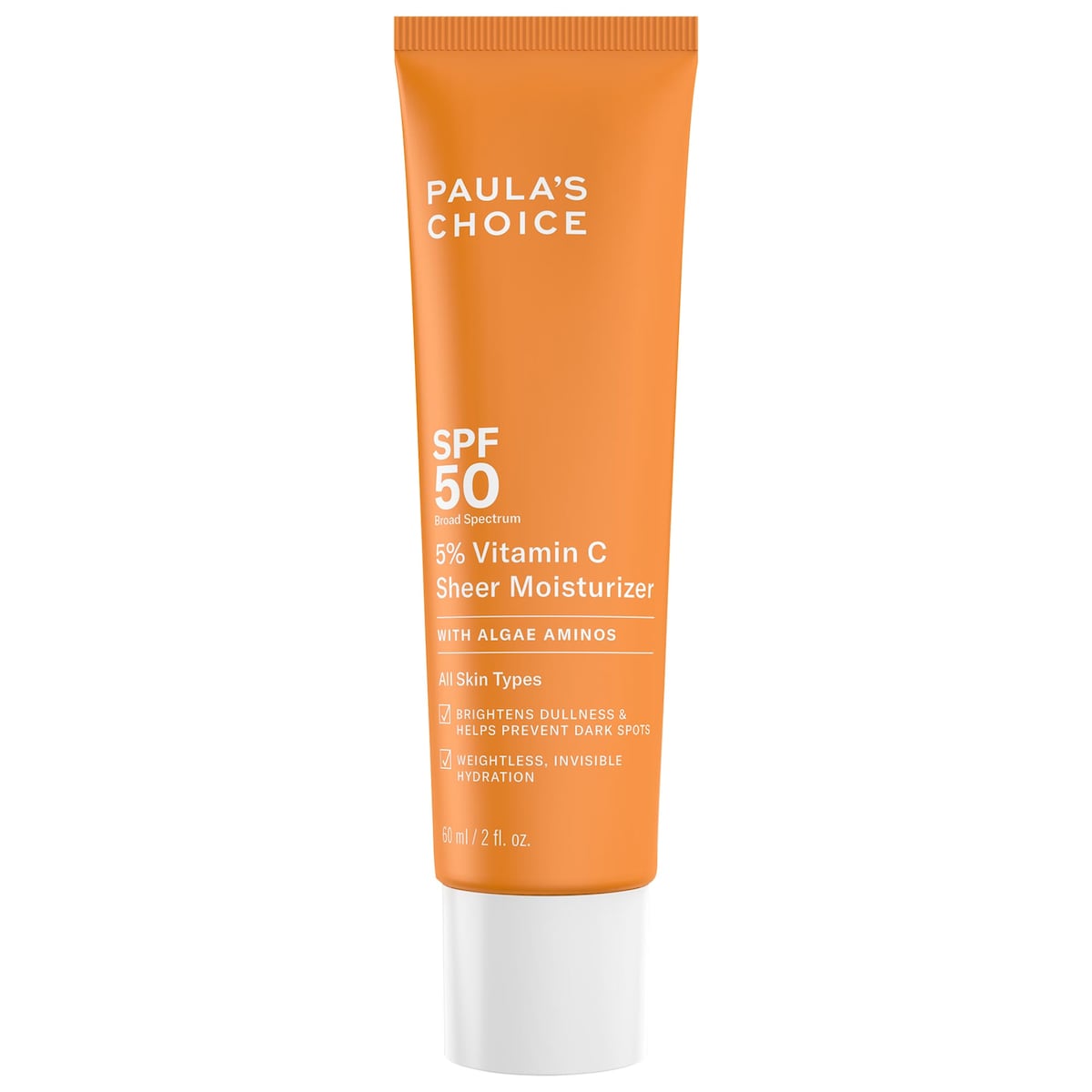
A chemical sunscreen agent that absorbs UVA rays. It's often combined with other filters for broad-spectrum protection.
Usually helps with
UVA protection
Watch for
Can degrade with sun exposure if not stabilized
A chemical sunscreen agent that absorbs UVB rays. It's effective but has raised some environmental and health concerns.
Usually helps with
UVB protection
Watch for
Potential endocrine disruptor concerns; can be irritating for some
A chemical sunscreen agent that absorbs UVB rays. It helps to stabilize other filters.
Usually helps with
UVB protection
Watch for
Can be a skin irritant for some
A chemical sunscreen agent that absorbs UVB rays and some UVA rays. It also helps to stabilize other filters like Avobenzone.
Usually helps with
UVB protection, stabilization
Watch for
Can cause allergic reactions in some individuals; potential environmental concerns
The base for many skincare formulations.
Usually helps with
Hydration
A popular humectant that draws moisture to the skin, keeping it hydrated and soft.
Usually helps with
Hydration, softening
Can help absorb excess oil and provide a matte finish.
Usually helps with
Oil control, texture improvement
Antioxidant
3-O-Ethyl Ascorbic Acid
A stable and effective derivative of Vitamin C that helps brighten skin, fade dark spots, and boost collagen.
Usually helps with
Brightening, antioxidant protection, collagen support
Watch for
Can be potent; introduce slowly if new to Vitamin C
Antioxidant
Ascorbyl Glucoside
A water-soluble derivative of Vitamin C that is converted to L-Ascorbic Acid in the skin. It offers antioxidant benefits and helps with brightening.
Usually helps with
Brightening, antioxidant protection
Watch for
Less potent than L-Ascorbic Acid but gentler
A silicone that provides a smooth, silky feel and helps to lock in moisture. It can create a barrier on the skin.
Usually helps with
Smoothing, barrier function
Watch for
Can feel heavy for very oily skin; some prefer to avoid silicones
A solvent and humectant that helps improve the absorption of other ingredients and adds hydration.
Usually helps with
Hydration, ingredient penetration
Antioxidant
Tetrahexyldecyl Ascorbate
A fat-soluble form of Vitamin C that penetrates the skin well. It offers antioxidant protection and helps with brightening and collagen production.
Usually helps with
Brightening, antioxidant protection, collagen support
Watch for
Stable and gentle
Antioxidant
Acetyl Zingerone
A derivative of ginger that acts as an antioxidant, helping to protect the skin from environmental damage.
Usually helps with
Antioxidant protection
Thickener
Acrylates/C10-30 Alkyl Acrylate Crosspolymer
A polymer used to thicken formulations and improve texture.
Usually helps with
Texture enhancement
Emollient
Diethylhexyl Syringylidenemalonate
A skin-conditioning agent that also helps to stabilize UV filters.
Usually helps with
Emollience, UV filter stabilization
Emollient
Dimethicone/Vinyl Dimethicone Crosspolymer
A silicone elastomer that provides a smooth, velvety feel and can help to mattify the skin.
Usually helps with
Texture improvement, mattifying
Antioxidant
Porphyra Umbilicalis Extract
An extract from red algae that provides antioxidant benefits and can help protect the skin from UV-induced damage.
Usually helps with
Antioxidant protection, UV defense
Emulsifier
Hydrogenated Lecithin
A modified form of lecithin that acts as an emulsifier, helping to blend oil and water ingredients.
Usually helps with
Emulsification
Emollient
Ricinus Communis (Castor) Seed Oil
A plant-derived oil that can help to soften and moisturize the skin.
Usually helps with
Emollience, moisturization
pH Adjuster
Sodium Hydroxide
Used to adjust the pH of the formula to be compatible with the skin.
Usually helps with
Formulation stability
Watch for
Can be irritating in high concentrations
A form of Vitamin E that acts as an antioxidant, protecting the skin from free radical damage.
Usually helps with
Antioxidant protection
A common thickening agent that improves the texture and stability of formulations.
Usually helps with
Texture enhancement
Preservative
Ethylhexylglycerin
A preservative that also has skin-conditioning properties.
Usually helps with
Preservation, skin conditioning
An ethoxylated ingredient that can act as an emulsifier. Some concerns exist regarding ethoxylated ingredients.
Usually helps with
Emulsification
Watch for
Potential for irritation; concerns about 1,4-dioxane contamination
Preservative
Phenoxyethanol
A common preservative used to prevent microbial growth in cosmetics.
Usually helps with
Preservation
Watch for
Can be irritating for some sensitive skin types
Preservative
Potassium Sorbate
A preservative used to inhibit the growth of mold and yeast.
Usually helps with
Preservation
Preservative
Sodium Benzoate
A preservative that works well in acidic conditions to prevent bacterial growth.
Usually helps with
Preservation
UV Filter
Titanium Dioxide
A mineral sunscreen agent that physically blocks UV rays. It's generally considered safe and effective.
Usually helps with
Broad-spectrum UV protection
Watch for
Can leave a white cast if not formulated properly; nanoparticle concerns (though generally considered safe in cosmetics)
Colorant
Iron Oxides (CI 77492)
Mineral pigments used to provide color. In sunscreens, they can help with broad-spectrum protection and tinting.
Usually helps with
Coloring
Colorant
Iron Oxides (CI 77491)
Mineral pigments used to provide color.
Usually helps with
Coloring
Colorant
Iron Oxides (CI 77499)
Mineral pigments used to provide color.
Usually helps with
Coloring