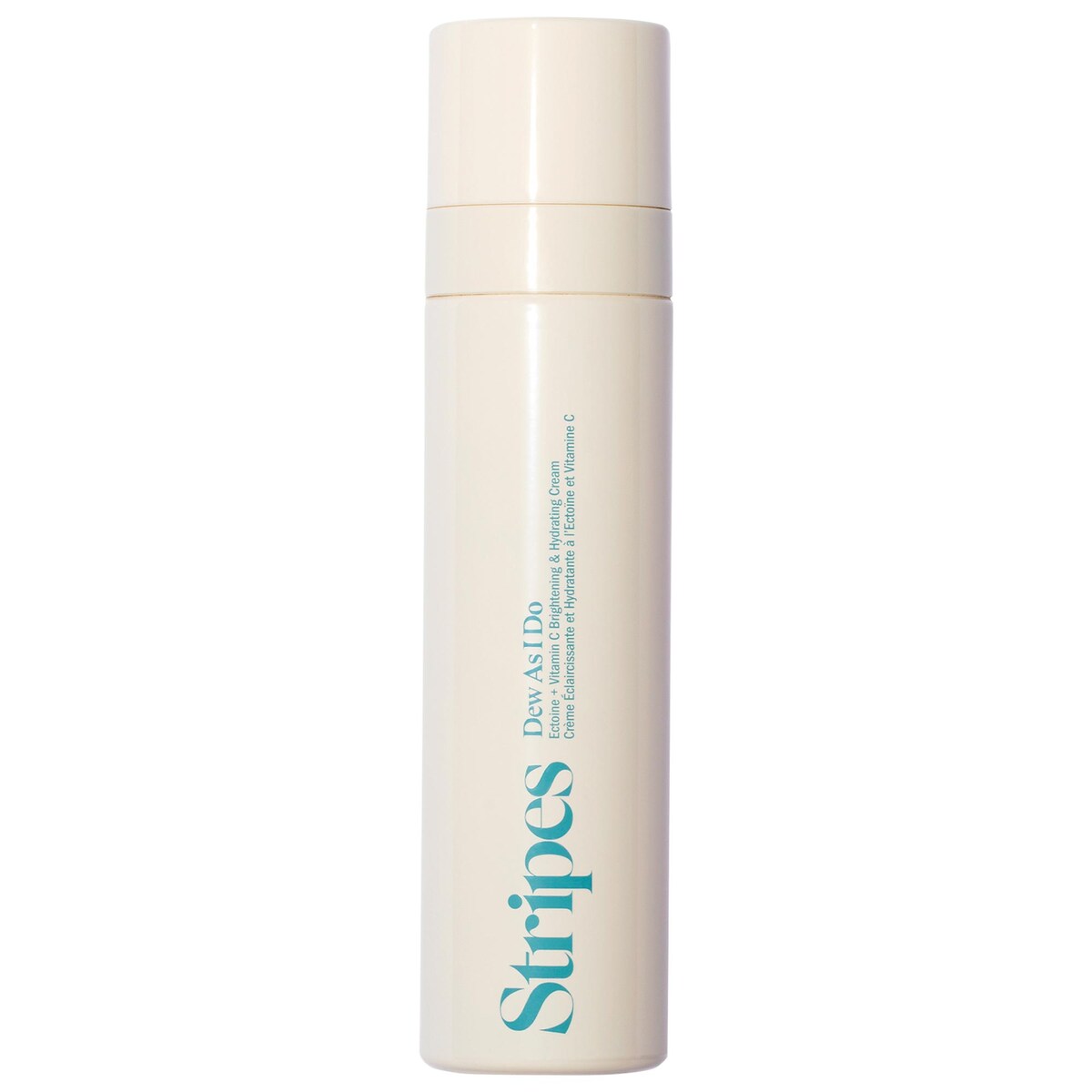
The base for most skincare formulations.
Usually helps with
Hydration
Emollient
Caprylic/Capric Triglyceride
A lightweight emollient derived from coconut oil and glycerin, it helps to replenish skin.
Usually helps with
Dryness, barrier support
A skin-identical lipid that mimics natural sebum, providing excellent hydration and improving skin suppleness without greasiness.
Usually helps with
Dryness, all skin types
A plant-derived humectant that helps draw moisture to the skin.
Usually helps with
Hydration
A classic humectant that draws water into the skin, keeping it hydrated and soft.
Usually helps with
Dryness, hydration
A natural compound known for its protective and hydrating properties, helping skin adapt to stress and retain moisture.
Usually helps with
Hydration, barrier support, environmental protection
Watch for
Generally well-tolerated
Active
Sodium Ascorbyl Phosphate
A stable, water-soluble derivative of Vitamin C that offers antioxidant protection, helps brighten skin tone, and supports collagen synthesis.
Usually helps with
Brightening, antioxidant protection, uneven tone
Watch for
Can be less potent than L-Ascorbic Acid for some concerns
A peptide that can help to improve skin tone and reduce the appearance of hyperpigmentation.
Usually helps with
Brightening, even tone
A flavonoid derived from Chinese skullcap, known for its antioxidant and anti-inflammatory properties.
Usually helps with
Antioxidant protection, soothing
Vitamin B3 helps to improve skin barrier function, reduce inflammation, minimize pores, and regulate oil production.
Usually helps with
Pores, oil control, barrier support, redness
Watch for
Can cause flushing or irritation in some individuals at high concentrations
Active
Citrus Aurantium Dulcis (Orange) Callus Culture Extract
A plant-derived extract that may help to plump skin and improve overall complexion.
Usually helps with
Plumping, skin tone
Watch for
Potential for sensitivity in some individuals
Emulsifier
Caesalpinia Spinosa Gum
A natural gum used to stabilize formulations.
Usually helps with
Texture
Skin Conditioning Agent
Calcium Gluconate
A mineral salt that can help condition the skin.
Usually helps with
Skin conditioning
Skin Conditioning Agent
Calcium Pantothenate
A form of Vitamin B5 that helps to hydrate and soothe the skin.
Usually helps with
Hydration, soothing
Skin Conditioning Agent
Pyridoxine HCL
A form of Vitamin B6 that can help condition the skin.
Usually helps with
Skin conditioning
Emulsifier
C14-C22 Alcohols
Fatty alcohols that help to emulsify and condition the skin.
Usually helps with
Emulsification, conditioning
Vitamin E, a fat-soluble antioxidant that protects skin from environmental damage.
Usually helps with
Antioxidant protection
Watch for
Can be an allergen for some
Emulsifier
C12-20 Alkyl Glucoside
A gentle, plant-derived emulsifier.
Usually helps with
Emulsification
Emulsifier
Hydrogenated Lecithin
A modified form of lecithin that helps to stabilize emulsions and condition the skin.
Usually helps with
Emulsification, skin conditioning
A thickening agent and emulsion stabilizer derived from fermented sugar.
Usually helps with
Texture
Emulsifier
Hydrogenated Lysophosphatidylcholine
A phospholipid derivative that helps with skin conditioning and emulsification.
Usually helps with
Skin conditioning, emulsification
Emulsifier
Hydrogenated Phosphatidylcholine
A phospholipid derivative that helps with skin conditioning and emulsification.
Usually helps with
Skin conditioning, emulsification
A polysaccharide used as a binder and thickener.
Usually helps with
Texture
Essential components of cell membranes, they help to moisturize and support the skin barrier.
Usually helps with
Barrier support, hydration
A simple sugar that can act as a humectant to draw moisture to the skin.
Usually helps with
Hydration
Thickener
Polyacrylate Crosspolymer-6
A synthetic polymer used to thicken formulations and improve texture.
Usually helps with
Texture
A mineral used to absorb excess oil and improve texture.
Usually helps with
Oil control, texture
Absorbent
Sodium Starch Octenylsuccinate
A modified starch used to absorb oil and improve the feel of the product.
Usually helps with
Oil control, texture
Fragrance
Parfum/Fragrance
Adds scent to the product. Can be a source of irritation or allergic reactions for sensitive skin.
Usually helps with
Sensory experience
Watch for
Potential for irritation, allergies, and photosensitivity
Antioxidant
Tocopherol Acetate
A stable ester form of Vitamin E that provides antioxidant benefits.
Usually helps with
Antioxidant protection
Watch for
Can be an allergen for some
A skin-conditioning agent that also acts as a preservative booster.
Usually helps with
Skin conditioning, preservation
A PHA that acts as a humectant and mild exfoliant, suitable for sensitive skin.
Usually helps with
Hydration, gentle exfoliation
Humectant
Pentylene Glycol
A humectant that helps improve product texture and hydration.
Usually helps with
Hydration, texture
Preservative
Sodium Benzoate
A common preservative that helps prevent microbial growth. Can be irritating for some.
Usually helps with
Preservation
Watch for
Potential for irritation in sensitive individuals
Chelating Agent
Sodium Phytate
A plant-derived ingredient that helps to stabilize the formula by binding to metal ions.
Usually helps with
Formula stability
Preservative
Ethylhexylglycerin
A skin-conditioning agent that also acts as a preservative.
Usually helps with
Preservation, skin conditioning
Used to adjust the pH of the product.
Usually helps with
pH balance
Fragrance Ingredient
Citronellol
A common fragrance component derived from plants, can be a potential allergen.
Watch for
Potential allergen
Fragrance Ingredient
Limonene
A common fragrance component derived from citrus peels, can be a potential allergen.
Watch for
Potential allergen