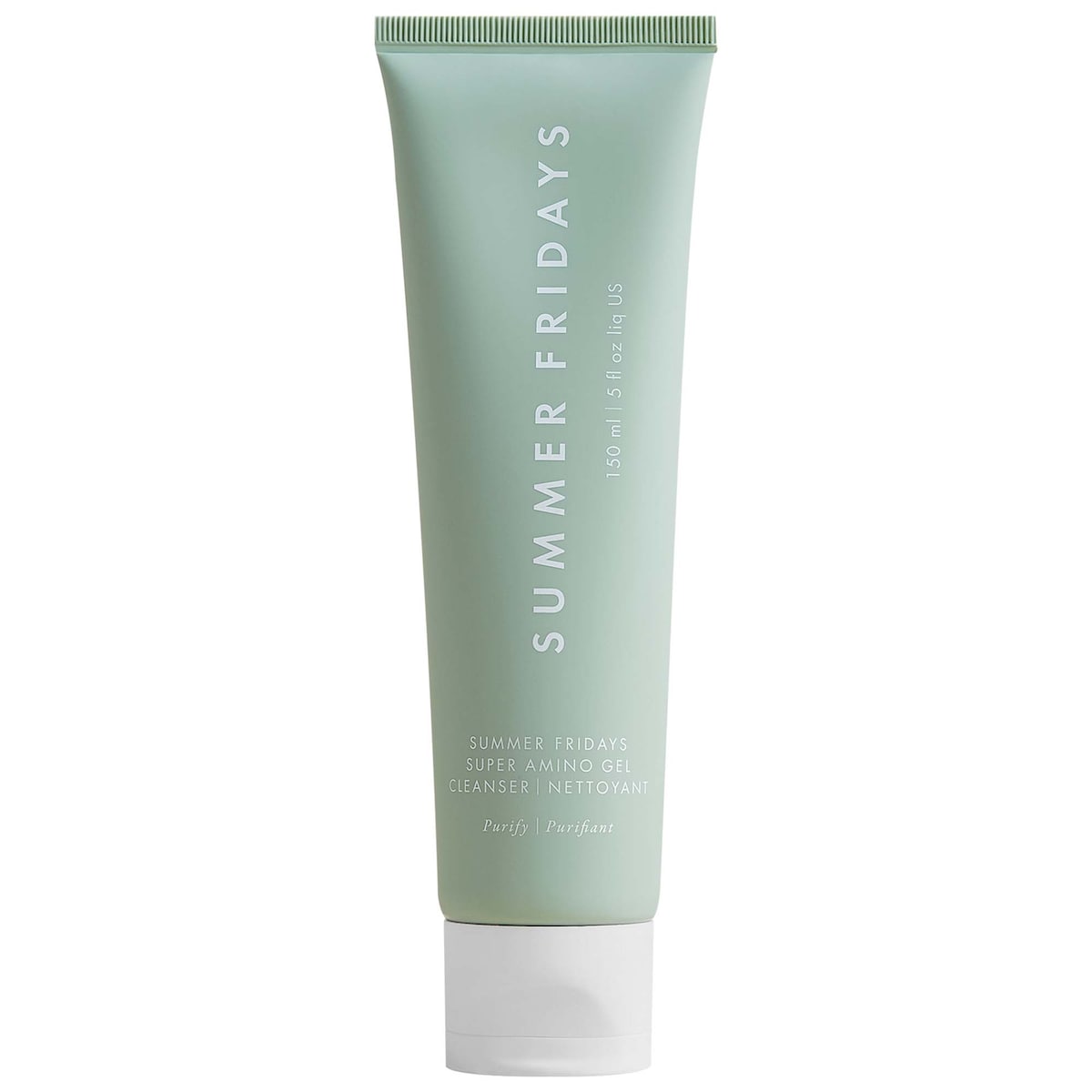
The base of the formula, dissolving ingredients and providing hydration.
Usually helps with
Hydration
Surfactant
Cocamidopropyl Betaine
A mild surfactant derived from coconut oil, used for cleansing and foaming.
Usually helps with
Cleansing
Watch for
Can be irritating for very sensitive skin
Surfactant
Disodium Cocoamphodiacetate
A very mild amphoteric surfactant that helps to cleanse the skin gently.
Usually helps with
Gentle cleansing
A non-ionic surfactant derived from sugars and coconut oil, known for its mildness and biodegradability.
Usually helps with
Gentle cleansing
A popular humectant that draws moisture to the skin, helping to keep it hydrated.
Usually helps with
Hydration
Surfactant
Sodium Lauroamphoacetate
A mild amphoteric surfactant that is gentle on the skin and helps to create lather.
Usually helps with
Gentle cleansing
Thickener
Polyacrylate Crosspolymer-6
A polymer used to thicken the product and improve its texture.
Usually helps with
Texture enhancement
An amino acid that helps to support skin's natural moisture balance and elasticity.
Usually helps with
Skin elasticity, hydration
An amino acid that plays a role in skin conditioning and repair.
Usually helps with
Skin conditioning
Pyrrolidone Carboxylic Acid, a component of the skin's natural moisturizing factor (NMF), helps to hydrate.
Usually helps with
Hydration
An amino acid that helps to maintain skin hydration and support the skin barrier.
Usually helps with
Hydration, barrier support
An amino acid that helps to improve skin texture and hydration.
Usually helps with
Skin texture, hydration
An amino acid that helps to maintain skin's moisture and support its structure.
Usually helps with
Hydration, skin structure
An amino acid that is a building block of collagen, supporting skin firmness and elasticity.
Usually helps with
Skin firmness, elasticity
An amino acid that helps to maintain skin's protein structure and hydration.
Usually helps with
Skin structure, hydration
An amino acid that aids in skin repair and hydration.
Usually helps with
Skin repair, hydration
An amino acid with antioxidant properties that can help protect the skin.
Usually helps with
Antioxidant protection
An amino acid that can help with skin conditioning and texture.
Usually helps with
Skin conditioning
The simplest amino acid, it helps to hydrate and support the skin's natural processes.
Usually helps with
Hydration
Soothing Agent
Aloe Barbadensis Leaf Juice
Known for its soothing and hydrating properties, it helps to calm the skin.
Usually helps with
Soothing, hydration
Antioxidant
Tocopheryl Acetate
A derivative of Vitamin E, it acts as an antioxidant to protect the skin from free radical damage.
Usually helps with
Antioxidant protection
Watch for
Can be irritating for some
Mineralizing Agent
Sea Salt/Maris Sal/Sel Marin
Rich in minerals, it helps to detoxify, calm, and improve skin radiance.
Usually helps with
Mineralizing, calming, radiance
A component of the skin's natural moisturizing factor, it helps to attract and retain moisture.
Usually helps with
Hydration
Emollient
Helianthus Annuus (Sunflower) Seed Oil
A non-comedogenic oil rich in linoleic acid, it helps to moisturize and support the skin barrier.
Usually helps with
Moisturizing, barrier support
A salt of lactic acid, it's a humectant that helps to hydrate and condition the skin.
Usually helps with
Hydration, conditioning
Emollient
Phytosteryl/Octyldodecyl Lauroyl Glutamate
A plant-derived emollient that helps to soften and smooth the skin.
Usually helps with
Softening, smoothing
Chelating Agent
Tetrasodium Glutamate Diacetate
A biodegradable chelating agent that helps to improve product stability and performance.
Usually helps with
Product stability
Preservative
Potassium Sorbate
A common preservative used to prevent microbial growth.
Usually helps with
Preservation
Preservative
Sodium Benzoate
A common preservative used to prevent microbial growth.
Usually helps with
Preservation
Fragrance
Fragrance/Parfum
Adds a scent to the product. Can be a potential irritant for sensitive skin.
Watch for
Potential for irritation or allergic reactions
Fragrance Component
Limonene
A common component of natural fragrances (like citrus oils), it contributes to the scent. Can be a potential allergen.
Watch for
Potential for skin sensitization or allergic reactions