Glow is a vague word.
That is the problem.
When people search for a glowing skin treatment nearby, they are usually not asking for one specific service. They want their face to look fresher, smoother, clearer, brighter, less tired, or more expensive by the weekend. A spa menu turns all of that into pretty names. Your skin needs something more specific.
I would not start by asking, "What treatment gives the best glow?" I would start by asking what is making the skin look dull in the first place.
The short answer
If you want a glowing skin treatment near you in May 2026, start with the lowest-downtime option that matches the problem: a well-done facial for congestion and maintenance, Hydrafacial or DiamondGlow-style treatments for quick polish and hydration, dermaplaning for surface dullness and makeup texture, a light chemical peel for tone and roughness, and microneedling only when texture, scars, or collagen support are the real target.
Do not book the strongest treatment just because the word glow is on the menu. The best treatment is the one that matches your skin, your timeline, your tolerance for downtime, and the provider's ability to explain the plan clearly.
What glow usually means
Most people use glow to describe one of five things.
| What you notice | What may help | What to avoid |
|---|---|---|
| Dull surface texture | Dermaplaning, gentle facial, light peel | Aggressive resurfacing right before an event |
| Congested pores | Extraction facial, Hydrafacial-style cleanse | Picking or harsh scrubs at home |
| Dehydrated look | Hydrating facial, barrier-focused routine | Strong peels if the barrier is already stressed |
| Uneven tone | Light chemical peel, pigment plan, sunscreen discipline | Expecting one facial to fix pigment |
| Acne marks or texture | Peel series, microneedling consult, dermatologist plan | Random one-off glow treatments |
That table matters because a glow facial and a pigment plan are not the same thing. Neither is a hydration treatment and scar revision. If you do not name the problem, you are just buying the nicest-sounding service.
A regular facial is still useful
A normal customized facial can be the best first treatment when you are not sure what your skin needs.
It can include cleansing, gentle exfoliation, extractions if appropriate, a mask, massage, hydration, and product guidance. The value is not only the glow after. It is the provider looking at your skin in real light and telling you what seems congested, dry, irritated, or overtreated.
I would choose a facial first if your routine is chaotic, your pores feel clogged, your skin is mildly dull, or you want a safer reset before doing anything stronger.
I would not choose it if you need meaningful acne-scar improvement, deep pigment correction, or tightening. Those are different lanes.
Hydrafacial and similar treatments
Hydrafacial-style treatments are popular because they feel like a clean reset: exfoliation, suction, hydration, and serum infusion in one visit. Similar device facials may use different branding, but the promise is usually quick smoothness and a fresher look with limited downtime.
This can be a good fit before a trip, photos, or a week where you want skin to look cleaner without peeling heavily.
The tradeoff is that the glow may be temporary. That is not failure. A hydration-and-polish treatment is not supposed to remodel scars or fix pigment in one appointment. It is a maintenance treatment, not a face transplant.
Ask what is included, whether extractions are gentle or aggressive, what boosters cost, and what you should stop using before and after.
Dermaplaning makes makeup behave
Dermaplaning removes surface dead skin and fine facial hair with a blade. The appeal is immediate smoothness. Makeup often sits better because there is less dry buildup and peach fuzz catching product.
I would consider it if the main issue is dull surface texture, makeup patchiness, or a rough look that does not feel like acne or active irritation.
I would skip it if you have active inflamed acne, open areas, a rash, a skin infection, or a provider who treats it like a casual add-on without looking closely. The blade is simple. The judgment around the blade is what matters.
Chemical peels are not one thing
A light peel and a stronger peel should not be discussed like the same treatment.
Light lactic, glycolic, mandelic, or salicylic-style peels can help surface dullness, clogged pores, and uneven tone when chosen well. Stronger peels can mean more peeling, pigment risk, downtime, and aftercare. Skin tone, acne history, sun exposure, medications, and current routine all matter.
I would ask these before booking a peel:
- What acid or peel system are you using?
- How strong is it?
- How many days of visible flaking should I expect?
- What should I stop before treatment?
- What skin tones or conditions need extra caution?
- What happens if I get irritation or dark marks afterward?
If the answer is just "you will glow," keep asking.
Microneedling is deeper than glow
Microneedling can be useful, but I would not treat it as a casual glow facial.
It creates controlled micro-injuries to support collagen remodeling. That makes it more relevant for texture, acne scars, fine lines, and longer-term skin quality than a quick polish facial. It also means redness, aftercare, sun caution, and provider skill matter more.
If you only want to look fresh this weekend, microneedling is probably not the first choice. If you are dealing with acne scars or texture and you can commit to a series, a proper consult may make sense.
Do not book microneedling at a place that cannot explain needle depth, contraindications, hygiene, aftercare, and what results are realistic.
Lasers and stronger treatments need more respect
Laser and energy treatments can help pigment, redness, texture, hair removal, vessels, tightening, and resurfacing depending on the device. They can also cause burns, pigment changes, prolonged redness, or poor outcomes when chosen badly.
For glow, lasers are sometimes oversold. The right laser in the right hands can be excellent. The wrong laser before a beach trip or on the wrong skin type can be a problem.
I would not book a laser because a front desk person says it is popular. I would want the provider to explain why that device fits my skin tone, concern, sun exposure, and downtime window.
The event timing rule
If you have an event, work backward.
Same-week glow: gentle facial, hydrating facial, careful Hydrafacial-style treatment, maybe dermaplaning if you already know your skin tolerates it.
Two to four weeks out: light peel if you have used peels before, extraction facial with time for redness to settle, treatment consult for a plan.
Six to twelve weeks out: peel series, microneedling series, pigment plan, acne plan, laser consult.
Do not test a new aggressive treatment right before photos. Skin does not care that the calendar is inconvenient.
How I would choose a provider
I would compare providers by judgment, not decor.
A good provider asks what you use at home, when your event is, whether you are pregnant or trying, what medications you use, whether you have a history of pigment changes, how your skin reacts, and what you want to avoid.
They should also be clear about who performs the treatment, what the treatment costs, what is optional, what aftercare looks like, and what outcome is realistic.
Use the skin care near me directory to narrow local options, then compare treatment lanes like facials, Hydrafacial, chemical peels, and skin rejuvenation.
botox
2Compare who lists botox around Caribou, ME, then confirm current availability, pricing, downtime, and provider credentials before booking.
facials
1Compare who lists facials around Caribou, ME, then confirm current availability, pricing, downtime, and provider credentials before booking.
fillers
1Compare who lists fillers around Caribou, ME, then confirm current availability, pricing, downtime, and provider credentials before booking.
Full local page
Browse every provider Glass has for Caribou, ME
What I would ask before paying
I would ask direct questions:
- What would you choose for my skin if I wanted glow with low downtime?
- What would you avoid on my skin?
- What could make me red, flaky, or irritated afterward?
- Can I wear makeup after?
- What should I stop using before treatment?
- What should I use for three days after?
- How many visits would this actually take?
- Who do I contact if something feels wrong?
If they cannot answer calmly, I would not book the treatment.
The at-home routine still matters
A treatment can make skin look better. Your routine decides how long that improvement lasts.
Before a glow treatment, I would keep the skin boring: gentle cleanser, moisturizer, sunscreen, and no surprise exfoliation. Afterward, I would follow the provider's instructions and avoid adding actives until the skin feels normal again.
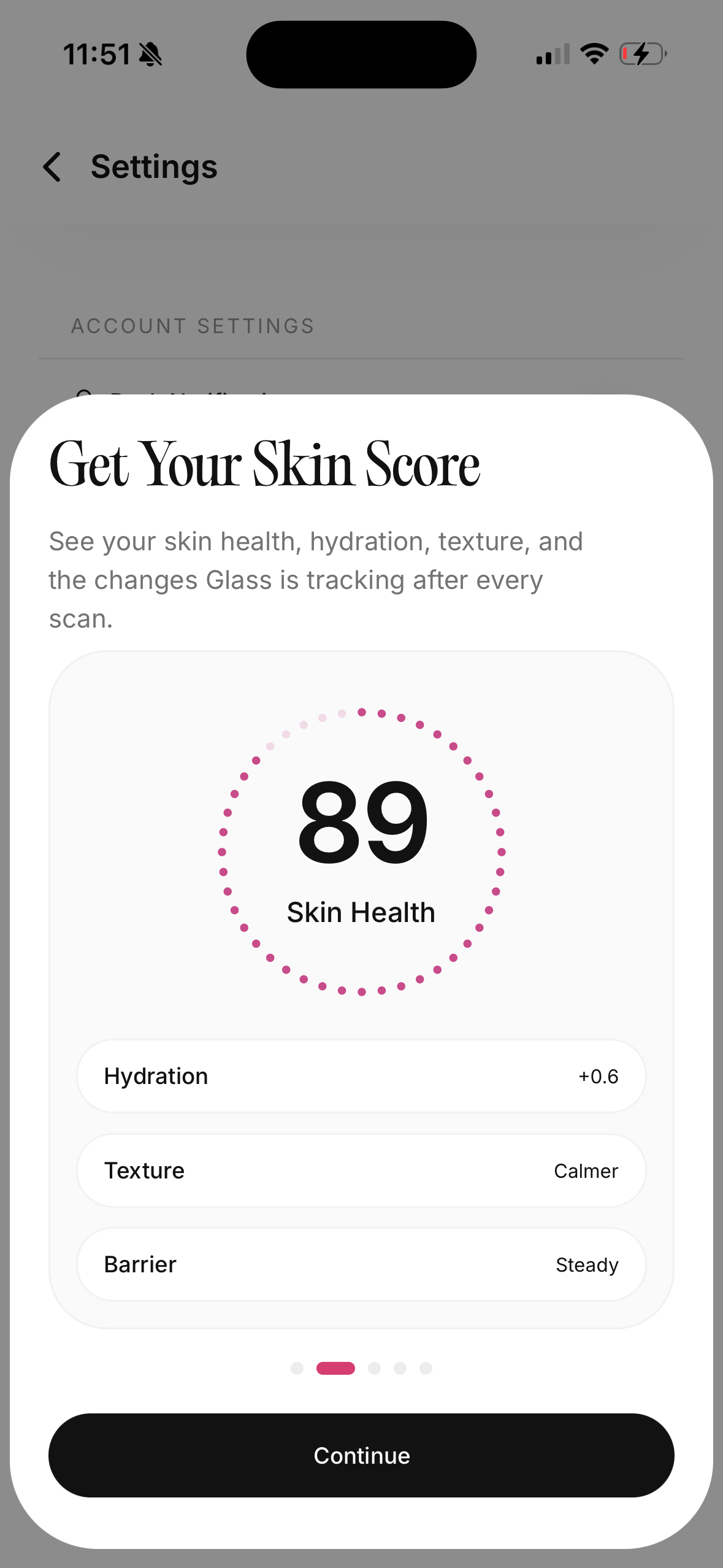
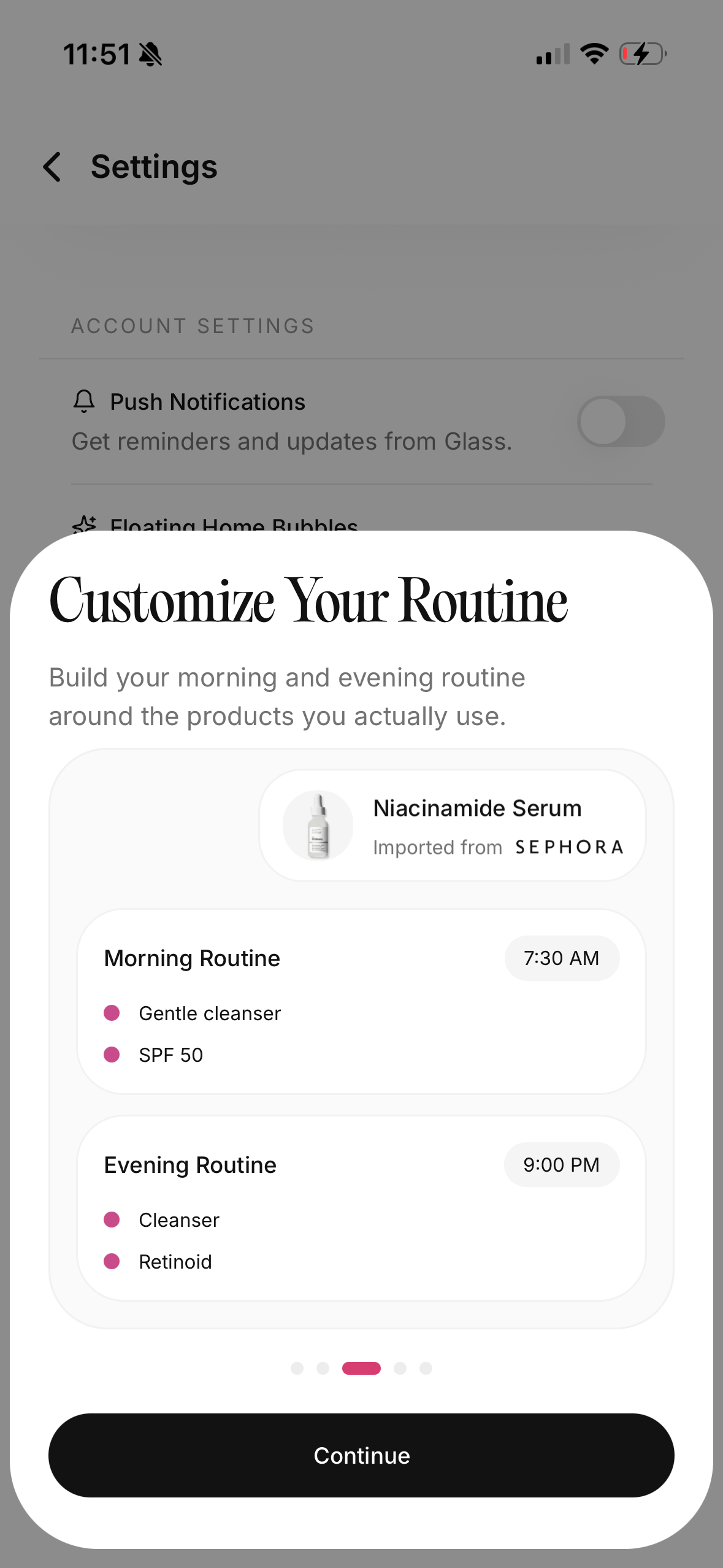
Use Glass to take a baseline photo, log the treatment, save the aftercare notes, and check the skin a week later in the same lighting. That record is more useful than trying to remember whether your skin looked better "for a while."
When to skip glow treatments
Skip or delay treatment if your skin is actively rashy, infected, sunburned, swollen, peeling from a product reaction, or breaking out in deep painful acne that needs medical care. Also pause if you just had a strong peel, laser, injectable treatment, or procedure and the skin has not recovered.
If you are pregnant, breastfeeding, taking isotretinoin, using prescription topicals, prone to keloids, or have a history of post-inflammatory hyperpigmentation, tell the provider before booking. Those details can change the plan.
A glow is not worth a setback.
My May 2026 booking rule
I would book the gentlest treatment that can solve the actual problem.
If the issue is dullness, I would start with surface polish. If the issue is clogged pores, I would start with a careful cleanse and extraction lane. If the issue is dehydration, I would choose hydration and barrier support. If the issue is pigment, scars, or texture, I would stop pretending one glow facial can do the whole job and plan properly.
That is how you avoid paying for vibes.
The bottom line
Glowing skin treatments near you can be useful, but only when you know what kind of glow you are buying.
A facial can reset. Hydrafacial-style treatments can polish and hydrate. Dermaplaning can smooth the surface. Light peels can help tone and texture. Microneedling and lasers belong to deeper treatment plans with more caution.
Choose the lane before you choose the spa. Ask better questions. Track your before and after. The best glow is not the most aggressive treatment. It is the one your skin can recover from cleanly.
Useful references: American Society of Plastic Surgeons med spa checklist, Cleveland Clinic on chemical peels, Mayo Clinic on microneedling, and AAD on dry skin care.