
Some skin needs a reset.
Some skin needs resurfacing.
That is the difference I kept coming back to when I compared Hydrafacials and chemical peels. The names get thrown around like they live in the same drawer, but they do not solve the same problem in the same way. One is usually a polished clean-out with hydration. The other is controlled exfoliation with more room for visible peeling, pigment work, texture change, and downtime.
If your skin feels congested, dull, rough, oily, dry under makeup, or marked up after breakouts, the choice can get confusing fast. A spa menu makes everything sound like glow. Your skin does not care about the menu. It cares about what the treatment actually does, how deep it goes, how reactive you are, and what you need to look like for the next week.
The short answer
I would choose a Hydrafacial when the goal is cleaner-looking pores, smoother makeup, quick hydration, and a low-drama appointment before an event. I would choose a chemical peel when the goal is stronger exfoliation for uneven tone, stubborn dark marks, acne-related discoloration, sun damage, or texture that needs more than a polish.
Neither is magic. A Hydrafacial will not erase deep acne scars. A light chemical peel will not rebuild your face in one session. A medium or deeper peel is a bigger medical conversation, especially if you have deeper skin tone, a history of hyperpigmentation, active acne, cold sores, sensitive skin, or recent retinoid use.
The cleanest decision is not "which treatment is better?" It is "what problem am I actually trying to solve this month?"
What a Hydrafacial is good at
A Hydrafacial is best when the skin feels backed up and tired rather than damaged. Think clogged-feeling pores, dull tone, light roughness, and that film that makes every product sit weirdly on top of the face.
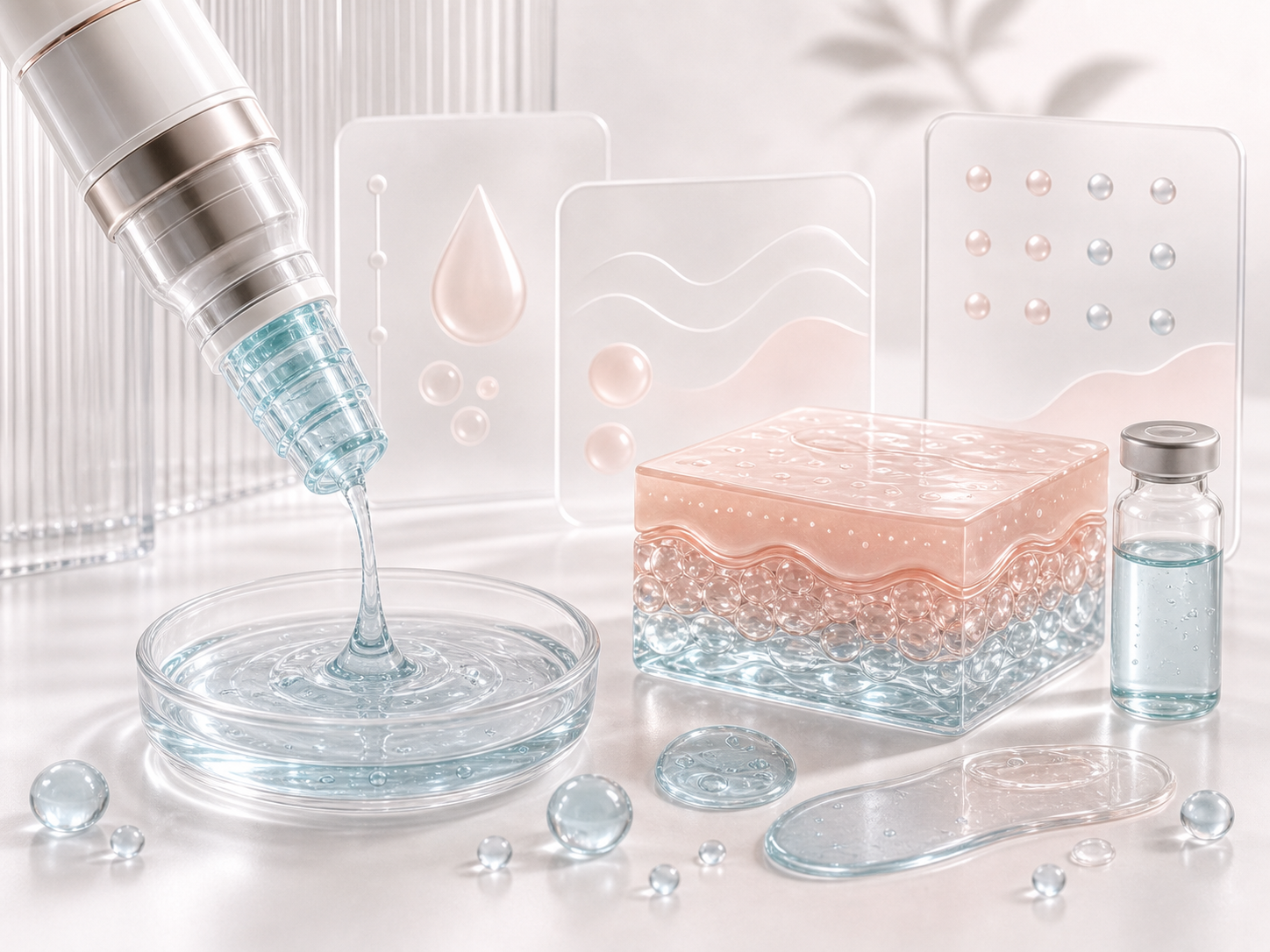
Cleveland Clinic describes Hydrafacial as a three-in-one service that exfoliates, extracts, and infuses serums into the skin. That is why people like it before photos, weddings, trips, or weeks when the face just looks flat. It can make the skin look fresher without asking you to hide at home for several days.
The part I like is the practicality. You get exfoliation, suction-assisted extractions, and hydration in one appointment. You are not usually signing up for visible sheets of peeling or a week of tight, shiny healing skin.
That lower drama is also the limit.
If the problem is deep brown post-acne marks, etched texture, pitted scarring, or years of sun damage, a Hydrafacial may make the skin look better for a short window without changing the bigger pattern much. That does not make it useless. It just means it belongs in the maintenance lane, not the transformation lane.
What a chemical peel is good at
A chemical peel is a more direct exfoliation decision.
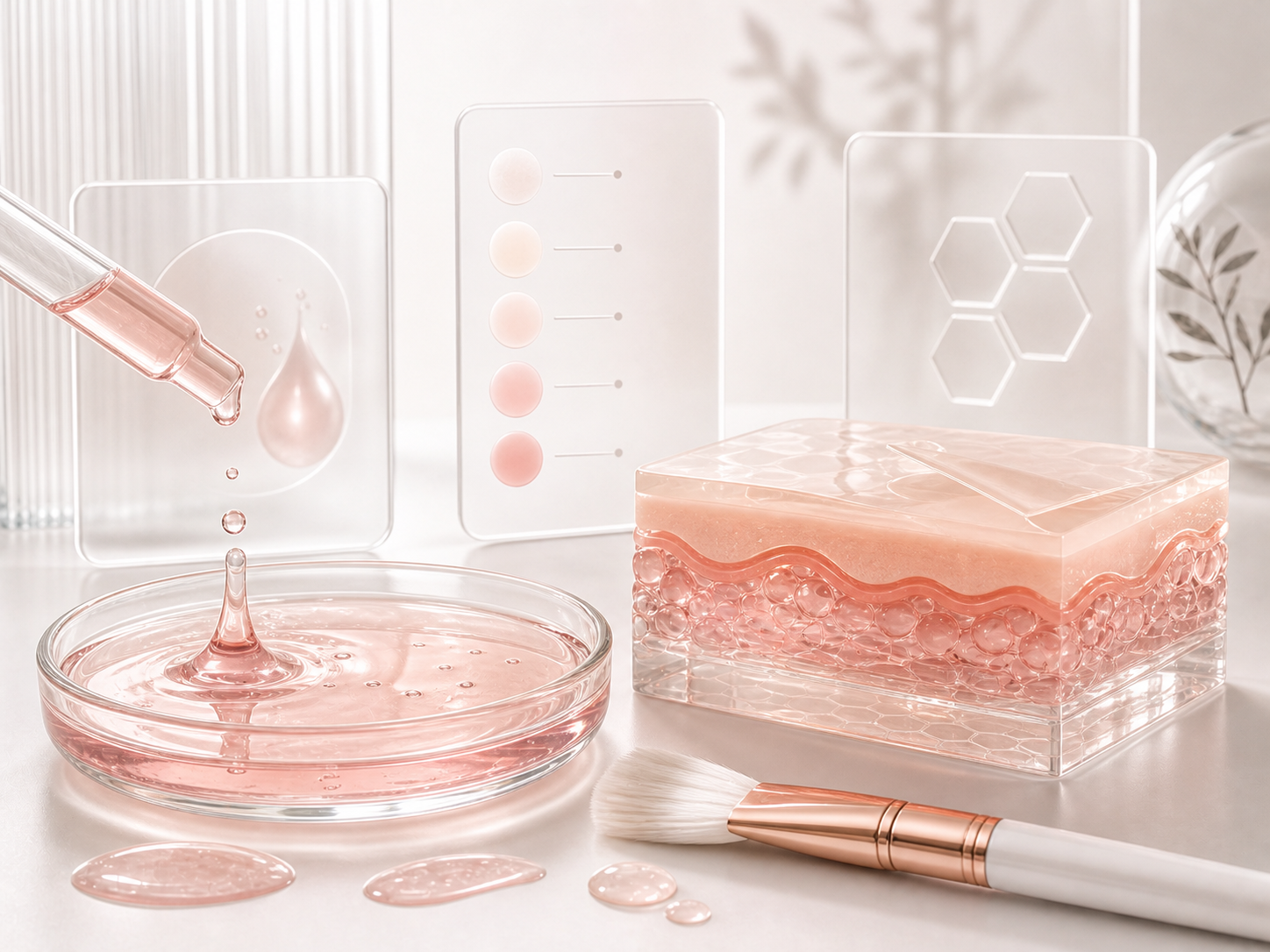
During a peel, a provider applies a chemical solution to the skin to create controlled exfoliation at a chosen depth. Cleveland Clinic lists glycolic acid, salicylic acid, lactic acid, trichloroacetic acid, and phenol among peel agents, with different solutions and depths used for different goals.
That depth question matters more than the word peel.
A light peel can help with dullness, clogged pores, mild uneven tone, roughness, and acne-prone skin that tolerates exfoliation. A medium peel may be considered for more visible discoloration, sun damage, or texture, but it brings more downtime and more risk. A deep peel is not casual skincare. It belongs with a trained medical provider and a serious discussion of healing, pigment risk, anesthesia or sedation needs, and aftercare.
I would think about chemical peels when the skin issue is not just "I want to look fresh by Friday." I would think about them when the goal is gradual correction: pigment, acne marks, rough texture, fine lines, or sun damage that keeps showing through makeup and moisturizer.
The decision table I would actually use
| Skin goal | I would lean Hydrafacial when... | I would lean chemical peel when... |
|---|---|---|
| Clogged pores | You want a clean-out with minimal downtime | Congestion keeps returning and your skin tolerates acids |
| Dullness | You want glow before an event | You want a stronger renewal plan over several sessions |
| Dark spots | Spots are mild and you mainly want surface brightness | Pigment is stubborn, post-acne, or sun-related |
| Acne marks | You want skin to look calmer before plans | Marks linger for months after breakouts |
| Texture | Texture is light and mostly surface roughness | Texture is uneven enough to need controlled peeling |
| Sensitive skin | You react easily and want the gentler starting point | A provider has screened you and chosen a very conservative peel |
| Downtime | You need to look normal fast | You can handle flaking, dryness, redness, or a healing window |
This table is not a diagnosis. It is a way to stop treating every facial as the same kind of glow purchase.
The mistake I would avoid first
I would not book a chemical peel just because a Hydrafacial felt too subtle once.
Subtle can mean the treatment was gentle. It can also mean your main concern was never a Hydrafacial concern. If you expected it to erase dark marks, shrink pores permanently, lift pitted scars, and soften lines in one appointment, the disappointment was built in before you arrived.
I would also avoid the opposite mistake: booking Hydrafacials every month because peels sound scary, even though the real issue is persistent discoloration or rough texture that never changes. Maintenance is useful only if it is maintaining the result you want.
If the skin keeps asking the same question after every appointment, the plan may be too gentle, too random, or too focused on the feeling of clean skin instead of the concern underneath.
For acne-prone skin
Acne-prone skin needs a calmer decision than most spa menus offer.
If you have active inflamed acne, deep cysts, painful nodules, or breakouts that are leaving scars, I would not treat either appointment as a substitute for dermatology care. Facials can support the skin, but they should not delay medical treatment when acne is severe or scarring.
For mild congestion, a Hydrafacial can be useful because it focuses on cleansing, exfoliation, extractions, and hydration. It may help the face feel less backed up without turning the barrier into a dry mess.
For acne marks and oily clogged pores, a light salicylic acid or glycolic peel may make more sense if your provider thinks your skin can tolerate it. Salicylic acid is often used in acne-prone contexts because it is oil-soluble, while glycolic and lactic acid can help with surface exfoliation and dullness. The exact peel matters. The strength matters. Your current routine matters.
What I would not do: start a peel while using every active in the bathroom. If your routine already has retinoids, benzoyl peroxide, exfoliating pads, vitamin C, and a drying cleanser, the skin may not need more intensity. It may need a smarter plan.
For dark spots and post-acne marks
Dark spots are where expectations get expensive.
A Hydrafacial can make the face look brighter because the surface is cleaner and hydrated. That can be enough before an event. It is not the same as a pigment plan.
Chemical peels can be more useful for uneven pigmentation, but pigment is also where risk matters. Skin that makes brown marks easily can make new brown marks after irritation. Deeper skin tones deserve a provider who talks openly about post-inflammatory hyperpigmentation, pre-treatment, sun protection, peel depth, and what to avoid before and after.
I would want a provider to ask about:
- recent retinoid or exfoliant use
- history of melasma or dark marks
- cold sores
- pregnancy or nursing status when relevant
- isotretinoin history
- keloids or unusual scarring
- current acne activity
- sun exposure and sunscreen habits
If those questions never come up, I would be careful. Pigment work is not just picking a stronger peel.
For sensitive skin
Sensitive skin does not automatically mean you can never get a peel. It does mean the margin for error is smaller.
If your face burns after water, flushes easily, reacts to fragrance, or stings from basic moisturizer, I would start with the least dramatic option. A gentle Hydrafacial, a basic calming facial, or a provider consultation may be smarter than forcing a peel because you want a bigger result.
The annoying truth is that sensitive skin often improves when you stop chasing big resets. A too-strong treatment can create the exact dullness, redness, flaking, and roughness you were trying to fix.
If you do choose a peel, I would want it conservative. I would also want clear instructions on what to stop before treatment and what to use after. "Just moisturize" is not enough if your skin panics easily.
Downtime is part of the price
Price is not only dollars.
Price is also downtime, dryness, makeup weirdness, sun avoidance, and the mental energy of not picking at flaking skin.
A Hydrafacial usually has the easier schedule. Many people can return to normal life quickly. You may be pink, but the treatment is often chosen because it fits real life.
A chemical peel can be different. A light peel may be mild. A medium peel may bring visible peeling, tightness, redness, and several days where you do not love your reflection. A deeper peel is a much bigger commitment. If you have a wedding, photoshoot, beach trip, or outdoor event, the calendar matters.
I would never book a new peel right before something important. The first time you learn how your skin heals should not be the week everyone is taking pictures.
The pre-treatment questions I would ask
Before a Hydrafacial, I would ask:
- Are you using any acids, boosters, or extractions beyond the standard treatment?
- Should I stop retinoids or exfoliants beforehand?
- Is this appropriate if I have active breakouts?
- What should my skin look like the same day?
- What should I avoid for the next 24 to 48 hours?
Before a chemical peel, I would ask more:
- What peel are you using, and what depth are you aiming for?
- Why is that peel right for my skin tone and concern?
- How many days of dryness, redness, or peeling should I expect?
- What products should I stop before the appointment?
- What products should I use after?
- What symptoms mean I should contact you?
- What would make you postpone the peel today?
That last question is underrated. I trust providers more when they can explain when they would say no.
Aftercare matters more than people admit
The appointment is not the whole result. The week after can either protect the work or irritate the skin into a setback.
For both Hydrafacials and peels, I would keep the routine simple afterward unless the provider gave specific instructions. Gentle cleanse. Moisturizer. Sunscreen. No picking. No scrubs. No surprise exfoliating toner because the skin looked good and you got excited.
After a peel, I would be even stricter. Do not peel the peeling skin. Do not use strong actives early because you are impatient. Do not test a new vitamin C serum on freshly treated skin. Do not treat flaking like failure. Healing skin is not always pretty skin.
The boring aftercare is often what makes the treatment worth paying for.
| Image | Aftercare role | Why it matters |
|---|---|---|
 | Gentle cleanser | Cleans without adding extra exfoliation or scrub friction |
 | Moisturizer | Helps reduce tightness while the barrier settles |
 | Daily sunscreen | Freshly exfoliated skin needs boring, consistent protection |
How I would choose by timeline
If the appointment is this week and you need to look normal, I would lean Hydrafacial.
If the appointment is part of a three-month plan for discoloration or texture, I would discuss peels.
If your skin is actively angry, I would pause both and calm the routine first.
If you are on prescription acne medication, recently used isotretinoin, have a history of cold sores, or form dark marks easily, I would book a consultation before booking the treatment.
If you are only choosing because someone sold you a package, I would slow down. Packages can make you use treatments on the schedule that fits the business instead of the skin.
How Glass fits into the decision
I would track treatments the same way I track products: with dates, photos, and context.
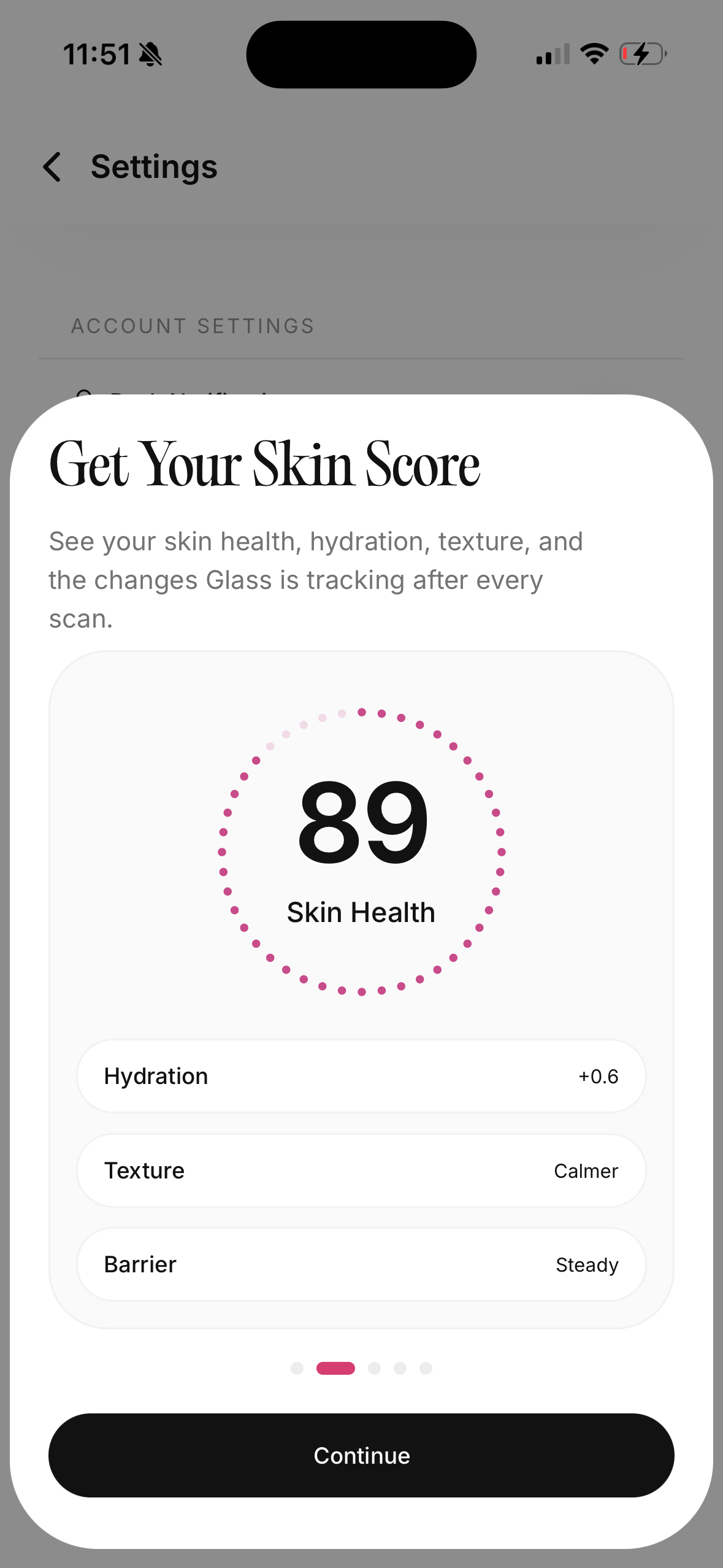
Use Glass to log the appointment, your skin concern, what treatment you got, what your provider told you to avoid, and how your skin looked one week later. Use the skincare routine order tool if you need to simplify your routine around the appointment. If you are still choosing where to go, the skin care near me directory can help you compare local providers by treatment type.
For treatment-specific browsing, start with Hydrafacial providers or chemical peel providers. Then judge the provider, not just the service name.
My final rule
I would use Hydrafacial as a reset.
I would use chemical peels as a plan.
That is not perfect, but it keeps the decision clean. If I want cleaner pores, smoother makeup, and hydrated-looking skin with minimal disruption, Hydrafacial is the easier first move. If I want to work on dark marks, dull uneven tone, and surface texture over time, I would talk to a trained provider about the right peel depth and schedule.
The best treatment is not the strongest one. It is the one that matches your skin problem, your tolerance for downtime, your pigment risk, and your actual calendar.
Glow is nice. A plan is better.
Useful references: Cleveland Clinic on chemical peels, Cleveland Clinic on facials and Hydrafacial, AAD on moisturizer for acne-prone skin, and AAD on acne scars.