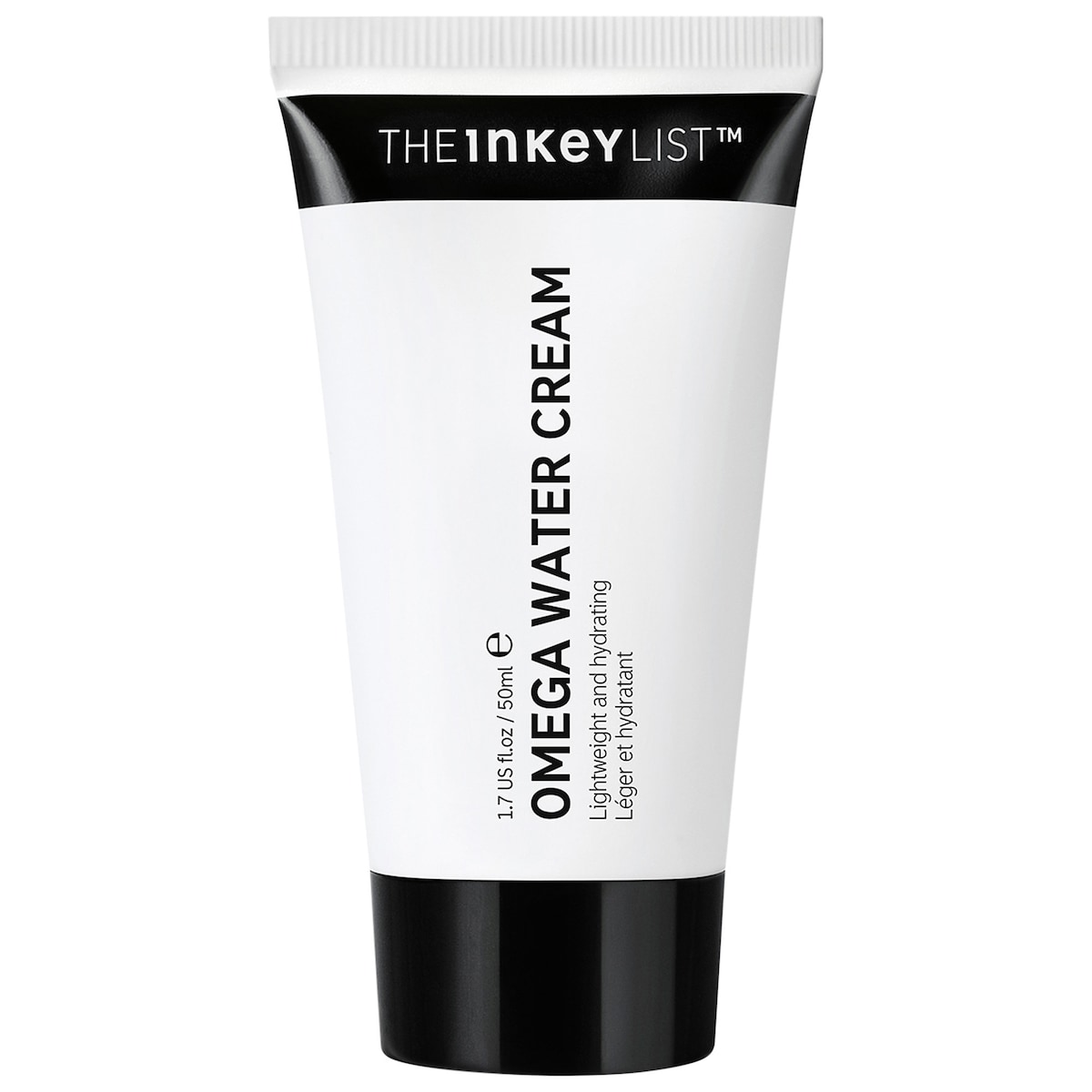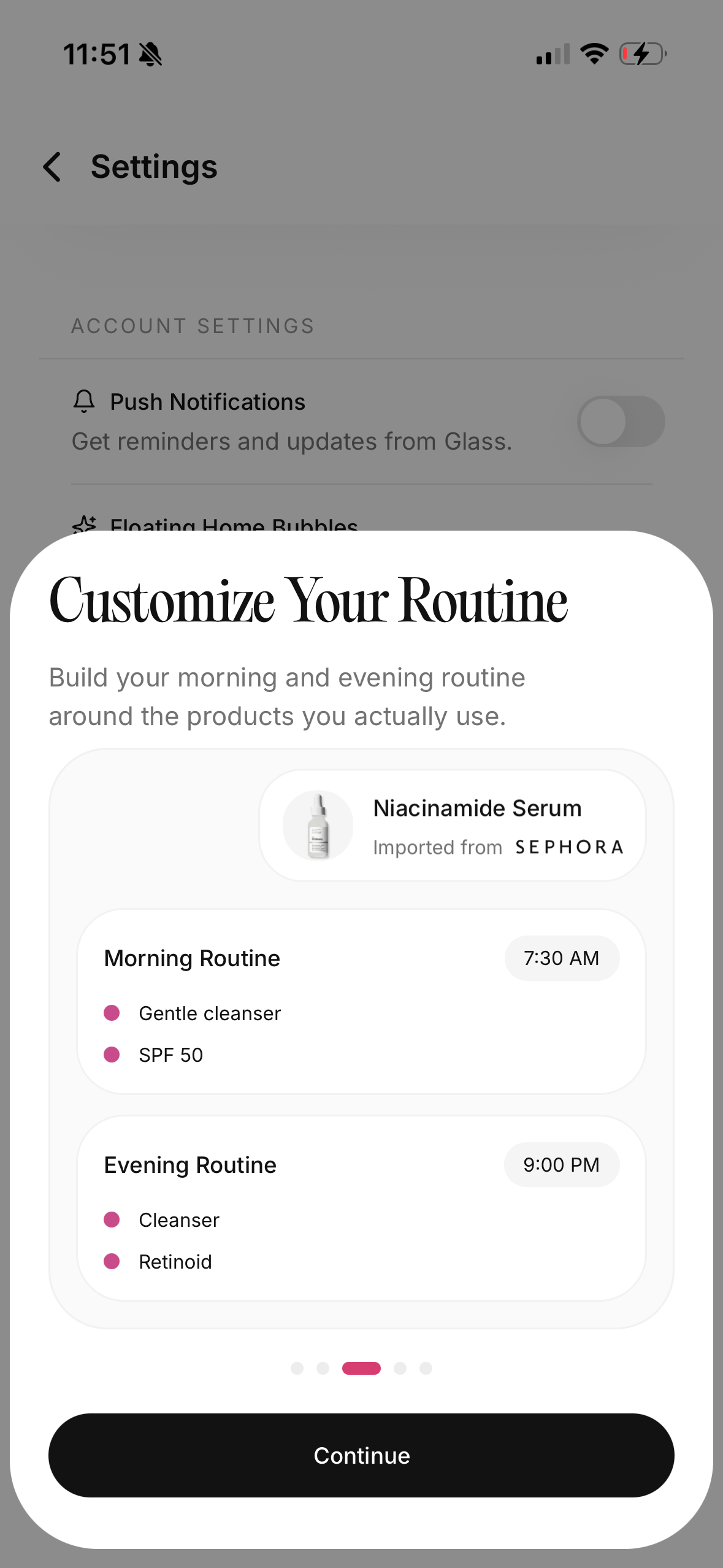
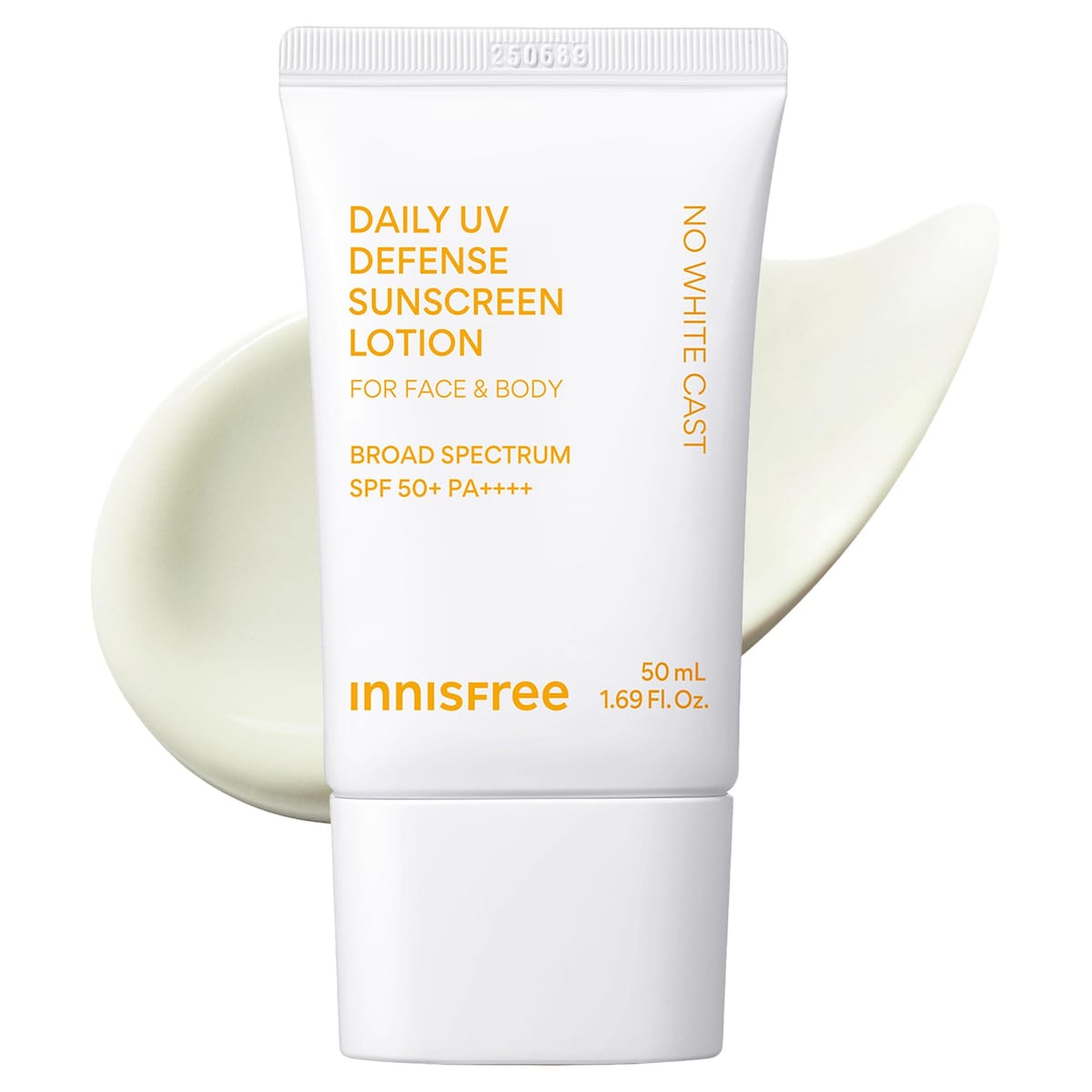
Glow can go wrong fast.
One extra layer.
One sunscreen that never settles.
One moisturizer that looked beautiful in the bathroom and turned slick by lunch.
That was the part I kept getting wrong. I was not trying to look oily. I was trying to look healthy. Smooth. Hydrated. More awake. But every routine built around "dewy" products kept crossing the line from fresh to greasy, especially through the forehead, nose, and cheeks beside the nose.
The fix was not making my skin matte.
It was learning where reflection belongs.
Glass skin without grease is not a wet face. It is hydrated skin with enough texture control that light catches evenly instead of sitting on top of a slippery product film. Once I started thinking about the finish that way, the whole routine got smaller and better.
The short version I would use first
If your skin keeps looking greasy when you try to make it glow, simplify the routine before you buy another glow product.
| Step | What to use | What it should feel like | What to avoid |
|---|---|---|---|
| Cleanse | Gentle gel or low-stripping cleanser | Clean, not squeaky | Strong cleansers that make skin tight |
| Hydrate | One light toner, essence, or serum | Damp and comfortable | Five watery layers that stay sticky |
| Balance | Niacinamide, green tea, or a gentle BHA lane if needed | Calmer through the T-zone | Multiple actives in one routine |
| Moisturize | Gel cream, water cream, or light lotion | Finished, not coated | Rich creams all over oily zones |
| Protect | Lightweight SPF that sets cleanly | Flexible, not heavy | Sunscreen that makes you skip SPF |
| Adjust | Blot or powder only where needed | Controlled, still skin-like | Trying to dry the whole face down |
That is the routine shape.
Not ten steps.
Not a wet-looking stack.
Just enough hydration to make the skin look alive, enough support to keep the barrier calm, and enough finish control that you still like your face three hours later.
The products that make this easier
These are not the only good options. They are the lanes I would shop if I wanted glow without slip.
| Product | Image | Best role | Best for | Skip if |
|---|---|---|---|---|
| Beauty of Joseon Green Plum Refreshing Cleanser | 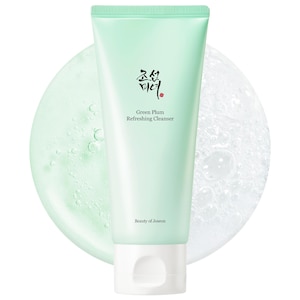 | Gentle reset | Oily, combination, or sunscreen-wearing skin that gets tight after cleansing | You need a medicated acne cleanser right now |
| Beauty of Joseon Glow Replenishing Rice Milk | 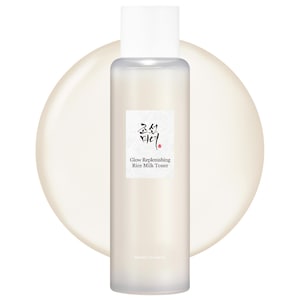 | Light hydration | Skin that wants bounce without a creamy toner feel | Rich milky layers already make you shiny |
| Torriden DIVE IN 5D Hyaluronic Acid Ultra Hydrating Serum | 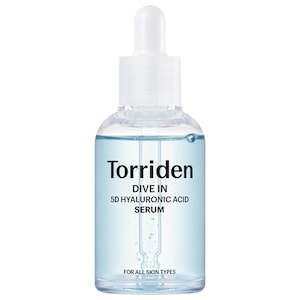 | Plump step | Dehydrated skin that looks flat and oily at the same time | Humectant serums get sticky on you |
| Beauty of Joseon Glow Serum for Oil Control with Niacinamide | 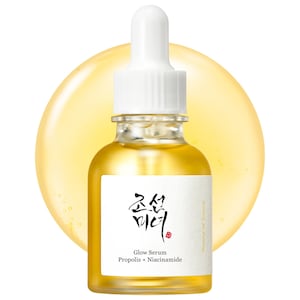 | Balance | T-zone shine, visible pores, post-breakout unevenness | You already have niacinamide in every step |
| Skinfix Barrier Balancing Water Cream | 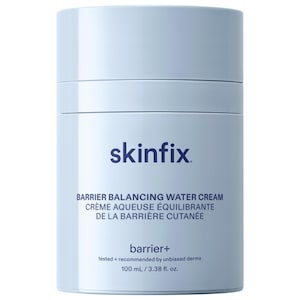 | Light seal | Oily or combination skin that still needs moisturizer | Your skin is dry enough to need richer cream |
| innisfree Daily UV Defense Invisible Korean Sunscreen SPF 50+ PA++++ | 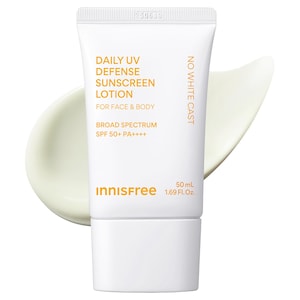 | Everyday SPF | Morning routines that fall apart when sunscreen feels too heavy | You prefer a more matte mineral finish |
| Beauty of Joseon Red Bean Refreshing Pore Mask | 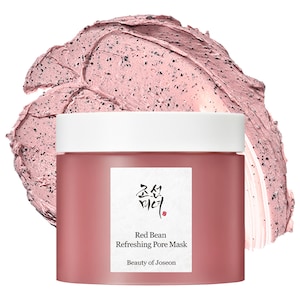 | Weekly reset | Buildup weeks, oily T-zone, visible congestion | Your skin is irritated or peeling |
The important part is not copying every product.
The important part is choosing the missing role. If your routine already has enough hydration, do not add more glow. If your sunscreen is the problem, do not blame your serum. If your cleanser leaves you tight, do not expect a water cream to rescue the whole routine.
I stopped chasing wet skin
This changed everything.
Wet-looking skin photographs well for five minutes. Real life is less forgiving. You move. You sweat. Sunscreen warms up. Makeup shifts. The T-zone starts doing what the T-zone does.
When I chased a wet finish, I kept making the same mistakes:
- using too much toner because the first layer felt nice
- choosing moisturizers that were beautiful on dry cheeks but wrong for my nose and forehead
- using sunscreen as if the finish did not matter
- adding glow drops before the base routine was stable
- treating powder like failure instead of a tool
Now I aim for controlled reflection.
Cheeks can look fresh. The high points of the face can catch light. The forehead does not need to look lacquered. The nose does not need a glass finish if it is already the first place to get oily.
That permission makes the routine much easier.
The cleanser should not make your face feel blank
I used to like cleansers that made my skin feel almost too clean.
That feeling was satisfying. It was also a trap.
When the first step strips too much, the rest of the routine gets defensive. Hydrating layers sting or feel sticky. Moisturizer disappears too fast in some places and feels heavy in others. Oil comes back, but the skin still looks tired underneath.
For glass skin without grease, the cleanser has one job: remove the day without making the skin feel like it needs emergency repair.
At night, that may mean removing sunscreen first if you wear a water-resistant formula or makeup. Then use a gentle gel cleanser. In the morning, cleanser depends on your face. If you wake up oily, cleanse lightly. If you wake up comfortable, a rinse may be enough.
The skin should feel ready.
Not raw.
Not squeaky.
Not so tight that you rush into moisturizer because your cheeks feel like paper.
If this step is still confusing, oily skin routine without stripping is the better deep dive.
Hydration is not the same thing as grease
This is where people with oily skin get stuck.
If your face already shines, adding hydration sounds like a bad idea. But oil and water are different problems. Skin can produce plenty of oil and still look dehydrated, rough, or flat. That is the strange finish where your forehead looks shiny, your cheeks feel tight, and your makeup somehow clings and slides at the same time.
That skin does not need more punishment.
It needs better water support in a lighter texture.
I would start with one thin hydration layer after cleansing. Not seven. Not a mist every fifteen minutes. One layer that makes the skin feel more flexible before moisturizer and sunscreen.
If one toner or essence is enough, stop there. If your skin still looks flat or crepey underneath the shine, add one hydrating serum. Keep it boring. Glycerin, hyaluronic acid, panthenol, beta-glucan, aloe, and light milky textures can all make sense, depending on what your skin tolerates.
The test is simple: twenty minutes after the routine, does your skin feel more comfortable without looking wetter?
If yes, you found the lane.
If no, reduce the amount before you add another product.
Balance the center of the face instead of glazing everything
The T-zone does not need the same routine as the cheeks.
That sounds obvious, but I ignored it for years. I would apply the same amount of every product everywhere, then wonder why my cheeks looked good and my nose looked coated.
Now I treat the center of the face differently.
On the cheeks, I may want more hydration and a slightly more forgiving moisturizer. Around the nose, forehead, and chin, I want thinner layers, less product, and a finish that settles. The goal is not to starve the T-zone. It is to stop overfeeding it.
This is where a balancing serum can help. Niacinamide makes sense when the skin looks loud through the center of the face: oilier, rougher, more uneven after breakouts, or more pore-focused than truly dry. A gentle BHA can make sense when congestion is part of the problem, but I would not turn every night into an exfoliation night.
One balancing step is enough.
The routine should become clearer, not busier.
If you know the issue is mostly shine and visible pores, glass skin routine for oily skin is the closest companion read.
Moisturizer should disappear differently on different zones
Skipping moisturizer is tempting.
I understand it.
When your face gets greasy, moisturizer feels like the obvious suspect. But when I skip it completely, my routine usually gets less stable. The skin may look flatter, sunscreen may sit worse, and the T-zone may still get oily anyway.
The better move is changing texture and placement.
Use a gel cream, water cream, or light lotion through oily areas. Use a little more on cheeks if they need it. If your mouth corners or under-nose area get dry, treat those as separate patches instead of making the whole face wear a heavier cream.
That small change matters.
Your forehead does not have to pay for your dry cheek.
Your cheeks do not have to stay under-moisturized because your nose gets shiny.
This is also where I stopped judging moisturizers only by how they feel the second I apply them. Some products feel elegant at first and then turn slippery after sunscreen. Others feel almost too light at first but wear beautifully because they do not keep moving. For this specific goal, the wear test matters more than the first ten seconds.
If moisturizer keeps breaking the finish, best Sephora moisturizers for oily skin gives you the narrower shopping lane.
Sunscreen decides whether the morning works
This is the hardest truth in the routine.
You can do every step right and still hate the result if your SPF is too heavy, too shiny, too silicone-slick, too rich, or too eager to pill over the layers underneath.
I do not treat sunscreen as a separate obligation anymore. I treat it as part of the finish.
For glass skin without grease, I want sunscreen that protects, settles, and lets the skin still look like skin. That may mean a lighter Korean sunscreen. It may mean an oil-control formula. It may mean a mineral option if that finish works better for you. The right answer is the one you will actually wear enough of.
If sunscreen keeps turning greasy, I would test the routine like this:
- Cleanse or rinse.
- Apply only moisturizer.
- Wait five minutes.
- Apply sunscreen.
- Check the finish after twenty minutes.
If that looks greasy, the sunscreen or moisturizer is the problem.
If that looks good, your extra toner, serum, primer, or makeup layer is probably what pushed it over the edge.
That test saves a lot of guessing.
If SPF is still the step that ruins everything, best sunscreens at Sephora for oily skin is the more targeted shortlist.
The morning routine I trust most
Morning is not where I want drama.
I want the routine to sit well, protect the skin, and keep the finish believable through the day.
Morning order
- Gentle cleanse or rinse.
- One light hydration layer.
- One balancing serum if your T-zone needs it.
- Light moisturizer, with less through the center of the face.
- Lightweight broad-spectrum sunscreen.
- Blot or powder only the zones that need it.
That last step matters. A tiny amount of powder on the nose or forehead does not cancel the glow. It protects the glow from turning greasy. The mistake is flattening the whole face because one zone gets loud.
I want cheeks to look alive.
I want the nose controlled.
I want the forehead calm.
That is a better goal than forcing the entire face into one finish.
The night routine should repair the finish, not chase it
Night is where I handle the reasons the finish keeps going wrong.
If my skin is congested, I think about a BHA night.
If my texture is rough, I think about gentle exfoliation.
If my barrier feels irritated, I pause actives and repair.
If my skin is oily but dehydrated, I keep hydration light and consistent instead of trying to dry it out.
Night order
- Remove sunscreen and makeup if needed.
- Cleanse gently.
- Use one hydration layer.
- Use a treatment only on the nights it earns its place.
- Moisturize with a light layer.
- Add a little more only where skin actually feels dry.
This is where I would avoid the biggest trap: trying to solve oil, pores, texture, dark spots, and glow in the same night.
That routine always looks productive on paper.
Then the skin gets annoyed.
Then the morning looks greasy because the barrier is irritated and the products are sitting badly.
The calmer night routine usually wins.
How to tell glow from grease
I use three checks.
The touch test
Glass skin should feel comfortable, smooth, and lightly hydrated. Grease feels slippery. If your finger slides across the skin and comes away with product, that is not glow. That is excess film.
The zone test
Healthy reflection usually looks soft on the high points: cheekbones, upper cheeks, maybe the bridge of the nose. Grease usually collects in the T-zone and grows through the day.
The movement test
If your sunscreen, makeup, or moisturizer starts moving around by noon, the routine is too rich, too layered, or not set enough for your skin.
These tests are more useful than staring at one mirror angle. Bathroom lighting can make anything look better for a minute. A routine has to survive real light, real movement, and a few hours of wear.
What I would stop doing first
If your routine keeps looking greasy, I would remove friction in this order:
- Stop layering multiple glow products in the same morning.
- Use less moisturizer through the T-zone.
- Test sunscreen over moisturizer only.
- Pause facial oils during the day.
- Move heavier creams to dry patches or night.
- Use one active lane at a time.
- Stop chasing a wet forehead.
The wet forehead is the giveaway.
Most people do not need their forehead to glow more. They need it to stay quiet while the rest of the face looks hydrated. Once I accepted that, my routine stopped fighting itself.
Where Glass helps
The hard part is not knowing the steps.
It is knowing which step actually caused the greasy finish.
That is why I like tracking this kind of routine in Glass. I can log the morning stack, add a quick note about shine by lunch, and compare it against progress photos instead of relying on memory. The pattern usually shows up faster than expected.
Maybe the sunscreen is fine until I add a second serum.
Maybe the moisturizer works in dry weather but fails in humidity.
Maybe the routine looks greasy only after exfoliation nights.
Those small details are easy to forget when you are changing products from frustration. They are much easier to see when the routine has a record.
The version I would actually repeat
If I were rebuilding from scratch, I would keep it this simple for two weeks.
Morning:
- Rinse or gentle cleanse.
- Light hydration.
- Niacinamide only if balance is the main issue.
- Water cream.
- Lightweight SPF.
Night:
- Remove sunscreen.
- Gentle cleanse.
- Light hydration.
- Treatment two or three nights a week if needed.
- Water cream.
No facial oil in the morning.
No sleeping mask on the T-zone.
No extra glow drops until the base routine behaves.
If the skin still looks flat after two weeks, I would add glow carefully. If it still looks greasy, I would not add anything. I would reduce, reposition, or change the finish of the last two steps.
That is the part that finally made the difference for me.
Glass skin is not about making every inch of the face shine.
It is about making the skin look calm enough that light has something smooth to bounce off.
FAQ
How do I get glass skin without looking oily?
Use lighter hydration, control the T-zone, and stop building the whole routine around wet-looking products. A gentle cleanser, one hydration layer, one balancing step, a light moisturizer, and a sunscreen that settles cleanly are usually better than a long dewy stack.
Can oily skin have glass skin?
Yes, but oily skin usually needs a more controlled version. Focus on smooth texture, balanced hydration, lightweight moisturizer, and sunscreen that does not add too much slip. Oily skin should not copy a dry-skin glass routine step for step.
Why does my glass skin routine look greasy by noon?
The usual causes are too many layers, a moisturizer that is too rich for the T-zone, sunscreen that does not suit oily skin, or a barrier that is irritated from over-cleansing or over-exfoliating. Test moisturizer plus sunscreen alone before blaming every step.
Should I use powder if I want glass skin?
Yes, if you use it strategically. Powder on the nose, forehead, or chin can keep the finish controlled while the cheeks still look fresh. Powdering the entire face flat is different from lightly managing the zones that get oily first.
Is glass skin just oily skin?
No. Oily skin feels slick and usually gets shinier through the T-zone as the day goes on. Glassy skin should look smoother, more even, and more hydrated without feeling slippery or coated.
What should I read next?
If your skin is oily, go to glass skin routine for oily skin. If the issue is dehydration under shine, read oily dehydrated skin skincare routine. If sunscreen is the bottleneck, start with best sunscreens at Sephora for oily skin.