Your face gets shiny fast.
But it still feels tight.
That combination throws people off.
It makes you want to buy stronger cleansers, mattifying toners, oil-control masks, and one more acid. Then the skin gets louder. Shinier in some places. Rougher in others. Sometimes you even end up with the most annoying version of the problem: greasy forehead, tight cheeks, and tiny clogged bumps that never really leave.
That is the version I keep seeing right now.
Not just oily skin. Not just dry skin. Oily, dehydrated skin that looks overactive on the surface and under-supported underneath.
If that sounds familiar, the answer is usually not to strip more oil away. It is to help your skin hold water better, calm down the routine, and put oil control in the right part of the lineup instead of forcing every product to do it all at once.
Quick answer
If your skin feels oily and dehydrated at the same time, this is the simplest routine that usually makes sense:
- Cleanse gently so your face does not start the day already tight.
- Add one light hydration layer on damp skin.
- Use one hydrating serum only if your skin still feels papery underneath.
- Add one balancing step for oil, pores, or post-breakout unevenness.
- Finish with a lightweight moisturizer.
- Wear sunscreen every morning.
That is the core.
If closed comedones are part of the story, add a stronger treatment step only a few nights a week after your skin stops feeling irritated. Do not build the whole routine around punishment.
If your barrier already feels stung, hot, flaky, or weirdly shiny, read skin barrier repair routine first. Oily, dehydrated skin gets easier once the skin stops acting like it is under attack.
How I know this is your problem and not just "regular oily skin"
Plain oily skin and oily, dehydrated skin do not usually feel the same.
When I am looking at the second version, a few signs show up over and over:
- Your face gets shiny quickly, but still feels tight after washing.
- The oil seems worse after you started using harsher cleansers or more exfoliants.
- Makeup or sunscreen catches on texture even though your skin is not visibly dry.
- You keep getting small clogged bumps while also feeling like your skin wants more hydration.
- Heavy creams feel suffocating, but skipping moisturizer makes everything worse later.
That last one matters.
A lot of people with oily, dehydrated skin keep bouncing between extremes. They use richer creams because the skin feels thirsty. Then they hate the finish. So they stop moisturizing, use a stripping cleanser, and the whole cycle starts again.
The fix is not choosing Team Hydration or Team Oil Control.
It is choosing lighter hydration, calmer cleansing, and more targeted treatment.
The mistake I keep seeing right now
The advice has split into two bad extremes.
One side still treats oily skin like something you should scrub into submission. The other side turns hydration into a stack of seven wet layers and calls it progress.
Neither one really helps if your skin is oily and dehydrated.
A lighter version of skin flooding can help. Too much of it can also leave you sticky, clogged, and irritated if your skin already hates heavy layering. That is why I like this routine better: it gives you enough water support to stop looking flat and overworked, without turning the whole face into a damp experiment.
The products I would open first
These are not the only products that can work. They are the ones that fit this problem cleanly and keep the routine from getting heavier than it needs to be.
| Image | Step | Product | Best for | Why it earns a place |
|---|---|---|---|---|
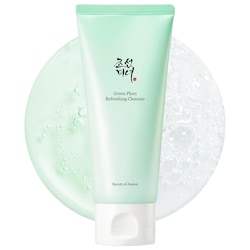 | Cleanser | Beauty of Joseon Green Plum Refreshing Cleanser for Gentle Daily Wash | Skin that feels tight right after washing | Gives you the clean-feeling lane without the stripped aftermath |
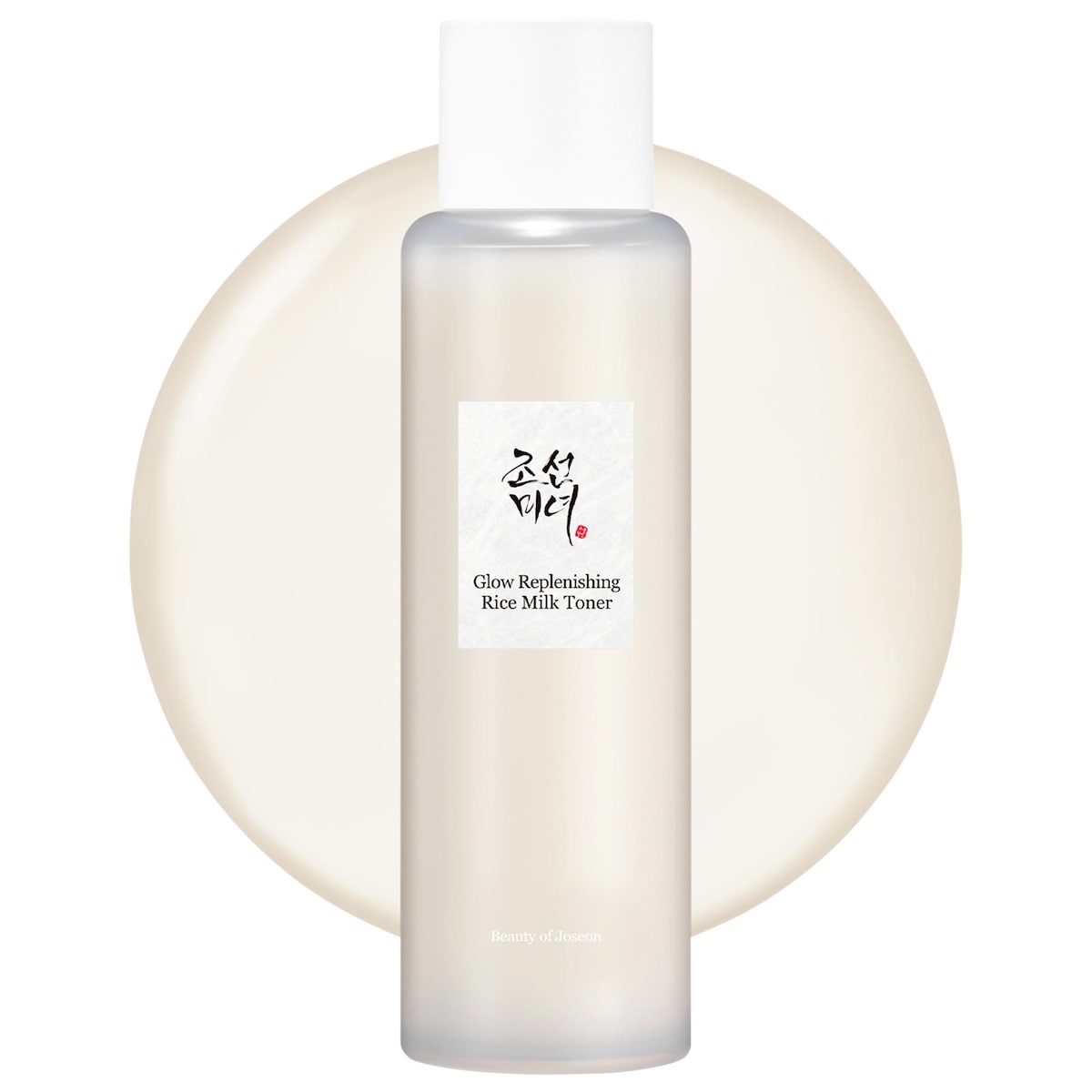
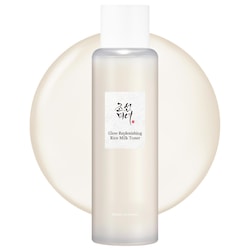 | First hydration layer | Beauty of Joseon Glow Replenishing Rice Milk Lightweight Hydration Toner | Oily or combination skin that still needs water support | Adds slip and comfort without the heavy cream-toner feel |
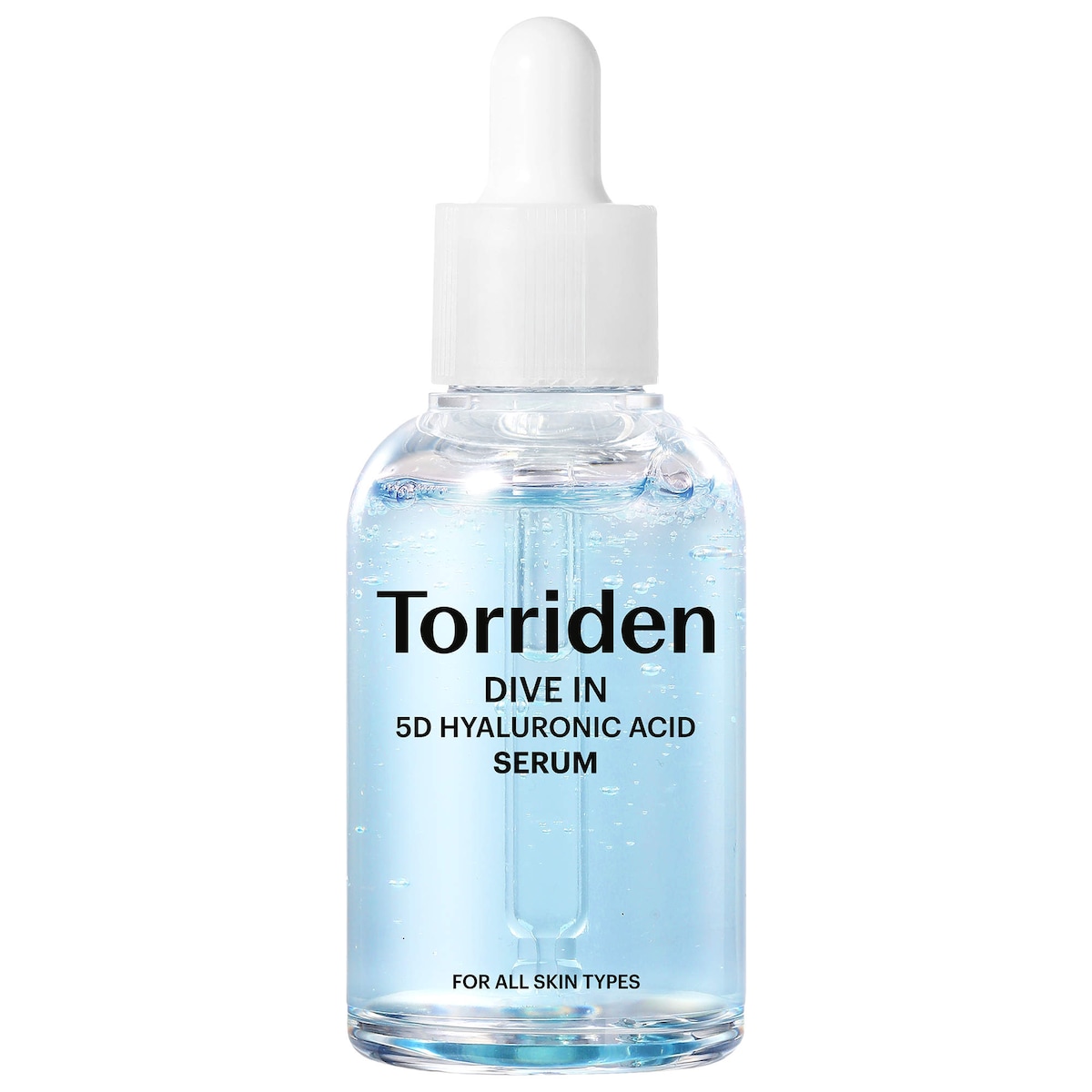
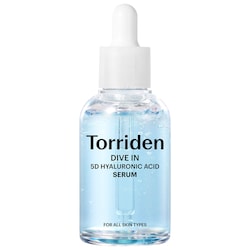 | Hydrating serum | Torriden DIVE IN 5D Hyaluronic Acid Ultra Hydrating Serum for Plump & Glow Skin | Greasy-but-thirsty skin that still feels papery under the surface | The cleanest one-serum fix when toner alone is not enough |
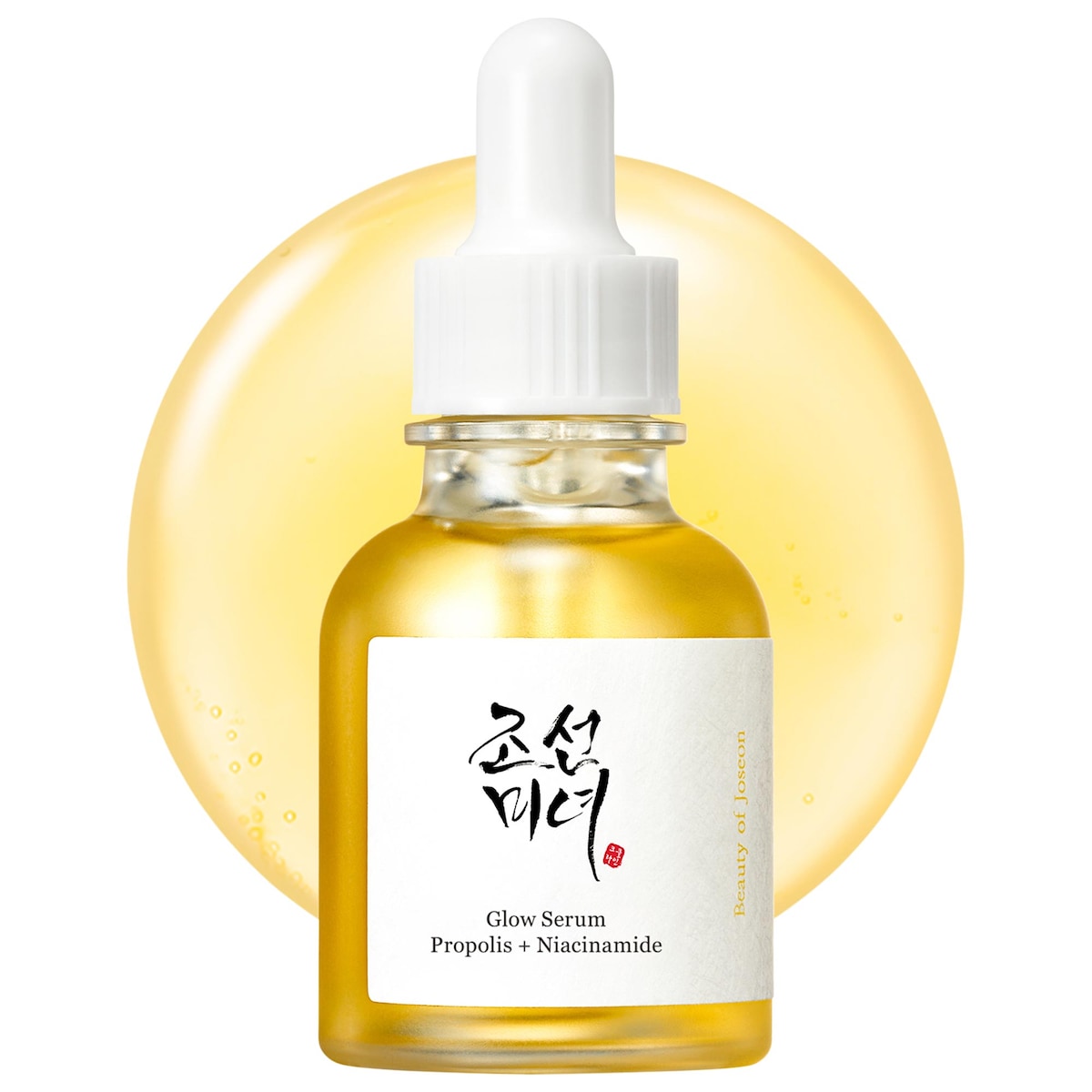
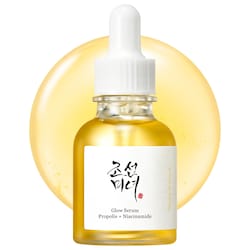 | Balance step | Beauty of Joseon Glow Serum for Oil Control with Niacinamide | Oily T-zones, visible pores, and post-breakout unevenness | Gives oilier skin a calmer middle step instead of another harsh one |
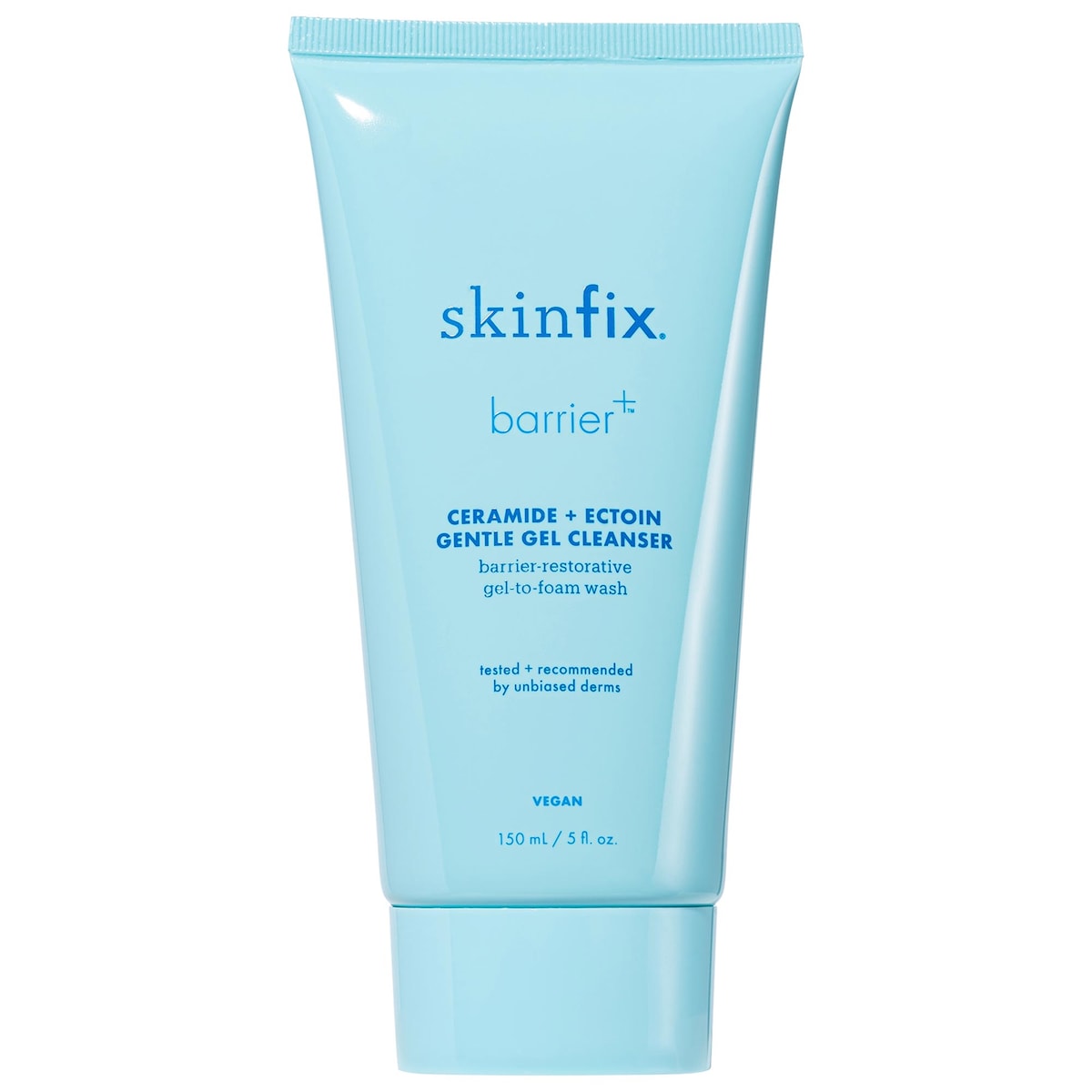
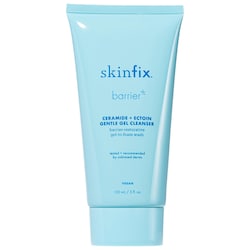 | Moisturizer | Skinfix Barrier Balancing Water Cream Moisturizer with Hyaluronic Acid | People who hate the feeling of rich creams but still need support | The right kind of finish when your skin wants relief, not grease |
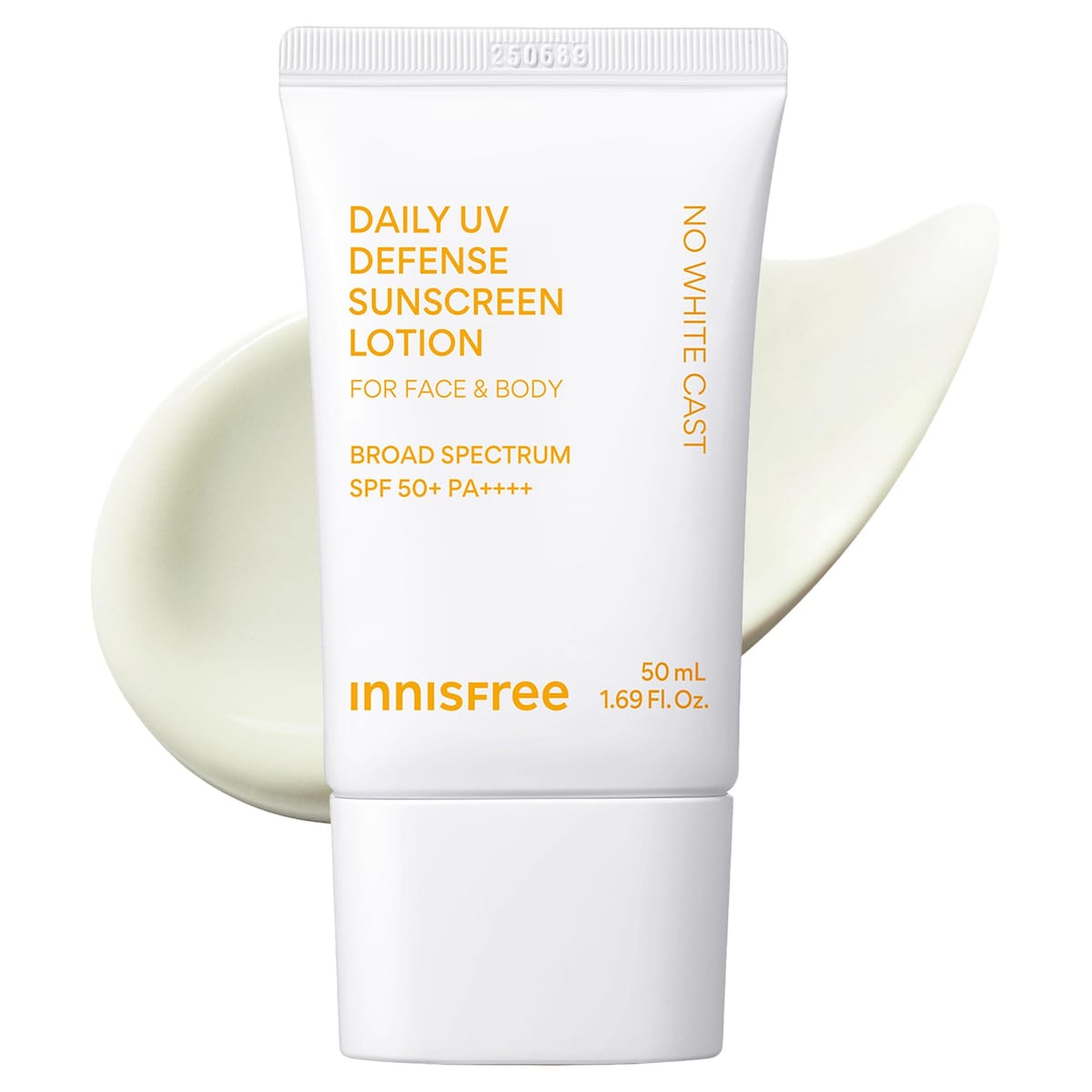
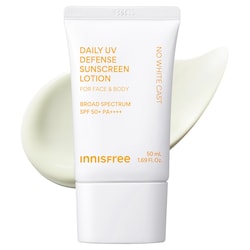 | SPF | innisfree Daily UV Defense Invisible Korean Sunscreen Lotion Broad Spectrum SPF 50+ PA++++ | Skin that breaks routine momentum at the sunscreen step | Light enough that oily skin is still willing to wear it |
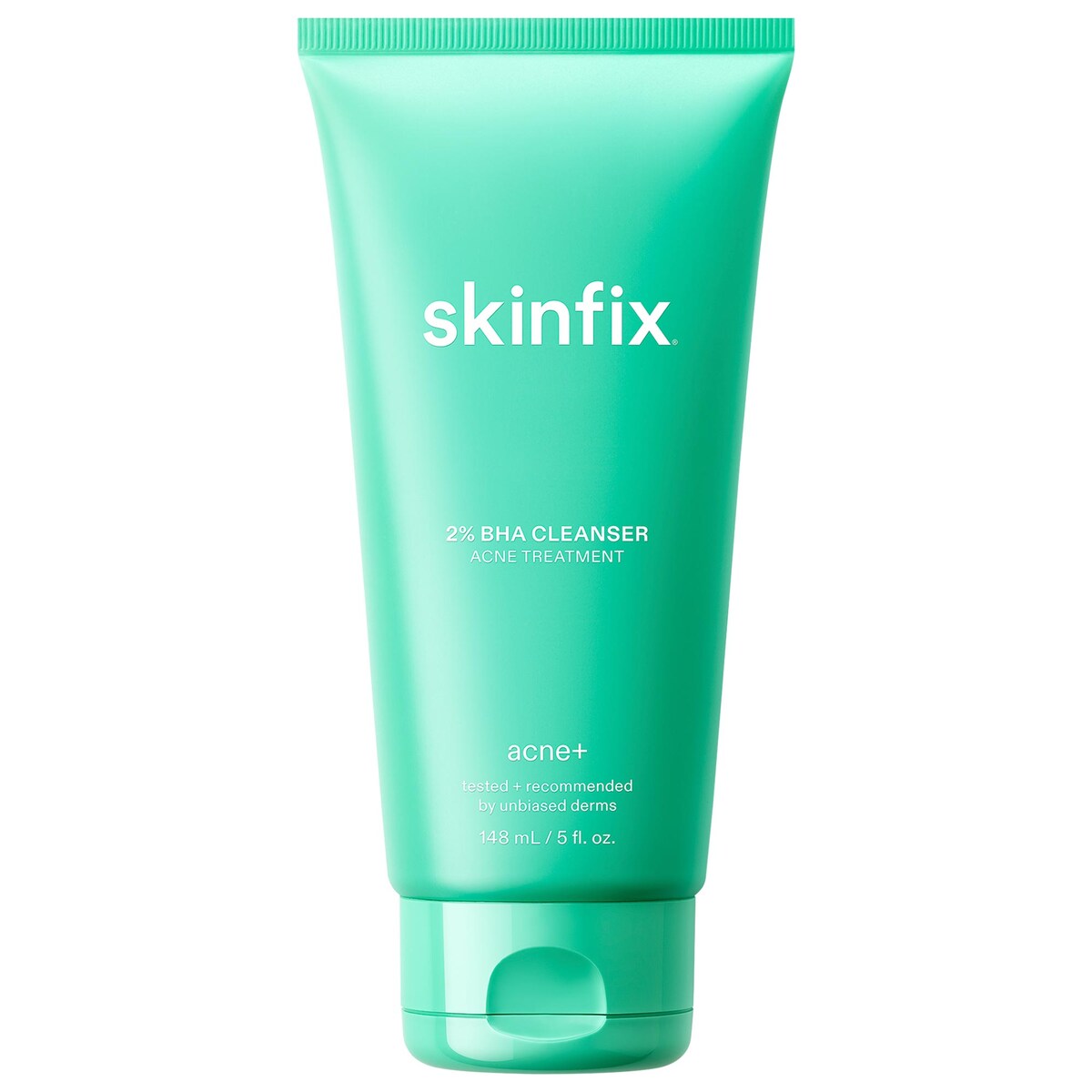
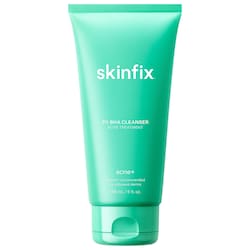 | Optional treatment-night swap | Skinfix Acne+ 2% BHA + Azelaic Acid + Niacinamide + AHA Cleanser | Closed-comedone weeks once your barrier feels more stable | Better as a strategic swap than a daily default |
1. Stop trying to deep-clean your way out of dehydration
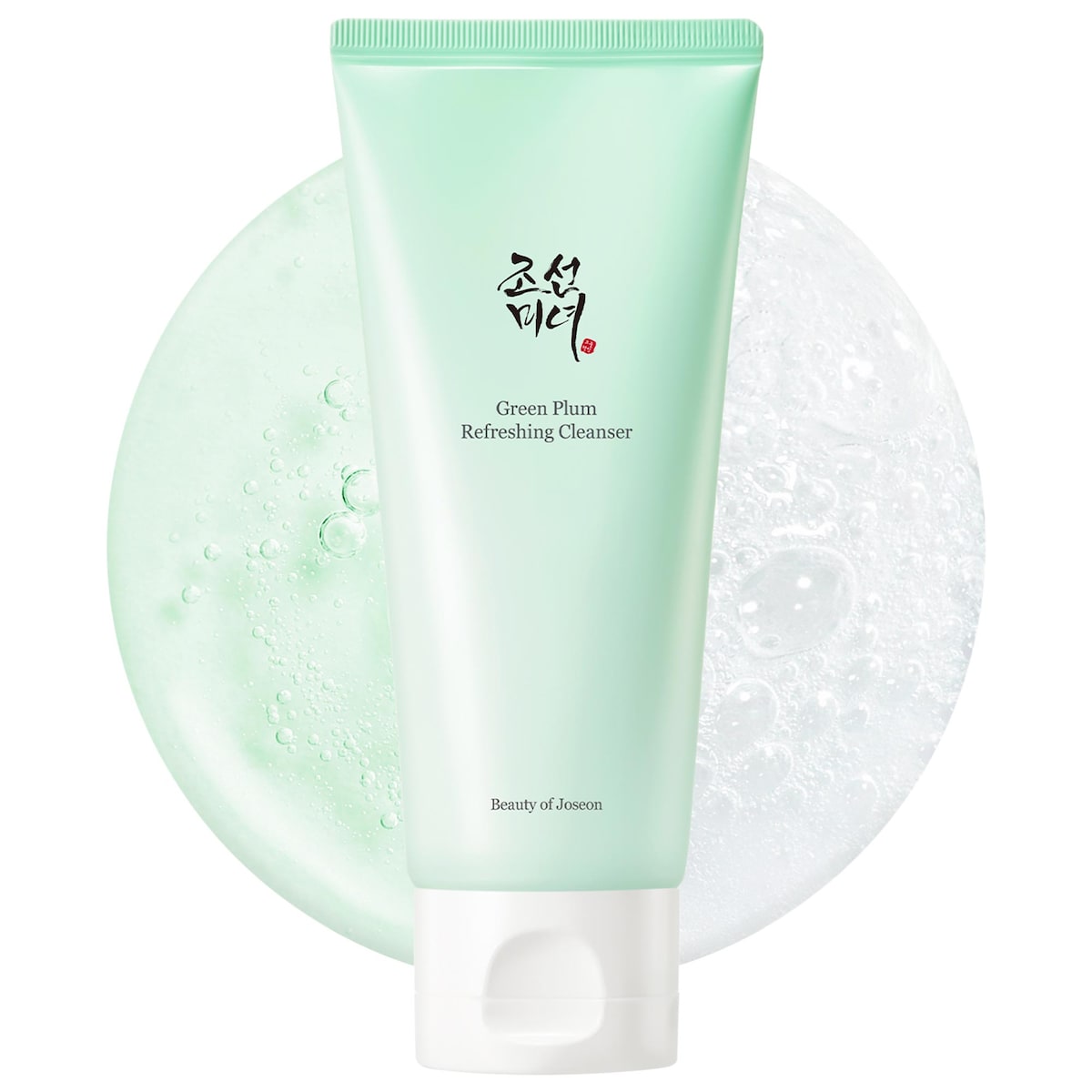
The first thing I would change is usually the cleanser.
If your face feels "squeaky," that is not a win. It is often the start of the rebound cycle. The skin feels extra clean for a few minutes, then the tightness hits, the oil comes back harder, and every later step starts feeling like damage control.
That is why Beauty of Joseon Green Plum Refreshing Cleanser makes sense here. It still feels like a real cleanse, but it does not force the rest of the routine to spend the whole day repairing step one.
This is the right lane if:
- your skin feels tight after washing
- foaming cleansers feel productive for 20 minutes and then awful
- you are oily, but your barrier still feels easy to upset
- you want a cleanser that stays easy to repeat
If your skin is very reactive and even gel cleansers feel like too much, go one notch calmer and read best gentle cleansers at Sephora for acne-prone skin (2026).
2. Give your skin one light hydration layer before you start chasing oil control
This is where a lot of oily routines fall apart.
People see shine and assume hydration is the wrong move. But when skin is oily and dehydrated, some of that shine is just a stressed surface trying to compensate for weak water balance underneath.
That is why I like a lighter layer here instead of a rich cream toner or a five-step hydration stack.
Beauty of Joseon Glow Replenishing Rice Milk works because it adds water support without turning the routine creamy or slow. One thin layer on damp skin is enough.
This step makes sense if:
- your face looks oily but still feels uncomfortable
- sunscreen grips weirdly to dry texture
- your glow dies fast and turns into flat shine
- richer toners make you feel coated
If your skin loves this kind of step, best hydrating serums at Sephora for dehydrated skin is the better product rabbit hole. Stay light, though. Oily, dehydrated skin usually wants more clarity, not more volume.
3. If your skin still feels papery underneath, add one hydrating serum and stop there
This is the move when your face looks greasy, but still somehow feels rough, flat, or slightly tight underneath.
You do not need three hydrating serums. You need one good one.
Torriden DIVE IN 5D Hyaluronic Acid Ultra Hydrating Serum earns a place because it keeps the routine focused. It gives you the plumpness and cushion this skin type often misses, without turning into another treatment you have to negotiate with.
Use a serum like this when:
- toner helps, but not enough
- your skin still feels thirsty by midday
- you keep mistaking dehydration for a need to exfoliate
- your face looks smoother with hydration, not heavier
One caution here: if you keep layering humectant-heavy products without sealing them in properly, the whole routine can start feeling tacky and unhelpful. That is why I like this step only when the skin really needs it, not because the internet told you every face needs a serum collection.
4. Put oil control in one balancing step, not in every single product
This is the shift that usually makes the routine feel smarter.
Instead of forcing the cleanser, toner, moisturizer, and sunscreen to all be mattifying, I would rather give oily, dehydrated skin one clear balancing owner in the middle of the routine.
That is why Beauty of Joseon Glow Serum for Oil Control with Niacinamide fits so well here.
It makes sense if:
- your T-zone gets oily faster than the rest of your face
- your pores look louder when the routine gets heavy
- post-breakout marks make the whole face look less even
- you want balance, not a full acid-stack reset
This is also where closed-comedone routines go sideways. People start stacking niacinamide, BHA, AHA pads, clay, and retinoids because each one sounds reasonable on its own. By the end of the week, the skin is irritated again and the clogs are still there.
If your main problem is pores and oil, keep this step clean. Then decide later if you even need something stronger.
If you want more options in this lane, go next to best niacinamide serums at Sephora for oily skin.
5. Moisturizer is usually the step that finally makes this skin type behave
This is the step a lot of oily people still resent.
I get it.
If your face already looks shiny, moisturizer sounds like the wrong answer. But oily, dehydrated skin usually does worse when you skip it. The face might look okay for an hour, then it gets tighter, more reactive, and somehow oilier by the afternoon.
The fix is not no moisturizer.
The fix is the right texture.
Skinfix Barrier Balancing Water Cream works because it feels like support, not like an extra film sitting on the face.
This is the kind of moisturizer I would use if:
- heavy creams make you want to wash your face again
- your cheeks need help but your forehead hates weight
- your skin gets more chaotic when you skip moisturizer
- you want your sunscreen to sit better on top
If moisturizer is still the hardest category to get right, best Sephora moisturizers for oily skin is the better next page to open.
6. Sunscreen is usually where the routine loses momentum
This is the step that makes people quit.
The cleanser was fine. The hydrating step felt good. The moisturizer finally made sense. Then sunscreen goes on and suddenly the whole face feels slippery, greasy, or soft in the wrong way.
That is why I keep this last step simple.
innisfree Daily UV Defense Invisible Korean Sunscreen Lotion SPF 50+ PA++++ earns its place because it does not completely change the finish of the routine. That matters more than people admit. A sunscreen can be technically good and still be wrong for oily, dehydrated skin if it ruins the feel of everything underneath.
If SPF keeps derailing the routine, best sunscreens at Sephora for oily skin is the more targeted shortlist.
7. What I would do about closed comedones without blowing the barrier up again
This is the part people rush.
They get tired of the clogged bumps, so they go right back to over-exfoliating. Then the dehydration gets worse, the face gets shinier, and they end up exactly where they started.
If you are dealing with closed comedones, I would not make your whole routine stronger all at once.
I would keep the base routine gentle and add one strategic treatment swap only a few nights a week.
Skinfix Acne+ 2% BHA + Azelaic Acid + Niacinamide + AHA Cleanser makes sense in that role because it gives you a more active cleanse without forcing every single day to become treatment day.
This is the right kind of swap when:
- your skin is no longer actively stinging
- the main leftover problem is clogged texture
- you want to clear congestion slowly instead of nuking the barrier
- you can commit to starting slower than your impulse wants
If your skin is still irritated, wait.
That patience usually saves time.
If clog-prone texture is your main issue, night skin care routine for oily skin (April 2026) and oily skin routine without stripping (April 2026) are the best follow-ups.
What I would stop doing immediately
- Stop using tightness as proof that your cleanser is working.
- Stop adding new acids before the skin can hold hydration properly.
- Stop assuming greasy skin does not need moisturizer.
- Stop doing a heavy version of skin flooding if your face already hates layers.
- Stop changing three products in the same week and expecting clear feedback.
That last one matters more than people think.
Oily, dehydrated skin is one of the easiest skin patterns to confuse because the feedback is messy. The face can look shinier and still be under-hydrated. It can break out from congestion and from irritation. It can seem like a hydrating product is "too much" when the real problem was the cleanser before it.
That is why I like smaller changes here.
The simplest version of this routine
Morning
- Gentle cleanser
- Lightweight hydration layer
- Optional hydrating serum if you truly need it
- Lightweight moisturizer
- Sunscreen
Night
- Gentle cleanser
- Lightweight hydration layer
- Balancing serum
- Lightweight moisturizer
Two or three nights a week, if texture is the real problem and your barrier is calm
- Treatment cleanser instead of your regular cleanser
- Lightweight hydration layer
- Lightweight moisturizer
That is enough for most people.
Not because minimalist routines are trendy. Because oily, dehydrated skin usually improves when the routine gets clearer, not busier.
FAQ
Can skin really be oily and dehydrated at the same time?
Yes. That is the whole problem. Oil and water are not the same thing. Your face can produce plenty of oil and still struggle to stay properly hydrated.
Should I use hyaluronic acid if I already get oily?
Usually yes, if the texture stays light and the rest of the routine is not overloaded. The bigger question is whether you need a separate serum, or whether a lighter toner and moisturizer already do enough.
Is skin flooding good for oily, dehydrated skin?
A lighter version can help. The heavy version usually does not. If your skin already gets shiny and congested easily, keep the layers few, light, and purposeful.
Why do I keep getting closed comedones when I try to hydrate more?
Sometimes it is the wrong product texture. Sometimes it is barrier damage plus over-correction. Sometimes it is too many layers too fast. Hydration itself is not usually the enemy. Bad product fit and routine chaos usually are.
What if every sunscreen breaks me out?
Then sunscreen is a fit problem, not proof that SPF is impossible for you. Look for lighter textures and stop forcing formulas that already feel wrong by lunchtime.