My skin does not care how expensive a moisturizer is.
It cares if I finish it.
That is the test I trust now. Not the prettiest jar. Not the thickest claim stack. Not the product that sounds the most clinical when my barrier is already angry. A good ceramide moisturizer should make my routine calmer, easier to repeat, and less dramatic by the third night.
The hard part is that ceramide creams all start to sound the same after a while. Barrier repair. Lipid support. Cushion. Recovery. Sensitive skin. Deep hydration. It all blends together until you have three open moisturizers, one irritated face, and no clear reason to keep using any of them.
So I would not shop this category by hype.
I would shop it by skin mood.
If your face feels tight, choose differently than someone whose cheeks flush but whose T-zone clogs. If your skin burns after moisturizer, choose differently than someone who simply wants a richer night cream. If you are using retinoids or exfoliating acids, choose differently than someone who just needs a comfortable daily cream under sunscreen.
Ceramides are useful because they help support the outer barrier of the skin, but they are not magic dust. The formula still matters. The texture matters. The rest of the routine matters even more.
Quick answer
If I had to choose fast, I would narrow the cart like this:
| Image | Product | Best for | Skip if |
|---|---|---|---|
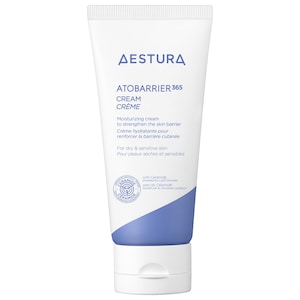
 | AESTURA ATOBARRIER365 Cream Moisturizer | Dry, depleted, treatment-tired skin | Niacinamide tends to bother you |
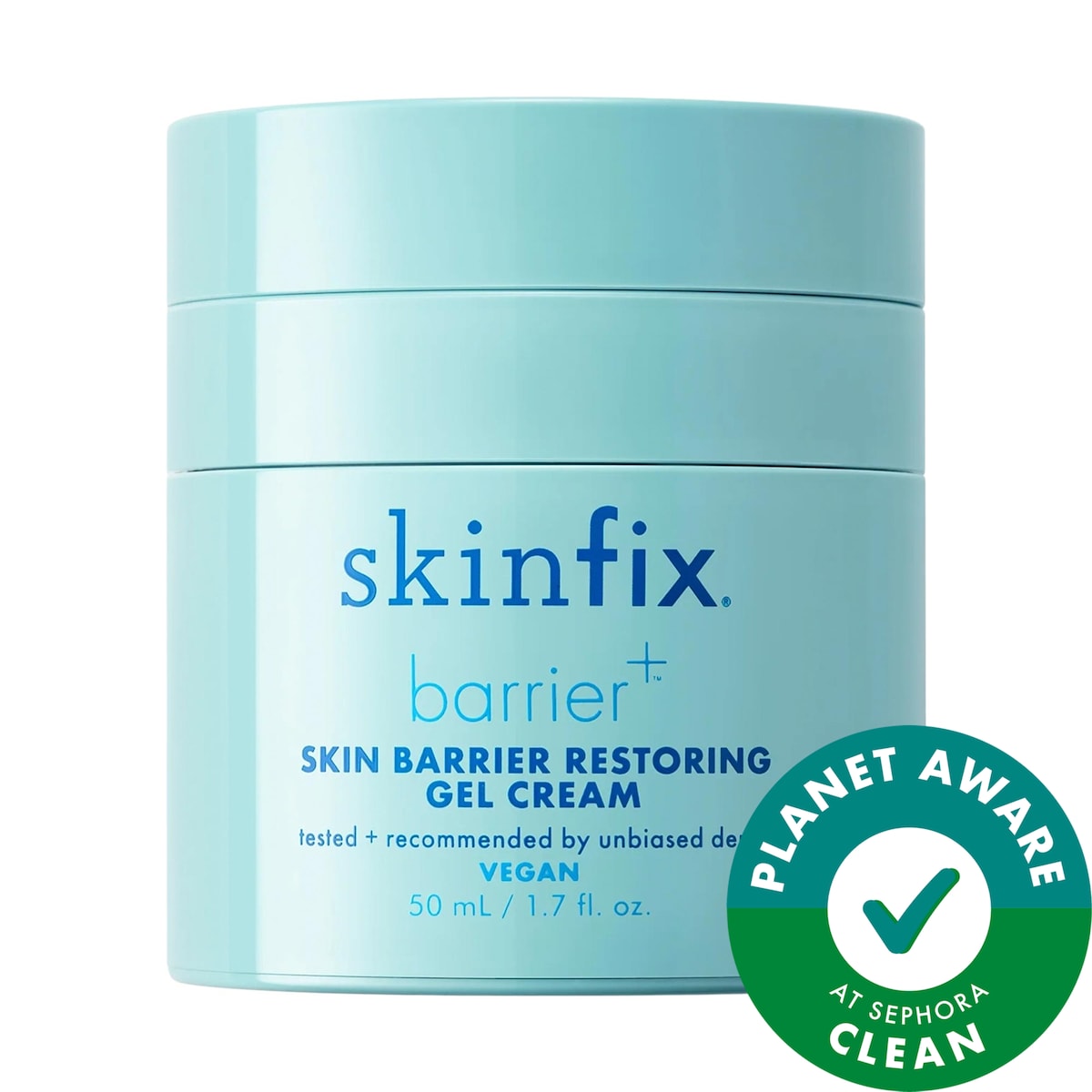
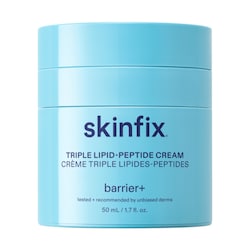 | Skinfix Triple Lipid-Peptide Cream | Sensitive skin that wants a polished barrier cream | You hate richer cream textures |
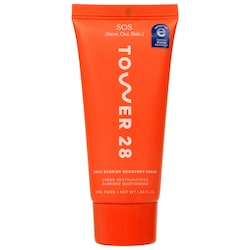 | Tower 28 SOS Daily Skin Barrier Redness Recovery Moisturizer | Red, reactive, easily annoyed skin | You need a heavy winter seal |
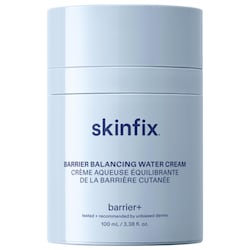 | Skinfix Barrier Balancing Water Cream | Oily, combination, or congestion-prone skin | Your skin is cracked or very dry |
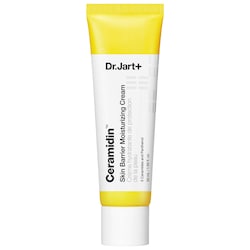 | Dr. Jart+ Ceramidin Skin Barrier Moisturizing Cream | Tight, rough, comfort-starved skin | You want an invisible gel finish |
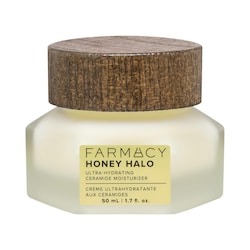 | Farmacy Honey Halo Ultra-Hydrating Ceramide Moisturizer | Dry skin that wants a richer cocoon | Honey-forward textures or scent bother you |
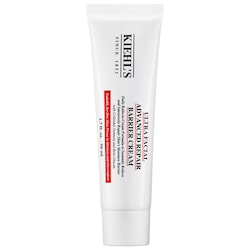 | Kiehl's Ultra Facial Advanced Repair Barrier Cream | Normal-to-combination skin that wants repair without a heavy feel | You need the richest cream possible |
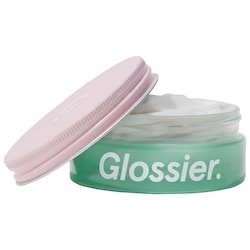 | Glossier After Baume Moisture Barrier Recovery Cream | Recovery nights, cold weather, rough patches | You want a daily lightweight moisturizer |
For most people, I would not buy more than one from this list at first.
That is the whole point.
What ceramides are actually good for
Ceramides are lipids that help the skin barrier hold itself together. I think of them less like a glow ingredient and more like a structural ingredient. When the barrier is doing its job, skin tends to hold water better, feel less easily irritated, and tolerate the rest of the routine with less complaining.
That does not mean every ceramide moisturizer will fix every barrier problem.
Sometimes the cream is too light. Sometimes it is too heavy. Sometimes the formula includes another ingredient your skin does not like. Sometimes the real problem is not the moisturizer at all, but the cleanser, exfoliant, retinoid schedule, hot water, weather, or the fact that you keep changing the routine before your skin has a chance to settle.
This is where I see people make the expensive mistake. They buy a barrier cream because their face feels angry, but they keep the same aggressive routine around it. Then they blame the cream when it cannot outwork the rest of the damage.
I would rather make the whole routine quieter.
The rule I use before buying any barrier cream
Before I buy a ceramide moisturizer, I ask one question:
_What do I need this cream to do that my current moisturizer is not doing?_
If the answer is “my skin feels tight again an hour later,” I want more cushion and better sealing. If the answer is “my skin gets red fast,” I want a simpler redness-friendly daily cream. If the answer is “everything clogs me,” I want barrier support in a lighter format. If the answer is “my retinoid nights are getting flaky,” I want a night cream that can hold up without making the morning routine greasy.
That question saves money because it stops you from buying the strongest-looking cream when you actually need the easiest one to repeat.
1. AESTURA ATOBARRIER365 Cream is the one I would start with for dry, depleted skin
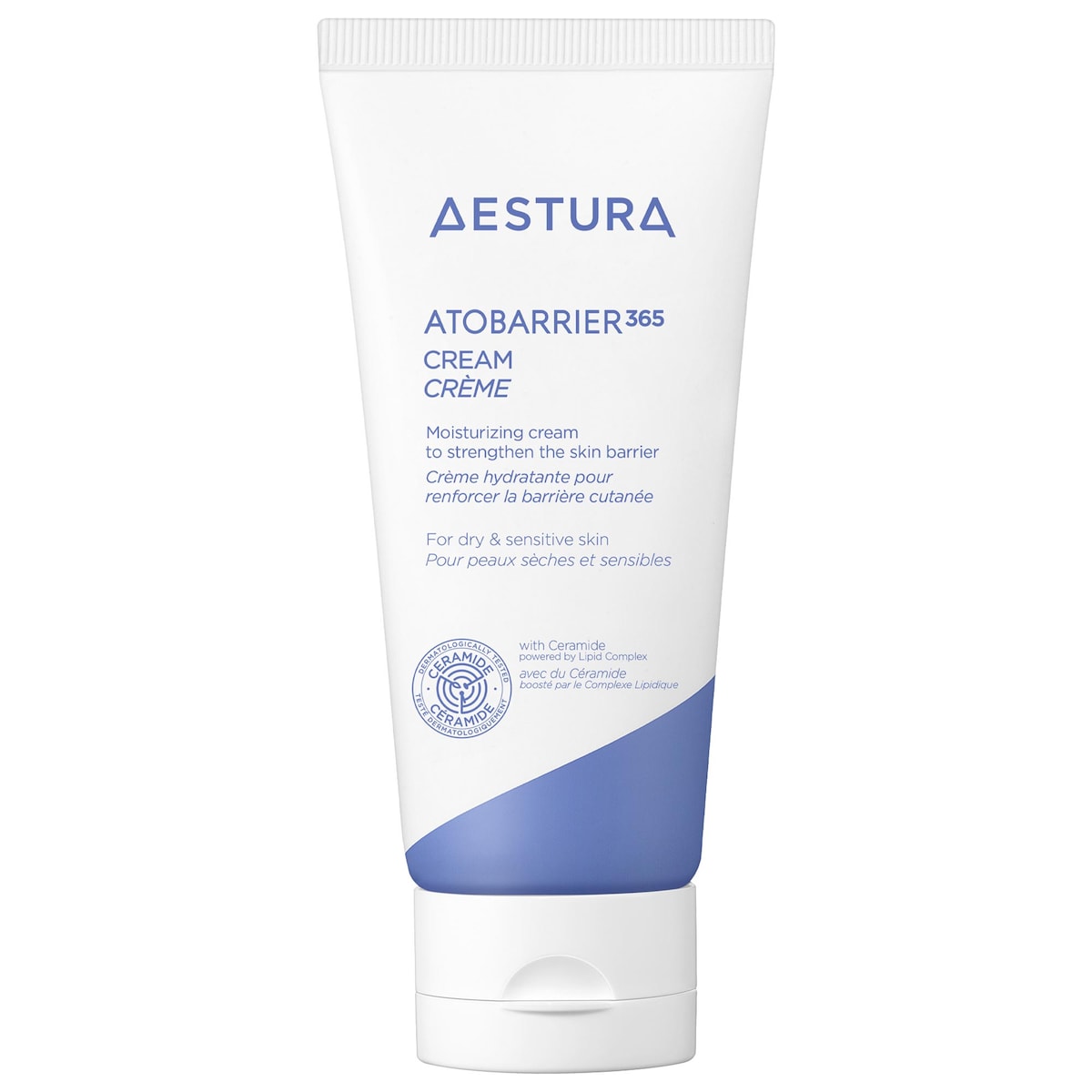
If my skin feels depleted, AESTURA is the first product I would compare everything else against.
It has the clearest barrier-repair personality in this group. Not cute. Not especially trendy. Just very easy to understand. This is the cream I would think about when my skin feels thin, tight, over-cleansed, retinoid-tired, or like a lighter moisturizer disappears before bedtime.
The texture makes the most sense at night, especially if you are trying to stop waking up tight. It can also work in the morning for dry skin, but I would be more careful if sunscreen or makeup tends to pill on you.
The only real caution is niacinamide. Many people do well with it. Some do not. If niacinamide makes you flushed, bumpy, itchy, or suspiciously congested, do not ignore that just because the rest of the cream sounds perfect.
Choose AESTURA if your routine needs stability.
Skip it if your skin usually rejects richer creams or niacinamide-forward formulas.
2. Skinfix Triple Lipid-Peptide Cream is the premium middle ground
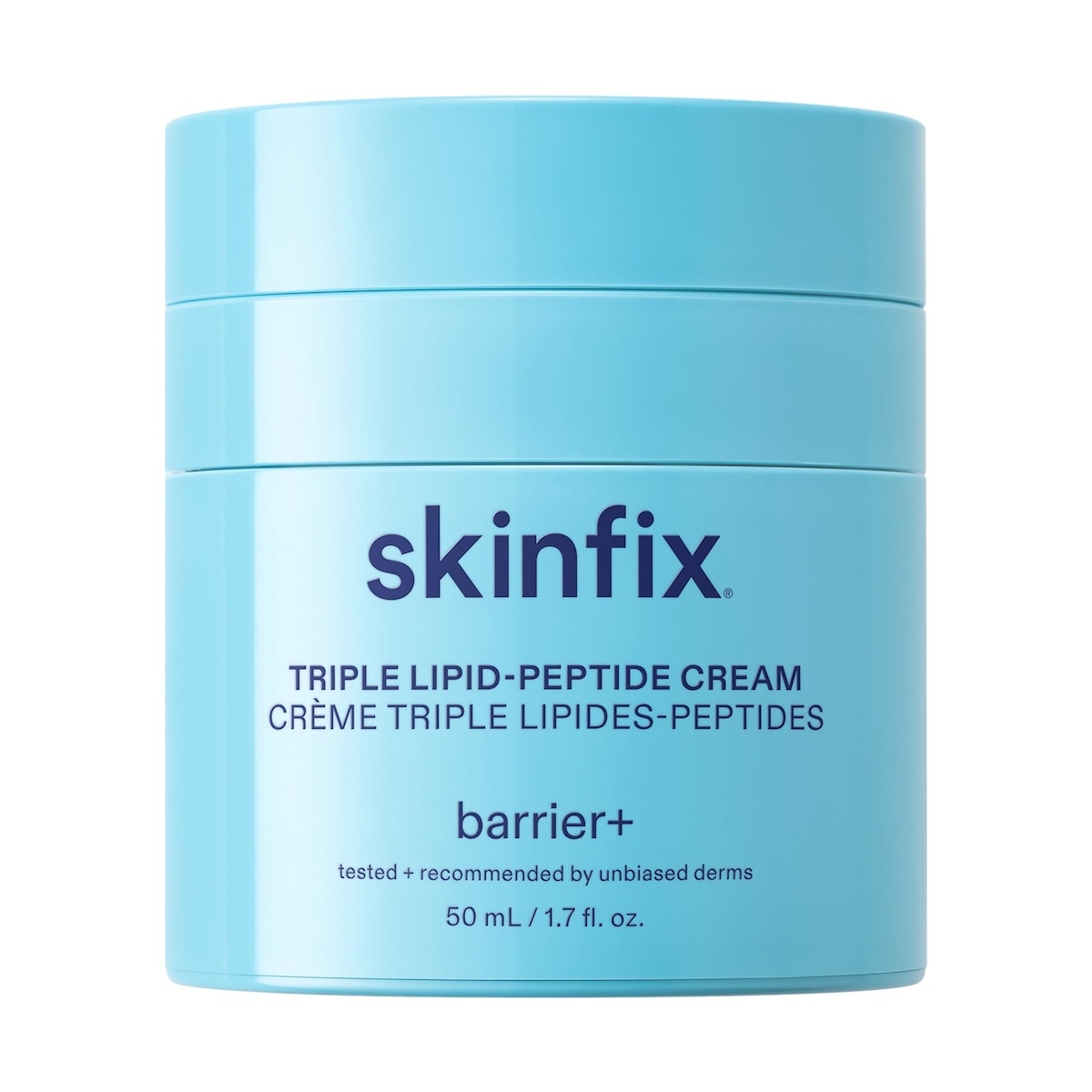
Skinfix is the one I would choose if I wanted a serious barrier moisturizer that still feels like a normal daily face cream.
That sounds small, but it matters. A lot of recovery creams feel like emergency products. You use them when your skin is in trouble, then quietly avoid them once your skin calms down because they are too heavy, too shiny, or too medicinal-feeling.
Skinfix sits in a more wearable lane. It has the lipid-support story people want from a ceramide cream, but it does not feel like it only belongs to crisis nights.
I would choose this if my skin is sensitive, a little dry, and easily thrown off by weather or actives, but I still care about texture and finish. It is also a good choice for the person who wants one nicer moisturizer instead of separate morning, night, and recovery creams.
Skip it if you already know plush creams make you shiny or congested.
3. Tower 28 SOS is the low-drama pick for red, reactive skin
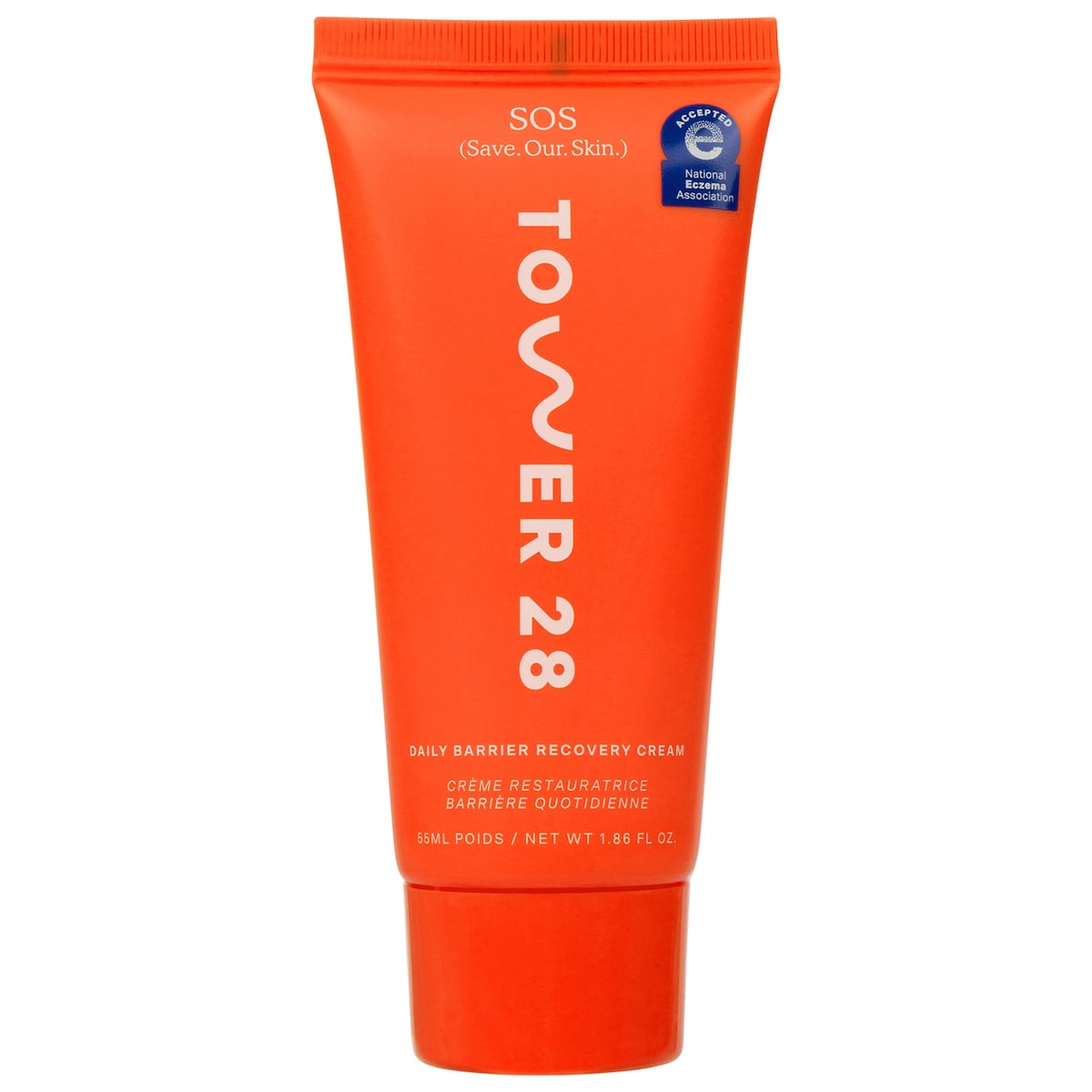
Tower 28 is the one I would hand to someone who is tired of skincare feeling risky.
Not every sensitive-skin problem is extreme dryness. Sometimes the issue is redness, flushing, heat, or that feeling that your skin is constantly one wrong product away from starting a fight. In that mood, the best moisturizer is not always the richest one. It is the one you can use every day without thinking about it.
Tower 28 makes sense as a daily barrier moisturizer for reactive skin that wants calm, not weight. I would put it in the morning or night routine depending on texture preference, but I would not expect it to replace a heavier recovery layer if your skin is cracked, peeling, or winter-dry.
Choose it if your face gets red before it gets flaky.
Skip it if your main problem is deep dryness and you need a stronger final seal.
4. Skinfix Barrier Balancing Water Cream is the one for oily-dehydrated skin
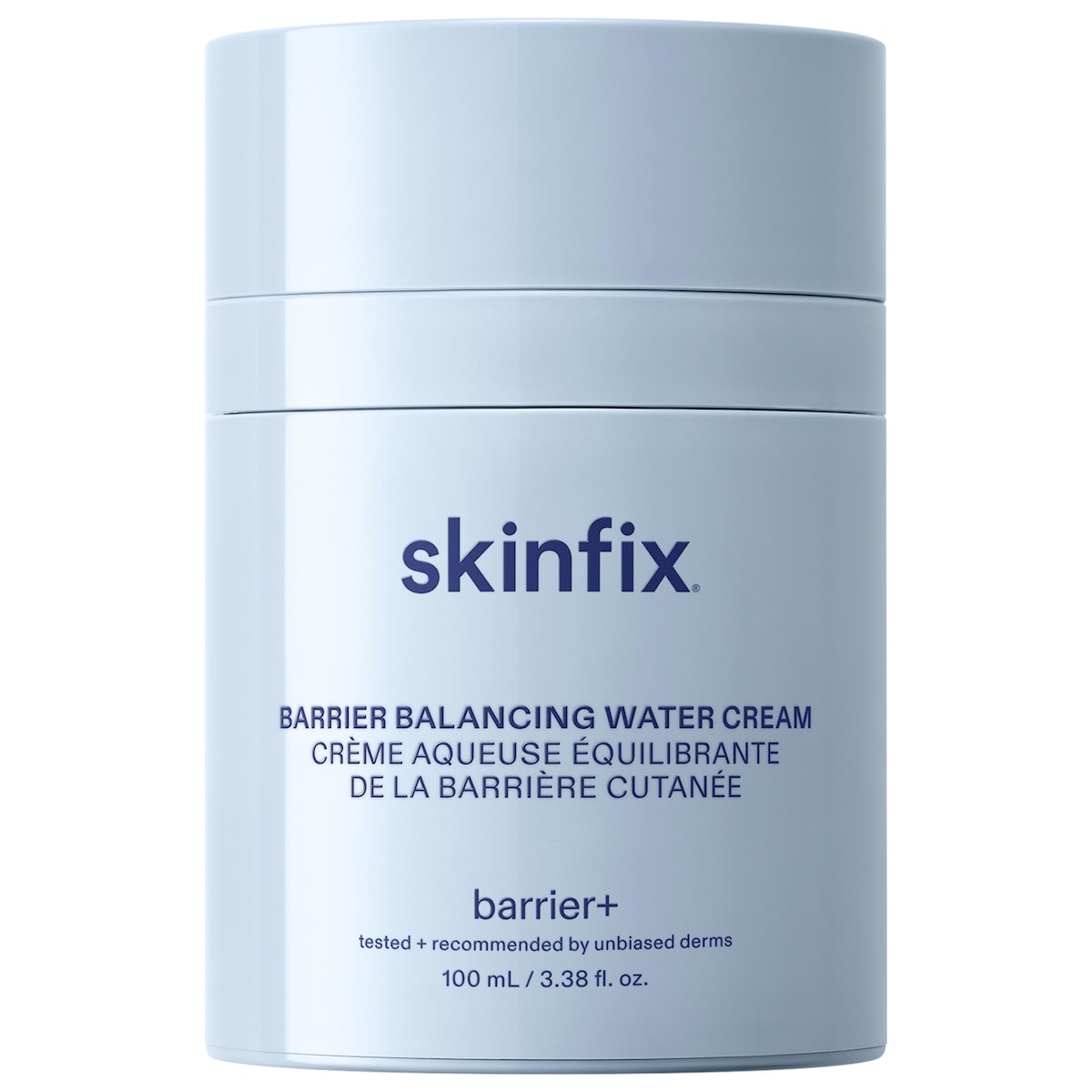
This is the pick I wish more barrier-cream lists separated clearly.
Oily skin can have a damaged barrier too. Combination skin can be dehydrated too. Acne-prone skin can need barrier support without wanting a thick cream sitting on top of it all night.
That is where Skinfix Barrier Balancing Water Cream makes sense. It is not the cream I would reach for if my face felt chapped. It is the cream I would consider if heavier barrier moisturizers keep breaking my routine because I stop using them after three nights.
The best moisturizer is the one you actually apply.
For oily-dehydrated skin, that often means a gel-cream or water-cream texture that gives support without making the face feel wrapped. If you are using acne treatments, exfoliants, or retinoids and your skin is both shiny and tight, this is the lane I would test before assuming you need a richer cream.
Skip it if your skin is truly dry, cracked, or rough from barrier damage. Light textures can be elegant and still not enough.
5. Dr. Jart+ Ceramidin is the comfort cream for tight, rough skin
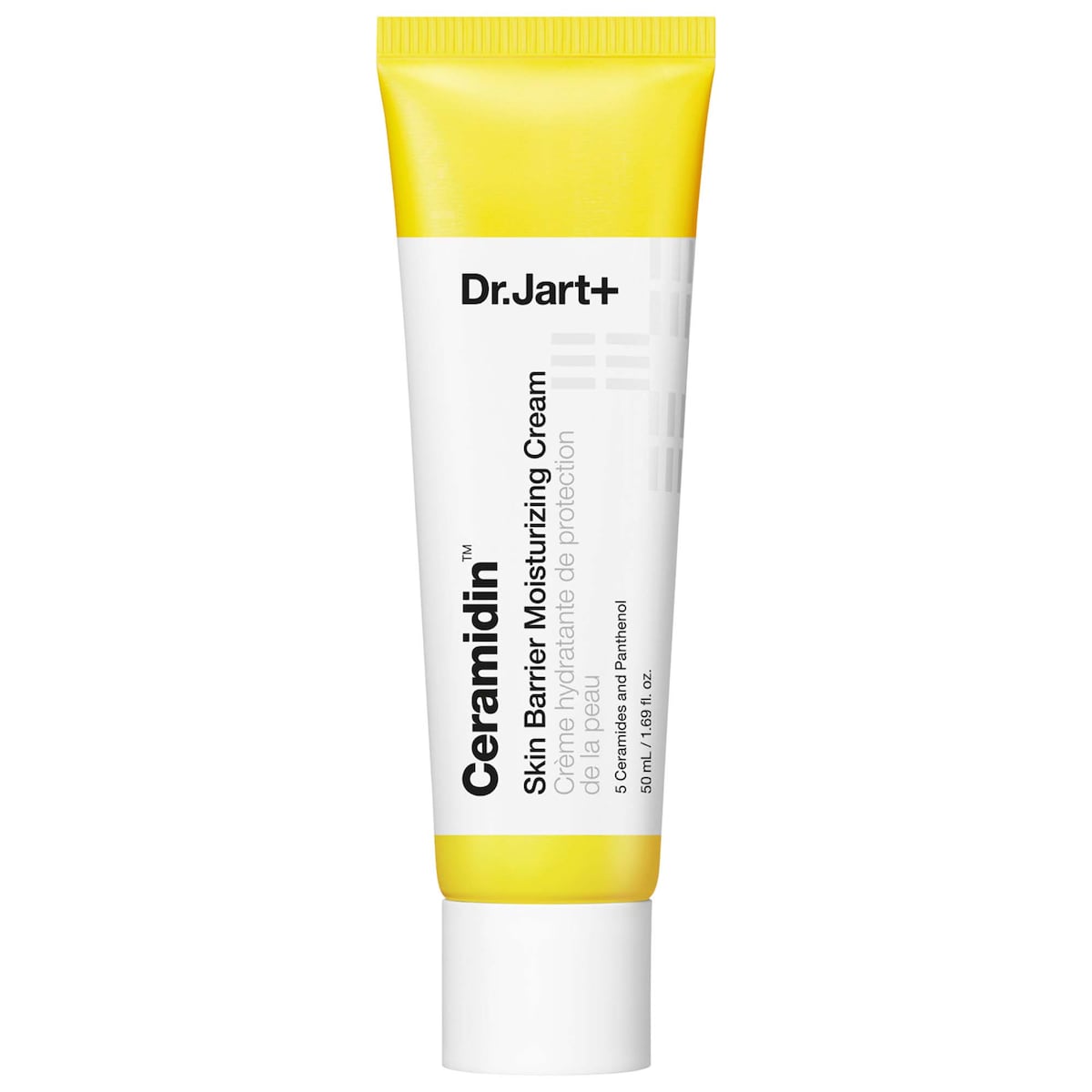
Dr. Jart+ Ceramidin feels like the most obvious comfort pick.
I would not choose it because I want the lightest finish. I would choose it because my skin feels rough, tight around the mouth, dry around the nose, or tired from active ingredients and weather changes.
This kind of cream makes sense when your skin wants cushion. Not a watery layer. Not a serum pretending to be enough. A real cream that sits in the routine like the last step is supposed to matter.
The tradeoff is finish. If you are oily or easily congested, this may be more cream than you want. If you are dry and sensitive, that same richness may be exactly why you finish the tube.
Choose it for comfort.
Skip it for invisibility.
6. Farmacy Honey Halo is for dry skin that wants a cocoon
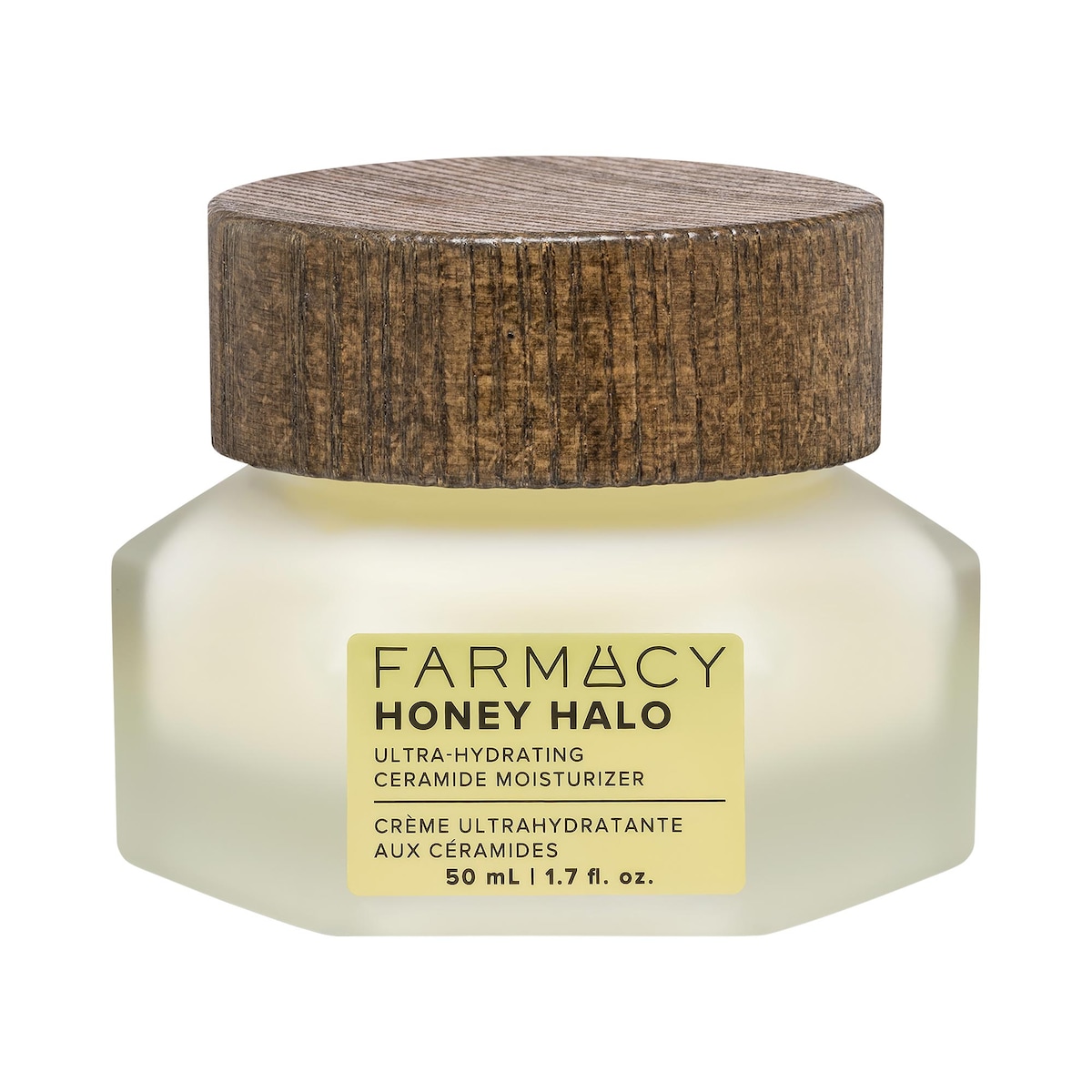
Honey Halo is not the minimalist pick.
It is the cozy pick.
I would look at this when my skin is dry in a very obvious way: dull, rough, tight, makeup catching, cheeks asking for more than a gel cream can give. It makes more sense for dryness-first routines than for redness-first or acne-first routines.
That distinction matters because many people call their skin sensitive when they actually mean dry, and many people call their skin dry when they actually mean sensitized. Honey Halo is better when dryness is a major part of the problem.
I would use it at night first. If it wears well under sunscreen for you, great. If not, keep it in the evening lane where a richer finish is less annoying.
Skip it if scent, honey-like textures, or richer creams tend to make you quit a product before the jar is half empty.
7. Kiehl's Advanced Repair Barrier Cream is the lighter repair lane
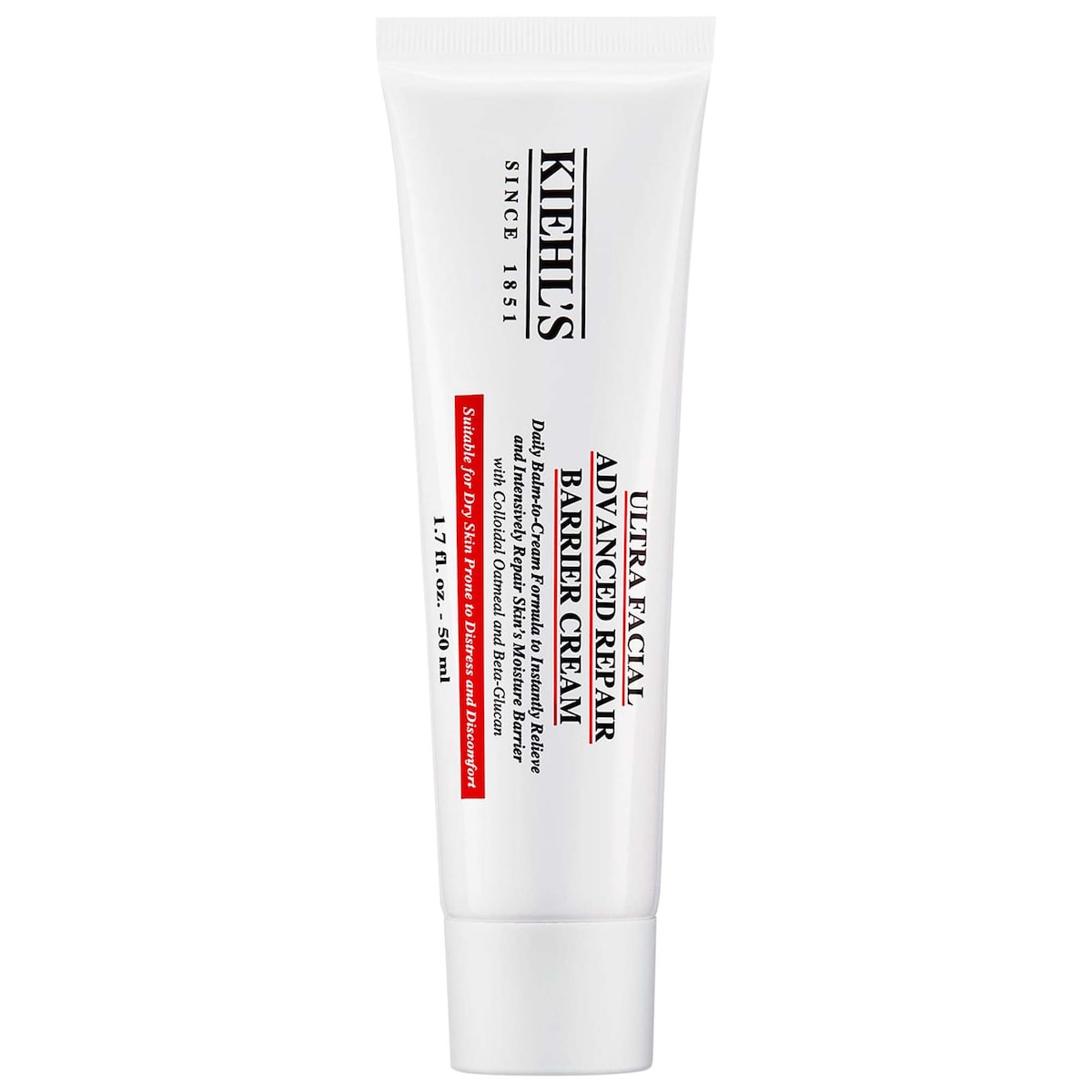
Kiehl's is the one I would consider if I want barrier repair language without committing to the heaviest texture in the category.
That makes it useful for normal, combination, or slightly dry skin that still wants support. It also makes sense for someone who has bounced off thicker creams because they feel too occlusive for daytime.
I would not treat it as the strongest rescue cream here. That is not the lane. I would treat it as a smarter everyday repair moisturizer for someone who wants comfort, but still wants the routine to feel clean under SPF.
Choose it if heavy barrier creams usually feel like too much.
Skip it if your skin is asking for maximum cushion.
8. Glossier After Baume is the recovery-night product
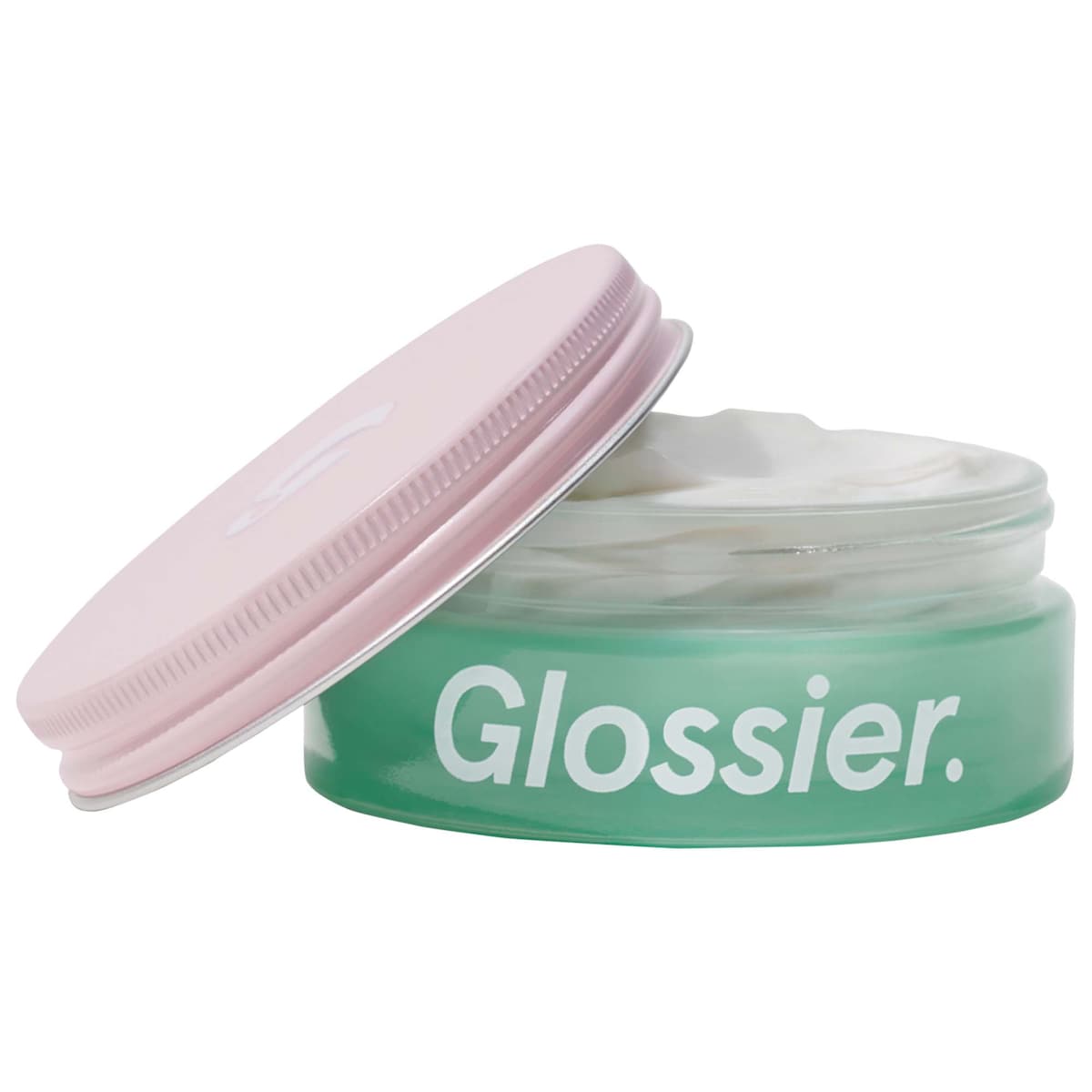
After Baume is not trying to be invisible.
That is why it belongs here.
Some nights, I do not need my moisturizer to be elegant. I need it to make dry patches feel less exposed. I need it to sit over irritated areas and stop the routine from feeling unfinished. I need a recovery product, not a perfect daily cream.
This is where After Baume makes the most sense: cold weather, over-exfoliation weeks, retinoid recovery, rough spots around the nose, or the nights when the skin feels like it needs a blanket.
I would not make it the first pick for oily skin. I would not make it the first pick for humid mornings. I would keep it as the product you reach for when your regular moisturizer is not enough.
That is a good job.
It just is not every job.
How I would choose by skin type
If your skin is dry and fragile, start with AESTURA or Dr. Jart+. AESTURA is the more barrier-first choice. Dr. Jart+ is the more comfort-first choice.
If your skin is red and reactive, start with Tower 28. It is the easiest low-drama option here and makes the most sense when your face gets hot or flushed before it gets deeply dry.
If your skin is oily but tight, start with Skinfix Barrier Balancing Water Cream. Do not punish oily-dehydrated skin with a cream you secretly hate using.
If your skin is sensitive but you still want one premium all-around moisturizer, start with Skinfix Triple Lipid-Peptide Cream.
If your skin is dry, cozy-cream-loving, and not easily clogged, Farmacy Honey Halo is the richer comfort pick.
If your skin only needs a little more repair without a heavy finish, Kiehl's is the clean middle lane.
If your skin is in a rough patch and you need a recovery layer, Glossier After Baume makes more sense than forcing it to be your elegant everyday moisturizer.
What I would not do
I would not buy three barrier creams at once.
I would not layer multiple ceramide products and call that a better plan.
I would not keep exfoliating through burning just because I bought a stronger moisturizer.
I would not assume stinging means the cream is “working.”
I would not ignore a pattern where niacinamide, fragrance, heavy oils, or occlusive textures keep causing the same reaction.
This is the part that makes a barrier routine work. The moisturizer helps, but the routine has to stop creating the same problem every night.
The routine I would use while testing one
Keep it boring for two weeks.
Morning:
- Rinse or cleanse gently.
- Use a hydrating serum only if it already agrees with your skin.
- Apply the ceramide moisturizer if it wears well during the day.
- Finish with sunscreen.
Night:
- Remove sunscreen or makeup gently.
- Cleanse with lukewarm water and a non-stripping cleanser.
- Apply the ceramide moisturizer to slightly damp skin.
- Add a tiny amount of balm only on rough patches if needed.
If your skin is irritated, I would pause strong exfoliating acids, aggressive vitamin C, and frequent retinoid nights until the burning or tightness settles. Once the skin is calm again, bring one active back at a time. Not because slow is exciting. Because slow is easier to read.
Glass can help here because the hardest part is usually not knowing what a good routine looks like. It is remembering what changed, what you skipped, and whether your skin looked calmer two weeks later. Tracking the routine and skin scans gives you a cleaner way to see if the moisturizer is actually earning its place.
When a ceramide moisturizer is not enough
There are moments when a better cream is the wrong level of solution.
If your skin is cracked, bleeding, painful, infected-looking, severely itchy, or flaring repeatedly, I would stop treating it like a shopping problem. That is dermatologist territory. Same if your “barrier damage” keeps coming back no matter how gentle your routine gets.
For normal dryness, irritation, and product overuse, a calmer routine and the right moisturizer can do a lot. For persistent skin disease or painful reactions, guessing with another jar is not the move.
My final pick
If I were buying one ceramide moisturizer at Sephora in May 2026, I would start with AESTURA ATOBARRIER365 Cream for dry, depleted, treatment-tired skin.
If my skin were red and easily triggered, I would start with Tower 28 SOS.
If my skin were oily-dehydrated, I would start with Skinfix Barrier Balancing Water Cream.
If I wanted the nicest all-around premium choice, I would start with Skinfix Triple Lipid-Peptide Cream.
That is the real answer. Not one winner for everyone. One moisturizer that matches the skin you actually have this month.
Buy that one.
Then give it enough quiet nights to tell you the truth.
FAQ
Are ceramide moisturizers good for sensitive skin?
They can be, especially when the formula is simple, comfortable, and matched to your texture preference. The problem is not ceramides themselves for most people. The problem is choosing a cream that is too heavy, too light, too active, or paired with a routine that keeps irritating the skin.
Can I use a ceramide moisturizer every night?
Yes, most people can use a well-tolerated ceramide moisturizer every night. If your skin is reactive, start once daily and keep the rest of the routine simple so you can tell whether the cream agrees with you.
Do I still need sunscreen if I am repairing my barrier?
Yes. Sunscreen still matters, especially if you are dealing with irritation, post-breakout marks, exfoliation, retinoids, or uneven tone. A barrier routine without daytime protection is incomplete.
Should I choose a cream or a gel cream?
Choose a cream if your skin is dry, rough, tight, or treatment-tired. Choose a gel cream if your skin is oily, combination, easily clogged, or hates heavy finishes. The best texture is the one you will actually use long enough to judge fairly.
What if my moisturizer burns?
Stop and simplify. Burning can happen when the barrier is damaged, but it can also mean the formula is not right for you. If burning is strong, persistent, or paired with swelling, rash, cracking, or pain, get medical advice instead of testing more products.