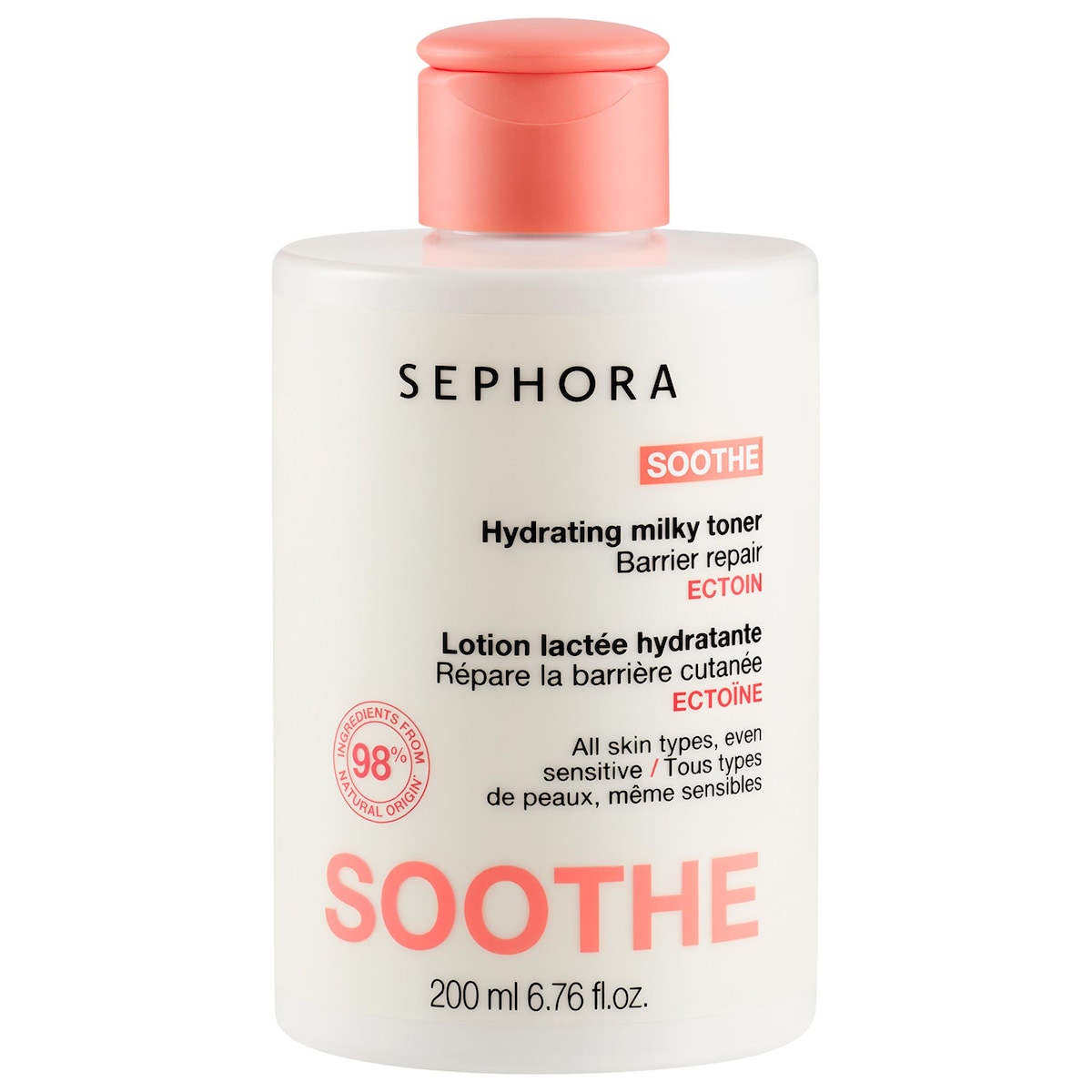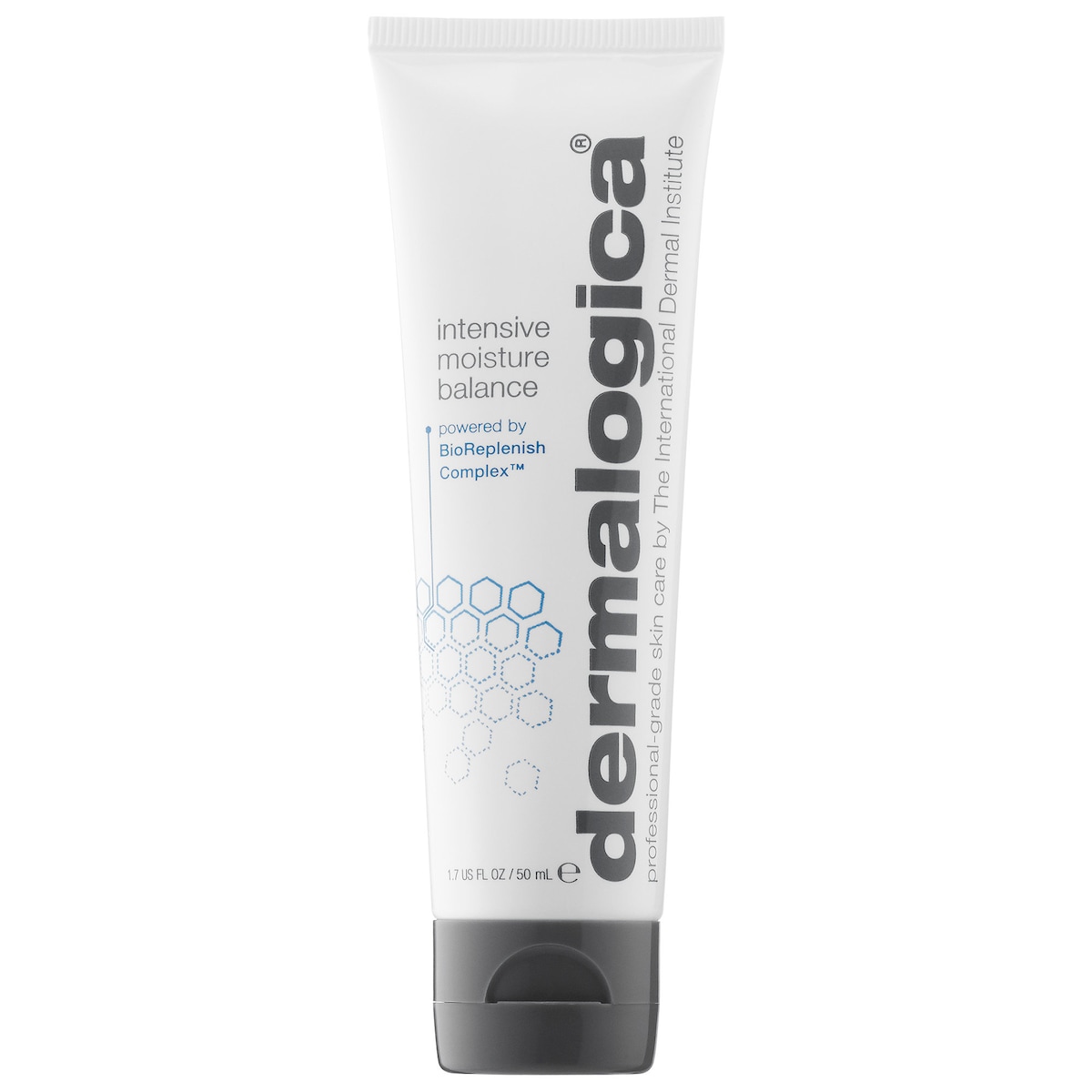
Dry skin makes people overspend.
I get why. When your face feels tight by lunch, flakes under sunscreen, or burns after a cleanser that used to feel fine, a new moisturizer starts to look like the fastest way out. Sephora makes that even harder because everything sounds hydrating, barrier-supportive, plumping, calming, cushiony, or dewy.
Those words are not useless. They are just incomplete.
The better question is not "what is the best moisturizer at Sephora?" It is "what kind of dryness am I trying to fix, and where does this product sit in the rest of my routine?"
That one question changes the whole purchase.
The short answer
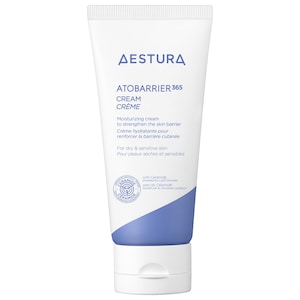
If my skin were dry, tight, and easily irritated in May 2026, I would start with a cream that gives the barrier something substantial to work with: AESTURA ATOBARRIER365 Cream, Sephora Collection Balmy Rich Cream, rhode Barrier Restore Cream, or another cream that feels comfortable enough to use every day.
If my skin were oily but dehydrated, I would not jump straight to the richest jar. I would look at lighter gel-creams like SOFIE PAVITT FACE Skin Jelly, Skinfix Barrier Restoring Gel Cream, or Clinique Moisture Surge 100H, then judge whether they actually keep the skin comfortable under sunscreen.
If my skin were dry and reactive, I would prioritize fragrance-free comfort, fewer actives, and a boring seven-day test before calling anything a holy grail.
My seven rules for choosing
I would use these rules before buying anything:
- Start with texture, not hype.
- Match the moisturizer to the driest part of your day.
- Do not confuse dehydrated oily skin with truly dry skin.
- Give barrier creams a real night test.
- Make sure morning products survive sunscreen.
- Avoid starting a new moisturizer and a new active in the same week.
- Track one change long enough to notice a pattern.
Most moisturizer regret comes from skipping one of those rules.
Dry skin is not one single problem. Sometimes it is low oil. Sometimes it is water loss. Sometimes it is irritation from too many actives. Sometimes it is weather, hard water, over-cleansing, retinoids, acne treatments, post-procedure sensitivity, or a damaged-feeling barrier that needs a quieter routine.
A good moisturizer can help. It cannot fix a chaotic routine by itself.
What dry skin actually needs
The American Academy of Dermatology says dry skin often does better with creams or ointments rather than lightweight lotions, and it points people toward ingredients like glycerin, hyaluronic acid, dimethicone, petrolatum, mineral oil, shea butter, and similar moisture-supporting ingredients. It also recommends fragrance-free products when skin is dry or sensitive.
That sounds simple until you are standing in front of twenty jars.
I think about moisturizers in three jobs.
Humectants pull water into the surface layers of skin. Glycerin and hyaluronic acid are the obvious examples. They can make skin feel plumper and less tight, but on their own they may not be enough if water keeps escaping.
Emollients soften the rough, flaky feel. Squalane, fatty alcohols, plant oils, and richer cream bases often live here. They make the skin feel smoother and less papery.
Occlusives and barrier-supportive lipids help reduce water loss. Petrolatum, dimethicone, shea butter, ceramides, cholesterol, and fatty acids can matter when the face feels like it cannot hold moisture.
The best dry-skin moisturizer usually does more than one job. The mistake is buying a product that only does the job you enjoy feeling in the first five minutes.
The comparison table I would use
| Image | Product | Best fit | I would pause if... |
|---|---|---|---|
| AESTURA ATOBARRIER365 Cream | Dry, sensitive-feeling barrier routines that need cushion | You hate richer creams or need a barely-there daytime texture |
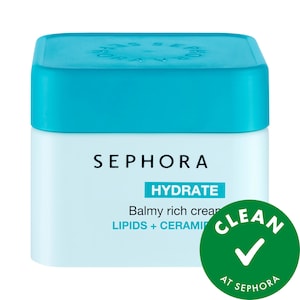 | Sephora Collection Balmy Rich Cream | Budget-friendly night cream, dry zones, barrier support | Your T-zone gets congested with richer textures |
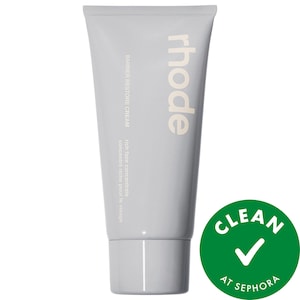 | rhode Barrier Restore Cream | Comfortable daily cream when you want soft, cushioned skin | Shea-butter richness tends to feel heavy on you |
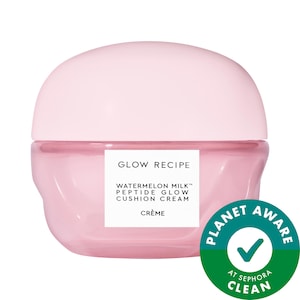 | Glow Recipe Watermelon Milk Peptide Cushion Cream | Fragrance-free dry-skin comfort with a softer cream feel | You want a long review history before buying |
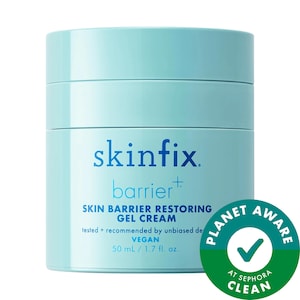 | Skinfix Barrier Restoring Gel Cream | Oily, combination, or breakout-prone skin that still feels dehydrated | Your skin needs a true rich cream at night |
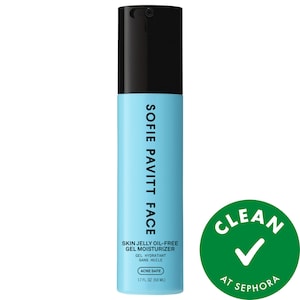 | SOFIE PAVITT FACE Skin Jelly | Acne-prone, oily-dehydrated routines that need light moisture | Your skin is flaky, cracked, or begging for lipids |
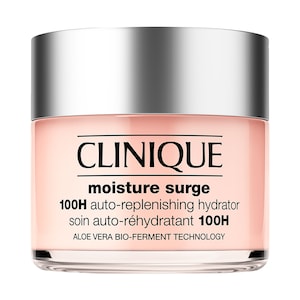 | Clinique Moisture Surge 100H | Lightweight hydration, makeup days, and people who hate heavy cream | You need barrier repair more than water-feel hydration |
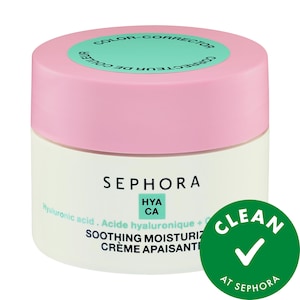 | Sephora Collection Soothing Moisturizer | Redness-prone dry or combination skin on a tighter budget | You need a richer night seal or dislike green tint |
This is not a ranking from best to worst. It is a role map.
The product that wins for flaky cheeks may be annoying on an oily forehead. The product that sits beautifully under makeup may not stop tightness by morning. The product that saves winter skin may feel like too much in humid weather.
If your face feels dry by lunch
Lunch dryness is usually a stack problem.
Your cleanser may be too stripping. Your morning moisturizer may be too light. Your sunscreen may be drying you out. Your office air may be pulling moisture out all day. Or your skin may be dehydrated but not actually asking for a heavy cream at 8 a.m.
I would not solve lunch tightness by buying the richest night cream and putting it under sunscreen immediately. I would test the morning stack:
- cleanse less aggressively
- apply moisturizer while skin is slightly damp
- wait long enough before sunscreen
- use enough sunscreen, not a thin nervous layer
- check whether makeup is making tightness worse
For this lane, Clinique Moisture Surge, Skinfix Barrier Restoring Gel Cream, Sephora Collection Soothing Moisturizer, or rhode Barrier Restore Cream could all make sense depending on how much weight your skin tolerates.
The test is simple. At 2 p.m., does your face feel flexible or tight? Does your sunscreen pill? Does makeup cling to dry patches? Does your nose feel greasy while your cheeks still feel dry?
That feedback is worth more than a product name.
If your skin is dry and sensitive
Sensitive dry skin needs fewer surprises.
I would avoid fragrance-heavy formulas, strong actives, exfoliating acids, and "tingly" products while testing a new moisturizer. Tingle is not proof that something is working. On dry skin, it can be a warning that your barrier is irritated.
AESTURA ATOBARRIER365 Cream is the kind of product I would look at first for this category because the role is clear: a richer cream with barrier-minded ingredients and a dry, sensitive-skin angle. Sephora Collection Balmy Rich Cream also fits the night-cushion lane. rhode Barrier Restore Cream can make sense if you like a richer but still daily-feeling cream.
I would give any of them seven nights before making a judgment, unless there is clear burning, rash, swelling, or worsening irritation. A real moisturizer test is not one selfie after application. It is whether the face wakes up calmer three or four mornings in a row.
If you are oily and dehydrated
Oily dehydrated skin is where people make expensive mistakes.
They buy a rich cream because the skin feels tight. Then the forehead gets shiny, makeup separates, and clogged pores show up. They panic and strip everything back with a harsh cleanser. The face gets tighter. The cycle repeats.
If this is you, I would start lighter.
SOFIE PAVITT FACE Skin Jelly is built for oily, combination, and acne-prone routines that still need moisture. Skinfix Barrier Restoring Gel Cream sits in a similar practical lane, with a gel-cream feel and barrier-supportive positioning. Clinique Moisture Surge can also work when you want hydration without a heavy finish.
The key is not to skip moisturizer. It is to stop asking moisturizer to do every job.
For oily dehydration, I would keep the routine quiet: gentle cleanser, light moisturizer, sunscreen in the morning, then cleanser and moisturizer at night. If you use acne actives, add them on planned nights instead of layering every drying product you own.
If dry patches show through makeup
Dry patches under makeup usually need a smoother morning base and a better night routine.
Morning products should not be so rich that foundation slides around, but they need enough cushion to stop powder from grabbing flakes. A light gel can feel beautiful at first and still fail two hours later. A rich cream can fix the flakes and ruin the finish.
This is where I would separate day from night.
Day: Clinique Moisture Surge, Sephora Collection Soothing Moisturizer, Skinfix Gel Cream, or a thin layer of rhode depending on your finish preference.
Night: AESTURA Cream, Sephora Balmy Rich Cream, rhode, or another richer cream that can do the heavier repair work when makeup is not involved.
The mistake is demanding one product be perfect for every context. Most dry skin routines are better when the morning moisturizer behaves under sunscreen and the night moisturizer does the deeper comfort work.
If your barrier feels damaged
Barrier damage has a specific feeling.
Products sting. Water can sting. Skin feels shiny and tight at the same time. Flakes appear even though you keep moisturizing. Redness lingers. Every new product feels like it might be the answer, which is exactly when you should stop adding new products.
I would make the routine smaller:
Morning: rinse or gentle cleanse, moisturizer, sunscreen.
Night: gentle cleanse, moisturizer.
No peel pads. No scrub. No new retinoid. No strong vitamin C. No "just one more" acid toner. The American Academy of Dermatology specifically warns that people with dry skin should be careful with products like alcohol, fragrance, and exfoliation when the skin is already struggling.
In this lane, I would reach for AESTURA, Sephora Balmy Rich Cream, or rhode first, then track whether the skin gets less reactive. Skinfix Gel Cream or Skin Jelly might still be useful if you are oily, but if your face is truly burning and flaking, light gel moisture may not be enough on its own.
If you are buying on a budget
Budget matters because moisturizer is not a trophy product. It is a repeat purchase.
A $20 cream you can use every day is often better than a $70 cream you ration so carefully that your skin never gets enough. Sephora Collection Soothing Moisturizer and Sephora Collection Balmy Rich Cream are useful because they cover different jobs without making the decision feel precious.
Soothing Moisturizer is the more everyday, redness-aware option. Balmy Rich Cream is the heavier comfort option. If your skin is dry but not severely dry, you might not need both. If your cheeks are flaky and your forehead is normal, you might use richer cream only where needed.
That is the part people forget: you do not have to apply the same thickness everywhere.
If the product has perfect reviews
Perfect reviews do not mean perfect fit.
New products can have small review pools. Popular products can attract people with completely different skin, weather, routines, medications, and expectations. A moisturizer can be loved by dry skin and still break out one person. A gel cream can be perfect for oily dehydration and useless for someone with cracked winter cheeks.
I would read reviews for patterns, not verdicts.
Look for phrases like:
- pills under sunscreen
- burns on sensitive skin
- too light for winter
- greasy by noon
- great under makeup
- helped after retinoid dryness
- not enough for flaky patches
Those patterns tell you where the product lives.
The seven-day test
This is how I would test any Sephora moisturizer for dry skin.
For seven days, change one thing: the moisturizer. Keep the cleanser, sunscreen, actives, and makeup as stable as possible. Use the product in the same routine slot each day. Take one photo in the same light if you are tracking visible changes.
Day one is about immediate feel. Does it sting? Does it pill? Does it sit heavy?
Days two and three are about comfort. Does skin stay flexible longer? Are flakes calmer? Are you waking up tight?
Days four through seven are about pattern. Are clogged pores appearing? Is redness calmer? Does makeup sit better? Are you reaching for the product without negotiating with yourself?
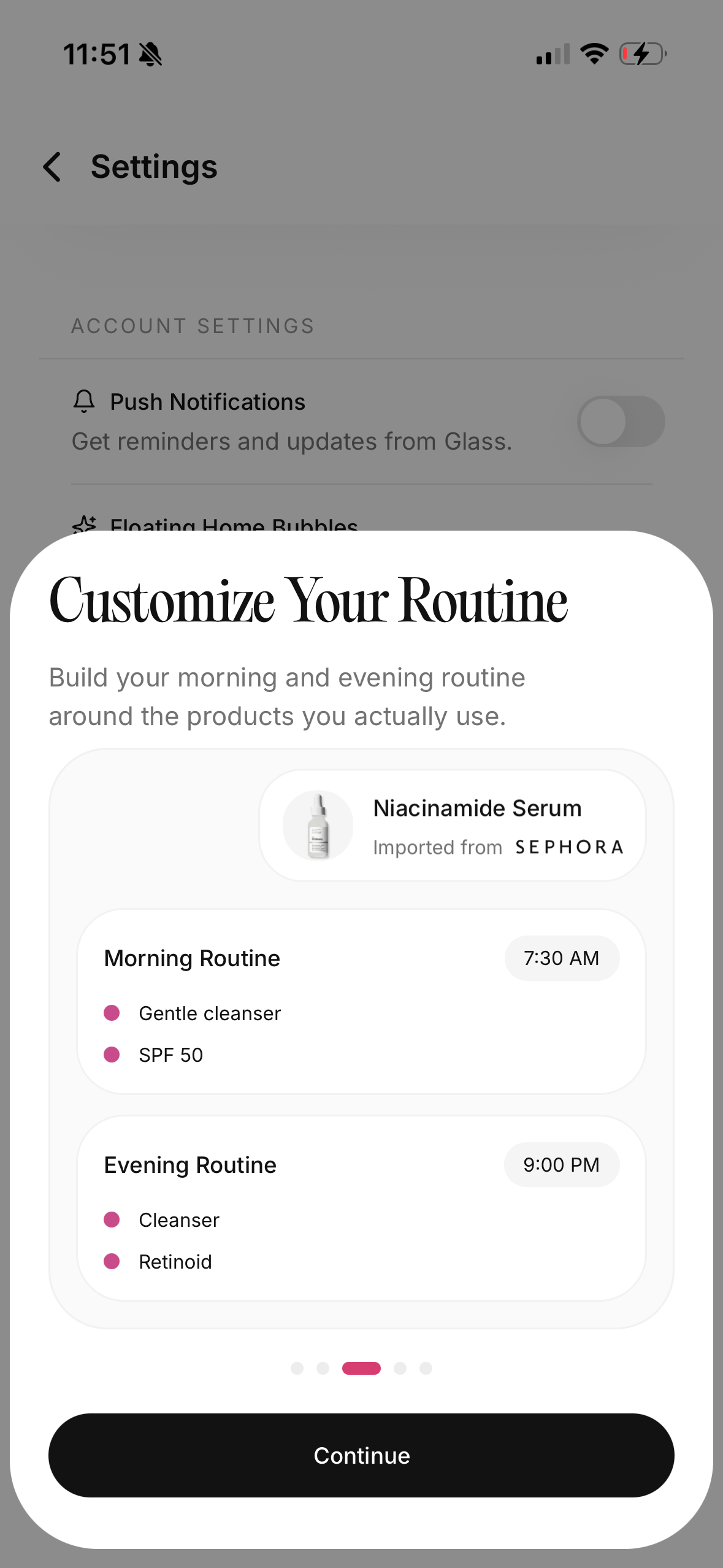
Glass helps here because you can log the product change and compare photos without trying to remember every small skin shift from memory. The point is not to obsess. The point is to stop blaming the wrong product.
What I would skip
I would skip buying three moisturizers at once unless you already know their jobs.
I would skip rich creams in the morning if your sunscreen already feels heavy.
I would skip oil-free gel moisturizers if your skin is cracked, peeling, or painful.
I would skip fragranced formulas if your skin is in a reactive phase.
I would skip exfoliating the flakes off and then calling your moisturizer bad.
I would skip chasing glow until the skin feels comfortable. Glow on irritated skin is usually just shininess with stress underneath.
The bottom line
The best Sephora moisturizer for dry skin in May 2026 depends on the kind of dry skin you have.
AESTURA ATOBARRIER365 Cream is the one I would consider first for a dry, sensitive-feeling barrier. Sephora Collection Balmy Rich Cream is the practical budget night cushion. rhode Barrier Restore Cream makes sense if you want a soft daily cream with more comfort than a gel. Glow Recipe Watermelon Milk Peptide Cushion Cream is the newer fragrance-free comfort pick I would watch closely. Skinfix Gel Cream, SOFIE PAVITT FACE Skin Jelly, and Clinique Moisture Surge are better for oily, combination, or dehydrated skin that still hates heavy textures.
Buy for the role. Test for a week. Keep the rest of the routine steady.
Dry skin gets easier when the moisturizer stops being a fantasy purchase and starts being a job you can actually name.
Useful references: AAD on choosing moisturizer, AAD dry skin relief tips, and Sephora's 2026 dry-skin ingredient guidance.