
These two moisturizers look like they belong in the same cart.
They do not do the exact same job.
That is the part I would want to know before spending real money. Sofie Pavitt Face Skin Jelly Oil-Free Gel Moisturizer and Skinfix Skin Barrier Restoring Gel Cream both sit in the tempting middle lane: light enough for oily or acne-prone skin, serious enough to feel like more than a throwaway gel.
But one reads more like a weightless daily hydrator for people who hate moisturizer. The other reads more like a barrier-support gel cream for people whose skin gets oily and irritated at the same time.
That difference matters.
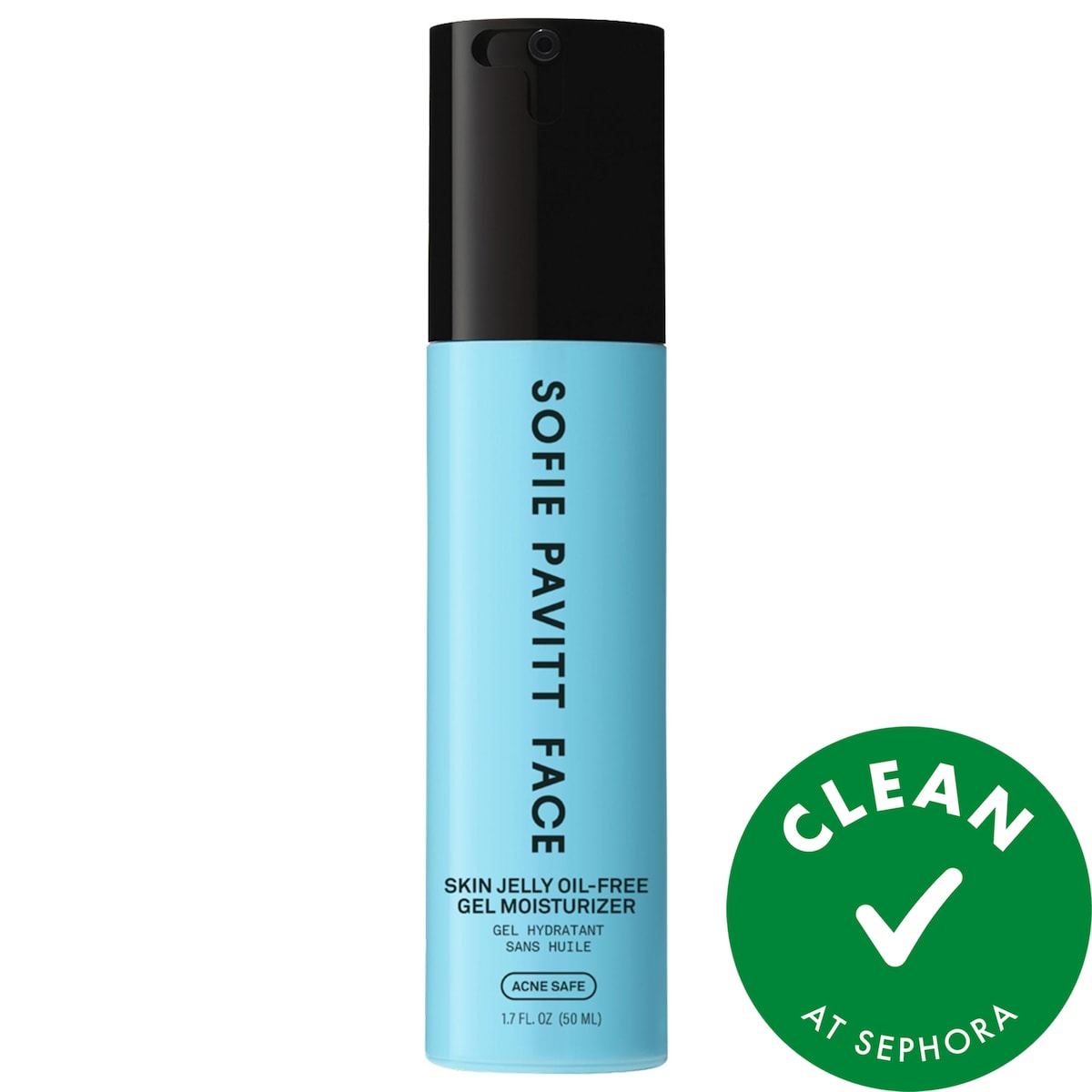
If I had to choose in May 2026, I would start with Skin Jelly if my main problem was grease, heaviness, and moisturizer avoidance. I would start with Skinfix Barrier Gel Cream if my main problem was oily skin that also felt stressed, reactive, or over-treated.
The quick decision
| Product | Image | Best fit | Where it can disappoint |
|---|---|---|---|
| Sofie Pavitt Face Skin Jelly |  | Oily, combination, acne-prone, or moisturizer-avoidant skin that wants light hydration | May feel too light if your barrier needs richer comfort |
| Skinfix Barrier Gel Cream |  | Oily, combination, or acne-prone skin that wants barrier support without a heavy cream | May feel too active if niacinamide-heavy formulas bother you |
The simplest split is this:
Choose Skin Jelly when you want the moisturizer step to disappear into the routine.
Choose Skinfix Barrier Gel Cream when you want the moisturizer step to do more visible support work.
Neither one should be treated like acne medicine. Neither one should be expected to fix a chaotic routine. They are moisturizers. Good moisturizers can make acne-prone routines easier to tolerate, but they cannot compensate for over-cleansing, picking, too many actives, or skipping sunscreen.
Why this comparison is tricky
Oily skin can be dehydrated.
That sentence sounds annoying until it becomes your face. You can look shiny and still feel tight. You can use acne treatment and still need moisture. You can hate rich creams and still need something after washing.
That is why lightweight moisturizers are so seductive. They promise comfort without the greasy panic. The problem is that "lightweight" covers a huge range. Some gels vanish too fast. Some gel creams sit beautifully under sunscreen. Some formulas feel elegant for two days, then your cheeks start asking for more.
Skin Jelly and Skinfix Barrier Gel Cream both try to solve that tension, but from different angles.
Skin Jelly feels like the cleaner answer for the person who keeps abandoning moisturizer because everything feels like too much. Skinfix feels like the more structured answer for the person whose skin barrier is not happy, but who still cannot tolerate a thick recovery cream during the day.
That is why I would not rank them as first and second. I would match them to the problem.
What Sofie Pavitt Skin Jelly is trying to be
Skin Jelly is a $54 oil-free gel moisturizer built for oily, normal-to-oily, and acne-prone skin. Sofie Pavitt Face describes it as lightweight hydration for oily skin, with sodium PCA, zinc PCA, copper PCA, beta-glucan, allantoin, and zinc in the formula story.
That gives it a clear personality. It is not trying to be a plush night cream. It is not trying to be an occlusive recovery balm. It is trying to hydrate, sit lightly, look satin instead of greasy, and make moisturizer feel less threatening to breakout-prone people.
That is a real job.
The best use case I see is morning. If your sunscreen already gives some cushion, Skin Jelly can be the light layer underneath that keeps skin from feeling stripped without turning the whole routine shiny. It also makes sense at night if your skin is oily and does not need a richer cream to recover.
I would be most interested in Skin Jelly if I kept saying things like:
- moisturizer always makes me look greasy
- I get tight after washing but hate cream
- I want something under sunscreen that does not pill
- my acne routine makes me dry, but rich products scare me
- I need hydration, not another active treatment
The catch is obvious: very dry or barrier-damaged skin may want more.
If your cheeks feel raw, your face burns when you apply simple products, or your prescription routine is making your skin peel, a jelly moisturizer may feel elegant but incomplete. That does not make Skin Jelly bad. It means you are asking a light product to do a heavy job.
What Skinfix Barrier Gel Cream is trying to be
Skinfix Barrier Gel Cream is the more barrier-coded option. It is still a gel cream, and it still makes sense for oily or combination skin, but the promise is different. This is the one I would look at when the face feels oily and fragile at the same time.
That combination is common. You use salicylic acid because pores clog. Then the skin gets tight. You add benzoyl peroxide because bumps are inflamed. Then makeup starts catching around the mouth. You try a retinoid. Then you need a moisturizer that does not feel like a wax layer but still gives the skin a little backup.
Skinfix fits that story better than a plain water gel.
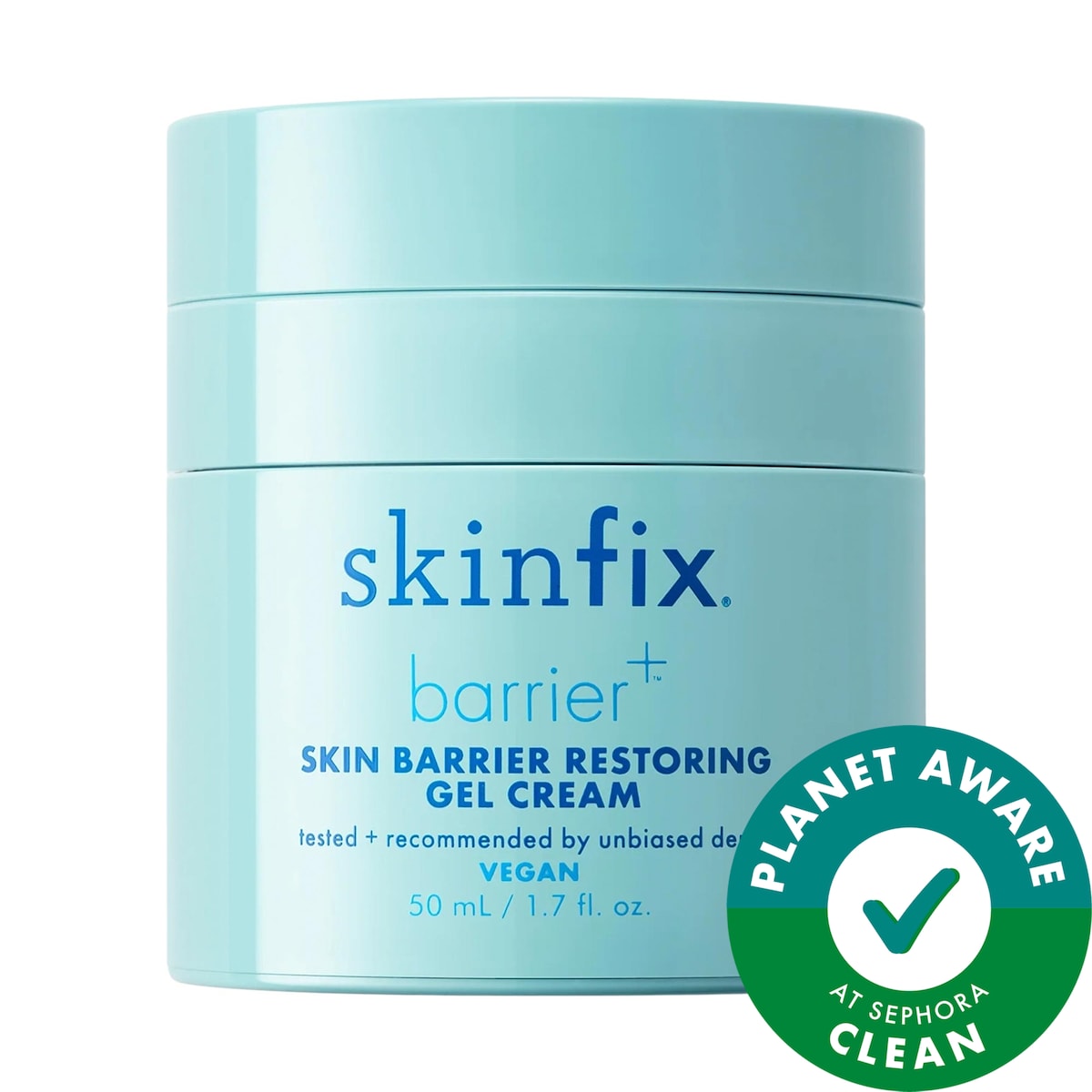
I would put Skinfix Barrier Gel Cream highest for:
- combination skin that gets shiny in the T-zone and tight on the cheeks
- acne-prone skin using drying treatment steps
- oily skin that feels irritated, not just oily
- people who want a gel cream with a more support-focused feel
- routines that need moisturizer to calm the whole stack down
The possible downside is also part of the formula personality. If your skin dislikes niacinamide, peptide-heavy products, or formulas that feel more treatment-adjacent than basic, Skinfix may be more than you want. Some people do better with a plainer moisturizer while they figure out irritation.
That is why I would not use Skinfix as a panic buy when the skin is already reacting to everything. In that situation, I would simplify first. Once the skin is quieter, then I would decide whether a more targeted gel cream makes sense.
The real difference is not texture
Texture matters, but it is not the whole decision.
Most people shop this category by feel. They want gel, water cream, oil-free, non-greasy, satin, light, breathable. Those words help, but they can also hide the bigger question: what do you need the moisturizer to do for the rest of the routine?
Skin Jelly is the lower-friction option. I would use it when the rest of the routine is already doing enough. Cleanser, maybe a tolerated acne treatment, moisturizer, sunscreen. The moisturizer should hydrate and get out of the way.
Skinfix Barrier Gel Cream is the more support-forward option. I would use it when the rest of the routine keeps drying the skin out or when the face feels caught between oily and irritated. The moisturizer needs to participate more.
Think of it like this:
| If your main complaint is... | I would start with... | Why |
|---|---|---|
| "Every moisturizer makes me greasy" | Skin Jelly | Lighter, oil-free, satin-finish positioning |
| "My skin is oily but tight after actives" | Skinfix Barrier Gel Cream | More barrier-support framing |
| "I want the simplest morning layer" | Skin Jelly | Easier daily hydrator role |
| "My routine keeps irritating me" | Skinfix Barrier Gel Cream | Better fit when comfort is the missing piece |
| "My skin is very dry or peeling" | Neither as the only night cream | You may need something richer |
| "I break out from heavy creams" | Start with the lighter one | Skin Jelly is the cleaner first test |
That table is more useful than asking which one is "better."
Better for what?
How I would test either one
I would not add either moisturizer during a full routine overhaul.
That is how people end up blaming the wrong product. They buy a cleanser, serum, exfoliant, moisturizer, sunscreen, and spot treatment in the same week. Then the skin gets bumpy or irritated, and nobody knows which step did what.
Use a clean test.
For one week, keep your cleanser, acne treatment, sunscreen, and makeup steady. Add the moisturizer as the only new product. Use it in one routine slot first, not everywhere at once.
My testing order would be:
- Night only for two days.
- Morning under sunscreen for two days.
- Full preferred routine for three days.
- Compare tightness, shine, bumps, stinging, pilling, and comfort.
If you are very breakout-prone, test on the zones that usually tell the truth first. For many people, that is the jawline, chin, around the nose, or forehead. For combination skin, you may learn that one product belongs on the T-zone and another belongs on the cheeks.
That is not overcomplicating it. That is listening.
What to watch under sunscreen
Morning moisturizer has to survive SPF.
This is where a lot of beautiful products fail. A moisturizer can feel perfect at the sink and still pill under sunscreen. It can make makeup look smooth for an hour and then slide by lunch. It can keep the cheeks comfortable but turn the nose shiny.
I would judge both products with the sunscreen you actually wear. Not a fantasy sunscreen you plan to buy someday. Your real one.
Watch for:
- pilling around the nose, brows, and jaw
- sunscreen separating or streaking
- makeup breaking apart faster than usual
- midday shine that feels heavier than normal
- tightness returning two hours later
- new closed comedones in your usual clog zones
Skin Jelly has the cleaner claim to the light morning lane. Skinfix has the stronger claim when your sunscreen routine needs more comfort underneath. If your SPF is already creamy, Skin Jelly may be enough. If your SPF is matte or drying, Skinfix may feel more forgiving.
What to do if acne treatment is drying you out
This is where moisturizer becomes less optional.
The American Academy of Dermatology says acne-prone skin can still need moisturizer and recommends looking for labels like oil-free, non-comedogenic, or won't clog pores. Mayo Clinic also notes that acne ingredients like benzoyl peroxide and adapalene can cause dryness or irritation, and a nonoily moisturizer can help ease those effects.
That matches real life. A lot of acne routines fail because the treatment was too hard to keep using, not because the active ingredient was useless.
If your acne treatment is drying you out, I would not respond by adding three more actives. I would make the support steps better.
Morning:
| Step | Keep it simple |
|---|---|
| Cleanse | Gentle cleanser or rinse if your skin tolerates it |
| Moisturize | Skin Jelly if you need lightness, Skinfix if you need more comfort |
| Protect | Sunscreen you can wear daily |
Night:
| Step | Keep it simple |
|---|---|
| Cleanse | Remove sunscreen and makeup without scrubbing |
| Treat | One acne treatment lane if tolerated |
| Moisturize | Enough support that your skin does not feel punished |
If you are peeling, burning, or getting raw, reduce the treatment frequency and talk to a clinician instead of trying to moisturize through a routine your skin clearly hates.
Where cheaper options fit
I would not pretend these are the only two choices.
If the question is simply "can I find a light oil-free moisturizer," cheaper products exist. The INKEY List Omega Water Cream is the obvious lower-cost lane. SEPHORA COLLECTION Hydrating and Mattifying Oil-Free Gel Cream is another budget-conscious shine-control direction.
| Product | Image | Why I would consider it |
|---|---|---|
| The INKEY List Omega Water Cream | 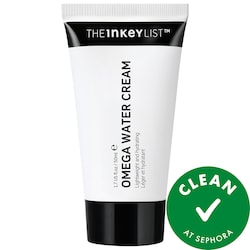 | Lower-cost oil-free hydration when you are still learning what texture works |
| SEPHORA COLLECTION Hydrating and Mattifying Oil-Free Gel Cream | 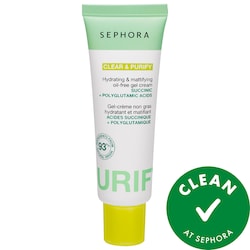 | A more budget-friendly matte-leaning option for shine control |
| LANEIGE Water Bank Blue Hyaluronic Cream | 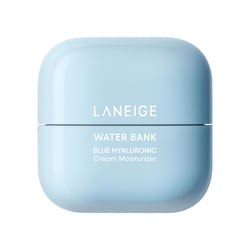 | A cushier middle lane if your skin is more normal-to-dry than oily |
Start cheaper if you do not know what your skin likes yet.
Spend more when the role is specific. Skin Jelly makes more sense when the acne-prone, oil-free, satin-finish jelly lane is exactly what you have been missing. Skinfix makes more sense when you want a lightweight moisturizer that still feels like it is helping your skin barrier stay steady.
Price does not prove fit. Fit proves fit.
Who should buy Skin Jelly
I would buy Skin Jelly first if the whole issue is weight.
You are not looking for a richer cream. You are not trying to rebuild a damaged barrier overnight. You are trying to stop skipping moisturizer because everything feels too heavy, too shiny, or too clog-prone.
Skin Jelly is also the cleaner pick if you already have acne treatment handled and just need the support step to behave. It should be judged by whether your skin feels less tight, your sunscreen sits cleanly, and your face does not feel coated.
I would especially consider it for warm weather, morning routines, oily T-zones, and makeup days where a heavy cream would be annoying.
Skip it if your skin is dry enough that light gels always leave you wanting more.
Who should buy Skinfix Barrier Gel Cream
I would buy Skinfix first if the issue is balance.
Your skin gets oily, but it also gets irritated. Your acne treatment helps, but your face starts feeling stressed. You want a gel cream, but you want it to feel more supportive than a simple water gel.
That is the Skinfix lane.
It also makes sense if you are trying to avoid the common acne-prone mistake of treating the skin into dryness. A moisturizer with barrier-support positioning can make a routine more repeatable, especially when the active steps are already doing enough.
Skip it if you want the plainest possible moisturizer or if your skin usually reacts badly to formulas with multiple support ingredients.
The mistake I would avoid with both
Do not use either one as permission to make the rest of the routine more aggressive.
This happens constantly. People buy a calming moisturizer, then add stronger acids, extra exfoliation, a new retinoid schedule, and a drying mask because they feel "protected." That is backwards. A good moisturizer should help the routine stay consistent, not excuse chaos.
If your skin is acne-prone, the boring discipline matters:
- one cleanser
- one treatment lane
- one moisturizer
- one sunscreen
- one change at a time
That is how you learn.
Use Glass to log the product, routine slot, amount, sunscreen pairing, tightness, shine, and new bumps. Add a progress photo once or twice a week in the same lighting. Do not turn product testing into a mirror spiral.
The goal is not to obsess. The goal is to stop guessing.
My bottom line
I would choose Sofie Pavitt Skin Jelly if I wanted the lightest, cleanest-feeling oil-free moisturizer for oily or acne-prone skin that hates heavy products.
I would choose Skinfix Barrier Gel Cream if I wanted a lightweight moisturizer with more barrier-support attitude for skin that gets oily, irritated, and treatment-tired.
Both can be smart. Both can be wrong.
The right choice depends on what your skin keeps asking for after cleansing, treatment, sunscreen, and a normal day of living. If it keeps asking for less weight, start with Skin Jelly. If it keeps asking for more support, start with Skinfix.
Useful references: Sofie Pavitt Face Skin Jelly, Sephora Skin Jelly listing, Skinfix Barrier Gel Cream, Sephora Skinfix Barrier Gel Cream listing, AAD on moisturizer for acne-prone skin, and Mayo Clinic on nonprescription acne products.