
My night routine got too big.
Not all at once.
That is how it usually happens. One serum becomes two. A toner turns into a toner and an essence. Retinol gets added because it sounds responsible. An exfoliant stays in the cabinet because it worked once. Then one night your face stings under moisturizer and you have no idea which bottle started the problem.
I used to think a better night time skin care routine meant a more complete one. I do not think that anymore. A good night routine in May 2026 should remove the day, treat one clear priority, and leave the skin calmer by morning. If it cannot do those three things, it is not advanced. It is just crowded.
That is the shift that matters.
At night, your skin does not need a performance. It needs a clean setup, enough moisture, and fewer arguments between products.
Quick answer
If my face felt tired, tight, bumpy, shiny, or slightly irritated tonight, I would make the routine this simple:
- Remove sunscreen and makeup gently if you wore either.
- Cleanse once with lukewarm water and a non-stripping cleanser.
- Use one treatment lane only: hydration, barrier support, acne, discoloration, texture, or retinoid care.
- Moisturize well enough that your skin still feels comfortable after ten minutes.
- Skip exfoliating acids, retinoids, strong vitamin C, benzoyl peroxide, and new products on the same night if your skin is already stinging.
That is the whole reset.
Not forever. Just until the skin stops acting like every product is a negotiation.
The routine I would use tonight
The cleanest night routine is not the one with the most steps. It is the one where every step has a job.
| Step | What I would use | What it should do | What I would skip |
|---|---|---|---|
| Remove the day | Cleansing balm, oil cleanser, micellar water, or milk cleanser | Break down sunscreen and makeup without scrubbing | Makeup wipes as the whole cleanse if they leave you red |
| Cleanse | Gentle gel, cream, milk, or low-foam cleanser | Leave skin clean, not squeaky | Hot water, rough cloths, strong fragrance, harsh lather |
| Treat | One serum or treatment | Solve one priority tonight | Layering three actives because each one sounds useful |
| Moisturize | Cream, lotion, gel cream, or barrier moisturizer | Make skin feel settled and protected | A moisturizer that burns every time you apply it |
| Seal, optional | Balm, ointment, or face oil on dry patches | Reduce overnight moisture loss where needed | Slugging the whole face if you clog easily |
The treatment step is where most routines go wrong. Cleanser and moisturizer are usually not the confusing part. The confusing part is whether tonight is a retinol night, an exfoliation night, a brightening night, a hydration night, a recovery night, or a night where the best move is doing less.
I like naming the night before touching the products.
Tonight is a recovery night.
Tonight is a retinol night.
Tonight is just cleanse and moisturize.
That one small decision stops the bathroom shelf from running the routine for you.
Why the night routine gets messy so fast
Night skin care feels like the place where everything should happen.
That is partly true. You are not layering sunscreen over the routine. You are usually not trying to make makeup sit well. You have more room for richer textures and treatments that do not belong in a rushed morning.
But that freedom can turn into chaos.
The most common night-routine mistake is treating every concern like it deserves attention on the same night. Breakouts get salicylic acid. Texture gets retinol. Dullness gets glycolic acid. Dark spots get a brightening serum. Dryness gets two hydrating layers. The skin gets no break, and then the person using the routine wonders why their face looks worse when they are technically doing more.
More is not the same as better.
Better is knowing which product deserves the night.
If the skin is calm, a treatment can make sense. If the skin is irritated, the treatment has to earn its way back in. I would rather lose three nights of actives than spend three weeks repairing a barrier I ignored.
The first step is not glamorous, but it decides everything
Cleansing at night is non-negotiable if you wore sunscreen, makeup, heavy moisturizer, sweat, or city grime.
The mistake is assuming the cleanse has to feel dramatic.
I do not want my skin to feel polished after cleansing. I want it to feel clean and boring. Tightness is not proof that the cleanser worked. A squeaky face is usually a warning sign, especially if the rest of the routine starts burning afterward.
If your sunscreen is stubborn, a soft first cleanse can be kinder than one aggressive cleanser. A balm or oil cleanser can loosen the film. A gentle second cleanser can take off residue. That does not mean everyone needs a double cleanse every night. It means the method should match the day.
If you wore no makeup and used a sunscreen that comes off easily, one gentle cleanse may be enough.
If you wore water-resistant sunscreen, long-wear makeup, or a heavier skin tint, two gentle passes may be better than one harsh scrub.
The skin should not have to recover from the washing step.
The treatment step should solve one problem
This is the part I had to learn the hard way: a treatment step is not a place to prove how much you know about ingredients.
It is a place to choose.
If tonight is about acne, use the acne treatment and keep the rest quiet. If tonight is about texture, use the retinoid or exfoliant, not both at full force. If tonight is about dark spots, use the pigment-support step and respect sunscreen tomorrow morning. If tonight is about sensitivity, skip the clever bottle and let the barrier have the night.
The easiest way to choose is to ask what your skin is actually asking for.
| What your skin is doing tonight | Best treatment lane | What I would avoid |
|---|---|---|
| Burning, stinging, flushed, tight | Recovery and barrier support | Retinol, exfoliating acids, strong vitamin C, new products |
| Dehydrated, crepey, flat | Hydration and moisturizer support | Chasing glow with acids before fixing water loss |
| Congested or breakout-prone | One acne-focused treatment | Multiple acne actives layered together immediately |
| Rough or dull but not irritated | Retinoid or gentle exfoliation | Using both because patience feels boring |
| Uneven tone or post-breakout marks | Brightening support | Skipping sunscreen the next morning |
This is also where I think people misread consistency. Consistency does not mean every active every night. Consistency means using the right product often enough, calmly enough, that your skin can actually tolerate it.
When I would make it a recovery night
Recovery nights are underrated.
They look too simple, so people assume they are not doing much. But if your skin is irritated, a simple night can be the most productive night of the week.
I would make it a recovery night if:
- moisturizer burns
- the cheeks feel hot or prickly
- the skin looks shiny but feels tight
- makeup suddenly clings to texture
- every new product seems suspicious
- you used an exfoliant, retinoid, or acne treatment too aggressively
- the routine has grown so large that you cannot tell what is helping
On a recovery night, I would cleanse gently, use a bland hydrating or barrier-support layer if I already know it agrees with my skin, and moisturize. That is it.
No testing.
No “just a little” acid.
No trying to make up for missed nights.
The goal is not to fix everything by morning. The goal is to stop adding new irritation so the skin has a chance to settle.
Product lanes I would actually consider
I would not buy all of these.
That would defeat the point.
I would pick the product that fills the missing role in the routine: a gentler cleanse, a calmer serum, a more reliable moisturizer, or an optional recovery layer.
| Product | Image | Night role | Who it makes sense for | Who should skip it |
|---|---|---|---|---|
| Kiehl's Ultra Facial Barrier-Hydrating Cleanser | 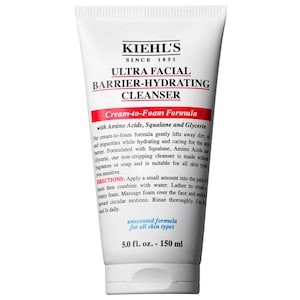 | Gentle cleanse | Skin that feels tight after harsher cleansers | Anyone who already has a cleanser that leaves skin comfortable |
| First Aid Beauty Ultra Gentle Pure Skin Cream-to-Foam Face Cleanser | 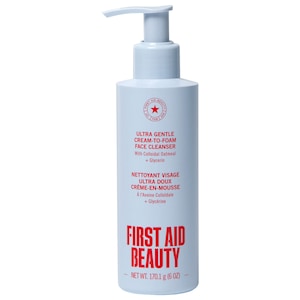 | Soft second cleanse | Dry or sensitive skin that wants a cushioned cleanse | Skin that hates any foam, even soft foam |
| Glow Recipe Avocado Soothing Skin Barrier Serum with Ceramides | 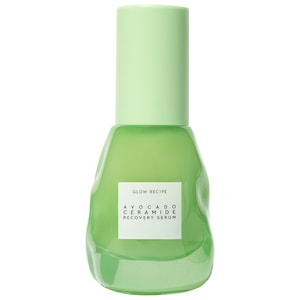 | Barrier serum | Redness-prone routines that need a calming treatment lane | Anyone trying to keep the routine to cleanser and moisturizer only |
| AESTURA ATOBARRIER365 Lightweight Face Lotion | 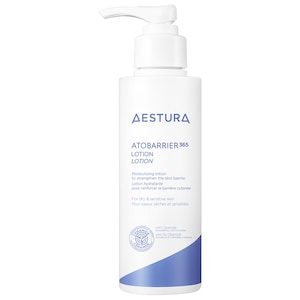 | Lightweight barrier moisturizer | Sensitive, combination, or barrier-tired skin that dislikes heavy cream | Very dry skin that needs richer cushion |
| Kiehl's Ultra Facial Refillable Moisturizing Cream with Squalane | 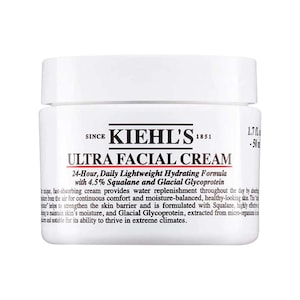 | Dependable night cream | Normal, dry, or combination skin that wants comfort without a recovery-balm feel | Highly reactive skin that needs the shortest possible ingredient list |
| Dr. Idriss Left Un-Red CalmBack Rich Face Moisturizer | 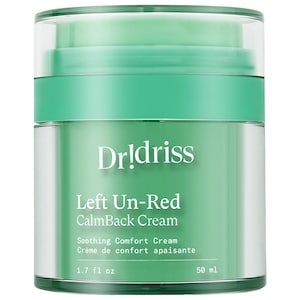 | Redness-focused cream | Skin that gets visibly red and wants a richer night finish | Oily skin that refuses rich textures |
| Farmacy Honey Cloud Lightweight Barrier Repair Moisturizer | 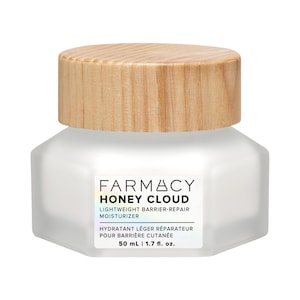 | Light barrier repair | Combination skin that wants moisture without a thick cream | Very dry skin that needs a heavier final layer |
| Kiehl's Ultra Facial Overnight Hydrating Face Mask with 10.5% Squalane | 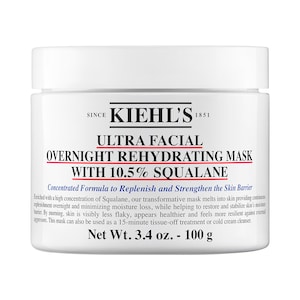 | Optional sealing night | Dry patches or winter skin that loses comfort overnight | Acne-prone skin that clogs under richer masks |
The product list is intentionally boring in the best way. Night routines usually do not fail because the cleanser was not exciting enough. They fail because the routine keeps changing, the treatment step gets overloaded, and the moisturizer is not strong enough to support the choices around it.
How I would choose between those products
Start with the symptom after cleansing.
If your face feels tight immediately, solve the cleanser first. No serum can fully compensate for a cleanser that strips you every night.
If your face feels fine after cleansing but gets prickly once serums go on, the treatment step is the suspect. Pull back to one treatment lane and stop introducing new products until you know what your skin tolerates.
If everything feels fine until ten minutes after moisturizer, your moisturizer may not be enough, or it may be the wrong texture for your skin. Dry skin often needs more cushion. Oily or combination skin may need barrier support in a lighter format. Sensitive skin may need fewer extras, not more trendy ingredients.
If your face looks shiny but feels tight, do not assume the routine is too rich. That can be dehydration under a film. In that case, I would look at a hydrating layer under moisturizer or a better cream, not another exfoliant.
The night routine order that rarely fails
The order does not need to be mysterious.
Use thinner products before thicker products, and keep sunscreen for the morning.
At night, I would order most routines like this:
- Makeup or sunscreen removal, if needed
- Gentle cleanser
- Watery toner or essence, optional
- Treatment serum, optional
- Eye cream, optional
- Moisturizer
- Balm, ointment, oil, or sleeping mask, optional
The optional steps are where you get control back.
Optional means optional.
You do not need a toner because someone else has one. You do not need an essence because your skin care shelf looks more complete with it. You do not need eye cream if your regular moisturizer works well around your eyes and does not migrate or sting. You do not need a sleeping mask unless your skin actually wakes up better with one.
The routine should be allowed to be small.
My rule for retinol, acids, and acne treatments
I do not like stacking the strongest products on the same night unless there is a specific reason and the skin already tolerates it.
For most people, especially when a routine is being rebuilt, I would separate the heavy hitters:
- retinol or retinal on one night
- exfoliating acids on a different night
- benzoyl peroxide or stronger acne treatment only where it belongs
- recovery nights between active nights if the skin is easily irritated
That does not mean actives are bad. It means they need spacing.
A retinoid that works beautifully three nights a week is better than a retinoid you force nightly, quit, restart, burn from, and then blame. An exfoliant used once or twice a week can do more for texture than an acid toner used every night until your skin gets glossy in the wrong way.
The goal is not maximum intensity.
The goal is repeatable progress.
A simple weekly rhythm
If your night routine keeps getting messy, a weekly rhythm helps.
Here is the one I would start with if the skin is mostly calm:
| Night | Focus | Routine |
|---|---|---|
| Monday | Retinoid or texture | Cleanse, retinoid, moisturizer |
| Tuesday | Recovery | Cleanse, hydration or barrier serum, moisturizer |
| Wednesday | Brightening or acne support | Cleanse, one targeted treatment, moisturizer |
| Thursday | Recovery | Cleanse, moisturizer, optional balm on dry spots |
| Friday | Gentle exfoliation, only if tolerated | Cleanse, exfoliant, moisturizer |
| Saturday | Recovery | Cleanse, barrier support, moisturizer |
| Sunday | Reset | Cleanse, moisturizer, decide what worked this week |
If your skin is irritated, remove the active nights and keep the recovery nights.
If your skin is oily and resilient, you may not need that many recovery nights.
If your skin is sensitive, dry, rosacea-prone, eczema-prone, or currently burning, do not use a schedule as an ego test. The calendar should serve your face, not the other way around.
The “too many products” test
When I cannot tell whether a routine is helping, I run a simple test.
I ask:
- Can I explain what each product does in one sentence?
- Would I notice if I removed this product for two weeks?
- Does this product solve a problem I actually have right now?
- Have I used it long enough to judge it fairly?
- Does it make the next step easier or harder?
If a product fails most of those questions, it comes out.
That does not mean it is a bad product. It may just be a bad product for this version of the routine.
The bathroom shelf is not a museum. You do not have to keep everything in the lineup just because it cost money.
What to do when everything burns
If everything burns, I stop trying to be clever.
I would not exfoliate.
I would not test a new serum.
I would not add a “soothing” product I have never used before and hope the label is telling the truth.
I would go back to the few products that have never caused trouble: a gentle cleanser if cleansing is necessary, a moisturizer that does not sting, and sunscreen in the morning. If even those burn, or if there is swelling, rash, cracking, oozing, intense itching, or pain, that is not a content problem. That is a dermatologist problem.
You do not need to tough it out through skin that is clearly asking for help.
Where Glass makes this easier
The hardest part of a night routine is not knowing the order once.
It is remembering what you did, how often you did it, and whether your skin looked better because of the product or because you finally stopped changing everything.
That is where Glass helps.
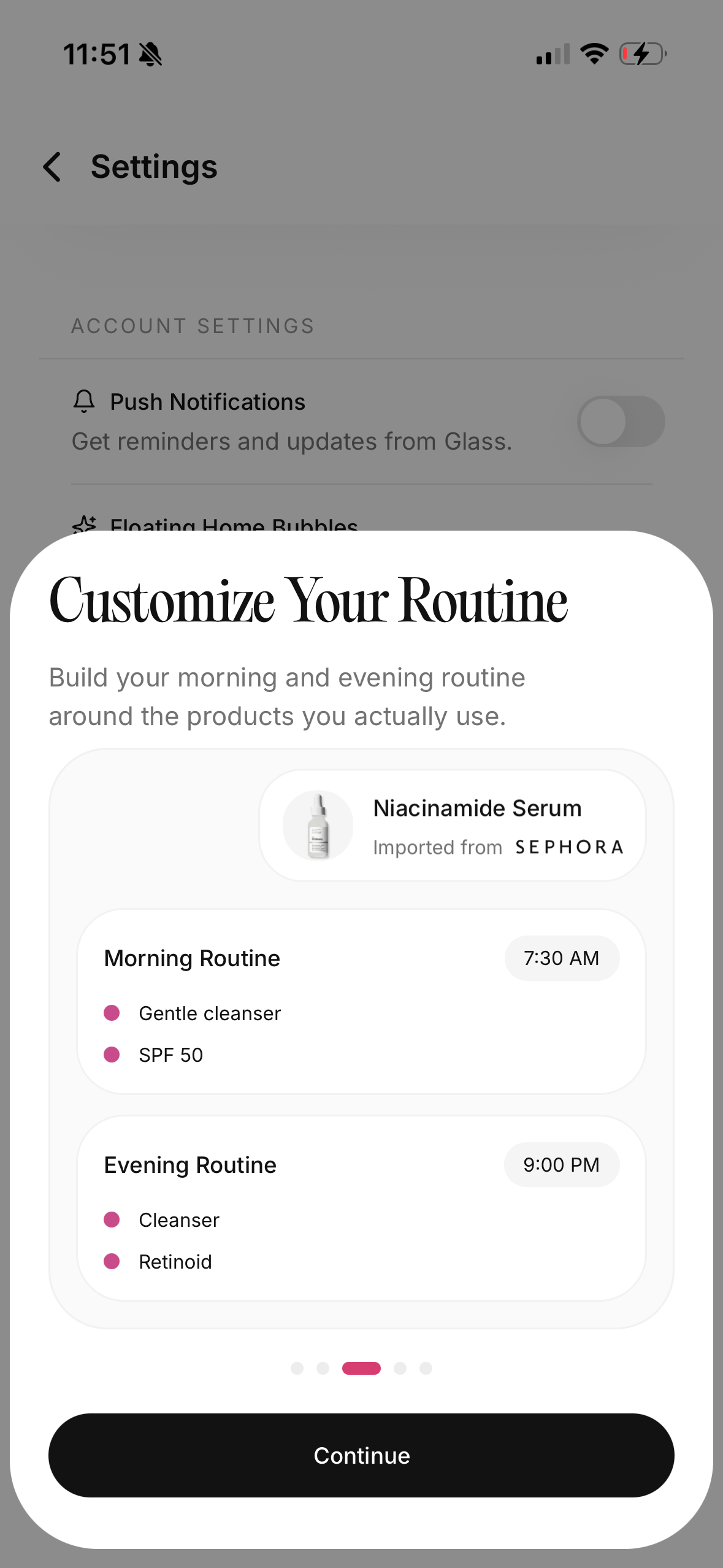
You can build a smaller morning and night routine, track whether you actually completed it, log skin scans over time, and see whether changes line up with consistency, stress, water intake, product swaps, or missed nights. The Skin Assistant is useful here because the right question is rarely “What should I buy next?” It is usually “What changed before my skin started acting different?”
That is a better loop.
Less panic.
More pattern.
The version I would keep
If I were rebuilding a night time skin care routine from scratch in May 2026, I would keep it almost annoyingly simple for the first two weeks.
Cleanse.
Moisturize.
Protect the barrier.
Then add one treatment lane only when the skin is calm enough to give a clear answer.
That is not boring. That is how you find out what actually works.
The routine that calms your face is usually smaller than the routine that sounds impressive. Once you accept that, night skin care gets easier fast.
FAQ
What is the best night time skin care routine order?
The easiest night order is makeup or sunscreen removal if needed, gentle cleanser, optional toner or essence, one treatment serum, moisturizer, and an optional balm or sleeping mask on dry areas. Use thinner textures before thicker textures and avoid stacking strong actives when your skin is irritated.
Do I need a different skin care routine at night?
Yes, but it does not need to be complicated. Morning routines should end with sunscreen. Night routines focus on removing the day, using any treatment that belongs outside your morning routine, and moisturizing well enough that your skin feels comfortable by morning.
Is it bad to use too many products at night?
It can be. Too many products make it harder to know what is helping, what is irritating, and what is simply unnecessary. The bigger risk is stacking too many active ingredients, especially retinoids, exfoliating acids, acne treatments, and strong brightening products before your skin has adjusted.
Should I do my full night routine if my skin is burning?
No. If your skin is burning, stinging, hot, or newly reactive, simplify. Use the few gentle products you already tolerate and skip actives until the skin feels calm again. If symptoms are severe, persistent, painful, or rash-like, see a dermatologist.
How long should I test a new night routine?
Give a simple routine at least two weeks unless something clearly irritates you. Add new products one at a time so you can tell what changed. Actives like retinoids, acne treatments, and exfoliants often need slower introductions than basic moisturizers.