
Glass skin sounds simple.
Until you try to get it.
Then it gets weird fast.
One article tells you to layer seven products. Another tells you to exfoliate more. Someone else says you need an essence, an ampoule, a sleeping mask, and a dew serum before you are even allowed to want the look.
I think that is why so many people end up disappointed by the whole thing.
They are not failing because they are lazy. They are failing because the advice is usually either too vague or too extra. And when your face already leans oily, textured, reactive, or clogged, “just add more glow” is not useful advice. It is usually how you end up looking shiny in the wrong places and dry underneath.
To me, glass skin is not about looking wet.
It is about looking smooth, hydrated, clear, and light-reflective in a way that still feels like skin.
That difference matters.
If your skin looks slick but uneven, that is not the same thing. If it looks glossy for twenty minutes and tight an hour later, that is not the same thing either. The version worth chasing is the one that comes from better texture, better hydration, and fewer routine mistakes.
Quick answer
If you want the shortest version first, this is what glass skin usually needs:
- a gentle cleanse that does not strip your face
- a lightweight hydration layer
- one serum that handles plumpness or balance
- a moisturizer that matches your skin type instead of fighting it
- sunscreen every morning
That is enough for most people.
You do not need ten steps.
You do not need to look wet all day.
You do need to stop solving dullness, oiliness, dehydration, rough texture, and barrier stress with the exact same product stack.
If your main problem is routine order, read morning and night skincare routine order (April 2026) next. If your skin is already reactive, glass skin routine for sensitive skin (April 2026) is the safer branch.
If you want the calmer, low-friction version of this idea, how to get glass skin naturally (April 2026) breaks down what actually helps and what I would skip.
What glass skin actually is
The simplest way I know to explain it is this:
Glass skin is clear-looking, even-looking, hydrated skin with a smooth enough surface that light bounces off it cleanly.
That means four things usually have to improve together:
- surface texture
- hydration
- tone consistency
- barrier health
Most people only chase the last visual layer.
They want the shine.
But shine without the rest of the work usually just reads as oil, sweat, heavy skincare, or fresh sunscreen. That is why so many people say they feel like the trend is fake. They are judging the finish without fixing what sits under it.
I also think this is where the best “glass skin” advice and the worst “glass skin” advice split apart.
The bad advice treats every face like it wants the same thing: more layers, more dew, more exfoliation, more product.
The useful advice asks better questions:
- Is your skin dull because it is dehydrated?
- Is it shiny because it is oily, or because you just applied four glossy products?
- Is texture the real problem?
- Are you over-cleansing and then trying to compensate with richer layers?
- Are you calling your skin oily when it is actually dehydrated and overreacting?
Once you answer those honestly, the routine gets much simpler.
Glass skin vs greasy skin
This is the part people rarely explain clearly enough.
Greasy skin usually looks uneven. Glass skin looks smoother.
Greasy skin often sits heaviest in the T-zone. Glass skin looks more balanced across the face.
Greasy skin can feel heavy, sticky, or congested. Glass skin usually looks fresh, bouncy, and comfortable.
Greasy skin often shows up because the routine is too harsh, too heavy, or both. Glass skin usually shows up when the routine is gentle enough to keep the barrier calm and targeted enough to keep the surface clear.
If you have oily skin, this matters even more.
I have seen a lot of routines push oily skin into two bad extremes:
- stripping the face until it feels squeaky, then wondering why it gets shinier by noon
- layering creamy glow products on top of already overloaded skin, then calling the result “dewy”
Neither one gets you there.
The sweet spot is lighter textures, better hydration, less friction, and fewer unnecessary steps.
The products I would build around in April 2026
These are the Sephora-accessible picks I would use to build a realistic glass-skin routine right now.
| Image | Step | Product | Best for | Why it earns the spot |
|---|---|---|---|---|
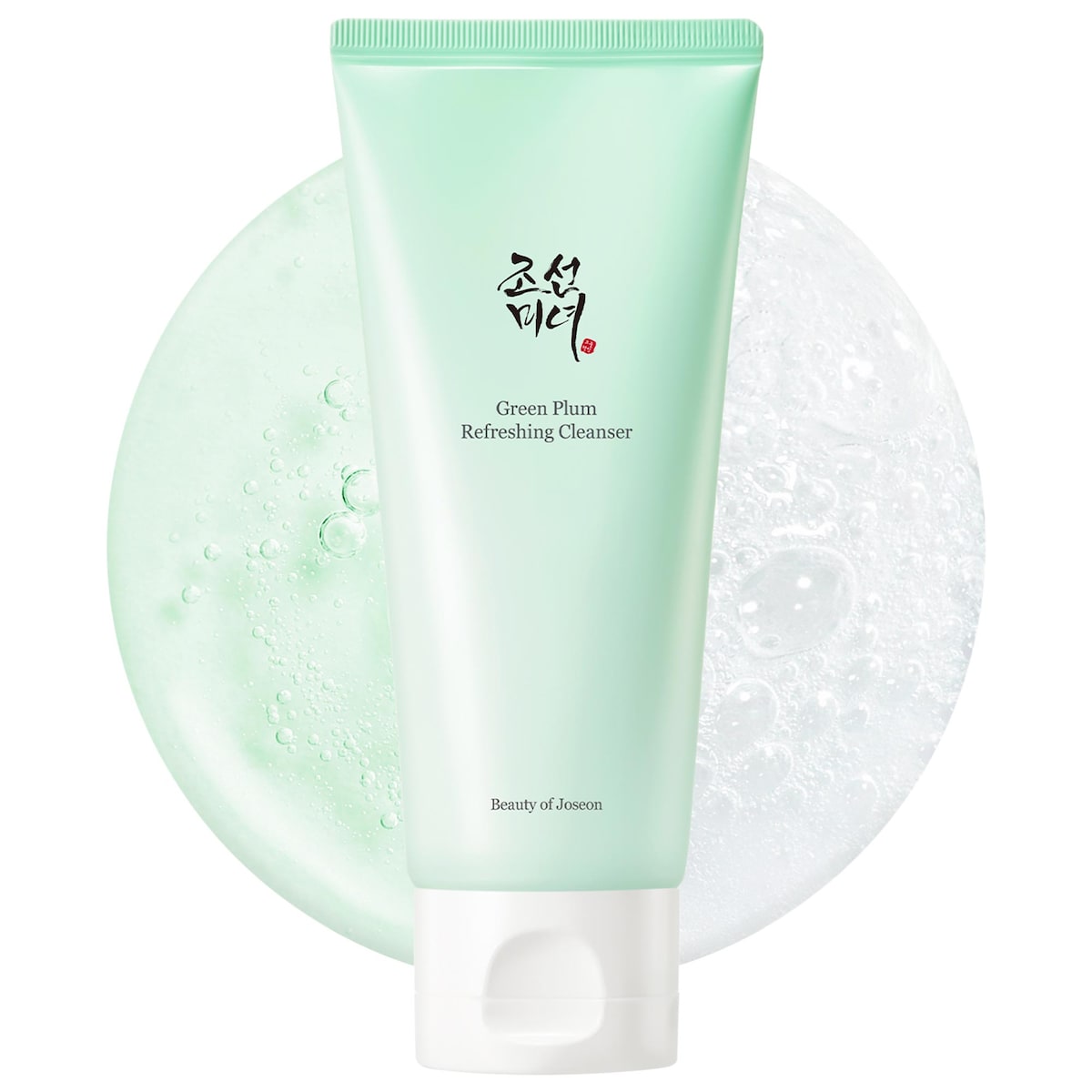
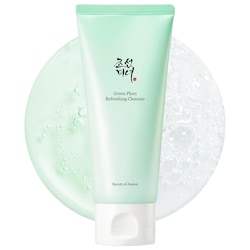 | Cleanse | Beauty of Joseon Green Plum Refreshing Cleanser for Gentle Daily Wash | Skin that gets tight when cleansers are too aggressive | A gentler reset that keeps the barrier from starting behind |
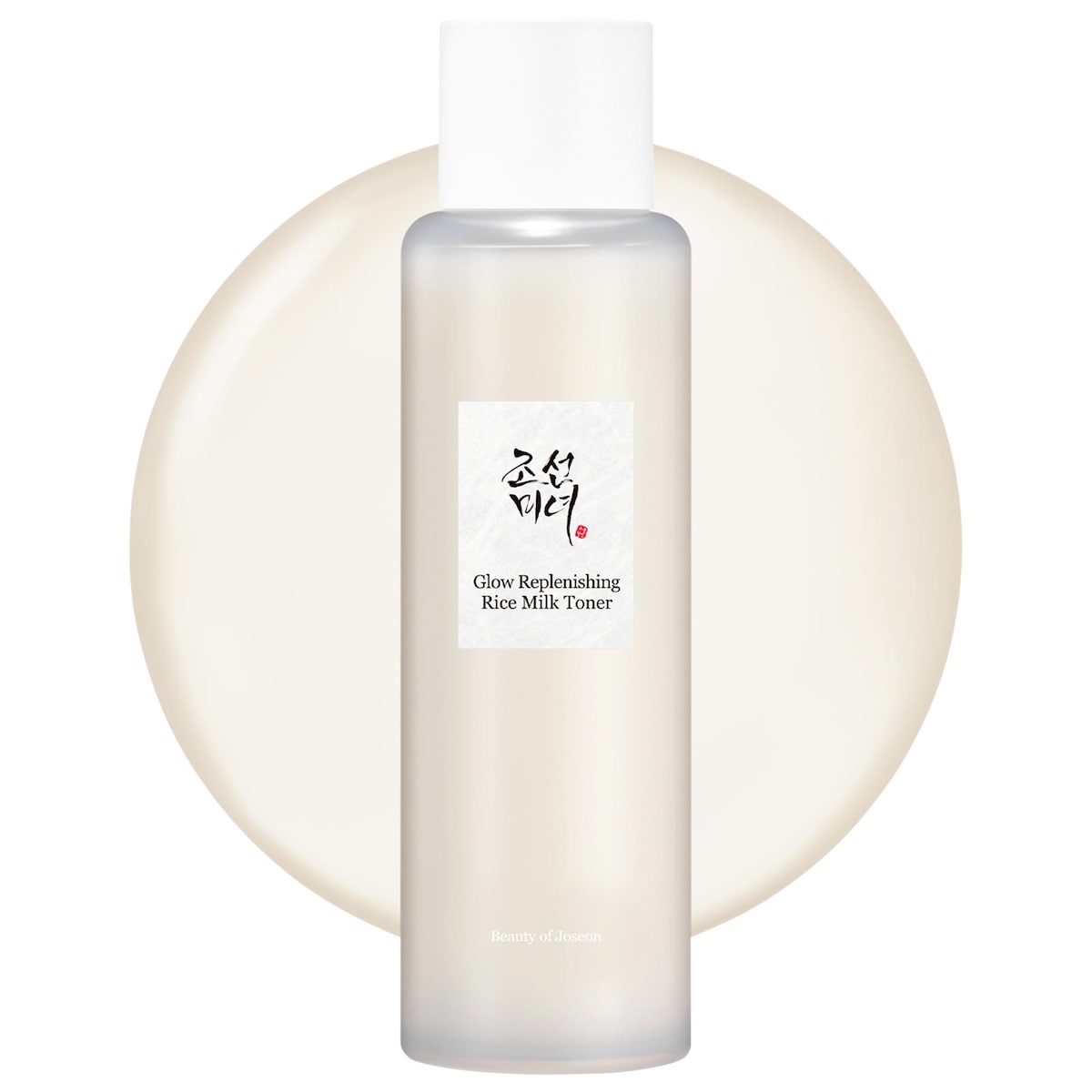
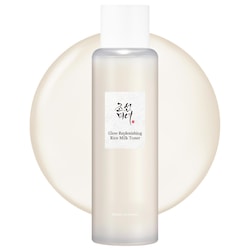 | Prep | Beauty of Joseon Glow Replenishing Rice Milk Lightweight Hydration Toner | Combination or oilier skin that still needs hydration | Gives the skin bounce without the heavier creamy-toner feel |
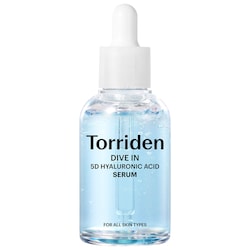 | Hydrate | Torriden DIVE IN 5D Hyaluronic Acid Ultra Hydrating Serum for Plump & Glow Skin | Dehydrated dullness, tightness, plumpness | The cleanest hydration-first serum in this lineup |
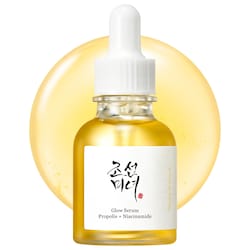 | Balance | Beauty of Joseon Glow Serum for Oil Control with Niacinamide | Oily T-zone, visible pores, uneven tone after breakouts | The smartest balancing add-on when glow is more than a hydration issue |
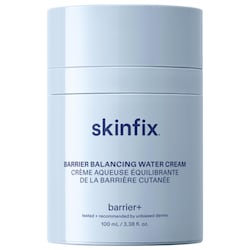 | Moisturize | Skinfix Barrier Balancing Water Cream Moisturizer with Hyaluronic Acid | Oily, combination, or humidity-heavy routines | Helps lock things in without crossing into heavy cream territory |
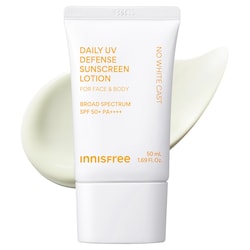 | Protect | innisfree Daily UV Defense Invisible Korean Sunscreen Lotion Broad Spectrum SPF 50+ PA++++ | Daily wear, under-makeup use, long-term glow maintenance | The step that keeps the routine from falling apart in daylight |
The routine that gets you closest without making your life annoying
1. Start with a cleanser that does not try to win the whole routine
This is where a lot of people quietly lose.
If your face feels tight right after cleansing, the rest of the routine is already working overtime.
That is one reason I like Beauty of Joseon Green Plum Refreshing Cleanser here. It stays in the gentle-daily lane. It removes what it needs to remove without acting like your face is a pan that needs to be degreased.
That matters because glass skin does not come from stripping.
It comes from consistency.
Use a cleanser like this if:
- your skin feels cleaner than it feels comfortable after washing
- your forehead gets oily but your cheeks still feel dehydrated
- you keep buying hydrating products but your skin still looks flat
- you want a cleanser that supports the rest of the routine instead of dominating it
If your skin is very oily and you wear heavy sunscreen or makeup, a proper nighttime cleanse matters. If you are trying to scrub your way to clarity twice a day, that is usually the part I would change first.
2. Add a light hydration layer instead of jumping straight to richer products
This is the step people skip when they are scared of looking greasy.
And I get it.
If you have oily skin, the idea of adding another hydration product can sound ridiculous.
But a lot of “oily” skin is actually stuck in an annoying middle state where it produces shine on top while still looking dull, tight, or rough underneath. That is exactly the kind of face that benefits from one lighter hydration step.
Beauty of Joseon Glow Replenishing Rice Milk is strong here because it gives you that softer, bouncier look without turning the routine creamy too early.
Choose this kind of step if:
- your skin gets shiny fast but still never looks fresh
- you want glow without a coated feeling
- richer toners make you nervous
- you need the rest of the routine to sit better
If you like a richer, milkier hydration step, how to achieve glass skin (April 2026) goes deeper on that version. But for a lot of combination and oilier faces, lighter wins.
3. Pick one serum that owns hydration
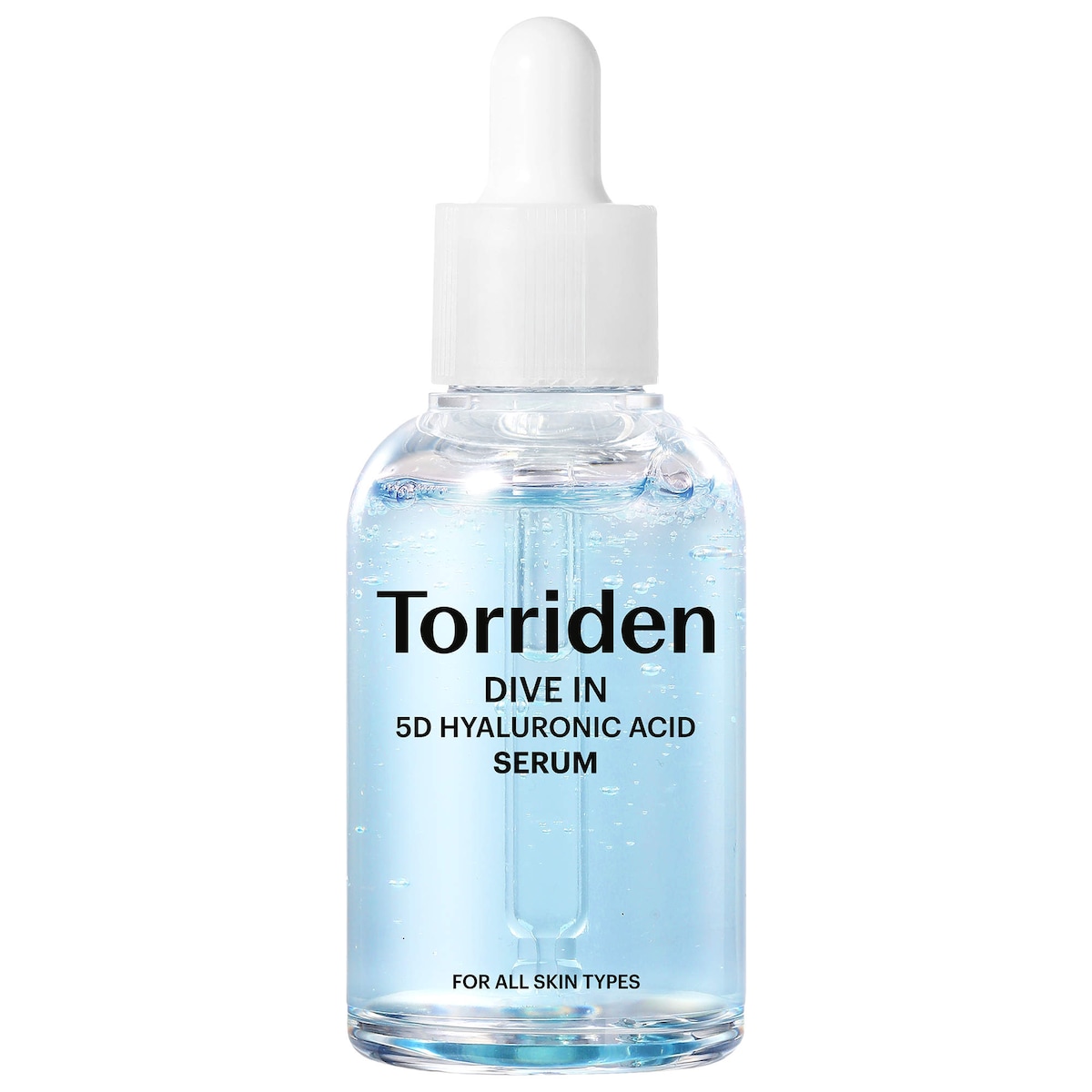
The more I look at glass-skin routines, the more I think most people add too many serums because they are trying to solve too many problems at once.
That usually ends badly.
If your face needs plumpness, smoother-looking texture, and less of that tired dehydrated look, it helps to choose one clear hydration-first serum and let it do its job.
That is why Torriden DIVE IN 5D Hyaluronic Acid Ultra Hydrating Serum makes sense here.
It is the serum I would reach for when the face looks flatter than it looks inflamed.
Use it when:
- your skin looks shiny but not healthy
- fine texture looks worse by midday
- dehydration is making everything else look less convincing
- active serums keep making the routine feel noisy
If you are stuck deciding whether your skin needs hydration or oil-balancing first, niacinamide vs hyaluronic acid for glass skin is the cleanest side-by-side.
4. Add a balancing serum only if oil and uneven tone are actually the problem
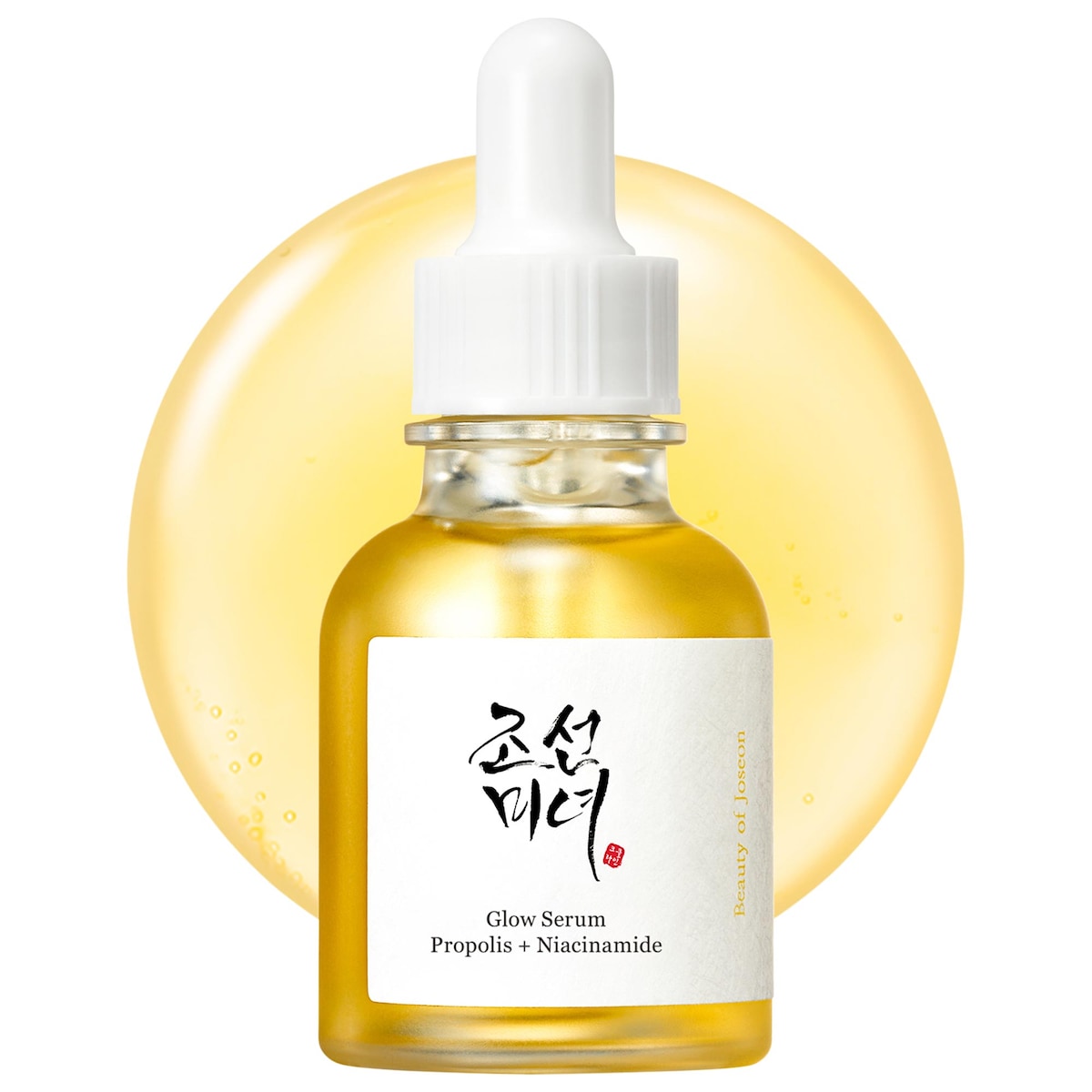
This is where I would tell most people to slow down and be honest.
Do you actually need another serum?
If the answer is no, skip it.
If the answer is yes because your T-zone gets oily, your pores look more obvious when your skin is congested, or old breakouts leave the face looking less even, then Beauty of Joseon Glow Serum for Oil Control with Niacinamide is a smart add.
What I like about it in this kind of routine is that it changes the finish without turning the routine harsh.
That is important.
A lot of glow-chasing routines get more aggressive the minute texture and oil show up. I would rather make the routine more balanced than more punishing.
Keep this step if:
- you get shine and visible congestion together
- your skin tone looks less even after breakouts
- you want a clearer-looking finish, not just a wetter one
Skip it if:
- your skin is irritated
- you are already using too many actives
- dehydration is still the more obvious issue
5. Use a moisturizer that finishes the routine cleanly
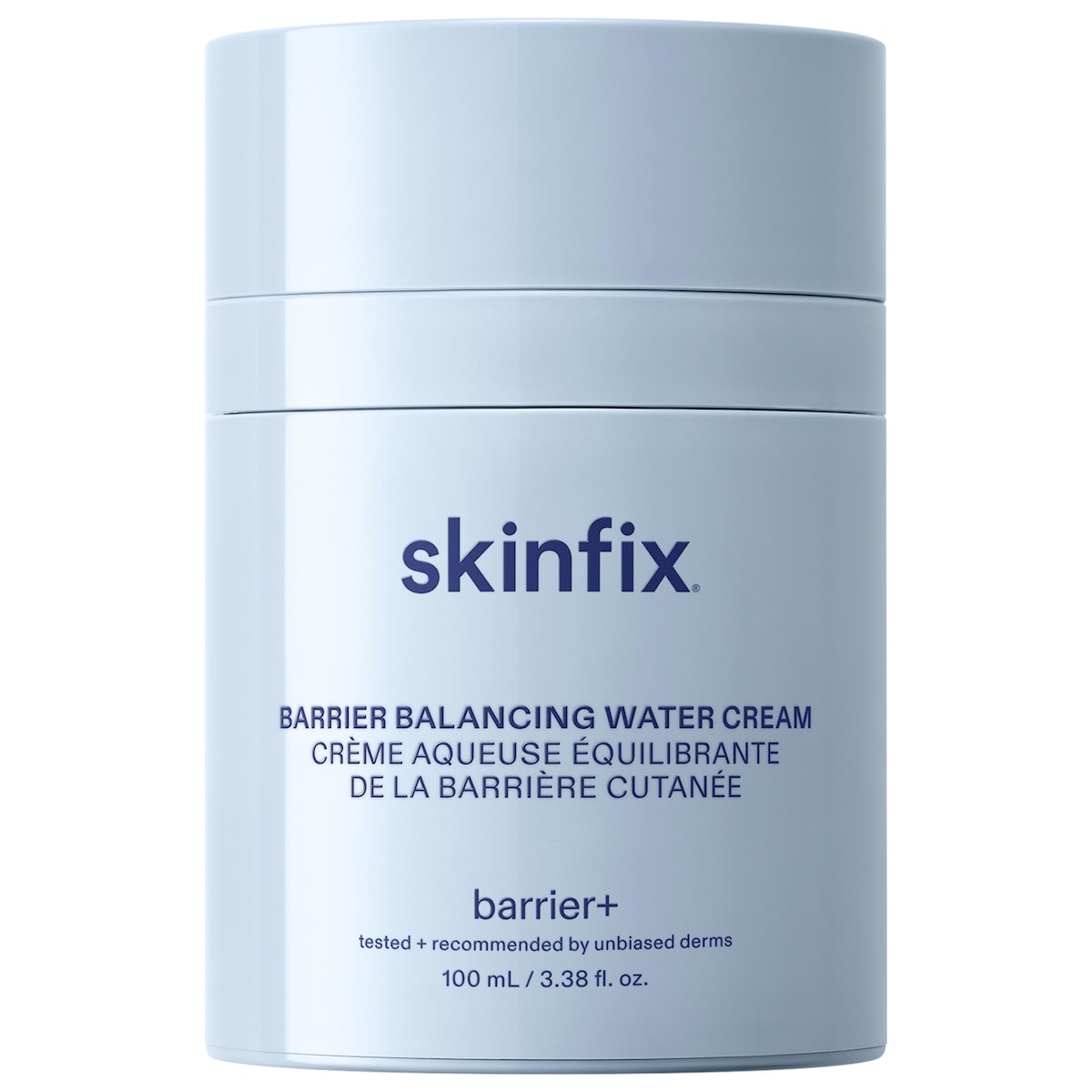
This is another place where people overcorrect.
They either use no moisturizer because they are afraid of oil, or they use a cream that is too rich for their actual skin and then blame the glow look itself.
What oily or combination skin usually needs is not “less moisture.”
It needs better texture choices.
Skinfix Barrier Balancing Water Cream earns this spot because it gives the routine support without dragging it down. It helps seal in the earlier hydration while keeping the overall finish lighter and easier to live with.
Reach for this kind of moisturizer if:
- creams keep feeling like too much
- sunscreen pills on top of richer formulas
- you want a smoother finish without a heavy film
- your skin is oily but still gets irritated when you skip moisturizer
If this is the step you struggle with most, best lightweight moisturizers at Sephora is the better deeper read.
6. Finish with sunscreen or the whole thing stays temporary
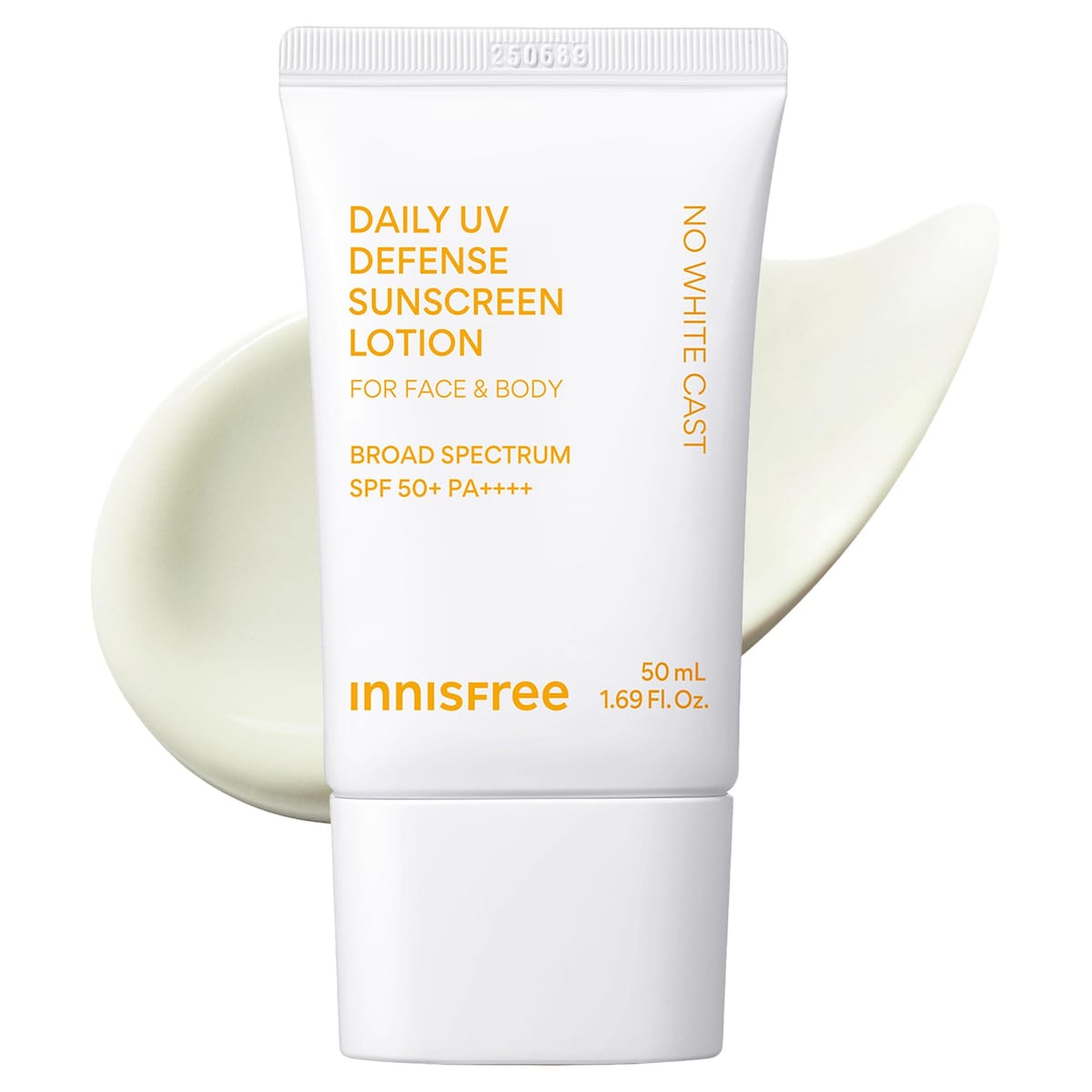
This is the boring answer.
It is also the real one.
You can make your skin look smoother, softer, and brighter with the rest of the routine, but if sunscreen is inconsistent, you are asking your skin to keep recovering from the same damage over and over again.
That is why innisfree Daily UV Defense Invisible Korean Sunscreen Lotion SPF 50+ PA++++ stays in the lineup. It follows the same logic as the rest of the routine: light enough to keep using, comfortable enough to repeat, and easy to wear when you still want skin to look like skin.
If sunscreen is the step that always ruins the finish for you, do not force yourself into formulas you hate.
Fix the sunscreen.
That alone changes more routines than people think.
For more exact picks, go to best sunscreens at Sephora under makeup or best sunscreens at Sephora for daily wear.
What I would actually do morning and night
Morning
- Gentle cleanse only if you need it
- Beauty of Joseon Rice Milk toner
- Torriden DIVE IN
- Skinfix Water Cream
- innisfree SPF
Night
- Beauty of Joseon Green Plum Cleanser
- Beauty of Joseon Rice Milk toner
- Torriden DIVE IN
- Beauty of Joseon Glow Serum if needed
- Skinfix Water Cream
That is already enough to get somewhere.
It is enough to look better in real light. It is enough to learn what your skin is actually doing. It is enough to stop turning every routine into a lab experiment.
The biggest mistakes that keep glass skin from happening
1. Treating shine like proof that the routine is working
Freshly applied product shine is not the same thing as smoother, healthier-looking skin.
2. Over-exfoliating because the skin looks dull
Sometimes dullness is texture. Sometimes it is dehydration. Sometimes it is a tired barrier.
If you answer every version of dullness with more exfoliation, the routine usually gets worse.
3. Skipping moisturizer because you are oily
For a lot of people, that just makes the face feel tighter and behave more erratically later.
4. Using rich glow products when the real issue is congestion
If your pores look fuller and your T-zone is overloaded, more gloss is usually not the move.
5. Changing the routine every week
Glass skin is one of those goals that punishes impatience.
Not because it is impossible.
Because skin gets harder to read when you never keep anything steady long enough to judge it properly.
Which version of this look fits your skin
If your skin is mostly dry:
- use a richer hydration layer
- keep the hydrating serum
- move toward a creamier moisturizer
- read glass skin routine for dry skin
If your skin is oily or combination:
- stay in the lighter-texture lane
- keep hydration, but do not overdo richness
- use the niacinamide slot only when it is clearly helping
- read night skin care routine for oily skin (April 2026)
If your skin is sensitive:
- reduce actives first
- keep the cleanser gentle
- choose calm, fragrance-light support
- read glass skin routine for sensitive skin (April 2026)
FAQ
Is glass skin real or just freshly applied skincare?
Both things exist.
Freshly applied products can absolutely create a temporary glossy finish. Real progress looks different: smoother texture, better hydration, more even-looking skin, and a finish that still looks good after the products settle.
Can oily skin have glass skin?
Yes, but oily skin usually needs a lighter routine, not a drier one. The goal is balanced, hydrated, smoother-looking skin, not stripping the face until it stops producing shine.
How long does it take to get glass skin?
Longer than most people want and faster than people think once the routine actually fits. If your routine is gentle, consistent, and not overloaded, you can usually tell within a few weeks whether your skin looks calmer, smoother, and more hydrated.
Do I need a 10-step Korean skincare routine?
No. You need the right jobs covered. Cleanse, hydrate, moisturize, protect, and add treatments only when they solve a real problem.
The version worth chasing
I would not chase the internet version of glass skin.
I would chase the real-life version.
The one where your skin looks smoother in daylight. The one where it feels comfortable by the end of the day. The one where you are not trying to force shine onto skin that is quietly asking for something else.
That version is harder to sell.
It is also the one that actually looks good.
If you want the shortest next step, start with a gentler cleanse, one hydration layer, one serum, one moisturizer, and sunscreen. Then give it enough time to tell the truth.