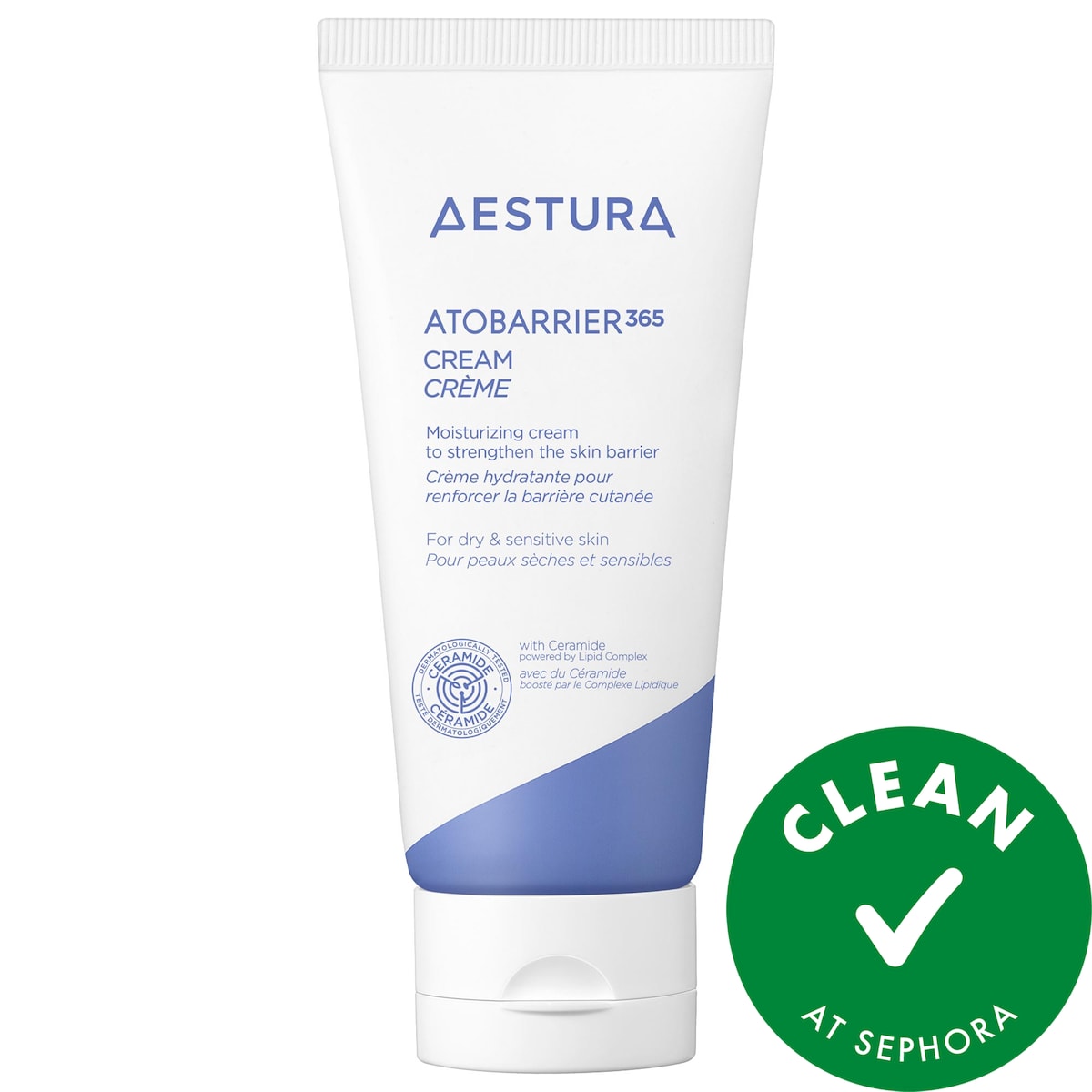
If you search morning and night skincare routine or skin care routine order morning and night right now, the pages ranking well tend to agree on the headline idea: your morning routine should protect your skin, and your night routine should help it recover.
That part is true.
The problem is that many of the current results still stop one step too early. They tell you the textbook order, but they do not help enough with the parts that actually make people give up:
- not knowing whether to cleanse in the morning
- layering too many actives at night
- using vitamin C, niacinamide, retinol, and exfoliants in ways that make the routine feel worse
- buying more products before fixing dehydration or irritation
- ending up with a routine that looks good on paper and feels exhausting in real life
To shape this guide, I reviewed published guides on April 19, 2026, including SkinoMedic's Skin Care Routine Order: Morning vs. Night, Dr Sabrina's Skin Care Routine Order: Morning vs. Night, Colorescience's In What Order Should We Apply Skincare Products, MiQuest's Morning vs. Night Skincare: What You Need to Know, and Komiko Beauty's Morning and Night Skincare Routine Guide. I also cross-checked current dermatologist guidance from the American Academy of Dermatology on face washing, safe exfoliation, and choosing sunscreen.
Those guides get a few important things right:
- morning is mostly about protection
- night is mostly about repair, hydration, and treatment
- sunscreen is non-negotiable in the morning
- stronger treatments usually make more sense at night
What they still tend to miss is routine fit.
Most people do not need a more complicated routine. They need a routine that makes sense for their skin type, their tolerance for actives, and the amount of time they will honestly spend doing it. That is what this page is for.
Quick answer
If you only want the cleanest default order first, this is the version most people can actually keep up with.
Morning skincare routine order
- Cleanse gently, or rinse only if your skin is dry and not greasy in the morning.
- Apply a hydrating toner or essence if your skin runs dehydrated.
- Apply an antioxidant or balancing serum if you use one.
- Moisturize.
- Finish with sunscreen SPF 30 or higher.
Night skincare routine order
- Remove makeup or water-resistant sunscreen if needed.
- Cleanse.
- Apply a hydrating toner or essence.
- Add a hydrating serum if your skin needs more water support.
- Apply one treatment step, like retinol or a targeted serum.
- Moisturize.
That is the core system.
If your skin is currently tight, stingy, flaky, or angry, do not use this article as permission to add more. Start by simplifying first. How to build a skincare routine that you'll actually follow and how to get glass skin naturally are both better next reads if your main problem is routine overload.
What this guide focuses on
After reviewing the top pages, five weaknesses kept repeating:
- They usually list every possible step without separating must-have steps from optional ones.
- They do not spend enough time on when to skip morning cleansing, even though that is one of the most practical decisions in an AM routine.
- They often say "apply products from thinnest to thickest" without explaining the real-life exceptions around retinol, moisturizer sandwiching, and over-stacking actives.
- They rarely give enough help to people whose skin is oily and dehydrated at the same time.
- They explain order, but not how to turn that order into a repeatable routine with actual products.
That is why this page stays focused on a simple AM/PM structure, common routine failure points, and Sephora product examples that make the order easier to picture.
Quick product table
| Image | Step | Product | Best for | Why it earns a place |
|---|---|---|---|---|
 | Cleanse | Beauty of Joseon Green Plum Refreshing Cleanser for Gentle Daily Wash | Anyone whose face feels tight after washing | A gentler cleanser lane that does not make the rest of the routine work harder |
 | Hydration prep | LANEIGE Cream Skin Refillable Milky Toner with Ceramides and Peptides | Tight, dehydrated, or reactive skin | Adds quick hydration without turning the routine heavy |
 | Balancing serum | Beauty of Joseon Glow Serum for Oil Control with Niacinamide | Oily zones, visible pores, post-breakout marks | A useful day-or-night balancing step that stays easy to repeat |
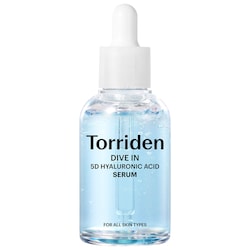 | Hydrating serum | Torriden DIVE IN 5D Hyaluronic Acid Ultra Hydrating Serum for Plump & Glow Skin | Dull, dehydrated, flat-looking skin | The cleanest hydration-first serum in this lane |
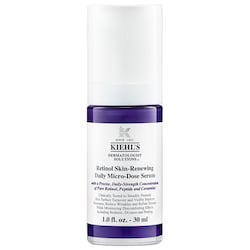 | Night treatment | Kiehl's Since 1851 Micro-Dose Anti-Aging Retinol Serum with Ceramides & Peptide | Retinol beginners or barrier-aware routines | A clearer example of where a night-only active belongs |
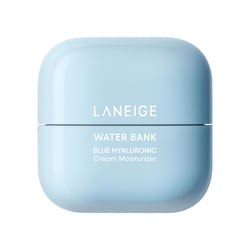 | Moisturizer | LANEIGE Water Bank Blue Hyaluronic Cream Moisturizer for Moisture Barrier Repair | Normal, dry, or combination skin that needs comfort | A middle-ground moisturizer that fits both AM and PM |
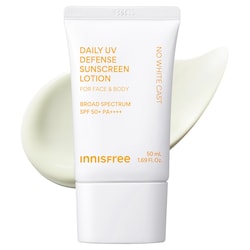 | Sunscreen | innisfree Daily UV Defense Invisible Korean Sunscreen Lotion Broad Spectrum SPF 50+ PA++++ | Everyday wear and under-makeup use | The protective step that keeps the whole routine from sliding backward |
The morning skincare routine order that actually makes sense
Morning skincare is not supposed to feel like a second job. Its job is simple:
- reset the skin if needed
- add hydration if needed
- support your main concern without overloading the routine
- protect the skin from the day
That is it.
1. Cleanse gently, or skip cleanser if your skin does better without it
This is one of the clearest places where the guides are too generic.
The AAD's face-washing guidance is still straightforward: use a gentle, non-abrasive cleanser, avoid scrubbing, use lukewarm water, and limit washing to what your skin actually needs. That matters because some people absolutely do better with a morning cleanse, and others do not.
Morning cleansing usually makes sense if:
- your skin is oily when you wake up
- you used a heavier night cream or occlusive
- you sweat overnight
- your face feels greasy or congested in the morning
You can often skip cleanser and just rinse if:
- your skin is dry or easily irritated
- you use retinoids at night and wake up tight
- your barrier is already stressed
- cleansing twice daily is making your face feel raw
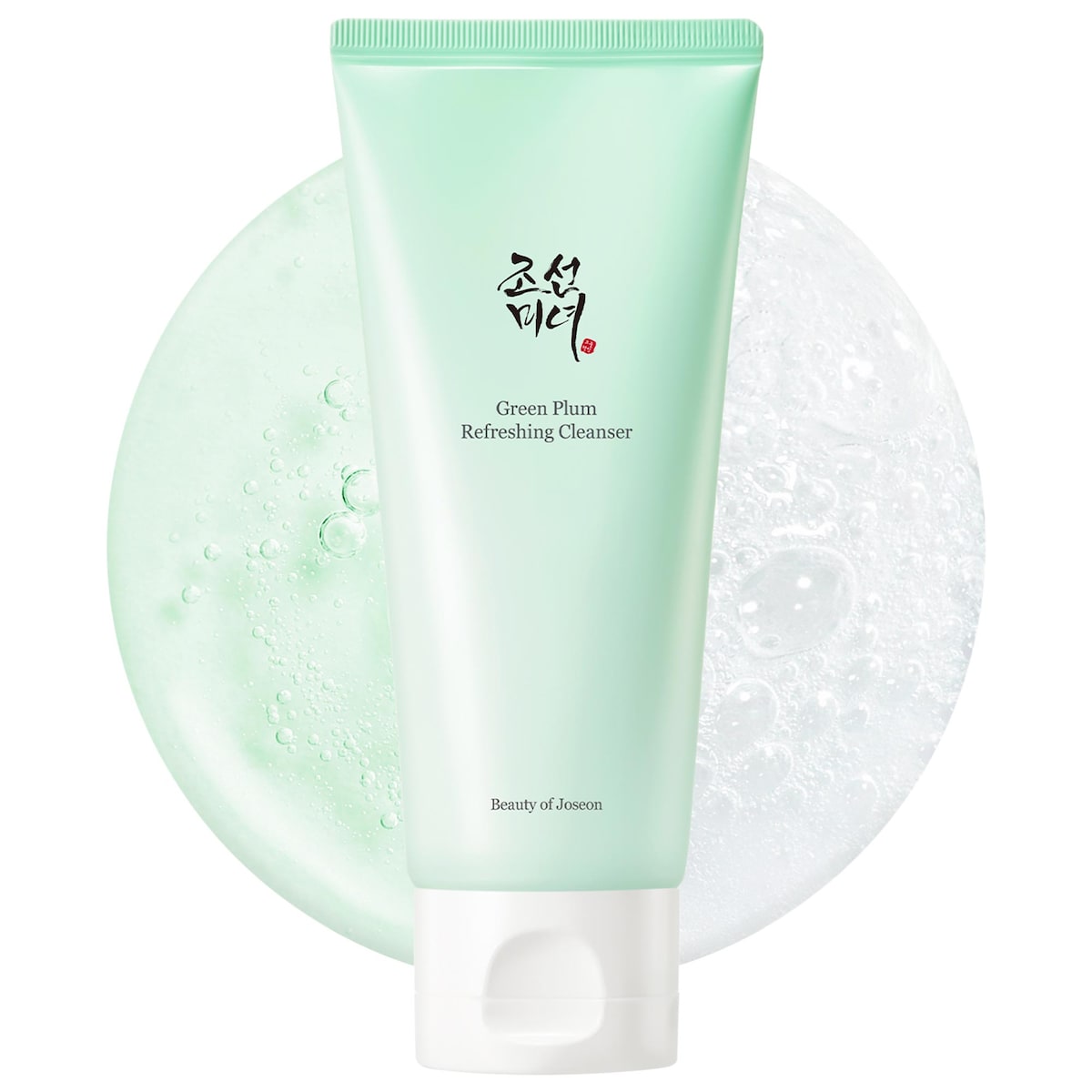
Beauty of Joseon Green Plum Refreshing Cleanser is a useful example here because the best AM cleanser is usually the one that does not over-correct. If your morning cleanse makes you feel squeaky, the rest of your routine often turns into repair work instead of protection.
2. Add a hydrating toner or essence if your skin runs dehydrated
Not everyone needs this step, but it helps a lot when your skin looks flat, papery, or tired even though you are already moisturizing.
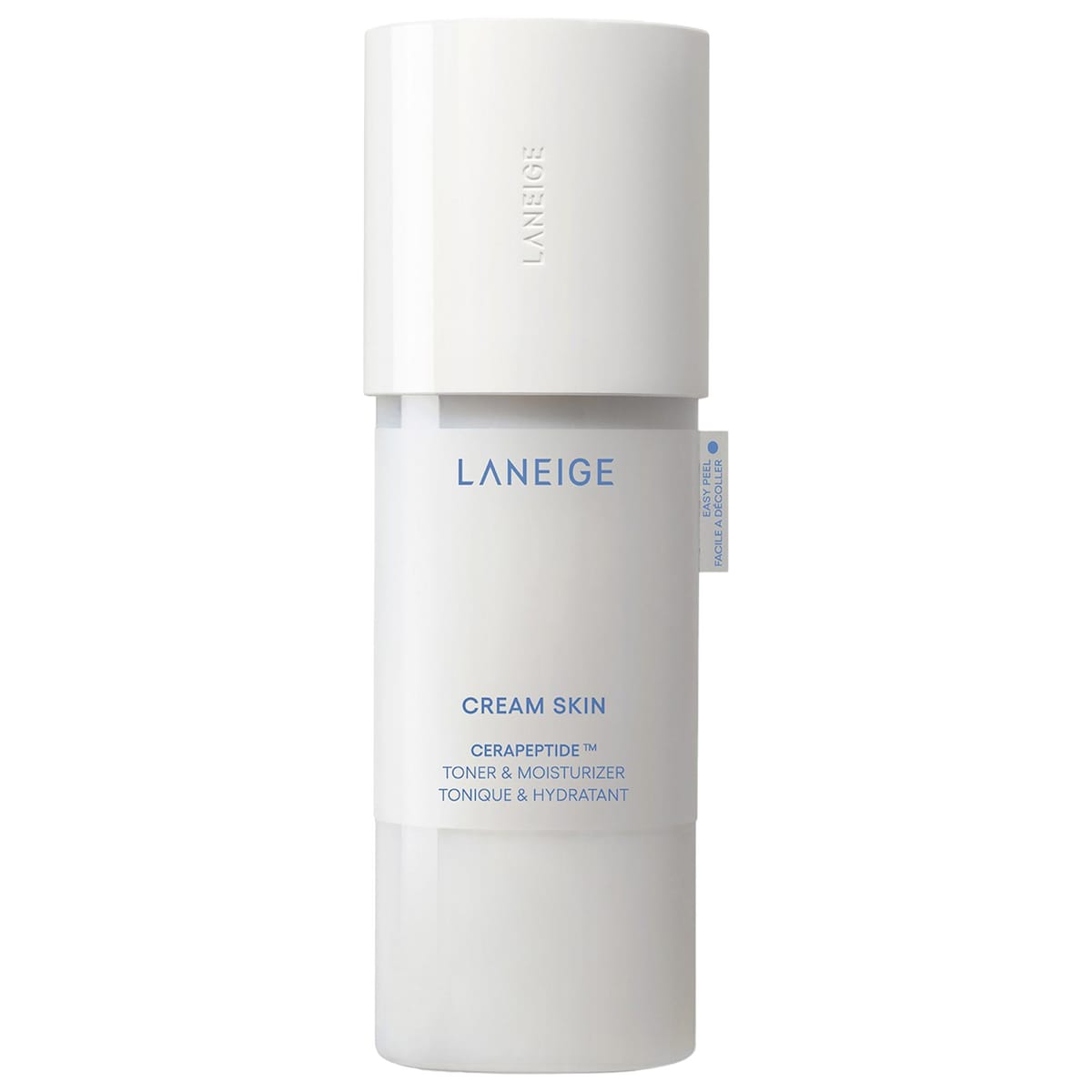
LANEIGE Cream Skin earns its place because it solves a common AM problem cleanly: skin that does not necessarily need more actives, but does need a more comfortable hydration base before serum, moisturizer, and SPF.
Use this step if:
- your skin feels tight after cleansing
- your sunscreen pills over dry patches
- your face looks dull by noon
- you want more bounce without layering three serums
If your routine already feels sticky or crowded, skip this before you add it automatically.
3. Use one serum with a clear job
Morning is not the best time to throw every active you own at your face. It is usually the best time to pick one lane and keep moving.
If your goal is oil balance, post-breakout support, or a smoother-looking T-zone, a balancing serum can make sense.
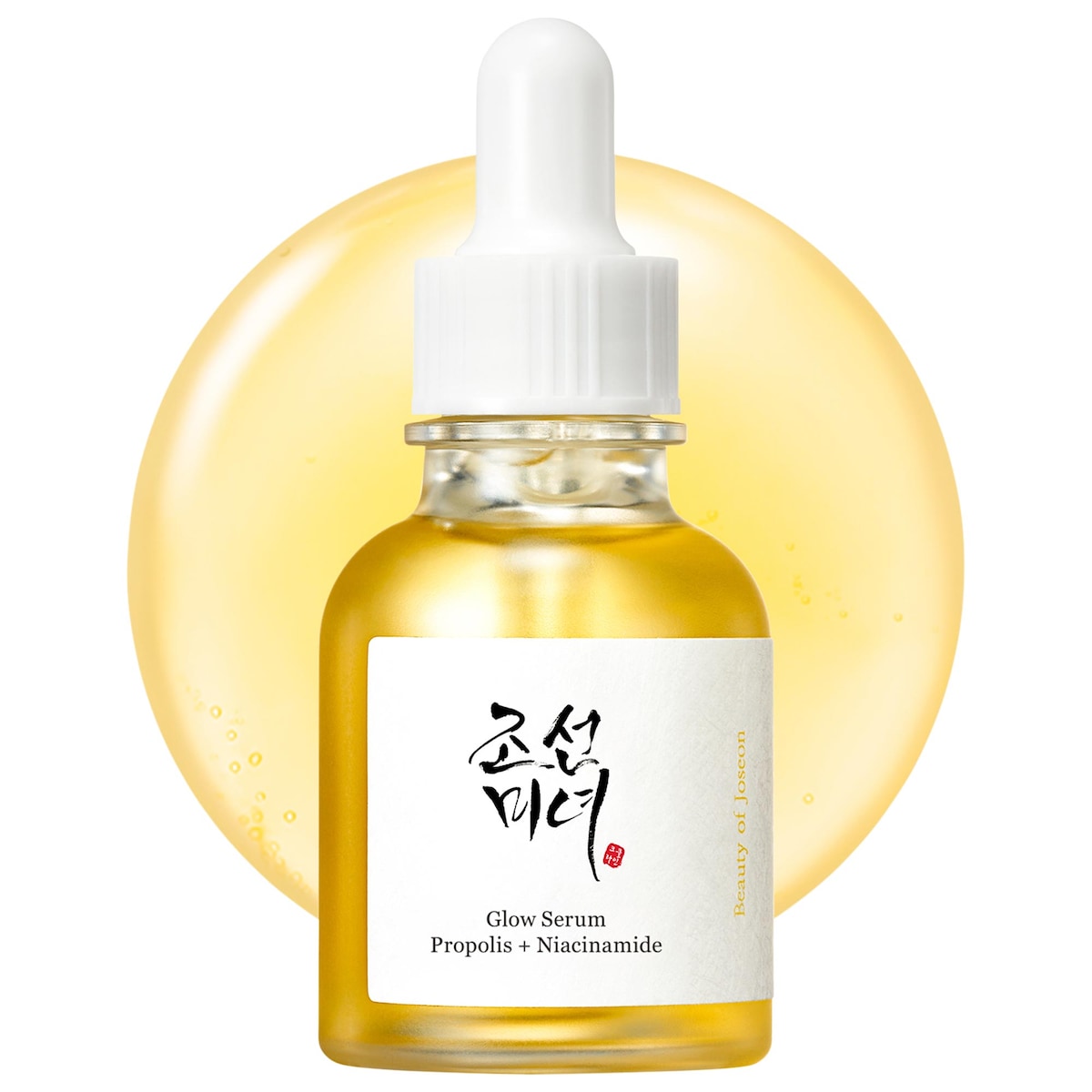
Beauty of Joseon Glow Serum for Oil Control with Niacinamide works well in this spot because it helps oily or uneven areas without turning the morning routine aggressive.
Use one serum, not three, if your main goal is:
- more even-looking skin
- less midday shine
- support for visible pores
- a cleaner canvas under sunscreen or makeup
If your biggest decision is whether to use a hydrating serum or niacinamide, niacinamide vs hyaluronic acid for glass skin is the better deep dive.
4. Moisturize based on comfort, not on what looks impressive
The right AM moisturizer should make sunscreen easier to wear, not harder.
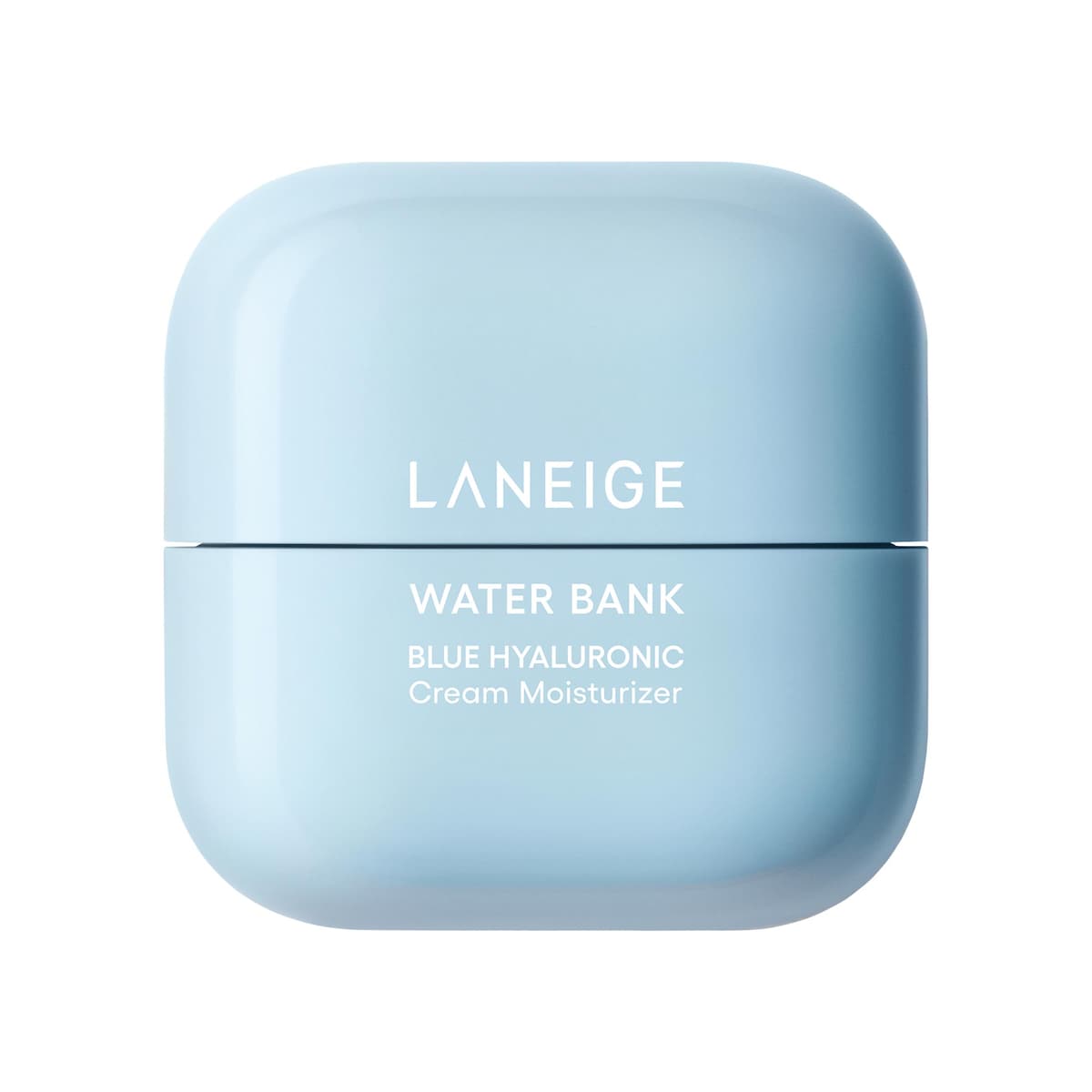
LANEIGE Water Bank Blue Hyaluronic Cream Moisturizer fits this slot because it lands in a useful middle ground. It feels like a real moisturizing step, but it usually layers more easily than a richer night cream.
Use a lighter AM moisturizer if:
- your sunscreen already has some slip
- your skin gets shiny quickly
- makeup tends to move around by midday
Use something more cushioning if:
- your skin feels tight within an hour
- flakes show through sunscreen
- your face gets irritated from retinoids or weather changes
5. Finish with sunscreen every morning
This is the step the AAD is most consistent about, and it is still the most important one to keep boring and dependable. Their guidance remains to choose broad-spectrum sunscreen with SPF 30 or higher, with water resistance when appropriate.
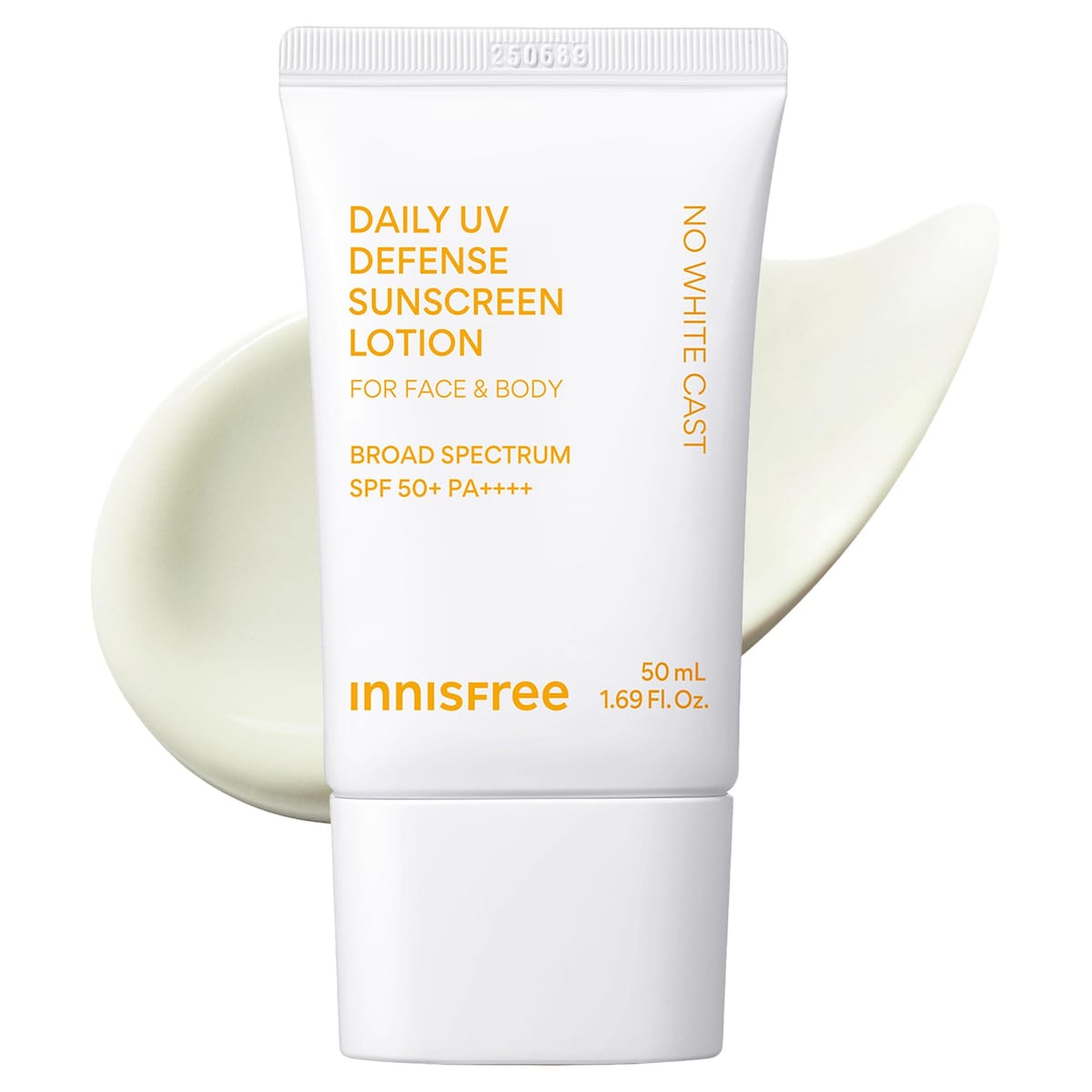
innisfree Daily UV Defense SPF 50+ PA++++ earns this slot because it fits the reality of what makes sunscreen stick as a habit: a texture you will actually keep using.
If sunscreen is the step that keeps breaking your routine, read best sunscreens at Sephora under makeup next. A good routine can still fail if the last step feels miserable.
The nighttime skincare routine order that actually works
Nighttime skincare should do three things well:
- remove the day
- rehydrate the skin
- use one treatment step carefully when needed
It should not become a dumping ground for every active you own.
1. Remove makeup or stubborn sunscreen first if needed
If you wore makeup, long-wear sunscreen, or anything hard to break down, remove that first. This is where a double cleanse makes sense. If you wore very little and your skin is calm, one gentle cleanse is often enough.
The point is not to perform skincare. The point is to remove buildup without making your barrier pay for it.
2. Cleanse without stripping
Your PM cleanser does not need to feel stronger to count. In fact, many people searching for a better morning and night skincare routine are already over-cleansing.
Use the same cleanser morning and night if it is gentle enough. There is no prize for having separate cleansers unless your skin genuinely benefits from it.
If your nighttime routine includes retinol, your cleanser matters even more. A harsh cleanse plus retinol is one of the fastest ways to turn a good routine into a barrier problem.
3. Add hydration before treatment
This is where a lot of routines start making more sense.
Hydrating first helps treatment steps feel less punishing, especially if your skin is dry, reactive, or using retinoids a few nights a week.
If toner alone does not get you there, add a hydrating serum.
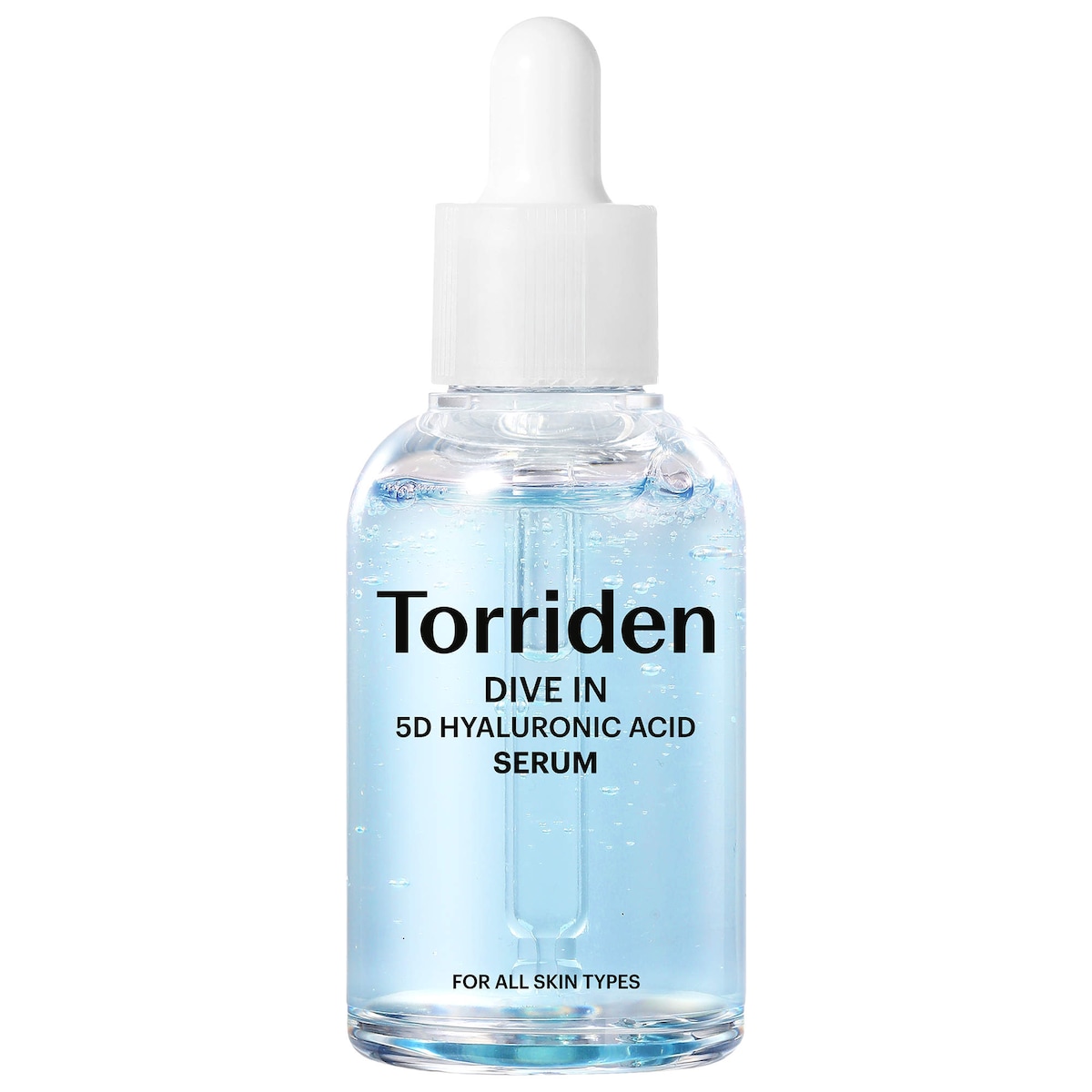
Torriden DIVE IN 5D Hyaluronic Acid Ultra Hydrating Serum fits here because it gives the routine one clear hydration owner. It is most useful when your skin looks shiny but still feels thirsty, or when your moisturizer alone is not enough.
Keep this step if:
- your skin feels tight after cleansing
- you are trying to make retinol more tolerable
- your face looks dull from dehydration
- your routine feels better when hydration is handled early
Skip it if the routine already feels heavy or sticky. Night routines improve fast when each step has one obvious purpose.
4. Use one treatment step with a clear job
This is where many guides start sounding more helpful than they really are.
Yes, night is a good time for retinol, exfoliating acids, or stronger correcting serums.
No, that does not mean all of them belong on your face at the same time.
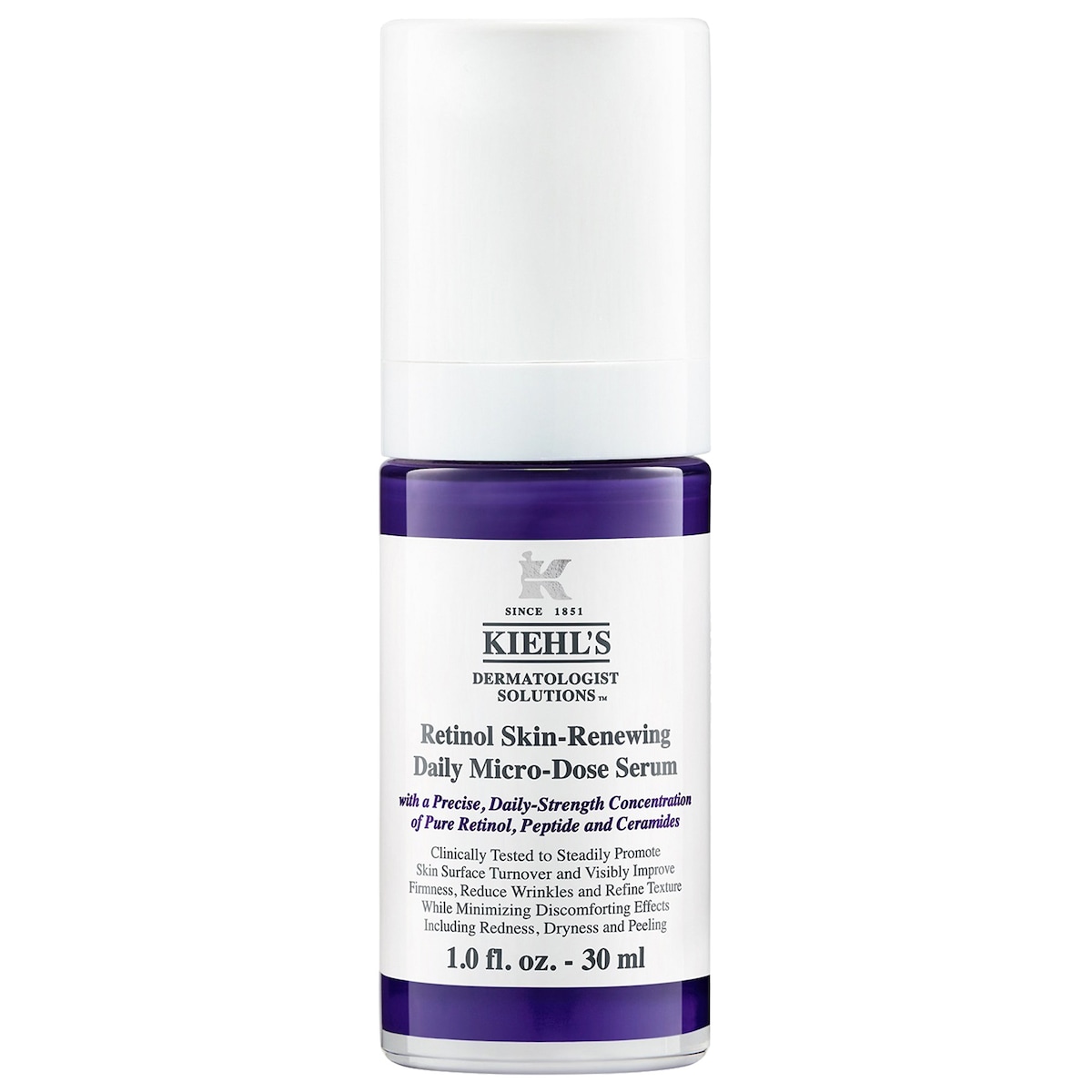
Kiehl's Micro-Dose Retinol Serum is a good example of what a barrier-aware night treatment step looks like. It fits best when the rest of the routine is calm enough to support it.
If retinol is your treatment tonight, your order usually looks like this:
- cleanse
- hydrating toner or essence
- optional hydrating serum
- retinol
- moisturizer
If retinol keeps irritating you, use the sandwich method:
- cleanse
- hydrating toner or essence
- thin layer of moisturizer
- retinol
- second layer of moisturizer
That is slower, but often much more sustainable.
The AAD's exfoliation guidance also matters here: if you already use retinol, benzoyl peroxide, or other potentially irritating products, piling exfoliation on top can backfire quickly. If tonight is a retinol night, let it be a retinol night. Save acids for another night.
5. Finish with moisturizer
Night moisturizer should make your skin feel settled, not sealed into panic.
This is where you lock hydration in, reduce irritation risk, and make the routine feel complete by morning. If your skin is especially dry, you can go richer at night than you do in the morning. If you are oily, you may still want a lighter gel-cream texture, but you usually do not want to skip moisturizer entirely.
If your nighttime routine is the part you want to refine more deeply, nighttime skincare routine order goes step by step on the PM side alone.
The simplest AM/PM routine by skin type
| Skin type | Morning routine priority | Night routine priority | Biggest mistake to avoid |
|---|---|---|---|
| Dry or dehydrated | Gentle cleanse or rinse, hydration, moisturizer, SPF | Hydration before treatment, richer moisturizer | Using strong actives before fixing tightness and barrier stress |
| Oily | Light cleanse, balancing serum, lightweight moisturizer, SPF | Cleanse well, hydrate lightly, use one targeted treatment | Over-cleansing and skipping moisturizer |
| Combination | Keep the AM routine lighter, then spot-adjust with serum | Hydrate selectively and keep actives targeted | Treating the whole face like one skin type |
| Sensitive | Fewer steps, fragrance-light formulas, dependable SPF | Barrier support first, slow treatment frequency | Copying high-activity routines from people with more tolerant skin |
| Acne-prone | Keep SPF and cleanser consistent | Avoid stacking retinol, acids, and spot treatments all at once | Chasing quick results with too many strong steps |
The biggest mistakes people make with morning and night skincare
1. Using the exact same logic morning and night
Morning is about facing the day. Night is about recovery and targeted correction. Those jobs overlap, but they are not identical.
2. Treating every serum like a required step
Most routines get better when they go from three serums to one or two useful ones.
3. Confusing dehydration with oiliness
This is one of the biggest reasons routines feel messy. Skin can look shiny and still need hydration support.
4. Stacking actives because the labels sound compatible
Retinol, acids, benzoyl peroxide, exfoliating pads, dark-spot serums, and spot treatments can all sound reasonable until they show up in the same routine.
5. Letting sunscreen be the least repeatable step
If your sunscreen feels bad, the whole AM routine eventually starts breaking.
A realistic starter routine most people can follow
If you want the simplest version possible, start here for two to three weeks before you add anything else.
Morning
- Beauty of Joseon Green Plum Refreshing Cleanser, or just rinse if your skin is dry
- LANEIGE Cream Skin if you need more hydration
- LANEIGE Water Bank Blue Hyaluronic Cream Moisturizer
- innisfree Daily UV Defense SPF 50+
Night
- Remove sunscreen or makeup if needed
- Beauty of Joseon Green Plum Refreshing Cleanser
- LANEIGE Cream Skin
- Torriden DIVE IN Serum if you still need more hydration
- Kiehl's Micro-Dose Retinol a few nights per week if appropriate
- LANEIGE Water Bank Blue Hyaluronic Cream Moisturizer
That routine is not flashy. That is why it is useful.
If your real goal is glow with fewer wrong purchases, best products for glass skin in April 2026 gives you the broader shopping list.
FAQ
Do I need to cleanse both morning and night?
Not always. Many people with oily skin or heavier nighttime products do better with a morning cleanse. Many people with dry or reactive skin do better rinsing only in the morning and doing their main cleanse at night.
What order should skincare go in morning and night?
Morning usually goes cleanse, optional hydration step, serum, moisturizer, sunscreen. Night usually goes remove buildup, cleanse, hydrate, treatment, moisturizer.
Should vitamin C go in the morning or at night?
Many people prefer vitamin C in the morning because it fits the protective side of an AM routine. If your skin gets irritated easily, it may make more sense to simplify and use a more basic serum instead.
Can I use niacinamide in the morning and retinol at night?
Usually yes. That is one of the cleaner ways to separate your routines if your skin tolerates both. Keep the rest of the routine simple so you can tell what is helping.
Can I use exfoliating acids and retinol on the same night?
Usually that is where people get into trouble. The AAD's exfoliation guidance is a good reminder that more activity is not automatically better. Most people do better alternating those nights instead of stacking them.
What if my skin stings during both routines?
That is usually a sign to simplify, not upgrade. Cut back to cleanser, moisturizer, and sunscreen first. Then rebuild slowly.
Final take
The best morning and night skincare routine is not the one with the most steps. It is the one that gives your skin a clear job in the morning, a calmer repair lane at night, and enough consistency to actually work.
If you remember only three things from this guide, keep these:
- morning is for protection
- night is for repair and one thoughtful treatment step
- fewer, better-fitting products usually outperform a crowded routine
That is how routines stop feeling theoretical and start feeling helpful.