
You do not need perfect skin.
You do not need a 10-step routine.
You do not need to look wet, shiny, or filtered to be closer to glass skin than you are now.
What you do need is calmer skin.
Smoother texture. Better hydration. Less irritation. A routine that still makes sense when you are tired, busy, or one bad purchase away from giving up.
That is the part people rarely say clearly enough.
When most people search for how to get glass skin naturally, they are not asking for a fantasy. They are asking how to make their skin look clearer, softer, more even, and more light-reflective without turning skincare into a full-time project.
That is a much better question.
It also leads to a much better routine.
The shortest honest answer
If I had to make this as simple as possible, I would start here:
- Wash your face gently.
- Stop over-exfoliating.
- Add more water to the skin before you add more actives.
- Use a moisturizer that matches your skin type instead of the richest one you can find.
- Wear sunscreen every morning.
- Give the routine time to work before swapping everything out.
That is the foundation.
Everything else lives on top of that.
If your skin currently feels tight, looks shiny and flaky at the same time, stings when you apply products, or gets red from “glow” products that are supposed to help, pause the chase for a minute and read skin barrier repair routine. A damaged barrier can mimic dullness, roughness, oiliness, and dehydration all at once.
What “naturally” should mean here
I do not think “naturally” should mean avoiding every product and hoping water, sleep, and positive thinking do the rest.
It should mean getting closer to that smooth, clear, hydrated look without forcing your skin into it.
No aggressive scrubs.
No routine that leaves your face burning.
No endless cycle of buying stronger products because the last ones made your skin worse.
The natural-looking version of glass skin is not a glazed finish sitting on top of irritation. It is skin that looks calm enough to reflect light better on its own.
That is why the routine below stays boring in the best way.
The 5 products I would actually build around
These are not here to make the routine look impressive. They are here because they make the routine easier to repeat.
| Image | Step | Product | Best for | Why it helps |
|---|---|---|---|---|
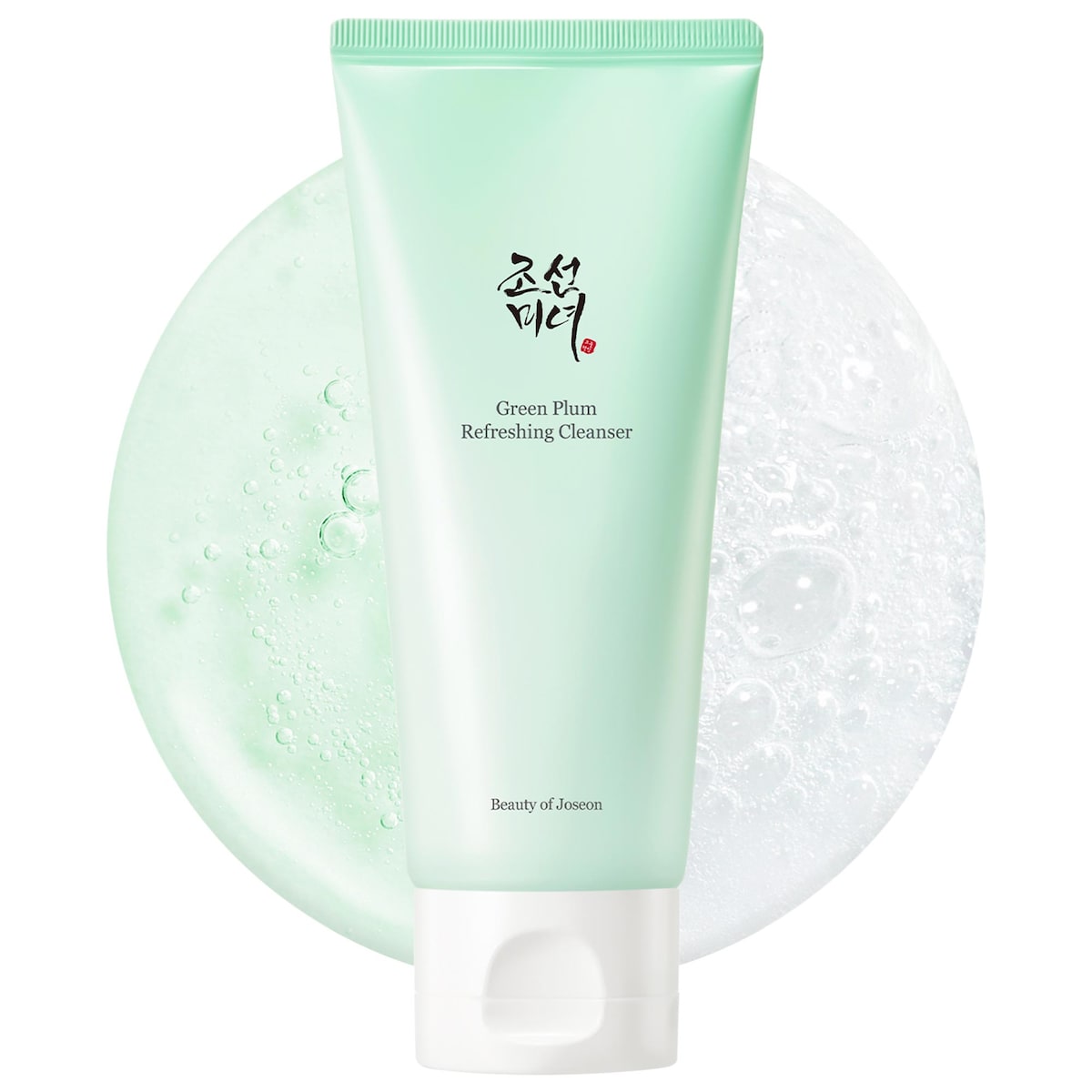
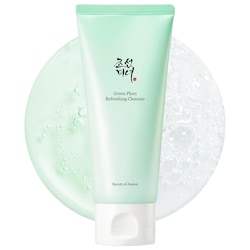 | Cleanser | Beauty of Joseon Green Plum Refreshing Cleanser for Gentle Daily Wash | Tight, over-washed skin | A gentler start than a squeaky cleanser |
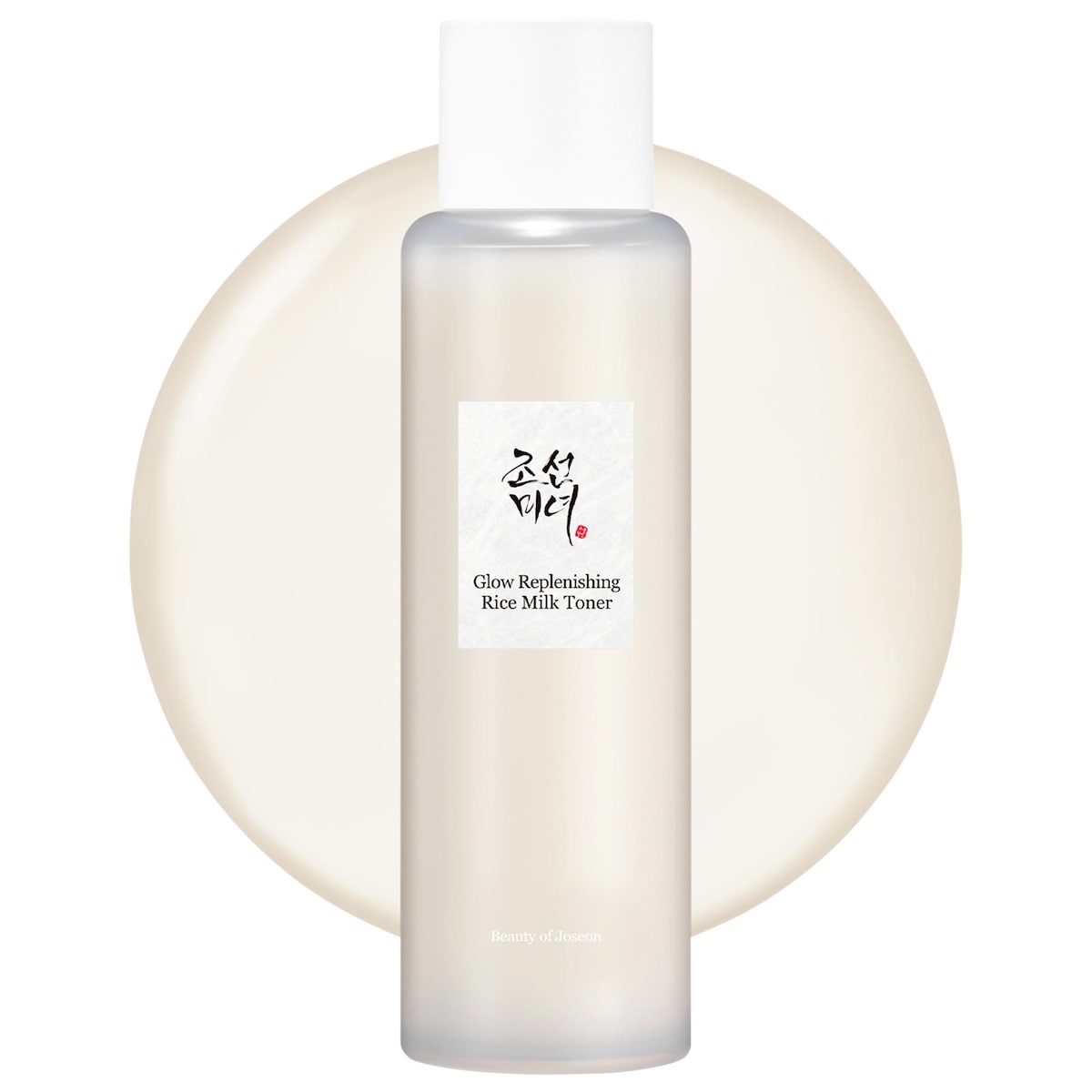
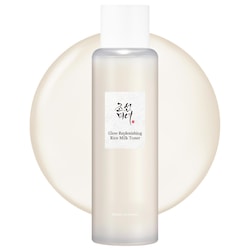 | Hydration layer | Beauty of Joseon Glow Replenishing Rice Milk Lightweight Hydration Toner | Combination, oily, or easily dehydrated skin | Gives bounce without a heavy film |
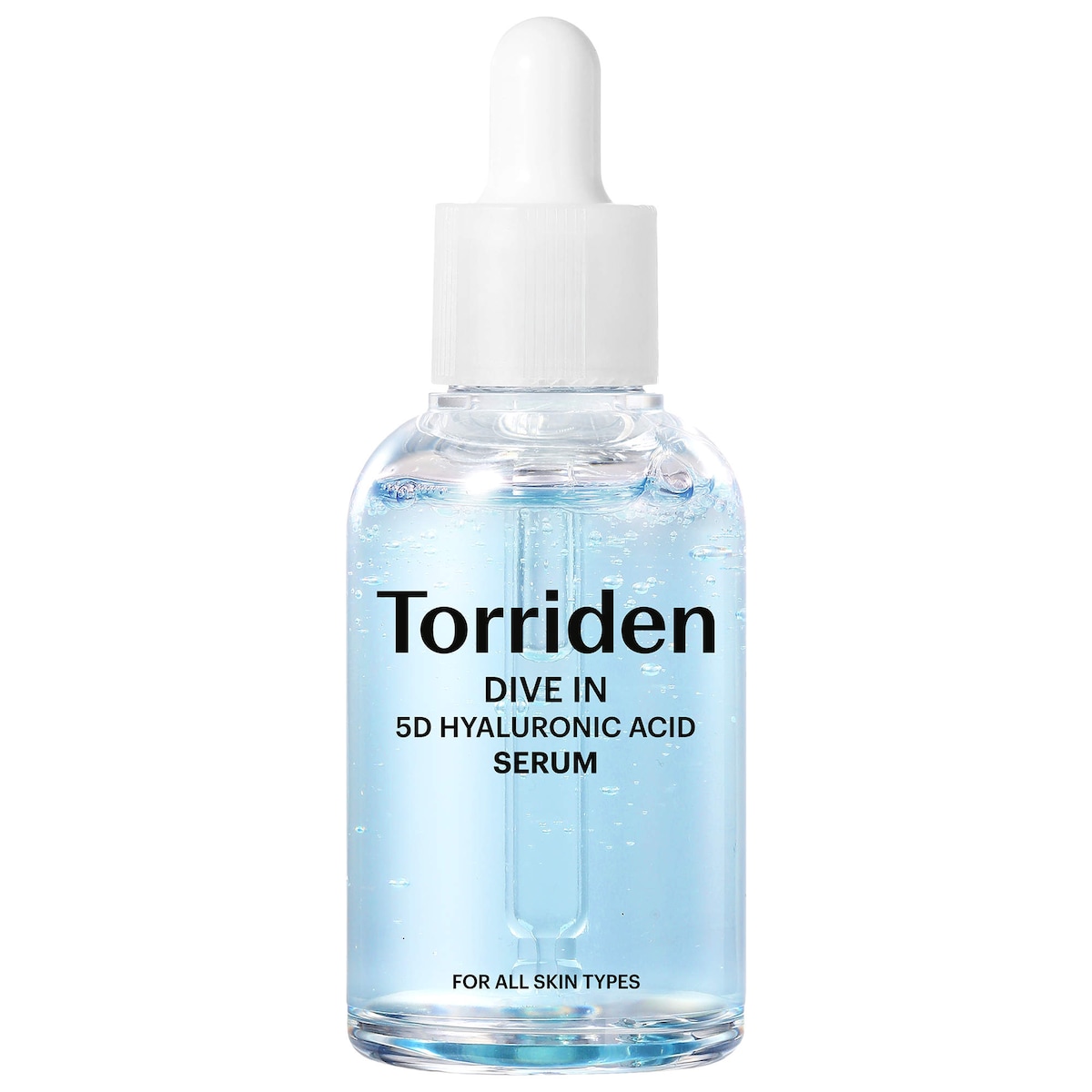
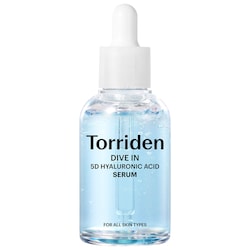 | Hydrating serum | Torriden DIVE IN 5D Hyaluronic Acid Ultra Hydrating Serum for Plump & Glow Skin | Dull, thirsty skin | Helps skin look smoother and less flat |
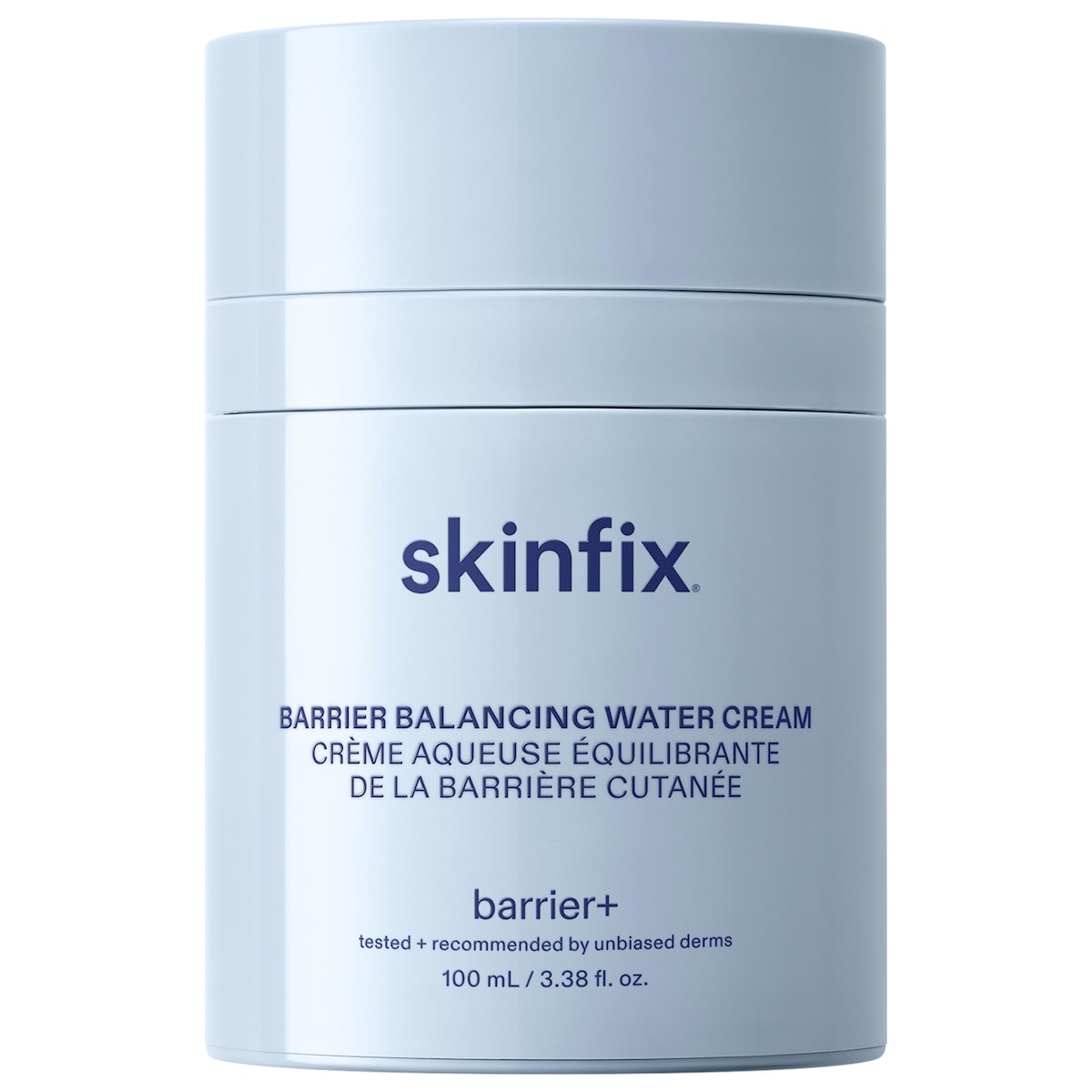
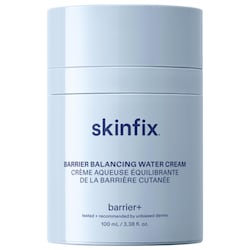 | Moisturizer | Skinfix Barrier Balancing Water Cream Moisturizer with Hyaluronic Acid | People who want glow without grease | Keeps the finish lighter and more controlled |
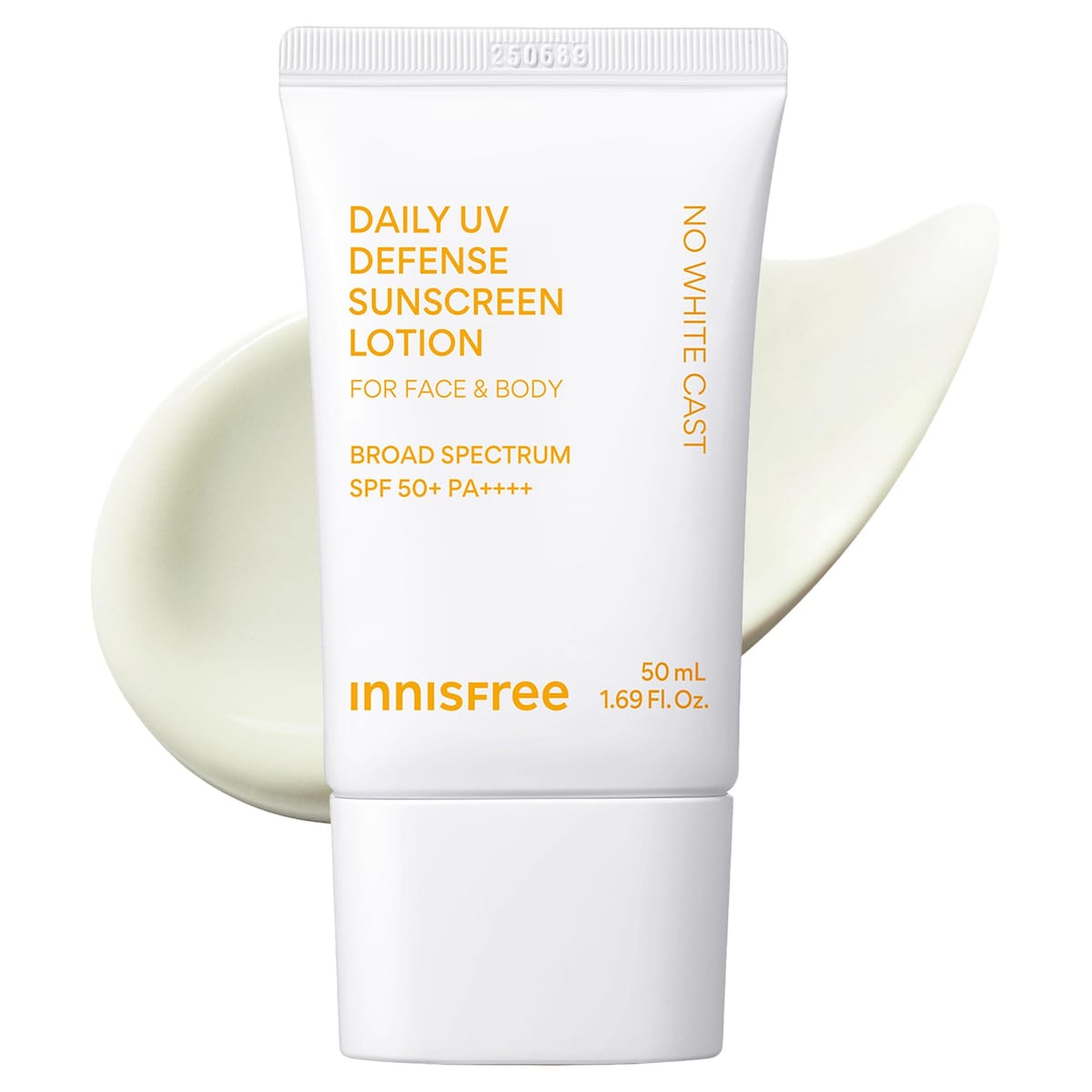
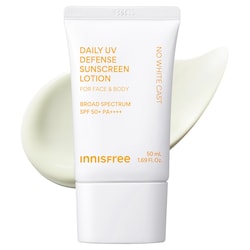 | SPF | innisfree Daily UV Defense Invisible Korean Sunscreen Lotion Broad Spectrum SPF 50+ PA++++ | Everyday wear | The routine only works if you can keep wearing the last step |
If you want a broader routine map after this, glass skin care routine (April 2026) is the fuller version. This page is for the person who wants fewer moving parts.
1. Stop trying to clean your face into submission
This is where a lot of glow routines quietly fail.
People want cleaner-looking skin, so they start with a cleanser that strips too much oil, scrub too hard, wash with hot water, or keep cleansing until their face feels “fresh” in that tight, almost squeaky way.
That feeling is not progress.
It is friction.
When your cleanser is too harsh, every step after it turns into recovery. Then your serum has to rescue dehydration, your moisturizer has to calm the tightness, and your sunscreen sits on top of skin that already feels annoyed.
I would rather see you use a cleanser that feels almost a little too gentle than one that makes your face feel polished for five minutes and irritated by lunch.
That is why Beauty of Joseon Green Plum Refreshing Cleanser is a smart starting point. It does the job without making the rest of the routine harder.
What to watch for:
- If your skin feels tight right after cleansing, your cleanser may be too harsh.
- If your face gets shiny fast but also feels dry underneath, you may be stripping it.
- If you are breaking out and responding by washing more aggressively, you may be feeding the cycle.
If you wear heavier makeup or stubborn sunscreen, a night-time double cleanse can make sense. If you do not, you do not need to force it just because someone online made it sound mandatory.
2. Add hydration before you add intensity
This is the piece many people miss.
They want smoother, glowier skin, so they jump straight to acids, retinoids, peel pads, brightening serums, and exfoliating masks. Sometimes those things can help. A lot of the time, though, the real missing step is simpler: the skin needs more water and less aggression.
That is why a light hydrating layer can do more than people expect.
If your skin looks flat, makeup catches on texture, or the glow disappears halfway through the day, you may not need stronger ingredients first. You may need a better hydration base.
Beauty of Joseon Glow Replenishing Rice Milk works well in that lane because it gives you a softer, fresher look without turning the routine heavy. That matters if you have combination skin, oily skin, or the kind of skin that hates rich layers but still gets dehydrated.
This step is especially useful if:
- your cheeks feel dry but your forehead gets shiny
- your skin looks dull even when it is not inflamed
- moisturizers alone never seem to give you that bouncy look
- thicker toners make your face feel coated
One thing I keep seeing is people mistaking shine for hydration. They are not the same. Good hydration usually makes skin look calmer and fuller. Excess surface product just makes it look busy.
3. Keep one serum focused on plumpness, not miracles
I think this is where the routine starts looking the way most people hoped it would.
Not because a serum is magic.
Because plumper skin reflects light differently.
When the surface is less rough and less thirsty, the face tends to look smoother, softer, and more even. That is a big part of why some people suddenly feel like their skin is “glowing” when what actually changed is hydration.
Torriden DIVE IN 5D Hyaluronic Acid Serum earns a place here because it stays in its lane. It is there to support hydration and comfort. It is not trying to act like a peel, a pore treatment, a brightening treatment, and an overnight reset all at once.
That matters more than it sounds.
A lot of routines get cluttered because every serum claims to do seven things. Then the person using them cannot tell what is helping and what is irritating them.
If your main problem is dullness, tightness, or texture that looks worse by the end of the day, a hydration-first serum usually makes more sense than reaching for something harsher.
If you are torn between hydration and oil control, niacinamide vs hyaluronic acid for glass skin is the cleanest breakdown.
4. Moisturizer should control the finish, not ruin it
This is where people often lose the plot.
They hear “glass skin” and assume the answer is the richest cream they can tolerate. Then the routine feels sticky, sunscreen pills, and by mid-morning they look greasy instead of healthy.
A better rule is this:
Choose the moisturizer that gives your skin enough support without burying it.
For many people, especially if they are oily, combination, or acne-prone, a lighter cream does a better job of creating that smooth reflective finish than a thick occlusive layer.
That is why Skinfix Barrier Balancing Water Cream fits so well here. It supports the barrier without making the face feel sealed off.
Pick a lighter moisturizer if:
- you want glow but every “dewy” cream feels greasy
- sunscreen keeps sliding around on top
- your skin is oily and dehydrated at the same time
- you like a fresher finish more than a rich one
Pick something richer if your skin feels tight all day, flakes around the mouth, or always seems one step away from irritation. The goal is not to use the lightest product possible. The goal is to use the right amount of comfort.
5. Sunscreen is the step that makes the rest worth doing
This part is not glamorous, but it is the hinge.
You can work on texture, hydration, and even tone all you want, but if the routine ends before sun protection, it becomes much harder to hold onto the progress you are trying to build.
I do not think the best sunscreen is the one with the most impressive marketing. It is the one you will keep using.
That is why innisfree Daily UV Defense SPF 50+ makes sense here. It is light enough that it does not make the whole routine feel like a punishment.
If you hate sunscreen, the move is not to skip it. The move is to find a texture you can stand.
And if your sunscreen keeps failing, it is often because one of these is true:
- You are using too much product underneath.
- Your moisturizer is too heavy for daytime.
- You are not letting layers settle.
- The sunscreen finish does not match the rest of your routine.
That is a routine problem, not just an SPF problem.
6. Exfoliation should be the side quest, not the whole strategy
This is where people get impatient.
Their skin feels rough or looks dull, so they exfoliate more. Then it feels smoother for a moment, then worse, then drier, then shinier, then reactive. After that they start buying “barrier repair” products to fix the damage from the glow routine that was supposed to help them.
If that sounds familiar, you are not failing. You are just stuck in one of skincare’s most common loops.
If you exfoliate at all, keep it modest.
Not daily.
Not because a trend told you to.
Not on the same week you are already introducing a retinoid, a strong vitamin C, and a bunch of new products.
I would much rather see you exfoliate less and stay consistent than exfoliate more and keep having to rebuild your skin from scratch.
If your skin is sensitive, easily pigmented, or currently irritated, less is usually smarter.
7. The fastest route to glass skin is usually fewer variables
This is the part I wish more people heard earlier.
The goal is not to own a lot of products. The goal is to know what your skin does when the noise goes down.
A lot of people searching for a natural glass-skin look are actually dealing with one of these:
- oily skin that is also dehydrated
- skin that is smooth in some spots and rough in others
- redness or post-breakout marks that make the skin look less even
- a routine that changes too often to show results
- products that individually seem fine but together feel heavy
That is why the best routine is often the smallest routine that still covers the basics.
Gentle cleanse.
Hydration.
Moisture.
Sun protection.
Then, only if needed, one corrective step.
That order tends to save people a lot of money and a lot of confusion.
What I would stop doing immediately if your skin looks dull, greasy, and stressed
- Stop using “squeaky clean” as a sign that your cleanser is working.
- Stop adding exfoliation every time your skin looks textured.
- Stop assuming oily skin means you should skip hydration.
- Stop buying richer creams when the real problem is layering too much.
- Stop chasing instant shine as proof the routine is helping.
Real glow usually looks calmer than people expect.
A simple morning and night version
Morning
- Gentle cleanser or rinse, depending on your skin
- Hydrating toner
- Hydrating serum
- Lightweight moisturizer
- Sunscreen
Night
- Gentle cleanser
- Hydrating toner
- Hydrating serum
- Moisturizer
That is enough for a lot of people.
If your skin is already stable and you want more polish later, then you can start deciding whether you actually need a brightening step, a retinoid, or a gentle exfoliant. Not before.
If you want to go even simpler, how to get glassy skin is the better companion read. If your skin runs oily and your glow keeps turning greasy, go to glass skin routine for oily skin.
FAQ
Can you really get glass skin naturally?
You can get much closer to smooth, hydrated, reflective skin naturally than most people think. The realistic version comes from calmer skin, better hydration, gentle cleansing, and consistency, not a dramatic overnight transformation.
How long does it take to see a difference?
If your routine is a better fit than what you were doing before, you can often see the skin look calmer and more hydrated within a couple of weeks. Texture, evenness, and long-term glow usually take longer. I would judge the routine over weeks, not days.
Do you need snail mucin for glass skin?
No. Some people love it, and some people swear by it, but it is not a requirement. The bigger wins usually come from gentler cleansing, better hydration, and a sunscreen you actually wear.
Is glass skin possible with oily skin?
Yes, but the strategy changes. Oily skin often still needs hydration. The trick is thinner layers, lighter moisturizers, and not confusing grease with moisture. Glass skin routine for oily skin goes deeper on that.
Do you need retinol or tretinoin?
Not to start. Those can help with texture for some people, but they are not the first move if your skin is already irritated, dehydrated, or inconsistent. Build the calmer routine first. Then decide if you need more.
The version that actually lasts
If I were trying to get someone closer to glass skin without wasting their time, I would not start with a bigger routine.
I would start with a gentler one.
I would make it easier to repeat.
I would make it lighter where it keeps getting greasy, softer where it keeps getting tight, and smaller where it keeps getting overwhelming.
That is the version that tends to last long enough to work.