Redness products are easy to misunderstand.
The label says calm.
Your face may hear heavy.
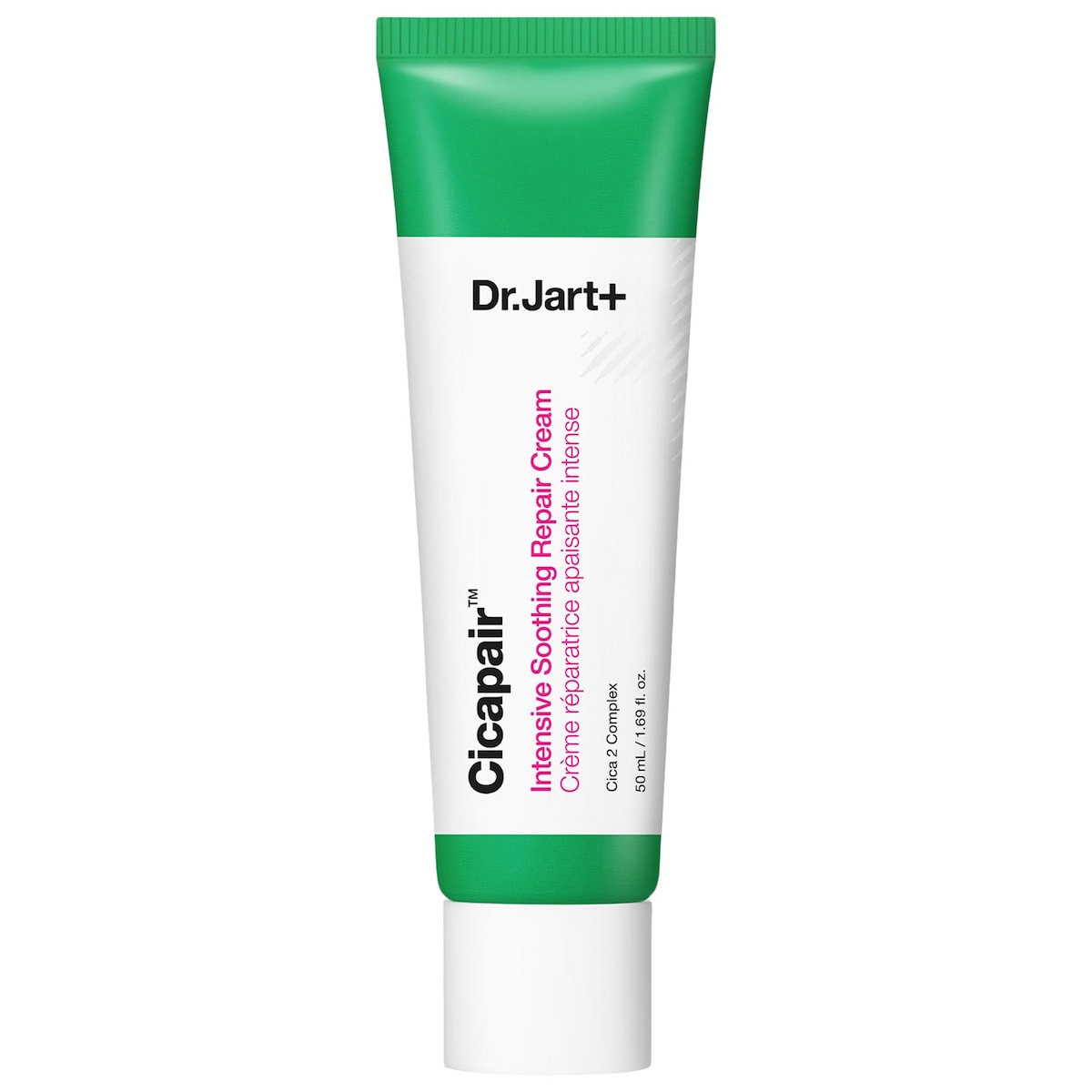
That is the tension with Dr. Jart Cicapair Sensitive Skin Moisturizer for Redness. It sounds like a simple answer for reactive-looking skin, but the real decision is more specific. You are not just asking whether it can make skin look less red. You are asking whether your skin wants a cushiony cream, whether your routine can handle that texture, and whether the redness you are seeing is actually the kind a moisturizer can help.
As of June 2026, I would treat it as a comfort cream for sensitive, dry, tight, red-looking, or post-treatment-feeling skin. I would not treat it as a universal redness fix, an acne treatment, or a guaranteed match for oily skin that hates rich creams.
The product can make a lot of sense.
It can also be the wrong kind of sense.
Quick answer
I would consider Dr. Jart Cicapair Sensitive Skin Moisturizer if my skin looked flushed, felt dry after cleansing, stung from too many actives, or needed a cream that felt more protective than a gel moisturizer. It is strongest when redness overlaps with dryness, barrier stress, or a routine that has become too aggressive.
I would be careful if my skin is very oily, clog-prone, easily textured from rich creams, or red because of an active rash, rosacea flare, allergy, infection, or irritation that keeps spreading. A moisturizer can support comfort, but it should not be asked to diagnose a face that is clearly angry.
The clean test is simple: does your redness come with tightness?
If yes, this cream is worth understanding. If your skin is red but already oily, congested, and heavy-feeling, I would start lighter.
Product at a glance
| Detail | My read |
|---|---|
| Product | Dr. Jart Cicapair Sensitive Skin Moisturizer for Redness |
| Sephora product ID and SKU | P411539, SKU 2733665 |
| June 2026 price signal | $52 for 1.69 oz / 50 mL at Sephora |
| Texture lane | Silky cream, cushion moisturizer, redness-comfort cream |
| Best fit | Sensitive-looking, dry, tight, red-looking skin that wants comfort |
| Key story | Centella asiatica, cica complex, allantoin, barrier support, redness comfort |
| Best routine slot | Moisturizer step, morning or night, after serum and before sunscreen in the morning |
| Main risk | Too rich or too specific if you wanted a barely-there gel |
I like products more when the job is clear.
This one is not trying to be invisible water. It is trying to be the cream you reach for when your skin looks unsettled and your normal moisturizer feels too thin. That can be exactly right for the right face.
It can be too much for the wrong one.
What the June 2026 version is trying to be
Dr. Jart describes this as a silky cream moisturizer for sensitive skin with an advanced cica complex. The brand frames it around visible redness, barrier repair, and skin that needs to feel more resilient.
That matters because many redness products are secretly makeup products, treatment products, or color correctors. This one sits more clearly in the moisturizer lane. It belongs after serum and before sunscreen, or as the final cream step at night.
I would not expect it to behave like the Dr. Jart Cicapair Color Correcting Treatment SPF 30. That product has a green-to-beige visual correction angle and sunscreen built into the pitch. This moisturizer is more about comfort and skin feel.
That difference is important if you are trying to buy the right Cicapair product instead of just the most familiar one.
The redness question
Redness is not one problem.
Sometimes the face looks red because the skin is dry and irritated. Sometimes it is a flush pattern. Sometimes it is acne inflammation. Sometimes it is a reaction to fragrance, exfoliation, sunscreen, retinoids, shaving, weather, or a product that seemed gentle on paper. Sometimes it needs medical care.
That is why I would not buy any redness cream with the expectation that it should erase every red tone on every face.
I would look for the pattern first:
| What you notice | How I would read it |
|---|---|
| Redness plus tightness after cleansing | A comfort moisturizer may help |
| Redness plus flaky patches | Simplify and support the barrier |
| Redness plus burning from every product | Stop experimenting and consider clinician care |
| Redness plus acne bumps | Treat it as acne-prone skin, not just redness |
| Redness plus oiliness and congestion | Start lighter than a rich cream |
| Redness after laser, peel, or procedure | Follow the provider's aftercare before adding extras |
The best fit for Cicapair Moisturizer is the first two lanes: red-looking skin that also feels dry, thin, over-cleansed, or uncomfortable.
Why the texture matters so much
The texture is the decision.
If you love creams that feel like they wrap the skin, this product has a chance. If you want a moisturizer that disappears in ten seconds and leaves no trace, I would not buy it blindly.
Dr. Jart calls it non-greasy and non-sticky, and that may be true compared with heavier repair creams. But "not greasy" does not mean "weightless." It is still positioned as a cushiony cream for sensitive skin.
That is why I would test it with restraint.
Use less than you think. A pea-to-nickel amount is plenty for many faces, especially if you are only applying it to red-prone areas. Press it in instead of rubbing hard. Give it a few minutes before sunscreen or makeup. If it still feels like too much, that is useful information.
Do not turn a rich cream into a mask and then blame it for behaving like one.
Who I think will like it
I would put this in front of someone who says:
- my cheeks get red and tight by the afternoon
- my moisturizer is not enough after cleansing
- my skin feels more sensitive after actives
- gel creams feel nice for ten minutes, then disappear
- my face looks calmer when I keep the routine boring
- I want a cream that can sit under sunscreen without feeling like ointment
That person may get real use from it.
The strongest match is not someone chasing a perfect before-and-after. The strongest match is someone whose skin keeps asking for a calmer cream step.
Who should skip it
I would skip or delay this moisturizer if your current problem is active congestion, blackheads, deep acne, or small bumps that appear every time you use richer creams. Sensitive skin can also be acne-prone, and redness does not automatically mean your face wants more cream weight.
I would also skip it if your redness is burning, swelling, crusting, spreading, or linked to a new medication or procedure where you were given specific aftercare. That is not the moment to improvise with a new product just because the word sensitive is on the tube.
Skip it for now if:
- oily moisturizers always make your face feel coated
- shea-butter-style textures tend to clog you
- your redness is painful or worsening
- you need a mattifying daytime moisturizer
- you are already testing a new retinoid, acid, cleanser, or acne treatment
- your skin reacts to almost everything right now
The best time to judge a moisturizer is when the rest of the routine is stable. If five things changed this week, you will not know what helped or hurt.
How I would use it the first week
I would make the first week boring.
Morning:
- Gentle cleanser or water rinse.
- Hydrating serum if you already tolerate it.
- Thin layer of Cicapair Moisturizer.
- Sunscreen.
Night:
- Gentle cleanser.
- Skip strong actives for the first test night.
- Thin layer of Cicapair Moisturizer.
- Add nothing else unless your skin clearly needs it.
The first week is not about proving the whole Cicapair line belongs in your bathroom. It is about finding out whether this one cream makes your face feel calmer, less tight, and easier to maintain.
If it stings, itches, pills badly, or makes the skin look more irritated, stop forcing the story. A product can be well-made and still not match your face.
Morning or night?
I would start at night if you are nervous.
Night testing removes the pressure of makeup, sunscreen finish, and daytime shine. You can see whether the cream makes your skin feel calmer by morning without also judging whether it works under foundation.
Once you know it behaves, test it in the morning with sunscreen. That second test matters because a redness moisturizer can be lovely at night and annoying under SPF if the layers get too heavy.
| Use case | How I would place it |
|---|---|
| Dry, red-looking cheeks | Morning and night on cheeks first |
| Oily T-zone, tight cheeks | Use only on cheeks or dry zones |
| Retinoid week | Night moisturizer on non-irritated skin |
| Makeup day | Test on a low-stakes day before trusting it |
| Hot humid weather | Use less or keep it as a night cream |
Your face does not need the same amount everywhere. Redness on the cheeks does not mean the nose and chin want equal cream.
Cicapair Moisturizer versus Cicapair Sleepair Mask
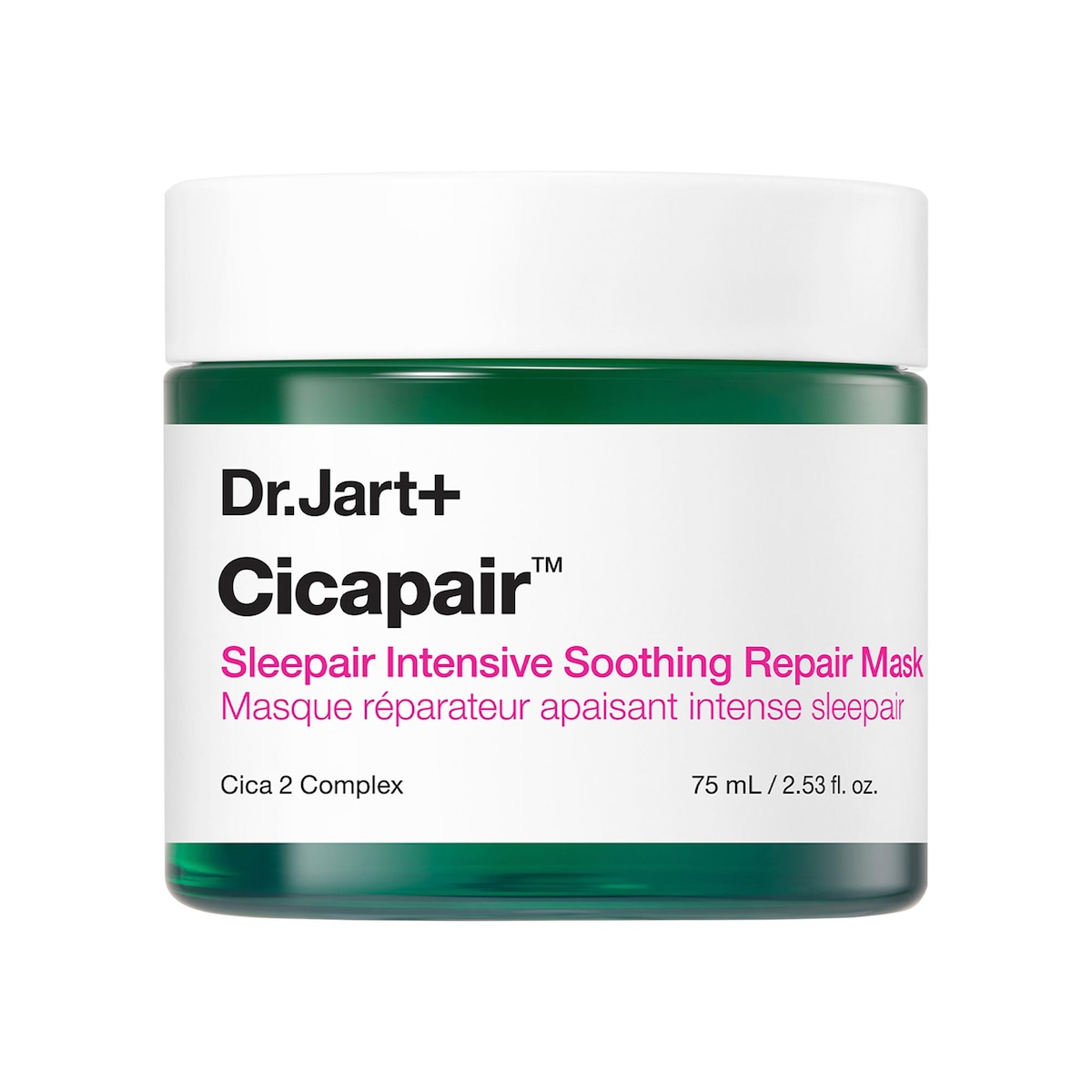
The Cicapair Sleepair Intensive Night Mask is a different tool.
I would use the moisturizer when I need the main cream step. I would use the Sleepair Mask when I already have a routine and want a final overnight layer on worn-down nights.
| If you need... | I would start with... |
|---|---|
| A daily cream step | Cicapair Moisturizer |
| A last-step night layer | Cicapair Sleepair Mask |
| Something before sunscreen | Cicapair Moisturizer |
| A recovery-feeling night seal | Sleepair Mask |
| Less product complexity | Cicapair Moisturizer |
The mistake is buying both at once because your skin feels irritated. Start with one. Learn what it does. Then decide whether the routine has another gap.
Cicapair Moisturizer versus Cicapair Color Correcting Treatment
This is the comparison that confuses people most.
The moisturizer is skincare-first. The color correcting treatment is partly skincare, partly visual correction, and partly SPF. If you want a cream that supports red-looking skin as part of your regular moisturizer step, start with the moisturizer. If you want a green-to-beige product that can visually soften redness in the morning, the color correcting treatment is closer to that job.
I would not use the color corrector as my only sunscreen for a full outdoor day unless I was applying enough and reapplying properly. Most people under-apply tinted or correcting products because they do not want the finish to look heavy. That makes the sunscreen part less reliable in real life.
Use the product for the job you will actually repeat.
Cicapair Moisturizer versus Aestura Atobarrier365 Cream
Aestura Atobarrier365 Cream is the more straightforward barrier-cream choice. It reads richer, more ceramide-centered, and more obvious for dry, tight, retinoid-tired skin.
Cicapair Moisturizer is the more redness-centered choice. It still belongs in the comfort lane, but the emotional reason to buy it is visible sensitivity, not just dryness.
| Skin problem | Cleaner first pick |
|---|---|
| Dry, tight, winter-stressed skin | Aestura Atobarrier365 Cream |
| Red-looking sensitive cheeks | Cicapair Moisturizer |
| Oily but dehydrated skin | Consider a lighter gel cream first |
| Retinoid dryness with flakes | Aestura, unless redness is the bigger issue |
| Mild redness under sunscreen | Cicapair, tested carefully in the morning |
Neither one is automatically better. They just answer different versions of discomfort.
Cicapair Moisturizer versus Sephora Collection Soothing Moisturizer
Sephora Collection Soothing Moisturizer is the budget-friendly redness-comfort lane. It is the kind of product I would consider if I wanted a calmer-looking daytime cream without paying Dr. Jart pricing.
The Dr. Jart product has the stronger Cicapair identity and the more specific sensitive-skin positioning. Sephora Collection is easier to justify if you are still learning whether green-leaning comfort creams even work for your face.
If your skin is reactive and you already know the Cicapair line works for you, Dr. Jart may feel worth the upgrade. If you are just curious, I would not ignore the lower-risk option.
What I would watch for
The first few uses should teach you more than the product page.
I would watch:
- Does it sting on contact?
- Does redness look calmer after the routine settles?
- Does the face feel less tight by midday?
- Does sunscreen layer smoothly over it?
- Does makeup cling or slide?
- Does the T-zone get shiny faster?
- Do small bumps appear after repeated use?
- Does it make you want fewer products, or more?
That last question is underrated.
A good moisturizer should make the routine feel more stable. If it makes you add powder, primer, extra cleanser, extra treatment, and extra problem-solving steps, it may not be the right fit even if the ingredient story sounds good.
If you are acne-prone
Acne-prone skin still needs moisture.
But it needs the right moisture.
If you break out easily, I would not introduce Cicapair Moisturizer during an active breakout spiral. Wait until the routine is readable. Then patch test, use a thin layer, and keep it away from zones that clog first if needed.
Some acne-prone people can use richer creams on dry cheeks and avoid the chin. Some need an oil-free gel everywhere. Some can use a comfort cream only on nights when acne treatments make the skin tight. That is normal. Your moisturizer does not have to be all-or-nothing.
The goal is calmer skin, not proving you can tolerate a product just because other people like it.
If you are using retinoids or exfoliating acids
This is where a cream like this can become useful.
Retinoids and exfoliating acids can make the face feel tight, dry, or more reactive when the schedule is too aggressive. A comfort moisturizer can help the routine feel less punishing, but it should not be used to excuse overuse.
If your skin is peeling, burning, or stinging from actives, reduce the active schedule first. Then use a supportive moisturizer. Do not keep the routine harsh and expect Cicapair to clean up the damage every night.
The better order is:
- Pull back the irritant.
- Use a gentle cleanser.
- Moisturize consistently.
- Reintroduce active products slowly.
- Track whether redness and tightness return.
That is how you learn. Otherwise, you are just adding cream to chaos.
After procedures or laser treatments
Dr. Jart says the moisturizer is suitable to use after laser skin treatments, but I would still follow the provider's aftercare first.
Freshly treated skin is not the place for freelancing. If your provider gave you a bland ointment, barrier cream, sunscreen plan, or no-active window, follow that. If they said to avoid certain ingredients, listen.
Once skin is past the fragile stage and you are cleared for normal skincare, a soothing moisturizer may make sense. But post-procedure skin deserves boring, explicit instructions more than clever product layering.
The ingredient story in plain English
The highlighted ingredients are doing understandable jobs.
Centella asiatica, often called cica or tiger grass, is the identity ingredient. It is why the product sits in the calm-looking, sensitive-skin lane. Allantoin is a classic comfort ingredient. Humectants and emollients help the cream feel moisturizing instead of just decorative.
The two texture clues I would pay attention to are shea butter and dimethicone.
Shea butter usually signals comfort and cushion. That can be helpful when skin feels dry, thin, tight, or overhandled. It can also be the part that makes a cream feel too rich if your lower face clogs easily or your skin gets warm under heavier moisturizers.
Dimethicone is less scary than people make it sound. In a cream like this, it can reduce drag, add slip, and create a smoother protective feel. That matters when irritated skin hates friction. The test is not whether dimethicone appears on the list. The test is whether the whole cream still feels comfortable four hours later, especially under sunscreen.
What I care about most is not one hero ingredient.
I care about the whole formula behaving like a cream that supports a calmer routine. A product can include centella and still feel wrong if the texture is too heavy, if it pills under sunscreen, or if your skin does not tolerate it.
Ingredients explain the promise. Your face decides the fit.
How Glass would help me test it
If I were testing this cream, I would log it in Glass for two weeks instead of relying on memory.
I would track:
- morning redness
- tightness after cleansing
- active nights
- sunscreen pairing
- new bumps
- stinging or burning
- photos in similar lighting
- whether I used it all over or only on cheeks
Most moisturizer opinions get messy because people change too many things at once. Tracking keeps the test honest. If your skin looks calmer on simple nights and worse on exfoliation nights, the cream may not be the problem. If bumps show up only where the cream goes, that is also useful.
Skincare gets easier when you stop guessing.
The buying decision
I would buy Dr. Jart Cicapair Sensitive Skin Moisturizer if I wanted a real cream for red-looking, sensitive, dry, or tight skin and I already knew my face tolerates cushiony moisturizers.
I would skip it if I wanted a barely-there gel, a mattifying finish, an acne solution, or a product to cover up irritation from a routine I refuse to simplify.
The strongest version of this product is not dramatic. It is steady. It is the cream you use when your skin needs fewer decisions and more comfort.
That is enough for the right person.
It is too much for someone else.
FAQ
Is Dr. Jart Cicapair Moisturizer good for redness?
It can be a good fit when redness overlaps with dryness, tightness, or sensitive-looking skin. I would not treat it as a cure for every kind of redness. Burning, swelling, crusting, painful flushing, or persistent rash-like redness needs a more careful plan.
Is it good for oily skin?
Maybe, but I would be cautious. Oily skin can still be dehydrated, but this is a creamier moisturizer. If your skin gets shiny or congested from richer products, test a small amount on dry zones first instead of using it all over.
Can I use it under sunscreen?
Yes, that is a normal morning placement: serum, moisturizer, then sunscreen. The practical issue is texture. Let it settle before SPF, and use less if sunscreen starts to pill or feel heavy.
Is it the same as the Cicapair color corrector?
No. The moisturizer is a cream step for comfort and red-looking sensitive skin. The color correcting treatment has a visible green-to-beige correction angle and SPF 30, so it behaves more like a hybrid morning product.
Can I use it with retinol?
You can place it after retinol if your skin tolerates both, but I would not start a new retinol and a new moisturizer on the same night. If retinol is making your skin sting or peel badly, reduce the retinol schedule before adding more products.
Should I avoid it because it has shea butter or dimethicone?
Not automatically. Shea butter points toward a richer comfort lane, and dimethicone can make the cream smoother and less draggy. I would patch test if rich creams clog you, but I would not reject either ingredient without watching how your own skin responds.
Bottom line
Dr. Jart Cicapair Sensitive Skin Moisturizer for Redness is a June 2026 buy I would consider for red-looking, dry, sensitive, tight, or overworked skin that wants a cushiony cream.
I would not buy it for every red face. I would buy it when the routine needs a calmer moisturizer step and the skin can handle cream texture.
Useful references: Dr. Jart Cicapair Sensitive Skin Moisturizer official page, Sephora Cicapair Moisturizer listing, AAD dry skin moisturizer guidance, Cicapair Sleepair Mask review, and Aestura Atobarrier365 Cream review.