$20 can make a moisturizer feel safer than it is.
That is the trap.
A lower price makes the risk feel smaller, so you stop asking the harder question:
What job is this cream actually supposed to do on my face?
A $20 moisturizer does not need to become your whole routine. It needs to do one useful job, behave under sunscreen, avoid irritating your face, and be easy enough to replace when the jar is empty.
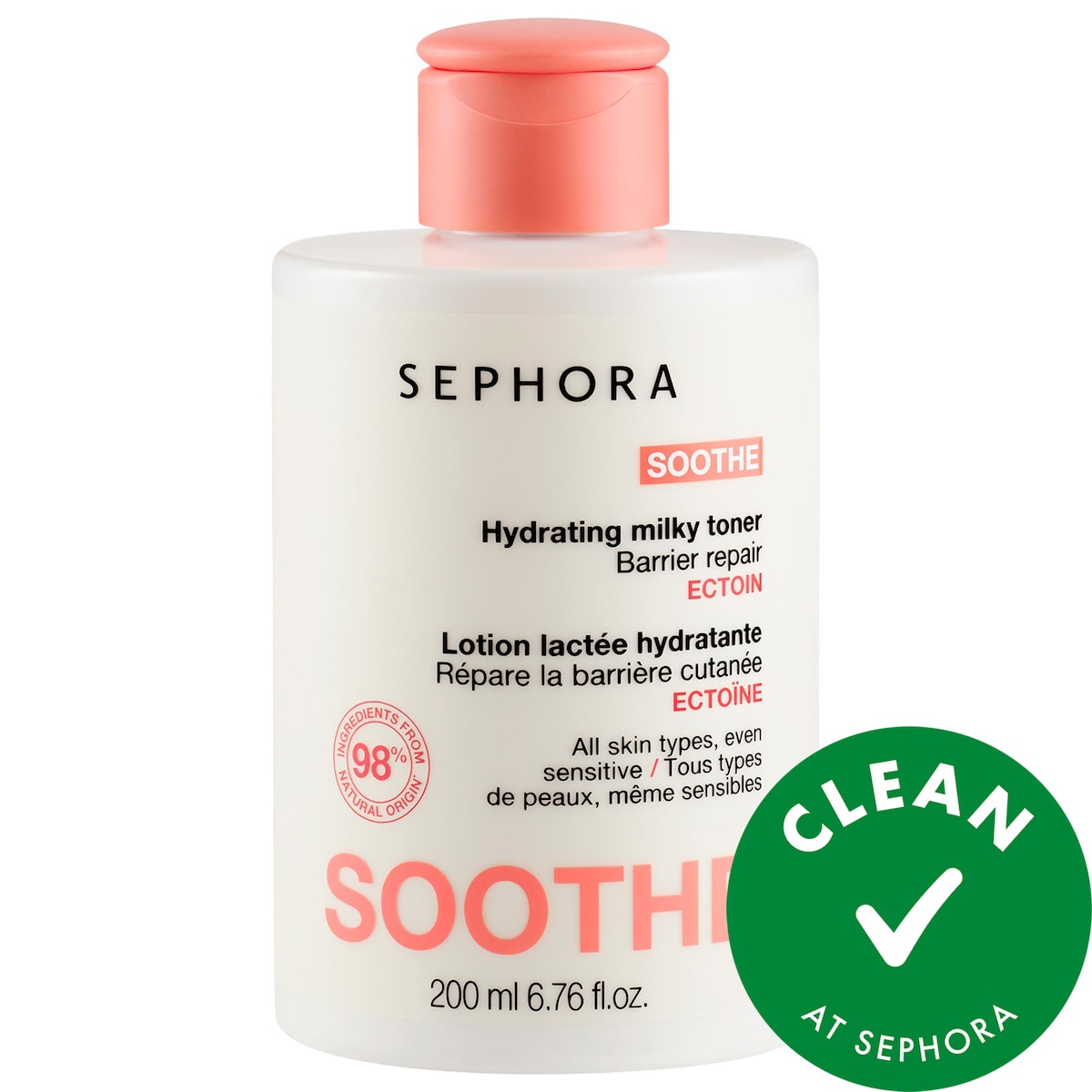
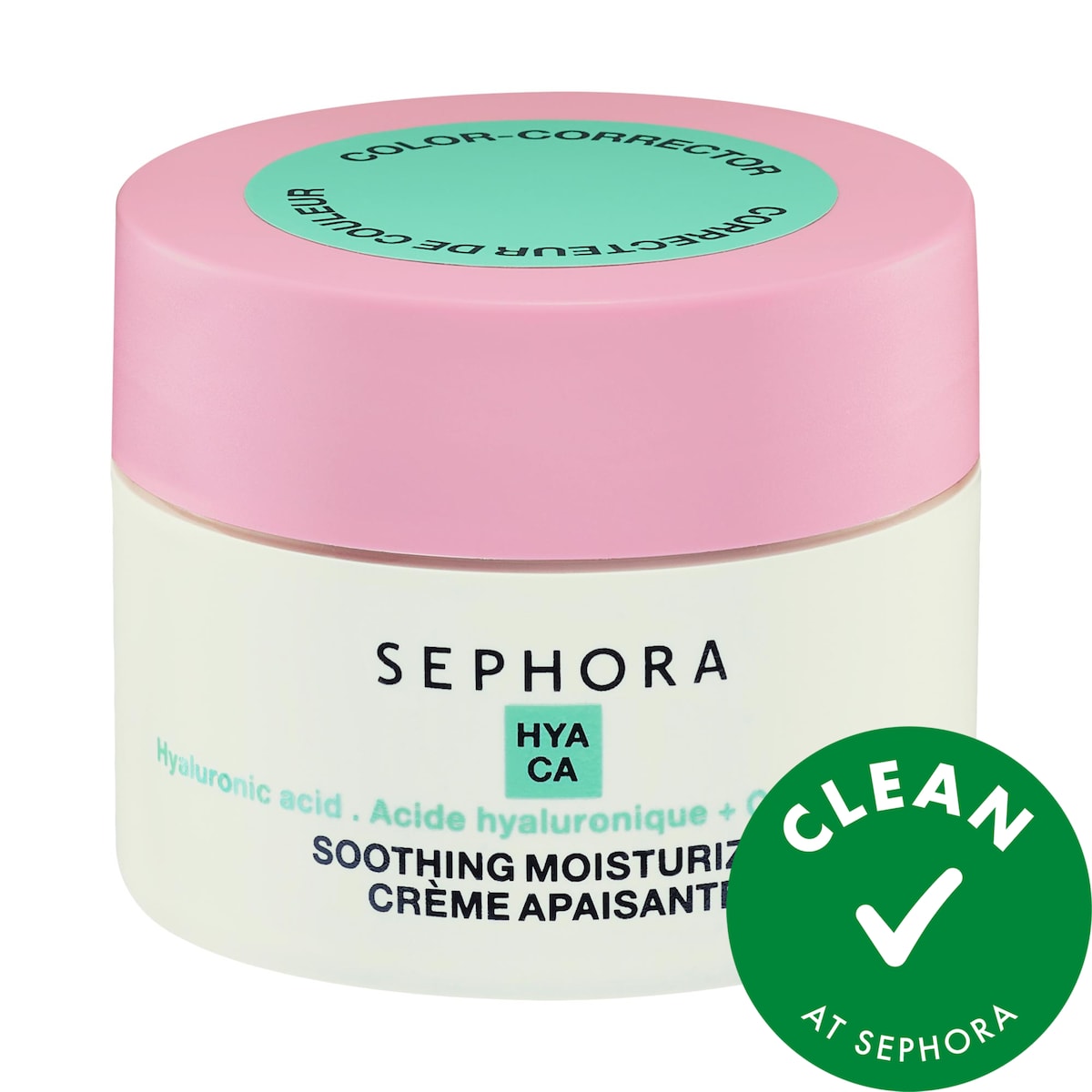
Sephora Collection Soothing Moisturizer with Hyaluronic Acid looks like a simple green-tinted cream at first. That is part of the appeal. It is not trying to look clinical. It is not pretending to be a luxury barrier treatment. It is a daily moisturizer for normal, dry, and combination skin that wants hydration, a softer-looking surface, and a little redness-neutralizing help.
As of May 2026, the product is listed at $20 for 1.69 oz / 50 mL at Sephora. The current product data shows a rating a little above 4.0 with more than 200 reviews, and the review pattern is not really about miracle repair. It is about whether the cream makes mild redness, tightness, and morning texture easier to live with.
My read is straightforward: I would consider it if my skin gets pink, tight, or mildly dry and I want a daytime cream that does not feel precious. I would skip it if my skin is very oily, very dry, actively burning, or if shea-butter-containing creams tend to clog me.
The useful question is not whether the jar is good for everyone. It is whether your redness problem is a moisturizer problem, a makeup-prep problem, or a routine-that-is-too-harsh problem.
The quick answer
Sephora Collection Soothing Moisturizer with Hyaluronic Acid is a good fit for someone who wants a budget-friendly daily moisturizer with hydration, centella asiatica, and a green tint that can soften the look of mild redness before sunscreen or makeup.
It is not the moisturizer I would buy for severe dryness.
It is not the moisturizer I would buy for an oily, breakout-prone routine that hates richer creams.
It is the moisturizer I would look at when my routine needs to calm down and stop costing $60 every time I run out of basics. I would not use it as a shortcut around burning, flushing, painful irritation, or a routine packed with too many strong actives.
That sounds boring. In skincare, boring can be valuable.
Product snapshot
| Detail | Sephora Collection Soothing Moisturizer with Hyaluronic Acid |
|---|---|
| Product page | Glass product page |
| May 2026 price | $20 |
| Size | 1.69 oz / 50 mL |
| Sephora SKU | 2693430 |
| Product ID | P509965 |
| Skin types listed | Normal, dry, and combination |
| Main concerns listed | Dryness, redness, uneven texture |
| Highlighted ingredients | Hyaluronic acid and centella asiatica |
| Texture lane | Cream with a green color-correcting tint |
| Best routine slot | Morning moisturizer under sunscreen or makeup |
| Main watchout | Can feel too creamy if you want oil-free mattifying moisture |
The price is the first reason this product gets attention.
At $20, it can compete with drugstore and midrange moisturizers without asking you to treat it like a special occasion product. That matters if you actually use moisturizer every morning. A product you ration too carefully is rarely the product that fixes routine consistency.
But the price is not the reason to buy it.
The reason to buy it is that your morning routine needs a cream that makes tight, pink, uneven-looking skin feel less exposed before SPF. If that is not the problem, a cheaper jar can still be the wrong jar.
What the product is trying to do
This moisturizer is trying to make irritated-looking skin look less loud.
That is different from repairing a damaged barrier overnight. It is different from treating rosacea. It is different from controlling acne. The product is more modest than that. It combines a hydrating cream base with centella asiatica and green pigment, then positions itself as a redness-aware moisturizer you can use in the morning before makeup.
I like that the job is visible.
Some moisturizers make a dozen claims and still leave you wondering where they belong. This one belongs in the morning when your skin looks pink, tight, or uneven and you want the moisturizer step to do a little visual softening before the rest of the routine. I would also use it on low-maintenance makeup days when I want less redness showing through but do not want to start with a separate primer.
That does not mean the green tint replaces coverage. It does not. It just gives the cream a reason to exist beyond "hydrating moisturizer number twelve."
I would keep the expectation small: calmer-looking skin, easier sunscreen application, and a softer base. Not erased redness. Not treatment-level change. Not a replacement for a dermatologist if the redness is hot, painful, bumpy, or persistent.
The ingredient story in plain English
The formula is more cream-like than gel-like.
The early ingredient list includes water, C15-19 alkane, dicaprylyl ether, pentylene glycol, glycerin, polyglyceryl-3 distearate, shea butter, sodium acrylates copolymer, glyceryl stearate, tribehenin, vegetable oil, propanediol, cetearyl alcohol, lecithin, centella asiatica extract, green pigment, and sodium hyaluronate.
That tells me a few things.
This is not a watery gel cream. It has emollients and shea butter, so I would expect more cushion than a featherlight oil-free moisturizer. It also has glycerin, propanediol, pentylene glycol, and sodium hyaluronate, which gives it a hydration base. Centella asiatica supports the calming story, while chromium oxide greens gives the product its color-correcting angle.
The cleaner way to read it:
| Ingredient lane | What stands out | What it means for routine fit |
|---|---|---|
| Hydration | Glycerin, propanediol, pentylene glycol, sodium hyaluronate | Helps with tightness and daily moisture |
| Cushion | C15-19 alkane, dicaprylyl ether, shea butter, cetearyl alcohol | Makes it feel more like a cream than a gel |
| Redness-aware support | Centella asiatica extract and green pigment | Better for visible pinkness than plain moisturizers |
| Skin feel | Boron nitride and texture helpers | Helps the cream sit more smoothly |
That mix is why I would not call it universal. The product is affordable, but it is still specific. If your skin likes creams, this can make sense. If your skin breaks out whenever shea butter appears near the top of an ingredient list, I would be cautious.
The green tint is useful, but only if you expect the right thing
Green-tinted skincare can be disappointing when people expect makeup-level correction.
This is still moisturizer. The green is there to soften the look of redness, not erase it completely. If your cheeks are mildly pink after cleansing, it may help the face look more even before sunscreen. If your redness is intense, textured, hot, or persistent, a tinted moisturizer or concealer will usually do more visually.
I would use the tint as a small routine helper.
That means:
- apply a thin layer
- let it settle before sunscreen
- do not keep adding more just to chase coverage
- use makeup only where the redness still needs it
Too much green-tinted cream can create its own problem. The face can start looking muted, gray, or strangely flat, especially if your skin tone is deeper or warmer. A small amount is the cleaner test.
Who I think will like it
I would put this in front of someone who says:
- my skin looks pink after I wash it
- my cheeks get tight but heavy creams annoy me
- I want a daytime moisturizer under SPF
- I do not want to spend $50 on a basic cream
- I like the idea of a little color correction
- my skin is normal, dry, or combination
- my routine has too many active steps and needs a calmer base
That last one matters.
Many people do not need a more exciting moisturizer. They need a moisturizer that makes the rest of the routine easier to tolerate. If you are using vitamin C, retinoids, exfoliating acids, acne treatment, or brightening serums, the cream step should not try to compete with all of that. It should make the skin feel less tense so you can keep the routine steady.
This is where Sephora Collection makes sense. It is not trying to be the star. It is trying to be the supporting step you actually finish.
Who should skip it
I would skip it if my skin were very oily.
Not because oily skin can never use cream. Oily skin still needs moisture. But this formula is not positioned like an oil-free mattifying gel. It contains shea butter and several emollients, so the finish may be more comfortable than shine-controlled.
I would also skip it if:
- richer creams usually clog you
- your skin is actively stinging or burning
- you need a heavy night cream for flaky skin
- you want a moisturizer to treat acne
- you dislike color-correcting skincare
- green-tinted products make your skin look dull
- you already own a plain moisturizer that behaves perfectly
That last point is not talked about enough. If your current moisturizer is cheap, calm, and reliable, you do not need to replace it just because this one is popular. The right product is the one that gets used without drama.
How it compares to nearby options
The most useful comparison is not "is this the best moisturizer at Sephora?"
The better question is "what kind of moisturizer slot am I trying to fill?"
| Product | Image | Best fit | Main reason to choose it |
|---|---|---|---|
| Sephora Collection Soothing Moisturizer |  | Normal, dry, or combination skin with mild redness | $20 cream with hyaluronic acid, centella, and green tint |
| Sephora Collection Hydrating & Mattifying Gel Cream |  | Oily or shiny skin that wants a lighter feel | Oil-free gel-cream lane with a mattifying angle |
| The INKEY List Omega Water Cream | 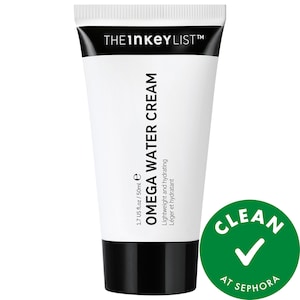 | Oily, combination, or blemish-prone skin | Lower-cost oil-free moisturizer with 5% niacinamide |
| Skinfix Barrier Restoring Gel Cream | 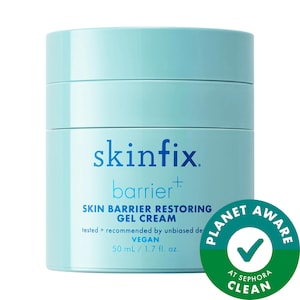 | Combination or oily skin that wants more barrier support | More expensive gel-cream with niacinamide, peptides, and barrier lipids |
| LANEIGE Water Bank Blue Hyaluronic Cream | 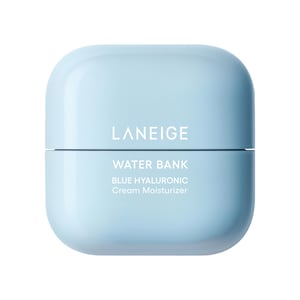 | Normal-to-dry skin that wants a cushier hydration cream | More plush hydration with squalane, panthenol, and ceramide NP |
This is how I would choose.
Choose Sephora Collection Soothing Moisturizer if redness and daily comfort are the problem.
Choose the Sephora Collection oil-free gel cream if shine is the problem.
Choose The INKEY List if you want the cheapest oil-aware daily cream.
Choose Skinfix if you want a more targeted barrier-and-pore gel cream and you are willing to pay more.
Choose LANEIGE if your skin is dry enough that the Sephora cream may feel too plain.
Under sunscreen
This is the test that matters most.
A morning moisturizer does not win at the sink. It wins two hours later, when sunscreen has settled, the face has moved, and the forehead is deciding whether it wants to shine.
I would test Sephora Collection Soothing Moisturizer under sunscreen for three mornings before deciding.
Morning one: apply a thin layer, wait a few minutes, then use sunscreen only.
Morning two: use it under sunscreen and makeup.
Morning three: use it only on the red or tight areas, then use a lighter moisturizer or no moisturizer on the oilier zones.
Combination skin often does better with placement than with loyalty. You do not have to use the same amount everywhere. If your cheeks like this cream and your forehead does not, that is useful information.
Under makeup
The product page specifically positions it as a prep step before foundation, and that is one of the better reasons to try it.
The green tint can reduce how much coverage you feel tempted to apply. The cream base can make makeup sit more comfortably over dry patches. The risk is using too much and making foundation slide or separate.
My rule would be simple: use less than you think.
Let it settle. Then apply sunscreen. Then decide whether foundation still needs a full layer. If the moisturizer does its job, you may only need coverage around the nose, center cheeks, or the specific areas that stay pink.
That is where the $20 jar becomes practical. It can make the morning routine slightly easier without asking you to buy a separate redness primer.
For redness-prone skin
Redness-prone skin needs a boring routine more often than it needs a dramatic one.
The American Academy of Dermatology recommends keeping skin care gentle when skin is sensitive or acne-prone, and moisturizer can help reduce dryness from treatment routines. That is the bigger context here. If your skin is always pink because the routine is too harsh, a green-tinted cream is not the whole fix. The fix may be fewer actives, a gentler cleanser, better sunscreen consistency, and a moisturizer that does not make the skin feel punished.
Sephora Collection Soothing Moisturizer can be part of that calmer routine.
It should not be the only answer if redness comes with burning, flushing, bumps, or persistent irritation. That is when the better move is to simplify and consider professional help instead of layering more products over an angry face.
For dry skin
Dry skin may like this if the dryness is mild.
The cream has humectants and emollients, which makes it more comforting than a thin gel. But I would not expect it to behave like a rich balm. If your skin flakes, cracks, or feels tight again an hour after moisturizing, this may not be enough.
For dry skin, I would use it one of two ways.
Daytime: thin layer under sunscreen when you want hydration and a softer look.
Nighttime: only if your skin does not need heavier recovery.
If the night routine needs more cushion, I would move to a richer cream rather than forcing this one to do a job it was not built to do.
For combination skin
Combination skin is probably the most natural fit.
That is because combination skin usually has two competing needs: cheeks that want comfort and a T-zone that does not want more shine. A middle-weight cream can work if you stop applying it like your face is one uniform surface.
Use more on the cheeks.
Use less on the forehead, nose, and chin.
Skip the T-zone entirely if sunscreen already gives enough moisture there.
That is not being fussy. That is how you keep a product from failing just because one part of the face needed a different amount.
For acne-prone skin
I would be cautious, not scared.
Acne-prone skin can use moisturizer. It often should. The problem is choosing a texture that makes you stop using it after three days because the finish feels too rich or because new closed comedones start showing up.
This formula includes shea butter and emollients, so I would patch test if rich creams have been a problem for you. I would not introduce it the same week as a new acne treatment, exfoliating acid, or retinoid. If a breakout happens, you will not know which product caused the issue.
If acne and oiliness are your main problems, The INKEY List Omega Water Cream or Sephora Collection Hydrating & Mattifying Oil-Free Gel Cream may be cleaner first tests.
How I would test it for one week
I would keep the test boring.
No new exfoliant. No new serum. No new sunscreen. No new foundation.
Just the moisturizer.
| Day | Test |
|---|---|
| 1 | Patch test near the jaw or cheek where you usually react |
| 2 | Use a thin layer at night after cleansing |
| 3 | Use a thin layer in the morning under sunscreen |
| 4 | Try it under sunscreen and makeup if you wear makeup |
| 5 | Use more on dry or red areas, less on oily areas |
| 6 | Check for new bumps, shine, pilling, or tightness |
| 7 | Decide whether it makes the routine easier |
That final question is the one I trust most.
Did it make the routine easier?
If yes, it belongs. If no, the price does not matter.
The mistake I would avoid
I would not buy this because the word "soothing" sounds like a guarantee.
Soothing is a direction, not a promise. Your skin still decides. Centella can be a nice signal. Hyaluronic acid can be useful. Green tint can soften redness. But no product name can tell you how your face will respond after three mornings under sunscreen.
I would also avoid treating it like a treatment for persistent redness. If your redness is intense, painful, hot, or spreading, do not keep shopping around it. A calmer routine and professional evaluation are better than guessing.
The bottom line
Sephora Collection Soothing Moisturizer with Hyaluronic Acid is worth considering if you want a $20 daily cream that hydrates, softens the look of redness, and works as a simple morning prep step.
It is most interesting for normal, dry, and combination skin that wants a little comfort without spending prestige-moisturizer money.
It is less interesting for very oily skin, very dry skin, acne-prone skin that clogs easily from richer creams, or anyone who expects the green tint to replace makeup.
I like it best as a calm middle step: not the lightest gel, not the richest cream, not a miracle, not a splurge. Just a practical moisturizer with a visible job.
That is enough if the job is the one your routine actually needs.
FAQ
Is Sephora Collection Soothing Moisturizer good for redness?
It can be useful for mild visible redness because it includes centella asiatica and a green tint that can soften the look of pinkness. I would not treat it as a medical redness treatment or rely on it for persistent flushing, burning, or irritation.
Is it good under makeup?
Yes, that is one of the better use cases. Use a thin layer, let it settle, apply sunscreen, then use makeup where you still want coverage. Too much product can make base makeup slide.
Is it good for oily skin?
I would not make it my first pick for very oily skin. It is more cream-like than oil-free gel-like. If your face gets shiny fast, the Sephora Collection Hydrating & Mattifying Oil-Free Gel Cream or The INKEY List Omega Water Cream may fit better.
Does it have hyaluronic acid?
Yes. The ingredient list includes sodium hyaluronate, a salt form of hyaluronic acid, along with glycerin and other hydration-supporting ingredients.
Is it fragrance-free?
The local ingredient data and INCIDecoder listing do not show fragrance or essential oils in the ingredient list. Still, always check the box or current retailer listing before buying because formulas and regional listings can change.
Is it worth $20?
It is worth $20 if it solves a real daytime moisturizer problem: mild redness, tightness, makeup prep, or a need for a calmer cream under sunscreen. It is not worth buying if your current moisturizer already does that job well.
Useful references: Sephora Collection Soothing Moisturizer, INCIDecoder ingredient breakdown, and AAD acne-prone skin moisturizer guidance.