Some night masks are just heavy moisturizers with better names.
This one is more specific.
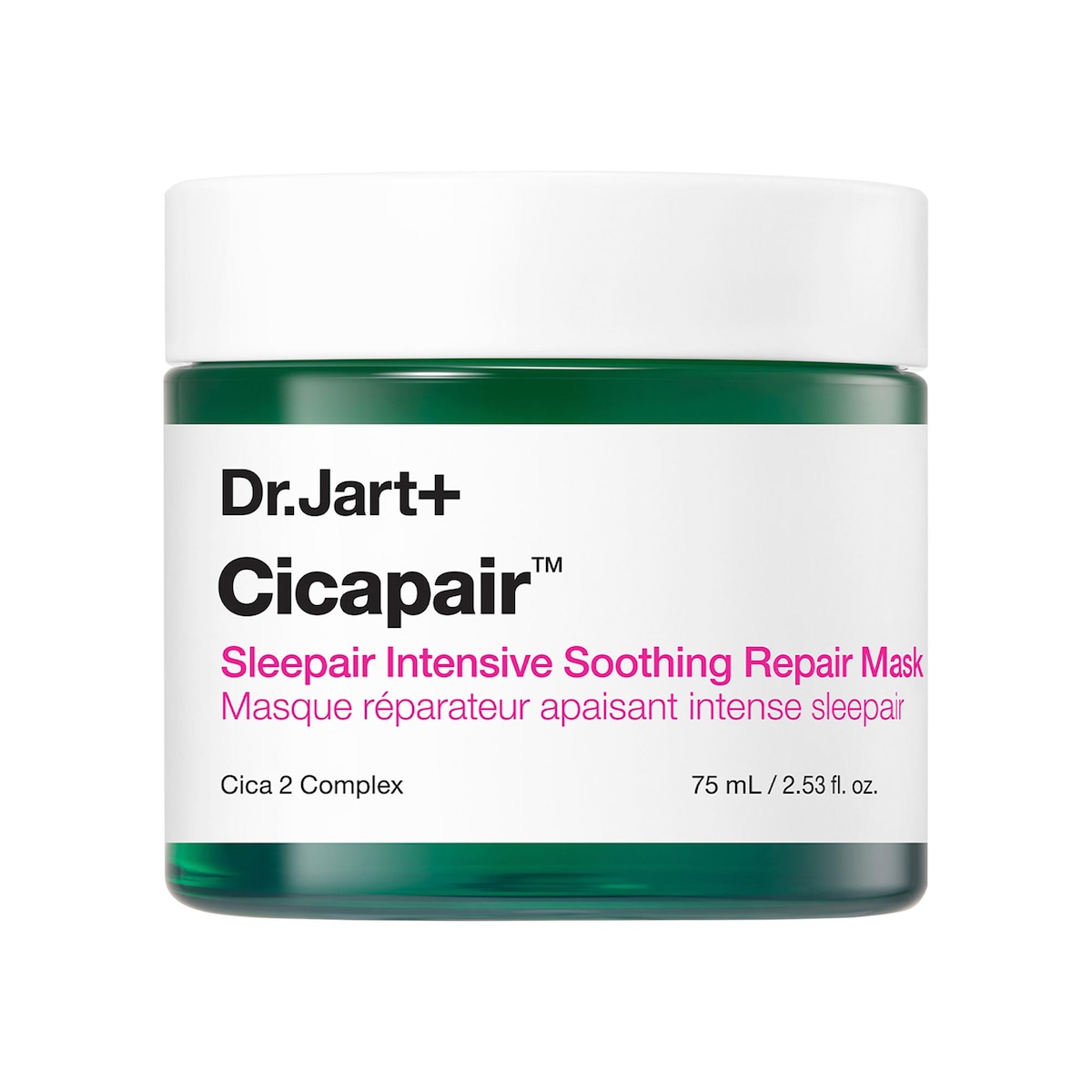
Dr. Jart Cicapair Tiger Grass Sleepair Intensive Night Mask sits in that uncomfortable middle lane: skin feels irritated, tight, dull, or red-looking, but a thick cream feels like too much. You want the comfort of an overnight mask without waking up stuck to your pillow.
That is the promise I would judge it by.
Not whether it sounds calming. Not whether the jar looks clinical. Whether it can make a stressed night routine feel easier without turning the face into a greasy layer cake.
As of May 2026, Sephora lists the mask at $45 for 2.53 oz / 75 mL. The Glass product data shows a modest review signal around 3.4 from 75 reviews, which is exactly why I would not buy it blindly. The formula story is appealing, but the fit is narrow.
The short version: I would consider Cicapair Sleepair if my skin felt red-looking, dry, dull, or over-handled at night, especially after too much cleansing, weather exposure, or a routine that got too active. I would skip it if my skin is very clog-prone, hates silicone-rich gel textures, or needs a truly rich barrier cream instead of a leave-on sleeping mask.
What this mask is trying to be
Dr. Jart positions Cicapair Sleepair as an overnight mask for softness, radiance, dryness, dullness, uneven texture, and visible redness. The product belongs to the Cicapair family, so the emotional promise is calm skin by morning.
The ingredient story backs that up in a focused way. The formula includes centella asiatica leaf extract, asiaticoside, madecassic acid, asiatic acid, allantoin, niacinamide, glycerin, trehalose, and a flexible silicone-gel base. That reads less like a classic buttery cream and more like a soft sleeping seal.
That distinction matters.
If your skin wants cushion, you may prefer a richer cream. If your skin wants a cool-feeling final layer that sits over serum and moisturizer, this mask makes more sense.
The May 2026 snapshot
| Product | Image | Price | Best fit |
|---|---|---|---|
| Dr. Jart Cicapair Sleepair Intensive Night Mask | 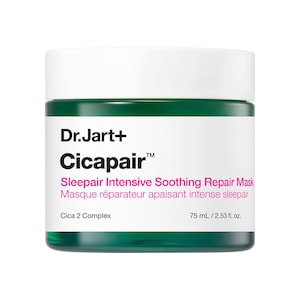 | $45 | Red-looking, dry, dull, or stressed skin that wants a leave-on overnight comfort layer |
I would not treat this like a universal moisturizer. It is a last-step product.
That means it has to earn its place after the normal routine. If your routine already ends with a cream that works, the mask has to add something useful: less tightness, a calmer-looking morning, less rough texture, or a more comfortable overnight seal.
If it only adds heaviness, it is not doing enough.
Why tiger grass products get attention
Tiger grass is the common marketing name for centella asiatica, often shortened to cica. In skincare, centella-focused products usually get positioned around visible redness, sensitivity, and barrier support.
I like that lane when the routine has become too aggressive.
Think of the nights when your face feels hot after cleansing, your cheeks look flushed, or your moisturizer disappears in ten minutes and leaves the skin tight again. That is when a cica sleeping mask starts to sound useful. Not because it replaces sunscreen, acne treatment, or a dermatologist. Because it can give the routine a quiet final step.
The key is not turning "calming" into a reason to over-layer. A soothing mask can still be too much if the rest of the routine is already crowded.
The texture question
Texture is the whole decision here.
Allure's review described the mask as jelly-like and protective rather than greasy, with enough presence to feel like a coating without making the pillow situation miserable. That lines up with what I would expect from the ingredient list: a gel-silicone overnight finish, not a classic balm.
That can be excellent if you dislike heavy creams.
It can also be wrong if you want a product that fully sinks in and disappears. Sleeping masks often leave a perceptible layer. That layer is part of the point. The issue is whether the layer feels comforting or annoying.
I would test it on a normal weeknight, not before an important morning. Use it when you can actually notice whether your skin feels better the next day.
Who I think it is for
I would put this mask in front of someone who says:
- my cheeks look red by the end of the day
- my skin feels tight even after moisturizer
- I want a nighttime layer that does not feel like ointment
- my routine got too active and I need a calmer week
- I like cica products but want something more cushiony than a serum
- my skin looks dull when it is irritated
That person may get real use from it.
The strongest fit is not "I want perfect skin overnight." The strongest fit is "I need my routine to stop making my face feel irritated."
Who should skip it
I would skip Cicapair Sleepair if your main issue is deep acne, clogged pores, or blackheads. It can sit in an acne-prone routine if your skin tolerates it, but it is not an acne treatment.
I would also skip it if your skin hates leave-on sleeping masks. Some people simply do not like that final-layer feeling. No ingredient list fixes a texture you will avoid.
Skip it if:
- your current moisturizer already solves dryness
- you need a lighter morning gel, not a night mask
- your skin gets congested from occlusive-feeling layers
- you want a fragrance-heavy spa mask experience
- you need prescription-level redness or rash care
- your redness is burning, scaling, spreading, or painful
That last point matters. Red-looking skin can come from irritation, rosacea, dermatitis, allergy, acne, sun exposure, or a damaged barrier. A night mask is not a diagnosis.
How I would use it the first week
I would not add this mask on the same night as a new exfoliant, retinoid, vitamin C, peel pad, or acne treatment.
Use it in a quiet routine:
- Gentle cleanser.
- Hydrating or calming serum if already tolerated.
- Moisturizer if your skin needs it.
- Thin layer of Cicapair Sleepair.
- Rinse or cleanse lightly in the morning.
Dr. Jart's Sephora directions place it as the last step of the nighttime routine after cleansing, toning, serum, and moisturizer. I would follow that structure, but I would keep the layer thin at first.
More mask is not automatically more repair.
The moisturizer question
Do you need moisturizer under it?
Maybe.
If your skin is oily or combination, the mask may be enough over a light serum. If your skin is dry, the mask may work better over moisturizer because it can act like a final comfort layer instead of doing all the hydration work alone.
This is how I would decide:
| Skin behavior | How I would test it |
|---|---|
| Oily but red-looking | Use a thin layer over serum or bare skin after cleansing |
| Dry and tight | Use moisturizer first, then a thin layer of mask |
| Combination | Apply more on cheeks, less on T-zone |
| Reactive from actives | Pause strong actives and use it in a simple routine |
| Clog-prone | Test on two or three nights, not nightly from day one |
The best use is often strategic. You do not have to turn it into a nightly identity.
Cicapair Sleepair versus Cicapair Cooling Gel Moisturizer
The Dr. Jart Cicapair Cooling Gel Moisturizer is the more obvious daily moisturizer. It is lighter, more daytime-friendly, and easier to place before sunscreen.
Cicapair Sleepair is the night mask. It is the product I would use when the routine needs a last step, not just a moisturizer slot.
| If you need... | I would start with... |
|---|---|
| Daytime redness comfort | Cicapair Cooling Gel Moisturizer |
| A last-step overnight layer | Cicapair Sleepair |
| Something under sunscreen | Cooling Gel Moisturizer |
| A recovery-feeling night routine | Sleepair |
| Less product weight overall | Cooling Gel Moisturizer |
That split makes the buying decision cleaner. Do not buy the mask when what you really need is a daytime gel cream.
Cicapair Sleepair versus a rich barrier cream
A rich barrier cream is usually better when the skin feels cracked, flaky, winter-dry, or stripped from prescription acne treatment. A sleeping mask is better when you want a softer final layer without the heaviness of a balm.
If your face burns with plain moisturizer, I would simplify and consider clinician guidance before adding more products. If your face is just tight and dull, a sleeping mask may be reasonable.
The mistake is using a mask to avoid fixing the routine underneath it.
If your cleanser is too harsh, change the cleanser. If your retinoid schedule is too aggressive, reduce the schedule. If your sunscreen dries you out every morning, look at the sunscreen. Cicapair Sleepair may help the night routine feel better, but it should not be asked to clean up every bad decision.
The redness caveat
Redness is a symptom, not a skin type.
Mild redness from dryness or overdoing products is different from persistent flushing, painful rash, rosacea-like bumps, allergic contact dermatitis, or a reaction that keeps spreading. If redness burns, flakes badly, swells, crusts, or keeps coming back in the same pattern, a product review is not enough.
For ordinary routine redness, I would focus on boring consistency:
- gentle cleanser
- fewer actives
- moisturizer that does not sting
- sunscreen every morning
- no scrubbing
- no panic exfoliation
- one recovery-style product at a time
That is where Cicapair Sleepair can fit. It is a supporting step, not the whole plan.
What I would watch overnight
The first night should teach you something.
I would watch for:
- whether it stings on contact
- whether the layer feels sticky after 30 minutes
- whether it transfers heavily to the pillow
- whether skin feels softer or calmer in the morning
- whether the T-zone looks congested after repeated use
- whether sunscreen sits better the next day because skin is less tight
One good night does not prove it is perfect. One bad night does not prove the product is useless for everyone. You are looking for pattern, not drama.
What to pair it with
Pair it with quiet products.
The mask makes the most sense after a gentle cleanser, a hydrating serum, or a simple moisturizer. It makes less sense after a routine full of strong acids, retinoids, benzoyl peroxide, scrubs, and peel pads.
If you want a routine app to keep the test clean, use Glass or the skincare routine order guide to track what changed. The goal is to know whether the mask helped, not to bury it under six other new variables.
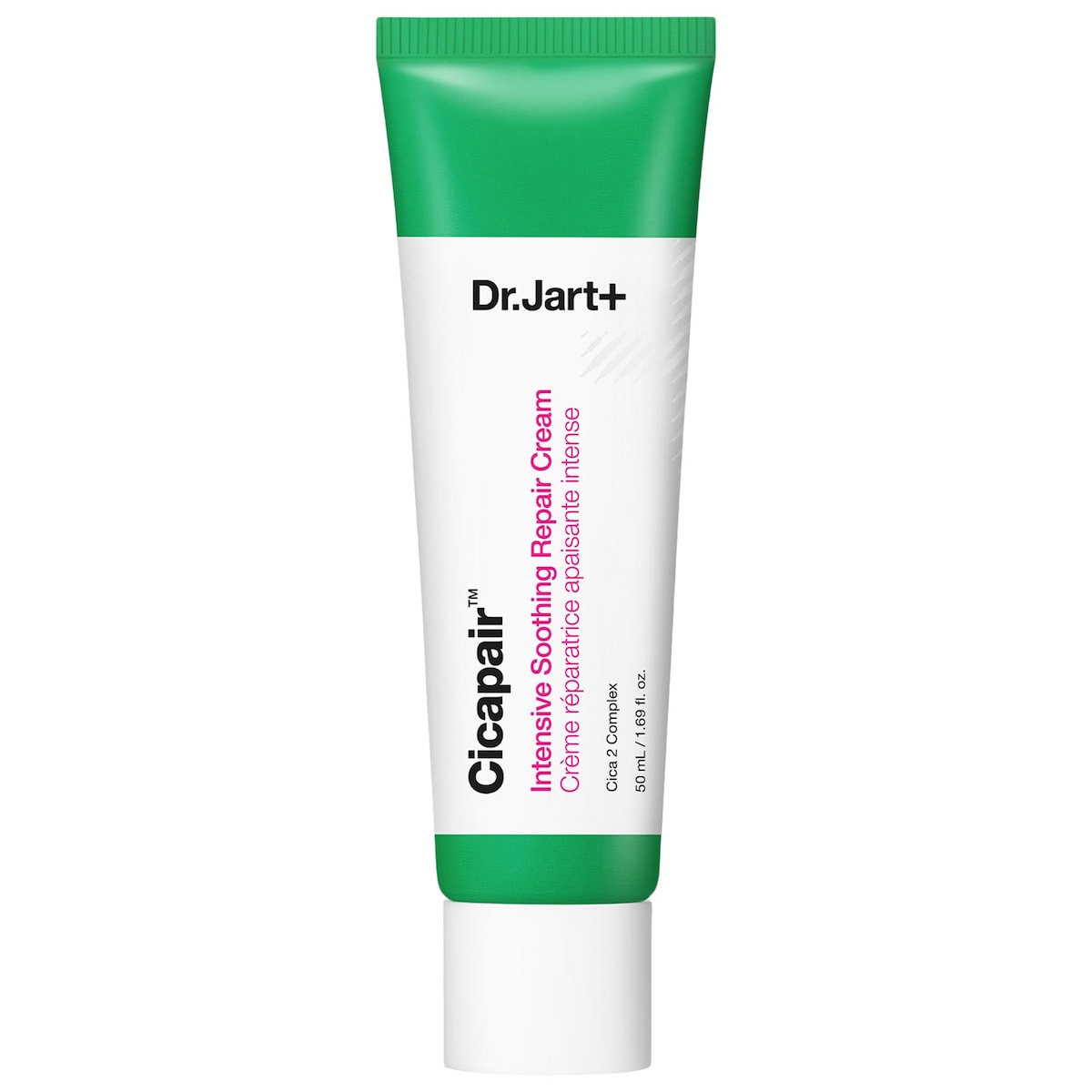
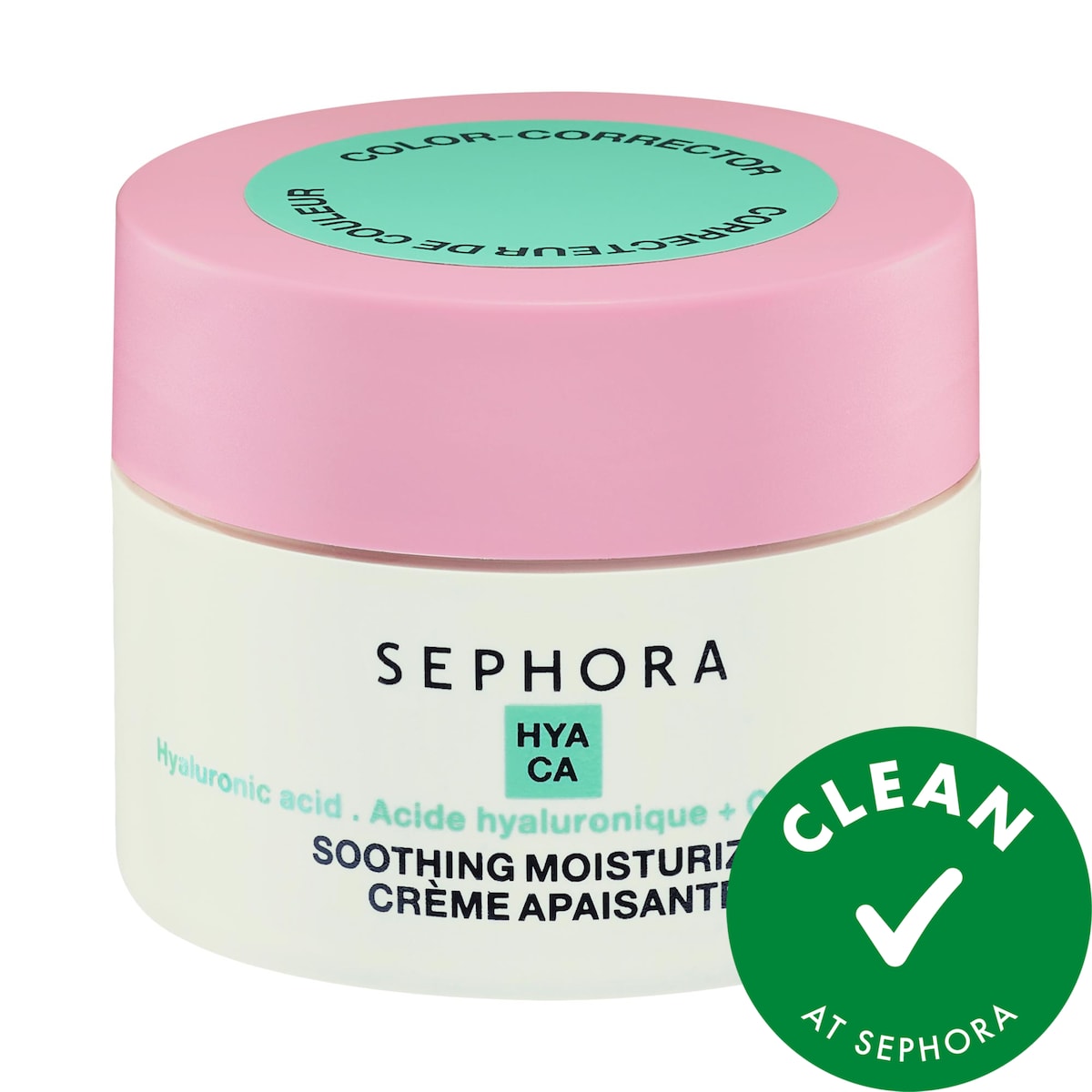
I would also compare it with Sephora Collection Hydrating Milky Toner if the main issue is tightness after cleansing. Sometimes a lighter water layer solves the problem before you need an overnight mask.
When I would use it
I would use Cicapair Sleepair on nights when the skin feels worn down.
After travel. After too much sun exposure, once the skin is not burned or medically concerning. After a windy day. After a drying cleanser mistake. During a week when the routine needs fewer actives and more comfort.
I would not use it as permission to keep irritating my skin.
That is the difference between recovery and dependency. A mask should help the routine feel steadier. It should not be the only thing preventing the routine from falling apart.
The price question
At $45, this is not an impulse moisturizer for me.
I would buy it if I already knew I liked cica products, liked overnight masks, and needed a dedicated nighttime comfort layer. I would hesitate if I was new to both cica and sleeping masks, because then I would be testing two things at once: ingredient lane and texture format.
If budget matters, start with the product role. Do you need a calming moisturizer, a hydrating toner, a barrier cream, or a sleeping mask? The answer changes what "worth it" means.
For Cicapair Sleepair, the value is strongest when you use it two or three nights a week and it visibly makes the routine feel calmer. It is weaker if it becomes a jar you only use when you are confused.
The review split makes sense
I am not surprised the review signal is mixed.
Sleeping masks are polarizing. People who love a soft overnight coating may find it comforting. People who hate residue may feel trapped under it. People with dry skin may want more richness. People with oily skin may worry about congestion. People with persistent redness may need more than a cosmetic product can give.
That does not make the mask bad.
It means the product is not for a vague shopper. It is for someone who knows they want an overnight calming layer and likes a gel-mask finish.
FAQ
Is Dr. Jart Cicapair Sleepair good for redness?
It can be a good comfort layer for mild red-looking, dry, or irritated-feeling skin, especially when the rest of the routine is simple. Persistent, painful, swollen, burning, or rash-like redness should be checked by a clinician.
Is it a moisturizer or a mask?
It is a leave-on night mask. Some people may use it in place of moisturizer, but I would treat it as the final step and decide based on skin type. Dry skin may still want moisturizer underneath.
Can acne-prone skin use it?
Acne-prone skin can try it carefully, but I would test a thin layer a few nights per week first. It is not an acne treatment, and clog-prone skin should watch for new congestion.
Should I rinse it off in the morning?
Yes, I would rinse or cleanse lightly in the morning, then use moisturizer if needed and sunscreen. Overnight masks are meant to stay on while you sleep, not replace morning SPF.
Is it better than the Cicapair Cooling Gel Moisturizer?
Not universally. The Cooling Gel Moisturizer is easier for daytime and under sunscreen. Sleepair is better when you want a last-step overnight mask.
Bottom line
Dr. Jart Cicapair Tiger Grass Sleepair Intensive Night Mask is most useful when your skin needs a calm final layer at night, not another aggressive treatment.
I would buy it for mild redness, tightness, dullness, or a stressed routine that needs comfort without a heavy balm. I would skip it for active medical-looking redness, very clog-prone skin, or anyone who already knows they hate sleeping-mask residue.
Use it thinly. Keep the rest of the routine boring. Judge it by how your skin feels the next morning, not by how calming the jar sounds.
Useful references: Sephora Dr. Jart Cicapair Sleepair listing, Dr. Jart Cicapair Sleepair product page, Allure Cicapair Sleepair review, and AAD sensitive skin routine guidance.