Eye cream gets overcomplicated fast.
Most of the time, the question is simpler.
Are your under-eyes dry, tight, and creasing because the skin needs comfort? Or are you expecting one small jar to fix darkness, puffiness, fine lines, makeup texture, sleep debt, and genetics at the same time?
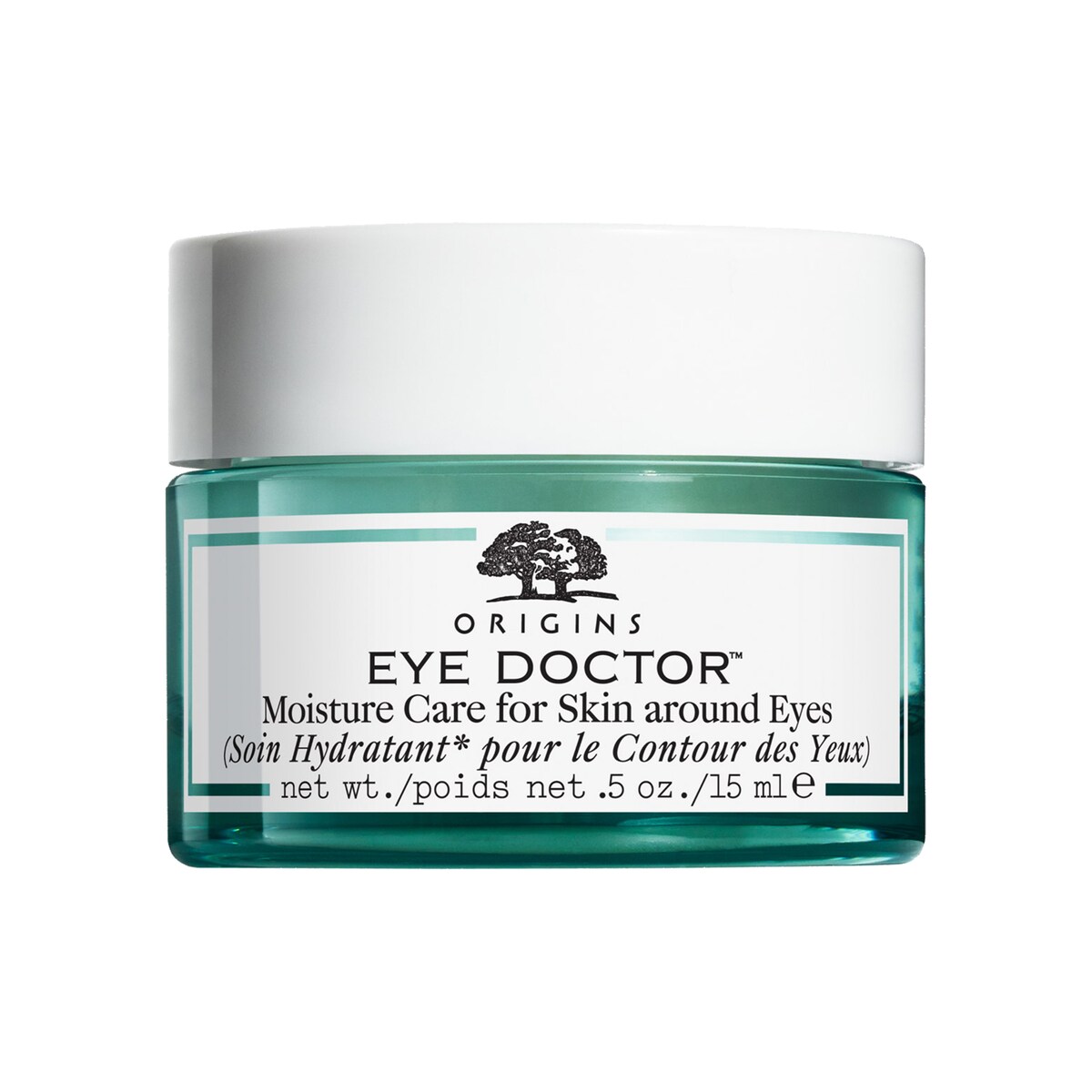
That is the line I would draw before looking at Origins Eye Doctor Moisture Care For Skin Around Eyes.
As of May 2026, Sephora lists Origins Eye Doctor at $53 sale / $54 regular for 0.5 oz / 15 mL, with 502 reviews, a large love count, and customer callouts around moisturizing, smell, and satisfaction. It is an older, familiar eye cream in a category that keeps getting louder every year.
My read is straightforward: I would consider Origins Eye Doctor if my main problem is dry-looking, tight, or makeup-catching under-eye skin and I want a cushioned cream that still feels like a daily product. I would skip it if I need a fragrance-free eye-area product, if my eyelids react easily to essential oils, or if I am looking for a dramatic dark-circle treatment.
The quick answer
Origins Eye Doctor makes the most sense as a moisture-first eye cream.
That sounds modest. It is also useful.
The under-eye area can look older, rougher, and more tired when it is simply dry. Concealer grabs. Powder settles. Fine lines look sharper. Skin feels thin and papery by the afternoon. In that situation, a comfortable cream can make the area look calmer without needing to act like a procedure in a jar.
I would not buy it because the name says "doctor." I would buy it only if the job is hydration, softness, and a smoother base around the orbital area.
That distinction protects you from disappointment.
Product snapshot
| Detail | Origins Eye Doctor Moisture Care For Skin Around Eyes |
|---|---|
| Product page | Glass product page |
| Sephora price in May 2026 | $53 sale / $54 regular |
| Size | 0.5 oz / 15 mL |
| Sephora review count | 502 |
| Best role | Moisture-first eye cream for dry-looking under-eyes |
| Texture expectation | Cushioned cream, not a watery gel |
| Main watch-out | Essential oils and fragrant components in the ingredient list |
The price is not tiny. At $53, I would want this to solve a specific daily annoyance, not just sit beside better-looking jars.
If your eye area is already happy with your regular moisturizer, this may be unnecessary. If your regular face cream creeps into your eyes, makes concealer slide, or leaves the area dry anyway, a separate eye cream starts to make more sense.
What I would use it for
I would use Origins Eye Doctor for dryness first.
Not for permanent dark circles.
Not for deep lines.
Not for swelling that comes from allergies, salt, poor sleep, or irritation.
Dryness is the cleanest use case because the formula has several comfort-oriented ingredients: butylene glycol, caprylic/capric triglyceride, squalane, glycerin, sodium hyaluronate, dimethicone, fatty alcohols, cucumber-related ingredients, green tea, centella, algae extracts, and other softening or water-binding components.
That is the part I like. The formula reads more like a moisturizing cream with supporting botanicals than a harsh active treatment. For a delicate area, that is often the smarter lane.
The catch is that "soothing-looking" ingredients do not automatically mean every reactive eye area will love it. The ingredient list also includes lemon peel oil, galbanum resin oil, benzyl salicylate, rosemary leaf extract, and other fragrant or aromatic components. Plenty of people tolerate those. Some do not.
Around the eyes, that matters more than it would on the cheek.
Who I think will like it
I would look at this if your main complaint sounds like one of these:
- under-eye skin looks dry by midday
- concealer clings to texture
- the area feels tight after cleansing
- lightweight eye gels disappear too fast
- richer balms feel too greasy under makeup
- you want a soft cream instead of a high-active treatment
That is the real customer.
Someone with dry under-eyes who wants comfort and makeup prep has a better chance with this than someone shopping for a dramatic treatment. Eye creams are often judged unfairly because the buyer wanted ten jobs from one small jar.
If the job is "make my under-eyes feel less dry," Origins Eye Doctor is at least speaking the right language.
Who should skip it
I would be careful if your eye area stings easily.
That includes people who react to scented skincare, citrus oils, botanical-heavy formulas, or eye creams that migrate. The presence of essential oils does not make the product bad. It just makes patch testing more important.
I would also skip it if you are trying to treat:
- hereditary dark circles
- deep tear trough shadow
- persistent swelling
- eczema-like irritation
- eyelid dermatitis
- active burning or peeling
- eye-area reactions from retinoids or acne medication
Those problems need a different level of caution. If your eyelids are already inflamed, I would not make a fragrant eye cream the experiment. I would simplify and consider clinician guidance if the reaction keeps returning.
The ingredient story in plain English
I would split the formula into four lanes.
| Lane | Ingredients I noticed | What that means in a routine |
|---|---|---|
| Water support | Butylene glycol, glycerin, sodium hyaluronate | Helps the area feel less tight and dry |
| Softness and cushion | Squalane, caprylic/capric triglyceride, glyceryl stearate, cetyl alcohol, dimethicone | Gives the cream body and a smoother feel |
| Botanical comfort story | Centella, green tea, cucumber, algae extracts | Supports the calm, refreshed positioning |
| Fragrance/aroma watch-out | Lemon peel oil, galbanum resin oil, benzyl salicylate, rosemary | Worth noting if your eyes are reactive |
This is why I would not call it a minimalist eye cream.
It has a lot going on. Some of that supports a more elegant, comfortable feel. Some of it increases the chance that very reactive skin says no.
If your eye area usually handles Origins products well, the formula may feel familiar. If your skin prefers bland pharmacy-style moisturizers, I would slow down.
How I would patch test it
I would not smear a new eye cream directly under both eyes on a tired night and hope for the best.
Use a boring test.
First, try a tiny amount near the outer orbital bone, not right up against the lash line. Wait. If that goes well, use it under one eye at night for a couple of days. Keep the amount small. Eye creams migrate more than people think, especially if you apply too much or layer them under a slippery face oil.
If you notice burning, watering, itching, swelling, red patches, or new roughness, stop. Do not keep using it because the jar was expensive.
The eye area gives feedback quickly. Respect it.
How much to use
Less than you want.
That is usually the answer with eye cream.
A rice-grain amount per eye is a reasonable starting point. Tap it along the orbital bone and avoid pushing it into the lash line. If you wake up with puffy or watery eyes, you may have used too much, placed it too close, or chosen the wrong formula for your eye area.
More cream does not mean more benefit. Around the eyes, more often means more movement.
I would use it at night first. If it behaves, test it under sunscreen and concealer in the morning.
Under makeup
This is one of the better reasons to use a dedicated eye cream.
Under-eye makeup fails in a few predictable ways. Concealer grabs dry skin. Powder exaggerates lines. A heavy balm makes makeup slip. A watery gel feels good for ten minutes and then disappears.
Origins Eye Doctor sits in the middle lane: a cream that should be more cushioning than a gel but less occlusive than a thick ointment. That makes it worth testing before makeup if dryness is your main makeup problem.
I would apply a small amount, wait a few minutes, then use less concealer than usual. If makeup still creases badly, the problem may be product amount, powder, skin movement, or concealer formula rather than the eye cream alone.
The dark-circle expectation
This is where I would be strict.
Do not buy a moisturizing eye cream expecting it to erase dark circles.
Dark circles can come from shadow, bone structure, thin skin, visible blood vessels, pigmentation, allergies, rubbing, sleep patterns, or plain genetics. A cream can help if dryness makes the area look duller or more creased. It cannot remodel your face or change inherited shadow.
If your under-eyes look darker because the skin is dry and textured, moisture may help the area reflect light more smoothly. If the darkness is structural, the improvement will be limited.
That is not a failure of the product. It is a mismatch between the problem and the tool.
Origins Eye Doctor vs richer eye creams
The practical comparison is not "best eye cream overall."
It is weight.
| Product lane | Image | Better for | Skip if |
|---|---|---|---|
| Origins Eye Doctor | 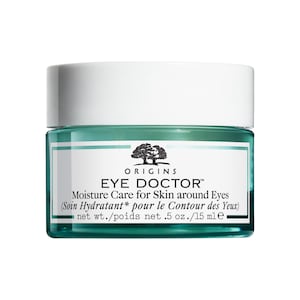 | Dryness, soft comfort, makeup prep | You need fragrance-free or very bland care |
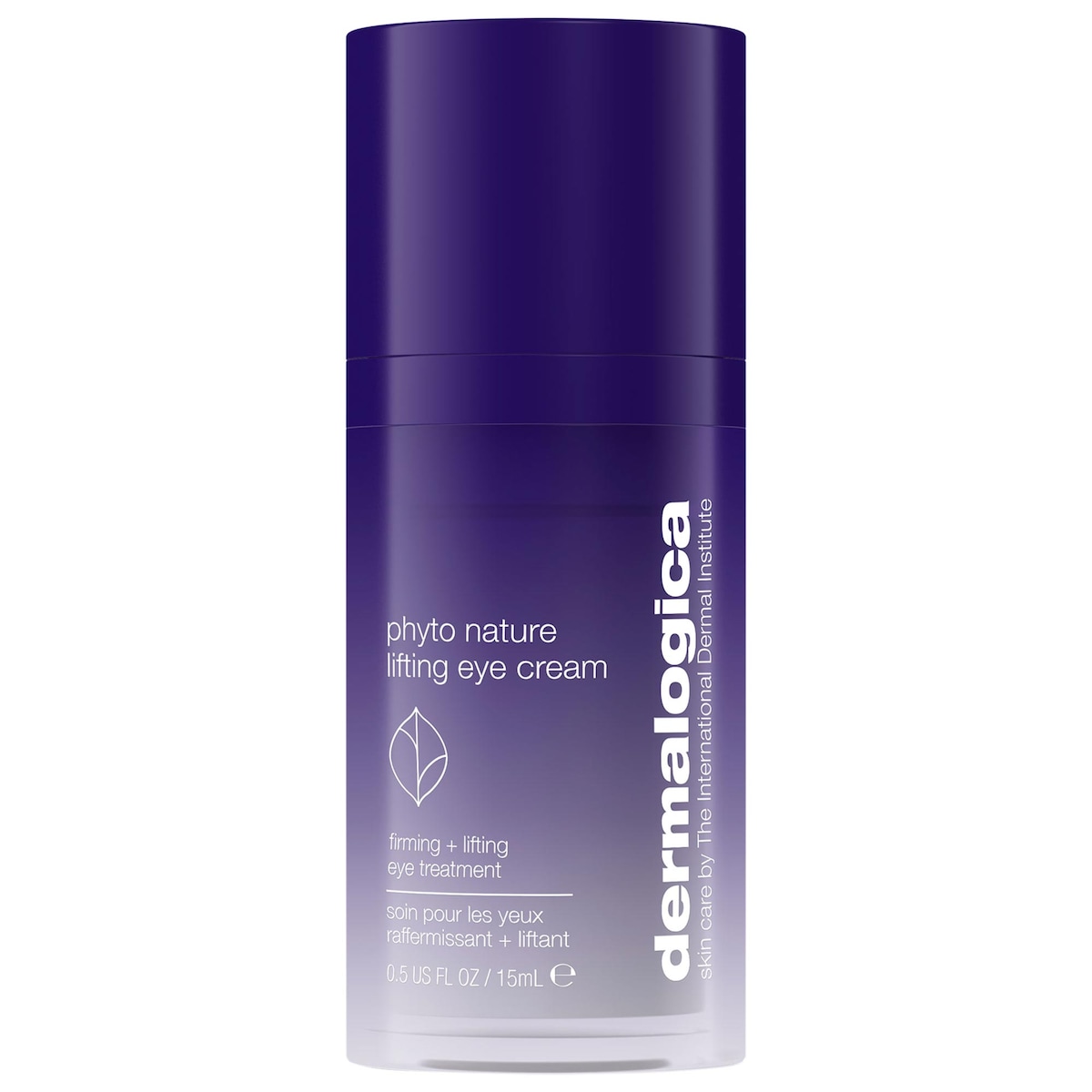
| Dermalogica Phyto Nature Lifting Eye Cream |  | A more expensive firming-positioned eye cream | You only need moisture |
| Sephora Collection Brightening Eye Cream |  | Lower-cost caffeine and hydration lane | You want a more cushioned cream |
That is the buying line.
If you only need moisture, do not pay for a lifting story. If you need a very bland product, do not ignore fragrance. If you need a lighter morning eye cream, do not buy the richest texture because the reviews sound emotional.
What about using face moisturizer instead?
Sometimes that is enough.
If your regular moisturizer does not sting, migrate, pill, or make your eyes water, you may not need a separate eye cream. A simple face moisturizer can support the orbital area for many people.
But some face creams are too active, too fragranced, too rich, too matte, or too likely to move into the eyes. That is where a separate eye cream earns its place: not because the category is magical, but because the format can be easier to control.
I would not shame either route. I would only ask which one your skin repeats without complaint.
How it fits into a routine
Morning:
- Cleanse or rinse.
- Apply serum if you use one.
- Tap a small amount of eye cream around the orbital bone.
- Moisturizer.
- Sunscreen.
- Makeup if you wear it.
Night:
- Remove makeup and sunscreen gently.
- Cleanse without scrubbing.
- Apply treatment away from the immediate eye area unless directed.
- Tap on eye cream.
- Moisturizer.
If you use retinoids, exfoliating acids, benzoyl peroxide, or strong vitamin C, keep those away from the eye area unless the product is specifically designed and tolerated there. A lot of "my eye cream burned me" stories are really "my active migrated into my eye area and the eye cream finished the argument."
The value question
At $53, Origins Eye Doctor is not the cheapest way to moisturize under-eyes.
The value depends on whether you actually finish it.
Eye cream lasts a long time when used correctly. A small jar can feel less painful if it becomes the product that stops concealer from catching and keeps the area comfortable. It feels much worse if you use it twice, decide it is just okay, and let it expire.
I would buy it only if the dry-under-eye problem is frequent enough to justify a dedicated step.
If the problem happens once a month, use what you already have.
What I would track
Use Glass to keep the test clean:
- dryness level before applying
- whether concealer sits better
- morning puffiness
- itching or watering
- redness near the outer corners
- how close you applied it to the lash line
- whether you used retinoids or acids the same night
That sounds small, but it prevents the usual skincare confusion. If your eyes water only on nights when you use a retinoid nearby, the eye cream may not be the whole problem. If they water every time you apply this product, the answer is clearer.
Bottom line
Origins Eye Doctor is most compelling as a moisture-first eye cream for dry-looking under-eyes, tight skin, and makeup texture. It has a cushioned ingredient story with squalane, glycerin, sodium hyaluronate, dimethicone, cucumber, green tea, and centella, but it is not a fragrance-free minimalist formula.
I would consider it if dryness is the main issue and your eye area usually tolerates botanical skincare. I would skip it if your skin reacts easily, if your eyelids are already irritated, or if you are expecting a dark-circle transformation.
The best eye cream is not the one with the biggest promise. It is the one your eye area can use quietly, repeatedly, without turning a dry-skin problem into an irritation problem.
Useful references: Origins Eye Doctor at Sephora, INCIDecoder ingredient breakdown, Influenster review snapshot, and AAD dry skin relief guidance.