$124 is a serious eye cream price.
That is where I started.
Not with the lifting language. Not with the pretty green bottle. Not with the idea that the eye area needs a different product than the rest of the face.
Just the price.
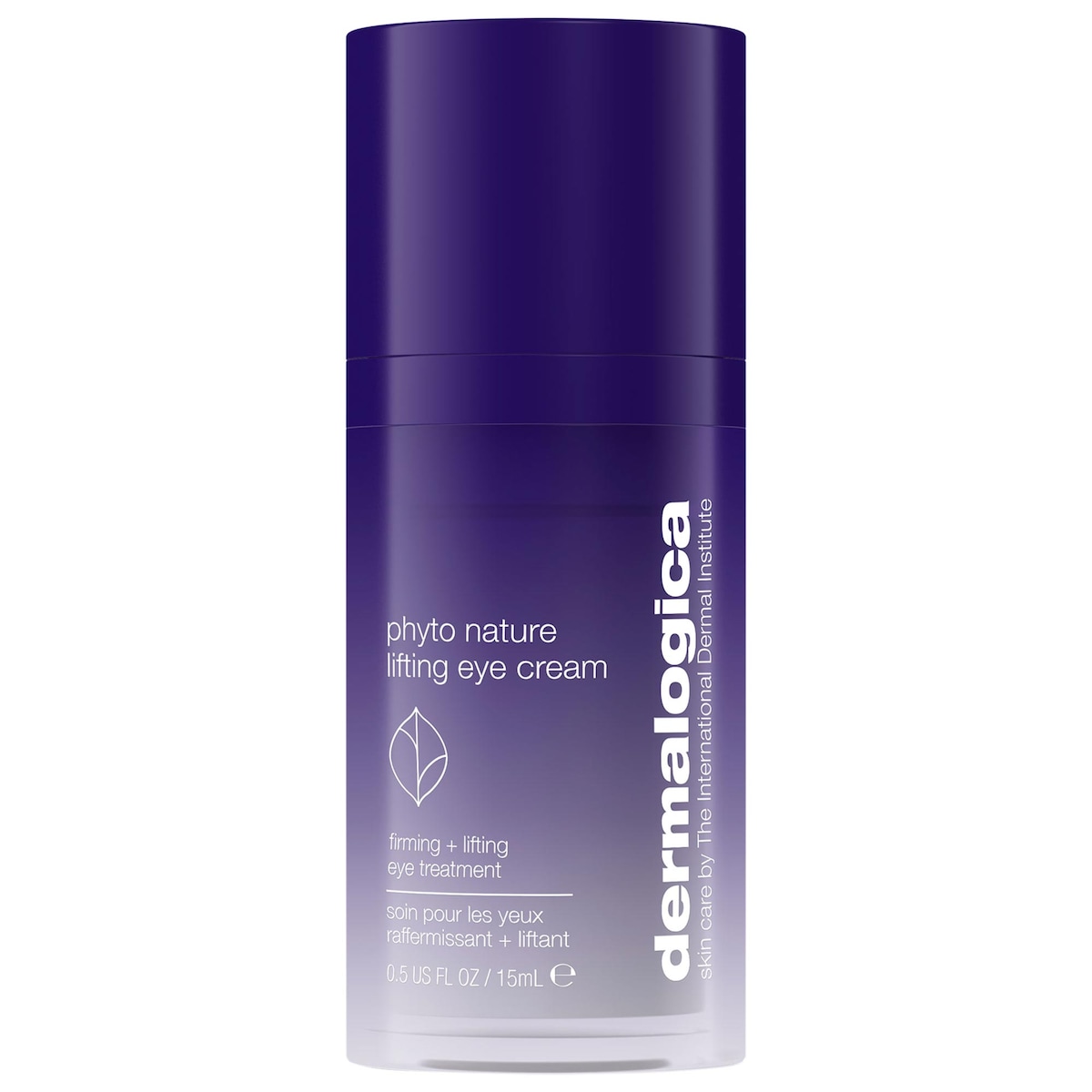
As of May 2026, Dermalogica Phyto Nature Lifting Eye Cream sits in the luxury eye-treatment lane at about $124. In the Glass catalog, it has a strong rating signal around 4.76 from more than 330 reviews, and the product is positioned for fine lines, dryness, and loss of firmness.
That sounds promising. It also sounds expensive enough to deserve a clean decision.
My short answer: I would consider this eye cream if the skin around my eyes looks dry, crepey, flat, or less firm, and I want one polished treatment cream instead of layering several small products. I would skip it if my main problem is deep under-eye hollowness, dark circles caused by shadow, active irritation, fragrance sensitivity, or if I mostly want a cheap hydrating eye cream.
This is not the eye cream I would buy casually. It is the one I would buy only if the problem is specific.
The quick read
| Detail | My read |
|---|---|
| Product | Dermalogica Phyto Nature Lifting Eye Cream |
| Price signal | About $124 in May 2026 |
| Format | Lightweight eye cream |
| Best fit | Dry, crepey, tired-looking eye area with early firmness concerns |
| Main ingredients I notice | Panthenol, squalane, glycerin, sodium hyaluronate, CoQ10, caffeine, beta-glucan, acetyl tetrapeptide-9, quinoa seed extract |
| Main caution | The formula includes aromatic plant oils and listed fragrance allergens, so reactive eyes should be careful |
| What it will not do | Rebuild lost volume, erase genetic dark circles, or replace cosmetic procedures |
The product makes the most sense when you want comfort plus a more lifted-looking finish.
It makes less sense when you are hoping one cream will change eye anatomy.
What you are actually paying for
You are paying for a richer eye-area formula with a lot of moving parts.
The base starts in a sensible place: panthenol, squalane, glycerin, pentylene glycol, propanediol, emollients, and sodium hyaluronate. That tells me this is not only a firming story. It is also trying to make the eye area feel more flexible and moisturized.
That matters because dry eye-area skin can make every other concern look worse. Fine lines look sharper. Concealer sits heavier. The upper lid can look papery. The lower eye can look tired even when you slept.
Then the formula adds the more expensive-sounding pieces: quinoa seed extract, astragalus, electric daisy flower, CoQ10, peptides, caffeine, beta-glucan, carnosine, bisabolol, allantoin, and botanical oils. Some of those ingredients are doing comfort work. Some are antioxidant or skin-conditioning support. Some are part of the tightening and smoothing story.
I would not buy it because every ingredient sounds impressive. I would buy it only if the total formula solves a real texture problem around the eyes.
The real buyer
The real buyer is not someone with perfect under-eyes who wants a cute extra step.
The real buyer is someone who keeps noticing that moisturizer is not quite enough around the eyes.
That person might say:
- my under-eyes look dry even when the rest of my face is fine
- concealer catches in thin lines
- my upper lids look less smooth than they used to
- gel eye creams disappear too quickly
- rich eye balms feel too greasy
- caffeine gels help puffiness but do not make the skin feel cared for
- I want one eye product that feels like a real cream, not a watery serum
That is the lane where Dermalogica makes sense.
It is not chasing only hydration. It is trying to give the eye area a denser, smoother, more held-together look.
The part I would be careful about
This is not the safest-looking formula for every sensitive eye.
The ingredient list includes citrus peel oils, rosemary leaf oil, lavender, peppermint oil, limonene, linalool, and citral. Some people tolerate those beautifully. Some people do not.
That matters more near the eyes than it does on the cheek.
If your eye area gets watery, itchy, red, or reactive from fragrant skincare, I would not let the expensive price convince me to ignore that pattern. Patch test. Use a tiny amount. Keep it outside the lash line. Stop if the area stings or gets puffy.
I like the comfort ingredients in this formula. I would still be cautious if I already knew my eyes were fussy.
What "lifting" can realistically mean
Lifting is a tricky word.
On an eye cream, I read it as a cosmetic effect: smoother-looking skin, better moisturized texture, a temporarily firmer feel, and less crepey-looking surface dryness.
I do not read it as a replacement for volume, surgery, filler, laser, radiofrequency, or professional tightening treatments.
That distinction keeps expectations sane.
If your concern is mild laxity, dryness, and a tired texture, a good eye cream can help the area look better. If the concern is deeper hooding, under-eye hollows, genetic darkness, fat-pad changes, or significant skin laxity, a cream may still support the skin, but it will not change the structure underneath.
For $124, I would want visible comfort and better makeup behavior. I would not expect a new eye shape.
How I would use it
I would use a pea-size amount for both eyes, not each eye.
Dermalogica's usage guidance says to warm a pea-size amount between the fingers, then gently pat around the under-eyes and eyelids, moving upward from the orbital bone toward the temples. That is a good amount to start with because the eye area is small and easy to overload.
My routine would be simple:
- Cleanse.
- Apply serum on the face, avoiding the immediate eye area unless the product is made for it.
- Warm a tiny amount of eye cream.
- Pat around the orbital area.
- Use face moisturizer after if needed.
- Apply sunscreen in the morning.
I would not drag it close to the waterline. I would not pack it under concealer ten seconds later. I would give it time to settle.
Morning or night?
I would start at night.
Night gives the product more room. No sunscreen immediately over it. No concealer. No rushing. You can see whether the eye area feels comfortable the next morning without blaming makeup or SPF.
After three or four calm nights, I would test it in the morning with sunscreen and makeup.
That morning test matters because an expensive eye cream has to work in real life. If it pills under SPF, makes concealer slide, or leaves the eye area too shiny, it may still be a useful night cream. It just would not be my perfect twice-daily product.
If it works both morning and night, the price becomes easier to understand.
Dry under-eyes
Dry under-eyes are the cleanest use case.
The formula has panthenol, squalane, glycerin, sodium hyaluronate, beta-glucan, allantoin, bisabolol, and several emollients. That is the kind of base I want when the eye area looks thin, dull, or rough from dryness.
I would judge it by these signs:
- under-eyes feel less tight by morning
- concealer does not grab as quickly
- fine lines look less sharp because the skin is better moisturized
- the upper lid feels smoother
- the product does not migrate into the eyes
That is a fair test.
If the only change you want is basic moisture, there are cheaper eye creams. The reason to choose this one is if you want moisture plus a more refined, treatment-like feel.
Fine lines
Fine lines around the eyes can come from several things: dryness, expression, sun exposure, age, irritation, and the natural thinness of the area.
This cream is most convincing for the dryness and texture side of that problem.
When skin is dry, fine lines look louder. A cream that softens the surface can make them look less obvious. The peptides, CoQ10, caffeine, and botanical firming story may support the anti-aging positioning, but I would still keep my expectation practical.
I would not use this instead of sunscreen. I would not use it instead of a retinoid if a clinician already placed one in the routine. I would use it as the comfort and eye-area treatment step that makes the surrounding routine easier to tolerate.
If lines are the main concern, consistency matters more than using too much product.
Puffiness
Caffeine appears in the ingredient list, which makes the product more interesting for tired-looking eyes.
But puffiness is not one thing.
Morning fluid puffiness may respond to routine habits: sleep position, salt, allergies, crying, alcohol, or not removing eye makeup well. A cream can help the skin look smoother, but it may not stop the reason puffiness is happening.
For puffiness, I would use this more like a supportive eye cream than a dramatic de-puffing gel. If I wanted an instant cooling effect, I would probably look elsewhere. If I wanted a cream that supports dry, tired-looking eye skin and also includes caffeine, Dermalogica makes more sense.
Dark circles
I would be careful buying this for dark circles.
Dark circles can come from shadowing, pigmentation, thin skin, visible vessels, allergies, sleep, genetics, or under-eye hollowing. A moisturizing eye cream can make the area look healthier. It can help makeup sit better. It can reduce the dry, creased look that makes darkness feel worse.
But it cannot solve every cause.
If darkness comes mostly from hollow shadow, no cream is going to fill the hollow. If it comes from pigment, you need a routine built around sunscreen, tolerance, and pigment-safe brightening ingredients. If it comes from irritation or allergies, adding a fragrant eye cream may be the wrong move.
I would buy this for dry, tired texture before I bought it for true dark circles.
What I would compare first
I would compare by problem, not by brand name.
| Product | Image | Better if you want... | Where Dermalogica wins |
|---|---|---|---|
| Dermalogica Phyto Nature Lifting Eye Cream | 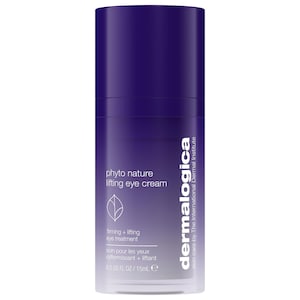 | A polished firming-and-moisture eye cream for dry, crepey, tired-looking eye skin | Best fit for the lifting, comfort, and treatment-cream lane |
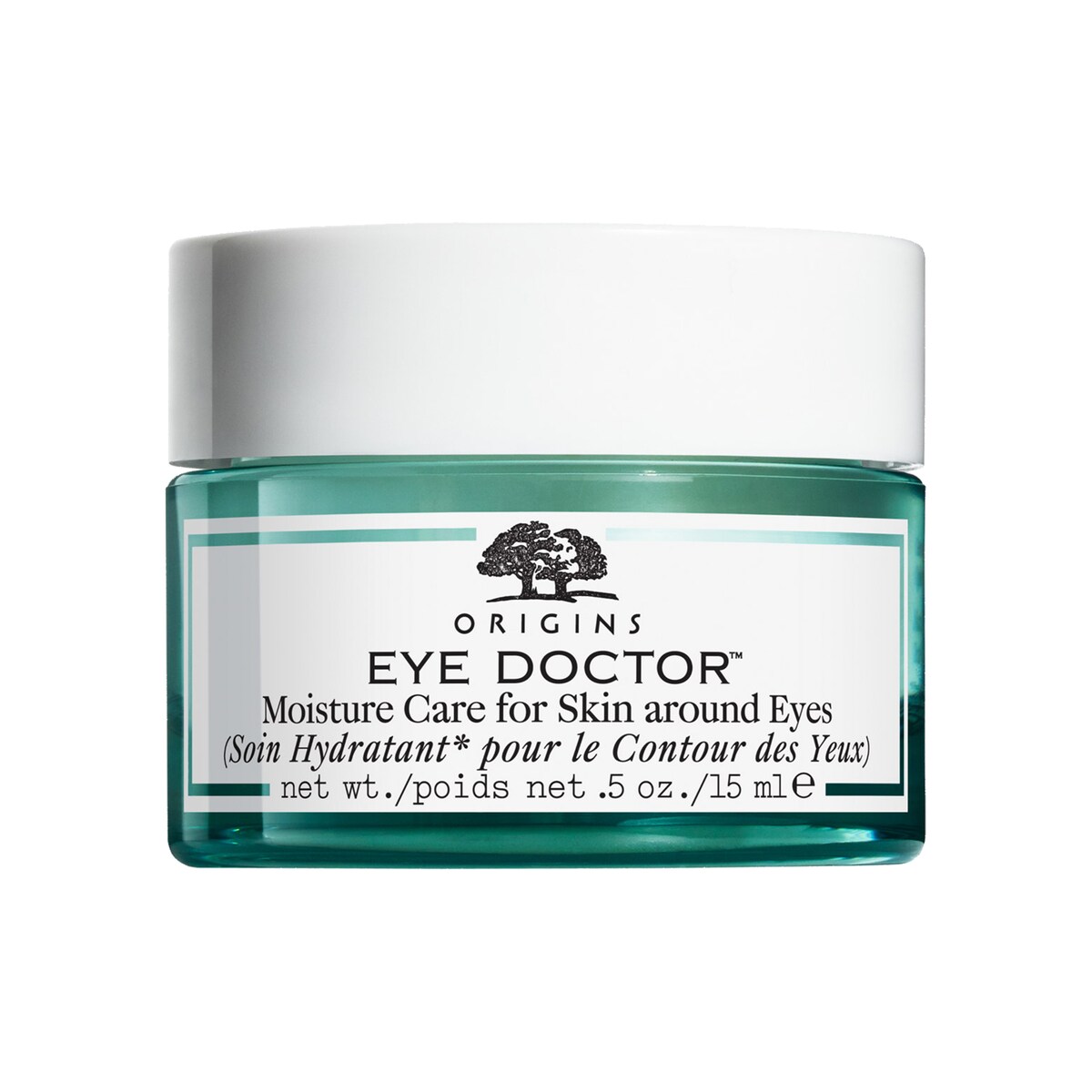
| Origins Eye Doctor Moisture Care | 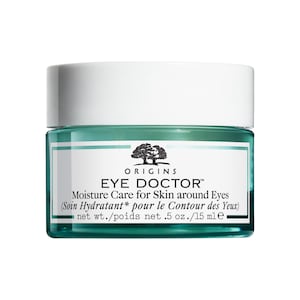 | A lower-priced moisture-first eye cream | Dermalogica has the more advanced firming story |
| Drunk Elephant A-Shaba Complex Eye Serum |  | A retinol-eye-serum lane with caffeine and peptides | Dermalogica is the creamier moisture-and-firmness option |
| La Mer The Eye Concentrate |  | A very expensive luxury eye cream experience | Dermalogica is easier to justify if you want treatment language without going into La Mer pricing |
That table makes the decision less emotional.
If you want moisture first, compare Origins. If you want retinol-style correction, compare Drunk Elephant. If you want a luxury experience and price is not the issue, compare La Mer. If you want the middle lane of firming language, dry-skin comfort, and a professional-treatment feel, Dermalogica is the one to study.
The price test
I use a simple rule for products over $100.
The product has to replace indecision.
If a $124 eye cream makes you stop buying random caffeine gels, brightening eye serums, thick balms, and emergency concealer primers, the price may make sense. If it becomes one more expensive object next to six other eye products, the price does not make sense.
The best buyer is not someone who wants more skincare.
The best buyer is someone who wants fewer eye-area experiments.
The seven-day test
I would test it for seven days before judging.
Not because seven days proves long-term firming. It does not. But seven days can tell you whether the texture, comfort, and makeup behavior are right.
Days 1 and 2: night only
Use a tiny amount. Keep it outside the lash line. Do not add a new retinol, acid, vitamin C, or eye serum at the same time.
The next morning, check comfort. No stinging. No puffiness. No roughness. No watery eyes.
Days 3 and 4: under sunscreen
Use less than you used at night. Let it settle before sunscreen.
If sunscreen pills or the area gets shiny, the product may be better at night.
Days 5 through 7: add makeup if relevant
If you wear concealer, this is the real test. Does concealer sit smoother, or does it move around? Does the eye area look better after three hours, or only right after application?
That matters more than the jar promise.
Where Glass fits
Eye creams are easy to misjudge because the eye area changes day to day.
Sleep, allergies, salt, crying, travel, screen time, sunscreen, concealer, and weather can all change how the area looks. That is why I would track this product in Glass instead of relying on memory.
Log the start date, morning or night use, amount, whether makeup sat better, and whether the eye area felt irritated. If the cream helps dryness but not darkness, that is still useful information. It means the product did one job but not another.
If you are rebuilding the whole routine around the eyes, morning and night skincare routine order is the cleaner place to map the sequence.

My verdict
Dermalogica Phyto Nature Lifting Eye Cream is worth considering if your eye area needs a richer, more polished treatment cream for dryness, crepey texture, and a firmer-looking finish.
It is not the best first buy for someone with very reactive eyes. It is not the smartest purchase if you only need basic hydration. It is not a structural fix for hollows or deep laxity.
But if your under-eyes look dry, your upper lids look less smooth, and cheaper eye creams keep feeling too thin, I understand the appeal.
I would buy it for comfort and smoother-looking eye texture, not miracles. I would test it slowly. And I would let the eye area decide whether the $124 price feels like treatment value or just expensive packaging.
Useful product references: Dermalogica product page, Sephora listing, and Dermalogica Canada ingredient listing.
FAQ
Is Dermalogica Phyto Nature Lifting Eye Cream worth $124?
It can be worth it if the eye area is dry, crepey, and less firm-looking, and you want one treatment-style eye cream. It is harder to justify if you only need basic moisture or if your eyes react easily to aromatic plant oils.
Can I use it on eyelids?
Dermalogica's usage guidance includes under-eyes and eyelids, but I would still keep it away from the lash line and start with a tiny amount. Stop if the area stings, waters, or gets puffy.
Will it fix dark circles?
It may help the eye area look smoother and better moisturized, which can make darkness look less harsh. It will not fix every cause of dark circles, especially hollow shadowing, genetics, or allergy-related darkness.
Should I use it morning or night?
I would start at night for a few days, then test it in the morning under sunscreen and makeup. If it works under SPF and concealer, it becomes easier to justify as a twice-daily eye cream.