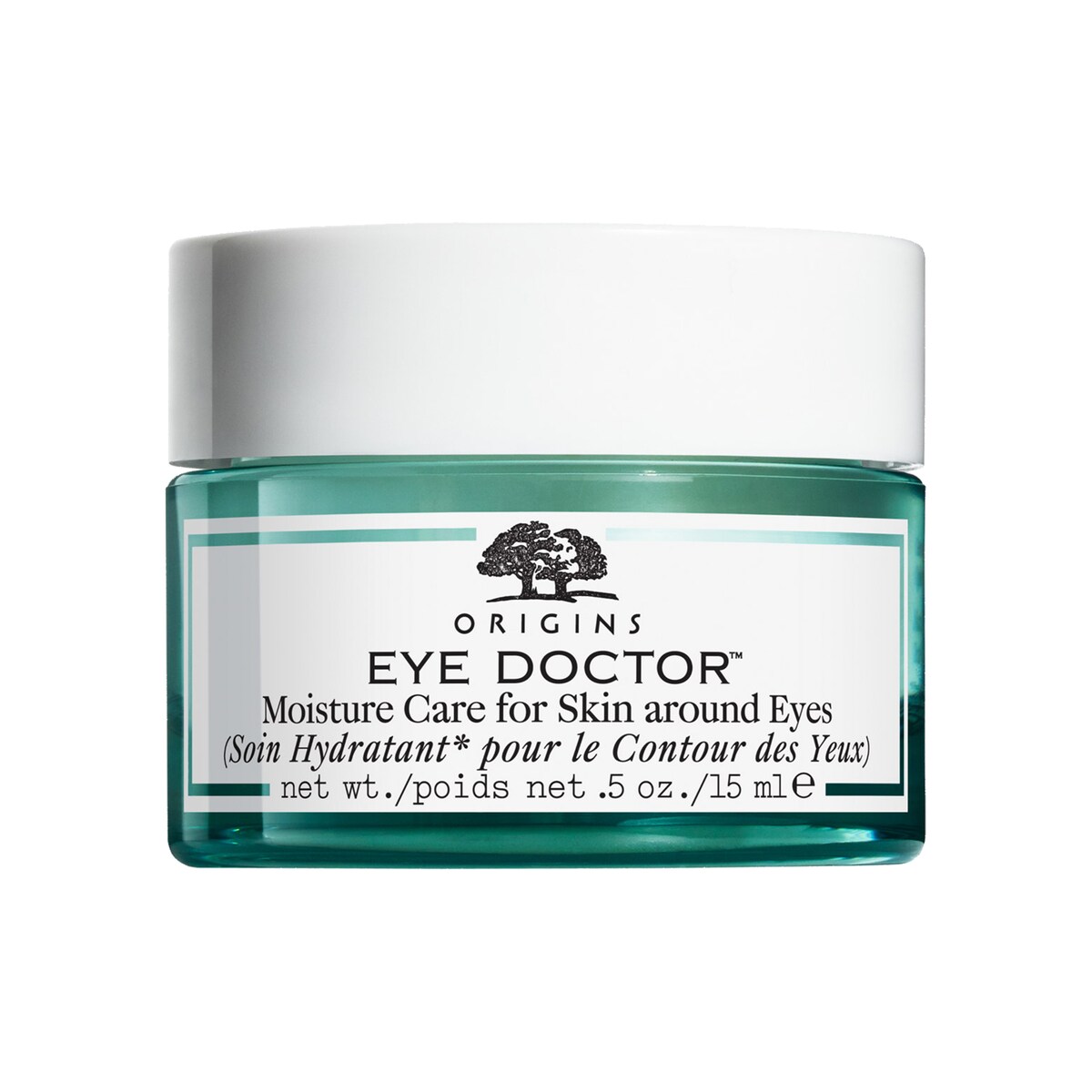
The base for many skincare formulations.
Usually helps with
Hydration
Attracts moisture to the skin, helping to keep it hydrated.
Usually helps with
Hydration
Emollient
Myristyl Myristate
Softens and smooths the skin.
Usually helps with
Softening skin
Emollient
Caprylic/Capric Triglyceride
A lightweight emollient derived from coconut oil and glycerin, it helps to replenish the skin's surface.
Usually helps with
Moisture barrier support
A stable, saturated oil that mimics the skin's natural sebum, providing excellent moisturization without greasiness.
Usually helps with
Hydration, barrier support
Emulsifier
Glyceryl Stearate
Helps to bind oil and water, creating a stable emulsion.
Usually helps with
Texture
A derivative of glycerin that acts as an emollient, softening and smoothing the skin.
Usually helps with
Skin softening
Emulsifier
Peg-4 Dilaurate
An emulsifier that can sometimes be irritating for sensitive skin.
Usually helps with
Texture
Watch for
Potential irritation
A fatty alcohol that moisturizes and softens the skin, and also acts as an emulsifier.
Usually helps with
Moisturizing
Fragrance
Citrus Limon (Lemon) Peel Oil*
Adds fragrance to the product. Can be phototoxic and irritating for some skin types.
Watch for
Photosensitivity, irritation
Soothing Agent
Cucumis Sativus (Cucumber) Oil*
Known for its cooling and hydrating properties, it helps to calm and refresh the skin.
Usually helps with
Soothing, hydration
Fragrance
Ferula Galbaniflua (Galbanum) Resin Oil*
Contributes to the product's scent profile. Can be a potential allergen for some.
Watch for
Allergic reactions
Fragrance Ingredient
Benzyl Salicylate
A common fragrance ingredient that can be a potential allergen.
Watch for
Allergic reactions
Soothing Agent
Centella Asiatica (Hydrocotyl) Extract
Also known as Cica, it's known for its calming and healing properties.
Usually helps with
Soothing, calming
Antioxidant
Camellia Sinensis (Green Tea) Leaf Extract
Rich in antioxidants, it helps protect the skin from environmental damage.
Usually helps with
Antioxidant protection
Skin Conditioning Agent
Gigartina Stellata (Algae) Extract
Derived from red algae, it can help hydrate and condition the skin.
Usually helps with
Hydration
Skin Conditioning Agent
Hypnea Musciformis (Algae) Extract
Another algae extract that can help hydrate and improve skin texture.
Usually helps with
Hydration, texture
Skin Conditioning Agent
Triticum Vulgare (Wheat) Germ Extract
Contains vitamins and minerals that can nourish the skin.
Usually helps with
Nourishing
Soothing Agent
Cucumis Sativus (Cucumber) Fruit Extract
Provides a cooling and refreshing sensation, known for its hydrating benefits.
Usually helps with
Soothing, hydration
Skin Conditioning Agent
Hordeum Vulgare (Barley) Extract/Extrait D'Orge
Contains beneficial compounds that can help condition the skin.
Usually helps with
Skin conditioning
Skin Conditioning Agent
Gellidiela Acerosa (Algae) Extract
An algae extract that contributes to skin hydration and conditioning.
Usually helps with
Hydration
Antioxidant
Rosmarinus Officinalis (Rosemary) Leaf Extract
Rich in antioxidants, it helps protect the skin and has soothing properties.
Usually helps with
Antioxidant protection, soothing
Skin Conditioning Agent
Panax Ginseng (Ginseng) Root Extract
Known for its revitalizing and antioxidant properties, it can help improve skin's appearance.
Usually helps with
Revitalizing, antioxidant
Emollient
Tocopheryl Linoleate/Oleate
A derivative of Vitamin E that acts as an emollient and antioxidant.
Usually helps with
Moisturizing, antioxidant
Can help temporarily reduce the appearance of puffiness and improve skin's firmness.
Usually helps with
Reducing puffiness, firming
Preservative
Ethylhexylglycerin
A preservative that also has skin-conditioning properties.
Usually helps with
Preservation, skin conditioning
Antioxidant
Magnesium Ascorbyl Phosphate
A stable derivative of Vitamin C that provides antioxidant benefits and can help brighten the skin.
Usually helps with
Brightening, antioxidant
Emollient
Cetyl Ricinoleate
A fatty ester that provides emollience and helps to soften the skin.
Usually helps with
Softening skin
Skin Conditioning Agent
Bifida Ferment Lysate
A probiotic ingredient that can help support the skin's natural barrier function.
Usually helps with
Barrier support
Humectant
Sodium Hyaluronate
A form of hyaluronic acid that attracts and retains moisture, plumping the skin.
Usually helps with
Hydration, plumping
Emulsifier
Peg-100 Stearate
An emulsifier that helps to blend oil and water. Can be comedogenic for some.
Usually helps with
Texture
Watch for
Potential pore-clogging
An emulsifier used to create stable formulations. Can be irritating for sensitive skin.
Usually helps with
Texture
Watch for
Potential irritation
Emollient
Bis-Peg-18 Methyl Ether Dimethyl Silane
A silicone derivative that provides a smooth feel and helps with product spreadability.
Usually helps with
Texture
A powerful humectant that draws water into the skin, keeping it hydrated and supple.
Usually helps with
Hydration
A silicone that forms a protective barrier on the skin, providing a smooth feel and preventing moisture loss.
Usually helps with
Smoothing, moisture barrier
Used to thicken formulations and improve texture.
Usually helps with
Texture
Emollient
Cetearyl Alcohol
A fatty alcohol that moisturizes and softens the skin, and also acts as an emulsifier.
Usually helps with
Moisturizing
A humectant that also has antimicrobial properties, helping to preserve the product.
Usually helps with
Hydration, preservation
pH Adjuster
Potassium Hydroxide
Used to adjust the pH of the formulation.
Usually helps with
Formulation stability
An emulsifier that helps to mix oil and water. Can be a mild irritant for some.
Usually helps with
Texture
Watch for
Potential mild irritation
A humectant that also acts as a solvent and viscosity-decreasing agent.
Usually helps with
Hydration, texture
Chelating Agent
Disodium Edta
Helps to improve the stability and efficacy of the product by binding to metal ions.
Usually helps with
Product stability
A synthetic antioxidant that can be a skin irritant for some individuals.
Usually helps with
Product preservation
Watch for
Potential irritation
Preservative
Phenoxyethanol
A common preservative used to prevent microbial growth in cosmetics.
Usually helps with
Preservation
Watch for
Potential irritation
Preservative
Phenoxyethanol * Essential Oil
Included in the source ingredient list. Glass treats this as part of the supporting formula unless it overlaps with a known active, preservative, or fragrance flag.
Usually helps with
Formula completeness and routine context
Watch for
Personal sensitivity, especially if your skin is reactive or the ingredient overlaps with other products in your routine