Green moisturizer is easy to misunderstand.
You see the color and expect it to fix redness. You see hyaluronic acid and expect deep hydration. You see the Sephora Collection price and expect a low-risk buy.
Sometimes that is fair.
Sometimes it is how you end up with a cream that looks calmer in the jar than it feels on your face.
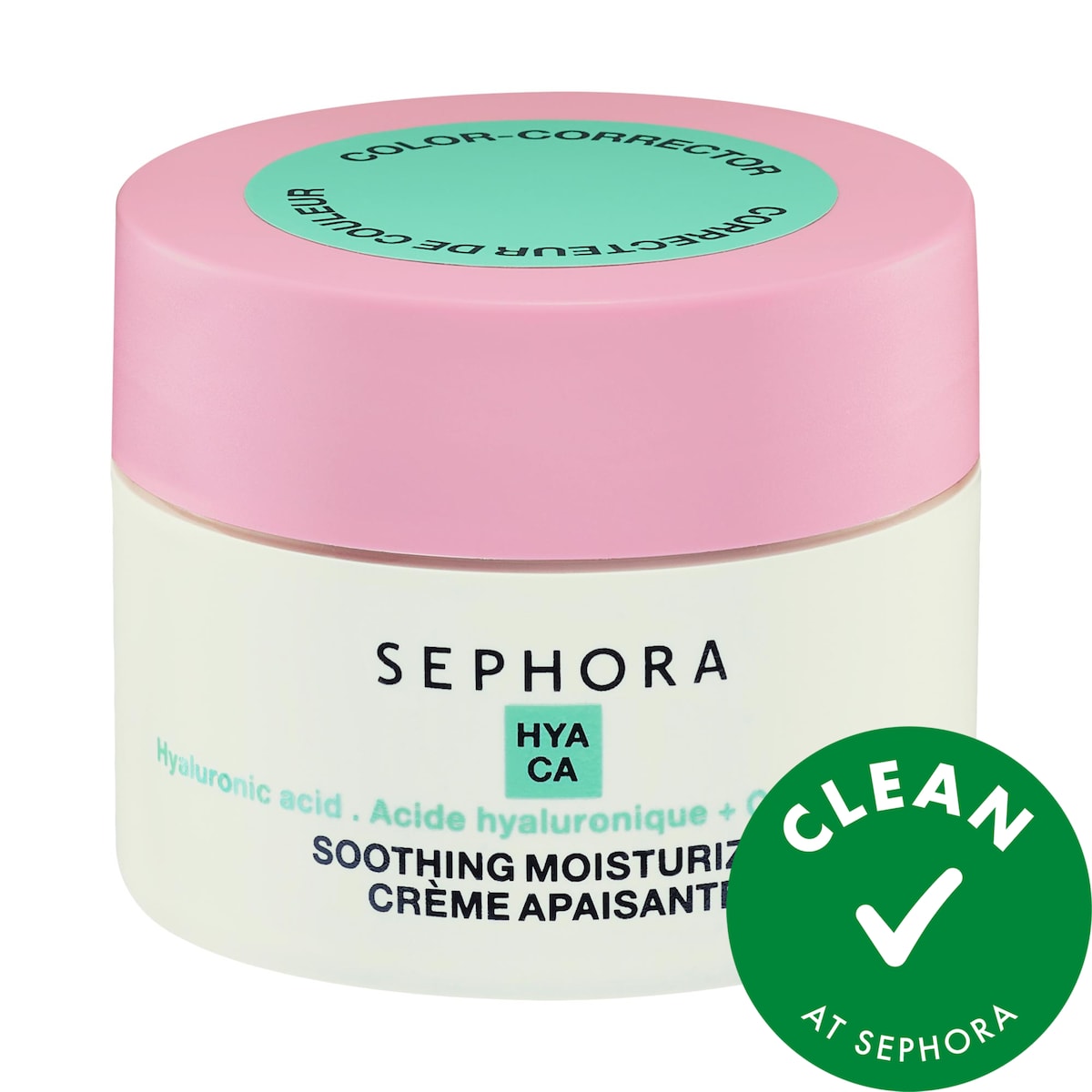
Sephora Collection Soothing Moisturizer with Hyaluronic Acid is one of those products I would judge by fit, not hype. As of May 2026, Sephora lists it around the $20 lane with a moderate review base, and the formula is built around a green-tinted cream texture, hyaluronic acid, centella asiatica, glycerin, shea butter, emollients, and sodium hyaluronate.
That tells me exactly where I would put it: a budget comfort moisturizer for skin that looks a little red, feels a little tight, and wants a smoother morning base without jumping straight to a heavy recovery balm.
I would not treat it like a redness treatment.
I would not treat it like a universal moisturizer.
I would treat it like a soft, green-tinted cream that can make sense when your skin needs comfort and your routine is otherwise simple.
The quick answer
Sephora Collection Soothing Moisturizer with Hyaluronic Acid is worth considering if your skin is normal, dry, combination, mildly redness-prone, or tight after cleansing. It makes the most sense as a morning comfort cream under sunscreen, especially if you want a calmer-looking base before makeup.
I would skip it if you are very oily, clog easily from richer creams, hate shea-butter-style cushion, or need a moisturizer that disappears like a gel.
The green tint is helpful only in a narrow way. It can soften the look of mild redness while you apply it. It is not concealer. It is not a rosacea plan. It is not a reason to keep layering more product until the skin looks neutral.
The most useful way to read the reviews is simple:
| If your skin feels like... | My read on this moisturizer |
|---|---|
| Tight, pink, and dry after cleansing | Good fit to test |
| Normal but easily flushed | Good morning option if the texture feels comfortable |
| Combination with dry cheeks and oily T-zone | Use mostly on cheeks and around the mouth |
| Very oily by midday | Probably too creamy everywhere |
| Burning from retinoids or acids | Simplify first, then patch test |
| Clogged by shea butter or richer creams | Be careful |
That is the whole decision. The product is not complicated. The skin you put it on is.
What the reviews are really telling you
I do not read moisturizer reviews as a popularity contest.
I read them for patterns.
When people like a product like this, they usually talk about comfort, redness, softness, makeup prep, and the price feeling fair. When people dislike it, the complaint usually lives in texture, breakouts, shine, or the product not doing enough for serious dryness.
Both sides can be true.
A cream can be calming for one person and too heavy for another. A green tint can look subtle on one skin tone and strange on another. Hyaluronic acid can make one routine feel plumper and make another routine feel underwhelming if there is not enough moisture sealed in. That is why I do not trust the average rating alone.
I want to know what kind of face the review belongs to.
If someone has dry, sensitive-leaning skin and says it helped their morning routine feel smoother, that is useful. If someone has oily, congestion-prone skin and says it felt heavy, that is also useful. They are not disagreeing. They are describing different jobs.
The formula reads like a comfort cream, not a gel
The ingredient story is not watery.
The formula includes humectants like glycerin and sodium hyaluronate, which help pull and hold water in the upper layers of the skin. It also includes emollient and cream-building ingredients like dicaprylyl ether, shea butter, cetearyl alcohol, glyceryl stearate, tribehenin, and plant-derived oil. Centella asiatica gives the product its soothing identity, and the green pigment is there for the redness-softening visual effect.
That does not make it heavy in the way a thick balm is heavy.
But it does mean I would not expect it to behave like an oil-free water gel.
This matters because a lot of people buy soothing products when their skin is already upset. If your face is stripped, flaky, and red, a creamier product can feel like relief. If your face is oily and congested, that same creaminess can feel like the wrong kind of layer.
The words "soothing" and "hyaluronic acid" do not override texture.
Texture is the decision.
Where the green tint helps
The green tint is best for mild visible redness.
Think flushed cheeks after cleansing. A little pinkness around the nose. A face that looks calmer when you put on a neutralizing base before sunscreen or makeup.
That is the lane.
If you expect the tint to erase strong redness, you will probably over-apply it. That is where the product starts looking less elegant. A green moisturizer should be used like skincare with a visual bonus, not like a color corrector you keep building until redness disappears.
I would use a thin layer and stop.
If redness still bothers you after that, use makeup or a true color-correcting product on top. Do not make the moisturizer do a job it was not built to do.
Where it can disappoint
The most common disappointment is probably weight.
If your ideal moisturizer is invisible, this may feel too creamy. If your sunscreen is already dewy, this underneath may make the stack feel crowded. If your makeup slips around noon, adding a creamier green moisturizer may not help.
The second disappointment is expecting hyaluronic acid to be enough.
Hyaluronic acid is useful, but dry skin usually needs more than a water-binding ingredient. It needs a routine that does not strip the skin first, enough moisturizer to reduce tightness, and sunscreen that does not undo the comfort layer. If your cleanser is harsh or your active routine is too aggressive, this cream may feel nice for ten minutes and still not solve the real problem.
The third disappointment is breakouts.
No ingredient list can promise that a moisturizer will not clog you. Shea butter and richer emollients are fine for many people, but if you already know that creamy moisturizers make your cheeks or jawline bumpy, patch test this instead of trusting the price.
How I would use it in the morning
I would keep the routine boring.
Morning:
- Gentle cleanse or water rinse.
- Hydrating serum or milky toner only if you already use one.
- Thin layer of Sephora Collection Soothing Moisturizer.
- Sunscreen.
- Makeup only after the sunscreen settles.
The thin layer is the point.
Use less than you think through the forehead, nose, and chin. Use a little more around the cheeks or mouth if those areas actually feel dry. Combination skin does not need one identical coat across the whole face.
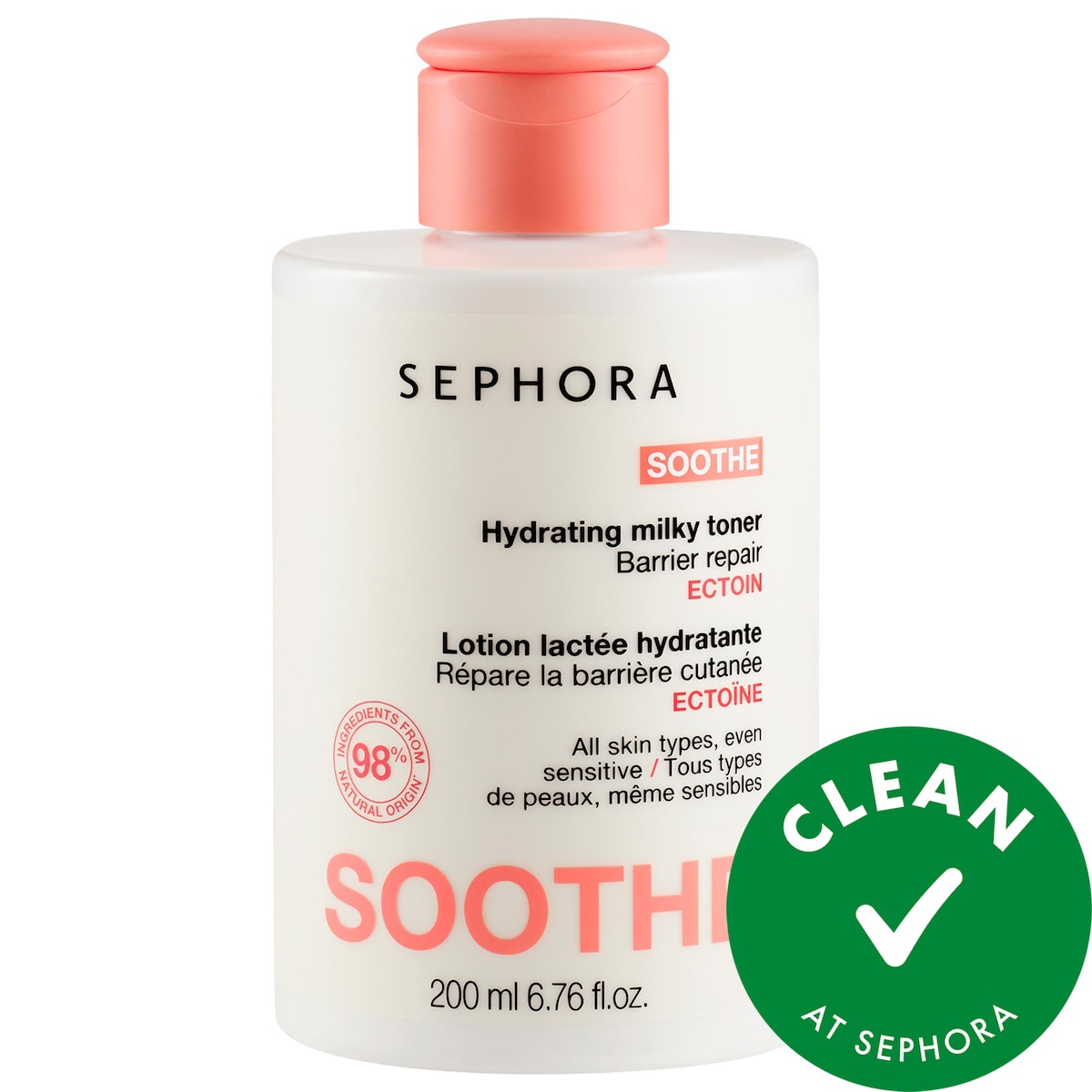
If you pair it with Sephora Collection Hydrating Milky Toner, I would apply the toner first, wait until it stops feeling wet, then use less moisturizer than usual. A milky toner plus a cream plus sunscreen can be beautiful on tight skin and too much on oily skin.
How I would use it at night
At night, the green tint matters less.
The comfort matters more.
If your skin feels dry after cleansing, use it as the moisturizer step and stop there. If you are using retinoids or exfoliating acids, I would be careful. A soothing moisturizer can help the routine feel less harsh, but it cannot cancel out too many actives.
The clean test is this:
Use the moisturizer on a quiet night with no new treatment step. If it feels comfortable, add it into the routine slowly. If it stings, pills, or makes the face feel hot, do not keep pushing because the label says soothing.
Your skin gets the final vote.
If your skin is dry
Dry skin is the easiest fit, but only if you do not need a truly rich cream.
This moisturizer gives a soft cream layer. It is not the same as a lipid-heavy recovery cream. If your skin is mildly dry, tight after cleansing, or patchy under makeup, it may be enough. If your skin is very dry, flaky, or irritated from a strong routine, you may need a richer night cream or a simpler barrier plan.
That is where I would compare it against Sephora Collection HYDRATE Balmy Rich Cream. The green moisturizer is the calmer daytime option. The balmy rich cream is the more serious dry-skin finish.
Do not buy the green cream just because it sounds gentler. Buy it if the texture matches the job.
If your skin is oily
I would be careful.
Oily skin can still be dehydrated, but that does not mean every comfort cream belongs all over the face. If your forehead and nose get shiny fast, use this only where you need it or compare it with Sephora Collection Hydrating & Mattifying Oil-Free Gel Cream.
The oil-free gel cream makes more sense when the goal is light hydration and less shine. The soothing moisturizer makes more sense when the goal is comfort and a softer-looking base.
Those are different jobs.
If your skin is oily and red, you may need a split routine: lighter gel through the T-zone, green moisturizer on cheeks, sunscreen over everything. That sounds fussy until you realize it uses less product and usually looks better.
If your skin is sensitive
Sensitive skin needs patience more than it needs a perfect label.
This product is positioned around soothing, but sensitive skin can react to almost anything. The green pigment, emollient system, preservatives, texture, or simply the act of adding another product can be enough to annoy a reactive face.
I would patch test it for a few nights near the jaw or cheek before using it everywhere. I would also avoid introducing it during the same week as a new retinoid, exfoliating acid, vitamin C, peel pad, cleanser, or sunscreen.
When everything is new, nothing is clear.
If your face is actively burning, peeling, or stinging from water, I would not shop my way out of it with a random new moisturizer. I would pause actives, simplify, and consider asking a dermatologist if the irritation keeps going.
If you want it under makeup
This is one of the better reasons to look at it.
A thin layer can make the skin look less red and less dry before foundation. It can also help makeup sit more smoothly around the cheeks and mouth if those areas usually catch.
But it is not a primer.
If you use too much, it can make foundation move. If your sunscreen is already rich, it can make the base feel crowded. If your skin is oily, it may look calm at 8 a.m. and shiny at noon.
My test would be simple:
Use it with sunscreen only for one day. If that works, add makeup the next day. If the problem starts only when primer enters, the primer may be the issue. If the problem starts with sunscreen, use less moisturizer or switch the SPF pairing.
Layering problems are usually detective work, not product morality.
What I would compare before buying
I would compare by routine role, not brand loyalty.
| Product | Image | Better if you want... | Where it can miss |
|---|---|---|---|
| Sephora Collection Soothing Moisturizer with Hyaluronic Acid | 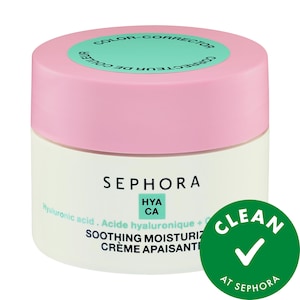 | A budget green-tinted comfort cream for mild redness and tightness | Too creamy for very oily skin |
| Sephora Collection Hydrating Milky Toner | 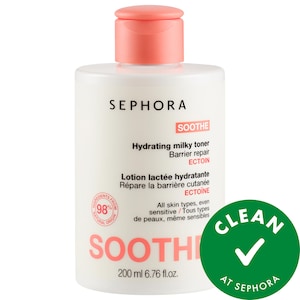 | A lighter first hydration layer before cream | Not enough alone for very dry skin |
| Sephora Collection Hydrating & Mattifying Oil-Free Gel Cream | 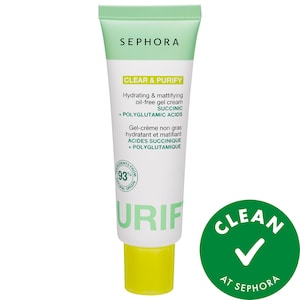 | Less shine and a lighter morning finish | Too light for dry cheeks |
| Sephora Collection HYDRATE Balmy Rich Cream | 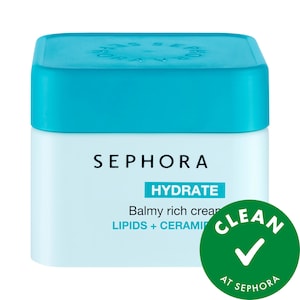 | A richer dry-skin or night cream lane | Too heavy under some sunscreens |
This is why I like comparing the Sephora Collection moisturizers as a set. The cheap option is not always the same option. The right one depends on whether your face needs calm, oil control, hydration, or richness.
The mistakes I would avoid
The first mistake is using too much.
If a moisturizer has a tint, people tend to build it like makeup. Do not do that here. A thin layer is enough to judge whether the product belongs.
The second mistake is expecting it to repair an aggressive routine.
If you are over-cleansing, exfoliating too often, using a retinoid too aggressively, or skipping sunscreen, a green moisturizer will not save the structure. It may make the skin feel a little better, but the routine still needs correction.
The third mistake is buying it for every skin type in the house.
One person may love it for dry cheeks. Another may break out. Another may prefer the oil-free gel cream. Budget skincare is still skincare. It needs matching.
My final take
I would buy Sephora Collection Soothing Moisturizer with Hyaluronic Acid if my skin needed a low-cost comfort cream, my redness was mild, and I wanted something that could sit under sunscreen without feeling like a full recovery balm.
I would not buy it expecting treatment-level redness control. I would not buy it for very oily skin as an all-over morning cream. I would not buy it during a week when my face was already reacting to three other new things.
The product makes the most sense when you keep the ask reasonable:
Make my skin feel softer. Make my morning base look a little calmer. Give me enough comfort that sunscreen and makeup sit better. Do it without making the routine expensive.
That is a useful job.
It is just not every job.
FAQ
Is Sephora Collection Soothing Moisturizer good for redness?
It can help the look of mild redness because it has a green tint and a soothing-leaning formula direction. I would not use it as a treatment for persistent redness, rosacea, irritation, or flushing that needs medical guidance.
Is it good for oily skin?
It depends how oily you are. Combination skin may like it on dry cheeks and around the mouth. Very oily skin may prefer the Sephora Collection Hydrating & Mattifying Oil-Free Gel Cream instead.
Can I use it with the Sephora Collection Hydrating Milky Toner?
Yes, but use less cream. Apply the milky toner first, wait until it settles, then use a thin layer of moisturizer. If the routine feels heavy or shiny, use the moisturizer only where the skin feels dry.
Does it work under makeup?
It can work under makeup when used thinly. Let it settle before sunscreen, then let sunscreen settle before foundation. If makeup slides or pills, reduce the moisturizer amount before blaming the product.
Is it enough for very dry skin?
Maybe not. Mild dry skin may like it, but very dry or flaky skin may need a richer cream at night, such as Sephora Collection HYDRATE Balmy Rich Cream or another barrier-focused moisturizer your skin already tolerates.
Useful product references: Sephora product page, SkinSort ingredient listing, and Sephora UK Hydrating Milky Toner page.