Two cheap products can still become too much.
That is the part people miss.
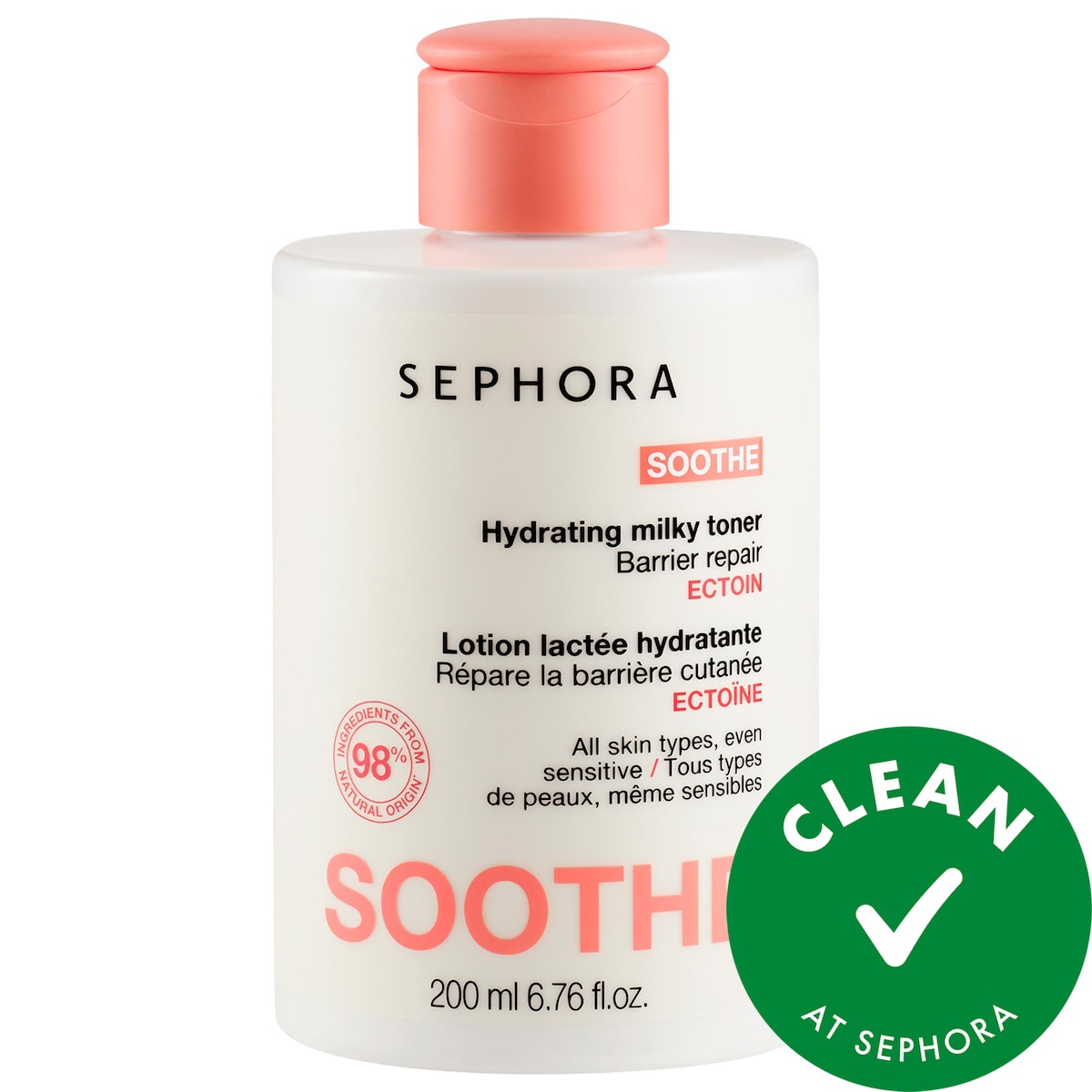
The Sephora Collection Hydrating Milky Toner looks like the easy comfort layer. The Sephora Collection Soothing Moisturizer with Hyaluronic Acid looks like the easy redness cream. Together, they sound like a calm little routine for skin that feels tight, pink, or uneven before sunscreen.
They can be.
But I would not stack them just because both say soothing and hydrating. I would stack them only if my skin had the exact problem that pairing solves: it feels under-moisturized after cleansing, looks a little flushed, and needs a smoother base without jumping straight to a rich night cream.
That is a different problem from oily shine. It is different from active acne. It is different from a damaged barrier that burns when water touches it.
The short version: in May 2026, I would use the Sephora Collection Hydrating Milky Toner first, then a thin layer of the green Soothing Moisturizer, then sunscreen. I would try this if my skin is normal, dry, combination, redness-prone, or tight from a simple routine. I would skip the pairing if my skin is very oily, easily clogged by creamy products, actively burning, or already using a lot of heavy layers.
The routine should feel calmer after one week. Not heavier. Not shinier. Calmer.
The pairing at a glance
| Product | Image | What it does in the routine | My read |
|---|---|---|---|
| Sephora Collection Hydrating Milky Toner |  | Adds a light milky hydration layer before cream | Best when skin feels tight but does not want a heavy first layer |
| Sephora Collection Soothing Moisturizer with Hyaluronic Acid |  | Seals the toner with a creamier green-tinted moisturizer | Best when mild redness and morning comfort are the problem |
| Sephora Collection Hydrating & Mattifying Oil-Free Gel Cream | 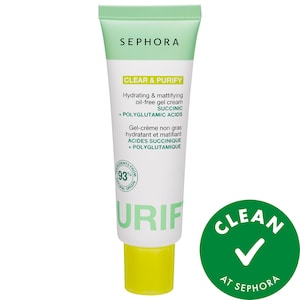 | A lighter alternative if the green cream feels too rich | Better for oily T-zones and warm weather |
| Skinfix Barrier Gel Cream | 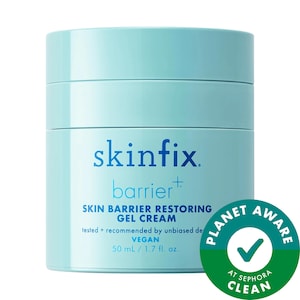 | A more expensive barrier-focused alternative | Better when actives have made skin feel overworked |
This is the decision table I would use before buying both.
If your face feels tight and looks a little pink after cleansing, the toner plus green moisturizer pairing makes sense. If your face gets greasy fast and does not feel tight, the toner may be optional and the green moisturizer may be too creamy. If your skin is irritated from retinoids, acids, or over-cleansing, the pairing may help, but only if you stop adding other new products at the same time.
The products are not complicated. The face you put them on is.
Why the toner goes first
Milky toner belongs before moisturizer because it is the thinner, more fluid layer.
That sounds basic, but it changes the feel of the whole routine. A milky toner can make skin feel less dry before cream goes on. It can also make a lightweight moisturizer feel more comfortable without forcing you into a richer product.
Sephora positions its Hydrating Milky Toner around ectoin, dryness, tightness, visible redness, and barrier support. The product page also says it is not meant to leave a greasy or sticky film. That is the exact kind of first layer I would want under a cream: enough comfort to soften tightness, not so much residue that sunscreen starts sliding.
I would apply it with hands, not a cotton pad.
Cotton pads can be useful for watery exfoliating toners. For a milky comfort toner, I want the product on my face, not soaked into a round. I would press a small amount into clean skin, wait until it stops feeling wet, then decide whether the moisturizer still feels necessary.
Some mornings, the toner may be enough under sunscreen if your SPF is moisturizing. Other mornings, especially if the air is dry or your cheeks feel tight, the green moisturizer on top makes more sense.
That flexibility is the whole point.
Why the green moisturizer goes second
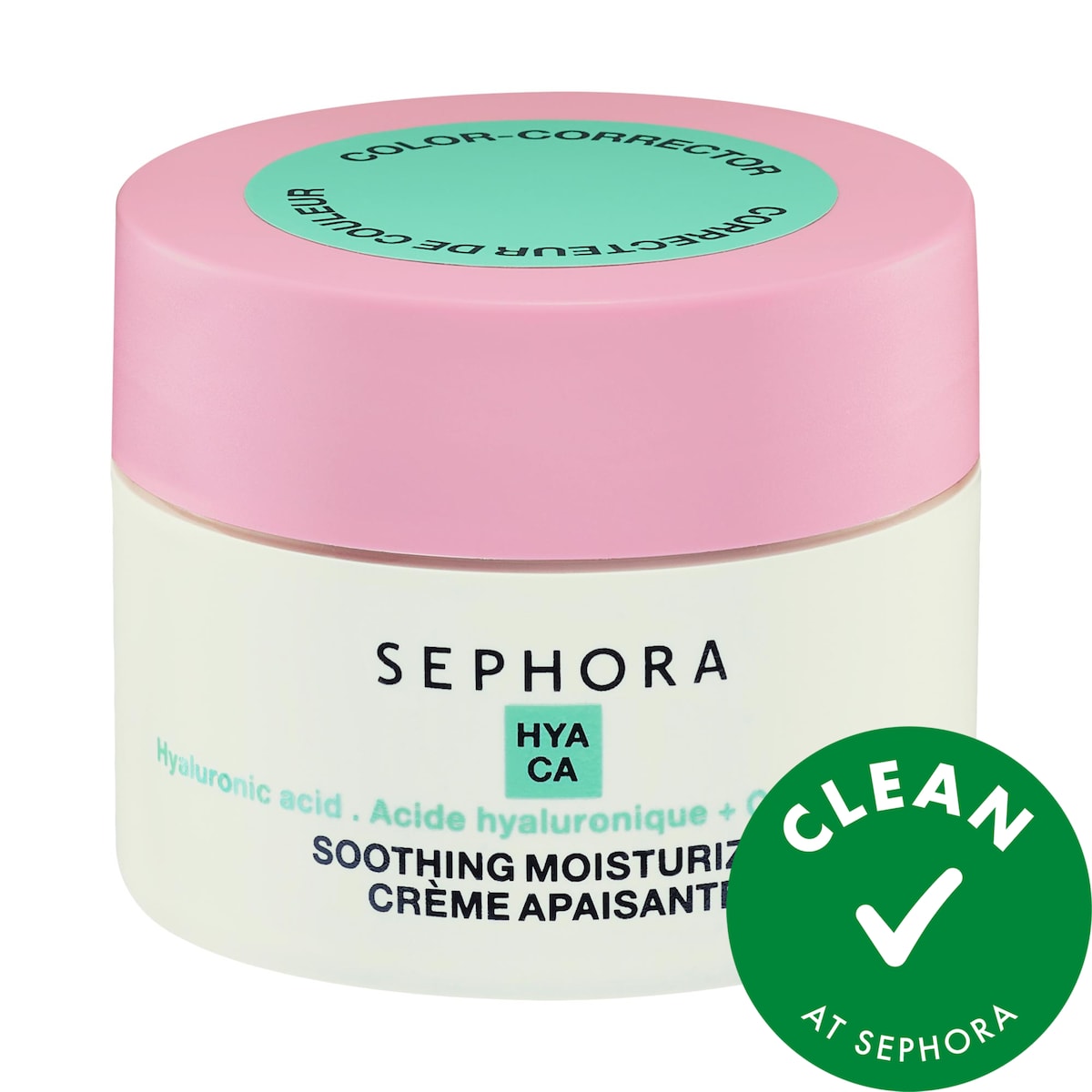
The Soothing Moisturizer is creamier than the toner, so it should do the sealing and smoothing work.
This is not a watery gel. The ingredient story includes humectants like glycerin and sodium hyaluronate, comfort ingredients like centella asiatica, and a cream base with emollients. It also has a green tint, which is why it is more interesting for mild visible redness than a plain budget moisturizer.
I would use it thin.
That is the key. The green tint can make skin look softer when used carefully, but it is still not concealer. If you keep adding more to hide redness, the routine gets heavy and the color can look strange under sunscreen or makeup. A small amount is the clean test.
The product makes most sense in the morning. That is when mild redness, tightness, sunscreen texture, and makeup prep all collide. If the cream helps your face look calmer and makes sunscreen sit better, it has earned its place.
If it makes your forehead shiny by lunch, do not blame the whole pairing right away. Use the moisturizer only on cheeks and around the mouth, or switch the T-zone to the oil-free gel cream.
Combination skin usually needs placement, not loyalty.
The skin type I would try this on
I would try this routine if my skin said one of these things:
- my cheeks feel tight after cleansing
- my face looks pink before sunscreen
- my moisturizer feels fine at night but not smooth enough in the morning
- makeup catches on dry spots
- sunscreen looks patchy unless I prep first
- my routine feels too active and not comforting enough
- I want hydration but do not want a luxury cream
That is a real lane.
A lot of people do not need another treatment serum. They need a better cushion between cleansing and sunscreen. They need enough hydration that the face does not feel exposed. They need to stop asking one moisturizer to fix a routine that is otherwise too drying.
This is where the toner-and-cream pairing earns its keep. The toner gives the skin a light drink. The moisturizer keeps that comfort from vanishing too quickly and softens visible redness. The sunscreen then has a smoother base.
Nothing here is dramatic. That is why it can work.
The skin type I would not force it on
I would not force this pairing on very oily skin.
Oily skin can absolutely be dehydrated. Oily skin can absolutely use moisturizer. But if your main issue is shine and congestion, toner plus cream plus sunscreen may be more layering than your morning needs.
I would also be cautious if:
- rich creams usually clog you
- shea-butter-style textures make your skin feel coated
- your skin is actively burning or peeling
- you are trying to identify a breakout trigger
- your sunscreen already feels heavy
- your makeup slides when you use cream underneath
- you prefer a matte morning finish
The better move may be toner plus a lighter gel cream, or the green moisturizer only on dry areas. You do not have to use the same routine on every zone of your face.
If your barrier is truly upset, I would simplify even more. Cleanser, one moisturizer you already trust, sunscreen, and a pause on experiments. A new toner plus a new moisturizer may be too many variables when your skin is already loud.
The order I would use
Morning:
- Gentle cleanse or rinse.
- Sephora Collection Hydrating Milky Toner.
- Wait until the toner feels settled.
- Thin layer of Sephora Collection Soothing Moisturizer.
- Sunscreen.
- Makeup only where needed.
Night:
- Gentle cleanse.
- Milky toner if the skin feels tight.
- Soothing Moisturizer if the skin wants light cream comfort.
- Richer cream only on dry zones if needed.
I would not add an exfoliating toner, vitamin C, retinoid, new cleanser, new sunscreen, and new foundation in the same week. That is how a simple routine test becomes impossible to read.
Give the pairing one job at first: make skin feel calmer under sunscreen.
If it does that, keep going. If it does not, adjust one variable at a time.
How much product I would use
Less than the impulse says.
For the toner, I would start with a few drops or a small palm amount. Enough to cover the face lightly. Not enough to leave skin wet for several minutes.
For the moisturizer, I would start with a thin layer. Then I would add a little more only on the cheeks or around the mouth if those areas still feel tight.
That matters because a product can be good and still be over-applied. Too much toner can make sunscreen feel like it is floating. Too much green moisturizer can make makeup sit weird. Too much of both can make a budget routine feel strangely heavy.
The goal is not to feel every layer.
The goal is to notice that your skin stopped complaining.
The sunscreen test
This routine only works if sunscreen behaves on top.
I would test it for three mornings before deciding.
| Morning | Test | What I would watch |
|---|---|---|
| Day 1 | Toner, moisturizer, sunscreen | Does SPF pill, slide, or sit smoothly? |
| Day 2 | Toner, less moisturizer, sunscreen | Does reducing cream improve shine or pilling? |
| Day 3 | Toner all over, moisturizer only on cheeks | Does zone layering solve the T-zone problem? |
If sunscreen pills, wait longer between layers and use less moisturizer. If sunscreen still pills, the pairing may not match that SPF. If your face looks greasy by noon, the cream may belong only on dry zones. If cheeks feel good and the forehead feels heavy, the routine is giving you useful information.
Do not judge only from the sink.
Morning skincare has to survive sunscreen, movement, heat, and time.
Under makeup
This pairing is most useful under makeup when the problem is patchiness, not oil.
If your foundation clings around the nose or cheeks, a milky toner plus a thin green moisturizer can create a smoother base. If your foundation separates because your skin gets oily, this pairing may be too much unless you use it selectively.
I would not use the green moisturizer like a primer. I would use it like skin prep. That means thin layer, settle time, sunscreen, then makeup only where the face still needs it.
The green tint may reduce how much coverage you want on mild redness, but it will not erase stronger redness or texture. That is fine. A moisturizer does not need to do a concealer's job.
If the face starts looking dull or gray, use less green moisturizer or keep it away from areas that do not need color correction.
When the toner is enough
Some mornings, the toner alone may be enough.
That is especially true if your sunscreen already has a creamy finish. Adding toner first can take the edge off tightness, then sunscreen can provide the final comfort layer. In that case, the green moisturizer may be better as a cheek-only step or a night step.
This is where people accidentally over-layer. They decide a routine has three steps, so they use all three every day even when the skin does not need them.
I would let the skin decide.
If toner plus sunscreen feels comfortable, stop there. If cheeks still feel tight, add moisturizer only there. If the whole face feels dry, use the full pairing. If the whole face feels heavy, pull back.
The best budget routine is not the one with the most affordable products. It is the one that uses only what your skin actually needs.
When the moisturizer is enough
The green moisturizer may be enough on its own if your skin does not like extra layers.
That is the cleaner choice for someone who wants redness softening but hates the feeling of toner underneath. It is also better if you are in a rush, using a richer sunscreen, or trying to avoid pilling under makeup.
I would use moisturizer alone when:
- skin is mildly pink but not tight
- sunscreen already hydrates well
- makeup sits better with fewer layers
- the weather is humid
- the T-zone gets shiny fast
The toner is a tool, not a rule.
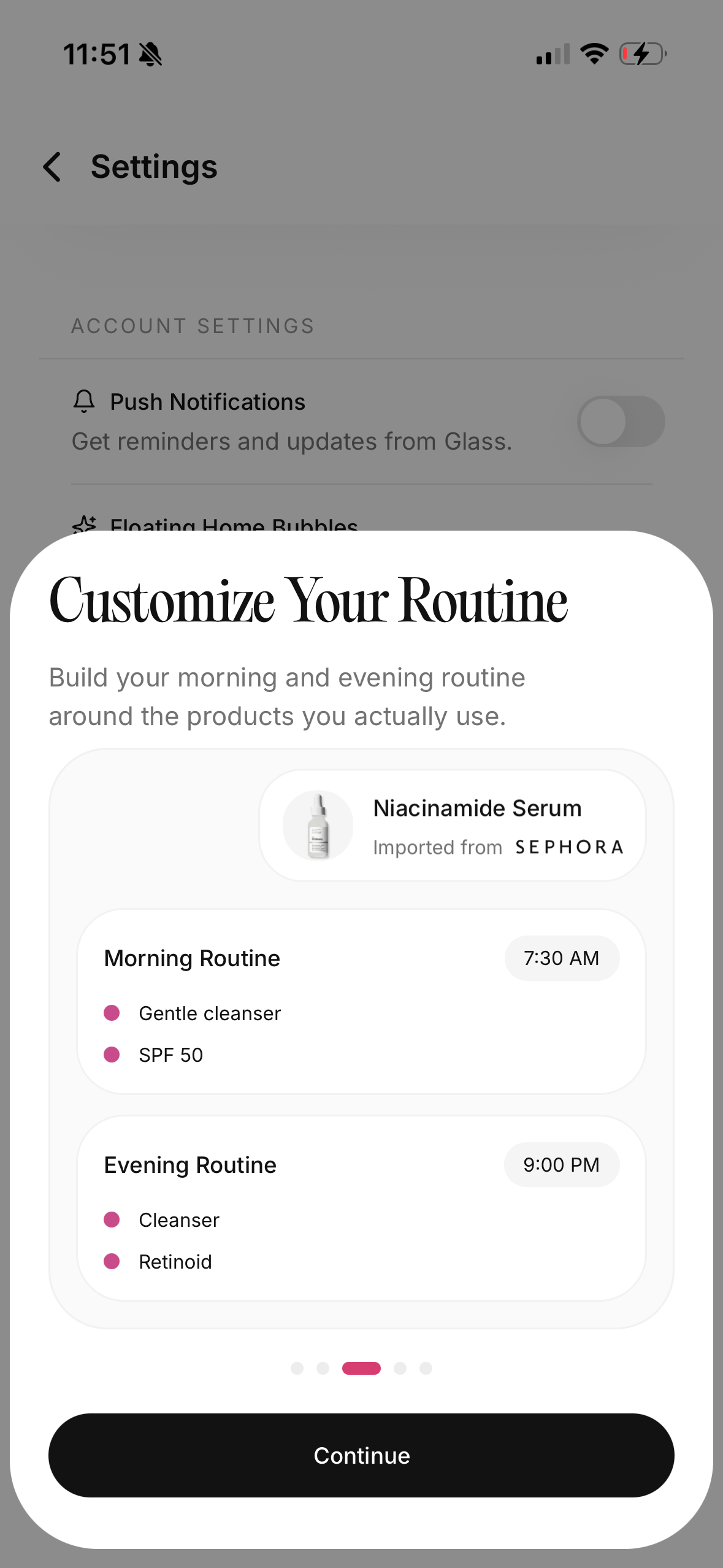
How I would track it in Glass
I would log the pairing in Glass for one week and keep the notes painfully simple.
Track:
- toner used or skipped
- moisturizer amount
- sunscreen used
- tightness by noon
- shine by noon
- redness before makeup
- pilling
- new clogged bumps
- whether the routine felt comfortable enough to repeat
One photo every few days in the same lighting is more useful than checking the mirror ten times a day. The pattern matters more than the moment.
The mistakes I would avoid
I would not buy both and add them on the same day as three other new products.
I would not use the green moisturizer as full-coverage redness correction.
I would not keep layering because the products are affordable.
I would not assume tightness means I need more products if my cleanser is the thing causing the tightness.
I would not assume redness means I need green pigment if the redness is burning, hot, bumpy, or persistent. That deserves a calmer routine and possibly a clinician, not just a prettier layer.
And I would not ignore sunscreen. Hydrating prep is useful, but sunscreen is still the morning step that protects the routine from becoming a cycle of treating damage after the fact.
The bottom line
I like this Sephora Collection pairing for one specific reason: it gives tight, mildly red, normal-to-dry or combination skin a low-cost comfort routine without making the product shelf complicated.
Use the milky toner first when skin feels dry or under-prepped. Use the green moisturizer second when mild redness and cream comfort are the problem. Keep the layer thin. Test it under the sunscreen you already own. Use less on the T-zone. Skip the pairing if it makes your face feel coated.
That is the whole thing.
The products are inexpensive, but the routine still needs judgment.
Useful references: AAD on dry skin care, AAD on sensitive skin product selection, and Cleveland Clinic on skin barrier care.
FAQ
Can I use Sephora Collection Hydrating Milky Toner and Soothing Moisturizer together?
Yes, if your skin wants both a light hydration layer and a creamier moisturizer. Use the toner first, let it settle, then apply a thin layer of the moisturizer. If your face feels heavy or shiny, use the moisturizer only on dry zones.
Should I use the toner before or after moisturizer?
Use the toner before moisturizer. The toner is thinner and more fluid, while the moisturizer is the cream layer that helps keep the routine comfortable.
Is this pairing good for oily skin?
It depends. Oily but dehydrated skin may like the toner with a very small amount of moisturizer. Very oily skin may prefer the toner with a lighter oil-free gel cream instead.
Can I use both under sunscreen?
Yes, but sunscreen compatibility is the real test. If SPF pills or slides, use less moisturizer, wait longer between layers, or keep the cream only on cheeks and dry areas.
Is the green moisturizer enough for redness?
It can soften the look of mild redness, but it is not a treatment for persistent redness, burning, flushing, or rash-like irritation. If redness feels hot, painful, bumpy, or ongoing, simplify your routine and consider professional care.