Two $20 moisturizers can feel like the same decision.
They are not.
One is green, creamy, and built around softer-looking redness. The other is oil-free, lighter, and built around a cleaner finish. If you buy the wrong one, the mistake may not look dramatic on day one. It usually shows up later, when your cheeks feel tight, your sunscreen pills, your forehead looks shiny, or your makeup starts sitting strangely around the nose.
That is why I would not choose between Sephora Collection Soothing Moisturizer with Hyaluronic Acid and Sephora Collection Hydrating & Mattifying Oil-Free Gel Cream by price. They sit in the same budget lane, but they solve different problems.
My short answer in May 2026: choose the Soothing Moisturizer if your skin looks pink, feels mildly tight, or needs a softer cream under sunscreen. Choose the Oil-Free Gel Cream if your skin gets shiny fast, hates rich creams, and needs a lighter morning moisturizer. If your face is both red and oily, do not panic-buy both. Split the face by zone or choose based on the problem that ruins your day first.
The fast comparison
| Product | Image | Best for | I would skip it if |
|---|---|---|---|
| Sephora Collection Soothing Moisturizer with Hyaluronic Acid | 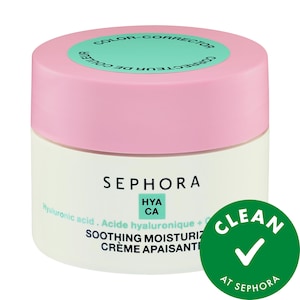 | Mild redness, tight cheeks, normal-to-dry or combination skin, makeup-prep comfort | Creams with shea butter clog you, your skin is very oily, or green-tinted products look dull on you |
| Sephora Collection Hydrating & Mattifying Oil-Free Gel Cream | 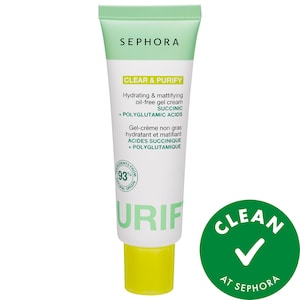 | Oily or combination skin, daytime shine control, lighter SPF layering, makeup that slides | Your cheeks are flaky, your barrier is burning, or matte products make your skin feel papery |
This is the cleaner split: the green moisturizer is for comfort and visual softness. The oil-free gel cream is for weight control.
That sounds obvious until you are standing in front of the shelf and both jars look affordable, harmless, and easy to justify.
What the green moisturizer is actually doing
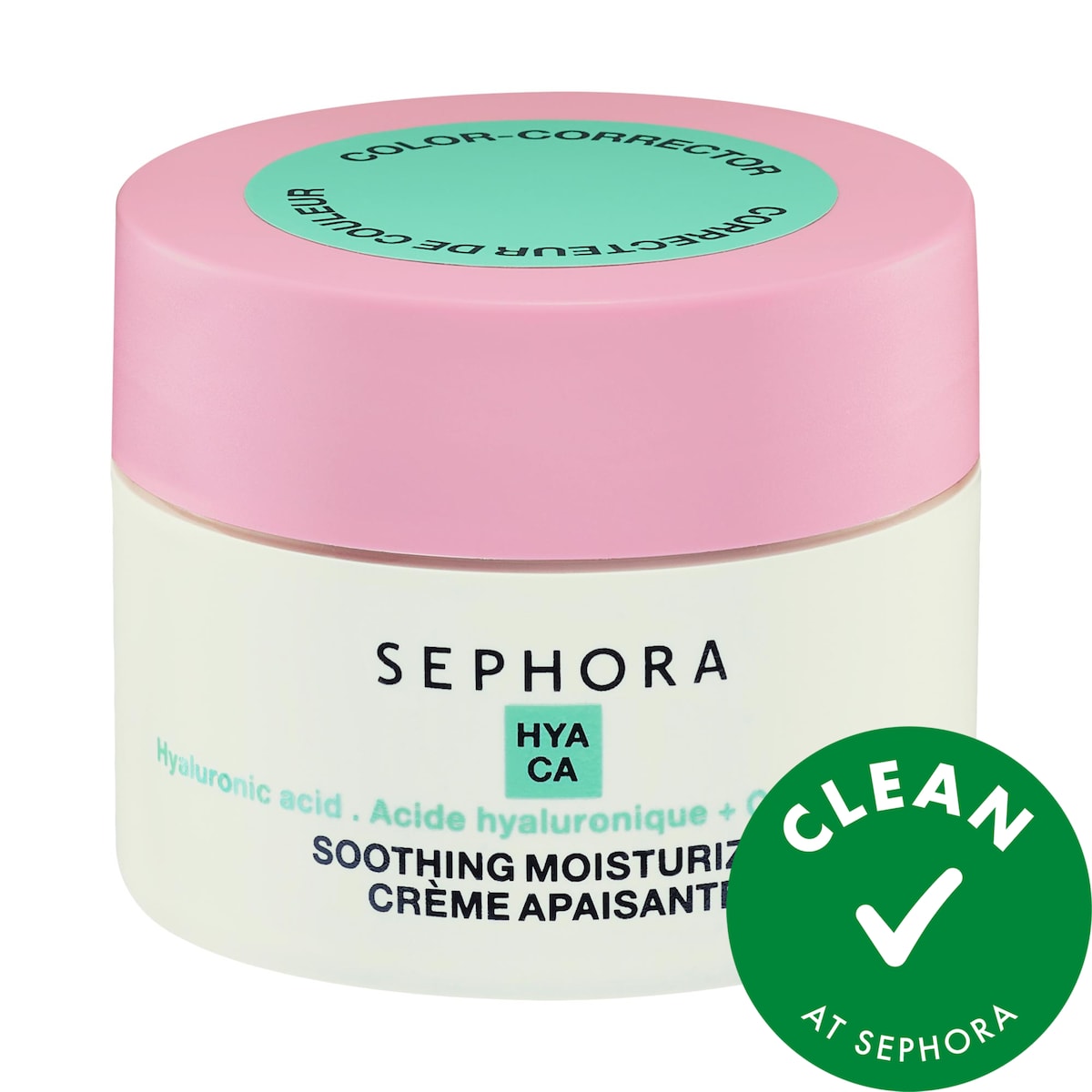
The Soothing Moisturizer is the cream I would consider when skin looks a little irritated before anything even happens.
You wash your face and the cheeks go pink. You apply serum and the mouth area feels tight. You put on sunscreen and suddenly every dry patch looks louder. That is the lane where a soft, green-tinted cream can make sense.
I would not treat it like a redness treatment. I would treat it like a daily moisturizer with a small visual assist. The green tone can soften the look of mild pinkness before sunscreen or makeup, but it will not erase flushing, rosacea-like bumps, irritation from a bad product reaction, or redness that feels hot and persistent.
The formula direction matters too. It reads more like a cream than a gel. The product data points to humectants such as glycerin and sodium hyaluronate, emollients that give cushion, shea butter, centella asiatica, and green pigment. That mix explains the fit: softer moisture, a little color correction, and a creamier feel than an oil-free gel.
That can be exactly right for combination skin with dry cheeks. It can be too much for a forehead that already looks glossy by noon.
What the oil-free gel cream is actually doing
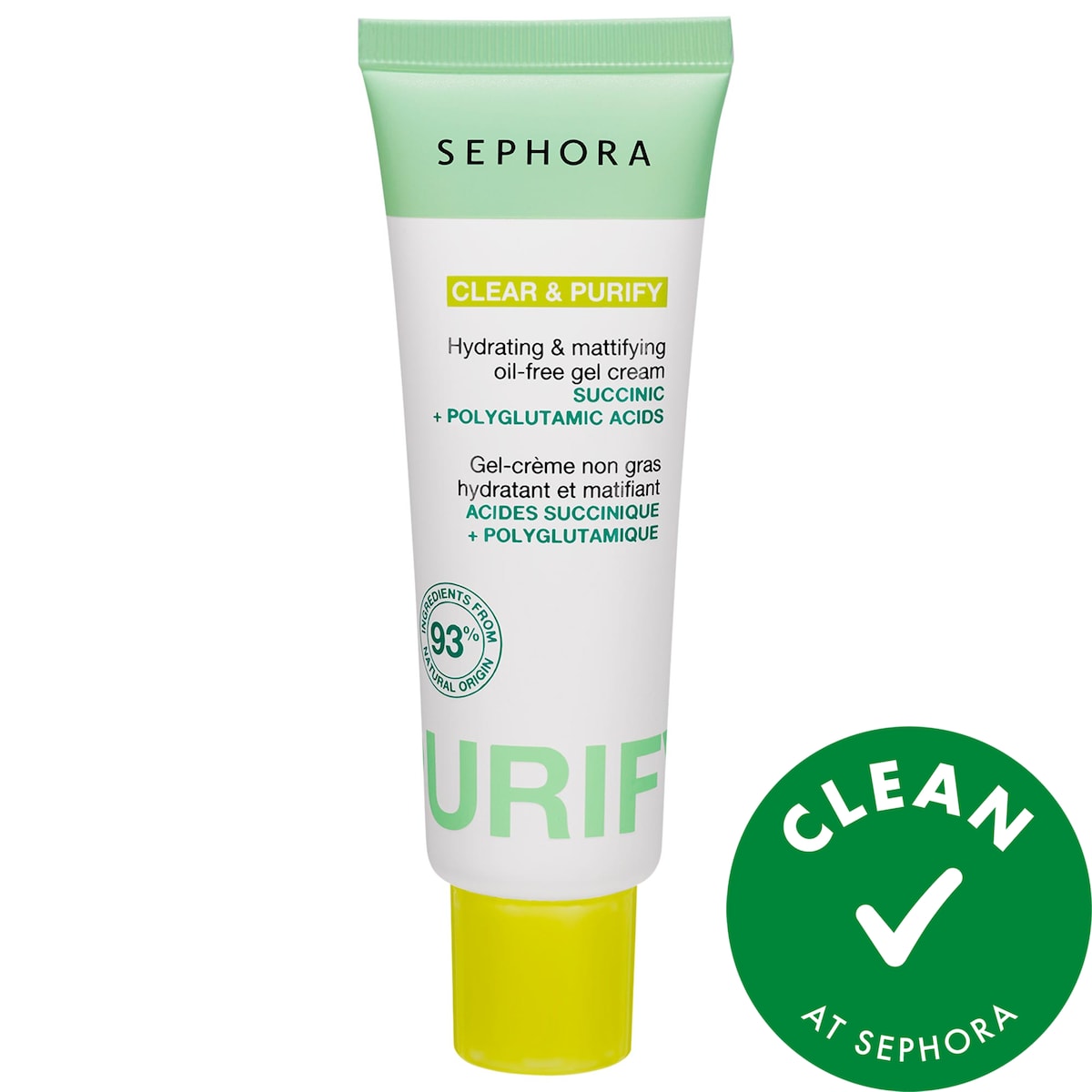
The Oil-Free Gel Cream is the one I would test when my moisturizer keeps making sunscreen feel greasy.
That is a real problem. A lot of oily skin routines fail because moisturizer feels optional. You skip it, then acne products or cleansing make the skin tight. You add a rich cream, then the face looks heavy. You buy a matte product, then the cheeks feel dry. The goal is not to punish oil. The goal is to find enough hydration without adding weight you hate wearing.
This gel cream belongs mostly in the morning for me. It is the jar I would test under sunscreen, primer, skin tint, or powder. If your sunscreen already feels creamy, a lighter moisturizer underneath can make the full stack easier to tolerate.
I would not ask it to be a night repair cream. If your skin is irritated from retinoids, benzoyl peroxide, exfoliating acids, or over-cleansing, a mattifying gel may not give enough comfort. You may need a richer product at night and the gel cream only in the morning.
That is not a failure. That is routine design.
The skin-type decision
Normal-to-dry skin should usually start with the Soothing Moisturizer.
Oily skin should usually start with the Oil-Free Gel Cream.
Combination skin should stop pretending one product has to go everywhere.
The face is not one surface. Your cheeks may want cream while your forehead wants less slip. Your mouth area may peel while your nose gets shiny. If you keep applying the same amount to every zone, you may blame the product when the real issue is placement.
Here is how I would choose:
| If your skin does this | Better first test |
|---|---|
| Cheeks get pink after cleansing | Soothing Moisturizer |
| Forehead gets shiny before lunch | Oil-Free Gel Cream |
| Makeup separates around the nose | Oil-Free Gel Cream, at least on the T-zone |
| Sunscreen clings to dry patches | Soothing Moisturizer on the dry zones |
| Moisturizer always feels heavy | Oil-Free Gel Cream |
| Gel moisturizers disappear too fast | Soothing Moisturizer or a richer cream |
| Redness is mild and mostly visual | Soothing Moisturizer |
| Redness is hot, painful, bumpy, or persistent | Do not rely on either as the whole answer |
That last line matters. Skincare can support a calmer routine, but persistent inflammatory redness deserves more caution than a green tint.
The sunscreen test matters more than the hand swatch
I do not trust hand swatches for moisturizers.
A hand swatch tells you slip. It does not tell you whether the product pills under SPF, makes your T-zone greasy, or leaves your cheeks tight three hours later.
For these two, the sunscreen test is the real test.
With the Soothing Moisturizer, I would apply a thin layer, wait a few minutes, then use my normal sunscreen. If the sunscreen sits smoother and the face looks less pink, good. If everything feels coated or makeup slides, I would use less or keep it only on the cheeks.
With the Oil-Free Gel Cream, I would test it on a normal morning, not before an event. Small amount. Let it set. Sunscreen next. Then watch the skin at hour three. If the forehead looks cleaner but the cheeks feel tight, that is not a total fail. It means the gel belongs on the T-zone and something softer belongs elsewhere.
The mistake is judging either product alone in a mirror five minutes after applying it. A moisturizer earns its place by how the rest of the morning behaves.
Under makeup
The Soothing Moisturizer is the better makeup-prep choice if redness and dry patches are the issue.
Use a thin layer. Let it settle. Do not keep adding more because you want the green tint to cover everything. Too much green-tinted cream can make the face look muted, gray, or strangely flat, especially if your skin tone is deeper, warmer, or already olive. It is a softening step, not a full base product.
The Oil-Free Gel Cream is the better makeup-prep choice if slip is the issue.
If foundation breaks apart because the base is too creamy, or your sunscreen already adds enough glow, a lighter gel can help the stack feel cleaner. I would still be careful around dry areas. Matte-leaning products can make texture look worse if the skin underneath is dehydrated.
Makeup does not care what a product is called. It cares how the layers sit together.
If your skin is red and oily
This is the hard case.
Redness makes you want soothing. Oil makes you want mattifying. Buying both jars sounds reasonable, but it may also make the routine more confusing than it needs to be.
I would start by asking which problem bothers you first in the day.
If your skin looks pink and tight immediately after cleansing, start with the Soothing Moisturizer. Use a small amount. Keep cleanser gentle. Stop adding aggressive actives for a week. See whether the redness quiets when the routine stops picking a fight.
If your skin feels comfortable but looks greasy by noon, start with the Oil-Free Gel Cream. Use it under your real sunscreen. Do not judge it on a no-sunscreen day if you normally wear SPF.
If both happen, split the placement:
- Soothing Moisturizer on cheeks, around the mouth, or wherever redness and tightness show.
- Oil-Free Gel Cream on the forehead, nose, and chin if those areas get shiny.
- Sunscreen over both, after each layer has settled.
That sounds more complicated, but it can actually simplify the routine because each product gets a clear job.
When neither is right
Neither product is the right first move if your skin is burning.
If water stings, moisturizer stings, your face is peeling, or every product suddenly feels wrong, I would not start with a green cream or a mattifying gel. I would simplify harder: gentle cleanse or rinse, a bland moisturizer you already tolerate, sunscreen if tolerated, and no new actives until the skin settles. If symptoms are severe, spreading, painful, or persistent, get medical help.
Neither product is the right first move if your skin is deeply dry. The Soothing Moisturizer may help mild tightness, but dry, flaky, winter-level skin often needs a richer cream. Sephora Collection Hydrate Balmy Rich Cream is the more obvious Sephora Collection lane when the face wants cushion instead of balance.
Neither product is the right first move if you already own a moisturizer that works. Affordable skincare can still become clutter. If your current cream keeps your skin comfortable, sits under sunscreen, and does not break you out, you do not need to replace it because a $20 jar looks easy to test.
How I would test either one for seven days
I would keep the test boring.
One moisturizer. Same cleanser. Same sunscreen. Same makeup if possible. No new exfoliant. No new retinoid. No new vitamin C serum. No new cleanser with a dramatic promise.
For seven days, track:
- tightness after cleansing
- stinging when moisturizer goes on
- shine by lunch
- makeup or sunscreen pilling
- new clogged pores
- dry patches around the mouth
- redness that looks calmer or louder
Glass is useful here because moisturizer changes are easy to misread. One good skin morning can make a product seem better than it is. One stressful day can make a decent product look guilty. A routine log and same-lighting photos make the pattern easier to judge.
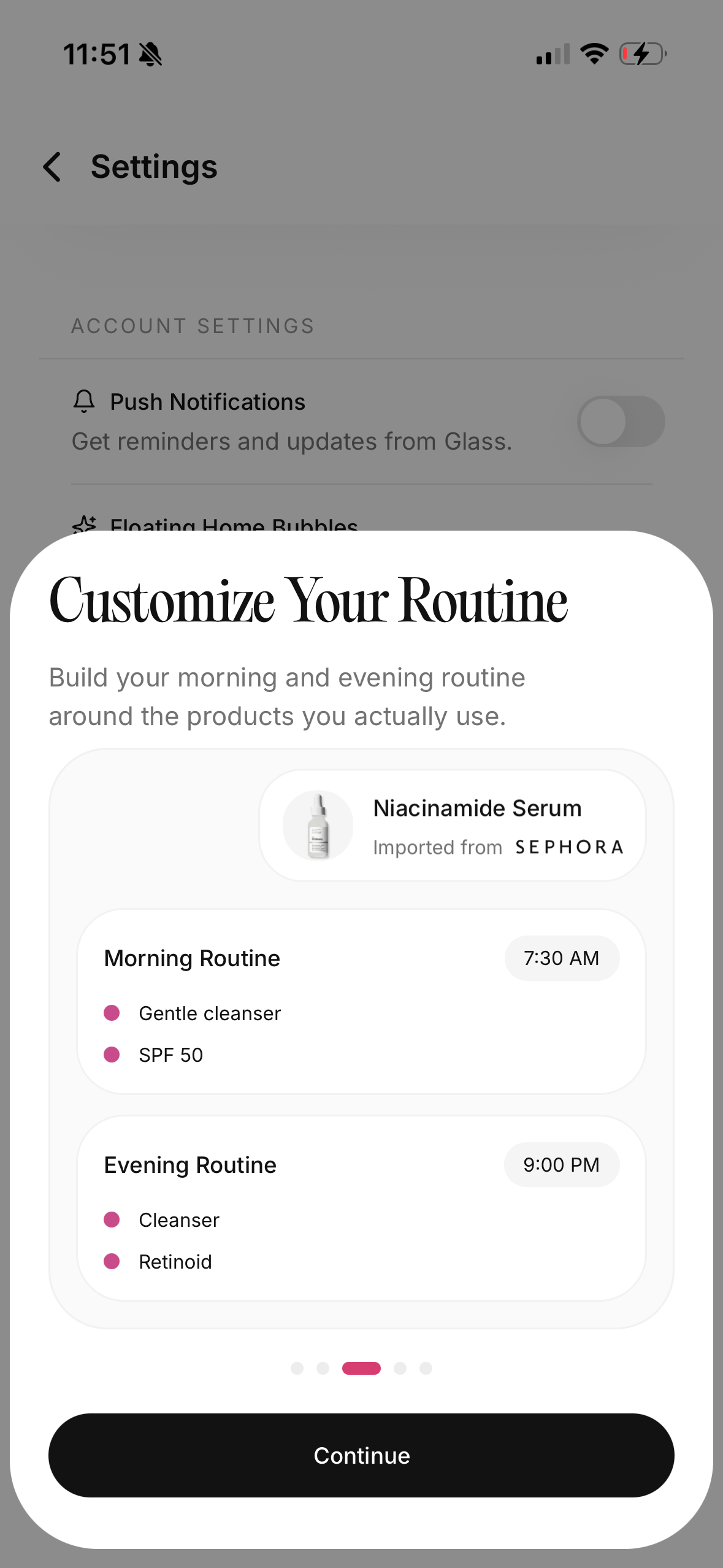
If the product works, your routine should feel easier. Not more exciting. Easier.
My final call
If I were buying for mild redness, tight cheeks, and a softer base under sunscreen, I would choose Sephora Collection Soothing Moisturizer with Hyaluronic Acid.
If I were buying for shine, heavy-feeling sunscreen, and a lighter daytime finish, I would choose Sephora Collection Hydrating & Mattifying Oil-Free Gel Cream.
If my skin were combination, I would stop forcing one jar to serve every zone. Cream where the skin complains. Gel where the skin gets heavy. Then watch the pattern for a week before changing anything else.
That is the whole decision.
The better moisturizer is not the one with the nicer name. It is the one that makes tomorrow morning easier to repeat.
Useful references: AAD moisturizer advice for acne-prone skin, AAD face-washing basics, Sephora Collection Hydrating & Mattifying Oil-Free Gel Cream, and Glass Sephora Collection moisturizer comparison.
FAQ
Which one is better for oily skin?
The Oil-Free Gel Cream is the better first test for oily skin, especially in the morning under sunscreen. If your oily skin is also irritated or tight, use it carefully and consider a more supportive moisturizer at night.
Which one is better for redness?
The Soothing Moisturizer is the better fit for mild visible redness because it has a green tint and a creamier comfort profile. It should not be treated as a treatment for hot, painful, persistent, or bumpy redness.
Can I use both?
Yes, but I would use them by zone rather than layering them everywhere. Soothing Moisturizer can go on cheeks or red areas. Oil-Free Gel Cream can go on the T-zone or shinier areas.
Which one is better under makeup?
Choose the Soothing Moisturizer if makeup catches on dry patches or redness shows through. Choose the Oil-Free Gel Cream if makeup slides, separates, or gets too shiny because the base is too creamy.
Are they enough for very dry skin?
Probably not as the whole routine. The Soothing Moisturizer can help mild dryness, but very dry or flaky skin usually needs a richer cream, especially at night.