My night skin routine got better when I stopped treating dryness like a shopping problem.
That was the habit.
Every time my skin woke up tight, dull, or a little creased around the cheeks, I assumed I was missing a product. Another serum. A richer cream. A sleeping mask. A face oil. Something.
Most of the time, I was not missing a miracle step.
I was using the right kinds of products in the wrong rhythm.
Dry, dehydrated, tired-looking skin usually needs a calmer night routine before it needs a bigger one. It needs less stripping at the sink, more hydration before cream, a final layer that actually holds, and fewer active nights pretending to be recovery nights.
That sounds simple.
It is simple.
But it is also the thing people skip because buying one more bottle feels more productive than making the routine quieter.
Quick answer
If your skin looks decent right after your PM routine but wakes up tight, flat, or dull, I would rebuild the night skin routine like this:
- Cleanse only as much as the day requires.
- Add hydration while the skin is still slightly damp.
- Use one serum with a clear job, not three half-jobs.
- Seal with a cream that matches your morning skin, not your bedtime fantasy.
- Save oils, masks, exfoliants, and retinoids for specific nights.
The part that changed everything for me was step two.
I stopped waiting until my skin felt dry and bare before moisturizing. I started putting hydration back in quickly, then sealing it while my skin still felt pliable. That small timing shift made the whole routine feel less desperate.
The American Academy of Dermatology gives the same dry-skin baseline in less glamorous language: use warm water instead of hot, keep cleansing gentle, and apply moisturizer while skin is still damp. That advice is not flashy, but it is the kind of advice that keeps a routine from becoming a nightly repair job.
The routine I would build first
| Image | Step | Product | Best for | Why it makes sense |
|---|---|---|---|---|
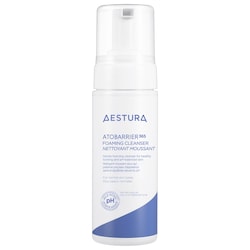 | Cleanse | AESTURA ATOBARRIER365 Gentle pH-Balancing Foaming Cleanser for Hydrating Sensitive Skin | Tight, dry, easily over-washed skin | Cleans without making the rest of the routine compensate |
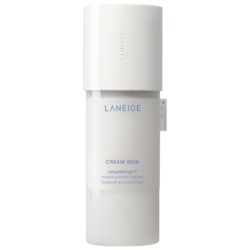 | Hydrate | LANEIGE Cream Skin Refillable Milky Toner with Ceramides and Peptides | Skin that feels bare after cleansing | Adds cushion before cream so the routine does not feel abrupt |
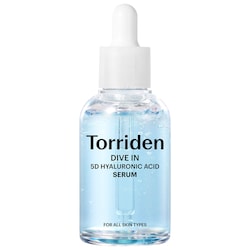 | Support | Torriden DIVE IN 5D Hyaluronic Acid Ultra Hydrating Serum for Plump & Glow Skin | Dehydrated, flat-looking skin | Gives the routine one clear hydration owner |
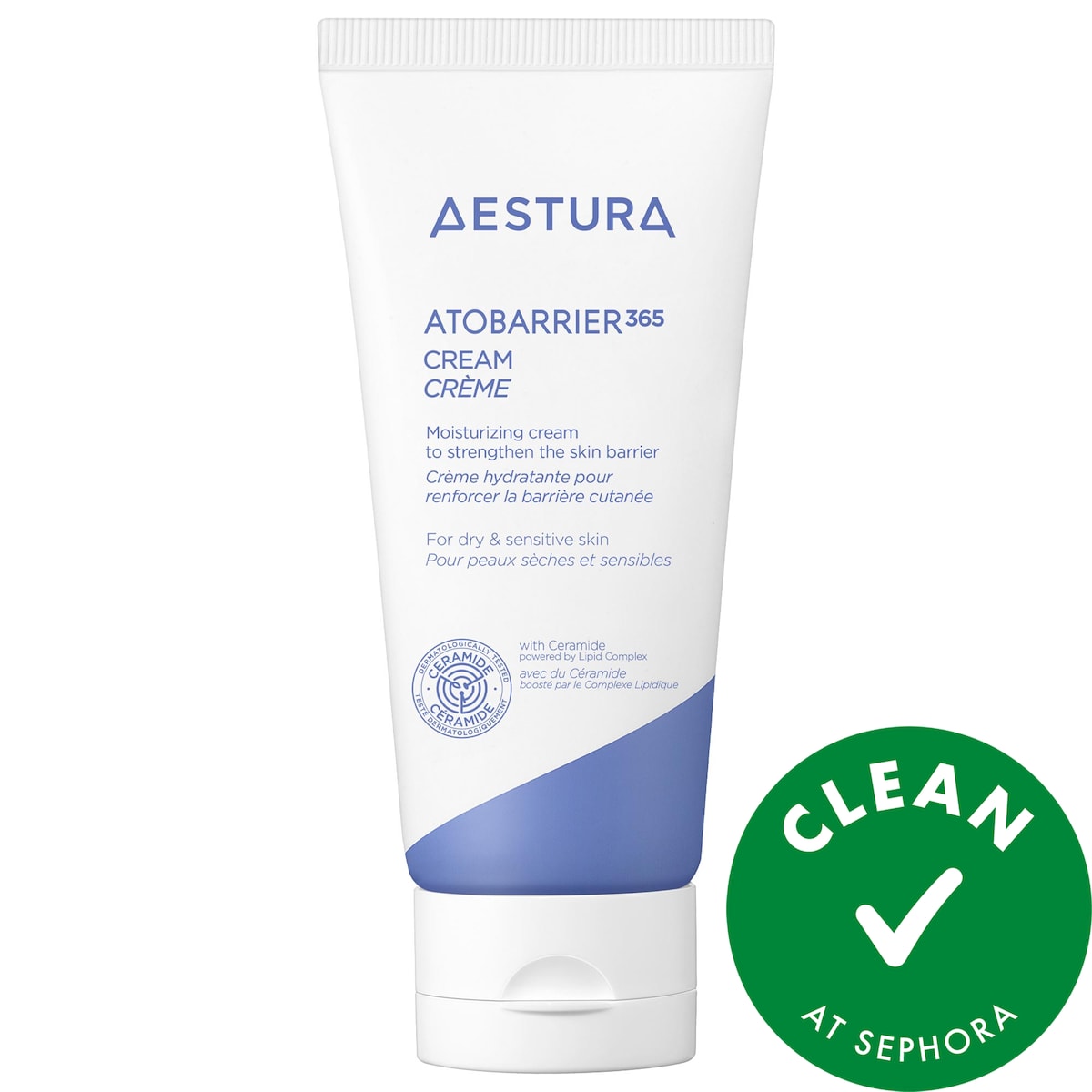
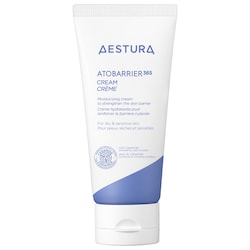 | Seal | AESTURA ATOBARRIER365 Cream Moisturizer with Ceramides & Niacinamide | Dry, depleted, reactive skin | A barrier-first cream for nights when light moisturizers disappear too fast |
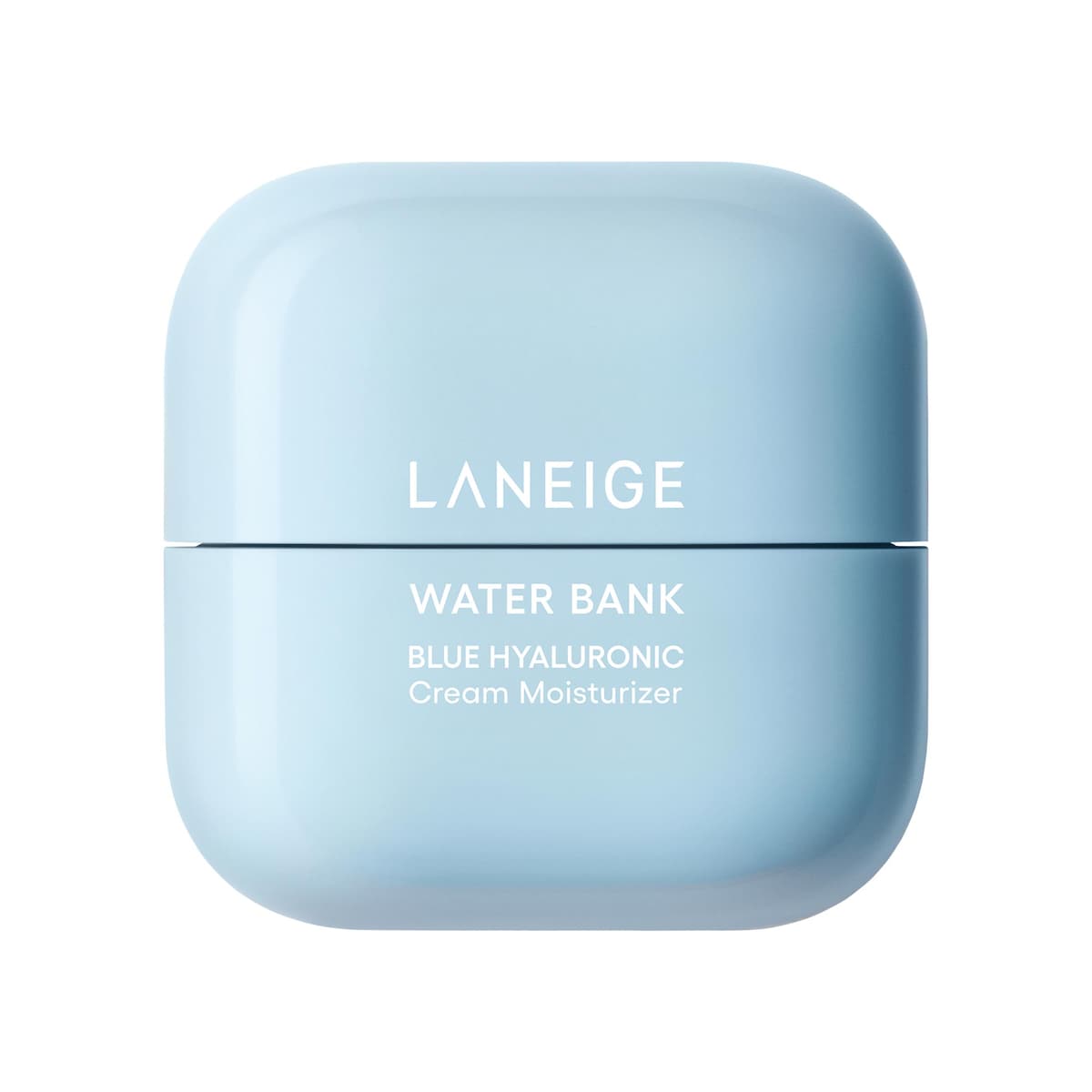
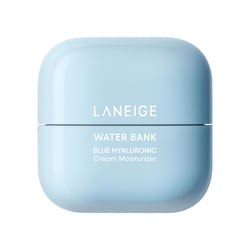 | Softer seal | LANEIGE Water Bank Blue Hyaluronic Cream Moisturizer | Dry skin that hates very rich creams | A smoother cushion when the routine needs comfort without maximum weight |
 | Flexible cream | innisfree Green Tea Hyaluronic Acid Hydrating Cream for Skin Barrier Repair | Normal-dry skin and everyday repeatability | A lighter cream lane when heavy barrier creams feel like too much |
The real problem is usually the gap between cleansing and sealing
This is where my routine used to fall apart.
I would cleanse well. Too well, honestly. Then I would stand around, brush my teeth, let my face dry down, and come back to apply serum and moisturizer on skin that already felt tight.
At that point, the moisturizer had to do too much.
It had to calm the tightness, add water back, smooth the surface, and seal everything. If it was light, it disappeared. If it was rich, it felt like a film sitting on top of thirsty skin. That is the exact feeling that makes you think you need more products, when what you really need is better timing.
Now I think of the routine in two phases:
- return the skin to comfort
- hold that comfort through the night
Those are different jobs.
Hydrating layers return comfort. Creams hold comfort. Oils and balms can reinforce comfort when needed. Actives do not belong in the routine until the comfort system already works.
That order changed how I read my own skin in the morning.
If I woke up tight, I stopped blaming the serum first. I looked at the cleanse, hydration timing, and final cream. If I woke up greasy but still dry underneath, I looked at whether my final layer was too occlusive without enough water underneath. If I woke up flaky, I looked at actives and exfoliation before adding another glow product.
That kind of troubleshooting is boring in the best way.
It saves money.
Step 1: Cleanse like you want to keep your barrier
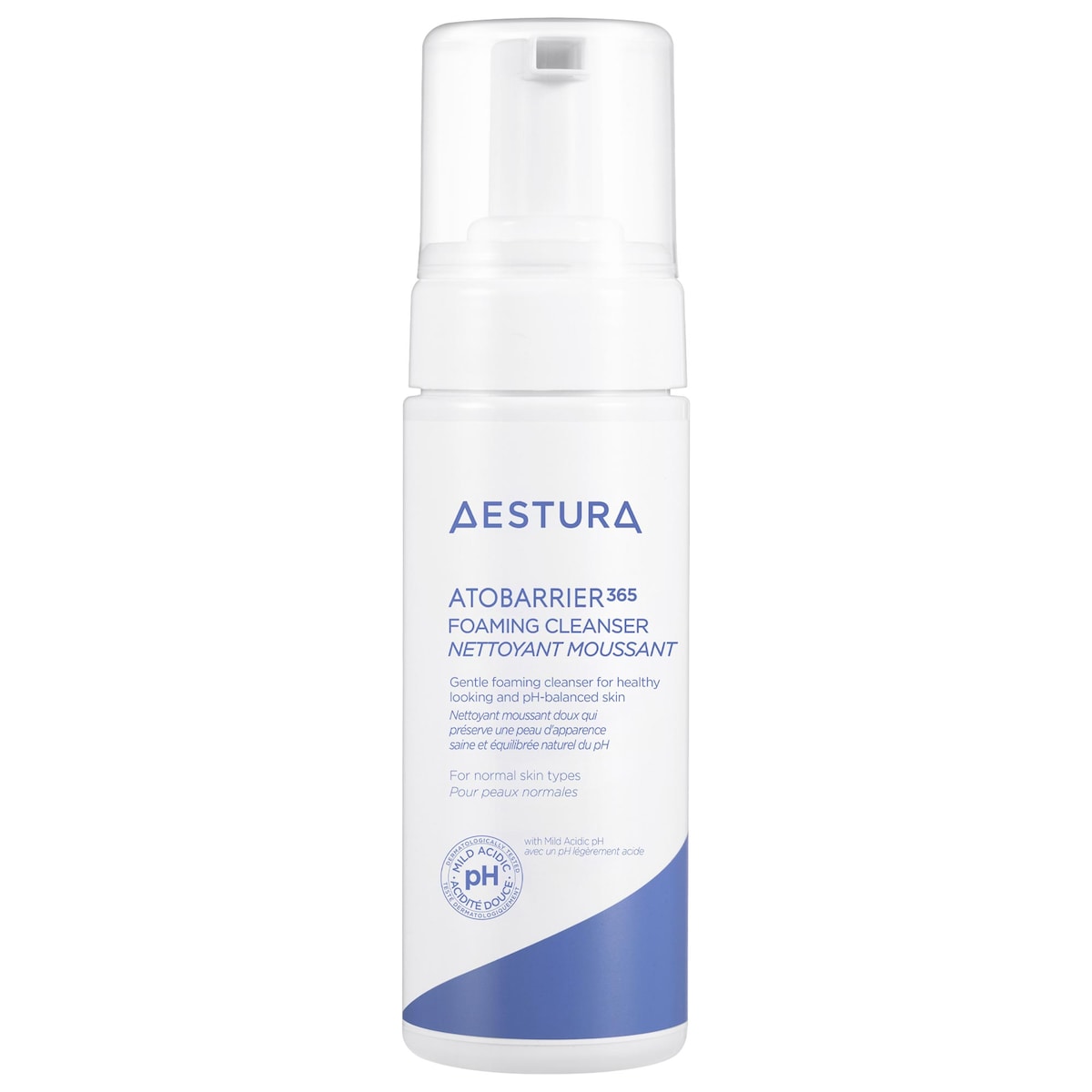
The night cleanse has one job: remove the day without making the skin feel smaller.
That is the phrase I use because it is instantly recognizable. If your face feels tight, shiny, papery, or oddly "snatched" after cleansing, the cleanse is too expensive. Not financially. Barrier-wise.
For most dry or dehydration-prone skin, the cleanser should feel almost uneventful. It should remove sunscreen, makeup residue, sweat, and oil, then get out of the way.
AESTURA ATOBARRIER365 Gentle pH-Balancing Foaming Cleanser fits that kind of night because it stays in a gentler lane. It makes sense if you want a real cleanse but do not want that stripped-clean feeling that forces the rest of the routine to perform emergency work.
Use it as the main cleanse if your day was light.
If you wore heavier sunscreen or makeup, remove that first with a cleansing oil, balm, or micellar step, then use the gentle cleanser after. The point is not to scrub harder. The point is to dissolve more intelligently.
I would be especially careful with cleansers that leave the skin squeaky. That sensation can feel satisfying in the moment, but dry skin usually sends the invoice later.
Step 2: Put hydration back before the skin starts begging
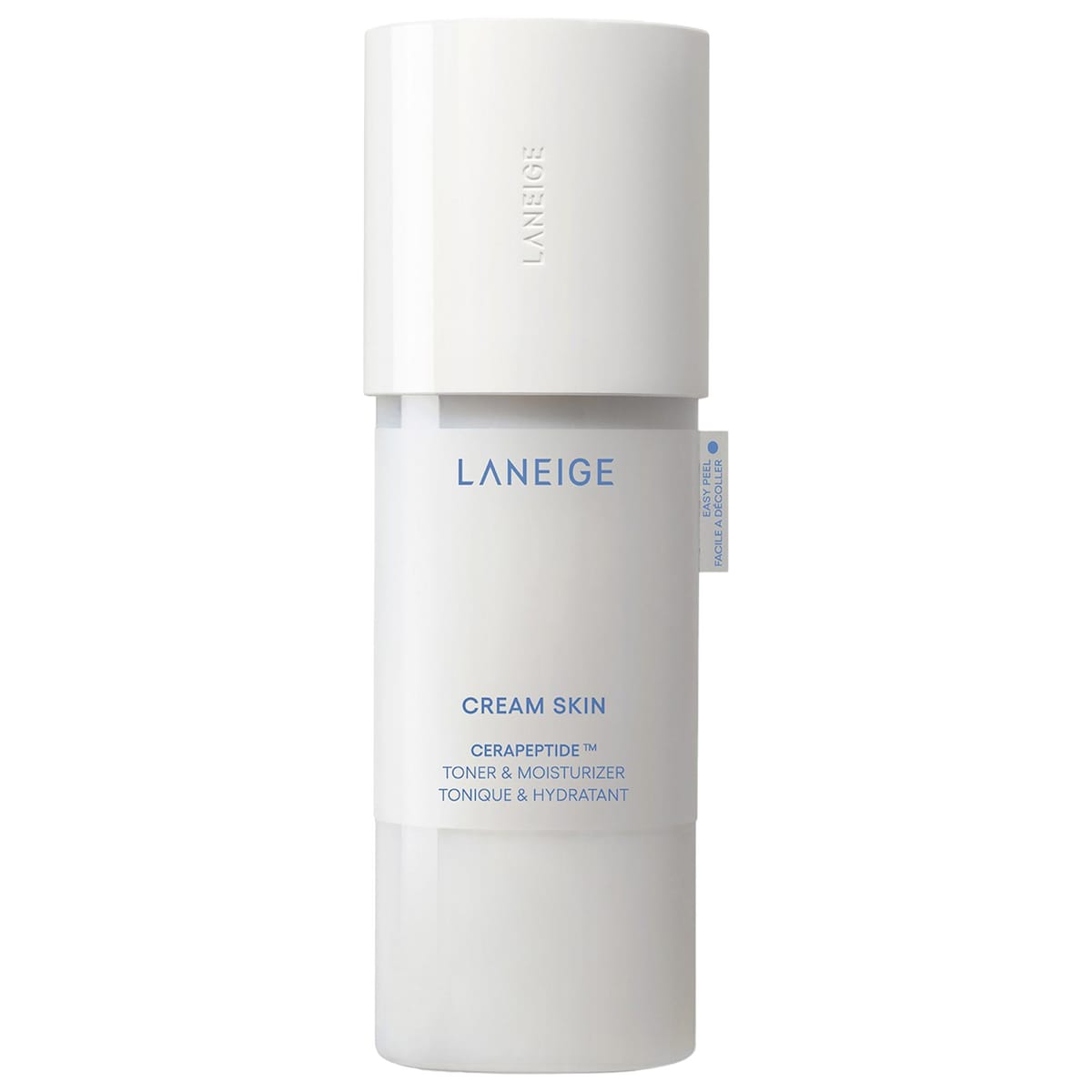
This is the habit I would change first.
Do not wait until your face is fully dry and tight before you start the rest of the routine.
After cleansing, pat the skin so it is not dripping, then add a hydrating layer while it still feels flexible. That is where a milky toner can be more useful than another heavy cream.
LANEIGE Cream Skin is the kind of product I like for this job because it makes the skin feel cushioned early. It is not there to act like a peel, pore treatment, or dark-spot serum. It is there to make the skin feel less thirsty before you move on.
That narrow role matters.
A lot of routines get sticky because every product is trying to be the hero. You do not need that here. You need one layer that tells the skin, "we are no longer in panic mode."
Use one thin layer most nights. Use two thin layers when the room is dry, the heat is running, or your skin has that dull, creased look even after moisturizer.
Then stop.
If the toner step becomes a seven-skin ceremony you dread, it will not last. The best version is the one you can repeat when you are tired.
Step 3: Add a serum only when it has a job
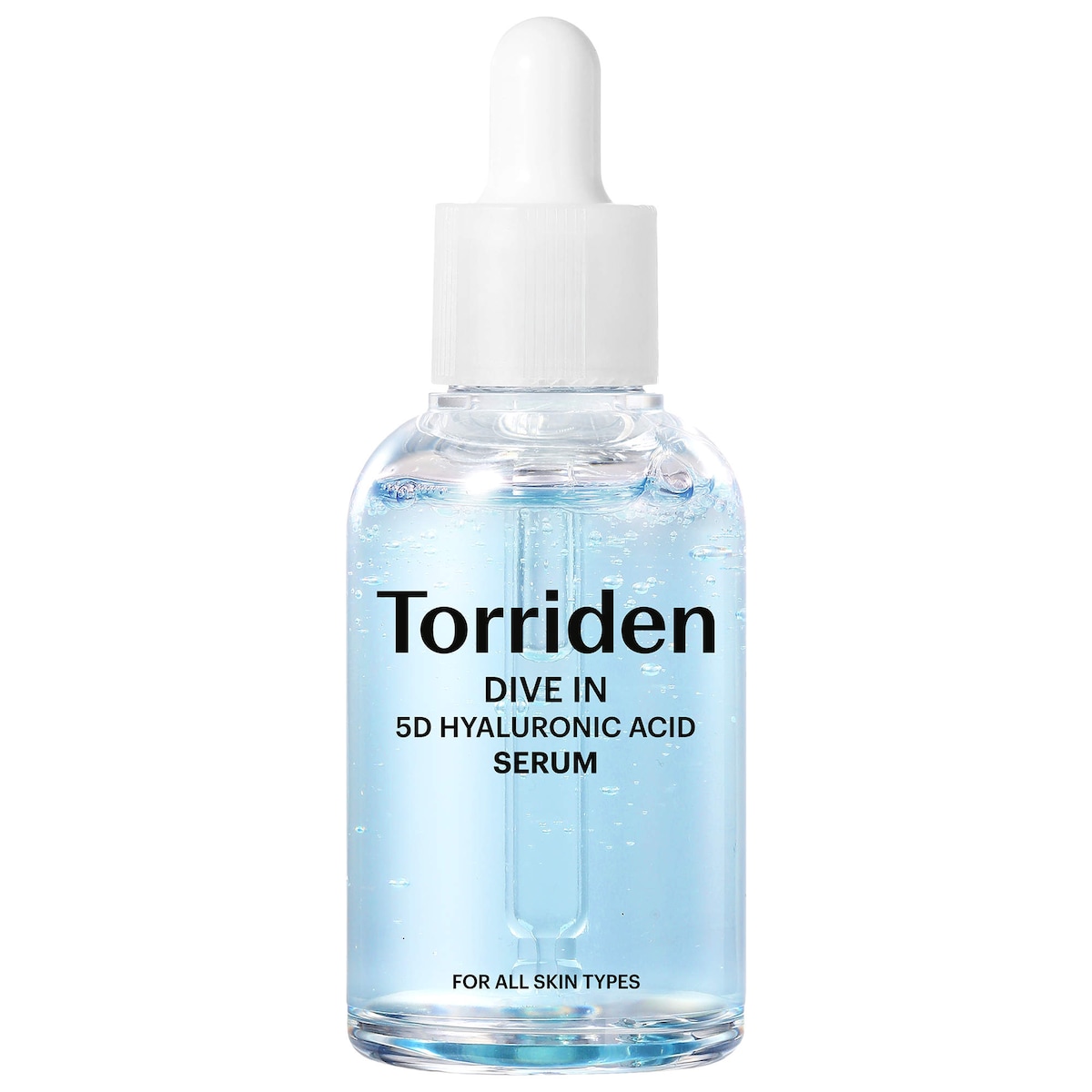
Serum is optional.
That sentence saves a lot of routines.
If your skin feels good after a milky layer and moisturizer, you do not need to force a hydrating serum into the routine just because the shelf has room. But if your skin still feels flat underneath, or your cheeks look dull by morning, one serum can make the routine work better.
The key is choosing a serum with one clear job.
Torriden DIVE IN 5D Hyaluronic Acid Ultra Hydrating Serum makes sense when the issue is dehydration: skin that looks tired, tight, lined from water loss, or strangely dull even though you are moisturizing.
I would use it when:
- my skin feels thirsty underneath the surface
- makeup catches on texture the next morning
- my moisturizer feels like it sits on top instead of helping
- my routine needs more bounce, not more exfoliation
I would skip it when:
- toner and cream already feel enough
- my routine is starting to pill
- I am already using several treatment serums
- my skin is irritated and needs fewer variables
That last point is important. A hydrating serum can help, but irritated skin does not always want more layers. Sometimes it wants fewer decisions.
Step 4: Use a cream that matches your morning skin
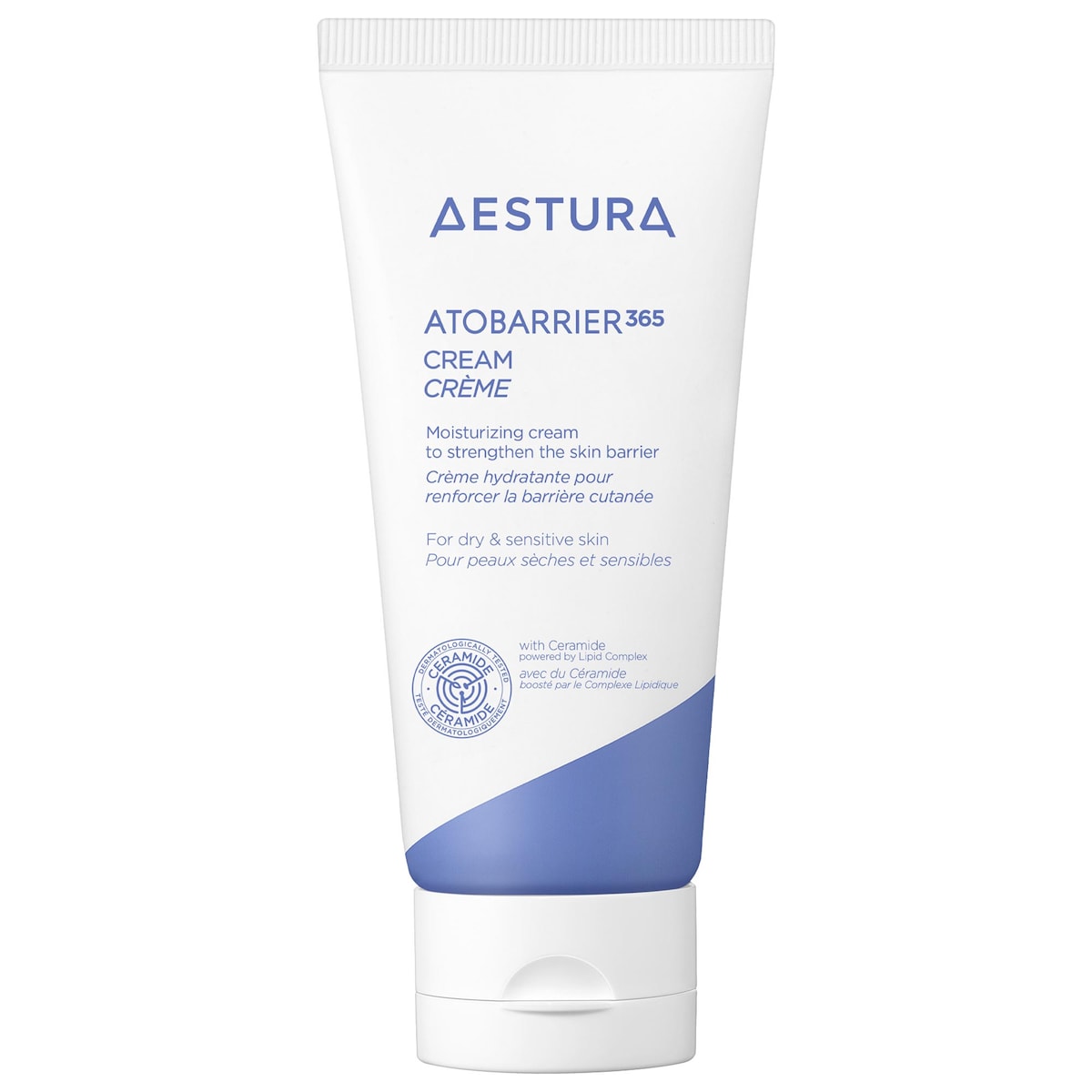
I used to choose night cream by how it felt at bedtime.
That was the wrong test.
The better test is how your skin feels eight hours later.
If your cream feels beautiful going on but you wake up tight, it is not holding enough for your skin. If it feels rich at night but you wake up congested, shiny, or coated, it may be too much or layered over the wrong base. If it only works when paired with three other products, it might not be the best final step.
Use AESTURA ATOBARRIER365 Cream Moisturizer when your skin feels depleted, reactive, flaky, or hard to comfort. It is the stronger barrier-first lane in this routine.
Use LANEIGE Water Bank Blue Hyaluronic Cream when your skin is dry but still wants a smoother, less heavy finish. It is a good middle lane when a rich cream sounds right in theory but feels like too much in real life.
Use innisfree Green Tea Hyaluronic Acid Hydrating Cream when your skin needs everyday comfort more than a heavy repair moment. It is the kind of cream I would look at when consistency matters more than maximum richness.
The point is not to crown one cream forever.
The point is to match the seal to the problem you actually wake up with.
Step 5: Separate active nights from recovery nights
This is the rule I wish I had followed earlier.
Retinoids, exfoliating acids, brightening treatments, acne treatments, and dark-spot serums can all be useful. They can also make dry, dull skin worse when they keep showing up on nights that should have been recovery nights.
I like a simple split:
Recovery nights
Cleanse. Hydrate. Moisturize. Maybe add a rescue layer on the driest patches.
These nights are for skin that feels tight, stingy, weather-stressed, over-cleansed, or over-treated.
Active nights
Cleanse. Hydrate lightly if your skin tolerates it. Use one active. Moisturize well.
These nights are for texture, acne, pigment, or long-term smoothing work. One active is usually enough.
Reset nights
Cleanse less if your skin allows it. Keep everything bland. No exfoliation. No retinoid. No proving a point.
These are the nights that keep a routine from collapsing.
The mistake is using an active every night because it feels like discipline. Sometimes discipline is skipping the thing that would make your skin angry tomorrow.
When your skin looks good at night but bad in the morning
This is one of the most frustrating patterns.
You finish the routine and your skin looks glossy, smooth, and calm. Then you wake up dull, tight, or creased. It feels like the products lied.
Usually, one of four things happened.
The routine had shine, not hydration
Some products make the skin look glossy at bedtime without giving it enough water support underneath. If you wake up tight under the glow, add hydration earlier instead of adding more oil at the end.
The final cream was too light
If your skin feels good for one hour and tight by morning, your last step may not be holding enough. Move from lotion to cream, or use a richer cream on the driest areas.
The room is working against you
Dry indoor air can undo a delicate routine. A humidifier is not glamorous, but it can make a night routine feel much more effective when heat, air conditioning, or desert air is pulling moisture out overnight.
The active was too much for that night
If you wake up tight and shiny in a bad way, especially around the mouth, cheeks, or nose, look at retinoids and exfoliants before blaming your moisturizer.
The rescue layer is not the whole routine
There are nights when dry skin needs more.
That might mean a sleeping mask. It might mean a thin occlusive layer over the driest spots. It might mean a richer cream just on the cheeks and around the mouth.
I like rescue layers when they are honest.
They are not a personality. They are a tool.
Use a rescue layer when:
- your skin feels tight even after moisturizer
- your cheeks are flaky from weather or travel
- you overdid an active and need to calm things down
- your bedroom air is dry and your normal cream is not enough
Skip it when:
- you are breakout-prone and already feel coated
- your skin needs fewer products, not more
- you are using it to compensate for a cleanser that is too harsh
- you are hoping it will fix irritation while you keep irritating your skin every night
That last one matters. Slugging or masking over a bad routine can feel comforting for a night, but it does not fix the structure.
The three-night test
When I am trying to figure out whether a night routine actually works, I do not judge it from one evening.
I give it three ordinary nights.
Not three perfect nights. Ordinary nights.
The test is simple:
- Did my skin feel tight within 10 minutes of cleansing?
- Did the routine pill or feel sticky?
- Did I wake up more comfortable than usual?
- Did my skin look calmer, or just shinier?
- Did any product sting in a way that felt wrong?
If the answer is mostly good after three nights, I keep the structure and adjust one product at a time.
If the answer is bad, I simplify before I add.
That is the move people resist, but it works. A smaller routine gives you better information. A crowded routine gives you suspects.
The version I would use most nights
If I wanted the most repeatable version, I would do this:
- Gentle cleanse.
- LANEIGE Cream Skin while the skin still feels slightly damp.
- Torriden serum only if the skin still feels thirsty.
- AESTURA cream on dry or reactive nights.
- LANEIGE or innisfree cream on easier nights.
That is enough.
No exfoliating toner on top.
No extra brightening serum because the skin looked dull for one day.
No retinoid on a night when the corners of the mouth already feel tight.
The routine works because it is calm enough to repeat.
Where Glass fits
This is the kind of routine problem that is hard to solve from memory.
You think you remember what changed, but then you forget whether the tightness started after a cleanser swap, three retinoid nights, a weather change, or the week you started sleeping with the heat blasting.
That is why I like tracking routines instead of just collecting products.
Glass helps you keep the routine, scan changes over time, and notice patterns that are easy to miss when every week feels like a new skin mystery. It is especially useful when the question is not "what should I buy?" but "what is my skin actually responding to?"
That is the better question.
Because once you can answer that, the night routine gets a lot quieter.
FAQ
What is the best night skin routine if I wake up tight?
Start with a gentle cleanser, add hydration while skin is still slightly damp, then seal with a cream that still leaves your skin comfortable by morning. If you wake up tight, look at cleanser strength, hydration timing, and cream texture before adding more treatment products.
Should I use retinol every night in my night skin routine?
Not if your skin is dry, tight, flaky, or irritated. Retinol can be useful, but it belongs on active nights, not recovery nights. If your skin feels compromised, keep the routine bland until it feels stable again.
Is face oil better than moisturizer at night?
Usually no. Face oil can help soften and reinforce a routine, but most people still need a moisturizer or cream underneath. Oil is better as an optional finishing layer than as the only answer to dehydration.
Why does my skin look shiny at night but dull in the morning?
That often means the routine created surface shine without enough hydration underneath, or the final layer did not hold moisture well enough overnight. Add hydration earlier and choose a cream based on how your skin feels in the morning.
How long should I wait before changing my night routine again?
Give a simple routine a few normal nights before judging it, unless something burns, stings badly, or causes obvious irritation. Change one variable at a time so you can actually tell what helped.
If you want to zoom out, start with how to build a skincare routine you will actually follow. If dryness is the bigger theme, night skincare routine for dry skin (April 2026) and best Sephora moisturizers for dry skin are the closest next reads.