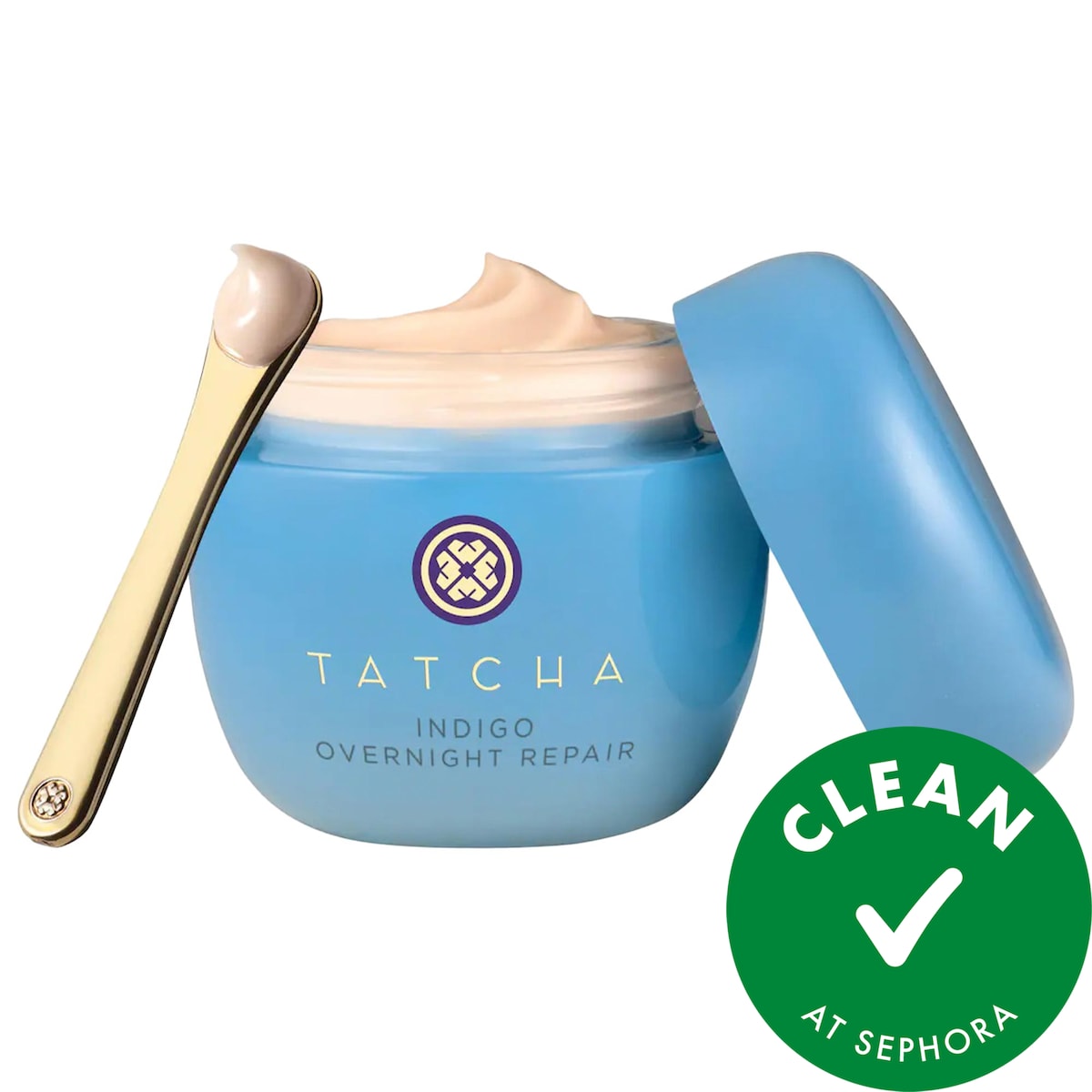
Dry skin lies.
Not always. But often enough.
It tells you that you need a richer cream. Then you buy one, and your face still feels tight by breakfast. It tells you to add an oil. Then your cheeks look shiny, but the skin underneath still feels papery. It tells you to exfoliate because the flakes are visible. Then the flakes come back meaner.
That was the loop I had to get out of.
The fix was not a bigger routine. It was a cleaner morning and night skincare routine for dry skin, with each step doing one job instead of asking one heavy moisturizer to save a messy shelf.
The routine I trust now is simple:
Morning is for comfort and protection.
Night is for cleansing, replenishing, and sealing.
Everything else is optional.
The dry skin routine I would start with now
If my skin felt tight, dull, flaky, or uncomfortable in April 2026, I would build around this order before buying anything dramatic.
Morning
- Rinse or cleanse gently.
- Add a thin hydration layer while skin is still slightly damp.
- Use one serum only if it solves a clear problem.
- Moisturize.
- Finish with sunscreen.
Night
- Remove sunscreen or makeup if needed.
- Cleanse gently.
- Add a milky toner or essence.
- Use a hydrating serum if skin still feels thirsty.
- Moisturize with a barrier-friendly cream.
- Add a balm or oil only on the dry patches that still need sealing.
That is the structure.
Not a ten-step routine. Not a panic cart. Not a new active every time your face looks dull.
The American Academy of Dermatology’s dry-skin guidance is still the boring rule that keeps saving me: use warm water instead of hot, cleanse gently, and apply moisturizer while skin is still damp. I think about that every time a routine starts drifting toward more products instead of better timing.
The product map
| Image | Step | Product | Best for | Why I would use it |
|---|---|---|---|---|
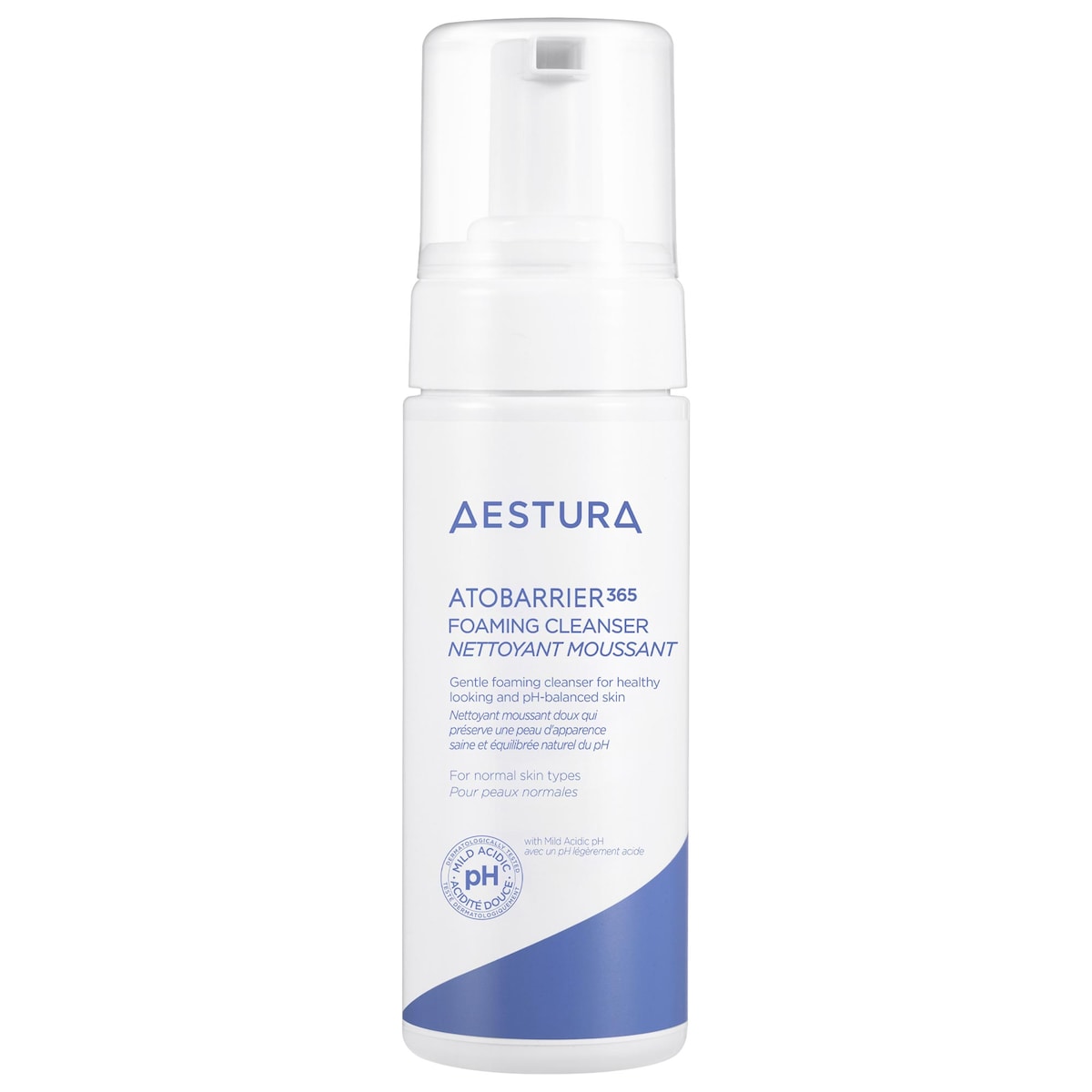
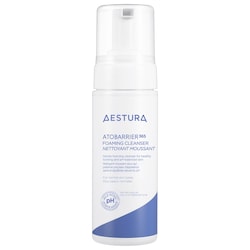 | Cleanse | AESTURA ATOBARRIER365 Gentle pH-Balancing Foaming Cleanser | Dry skin that feels tight after washing | A gentler reset that does not make the rest of the routine work uphill |
 | Hydrate | LANEIGE Cream Skin Milky Toner | Skin that feels bare after cleansing | A fast comfort layer before serum or cream |
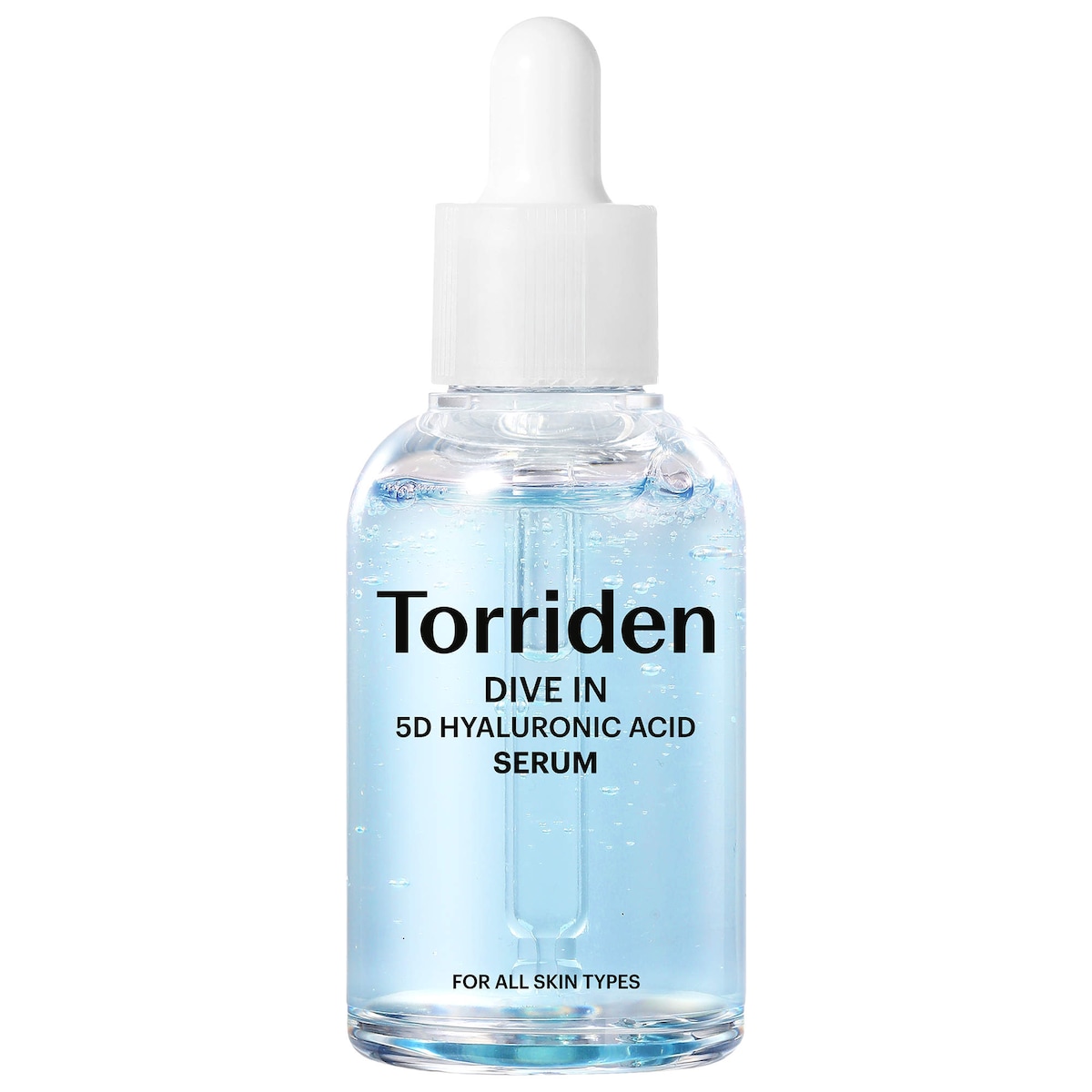
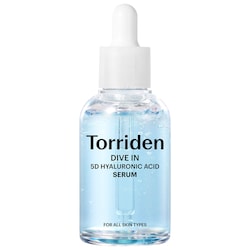 | Hydrating serum | Torriden DIVE IN 5D Hyaluronic Acid Ultra Hydrating Serum | Dehydrated, flat-looking dry skin | Gives water support without forcing a greasy finish |
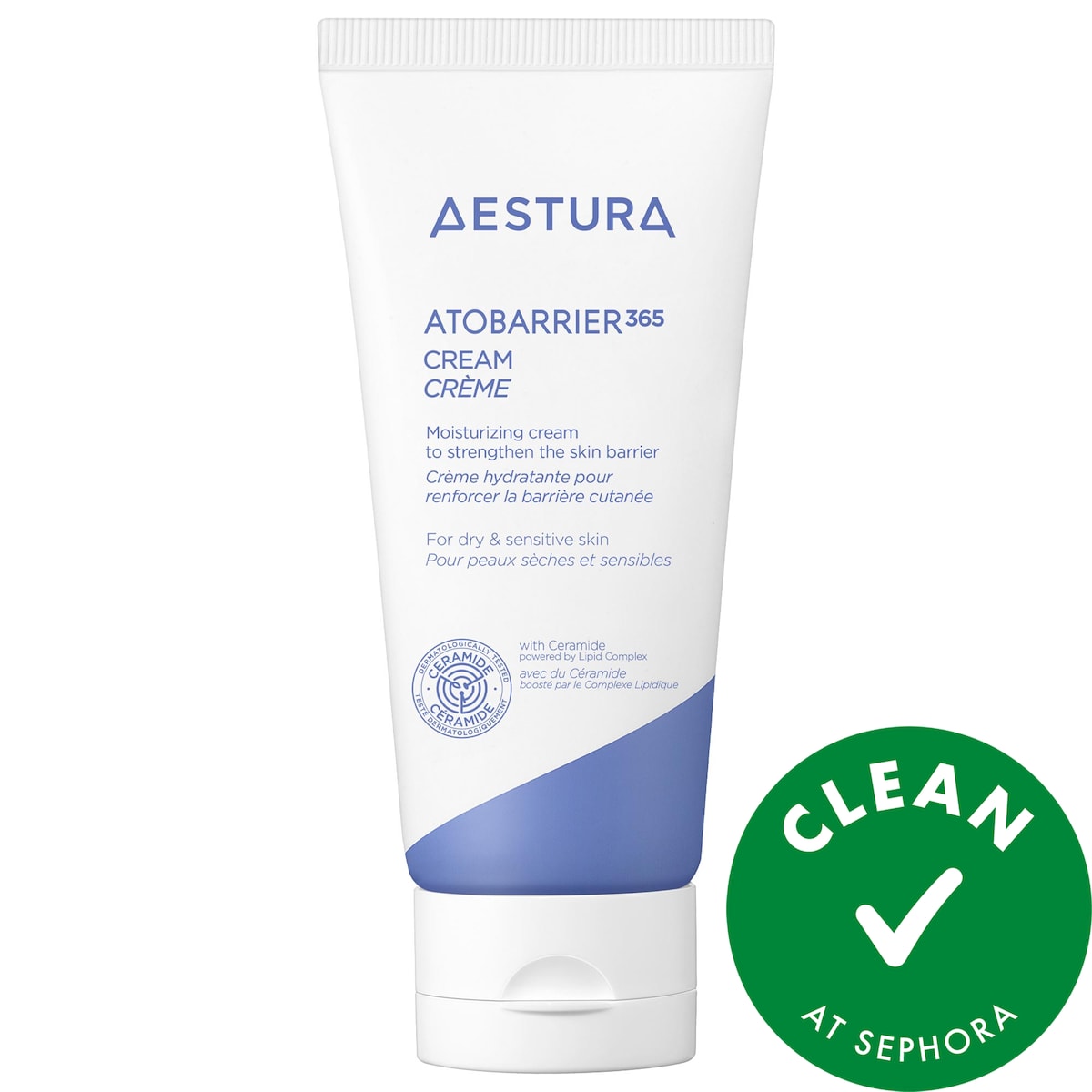
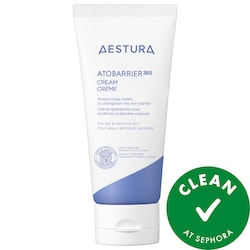 | Barrier cream | AESTURA ATOBARRIER365 Cream Moisturizer | Dry, depleted, reactive skin | The main seal when skin needs real cushion |
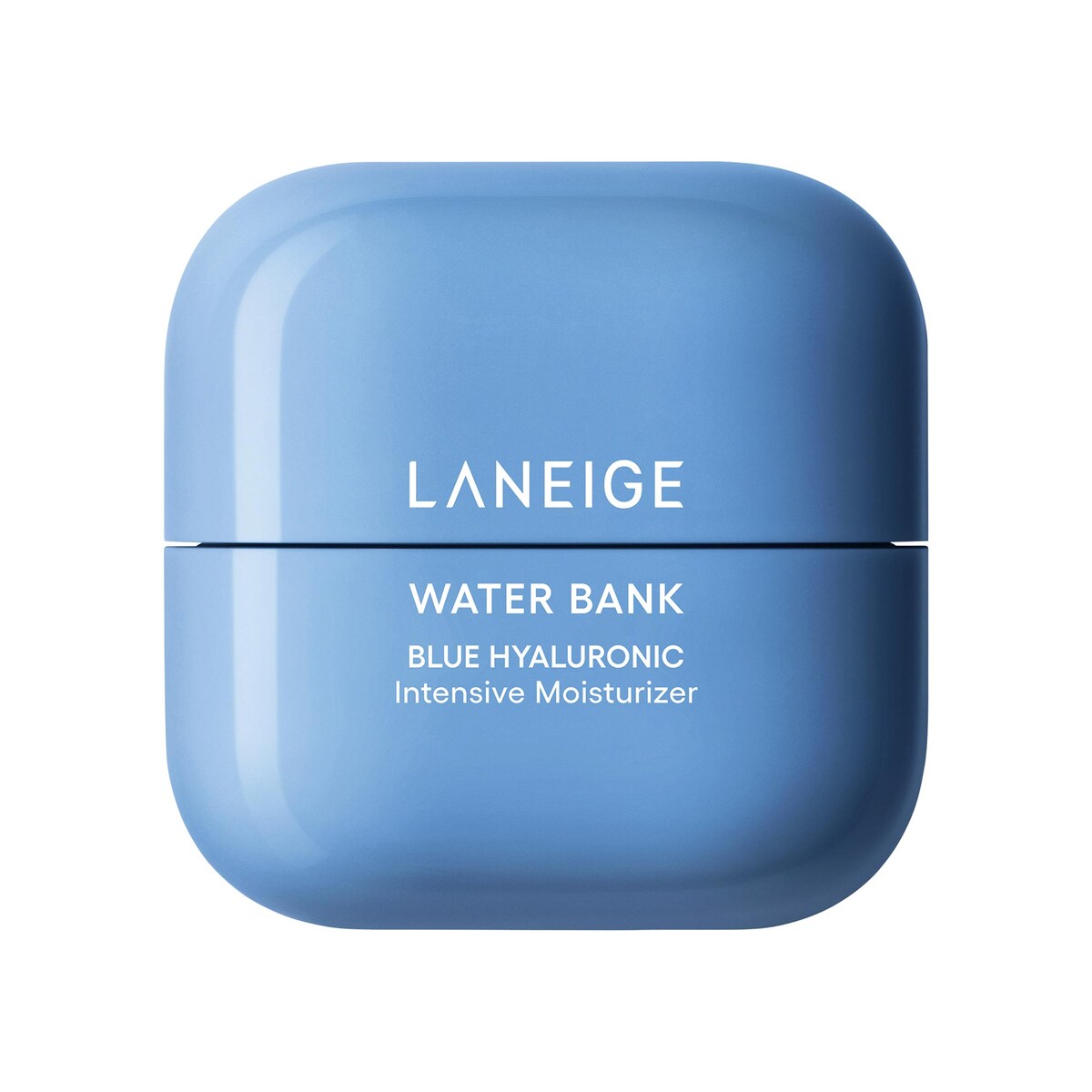
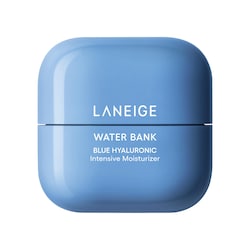 | Richer cream | LANEIGE Water Bank Blue Hyaluronic Intensive Moisturizer | Dry skin that wants a plusher night finish | A more cushioned option when lightweight creams disappear too fast |
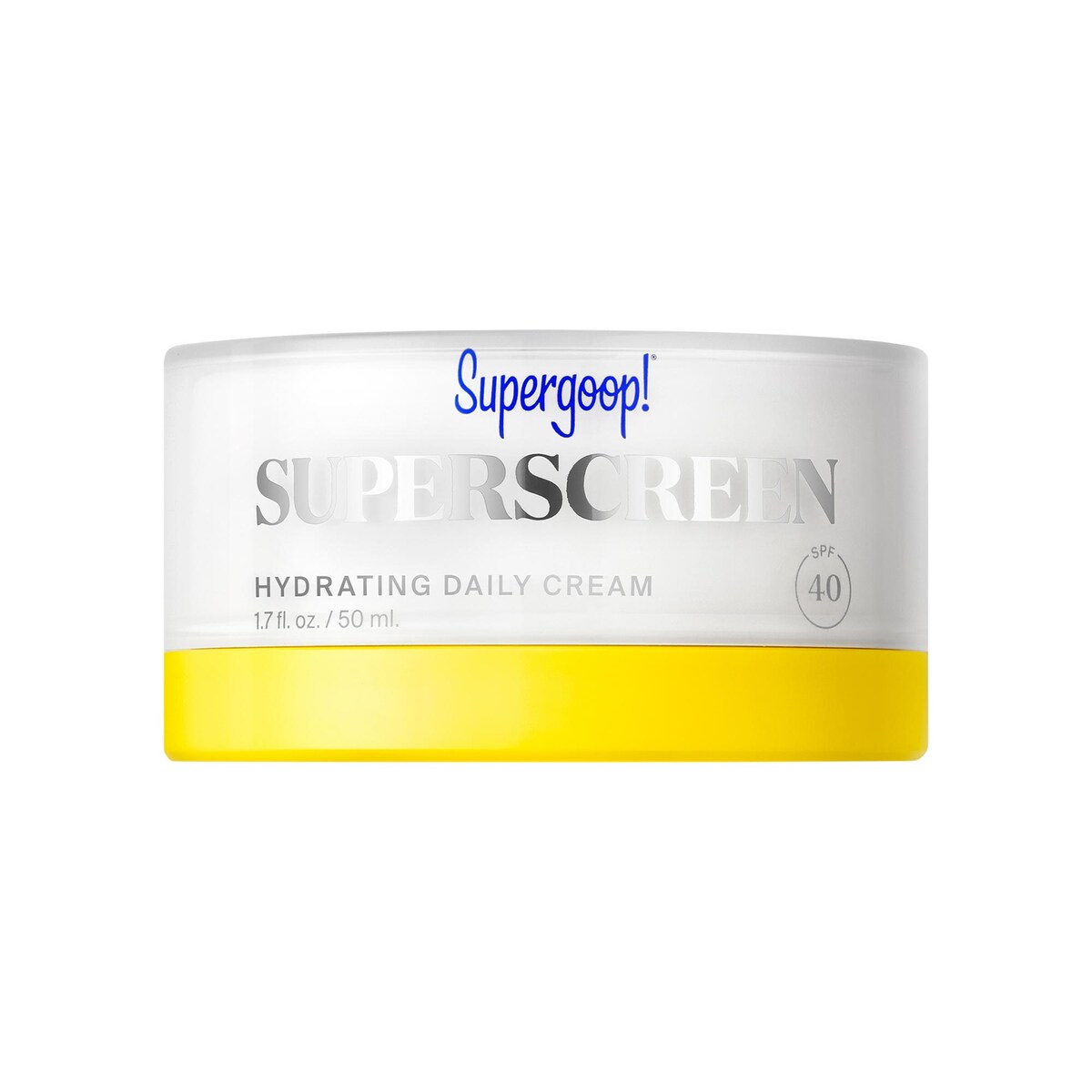
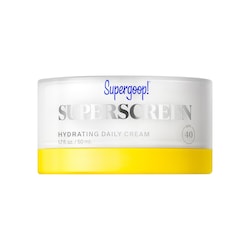 | SPF | Supergoop! Superscreen Rich Hydrating Cream SPF 40 | Dry skin that hates matte sunscreen | A daytime final step that feels more like cream than chalk |
The first mistake: cleansing like oily skin
Dry skin can still get dirty.
It can still need sunscreen removed. It can still break out. It can still feel congested around the nose and chin. That is why I do not like the advice that dry skin should barely cleanse. It is too vague.
The better rule is this: cleanse enough to remove the day, but not so aggressively that your moisturizer has to repair the cleanse.
If my skin feels smaller after washing, I used the wrong cleanser or I used the right cleanser too hard.
That tight, shiny, squeaky feeling is not proof that the routine is working. It is usually the first sign that the rest of the routine is starting from a deficit. A gentler cleanser like AESTURA ATOBARRIER365 makes sense because the goal is not drama. The goal is to finish washing and still feel like your skin belongs to you.
In the morning, I do not force a full cleanse if I do not need it. If I wake up comfortable, a water rinse can be enough. If I wake up sweaty, oily, or covered in a heavy sleeping layer, I cleanse lightly.
At night, I cleanse more seriously because sunscreen and makeup do not get a free pass. If I wore water-resistant sunscreen or makeup, I remove that first, then use a gentle cleanser. If it was a low-product day, one gentle cleanse is enough.
The difference matters.
Dry skin does not need less logic. It needs less punishment.
The second mistake: putting cream on skin that has no water in it

This is where my routine changed the most.
I used to finish cleansing, let my face get fully dry, then apply a rich moisturizer and wonder why it felt like the cream sat on top. My skin looked coated, but not comfortable. It was shiny in the wrong way.
Now I add hydration before I seal.
A milky toner like LANEIGE Cream Skin is useful because it gives dry skin a soft landing after cleansing. It is not there to be impressive. It is there to stop the routine from jumping straight from cleanser to cream.
I like this step when:
- my cheeks feel tight within minutes of washing
- moisturizer pills less when there is a damp base underneath
- my skin looks dull, not just dry
- makeup catches around flaky patches later in the day
One thin layer is the default. Two thin layers can work when skin is genuinely dehydrated. Five layers usually means I am trying to make toner do the job of a whole routine.
That is the line I try not to cross.
Hydration layers should make the routine calmer. If they make it sticky, heavy, or hard to finish, I cut back.
The third mistake: using a serum because it sounds productive
Serum is where dry-skin routines get expensive fast.
There is always another bottle that promises glow, bounce, firmness, glass skin, dark-spot help, barrier support, pore refinement, or overnight transformation. Some of those products are good. The problem is stacking them without knowing which job tonight actually needs doing.
For dry skin, I ask one question before serum:
Is my skin dry, dehydrated, or irritated?
Dry skin needs oil and barrier support.
Dehydrated skin needs water support.
Irritated skin needs fewer variables.
Those are different routines.
If my skin feels flat, papery, or tight under the surface, I like a hydrating serum lane. Torriden DIVE IN 5D Hyaluronic Acid fits that job because it gives the routine a clear water-support step before cream. It is not trying to exfoliate, brighten, resurface, and firm all at once.
That restraint is useful.
If my skin is irritated, I skip serum and go straight to moisturizer. If my skin is calm but dull, I might use a gentle brightening serum in the morning a few days a week. If I am using retinol at night, I do not pair it with every other active I own just because the shelf is there.
Dry skin improves faster when the routine becomes easier to read.
One serum. One job. Then stop.
The morning routine needs sunscreen that dry skin will actually wear
Sunscreen is where a lot of dry-skin routines quietly fail.
People build a careful morning routine, then top it with a sunscreen that feels chalky, tight, matte, or drying. By lunch, the face feels uncomfortable, so they blame the serum or moisturizer underneath. Sometimes those steps are the problem. Often, the final layer is.
The American Academy of Dermatology recommends broad-spectrum sunscreen with SPF 30 or higher. I treat that as the baseline. The practical part is finding one you do not resent using.
For dry skin, I prefer sunscreen that behaves more like a moisturizer than a dry primer. Supergoop! Superscreen Rich Hydrating Cream SPF 40 fits that lane because the texture makes more sense for someone who already struggles with tightness.
The order still matters:
- Hydration layer if needed.
- Serum if using one.
- Moisturizer if sunscreen is not moisturizing enough.
- Sunscreen last.
Sunscreen should not go underneath moisturizer. It needs to form the final protective layer. If it pills, I do not automatically throw away the sunscreen. I check the routine underneath first.
Usually, pilling comes from one of four things:
- too much toner or serum
- a moisturizer that never settled
- rubbing sunscreen instead of pressing and smoothing
- using too many silicone-heavy or film-forming layers together
My fix is boring and effective: use less underneath, wait a minute, then apply sunscreen in sections.
Dry skin does not need a complicated morning. It needs a morning that survives the final step.
Night is where dry skin gets repaired, not attacked
Night is when I used to overdo it.
I would see flakes and reach for exfoliation. I would see dullness and reach for an active. I would see tightness and add oil on top of everything. Sometimes that worked for a night. Then the same problem returned, and I had no idea which step helped or hurt.
Now I split nights into three lanes.
Recovery night
Cleanser, milky toner, moisturizer.
That is it.
This is the night I use when my skin feels tight, stingy, red, weather-beaten, over-cleansed, or annoyed by products that usually feel fine.
Hydration night
Cleanser, milky toner, hydrating serum, moisturizer.
This is the night I use when the skin is calm but thirsty. It feels flat or papery, but not inflamed.
Treatment night
Cleanser, simple hydration if needed, one treatment, moisturizer.
This is where retinol or exfoliating acid belongs if I am using it. Not every night. Not stacked carelessly. Not as a punishment for having texture.
The AAD notes that retinoids can irritate skin, especially when introduced too quickly. That matters even more when your baseline is dry. I would rather use a treatment once or twice a week and keep my skin comfortable than use it nightly and spend the next month repairing the fallout.
AESTURA ATOBARRIER365 Cream is the kind of cream I like for the first two night lanes because it gives the routine a real seal. It is especially useful when a lighter moisturizer vanishes too quickly and I wake up feeling like I never moisturized at all.
If your skin is very dry, the cream is not the extra.
The cream is the routine.
When to choose the richer cream
I do not think every dry-skin routine needs the richest cream on the shelf.
Some people with dry skin still hate weight. Some break out from heavy occlusive layers. Some only need a richer texture in winter, after travel, or during retinol weeks. That is why I like having a richer cream lane instead of making it the default forever.
LANEIGE Water Bank Blue Hyaluronic Intensive Moisturizer makes sense when a normal moisturizer feels gone by morning. It has more cushion than the lighter gel-cream lane, but it still feels like skincare rather than a straight balm.
I would reach for it when:
- cheeks feel tight even after moisturizer
- makeup looks rough the next morning
- the air is dry or cold
- retinol weeks make the face feel more fragile
- the skin needs comfort but not a greasy film
I would skip the richer cream if:
- my pores clog easily from heavier textures
- sunscreen already feels heavy in the morning
- my skin is greasy on top but tight underneath
- I am using too many layers and need to simplify first
That last point matters.
Sometimes the solution is richer cream. Sometimes the solution is fewer products underneath it.
The dry-skin schedule I would actually follow
A routine only counts if you can repeat it.
This is how I would structure a week if my skin were dry, tight, and easily annoyed.
| Day | Morning | Night |
|---|---|---|
| Monday | Rinse, hydration layer, moisturizer, SPF | Recovery night |
| Tuesday | Gentle cleanse, hydrating serum, moisturizer, SPF | Hydration night |
| Wednesday | Rinse, moisturizer, SPF | Treatment night if skin is calm |
| Thursday | Gentle cleanse, hydration layer, moisturizer, SPF | Recovery night |
| Friday | Rinse, serum if needed, moisturizer, SPF | Hydration night |
| Saturday | Gentle cleanse, moisturizer, SPF | Recovery night or treatment night |
| Sunday | Rinse, hydration layer, moisturizer, SPF | Recovery night |
This is not glamorous. That is why it works.
Dry skin often needs fewer dramatic nights and more repeatable ones. If your face feels good for three days, do not take that as permission to use every active at once on day four.
The win is boring skin.
Comfortable skin.
Skin that does not sting when you smile.
What I would ignore
I would ignore any advice that treats flaking as automatic proof that you need more exfoliation.
Sometimes flakes are dead skin buildup. Sometimes they are a damaged barrier asking you to stop. If your moisturizer burns, your cleanser stings, or your cheeks flush after products that used to feel fine, do not exfoliate your way through that.
I would also ignore routines that make dry skin perform like oily skin. Matte finishes, aggressive foaming cleansers, daily acids, and thin gel moisturizers can work for some people, but they are not moral virtues. If your skin needs cushion, give it cushion.
And I would ignore the pressure to own every category.
You do not need a toner, essence, serum, ampoule, moisturizer, face oil, sleeping mask, and balm just because dry skin can use all of those things. Pick the step that solves the bottleneck in front of you.
If the bottleneck is tightness after washing, fix cleansing.
If the bottleneck is dullness and dehydration, add a hydration layer.
If the bottleneck is waking up tight, use a better sealing cream.
If the bottleneck is inconsistency, simplify the routine until you can actually follow it.
That is also where Glass fits. A routine tracker is useful when it helps you see patterns instead of guessing from memory. If your skin feels better on recovery nights, that tells you something. If it gets worse every time you add an active, that tells you something too. The point is not to track for the sake of tracking. The point is to stop making the same routine mistake every week.
The version I would keep
If I had to strip the whole thing down to the dry-skin routine I trust most, it would be this:
Morning: rinse or cleanse gently, hydrate if needed, moisturize, sunscreen.
Night: cleanse gently, hydrate while damp, use one serum only when it has a clear job, seal with a real cream.
That is enough to start.
Then I would watch the mornings.
Dry skin tells the truth when you wake up. If your face feels calmer, the routine is working. If it feels tight, shiny, flaky, or stingy, something in the order, texture, or frequency still needs adjusting.
Do not chase a prettier shelf before you fix that.
Fix the cleanse.
Fix the water layer.
Fix the seal.
Then decide whether the routine needs anything else.
FAQ
What is the best morning and night skincare routine for dry skin?
The best dry-skin routine starts with gentle cleansing, adds hydration while skin is slightly damp, seals with moisturizer, and uses sunscreen every morning. At night, focus on removing the day, replenishing moisture, and using richer cream when lightweight moisturizer is not enough.
Should dry skin use cleanser in the morning?
Not always. If your skin wakes up comfortable, a water rinse can be enough. If you wake up oily, sweaty, or wearing a heavy nighttime layer, use a gentle cleanser and avoid anything that leaves your face tight.
Does dry skin need toner?
Dry skin does not need toner by default, but a milky toner or essence can help when moisturizer alone feels like it sits on top. Use it as a comfort layer, not as another complicated step.
Should retinol go in a dry skin routine?
Retinol can fit dry skin, but it needs a slower schedule and a calmer routine around it. Start with fewer nights, moisturize well, avoid stacking exfoliating acids on the same night, and stop if irritation keeps building.
Why do I wake up tight even after moisturizer?
You may be applying moisturizer too late after cleansing, using too little hydration underneath, choosing a cream that is not sealing enough, cleansing too harshly, or stacking actives that make the skin barrier less comfortable overnight.