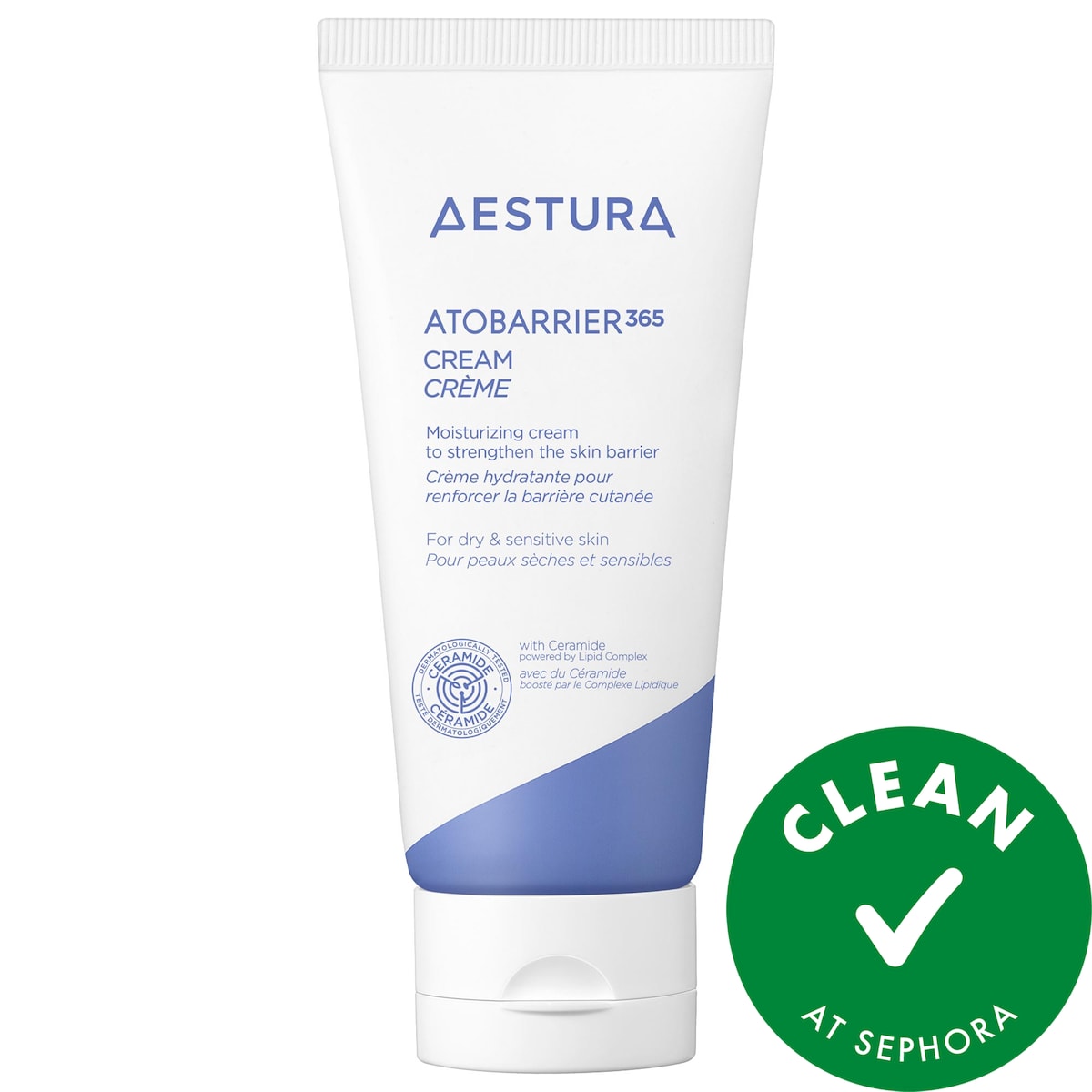
My night routine was not too small.
It was too messy.
I had the cleanser. I had the serum. I had the moisturizer. I had the treatment I kept promising myself I would use carefully. The problem was not that I was missing some secret final step. The problem was that I kept putting products on in an order that made my skin work harder than it needed to.
That is when nighttime skin care starts feeling confusing. Your face looks shiny before bed, then tight in the morning. Your retinol helps for two nights, then your cheeks feel raw. Your exfoliant makes you glow once, then every moisturizer starts stinging. You add a face oil because you think you are dry, but somehow you wake up greasy and still dehydrated.
That pattern usually means the routine needs a cleaner order, not a bigger shelf.
The order I trust now
If I were rebuilding a night routine in April 2026, I would start here:
- Makeup remover or cleansing balm if you wore makeup, water-resistant sunscreen, or a heavy SPF.
- Gentle cleanser.
- Hydrating toner or essence, only if your skin feels better with it.
- One serum or treatment with a clear job.
- Retinol or exfoliating acid on its own night, not stacked with every other active.
- Eye cream if you use one.
- Moisturizer.
- Face oil or balm only if your skin still needs help sealing everything in.
That is the full version.
Most nights, I do not need the full version.
The routine that keeps skin calmer is usually the edited one: cleanse, hydrate, treat, moisturize. Everything else has to earn its place.
A simple night routine map
| Image | Step | Product lane | Best for | What I would watch for |
|---|---|---|---|---|
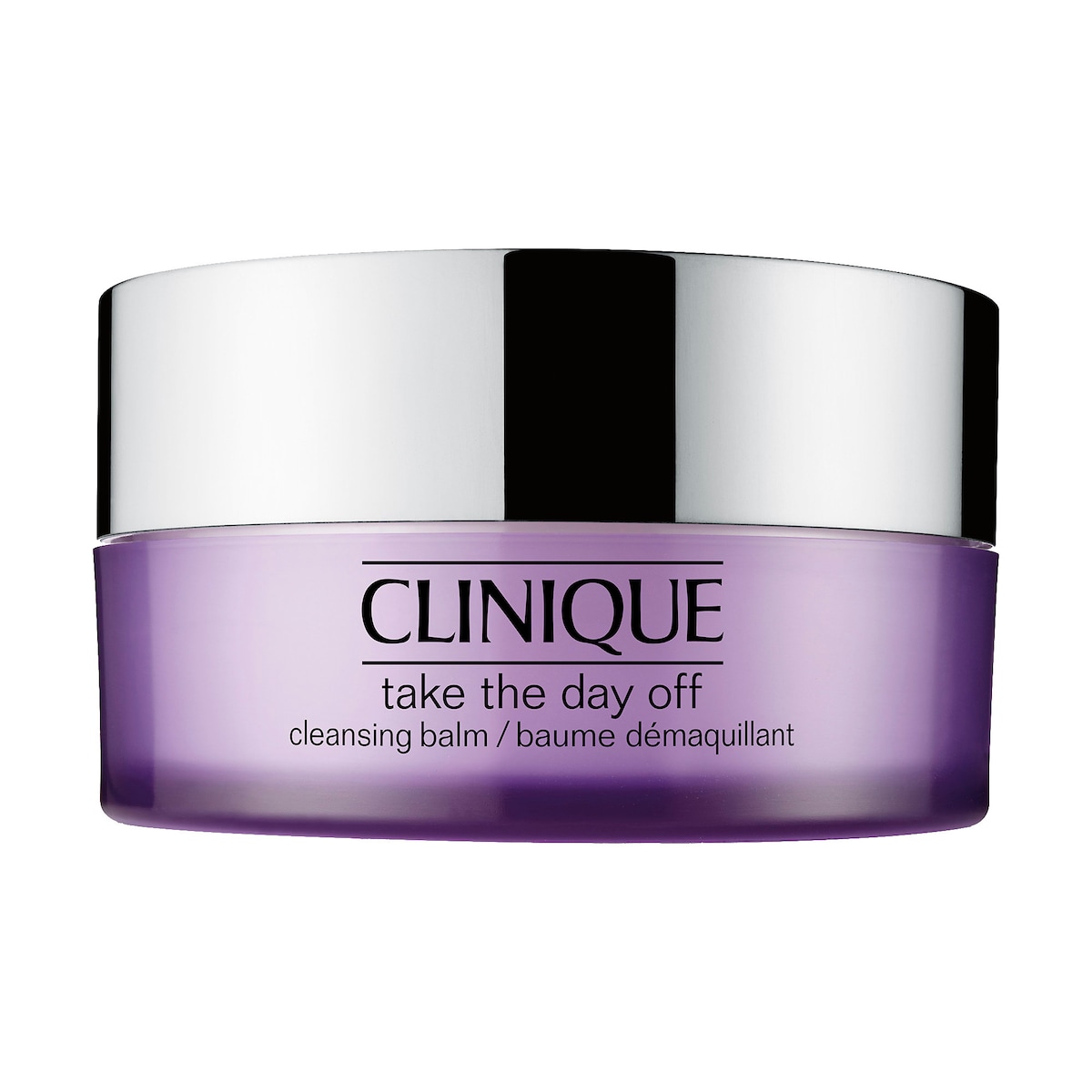
 | First cleanse | CLINIQUE Take The Day Off Cleansing Balm | Makeup, sunscreen, long days | Follow with a gentle cleanser if residue bothers you |
 | Cleanse | AESTURA ATOBARRIER365 Gentle pH-Balancing Foaming Cleanser | Skin that gets tight after washing | Do not chase a squeaky-clean finish |
 | Hydrate | LANEIGE Cream Skin Milky Toner | Skin that feels bare after cleansing | Keep it thin so the next steps do not pill |
 | Hydrating serum | The INKEY List Hyaluronic Acid Serum | Dehydrated, flat-looking skin | Apply before cream, not after oil |
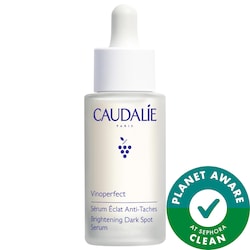 | Treatment serum | Caudalie Vinoperfect Dark Spot Serum | Uneven-looking tone | Do not stack with every exfoliant just because you want faster results |
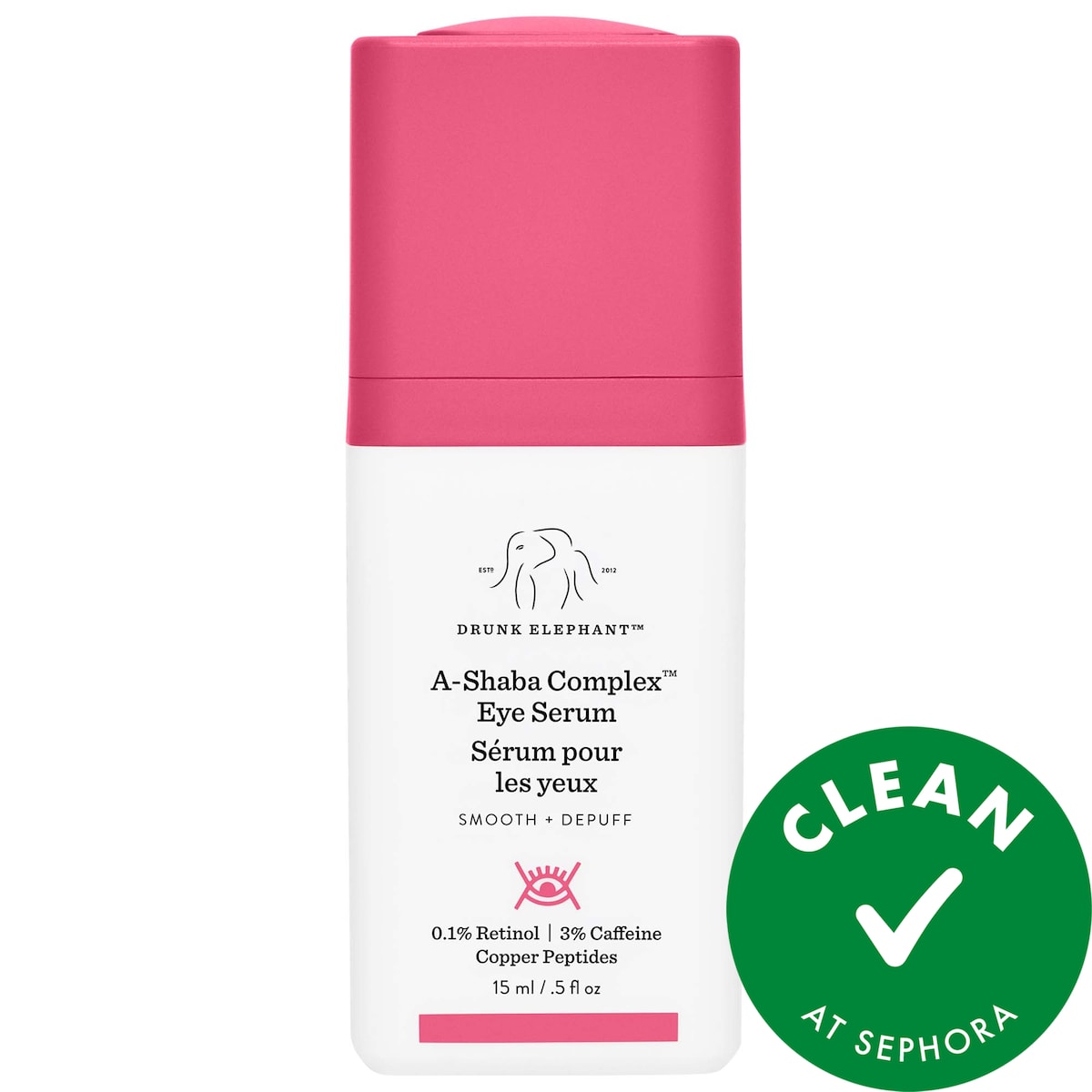
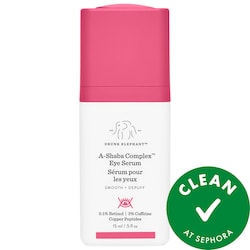 | Retinol lane | Drunk Elephant A-Shaba Complex Retinol Eye Serum | A targeted retinol night | Start slowly and keep the rest of the night calm |
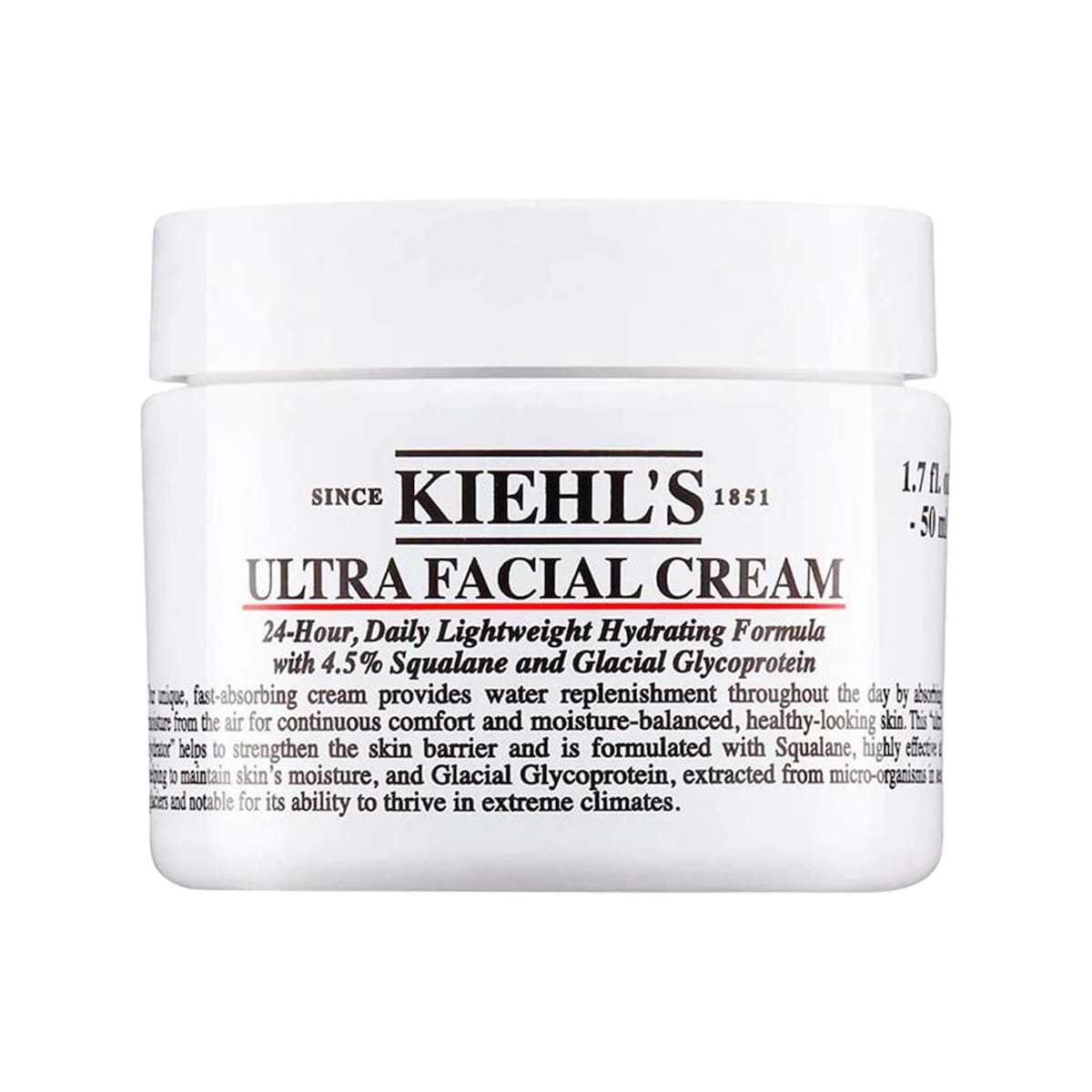
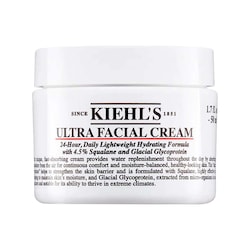 | Moisturize | Kiehl's Ultra Facial Cream | A steady final cream | If you wake up tight, you may need a richer seal |
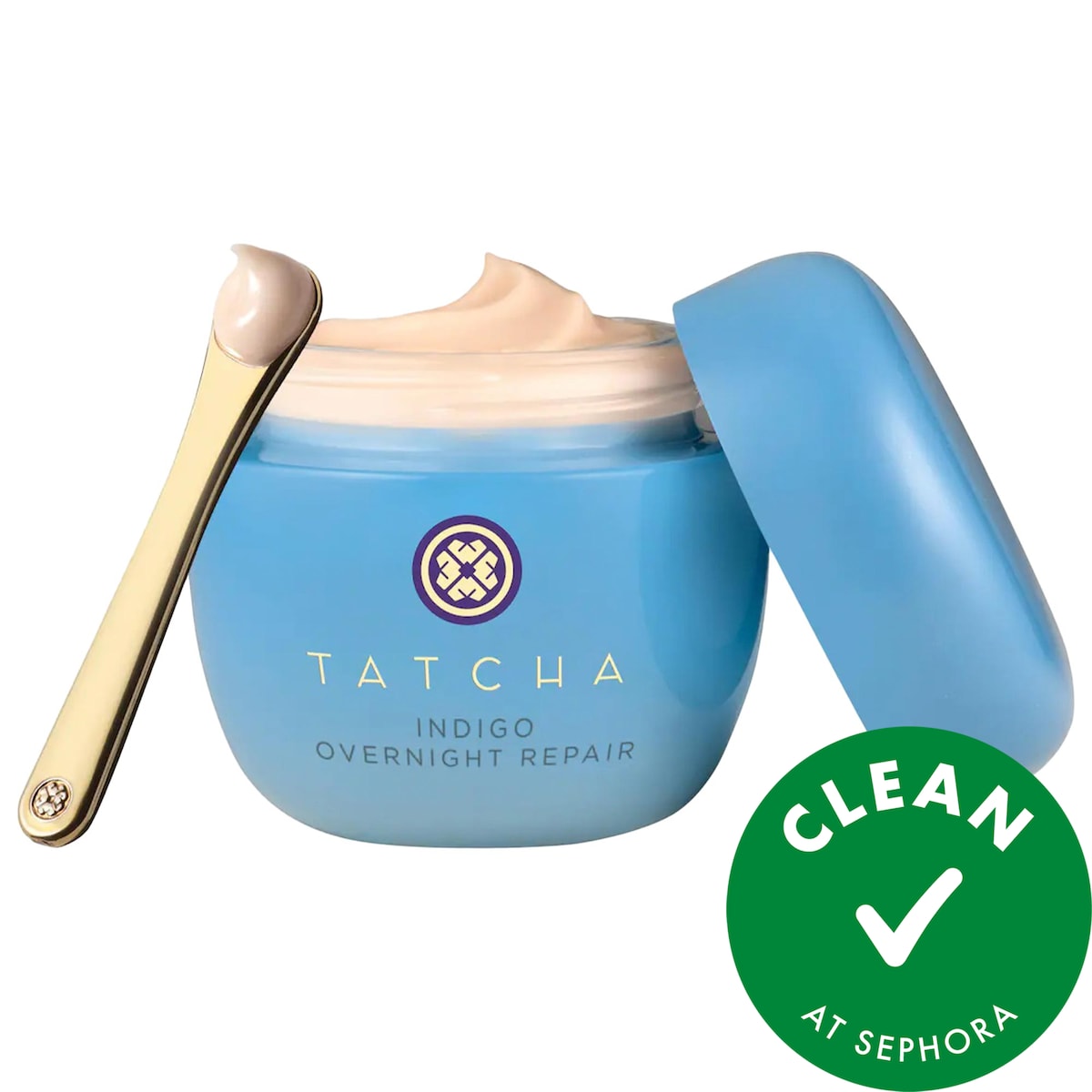
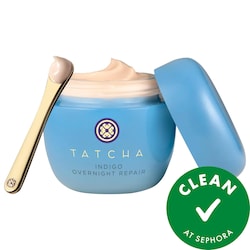 | Recovery cream | Tatcha Indigo Overnight Repair | Redness-prone, overworked skin | Use it as a recovery lane, not an excuse to overdo actives |
Step 1: Remove the day without punishing your skin
Night cleansing is where a lot of routines start going wrong.
People either under-cleanse and leave sunscreen, makeup, sweat, and city grime sitting on the skin, or they over-cleanse until their face feels tight and polished. Both can make the rest of the routine harder.
If I wore makeup or a serious sunscreen, I like a first cleanse. A balm or cleansing oil gives that layer something to dissolve into instead of asking my regular face wash to do all the work. That matters because rubbing harder with a water-based cleanser is not the same as cleansing better.
The second cleanse should be gentle. It should not make your skin feel smaller.
That is the test I use.
If my face feels tight, shiny, or papery after washing, I do not call that clean anymore. I call it a warning. A cleanser should leave the skin ready for treatment, not desperate for moisturizer.
The American Academy of Dermatology gives the boring version of this advice for dry and easily irritated skin: be gentle, avoid harsh cleansing habits, and use moisturizer to help protect the barrier. Boring advice is often the advice that saves your face.
Step 2: Use toner as a helper, not a personality

Toner is optional.
That needs to be said clearly because toner has been sold as both essential and useless, and neither version is honest.
I use a hydrating toner when my skin feels bare after cleansing or when my moisturizer performs better with a little cushion underneath. I skip toner when my routine is already layering well, when products are pilling, or when my skin is irritated and wants fewer variables.
The toner I trust at night is usually not the strongest exfoliating liquid I own. It is the one that makes the routine feel more comfortable without turning the night into a chemistry stack.
A milky toner like LANEIGE Cream Skin makes sense for that role. It gives the skin a softened, hydrated feel before serum and cream. It does not have to be dramatic. In fact, I prefer when this step is not dramatic at all.
One thin layer is enough for most nights.
If your skin is dehydrated, you can press in a second thin layer. If your skin starts feeling tacky, sticky, or congested, pull back. More hydration layers are not automatically better. They are only better when your skin actually uses them well.
Step 3: Pick one serum job

Serum is where routines get noisy.
You can have a hydration serum, a pigment serum, a peptide serum, a niacinamide serum, an acne serum, and an exfoliating serum all sitting in the same drawer. That does not mean they all belong on the same face on the same night.
I ask one question now:
What is the job tonight?
If the job is dehydration, I reach for a hydrating serum and keep the rest of the routine soft. Hyaluronic acid can be useful here because it helps the skin feel plumper and less flat, especially when it is sealed with moisturizer after.
If the job is uneven tone, I use a brightening or dark-spot serum and stop pretending that every other active has to join the meeting.
If the job is acne, I use the acne step and keep the surrounding routine simple.
That sounds restrictive. It is actually freeing. When one serum owns the night, I can tell whether it helped, irritated, pilled, or did nothing. When five serums share the night, I learn almost nothing.
This is also where Glass can help if you are using the app to track a routine. The point of a tracker is not to make you use more products. The point is to help you notice what happens when you change one thing at a time.
Step 4: Retinol does not need a crowded room
Retinol is the step I respect most at night because it does not reward impatience.
The American Academy of Dermatology notes that retinoids can help with mild acne, uneven tone, texture, and fine lines, but they can also irritate skin when people go too hard too fast. Their practical advice is simple: start slowly, use moisturizer, use retinoids at night, and protect your skin from the sun during the day.
That matches what I see in real routines.
The problem is rarely that someone owns retinol. The problem is that retinol gets placed into an already aggressive night:
- exfoliating toner
- vitamin C
- retinol
- acne spot treatment
- face oil
- sleeping mask
That is not a routine. That is a dare.
On retinol nights, I want the rest of the routine calm. Cleanse. Hydrate lightly if needed. Retinol. Moisturizer. Done.
If your skin is sensitive, the moisturizer sandwich can help: moisturizer, retinol, moisturizer. It may soften the intensity, which is the point. A slightly buffered retinol routine you can repeat is usually better than an intense routine you abandon after one irritated week.
If you are using prescription tretinoin, adapalene, tazarotene, or another treatment from a dermatologist, follow that plan first. Do not let a blog post outrank your actual clinician.
Step 5: Exfoliating acids deserve their own night too
This is the other place people wreck a decent routine.
Exfoliating acids can be useful. Glycolic acid can help with surface texture and dullness. Lactic acid can feel a little gentler for some people. Salicylic acid can make sense for oily or breakout-prone skin.
But an acid night is still an active night.
I do not like pairing exfoliating acids with retinol in a casual routine. Some experienced users can handle more complicated schedules, but most people asking about order are not struggling because they are under-advanced. They are struggling because they have too many strong steps fighting for the same night.
My cleaner rule:
- Retinol night: no exfoliating acid.
- Exfoliation night: no retinol.
- Recovery night: no retinol and no exfoliating acid.
That rhythm gives the skin a chance to respond instead of constantly defending itself.
If your moisturizer burns, your cheeks flush easily, your skin flakes around the mouth, or products that used to feel fine suddenly sting, stop treating that as a sign to add more glow. That is usually a sign to simplify.
Step 6: Moisturizer goes near the end because it seals the work
Moisturizer is not the boring step.
It is the step that decides whether the rest of the routine feels tolerable by morning.
I used to choose moisturizer by how pretty it felt going on. Now I choose it by what my skin feels like when I wake up. That is the better test.
If I wake up tight, the final layer was probably not enough or the earlier hydration was weak. If I wake up greasy but still dehydrated underneath, the routine may have had too much seal and not enough water. If I wake up with clogged texture, the cream might be too heavy for the rest of the stack.
Kiehl's Ultra Facial Cream sits in that steady middle lane for a lot of people. It is not the most dramatic recovery cream, and that is part of why it works as a baseline. It gives the routine a dependable final step.
When skin is more reactive, red, or overworked, I would rather move into a recovery cream lane like Tatcha Indigo Overnight Repair. Not because every night needs a richer cream, but because some nights do.
The skill is knowing which night you are having.
Step 7: Face oil is last, and it is not mandatory
Face oil goes last because it can seal.
That does not mean everyone needs it.
I like oil when skin is dry, flaky, or losing comfort overnight even after a good moisturizer. I do not like oil when the routine is already heavy, when acne is active, or when the skin feels greasy but dehydrated. In that case, oil can make the surface look glossy while the deeper tightness stays.
Use two or three drops, not a full facial massage worth of oil. Press it over the driest areas. Keep it away from places that clog easily.
If you wake up with softer skin, keep it.
If you wake up with bumps, pull it.
That is the whole test.
The order changes by night
The cleanest routine is not one fixed routine forever. It is a few repeatable night types.
Recovery night
Cleanser, hydrating toner, moisturizer, optional balm or oil on dry patches.
This is the night for stinging, redness, tightness, travel, cold weather, and weeks when you used too many actives.
Retinol night
Cleanser, optional hydrating layer, retinol, moisturizer.
Keep it plain. If your skin is new to retinol, start with fewer nights per week and build only when your skin is calm.
Exfoliation night
Cleanser, exfoliating acid, moisturizer.
Do not turn this into a retinol night too. Let the exfoliant be the point.
Pigment or tone night
Cleanser, hydrating layer, dark-spot or brightening serum, moisturizer.
This works best when your morning routine includes sunscreen. Dark spots do not care how expensive your serum is if UV exposure keeps pushing them back.
What I would stop doing first
I would stop applying products just because they are open.
I would stop using toner, exfoliant, retinol, and spot treatment in the same night unless a dermatologist gave me that exact plan.
I would stop judging a night cream by how shiny my face looks at 10 p.m.
I would stop adding oil when the real problem is dehydration under the surface.
I would stop changing three things at once and then trying to guess what worked.
Most routine confusion comes from too many variables. When the order gets calmer, the skin gets easier to read.
My April 2026 version
If my skin feels normal, I use the simplest version:
Cleanse. One serum if needed. Moisturize.
If I wore makeup or heavy sunscreen:
Cleansing balm. Gentle cleanser. Hydrating toner. Moisturizer.
If I want a retinol night:
Gentle cleanser. Retinol. Moisturizer. No exfoliating acid.
If I feel dry, tight, or irritated:
Gentle cleanser. Milky toner. Moisturizer. Recovery cream on the driest zones.
That is the routine I trust because it is not trying to impress anyone. It just works as a system.
And if a night routine works as a system, you do not have to keep asking where every product goes. The order starts making sense on its own.
FAQ
Should retinol go before or after moisturizer?
Most retinol products are used before moisturizer so they sit closer to clean skin. If your skin is sensitive, you can apply moisturizer before retinol or use a moisturizer-retinol-moisturizer sandwich to reduce irritation. Prescription routines should follow your clinician's instructions.
Can I use exfoliating acid and retinol on the same night?
I would not do that in a basic routine. Keep exfoliating acids and retinol on separate nights unless a dermatologist told you otherwise. The payoff is usually not worth the irritation risk for most people.
Do I need toner at night?
No. Toner is optional. Use a hydrating toner if it makes your skin more comfortable after cleansing. Use an exfoliating toner only on exfoliation nights. Skip toner if your skin is irritated, your routine pills, or your moisturizer already feels good.
What goes last in a nighttime skin care routine?
Moisturizer is usually the final essential step. Face oil or balm goes after moisturizer if you need extra sealing, but it is optional and can be too much for oily or clog-prone skin.
Why does my skin feel dry in the morning even after moisturizer?
You may be cleansing too harshly, waiting too long after cleansing, using too little hydration before cream, or relying on a moisturizer that is not rich enough for your skin overnight. Start by fixing the cleanse and hydration timing before buying more actives.