
Chemical peels sound simple.
They are not.
That does not mean they are scary. It means the word "peel" covers a lot of different appointments. A quick glow peel before a weekend is not the same decision as a medium-depth peel that makes your face shed for days. A peel for dull texture is not the same decision as a peel for melasma, acne marks, or deeper discoloration.
If I were looking for chemical peels near me in May 2026, I would not start by asking who has the prettiest before-and-after photo.
I would start by asking what kind of peel my skin can safely handle.
The short answer
A chemical peel is a skin-resurfacing treatment where a clinician or trained provider applies a chemical solution to remove outer layers of skin in a controlled way. Light peels usually target surface dullness, clogged-looking texture, and mild discoloration with less downtime. Medium and deep peels can create more dramatic resurfacing, but they also carry more recovery, pigment risk, infection risk, and provider-skill requirements.
The best local provider is the one who can explain the peel depth, the acid type, your skin-tone risk, what to stop before the appointment, what recovery should look like, and when they would refuse to peel your skin.
That last part matters.
Someone who knows when to say no is safer than someone who can sell every peel on the menu.
What a chemical peel actually does
A peel creates controlled exfoliation. The provider applies a solution that loosens or removes skin cells at a chosen depth. As the skin heals, the surface can look smoother, brighter, and more even.
The depth is the decision.
A light peel works near the surface. It may use ingredients such as glycolic acid, lactic acid, salicylic acid, mandelic acid, or other superficial peeling agents. This is the lane people usually mean when they want a brighter face, smoother makeup, or a low-downtime refresh.
A medium peel reaches deeper. Trichloroacetic acid, often called TCA, is a common name in that conversation. Medium peels can be useful for more visible texture, pigment, and sun-damage concerns, but they usually ask for more recovery and more careful provider judgment.
A deep peel is a medical-level resurfacing decision. It is not a casual spa add-on. Mayo Clinic notes that deep peels can involve phenol and carry more serious risks, including effects beyond the skin. If a provider is talking about a deep peel, I want medical supervision, not vague glow language.
The first question I would ask
I would ask: "What depth of peel are you recommending for my skin, and why?"
That one question reveals a lot.
If the answer is specific, you can keep talking. If the answer is "our signature peel is amazing for everyone," I would slow down. Skin tone, acne history, melasma tendency, cold sore history, pregnancy status, recent isotretinoin use, retinoid use, sun exposure, and your actual downtime window all change the plan.
Chemical peels are not one-size-fits-all. A good consult should feel like a match process, not a menu upsell.
Light, medium, and deep peels
Here is the practical way I would separate them before booking:
| Peel depth | Common goal | Downtime expectation | Who should be more careful |
|---|---|---|---|
| Light peel | Dullness, mild texture, clogged-looking pores, low-stakes refresh | Often mild redness, dryness, or flaking | Sensitive skin, active irritation, recent strong actives |
| Medium peel | More visible discoloration, texture, acne marks, sun damage | More obvious peeling, redness, swelling, and days of social downtime | Deeper skin tones, melasma-prone skin, people with upcoming events |
| Deep peel | Significant resurfacing under medical-level care | Longest recovery and highest risk | Almost everyone should treat this as a serious medical decision |
The table is not a prescription. It is a filter.
If a local provider cannot tell you where their peel sits on that spectrum, I would not let them put it on my face.
The darker-skin conversation cannot be skipped
If you have brown or Black skin, tan easily, get dark marks after pimples, or have melasma, pigment risk needs to be part of the consultation.
Mayo Clinic lists changes in skin color as a possible chemical peel risk and notes that hyperpigmentation is more common after superficial peels, while hypopigmentation is more common after deep peels. It also notes that pigment problems are more common in people with brown or black skin and can sometimes be permanent.
That is not a reason to avoid every peel forever. It is a reason to choose a provider who treats your skin tone often and does not act casual about pigment.
The questions I would ask:
- How often do you perform this peel on my skin tone?
- What pigment complications have you seen?
- Would you prep my skin before the peel?
- What peel would you avoid for me?
- What would we do if dark marks appear after?
I would rather hear a cautious answer than a confident shortcut.
What to stop before the appointment
Do not walk into a peel with a mystery routine.
Bring your actual products. Not just the pretty ones. Bring the retinoid, acne wash, exfoliating toner, vitamin C, benzoyl peroxide, prescription cream, spot treatment, face oil, sunscreen, and any brightening product you keep forgetting counts as an active.
Your provider may ask you to pause retinoids, exfoliating acids, scrubs, waxing, strong acne treatments, or certain procedures before the peel. Follow their instructions, because peel results depend on the skin you bring into the room.
If your skin is already burning, raw, freshly waxed, sunburned, over-exfoliated, infected-looking, or rashy, I would reschedule. A peel should not be used to punish skin that is already inflamed.
What recovery really means
Recovery is not just "will I peel?"
Some people barely flake after a light peel. Some people shed visibly. Some get tightness, redness, dryness, stinging, swelling, or temporary darkening. Cleveland Clinic explains that recovery depends on peel type, and that deeper peels carry greater risk and more involved aftercare.
I would ask the provider to describe recovery by day:
| Day | What I want clarified |
|---|---|
| Same day | Can I drive, work, exercise, wear makeup, or be outside? |
| Days 1-3 | Should I expect redness, tightness, swelling, or bronzing? |
| Days 3-7 | Will peeling be visible, and what should I never pick? |
| Week 2 | When can I restart actives, workouts, and normal sunscreen habits? |
The answer does not have to be exact. Skin is variable. But a provider should be able to give a realistic range.
The no-picking rule is not optional
Peeling skin is tempting.
Do not help it.
The American Academy of Dermatology warns that rubbing or scratching skin treated with a chemical peel can cause an infection. Picking can also increase irritation and discoloration risk. If sheets of skin start lifting, leave them alone unless your provider gave specific trimming instructions.
This is where discipline matters more than product shopping.
Use the aftercare your provider gave you. Keep the routine bland. Protect the skin from sun. Do not exfoliate the peeling off because you are impatient. The skin is recovering from a controlled injury. Treat it like recovery, not like a chance to polish harder.
The products I would keep boring after a peel
Aftercare should be plain unless your provider tells you otherwise.
For most peel recovery windows, I want a gentle cleanser, a comfortable moisturizer, and sunscreen that I will actually apply. This is not when I test a new acid, a strong retinoid, a scrub, a fragrant mask, or a peel pad because my face looks dull mid-recovery.
| Product role | Example | Why it matters |
|---|---|---|
| Gentle cleanser | Kiehl's Ultra Facial Barrier Hydrating Cleanser 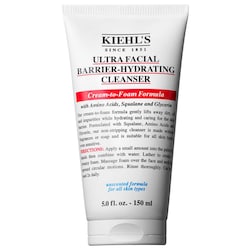 | Cleans without making recovery skin feel stripped |
| Simple moisturizer | Sephora Collection Soothing Moisturizer 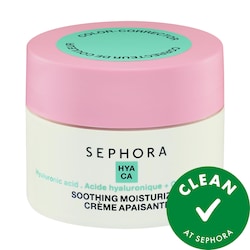 | Keeps the routine calm when skin feels tight |
| Barrier support | Skinfix Barrier Gel Cream 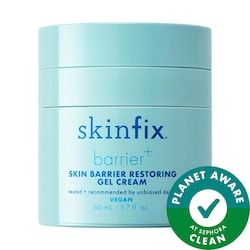 | Useful if actives or recovery make the barrier feel stressed |
| Daily SPF | Paula's Choice RESIST SPF 50 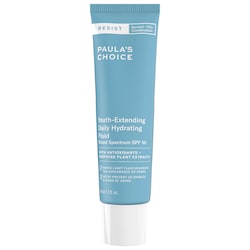 | Sun protection is part of the result, not an optional add-on |
Use examples as categories. Your provider's instructions win.
How I would compare local providers
The provider page should make the first conversation easier.
I would compare local options by:
- who performs the peel
- whether the peel is light, medium, or deep
- what skin tones they treat often
- whether they require a consult first
- how they handle melasma and post-acne marks
- whether they discuss cold sore history
- what aftercare they provide in writing
- whether they tell you what to stop before and after
- how they handle complications
Glass has local treatment pages that can help you start the shortlist without pretending a search result is the final decision. Open the chemical peel pages, compare providers, then use the consultation to verify fit.
Start here: skin care near me, then look for chemical peels in your city or metro.
Price should not be the first filter
I understand price shopping.
Peels can be expensive, and some providers sell them in packages. But the cheapest peel is not cheap if it leaves you with pigment you now have to treat for months.
Price makes sense after the provider passes the safety questions. I would rather choose a slightly more expensive light peel from someone careful than a discounted medium peel from someone vague.
Also ask what is included. Consultation, pre-care, aftercare products, follow-up, and series planning can change the true cost.
When I would not book
I would not book a peel right before a wedding, vacation, photoshoot, beach trip, or week where I cannot tolerate redness or flaking.
I would not book if I had recent heavy sun exposure, an active rash, open skin, unexplained irritation, a cold sore flare, or a new prescription I had not discussed.
I would not book if the provider brushed off pigment risk.
I would not book if they promised zero downtime for a peel that is clearly stronger than a surface refresh.
And I would not book if the consult made me feel rushed. Your face is allowed to ask questions.
Chemical peel vs facial vs laser
A peel is not always the right first appointment.
If your skin is irritated and dry, a barrier-focused facial may be smarter. If your main concern is broken capillaries or redness, a peel may not be the best tool. If you have deeper scars, laser or microneedling may enter the conversation. If you have active cystic acne, a dermatologist should be part of the plan before resurfacing becomes the focus.
The right provider should be able to say, "I would not peel you today."
That is a good sign.
How I would track results without spiraling
Take photos before the peel, then again after recovery in similar lighting. Do not judge the result while your face is actively peeling. Mid-recovery skin can look worse before it looks better, and daily close-ups can make normal healing feel like failure.
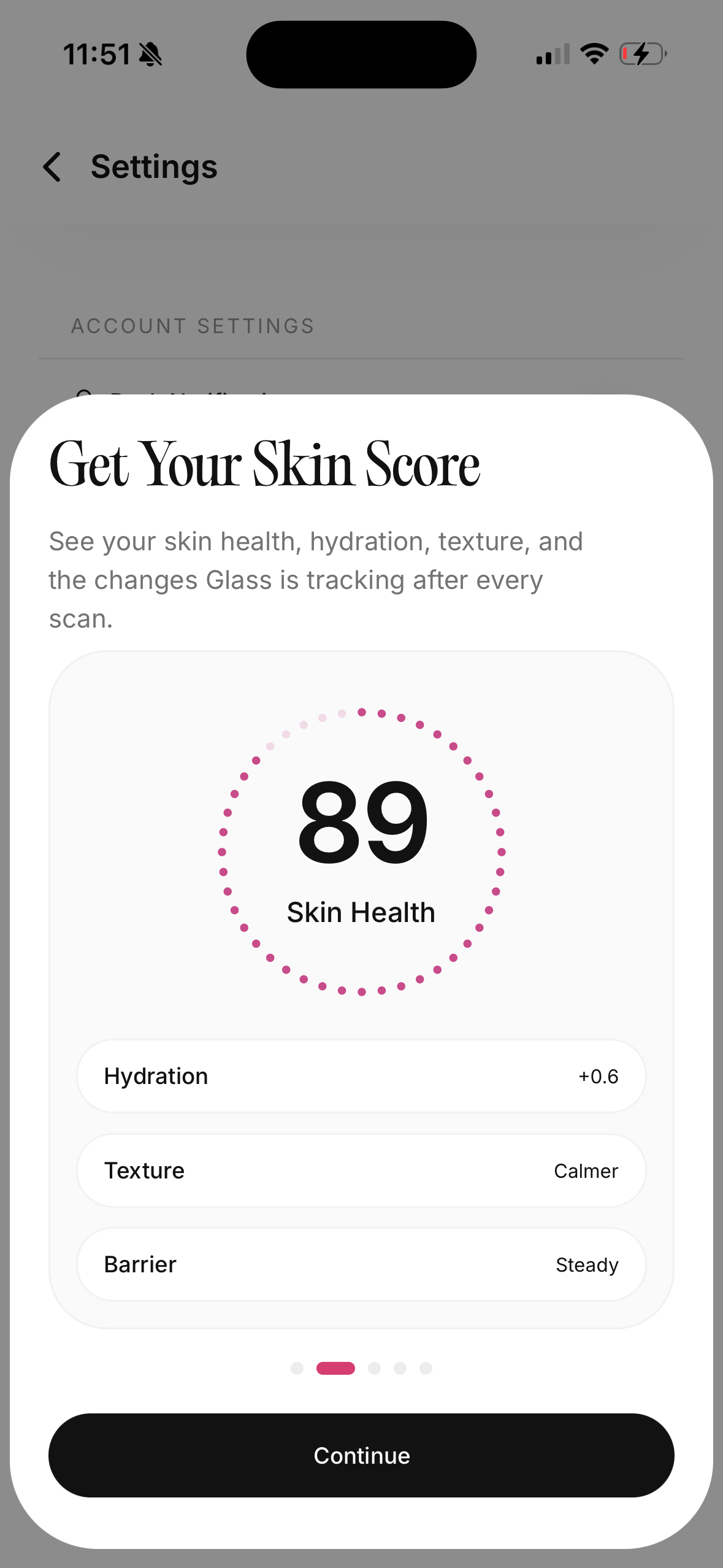
In Glass, I would log:
- peel date
- peel type if the provider gives it
- products paused before the appointment
- aftercare products used
- redness, tightness, peeling, and tenderness
- sunscreen consistency
- photos after recovery, not every hour
The point is pattern recognition. Not obsession.
The questions I would bring to the consult
Here is the list I would keep on my phone:
- What peel depth are you recommending?
- What acid or peel system are you using?
- Why is this safe for my skin tone and history?
- What should I stop before the peel?
- What should I avoid after the peel?
- How many days of visible downtime should I plan for?
- What does normal healing look like?
- What symptoms mean I should call you?
- How do you handle pigment changes?
- Would you choose a facial, microneedling, or laser instead?
If a provider answers these clearly, the appointment starts to feel grounded. If they cannot, I would keep looking.
The bottom line
When I look for chemical peels near me, I am not looking for the most aggressive treatment. I am looking for the right depth, the right provider, and a recovery plan I can actually follow.
A light peel can be a useful refresh. A medium peel can be powerful in the right hands. A deep peel deserves serious medical caution. The difference between those options matters more than the word "chemical" on the menu.
Book slowly. Ask specific questions. Respect pigment risk. Protect your skin after. And if your skin is already angry, do not peel first and think later.
Useful references: American Academy of Dermatology chemical peel overview, AAD chemical peel FAQs, Mayo Clinic chemical peel risks and preparation, and Cleveland Clinic chemical peel recovery.