
I used to search too broadly.
That was the mistake.
"Med spa near me" sounds simple until every result looks polished, every menu uses the same words, and every before-and-after photo makes the decision feel more urgent than it should. A facial, a chemical peel, Botox, laser hair removal, microneedling, and filler do not belong in the same mental bucket just because they can show up under one med spa roof.
The better move is slower. Decide what problem you are trying to solve before you decide where to book.
The short answer
The best med spa near you is not automatically the closest one, the prettiest one, or the one with the biggest discount. It is the place that can explain the treatment, show appropriate credentials, screen your skin and medical history, set realistic expectations, and give you clear aftercare before money changes hands.
If you want a relaxing glow-up, a facial may be enough. If you want pigment, texture, acne marks, or fine lines addressed more directly, you may be looking at a peel, laser, microneedling, or a medical consult. If you want injections, the provider's training and complication plan matter more than the lobby.
Start with the result, not the menu
Med spa menus are built to make everything sound possible.
That does not mean every treatment is right for your face.
Before I would book, I would write one sentence: "I want help with ____." Not five concerns. One primary concern. Dullness. Clogged pores. Brown marks. Redness. Fine lines. Acne scars. Hair removal. Volume loss. Jaw tension. Uneven texture.
That one sentence changes the whole search.
If the concern is dullness before an event, you probably do not need the most aggressive peel in town. If the concern is deep acne scarring, a basic spa facial may feel nice but disappoint you. If the concern is redness or rosacea-prone sensitivity, jumping into heat, acids, or strong lasers without screening can make the skin angrier.
I would rather book the less dramatic treatment that fits than the more impressive treatment that creates a new problem.
What I would check on the first page
Before I read every review, I would scan for basics.
Does the site name the people doing the treatments? Does it explain who supervises medical services? Does it separate cosmetic facials from medical procedures? Does it show real policies around consultation, consent, pricing, and aftercare? Does the tone feel careful, or does every page push urgency?
The American Society of Plastic Surgeons recommends checking the supervising physician, provider credentials, safety standards, and complication planning before choosing a medical spa. The BBB also advises asking about staff training, doctor involvement, treatment experience, and before-and-after examples before scheduling.
That is not boring paperwork. That is the part that protects you when the treatment moves from pampering into medicine.
The credential question I would not skip
For anything medical, I would ask who is actually treating me.
Not just who owns the place. Not just which doctor is listed somewhere on the website. Who is touching my face, what license do they hold, how often do they perform this exact treatment, and what happens if something goes wrong?
The answer should be direct.
For injectables, lasers, medium-depth peels, and anything that can create injury if done poorly, vague answers are a warning sign. "Our team is highly trained" is not the same as "your injector is a licensed RN/NP/PA/physician with X years of experience, working under this medical director, with this escalation process."
You do not need to interrogate people rudely. You do need to ask adult questions.
Facial, Hydrafacial, peel, laser, or Botox?
This is where most people get pulled sideways.
They search for one thing, then get sold another because the menu is larger than their original concern. I would use a simple decision table before booking.
| If you want... | Start by asking about... | Be careful with... |
|---|---|---|
| Softer glow and smoother makeup | Classic facial or Hydrafacial-style treatment | Expecting scar or pigment correction from one gentle visit |
| Clogged pores and congestion | Extractions, salicylic-focused facial, routine review | Over-extracting or combining too many actives afterward |
| Brown marks or sun damage | Chemical peel, laser consult, pigment-safe plan | Aggressive treatment without skin tone screening |
| Fine lines from movement | Botox or neuromodulator consult | Bargain pricing from an unclear injector |
| Acne scars or deeper texture | Microneedling, laser, peel series, dermatologist input | Booking a basic facial and expecting remodeling |
| Facial hair or body hair | Laser hair removal consult | Treating all skin tones and hair colors as the same |
No table can diagnose your skin. But it can keep you from walking into the wrong appointment.
When a facial is enough
A facial is enough when the goal is maintenance, comfort, surface congestion, hydration, or a reset after your routine got messy.
I like facials for people who need help slowing down. A good esthetician can notice over-cleansing, exfoliation damage, dehydration, product buildup, and habits you stopped seeing because they became normal. That can be more useful than another serum.
But a facial is not a magic eraser. It will not fill pitted scars. It will not permanently remove pigment. It will not replace acne medication when acne is severe, painful, or scarring. It should leave your skin calmer, not raw and punished.
If a provider talks about extractions like a war, I get cautious. The goal is clearer skin, not proving how much pressure your pores can survive.
When a chemical peel makes more sense
A chemical peel makes more sense when the issue is tone, texture, post-acne marks, dull buildup, or sun damage that needs controlled exfoliation.
The important word is controlled.
Cleveland Clinic describes chemical peels as treatments that remove skin layers to improve concerns like wrinkles, discoloration, and scars, with depth ranging from lighter to more intense options. That range matters. A light peel before a normal week is not the same decision as a stronger peel with visible peeling, downtime, pigment risk, and stricter aftercare.
Before a peel, I would ask:
- What depth is this peel?
- What acid or peel system are you using?
- Is it appropriate for my skin tone and pigment history?
- What should I stop using before the appointment?
- How much peeling, redness, or downtime should I expect?
- What should I do if my skin burns, blisters, crusts, or darkens?
If the answers are casual, I would not book that day.
When Botox is a medical decision
Botox gets marketed like a beauty errand.
It is still a medical procedure.
The skill is not just placing units. It is understanding anatomy, asymmetry, dose, facial movement, medical history, expectations, and what to do if the result is not what you hoped. Cheap Botox can become expensive if it creates heaviness, asymmetry, an over-frozen look, or a correction problem.
I would ask how many units they expect to use, why that dose fits my face, when results should appear, when I should follow up, and how they handle complications or adjustments. I would also ask what they would refuse to do. A provider who has boundaries usually has judgment.
If every answer is "yes, we can do that," I get less comfortable.
The review pattern matters more than the rating
A five-star average is nice. The words inside the reviews matter more.
I look for patterns like:
- people felt listened to
- pricing was explained before treatment
- the provider said no when needed
- results looked natural or appropriate
- aftercare was clear
- follow-up was easy
- concerns were handled professionally
I get cautious around patterns like:
- aggressive package selling
- rushed consultations
- surprise charges
- pressure to treat the same day
- no clear answer about who performs procedures
- lots of dramatic one-visit promises
- poor response when someone had a concern
One angry review does not prove a place is bad. Ten reviews describing the same issue deserve attention.
The discount trap
I understand the appeal of a deal.
Med spa treatments are expensive. Packages can make sense when you already trust the provider, understand the plan, and know you want the series. They make less sense when they are used to rush a first visit.
I would not buy a large package during a first consultation unless the treatment is low-risk, the refund or transfer policy is clear, and I have no doubts about the provider. Skin changes. Budgets change. Trust should be earned before commitment.
Intro pricing is fine. Pressure is not.
Ask what they would do first, second, and never
This question reveals more than "what do you recommend?"
Ask: "If this were your skin, what would you do first, what would you save for later, and what would you avoid?"
A thoughtful provider might say to fix your home routine before a peel. They might suggest a gentle facial before laser. They might send you to a dermatologist for active acne, suspicious lesions, melasma, or a rash that should not be treated cosmetically. They might tell you that your goal needs more than one session.
That answer may be less exciting, but it is usually more trustworthy.
What I would bring to the consult
Bring your routine. Not every bottle, but the names and frequency.
Bring recent photos if your skin fluctuates. Bring medication history if you use retinoids, acne prescriptions, isotretinoin, blood thinners, antibiotics, or anything your clinician told you affects skin healing. Mention pregnancy, breastfeeding, cold sore history, keloid scarring, pigment changes, allergies, autoimmune issues, recent tanning, recent procedures, and upcoming events.
It may feel like too much detail. It is not.
Skin treatments work on living tissue. Context matters.
A simple pre-treatment product reset
Do not aggressively exfoliate before an appointment unless your provider told you to.
If I had a peel, laser, or strong facial coming up, I would keep the home routine boring and ask when to stop retinoids, acids, scrubs, benzoyl peroxide, strong vitamin C, waxing, self-tanner, or at-home peel pads.
Useful support products are usually simple: gentle cleanser, bland moisturizer, sunscreen, and a barrier product your skin already tolerates. The appointment is not the moment to test five new products.
| Image | Product role | Why it may help |
|---|---|---|
 | AESTURA ATOBARRIER365 Lightweight Face Lotion | Lightweight barrier support when skin feels easily irritated |
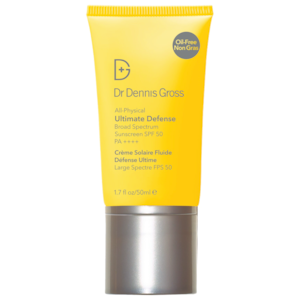 | Dr. Dennis Gross All-Physical SPF 50 | Mineral sunscreen option when aftercare requires consistent SPF |
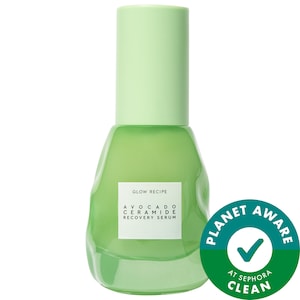 | Glow Recipe Avocado Barrier Serum | Calming serum role for routines that need less harshness |
Product choice should support the treatment plan. It should not compete with it.
What the provider should explain before you pay
Before I paid, I would want five things in plain language.
First, what the treatment can realistically improve. Second, what it cannot fix. Third, how many sessions are typical. Fourth, what downtime or side effects are normal. Fifth, what signs mean I should contact them.
That last part matters. "You may be red" is too vague for some treatments. How red? For how long? What about swelling? Peeling? Bruising? Tenderness? Darkening? Blistering? Infection signs? When do you call?
A good med spa does not make aftercare feel like a secret you receive after checkout.
The calendar test
I would never book a stronger treatment close to a major event without asking about timing.
Facials can still cause redness or breakouts if extractions are involved. Peels can flake at the worst possible moment. Botox takes days to settle and around two weeks to judge fully. Lasers can require sun avoidance and downtime. Filler can bruise.
If you have photos, travel, a wedding, beach time, or an outdoor trip, say that before booking. The right provider may move the treatment, soften the plan, or suggest something lower-risk.
Skin does not care that your calendar is busy.
How Glass fits into the decision
I would use Glass before and after a med spa appointment, not during the decision panic.
Log what you booked, why you booked it, what the provider told you to stop, and what your skin looked like before treatment. Then take follow-up photos in the same lighting. If your skin improved, you have a record. If it reacted badly, you have a timeline.
Use the skin care near me directory when you are still comparing local options. If you already know the service, start with treatment pages like facials near you, chemical peels near you, Hydrafacial providers, or Botox providers.
The point is not to collect endless options. The point is to choose the right lane, then compare providers inside that lane.
My May 2026 booking rule
I would not book because a place looks luxurious. I would not book because a treatment is trending. I would not book because the discount expires tonight.
I would book when the provider can explain the plan better than the sales page can.
The best med spa visit should feel clear before it feels exciting. You should know who is treating you, why the treatment fits, what it costs, what could go wrong, how to care for your skin afterward, and what result is realistic.
If you do not know those things yet, keep searching. Or book a consultation only.
That is not being difficult. That is protecting your face.
Useful references: American Society of Plastic Surgeons on choosing a medical spa, ASPS med spa patient checklist, BBB med spa visit tips, American Med Spa Association FAQ, and Cleveland Clinic on chemical peels.