
Acne marks change the whole goal.
You are not just chasing glow anymore.
You are trying to make your skin look smoother, calmer, and more even while it is still deciding whether it wants to break out again.
That is where a lot of glass skin routines fall apart. They are written for a face that is already behaving. The steps look beautiful on paper: double cleanse, layer toner, add essence, add serum, add cream, add mask, add sunscreen. But if your skin is still leaving marks after every breakout, that kind of routine can get messy fast.
I wanted the glassy finish too.
But the version that finally made sense was not the loudest one. It was the quieter one: fewer products, better order, more sunscreen discipline, and a lot less panic every time a new mark showed up.
The short version
If I were building a glass skin routine around acne marks in April 2026, I would keep the base this simple:
- Gentle cleanser at night, light cleanse or rinse in the morning.
- Hydrating toner or essence on slightly damp skin.
- One brightening or tone-support serum.
- Lightweight moisturizer that does not clog the routine.
- Sunscreen every morning, with enough patience to let marks fade.
- One optional acne or texture treatment only a few nights a week.
That is the routine.
Not ten steps.
Not every active ingredient on the shelf.
The glassy look comes from skin that is hydrated, protected, and less inflamed. If the routine keeps irritating your face, the glow will always look temporary.
The products I would put in the routine first
These are the kinds of Sephora products I would consider if the goal is glow without making acne marks louder. They are not the only good options. They just fit the jobs cleanly.
| Image | Step | Product | Best for | Why it fits |
|---|---|---|---|---|
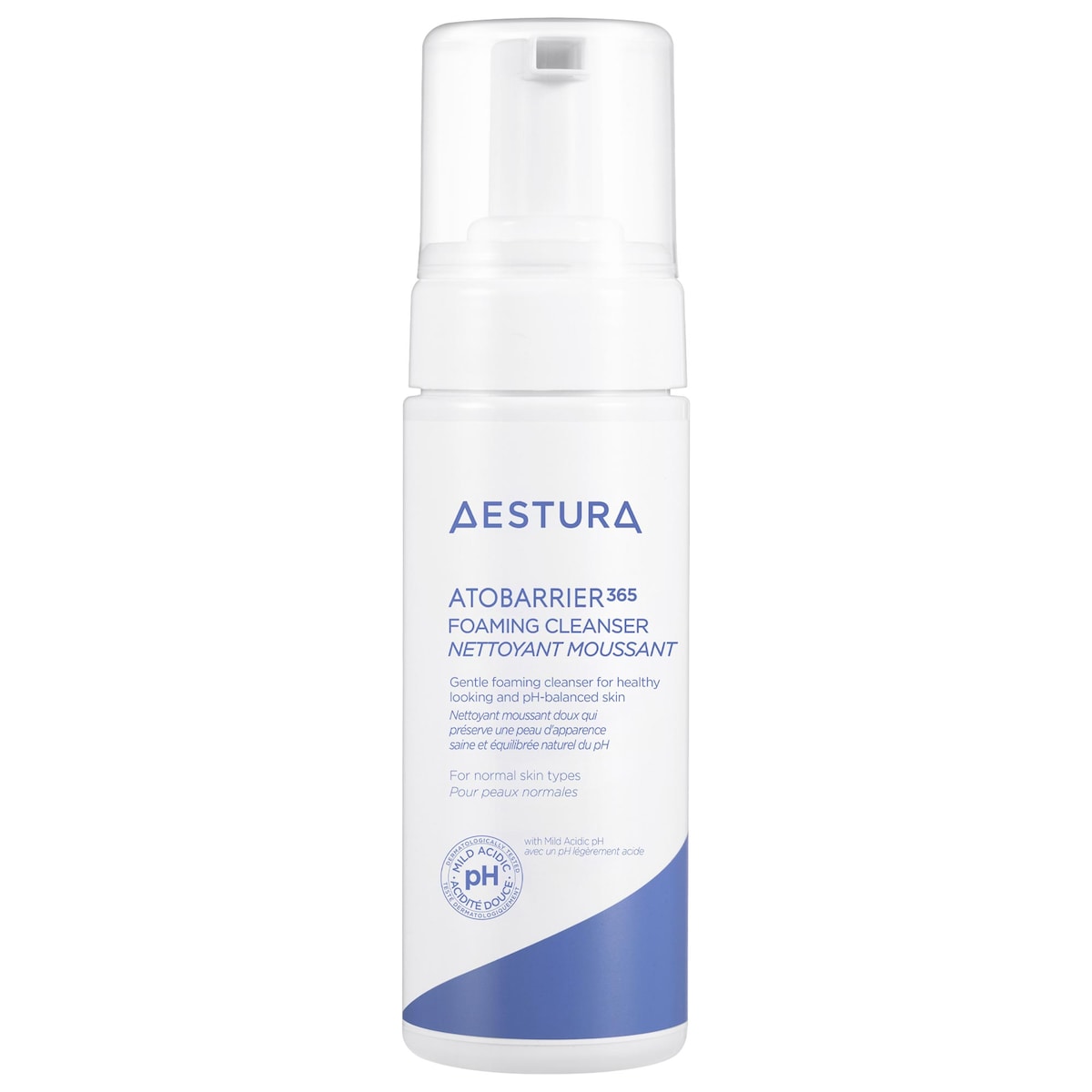
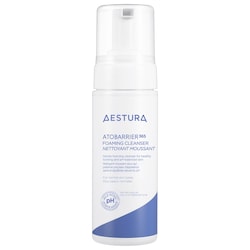 | Cleanser | AESTURA ATOBARRIER365 Gentle pH-Balancing Foaming Cleanser | Skin that gets tight or reactive after washing | Cleanses without making the rest of the routine repair step one |
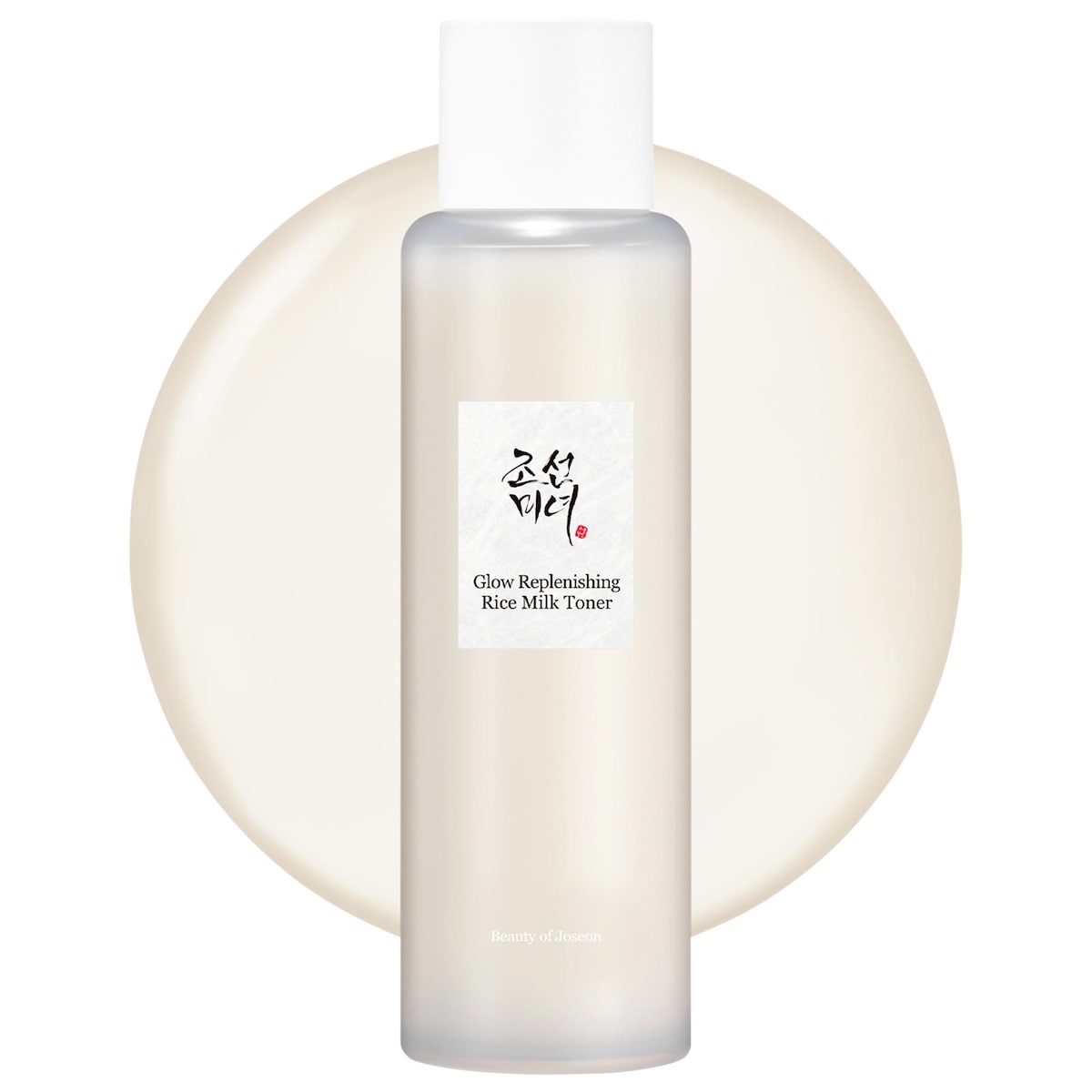
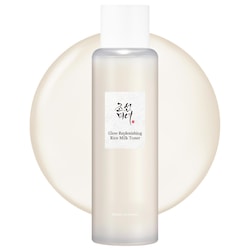 | Hydration | Beauty of Joseon Glow Replenishing Rice Milk Lightweight Hydration Toner | Flat, dull, post-breakout skin that still needs comfort | Gives the routine softness before treatment |
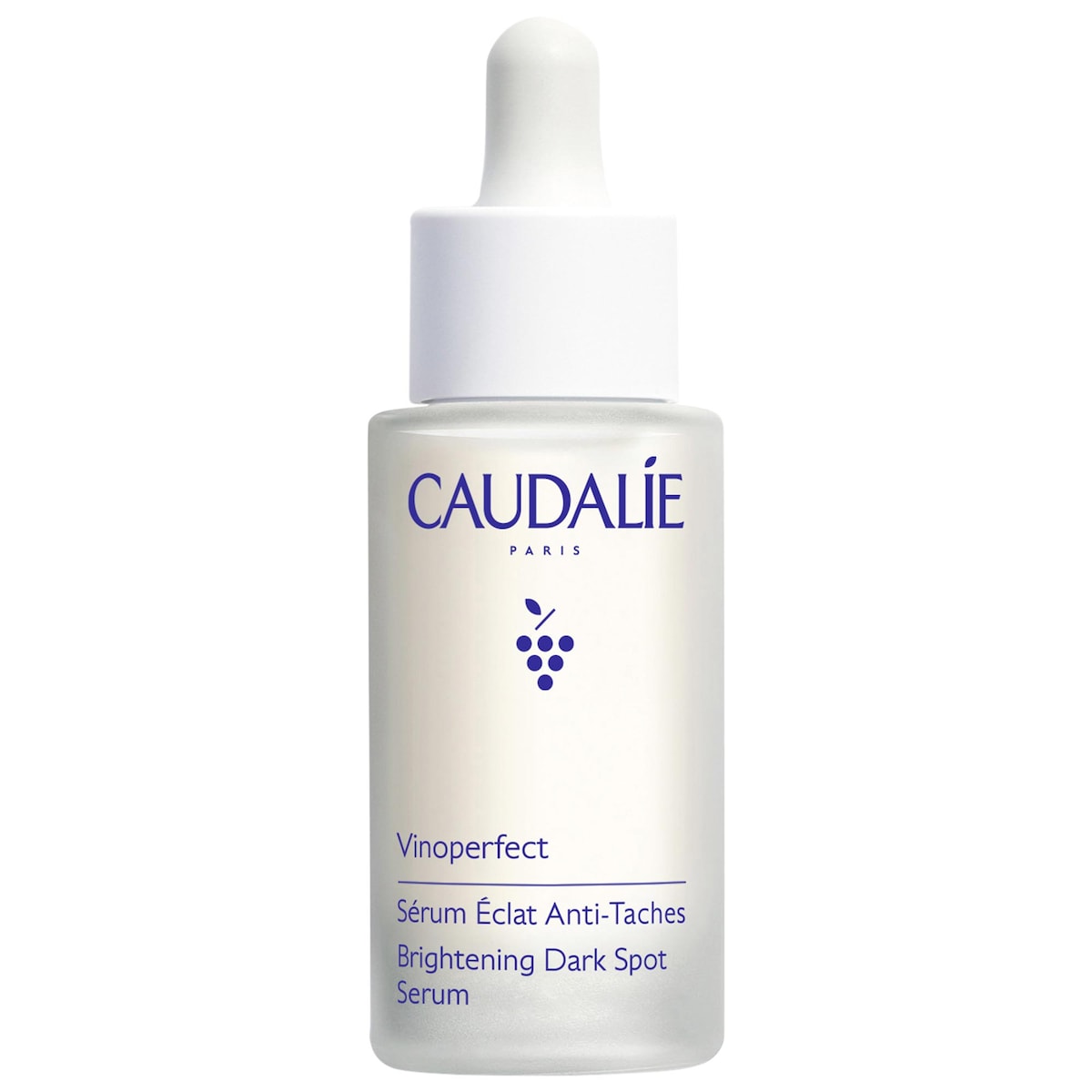
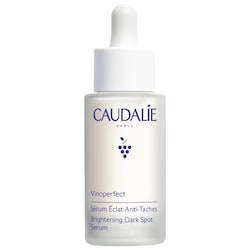 | Tone serum | Caudalie Vinoperfect Brightening Dark Spot Serum | Uneven-looking tone and post-breakout marks | A brightening lane that feels easier to repeat than a harsh reset |
 | Stronger mark support | Topicals Faded Brightening Serum | Stubborn discoloration when skin can tolerate a more serious step | Better as the focused treatment, not one more random layer |
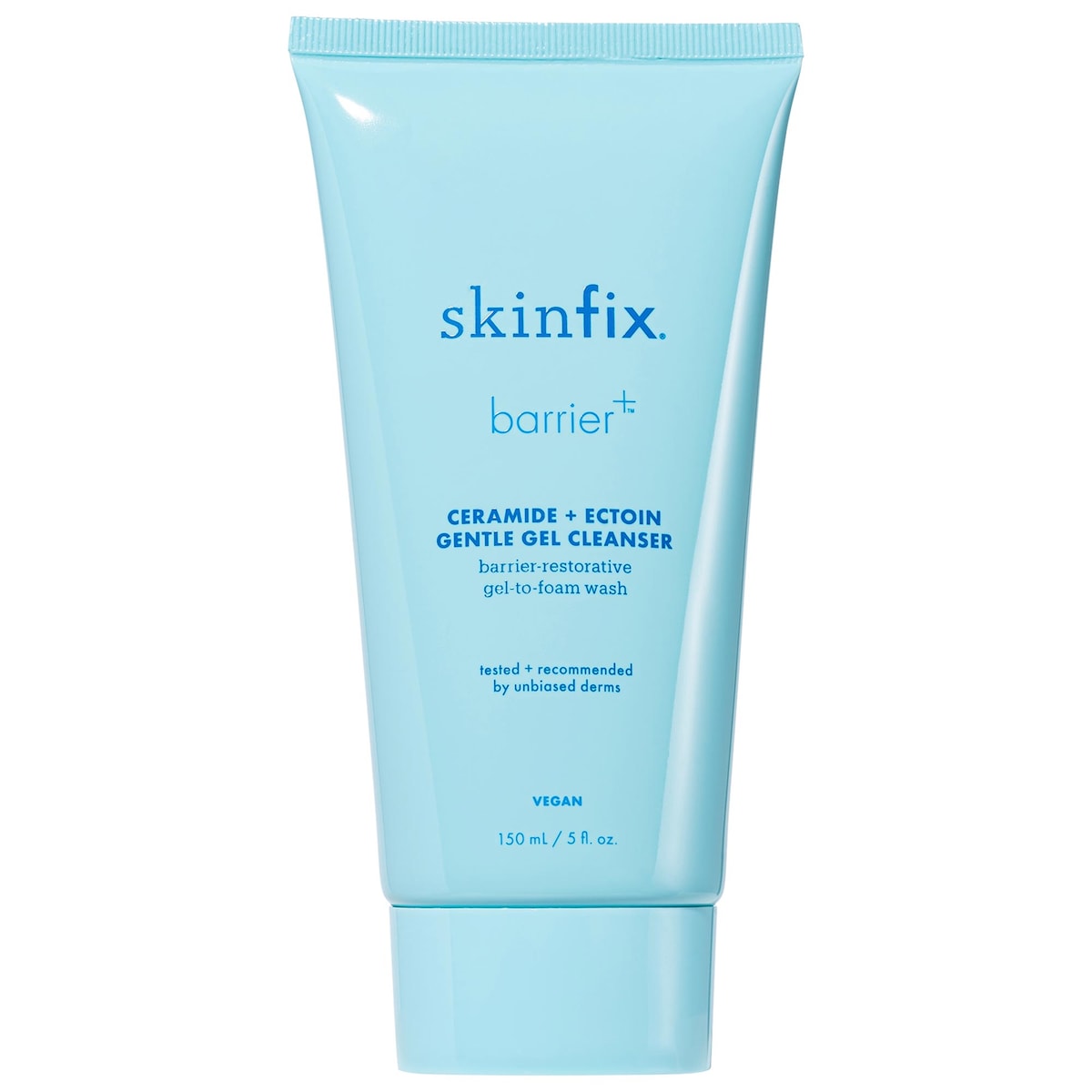
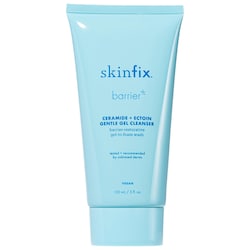 | Moisturizer | Skinfix Barrier Balancing Water Cream Moisturizer | Acne-prone skin that hates heavy creams | Supports the barrier without turning the finish greasy |
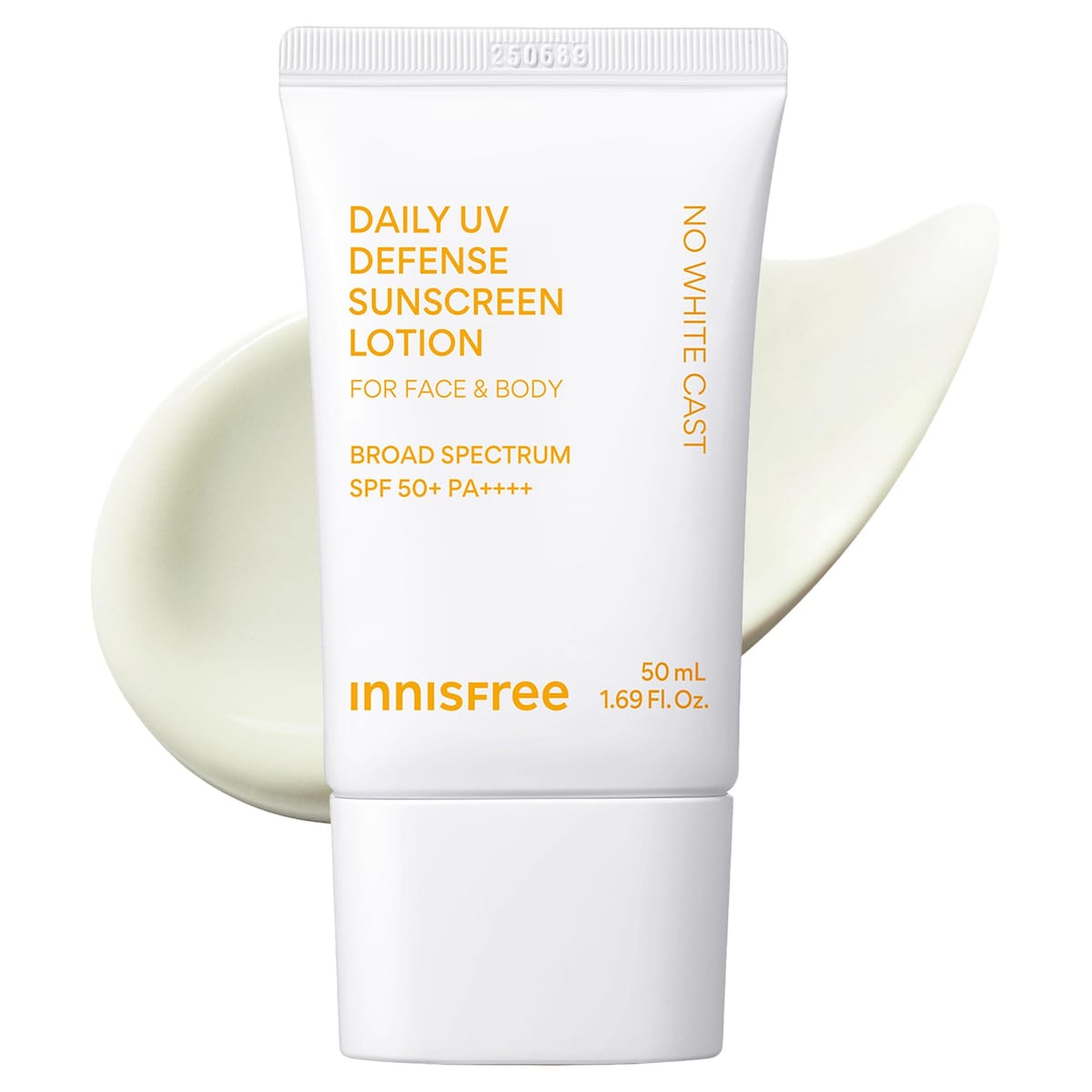
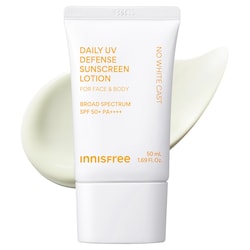 | SPF | innisfree Daily UV Defense Invisible Korean Sunscreen SPF 50 | People who skip sunscreen because it feels too heavy | Keeps the whole tone routine from losing ground |
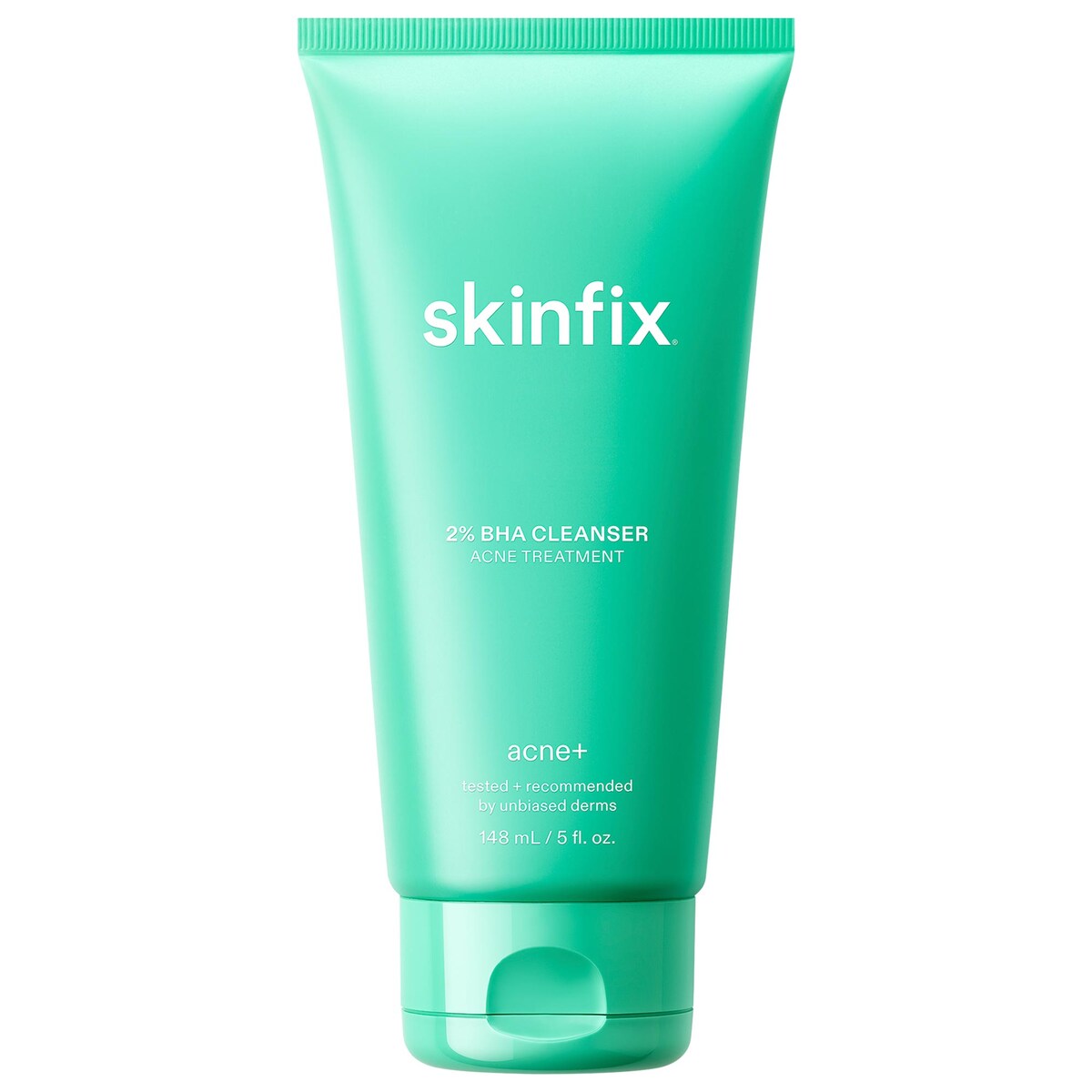
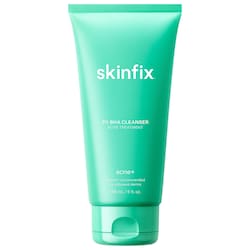 | Optional treatment swap | Skinfix Acne+ 2% BHA + Azelaic Acid + Niacinamide + AHA Cleanser | Congestion weeks after the base routine feels stable | Useful in rotation, risky as an everyday punishment step |
First, separate marks from scars
This one distinction saves a lot of frustration.
Flat brown, red, purple, or gray marks left after a breakout are usually discoloration. They can fade, but they need time, sunscreen, and a routine that does not keep creating new inflammation.
Indented texture is different. Raised texture is different. Pitted scars are not the same as leftover pigment. A skincare routine can make the overall face look healthier and more even, but it cannot always flatten true texture the way an in-office treatment might.
That does not mean the routine is pointless. It means the promise has to be honest.
If your main issue is flat post-breakout marks, the routine can help a lot. If your main issue is deep pitting, the routine still matters, but the goal becomes healthier-looking skin around the texture, not pretending a serum will rebuild everything by next month.
The calmer I got about that distinction, the better my choices became.
Step 1: Cleanse like you are protecting the future mark
When a breakout is active, the cleanser feels like the place to prove you are doing something.
That is the trap.
If the cleanser leaves your face tight, hot, or shiny in that over-cleaned way, you have already made the tone work harder. Irritated skin tends to look redder. Redder skin makes marks look louder. Then you add more treatments because the face looks worse, and the loop keeps going.
I would rather start with a cleanser that feels almost boring.
The AESTURA cleanser fits that role because it sits in the barrier-aware lane. It is not trying to be the main acne treatment. It is trying to clean the skin without making the next five steps apologize for it.
At night, cleanse properly. If you wear sunscreen or makeup, make sure the day is actually off. In the morning, do not force a full cleanse if your skin wakes up calm and slightly dry. A rinse can be enough for some faces. If you wake up oily, use a small amount of cleanser and move on.
The win is not squeaky skin.
The win is skin that feels normal after washing.
Step 2: Add hydration before you chase brightness
Post-breakout skin often looks dull for two reasons.
The mark is there.
The skin around it is tired.
That second part matters more than people think. If the skin is dehydrated, rough, and slightly irritated, every mark looks sharper. Makeup sits worse. Sunscreen catches on texture. The whole face reads less smooth, even if the actual discoloration has not changed that day.
That is why I like adding one light hydration layer before the brightening step.
Beauty of Joseon Glow Replenishing Rice Milk is useful here because it gives softness without making the routine feel heavy. I would use one thin layer with my hands, press it in, and stop before it starts feeling sticky.
The goal is not to soak the skin until it shines. The goal is to make the surface more flexible so the rest of the routine behaves.
If your skin is oily, this step still matters. Just keep it thin. Oily skin can be dehydrated, and dehydrated oily skin is exactly the kind that turns a glass skin routine into a greasy mess.
Step 3: Pick one tone serum and give it room to work
This is where I used to overbuy.
I would see acne marks and think I needed vitamin C, niacinamide, tranexamic acid, azelaic acid, exfoliation, retinol, and a mask with the word brightening on it.
All of those ingredients can have a place.
They do not all need to be on your face in the same week.
For a calmer routine, I would choose one main tone serum first. Caudalie Vinoperfect is the easier, elegant lane if you want something that feels repeatable and less aggressive. Topicals Faded is the more serious discoloration lane if your skin tolerates stronger-looking formulas and you are willing to keep the rest of the routine quiet.
The important part is not pretending the serum works faster because you paired it with five other actives.
Marks fade slowly. The routine needs consistency more than intensity. If you keep switching treatments every ten days, you never really learn what is helping.
My rule now is simple: one brightening step, one moisturizer, one sunscreen, then patience.
If the skin starts stinging, peeling, or breaking out more, the answer is not to add another brightening product. The answer is to pull the routine back until the skin feels steady again.
When I would choose Topicals Faded instead
I would choose Topicals Faded when the marks are the main event and the rest of the routine is already stable.
That last part matters.
If your cleanser is stripping, your moisturizer is wrong, your sunscreen is inconsistent, and you are still breaking out every week, a stronger discoloration product can feel like it is doing too much and not enough at the same time.
Topicals makes more sense when you can give it a clean job:
- use it on discoloration-prone nights
- keep exfoliation separate
- moisturize well
- wear sunscreen the next morning
- stop using it as soon as your skin starts acting irritated
It is not a casual extra. It is the treatment slot.
That is the difference.
Step 4: Moisturizer should make acne-prone skin feel safer, not coated
Moisturizer is where acne-prone glass skin gets tricky.
Too little, and the skin looks flat, tight, and overworked.
Too much, and the glow turns into a film.
For this routine, I want a moisturizer that supports the barrier without acting like a sleeping mask every morning. Skinfix Barrier Balancing Water Cream is the kind of product that fits that job. It gives support, but the texture stays closer to the water-cream lane than the rich balm lane.
This matters because acne marks do not fade in isolation. They fade on a face that is either calm enough to recover or irritated enough to keep repeating the same problem.
If your moisturizer clogs you, you will not use enough.
If your moisturizer is too light, your skin may stay uncomfortable.
The right one makes the rest of the routine easier to repeat.
That is the real test.
Step 5: Sunscreen is the mark-fading step people keep underestimating
If I were allowed to be annoying about only one step, it would be sunscreen.
Not because it is fun.
Because it protects every other decision.
You can use a brightening serum at night, cleanse gently, hydrate perfectly, and still keep your marks looking stubborn if the morning ends without enough SPF. Post-breakout discoloration and uneven tone are not just about what you apply at night. They are also about what you protect during the day.
innisfree Daily UV Defense makes sense in this routine because the texture is easier for many people to actually wear. That matters. A sunscreen can be impressive in theory and useless in your life if you hate putting it on.
The standard I trust is this:
Can you wear it most mornings, at a real amount, without wanting to wash your face again?
If yes, that is a better sunscreen than the perfect one you avoid.
The optional treatment: only add it after the base routine calms down
Acne marks usually come with a second fear: what if new breakouts keep creating new marks?
That fear is real.
But it can make you overcorrect.
If you are still getting congestion, I would not make the whole routine aggressive. I would keep the base gentle and add one treatment lane a few nights a week. Skinfix Acne+ 2% BHA + Azelaic Acid + Niacinamide + AHA Cleanser can work as that kind of rotation product for some people because it gives you an active cleanse without making every product in the routine an active.
Use it like a tool, not a personality.
That means:
- not twice a day
- not on nights when your skin already feels raw
- not with every other exfoliant you own
- not as a substitute for moisturizer
If your face feels calmer after two weeks, you can decide whether the treatment belongs. If your face feels tighter, shinier, and angrier, pull back.
The best acne-mark routine is not the one that attacks the skin hardest. It is the one that prevents the next mark without making the current ones look more inflamed.
The routine order I would actually follow
Morning:
- Rinse or gentle cleanse.
- Hydrating toner.
- Tone serum if your skin tolerates it in the morning.
- Lightweight moisturizer if needed.
- Sunscreen.
Night:
- Cleanse.
- Hydrating toner.
- Tone serum or treatment, not both if your skin is reactive.
- Moisturizer.
Treatment nights:
- Cleanse with the active cleanser or use your separate treatment.
- Skip extra brightening steps if your skin gets irritated easily.
- Moisturize.
Recovery nights:
- Cleanse.
- Hydrate.
- Moisturize.
- Stop there.
Recovery nights are not lazy. They are part of the plan. They are how you keep the routine from becoming a cycle of damage and repair.
What I would stop doing first
I would stop using a harsh cleanser because the marks make me feel impatient.
I would stop adding a new brightening serum every time the old mark did not fade fast enough.
I would stop exfoliating the same night I use a stronger discoloration treatment.
I would stop skipping moisturizer because acne-prone skin feels scary to moisturize.
I would stop treating sunscreen like an optional final polish.
And I would stop judging the routine by one mirror check under bad lighting.
Marks are slow. Lighting is cruel. Skin changes unevenly. A good routine should make the overall trend better over weeks, not make every single morning emotionally easy.
How Glass helps me stay honest about it
This is exactly where tracking becomes useful.
When I am dealing with acne marks, my memory gets dramatic. I think nothing is changing. Then I look back and realize the mark is softer, the redness is lower, or I have not had the same cluster of breakouts in two weeks.
Glass helps because it gives the routine a place to live. You can track morning and night steps, save the products you are actually using, scan your skin over time, and look for patterns instead of relying on whatever you think you saw in the mirror after a long day.
That matters because acne marks make people impatient. Impatience makes routines noisy. Noisy routines make it harder to know what worked.
The calmer loop is better:
Use the routine.
Track it.
Watch the trend.
Change one thing at a time.
The bottom line
Glass skin with acne marks is not about pretending your skin has no history.
It is about helping your skin look calmer, smoother, more hydrated, and more even while that history fades.
The routine that finally made sense to me was not the most impressive one. It was the one I could repeat without irritating my face into another setback.
Gentle cleanse.
Light hydration.
One tone step.
Barrier-friendly moisturizer.
Sunscreen every morning.
Treatment only when the skin can handle it.
That is enough to start. More can come later, but it has to earn its place.
FAQ
Can you get glass skin if you have acne marks?
Yes, but the goal should be calmer, more even-looking skin rather than instant perfection. Flat post-breakout marks can fade over time with consistency, sunscreen, and a routine that does not keep irritating the skin. Deeper scars may need professional treatment, but a steady routine still helps the skin look healthier overall.
Should I use vitamin C or niacinamide for acne marks?
Either can make sense, but I would not start both at full intensity at the same time. Vitamin C is often used for brightness and antioxidant support. Niacinamide can support barrier balance, oiliness, and uneven-looking tone. The better choice depends on what your skin tolerates and what else is already in the routine.
How long do acne marks take to fade?
Some marks soften in a few weeks, while stubborn discoloration can take months. The darker or more inflamed the original breakout was, the longer the mark may linger. Daily sunscreen and fewer irritation cycles usually matter more than constantly switching serums.
What should I avoid if I want glass skin with acne-prone skin?
Avoid daily over-exfoliation, harsh cleansers, skipping moisturizer, inconsistent sunscreen, and stacking too many brightening treatments at once. Acne-prone skin can still look glassy, but it usually needs restraint before it needs more products.
Is a 10-step routine necessary?
No. A 10-step routine can be enjoyable for some people, but it is not required. If acne marks are your main concern, a smaller routine with better consistency is usually easier to judge and less likely to cause new irritation.