I wanted the glow.
Not the greasy version.
Not the version that only looks good under a bathroom light for twelve minutes.
I wanted skin that looked calm, full, smooth, and healthy enough that I did not feel the need to keep adding one more step because the last one did not quite do it.
That is where Korean glass skin routines can be helpful. They are good at teaching patience. They are good at hydration. They are good at layering soft textures instead of attacking the skin until it looks polished.
But they can also get out of hand fast.
The version that finally made sense to me in April 2026 is not a 10-step routine. It is a 5-step routine with one optional night step. It keeps the Korean skincare philosophy, but removes the parts that make normal people quit after a week.
The short version
If I were starting a Korean skincare routine for glass skin right now, I would build it like this:
- Gentle cleanse at night, water rinse or light cleanse in the morning if needed.
- Hydrating toner or milky essence.
- One serum for the main bottleneck.
- Moisturizer that matches your skin type.
- Sunscreen every morning.
That is enough.
The glassy look usually comes from skin that is hydrated, even-looking, smooth, and protected. It does not come from owning every Korean skincare category at once.
The routine I would actually put on a bathroom counter
| Image | Step | Product | Who it makes sense for |
|---|---|---|---|
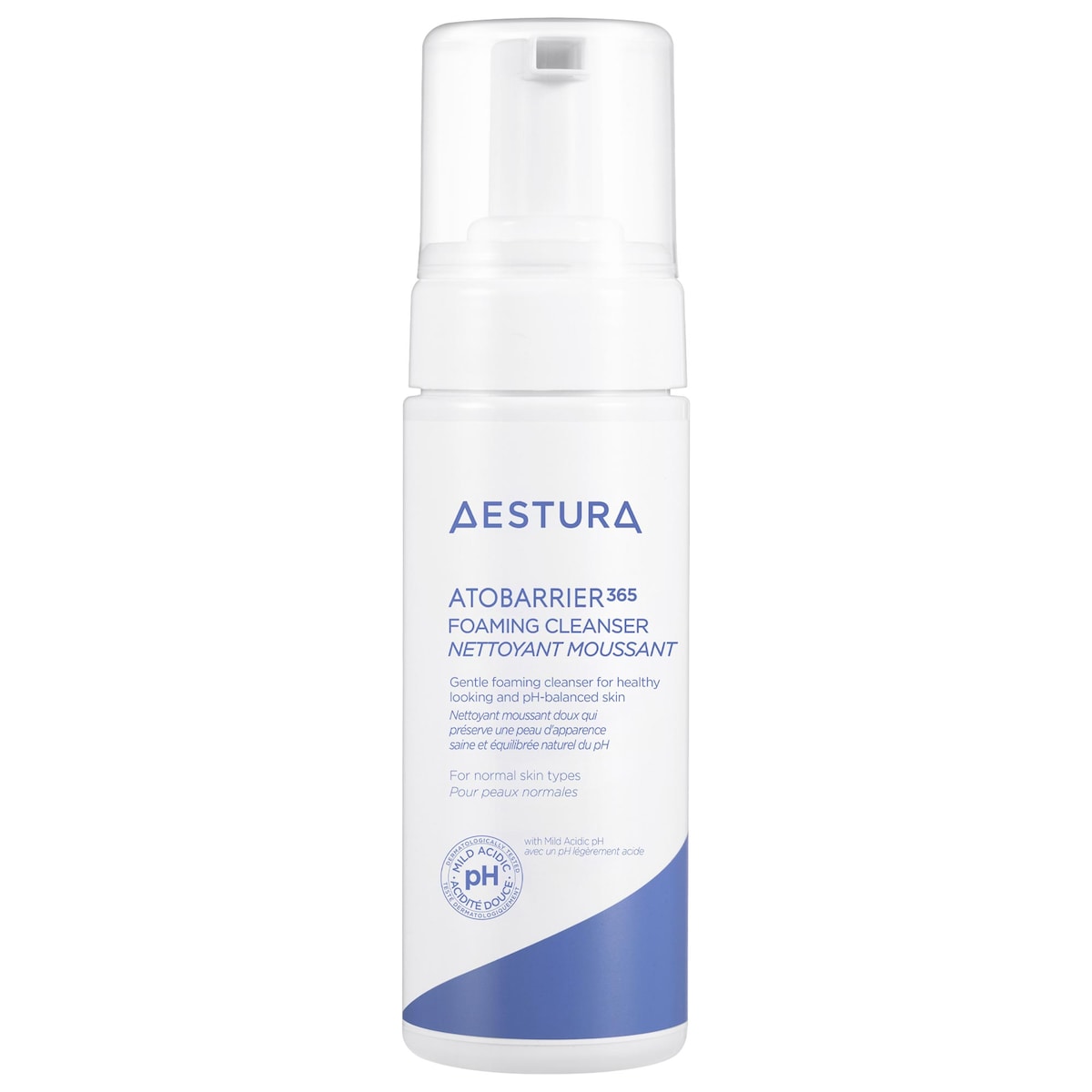
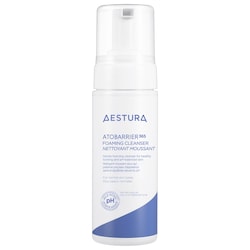 | Cleanser | AESTURA ATOBARRIER365 Gentle pH-Balancing Foaming Cleanser | Skin that gets tight after washing |
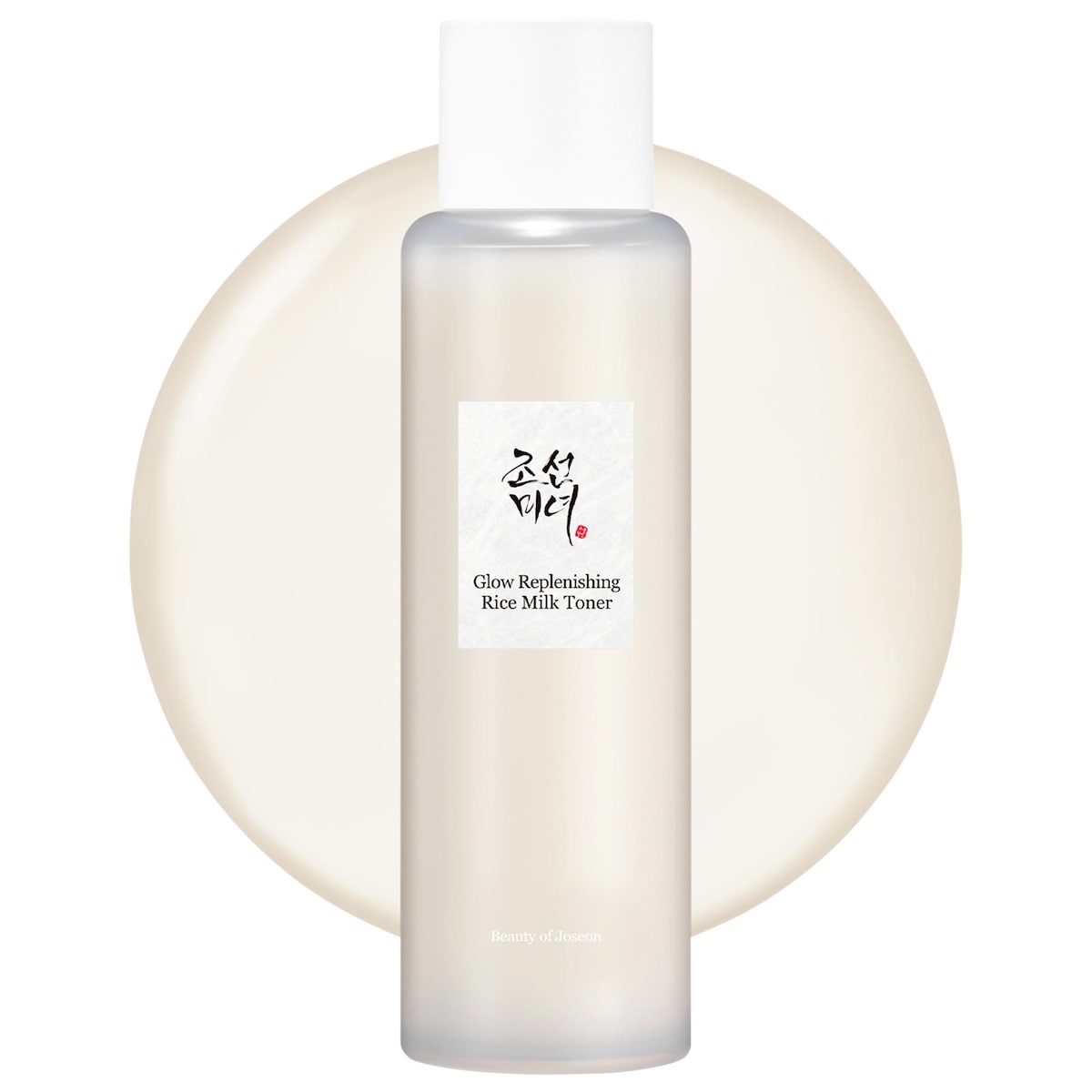
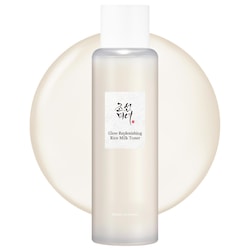 | Toner | Beauty of Joseon Glow Replenishing Rice Milk Lightweight Hydration Toner | The soft, hydrated base layer |
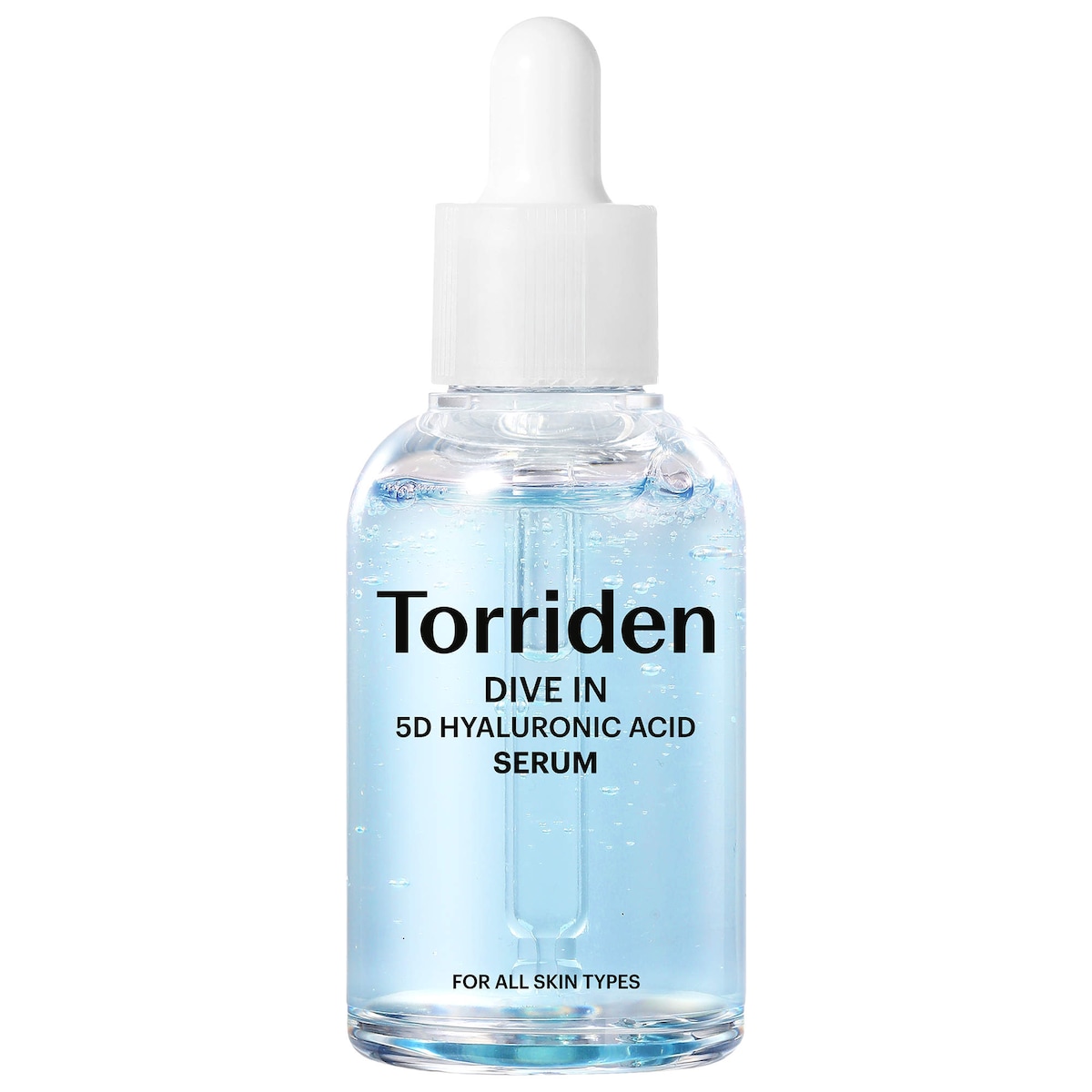
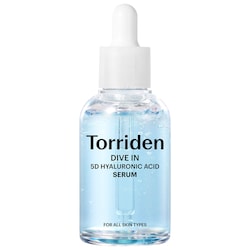 | Serum | Torriden DIVE IN 5D Hyaluronic Acid Ultra Hydrating Serum | Dehydrated skin that looks flat |
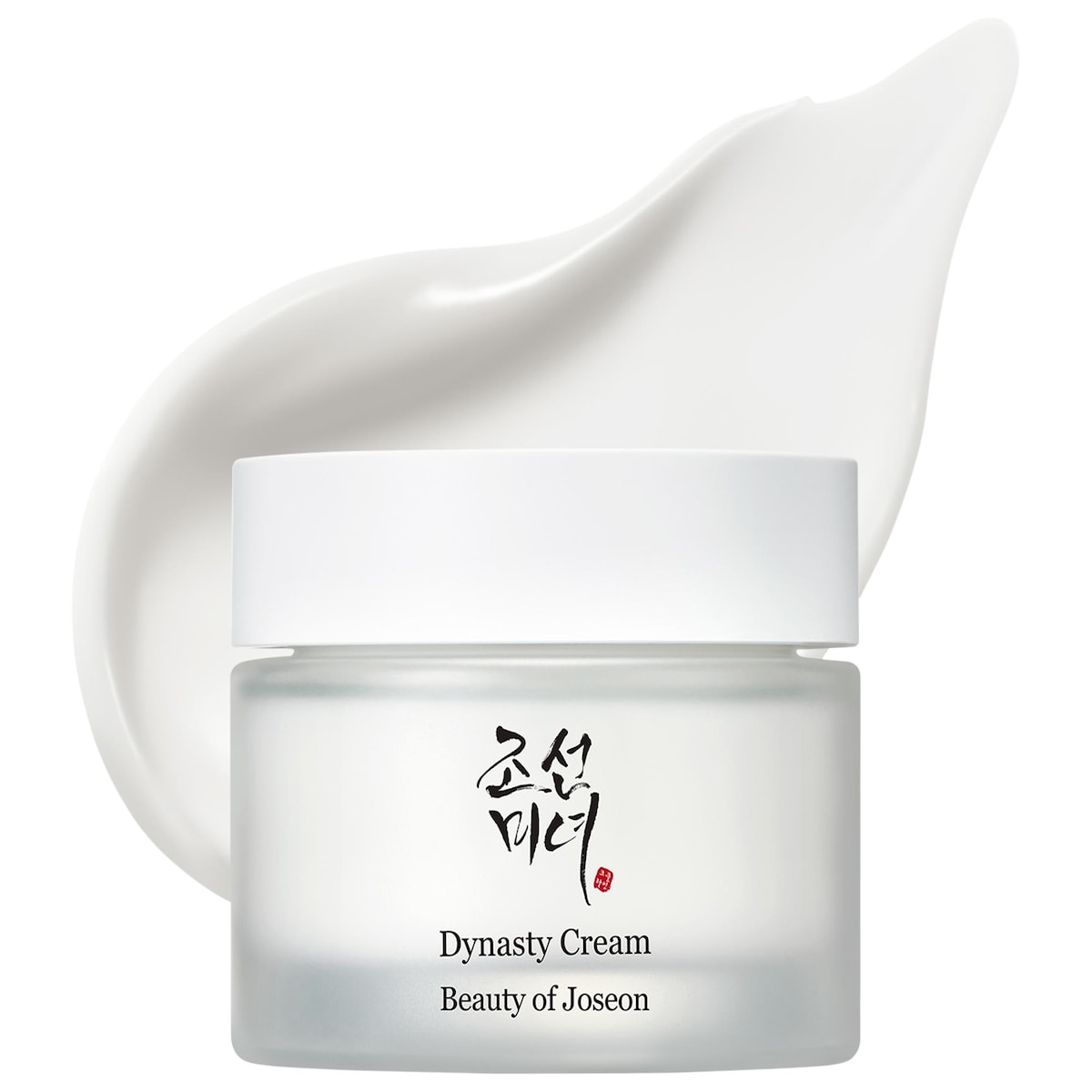
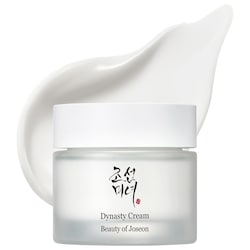 | Moisturizer | Beauty of Joseon Dynasty Cream | Normal to dry skin that wants cushion |
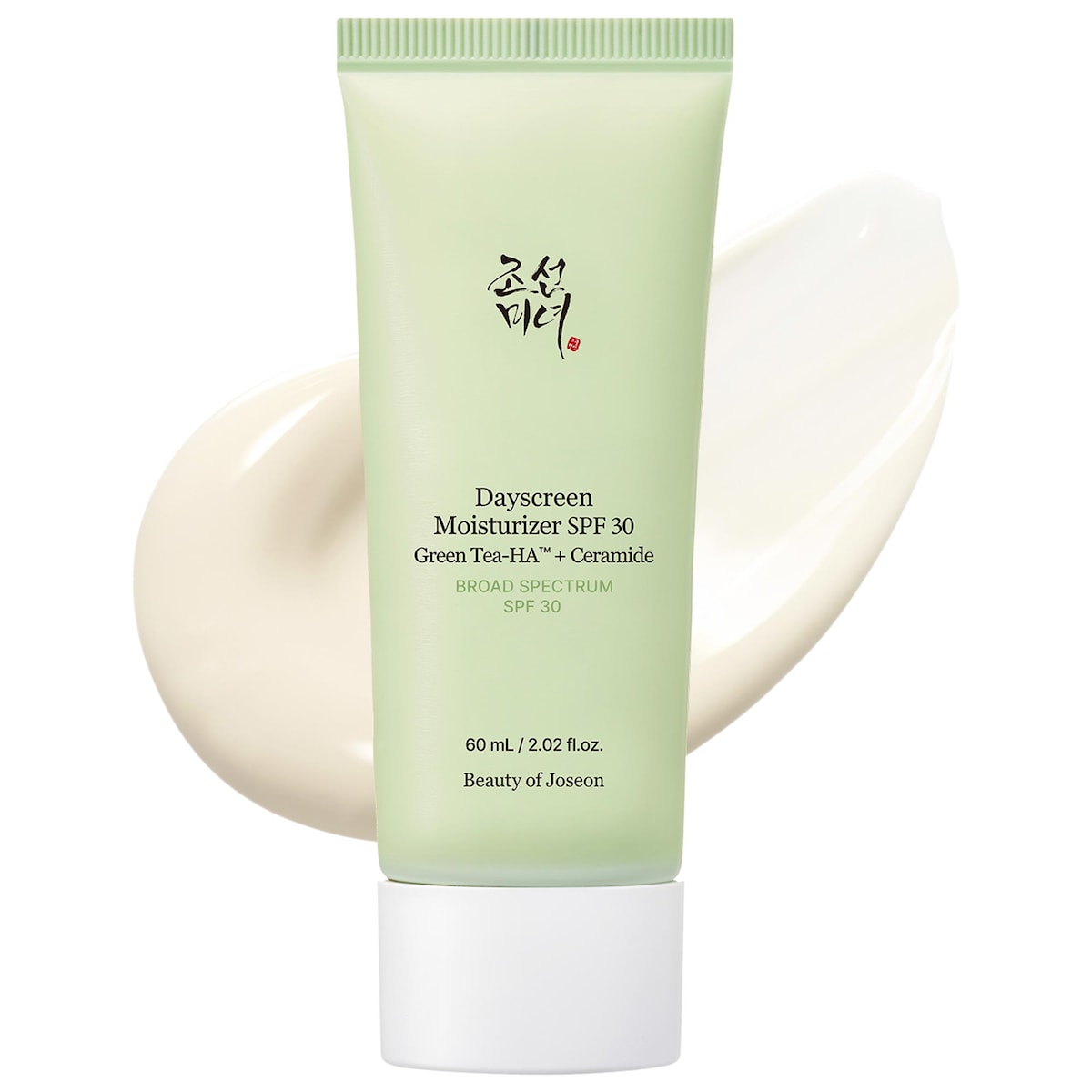
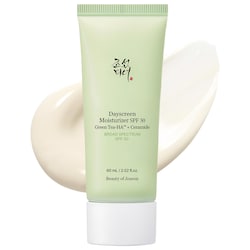 | SPF | Beauty of Joseon Dayscreen 2-in-1 SPF 30 Moisturizer | People who skip sunscreen when it feels heavy |
Why I stopped treating glass skin like a product haul
The biggest mistake I made with glass skin was thinking it needed a dramatic routine.
Oil cleanser. Water cleanser. Exfoliant. Toner. Essence. Serum. Ampoule. Sheet mask. Eye cream. Moisturizer. Sleeping mask. Sunscreen the next morning.
That can be a beautiful ritual if your skin loves it and your life can hold it.
Mine could not.
The routine was not hard because each step was complicated. It was hard because every step created another place to second-guess myself. Was I using the wrong toner? Should I wait between serum and cream? Was the glow hydration or irritation? Did I need an essence and a serum, or was I just layering because the routine felt more legitimate that way?
Once I stripped it down, the whole thing got easier.
Korean skincare started making more sense when I stopped asking, "How many steps should I do?" and started asking, "What does my skin need to look calmer tomorrow?"
Step 1: Cleanse without making your skin prove it can recover
A good glass skin routine starts boring.
That is not a complaint. It is the point.
If your cleanser leaves your face tight, squeaky, shiny in a plastic way, or strangely hot after washing, the rest of the routine has to spend its energy cleaning up that mistake. You can still get a glow for a few minutes, but it is not the same as skin that is actually comfortable.
For a Korean glass skin routine, I like a cleanser that removes the day without turning the skin into a project. The AESTURA cleanser fits that idea because it is positioned around pH balance, hydration, and sensitive skin instead of "deep clean" intensity.
At night, cleanse properly.
In the morning, do not cleanse just because someone told you every routine starts there. If your skin is dry, sensitive, or already clean from the night before, a water rinse may be enough. If you wake up oily or used a richer overnight cream, use a small amount of cleanser and keep it gentle.
This one decision changes a lot.
Glass skin is not skin that has been scrubbed smooth. It is skin that has enough water, enough barrier support, and enough restraint around it.
Step 2: Use toner as a hydration step, not a punishment step
Toner is where Korean skincare often gets misunderstood.
Some people still think toner means a harsh, swipe-on step that makes the face feel extra clean. That is not the version I want here.
For glass skin, toner should make the skin feel more flexible. More comfortable. Less papery. It should create the first soft layer of hydration so your serum and moisturizer do not have to do everything alone.
The Beauty of Joseon rice milk toner makes sense in this slot because it feels aligned with the glass skin goal: lightweight hydration, soft finish, and a routine that looks dewy without needing to become greasy.
Use it with your hands.
Pat it in.
Stop at one layer if your skin feels good.
The "seven skin" toner layering idea can work for some people, but I would not start there. The easier first test is one layer for two weeks. If your skin still feels thirsty and the toner never gets sticky or irritating, then consider a second layer.
The right amount is the amount that makes your skin feel better, not the amount that makes the routine look more impressive.
Step 3: Pick one serum based on the thing blocking your glow
This is the step where people usually buy too much.
Glass skin can be blocked by different problems:
- dehydration
- rough texture
- redness
- dullness
- dark marks
- oiliness
- irritation
Those are not the same problem. They do not all need the same serum.
If my skin looks flat, tight, or creased in a way that seems more dehydrated than aged, I would start with a hydrating serum like Torriden DIVE IN 5D Hyaluronic Acid Ultra Hydrating Serum. It is the cleanest choice when the skin does not need a stronger active yet. It needs water support.
If my skin is oily and uneven, I would look closer at niacinamide.
If my skin is dull and stable, I might add a gentle exfoliating night, not every night.
If my skin is red or irritated, I would skip the "glow" serum entirely until the skin feels calm again.
That last part matters. A serum should solve the bottleneck you actually have. If your barrier is stressed, the bottleneck is not a lack of ambition. It is irritation.
Step 4: Moisturizer decides whether the glow lasts
Moisturizer is not the boring ending.
It is the step that decides whether the routine still looks good three hours later.
This is where I think a lot of glass skin attempts fall apart. The toner feels nice. The serum gives that wet, plump moment. Then the moisturizer is either too light to hold anything in or too heavy and turns the face into shine instead of glow.
Beauty of Joseon Dynasty Cream is the kind of moisturizer I would put in the middle lane. It has enough cushion for normal to dry skin, but it is still a recognizable daily cream rather than a heavy sleeping mask.
If you are oily, go lighter.
If you are dry, go richer.
If you are sensitive, choose the cream your skin will repeat without drama, even if it is less exciting than the one getting attention that week.
The finish should look like healthy skin, not a layer sitting on top of your face. If you can feel the moisturizer moving around an hour later, that is usually too much. If your cheeks feel tight an hour later, that is usually too little.
Step 5: Sunscreen is the unglamorous step that protects the whole plan
If I had to keep only one morning rule, it would be sunscreen.
Not because sunscreen sounds elegant. It does not.
Because every brightening, smoothing, dark-spot, and glow routine becomes weaker when you keep exposing the skin without protection. You can spend money on toners, serums, masks, and creams, then lose ground because the final morning step feels annoying.
The Beauty of Joseon Dayscreen 2-in-1 SPF 30 Moisturizer is the kind of product I would consider if the reason you skip sunscreen is texture. Some people need a separate sunscreen. Some people do better with a moisturizer-SPF hybrid because fewer steps means they actually use it.
The best sunscreen is not the most elegant one in a review.
It is the one you can put on at the right amount, most mornings, without hating your face afterward.
That is the honest standard.
The optional night step: treatment only when your skin has earned it
Once the baseline feels stable, then I would think about one treatment lane.
Not five.
One.
If the issue is texture, use a gentle exfoliating product once or twice a week. If the issue is long-term firmness or fine lines, use a retinoid carefully. If the issue is dark marks, use a brightening serum and stay serious about sunscreen. If the issue is redness, stop chasing intensity and support the barrier first.
The mistake is putting all of these into the same week because they each sound useful.
Useful separately can still be chaotic together.
A good Korean glass skin routine should make your skin more predictable. If the routine keeps creating new irritation that you then have to repair, it is not a glow routine. It is a loop.
How I would adjust the routine by skin type
Normal skin can usually run the 5-step version as written: gentle cleanse, hydrating toner, hydrating or brightening serum, moisturizer, sunscreen.
Dry skin should take moisturizer more seriously. I would keep the toner milky, choose a serum that helps with dehydration, and use a cream with enough cushion at night. I would not rush exfoliation just because the skin looks dull. Dry, irritated skin often looks dull because it is under-supported, not because it needs more removal.
Oily skin should not skip hydration. I would keep the toner light, choose a gel or water-cream style moisturizer, and be careful with heavy sleeping masks. The goal is not matte skin. The goal is skin that looks balanced instead of shiny from stress.
Sensitive skin should use the fewest steps first. Cleanser, toner if tolerated, moisturizer, sunscreen. Add the serum later. Sensitive skin does not need to prove it can handle a full routine on week one.
Acne-prone skin should separate hydration from treatment. You still need the softening, barrier-supportive parts of the routine. Just do not bury your face under rich layers if congestion is already the main problem.
What I would skip at first
I would skip daily exfoliation.
I would skip using a sheet mask every night.
I would skip buying an essence and a serum if they do the same job.
I would skip sleeping masks until the normal moisturizer is clearly not enough.
I would skip anything that makes the routine feel like a performance.
There is a time for extras. I like extras. A good mask before an event can make skin look incredible. A richer night cream in winter can save a routine. A carefully chosen exfoliant can make texture look smoother.
But extras work better when the baseline is already steady.
The base routine is what teaches you what your skin actually likes. Without that, every extra product becomes another variable.
The 14-day reset I would do before buying more
If your bathroom shelf is already full and your skin still does not look how you want, I would pause before adding another Korean skincare step.
For 14 days, I would do this:
Morning:
- Rinse or gentle cleanse.
- Hydrating toner if your skin likes it.
- Moisturizer if needed.
- Sunscreen.
Night:
- Gentle cleanse.
- Hydrating toner.
- Moisturizer.
No exfoliating experiments.
No new retinoid.
No rotating masks.
No switching moisturizer every three nights because the first one did not create an instant transformation.
At the end of two weeks, ask what changed. Did the skin feel calmer? Did makeup sit better? Did redness settle faster? Did the tight feeling after washing stop? Did the shine look less frantic?
Those answers tell you what to add next.
If nothing improved, the problem may be product fit, a skin condition, or irritation that needs more careful help. That is when it is worth getting a professional opinion instead of trying to out-layer the problem.
Where Glass makes this easier
The hard part is not reading another routine.
It is remembering what you actually did.
That is why I like using Glass as the place where the routine becomes observable. You can build the morning and night steps, track whether you followed them, scan your skin over time, and notice whether changes in sleep, stress, water, or product consistency line up with what you see on your face.
That matters because glass skin is a pattern, not a one-night trick.
If your skin looks better after two steady weeks, you want to know what stayed consistent. If it gets irritated after adding a serum, you want to see that clearly instead of blaming the entire routine.
The goal is not to turn skincare into homework. It is to stop guessing.
My final rule
The best Korean glass skin routine is the one that makes your skin look calmer and more hydrated without making your life smaller.
Start with five steps.
Cleanse gently.
Layer hydration once.
Use one serum with a job.
Seal it in.
Wear sunscreen.
Then wait long enough to learn something.
That is the version I trust now. It is quieter than the 10-step routine, but it is much easier to keep. And skin usually rewards the routine you can repeat more than the routine you only admire.
FAQ
Do I need a 10-step Korean skincare routine for glass skin?
No. Most people should start with a smaller routine and add only when the skin is stable. A 5-step routine with cleanser, hydrating toner, serum, moisturizer, and sunscreen can get you much closer than a crowded routine you cannot repeat.
Can I get glass skin with non-Korean products?
Yes. Korean skincare is helpful because the philosophy emphasizes hydration, barrier support, sunscreen, and gentle consistency. Those principles matter more than the country printed on the bottle.
How long does a Korean glass skin routine take to work?
Comfort and hydration can improve quickly, sometimes within days. Texture, tone, dark marks, and breakouts usually need more time. I would give a stable routine at least two to four weeks before judging it, unless a product is clearly irritating your skin.
What should I add first if my routine already has cleanser, moisturizer, and sunscreen?
Add a hydrating toner or serum first. That is the most useful next step if your skin looks flat, dry, or dull but does not need a stronger active yet.
What if my skin gets shiny when I try glass skin products?
Use lighter layers. Keep the toner, choose a water-light serum, switch to a gel cream, and be careful with sleeping masks or rich creams. The goal is hydrated skin, not a wet-looking layer of product.