Dry skin does not glow on command.
It can look shiny for ten minutes, then tight by lunch. It can drink three layers of toner and still flake around the nose. It can make a beautiful foundation look like it was applied over tissue paper.
That is the part of glass skin people skip.
When your skin is dry, the goal is not to look wet. The goal is to make the surface smooth enough, hydrated enough, and calm enough that light reflects evenly instead of catching on rough patches. That sounds less glamorous than a ten-step routine. It also works better.
In April 2026, if I were rebuilding a glass skin routine for dry skin from scratch, I would stop chasing “more glow” and start fixing the three things that usually make dry skin look dull: harsh cleansing, weak hydration layering, and not enough seal at the end.
The routine I would start with
This is the dry-skin version I trust:
- Gentle cleanse at night, and skip the morning cleanse if your skin wakes up comfortable.
- Hydrating toner or essence while the skin is still slightly damp.
- A simple humectant serum if the skin looks flat or tight.
- Barrier cream with ceramides, glycerin, squalane, or similar cushion.
- A thin occlusive layer only on dry patches when cream is not enough.
- Sunscreen every morning, even if the rest of the routine is minimal.
- Gentle exfoliation once a week only when the barrier feels steady.
That is the whole map.
Not ten steps.
Not five actives.
Not a new serum every time your cheeks feel tight.
Dry skin usually gets closer to glass skin when the routine becomes calmer, heavier in the right places, and easier to repeat.
My dry-skin glass routine shortlist
| Image | Step | Product lane | Why it fits dry skin | Where I would be careful |
|---|---|---|---|---|
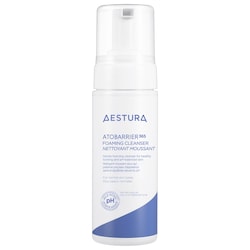 | Cleanse | AESTURA ATOBARRIER365 Gentle pH-Balancing Foaming Cleanser | A gentler cleanse when skin gets tight after washing | Do not use cleanser as exfoliation |
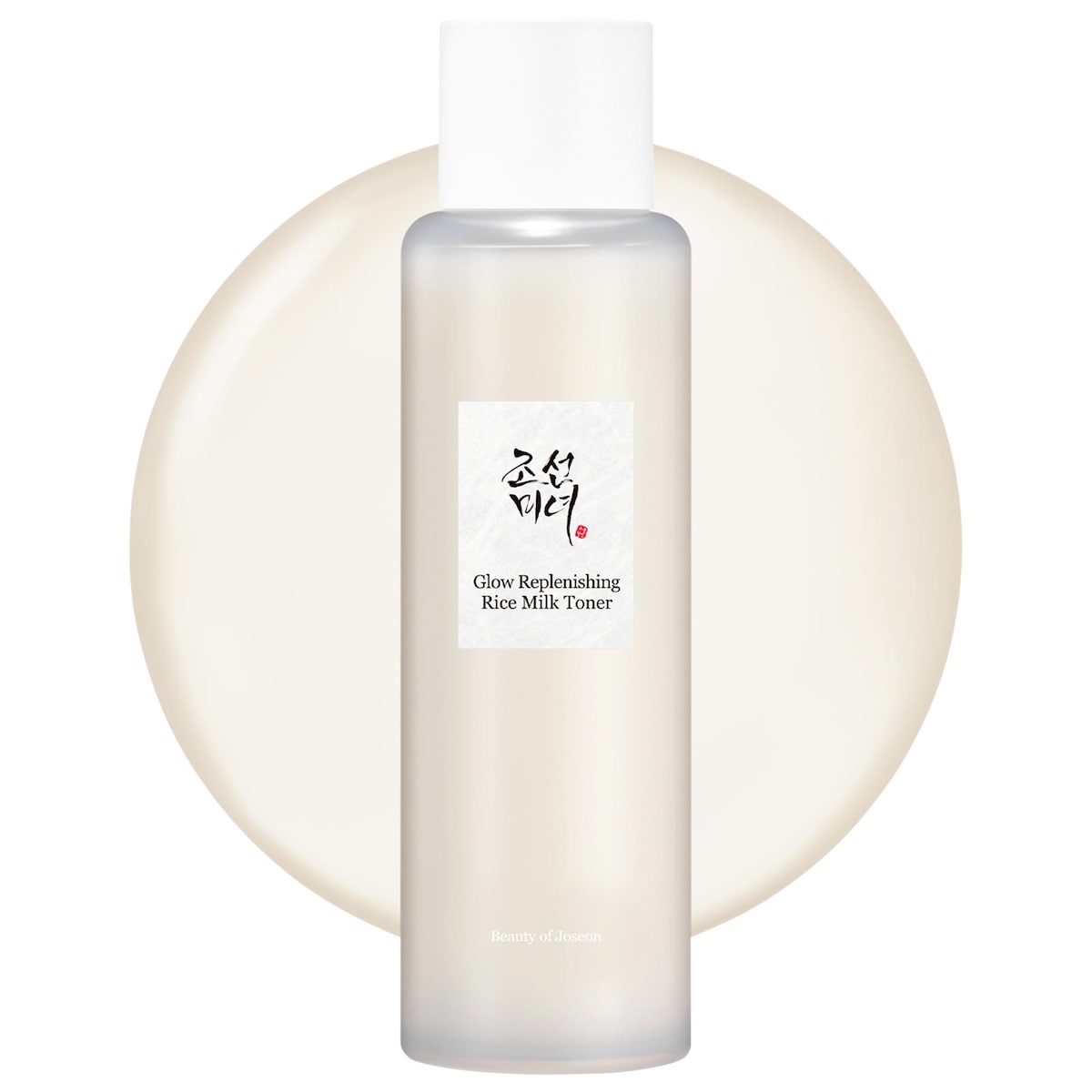
 | First hydration | LANEIGE Cream Skin Milky Toner | Adds comfort before serum and cream | Keep layers thin so it does not pill |
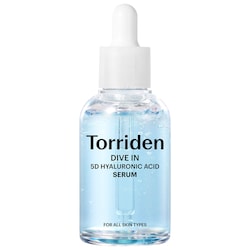 | Humectant serum | Torriden DIVE IN 5D Hyaluronic Acid Ultra Hydrating Serum | Helps flat, dehydrated skin look plumper | Seal it with cream so hydration does not vanish |
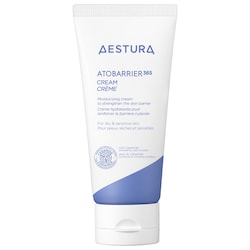 | Barrier cream | AESTURA ATOBARRIER365 Cream Moisturizer | Better for dry, depleted, treatment-tired skin | May be too much for oily zones |
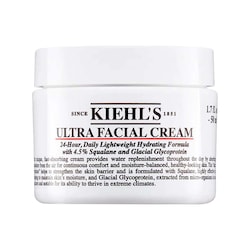 | Everyday cream | Kiehl's Ultra Facial Cream | A steady middle lane when you need comfort without drama | If you still wake tight, add a dry-patch seal |
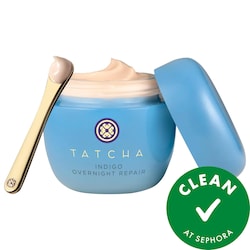 | Recovery night | Tatcha Indigo Overnight Repair | Stronger comfort lane when skin is red or overworked | Use recovery as recovery, not as permission to overdo actives |
What glass skin means when your skin is dry
For dry skin, glass skin is mostly a texture problem before it is a shine problem.
If the surface is flaky, every “glow” product exaggerates the flakes. If the barrier is irritated, every active feels louder than it should. If the routine has water but no seal, the skin can look hydrated right after application and still feel tight an hour later.
That is why I do not start dry-skin glass routines with the strongest brightening serum. I start with the boring foundation: cleanse gently, hydrate while damp, seal well, protect in the morning, and exfoliate only when the skin is not already complaining.
The American Academy of Dermatology gives dry-skin advice that sounds plain because it is built for consistency: keep showers short and warm instead of hot, use gentle fragrance-free cleansing, apply moisturizer quickly after washing, and favor creams or ointments over thin lotions when skin is very dry. Mayo Clinic gives similar dry-skin guidance: warm water, shorter wash time, gentle cleansers, immediate moisturizer, sunscreen, and humidifier support when indoor air is dry.
I like that because it pulls the routine back to reality.
The glow is not separate from the barrier. The glow is what happens when the barrier is treated well enough to stop looking stressed.
Step 1: Stop cleansing like oil is the enemy
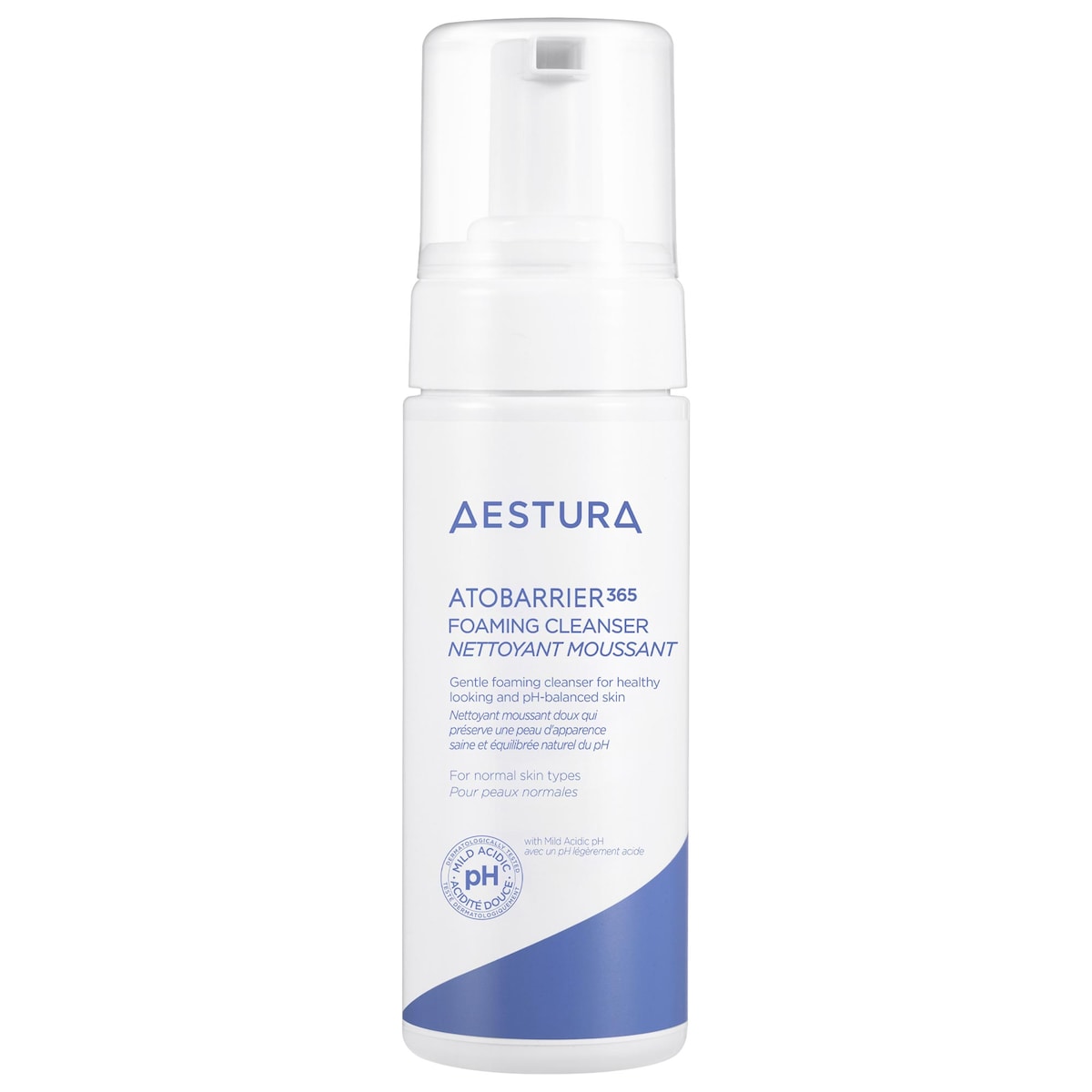
Dry skin can still need a real cleanse.
Sunscreen, makeup, sweat, and pollution do not disappear because your cheeks are tight. The mistake is thinking the cleanser has to leave your face squeaky to prove it worked.
I do not want squeaky skin anymore. I want skin that feels clean but still flexible.
At night, I would cleanse once if I only wore light sunscreen and no makeup. If I wore makeup or water-resistant sunscreen, I would use a cleansing balm first, then a gentle water-based cleanser. In the morning, I would not automatically cleanse with face wash. If the skin wakes up comfortable, a rinse or damp cloth can be enough for some dry-skin routines.
That one change can make the whole routine easier. When cleansing is less stripping, toner does not have to rescue the skin. Serum does not have to compensate for damage. Moisturizer does not have to fight a dry, shiny, overwashed surface.
If your face feels tighter five minutes after cleansing than it did before cleansing, I would look there before buying another glow product.
Step 2: Put water back before you ask cream to hold it

Dry skin needs oil and cushion, but dehydrated dry skin also needs water.
That distinction matters.
A heavy cream over a thirsty surface can feel comforting for a few minutes, then weirdly tight underneath. That is the “greasy but dehydrated” feeling people complain about. The surface is coated. The skin still does not feel full.
This is where a hydrating toner or essence earns its place. I like a milky toner for dry skin because it gives that first layer of comfort before serum and cream. It is not there to exfoliate. It is not there to sting. It is not there to make the routine feel more advanced.
It is there to make the skin feel less bare.
Apply it while the skin is still slightly damp. Use one thin layer first. If your skin drinks it in and still feels tight, add another thin layer. If it starts feeling sticky or products pill afterward, pull back.
The mistake is turning hydration layering into a challenge. Dry skin does not need seven layers just because someone made the number sound romantic. It needs enough hydration to soften the surface, then enough cream to keep that softness from leaving.
Step 3: Use hyaluronic acid like a helper, not a miracle
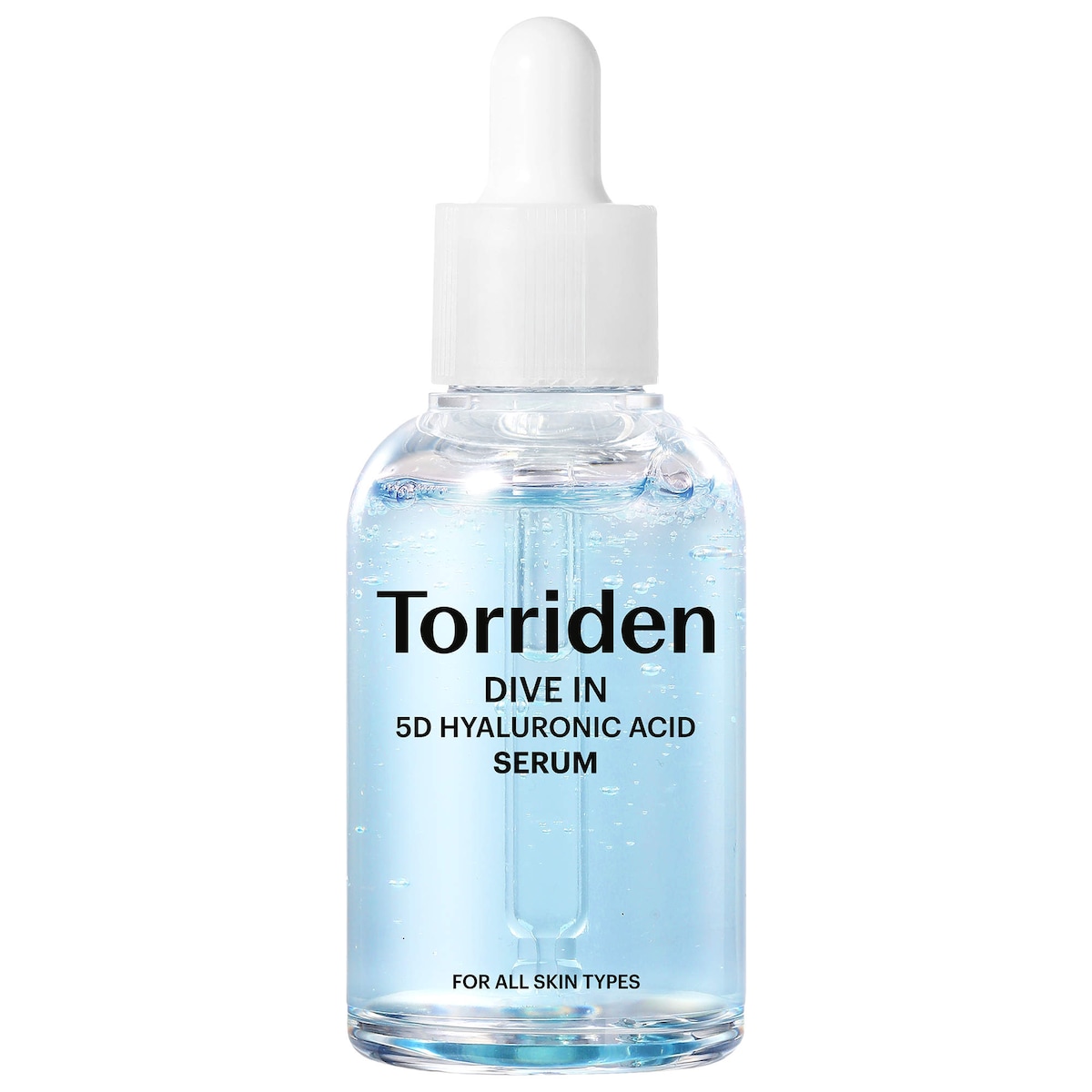
Hyaluronic acid can make dry skin look better fast.
It can also disappoint people who expect it to do the whole job alone.
I think of a hyaluronic acid serum as a plumping support step. It helps the skin look less flat. It can make fine dehydration lines look softer. It can help the whole routine feel smoother under moisturizer.
But it still needs context.
If the air is dry, if the skin is not damp, or if you put a watery serum on and never seal it, the result can be underwhelming. The serum is not a moisturizer by itself. It is the water-support step before the moisturizer.
That is why I would place it after toner and before cream. Not after oil. Not after balm. Not as the final step.
For dry skin, I would also keep the serum boring on purpose. I do not need the hydrating step to also exfoliate, brighten, tingle, resurface, and “renew.” I want it to do one thing cleanly so I can tell whether my skin is actually responding.
Step 4: Choose a cream by the morning result
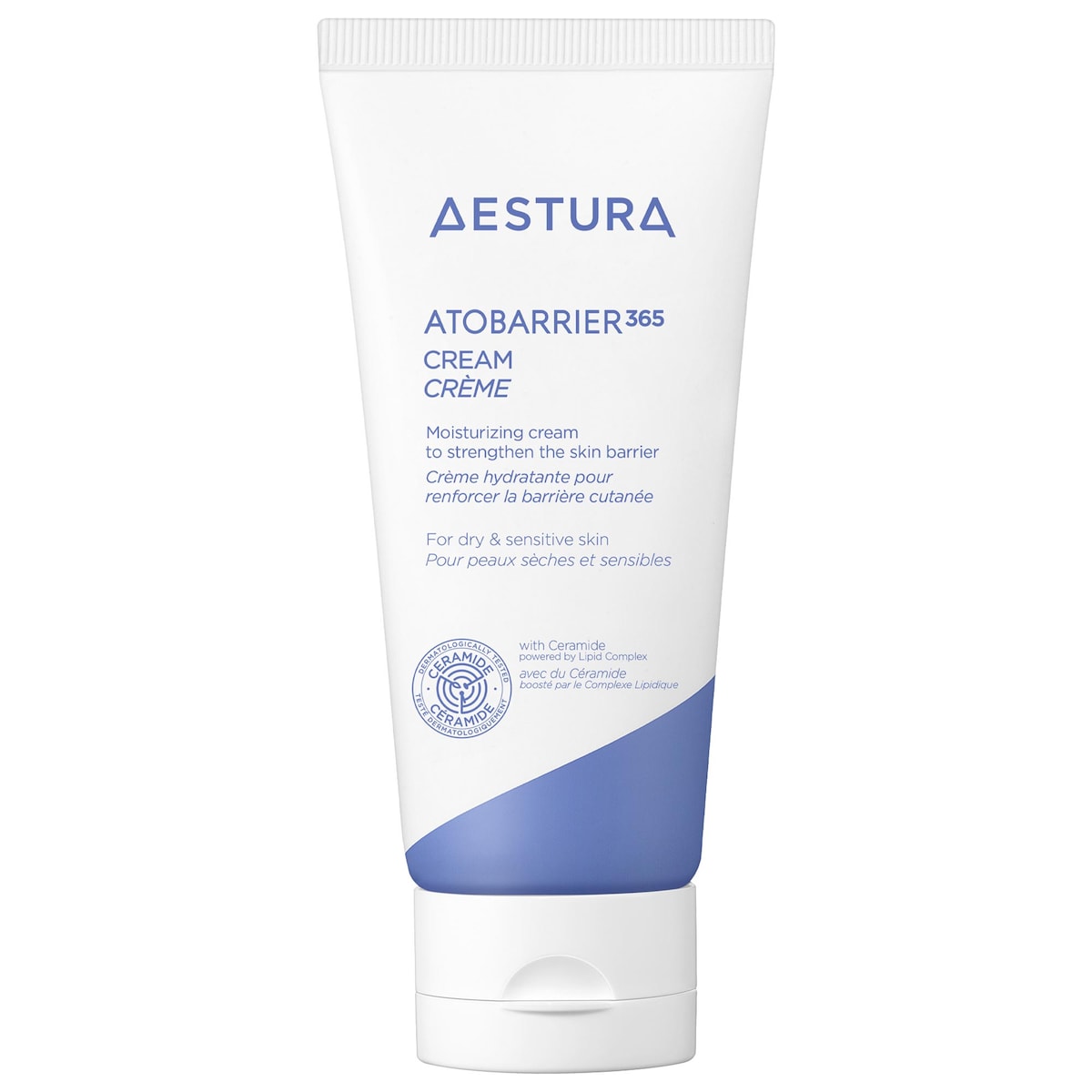
The best dry-skin moisturizer is not always the one that feels richest when you apply it.
It is the one that leaves your skin comfortable when you wake up.
That is the test I trust most. If I wake up tight, the routine did not seal enough or the earlier hydration was too weak. If I wake up greasy but still flaky, the routine may be heavy on occlusion and light on water. If I wake up with new bumps, the cream might be too rich for parts of my face.
For dry skin trying to look smooth and reflective, I usually want a cream with some barrier logic: ceramides, glycerin, squalane, dimethicone, petrolatum in small strategic amounts, shea butter if tolerated, or other ingredients that help reduce water loss and soften roughness.
AAD dry-skin guidance specifically points people toward creams or ointments more than lotions and lists ingredients such as glycerin, hyaluronic acid, dimethicone, mineral oil, petrolatum, shea butter, and lactic acid as useful options in moisturizers. That lines up with the way dry skin behaves in real life. Thin lotion often feels elegant. Cream usually does more work.
I would use a richer cream at night and a lighter cream in the morning if sunscreen already adds weight. If your cheeks are dry but your T-zone clogs, treat the face in zones. Richer cream on cheeks. Lighter layer around the nose and forehead.
That is not fussy. It is more honest than pretending one amount belongs everywhere.
Step 5: Seal dry patches without coating the whole face
This is where a lot of dry-skin routines get close, then miss.
The skin is cleansed gently. The toner feels good. The serum plumps. The cream helps. But the same spots still flake: sides of the nose, corners of the mouth, cheekbone, chin, between the brows.
When that happens, I do not automatically make the whole routine heavier. I seal the dry patches.
Use a small amount of balm, petrolatum, or a richer cream only where the skin keeps losing water. Press it over moisturizer at night. Keep it thin. Do not smear a heavy occlusive across areas that clog easily just because two small patches are struggling.
This is the dry-skin version of precision.
It also helps under makeup. A tiny patch-seal at night often does more for next-day foundation than piling on primer over flakes in the morning. Makeup cannot hide texture that skincare keeps recreating.
Step 6: Exfoliate less than you want to
Dry skin can need exfoliation.
It just usually needs less than impatient people think.
When dead skin builds up, hydration sits unevenly and makeup catches. A gentle chemical exfoliant can help smooth the surface so light reflects better. But if the skin is already tight, stinging, peeling, or red, exfoliating harder is usually the wrong move.
The AAD’s exfoliation guidance is cautious for a reason: dry, sensitive, and acne-prone skin may do better with milder methods, and moisturizer should follow because exfoliation can dry the skin. It also warns that over-exfoliation can leave skin red and irritated.
That is the line I would keep in mind.
For dry skin, I would start with once a week. Not nightly. Not every other night. Once a week, followed by a boring moisturizer night. I would avoid gritty scrubs if my skin is flaky or reactive. I would skip exfoliation completely when the skin barrier feels angry.
The goal is not to polish dry skin into submission. The goal is to remove just enough roughness that hydration can sit evenly again.
Step 7: Sunscreen is part of the glow, not a separate chore
Glass skin without sunscreen is fragile.
I know sunscreen does not feel like the exciting part of a dry-skin routine, but it is the step that protects the progress. Uneven tone, roughness, dark spots, and premature lines all get harder to manage when UV exposure keeps working against the routine.
For dry skin, the trick is choosing a sunscreen that does not make the morning routine feel like a fight. If your sunscreen is drying, pilling, chalky, or tight, you will start skipping it. I would rather use a moisturizing sunscreen that you wear every day than a “perfect” one you hate.
Morning can stay simple:
- Rinse or gentle cleanse only if needed.
- Hydrating toner if your skin wakes up tight.
- Light cream if sunscreen is not moisturizing enough.
- Sunscreen.
That is enough for many days.
The morning routine does not need to prove itself with six layers. It needs to leave the skin comfortable and protected.
A dry-skin routine by problem
The routine changes depending on what dry skin is doing that week.
If your skin is dry and flaky under makeup
Stop trying to fix flakes with more primer.
At night, use gentle cleansing, hydrating toner, cream, and patch sealing. Skip exfoliation until the skin no longer stings. Once the barrier feels normal, add one gentle exfoliation night weekly if roughness is still there.
In the morning, avoid heavy layers that never settle. Use a thin hydrating layer, a cream that actually absorbs, then sunscreen. Give each layer a minute before makeup.
If your skin is tight but shiny
This usually means the surface is coated but the skin is still dehydrated.
Use toner or serum before cream. Apply cream while the skin is slightly damp. If your cream is very oily but not comforting, switch to something with better humectant and barrier support instead of just more oil.
If your moisturizer burns
Treat that as a warning.
Pull back to cleanser, bland moisturizer, and sunscreen. Stop exfoliating. Pause retinol and strong brightening products. If burning continues, if skin cracks, if there is persistent redness, or if the dryness affects sleep or daily life, see a dermatologist.
If your skin is dry but acne-prone
Do not punish it with harsh cleansing.
Use a gentle cleanser, light hydration, and a non-comedogenic moisturizer. Keep acne treatments targeted and buffered if needed. AAD notes that acne treatments like benzoyl peroxide, salicylic acid, adapalene, tazarotene, tretinoin, and isotretinoin can dry and irritate skin, and moisturizer can help skin tolerate them.
That matters. Acne-prone skin can still be dehydrated. Drying it out is not the same as clearing it.
The weekly rhythm I would actually follow
The best dry-skin glass routine is not one long routine repeated forever. It is a few night types.
Recovery night
Cleanse, hydrating toner, barrier cream, optional patch seal.
Use this after travel, cold weather, makeup-heavy days, irritation, exfoliation, or whenever products start stinging.
Hydration night
Cleanse, toner, hyaluronic acid serum, cream.
Use this when skin looks flat, dull, tight, or thirsty but not irritated.
Gentle exfoliation night
Cleanse, gentle exfoliant, cream.
Use this only when the barrier is calm and flakes are more about buildup than irritation.
Retinol night, if you use one
Cleanse, moisturizer, retinol, moisturizer.
Dry skin does not always need retinol in a glass-skin routine, but if you use it for texture, fine lines, acne, or uneven tone, start slowly. AAD guidance on retinoids is clear that starting slowly and using moisturizer can help reduce irritation, and retinoids should be used at night with sun protection during the day.
Where Glass makes this less random
The hardest part of dry-skin routines is not buying products.
It is noticing patterns.
Did your skin get flaky because the weather changed? Because you exfoliated twice? Because the cleanser was too strong? Because you skipped moisturizer under sunscreen? Because retinol night and exfoliation night accidentally became the same night?
Glass helps with that because you can track the routine you meant to follow, log the products you actually used, scan skin over time, and see whether your skin is moving toward more comfort or just collecting more steps. The useful version of glass skin is not a perfect shelf. It is a routine you can repeat long enough to understand.
That is especially important with dry skin because comfort is data.
Tightness, burning, flaking, pilling, and makeup catching are not random annoyances. They are signals. The routine should respond to them.
The mistake I would avoid
I would not build dry-skin glass skin around constant actives.
Vitamin C, retinol, exfoliating acids, pigment serums, and acne treatments can all have a place. But dry skin does not get more luminous by being challenged every night. It gets more luminous when the surface is smooth, the water is sealed in, and the barrier is calm enough to tolerate the occasional treatment.
If you remember nothing else, remember this:
Dry skin needs hydration first, then seal, then polish.
Most people reverse that. They polish first, irritate the barrier, add glow products to compensate, then wonder why their skin looks shiny and rough at the same time.
I would rather build the boring version that works.
Gentle cleanse. Damp-skin hydration. Real cream. Patch seal where needed. Sunscreen. One exfoliation night only when the skin is ready.
That is the dry-skin path to glass skin I trust.
Not because it sounds the most dramatic.
Because it gives the face a chance to look soft before asking it to look flawless.
FAQ
Can dry skin get glass skin?
Yes. Dry skin can look glassy when the surface is smooth, hydrated, and sealed well enough that light reflects evenly. The routine usually needs gentle cleansing, hydration layering, richer moisturizer, sunscreen, and careful exfoliation rather than constant actives.
What is the fastest way to make dry skin look more glowy?
The fastest low-risk change is applying a hydrating toner or serum while skin is slightly damp, then sealing it with a real cream. If the skin is flaky, fix the barrier first. Glow products over flakes usually make texture more obvious.
Should I exfoliate dry skin for glass skin?
Only when the skin is calm. Dry skin can benefit from gentle exfoliation, but over-exfoliation can create redness, stinging, and more flaking. Start once weekly and moisturize afterward.
Why does my dry skin look shiny but still feel tight?
That usually means the surface has oil or product on it, but the skin underneath is still dehydrated or under-sealed. Add water-support steps before cream, then use a moisturizer that actually holds comfort through the morning.
What should I stop using when dry skin burns?
Pause exfoliating acids, retinol, strong brightening products, harsh cleansers, fragrance-heavy products, and anything that stings. Use a gentle cleanser, bland moisturizer, and sunscreen. If burning or cracking continues, get dermatology help.