If you search morning and night skincare routine, the current results usually help in one of two ways.
Some explain the correct order clearly. Others give a longer product map with dermatologist quotes and shopping suggestions. The problem is that a lot of them still leave readers with the same beginner pain point they started with:
_What am I actually supposed to use in the morning, what should wait until night, and how do I keep this from turning into eight products that pill on my face?_
To shape this guide, I reviewed published guides on April 18, 2026, including Healthline’s skin care order guide, Cleveland Clinic’s how to order your skin care routine, Good Housekeeping’s best morning and night skincare routine guide, Glamour’s dermatologist-backed routine order article, and NDTV’s morning vs. night skincare explainer. I also cross-checked current American Academy of Dermatology guidance on face washing, safe exfoliation, and choosing sunscreen.
Those pages agree on the basics:
- morning skin care is mostly about protection and prevention
- night skin care is mostly about cleansing, repair, and treatment
- product order matters because lighter layers need to go on before heavier ones
- more products do not automatically mean better skin
They still tend to miss a few useful realities:
- They do not always explain which steps are actually optional.
- They talk about “layering” without spending enough time on pilling, irritation, or duplicated jobs.
- They often tell you the order, but not how to make the routine feel easy enough to repeat.
- They rarely separate a basic routine from an expanded routine in a way that helps you spend less money.
This page fixes that by keeping the order simple, separating morning from night clearly, and giving you Sephora-accessible products that fit each lane without turning the routine into work.
Quick answer
If you want the shortest version first, this is the correct order for most people:
Morning skincare routine order
- Cleanser if needed
- Hydrating toner or essence if you use one
- Serum
- Moisturizer
- Sunscreen
Night skincare routine order
- Makeup remover or first cleanse if needed
- Cleanser
- Hydrating toner or essence if you use one
- Serum or treatment
- Moisturizer
That is the version most people can actually follow.
If your skin is sensitive, easily irritated, or currently stings when you apply products, keep it even simpler: cleanser, moisturizer, and sunscreen in the morning; cleanser and moisturizer at night. Then build from there.
If your barrier already feels off, read skin barrier repair routine: what to do when everything suddenly stings before you add more steps.
What this guide focuses on
The top results are directionally right, but they often stop one step too early.
Healthline is useful on order. Cleveland Clinic is especially strong on keeping the routine simple and not overloading the skin. Good Housekeeping and Glamour do a good job showing how morning and night have different jobs. NDTV is helpful on the difference between day-friendly ingredients and night-only treatment steps.
What is still missing is the friction layer.
That is the part where people ask:
- Do I really need to wash again in the morning?
- Should vitamin C go on before or after a hydrating serum?
- Does retinol replace serum or stack with it?
- Why does sunscreen pill over the rest of my routine?
- Why does my “glow” routine make my face look greasy instead of healthy?
Those are the questions that decide whether a routine works in real life. So that is what this page is organized around.
The morning and night skincare routine that actually makes sense
Here is the cleanest product map for most people.
| Image | Routine slot | Product | Best for | Why it belongs here |
|---|---|---|---|---|
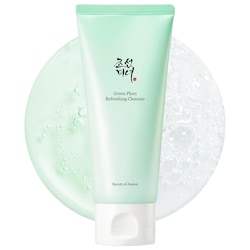 | Cleanser | Beauty of Joseon Green Plum Refreshing Cleanser for Gentle Daily Wash | A routine that starts too harsh | A gentler baseline for both morning and night |
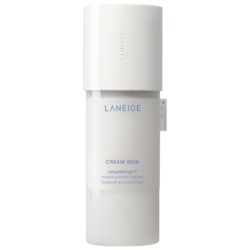 | Hydration prep | LANEIGE Cream Skin Refillable Milky Toner with Ceramides and Peptides | Dry, tight, or dull skin | Adds water support before treatment layers |
 | Morning serum | innisfree Rapid Vitamin C Brightening Serum for Dark Spots + Post-Breakout Marks | Morning brightening | A clean daytime serum lane |
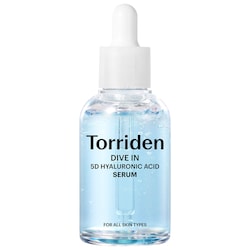 | Hydrating serum | Torriden DIVE IN 5D Hyaluronic Acid Ultra Hydrating Serum for Plump & Glow Skin | Dehydration and smoother-looking texture | Helps the routine feel bouncier, not busier |
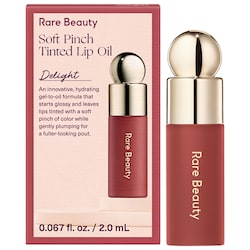 | Night treatment | innisfree Retinol Green Tea PDRN Firming & Smoothing Serum | A clearer nighttime treatment step | Gives retinol a defined lane instead of random stacking |
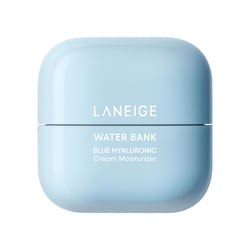 | Moisturizer | LANEIGE Water Bank Blue Hyaluronic Cream Moisturizer for Moisture Barrier Repair | Most skin types that want comfort without heaviness | A middle-ground cream that layers well |
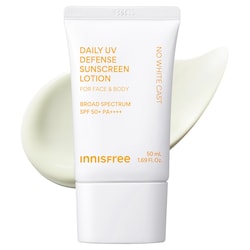 | Sunscreen | innisfree Daily UV Defense Invisible Korean Sunscreen Lotion Broad Spectrum SPF 50+ PA++++ | Everyday wear | The step that keeps the routine from backsliding |
Morning routine order: protect first, correct second
1. Cleanser
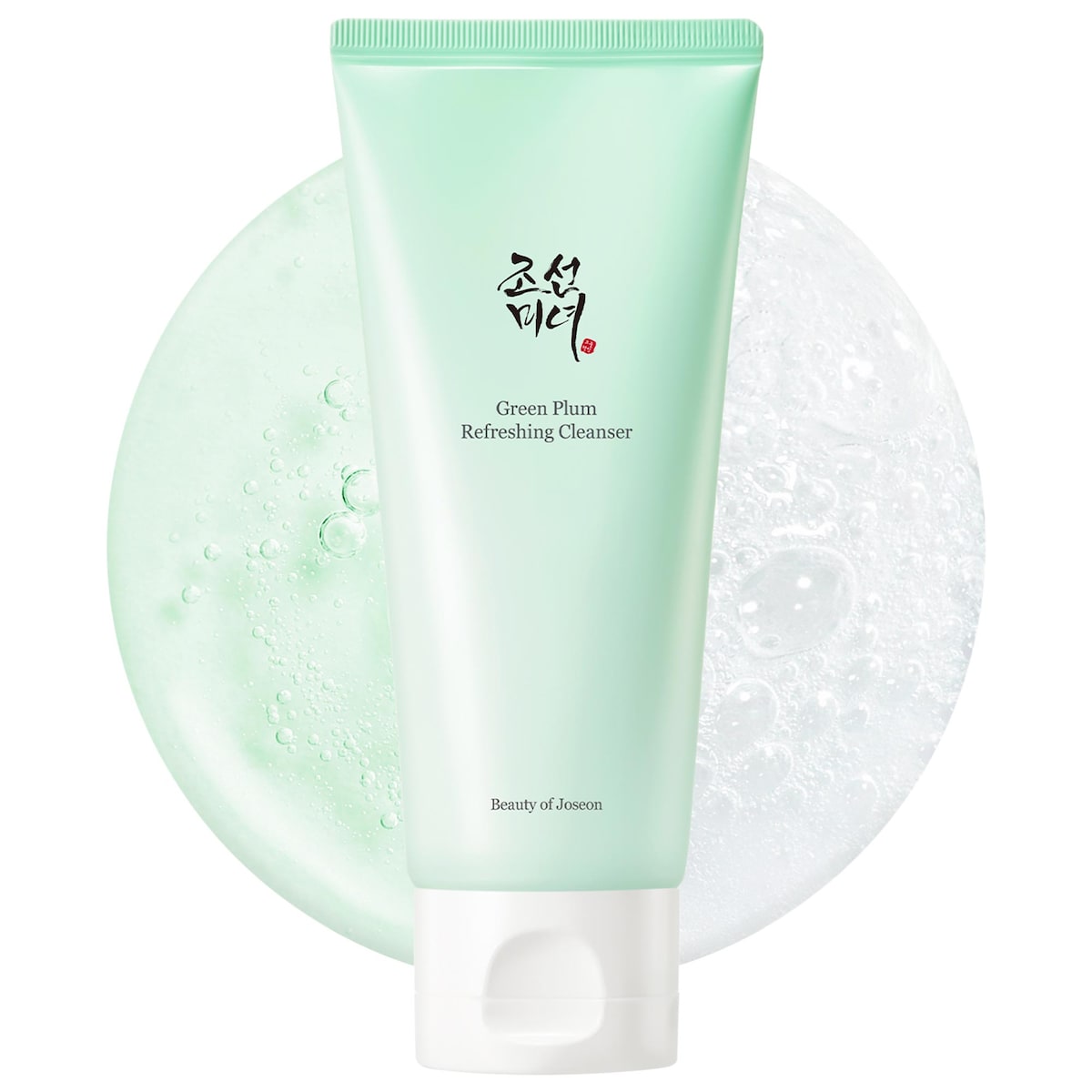
You do not always need a heavy morning cleanse. Cleveland Clinic and the AAD both point back to the same practical rule: keep cleansing gentle, and do not overdo it.
If you wake up oily, sweaty, or wearing leftover nighttime skin care that feels heavy, use a cleanser. If your skin is dry and comfortable, a water rinse may be enough.
Beauty of Joseon Green Plum Refreshing Cleanser fits this lane because it helps the morning start clean without making the rest of the routine feel like recovery work.
2. Toner or essence
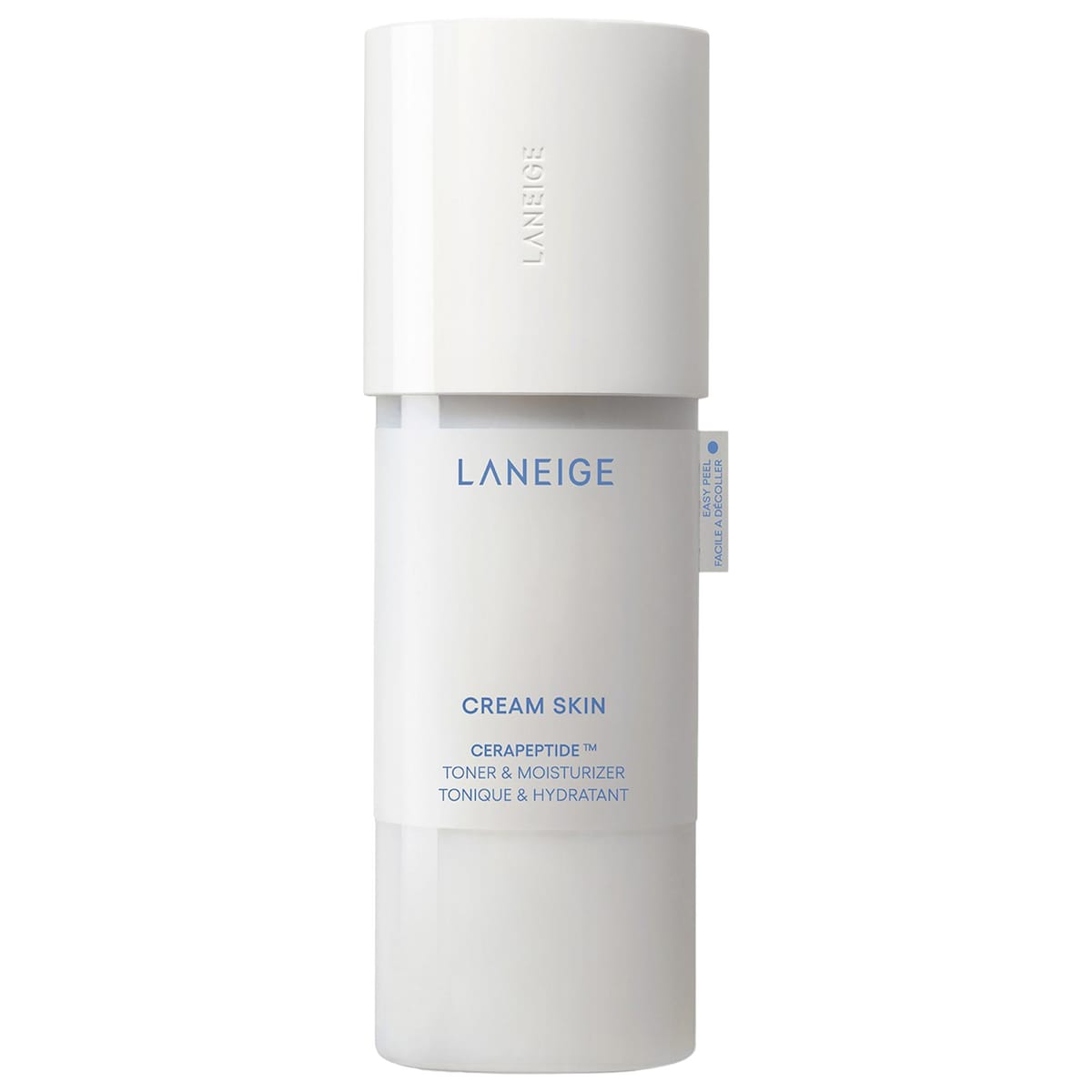
This step is optional, but it is useful if your skin feels tight after cleansing or if serums alone never seem hydrating enough.
LANEIGE Cream Skin is a good example of a toner step that actually earns its place. It adds hydration and slip without forcing you into a seven-layer routine. If your skin is oily, one light layer is enough. If your skin is dry or dehydrated, two thin layers usually work better than one heavy one.
3. Serum

Morning serums should usually help with protection, brightness, or hydration. They should not make your skin harder to tolerate during the day.
That is why innisfree Rapid Vitamin C Brightening Serum makes sense here. Vitamin C is a cleaner daytime choice than a strong nighttime treatment because it fits the prevention-and-brightening job better.
If your skin is reactive or already overloaded, skip the corrective serum lane and use a hydrating serum instead.
4. Moisturizer
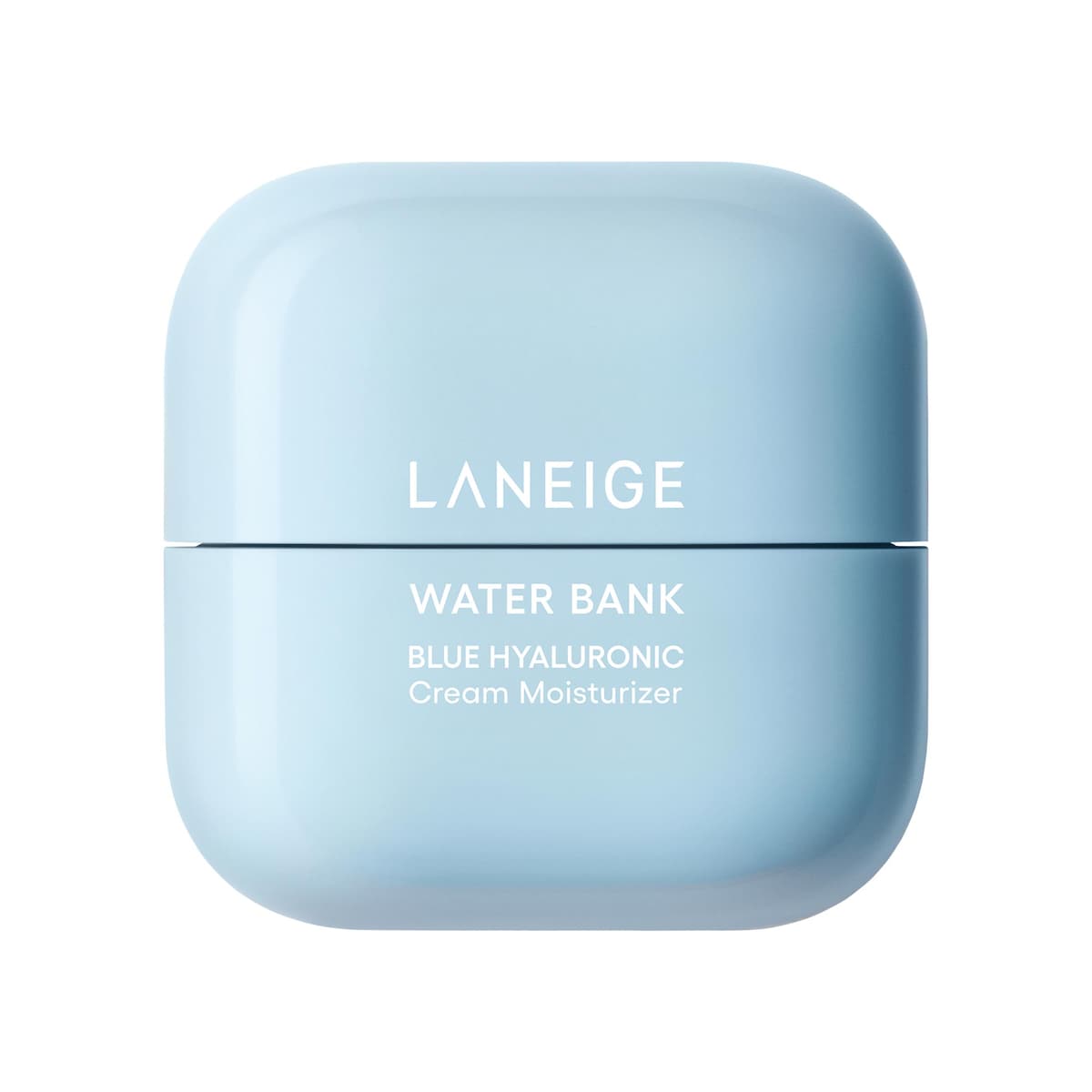
Moisturizer is where many routines start to feel heavier than they need to. The trick is not buying the richest cream possible. The trick is choosing one that keeps your skin comfortable without making sunscreen sit badly on top.
LANEIGE Water Bank Blue Hyaluronic Cream works well here because it gives a polished, comfortable finish without reading too thick for most people.
5. Sunscreen
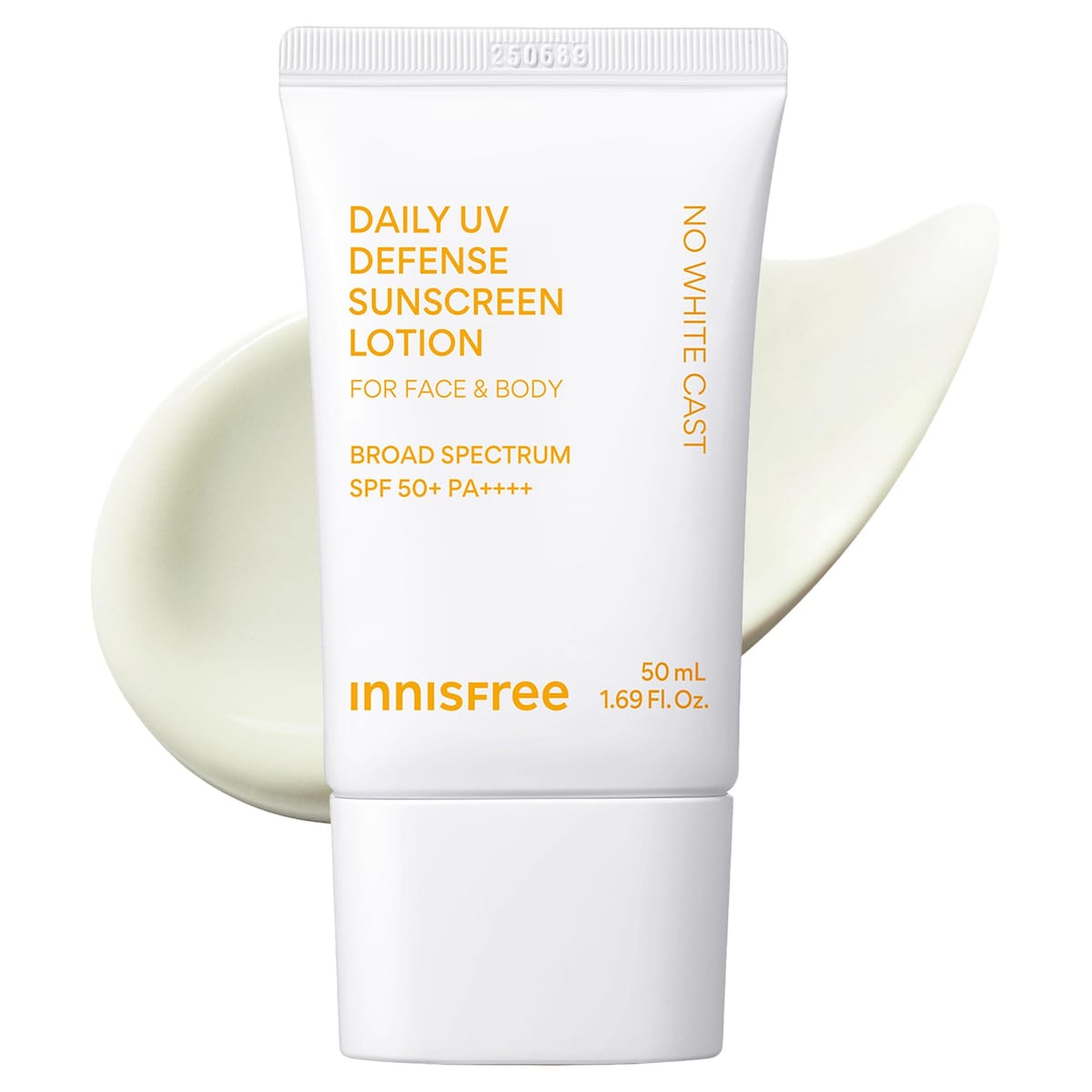
The AAD still recommends broad-spectrum sunscreen, SPF 30 or higher, as the final morning step. This is non-negotiable if your goal is clearer, calmer, more even skin over time.
innisfree Daily UV Defense SPF 50+ earns its place because it is easy enough to keep using. And that matters more than sunscreen marketing language.
If your sunscreen pills, the fix is usually one of these:
- Too many layers underneath.
- Not enough time between layers.
- A moisturizer that is too heavy for the rest of the routine.
If SPF is the part you keep breaking, best sunscreens at Sephora for oily skin or best sunscreens at Sephora for daily wear are better next reads than adding more serums.
Night routine order: cleanse fully, treat carefully
1. Remove makeup or sunscreen if needed
Night is the time to actually clear the day off your skin. If you wear makeup, heavy sunscreen, or live in a city where your face feels coated by evening, this is where a first cleanse or makeup remover can help.
Not everyone needs a dramatic double cleanse every night. What matters is that you end up with genuinely clean skin without scrubbing or stripping.
2. Cleanser
At night, cleansing is less optional than it is in the morning. This is the step that resets the canvas before treatment layers.
Use the same cleanser if it already works for you. Most people do not need separate day and night cleansers unless one is clearly failing.
3. Toner or hydrating layer
If your skin tolerates it, this is where a hydrating prep step helps the most. Night is when you can use richer or more cushioning layers without worrying as much about sunscreen or makeup sitting on top.
4. Serum or treatment
This is where night should be different from morning.
Retinol, retinoids, stronger exfoliating treatments, and more correction-focused serums belong here because night is when skin is not about to face UV exposure, makeup, sweat, and the rest of the day.
innisfree Retinol Green Tea PDRN Firming & Smoothing Serum is a useful example because it gives the nighttime treatment step a single clear owner.
That is an important point. A lot of routines get messy because people stack too many products that all want to be the “main treatment.” If you are using retinol at night, you usually do not need three other treatment serums competing for the same slot.
If you are new to treatment steps, how to build a skincare routine that you'll actually follow is a better starting point than buying your fifth serum.
5. Moisturizer
Night moisturizer is there to seal things in and help the skin feel supported, especially if your treatment step is drying.
If retinol or exfoliation keeps making your routine feel harder, the answer is usually not another acid. It is less treatment stacking and better support.
The biggest mistakes people make with morning and night skincare
Using the same logic for both routines
Morning is not nighttime with sunscreen added. Morning is about protection. Night is about cleansing and repair.
Letting every product do the same job
If your toner, serum, moisturizer, and mask all claim to brighten, smooth, exfoliate, and perfect, the routine gets harder to troubleshoot. Give each step one clear job.
Treating cleanser like a power move
Over-cleansing is one of the fastest ways to make skin feel drier, shinier, and more irritated at the same time.
Adding too many active ingredients too fast
The AAD’s exfoliation guidance is still the same because the problem is still the same: overdoing actives makes skin angrier, not clearer.
Forgetting that routine success is mostly about repeatability
The best routine is not the most impressive one. It is the one you still use in six weeks.
A simple routine for beginners
If you are overwhelmed, start here.
Morning
- Gentle cleanser if needed
- Moisturizer
- Sunscreen
Night
- Cleanser
- Moisturizer
Then add only one new thing at a time:
- a hydrating toner if you still feel dry
- a morning serum if brightening is the next goal
- a night treatment if texture, acne, or tone still need work
That slower build is usually better for your skin and your budget.
FAQ
Do you need a different skincare routine for morning and night?
Yes, usually. The base can stay similar, but the jobs are different. Morning should protect the skin. Night should focus on cleansing, recovery, and any treatment steps that are better used away from sun exposure.
What is the correct skin care routine order morning and night?
Morning usually goes cleanser, toner, serum, moisturizer, sunscreen. Night usually goes makeup remover if needed, cleanser, toner, serum or treatment, moisturizer.
Can you use the same serum morning and night?
Sometimes. Hydrating serums often work in both routines. More treatment-led products, especially retinol, are better kept to the night routine unless the product directions say otherwise.
Do you need toner in both routines?
No. Toner is optional. Use it if it clearly improves hydration, comfort, or product layering. Skip it if it is just another wet step with no obvious payoff.
Should moisturizer go before sunscreen?
Yes. Sunscreen should be the last step of your morning skin care routine.
The bottom line
The best morning and night skincare routine in April 2026 is not the longest one. It is the one that gives each step a clear job, uses the right order, and stays easy enough to repeat when you are tired, busy, or not in the mood to do a seven-step performance in the bathroom.
If you want the cleaner way to think about it, remember this:
- morning protects
- night repairs
- lighter goes before heavier
- sunscreen always goes last in the morning
- treatment steps should have a reason, not just a place on the shelf
That is the routine logic most guides gesture at. It is also the routine logic that actually works.