My face was not dramatic.
It was just tired.
That is the annoying version of sensitive skin. Not a full rash. Not a breakout that makes the problem obvious. Just a low, stubborn irritation that shows up after cleansing, after retinol, after a "gentle" toner, after a moisturizer that worked fine two weeks ago.
For a while, I kept trying to solve it with nicer products.
Then I realized my night routine was the problem.
It had too many decisions. Too many active nights. Too many products trying to fix the same face at the same time. My skin did not need a more impressive routine. It needed fewer chances to get upset before bed.
The sensitive skin night routine I trust first
If my skin feels reactive, I make the night routine boring on purpose.
The order is simple:
- Gentle cleanse
- Hydrating layer, only if it does not sting
- One treatment, only on planned nights
- Barrier moisturizer
- Thin occlusive layer on tight spots, only if needed
That is it.
Sensitive skin usually does better when the routine has a clear job for each night. Some nights are for treatment. Some nights are for recovery. Some nights are for doing almost nothing and letting the barrier calm down.
The biggest change for me was separating "night skincare" from "every product I own that cannot be used in the morning."
Those are not the same thing.
The May 2026 product lanes that make sense
I would not buy all of these at once. That would defeat the point. I would choose the missing role and keep the rest of the routine stable.
| Image | Product | Best night role | Who it fits | Who should skip it |
|---|---|---|---|---|
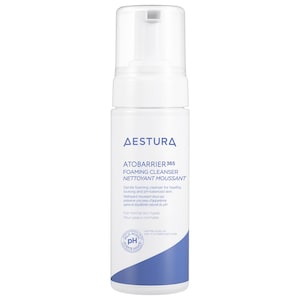 | AESTURA ATOBARRIER365 Gentle pH-Balancing Foaming Cleanser | Gentle cleanse | Skin that feels tight after washing | Skin that currently burns even with water |
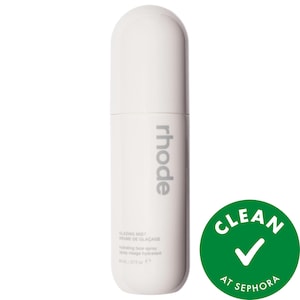 | rhode Glazing Mist Hydrating Face Spray | Light hydration layer | Skin that needs damp comfort before cream | Skin that reacts to leave-on sprays or fragrance-like sensorial products |
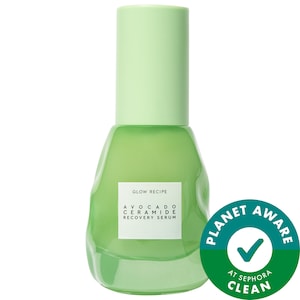 | Glow Recipe Avocado Soothing Skin Barrier Serum | Redness and barrier support | Skin that wants a calming serum instead of another acid | Skin that gets congested from richer serums |
 | Tower 28 SOS Daily Skin Barrier Redness Recovery Moisturizer | Lightweight barrier moisturizer | Red, combination, or easily clogged sensitive skin | Very dry skin that needs more cushion |
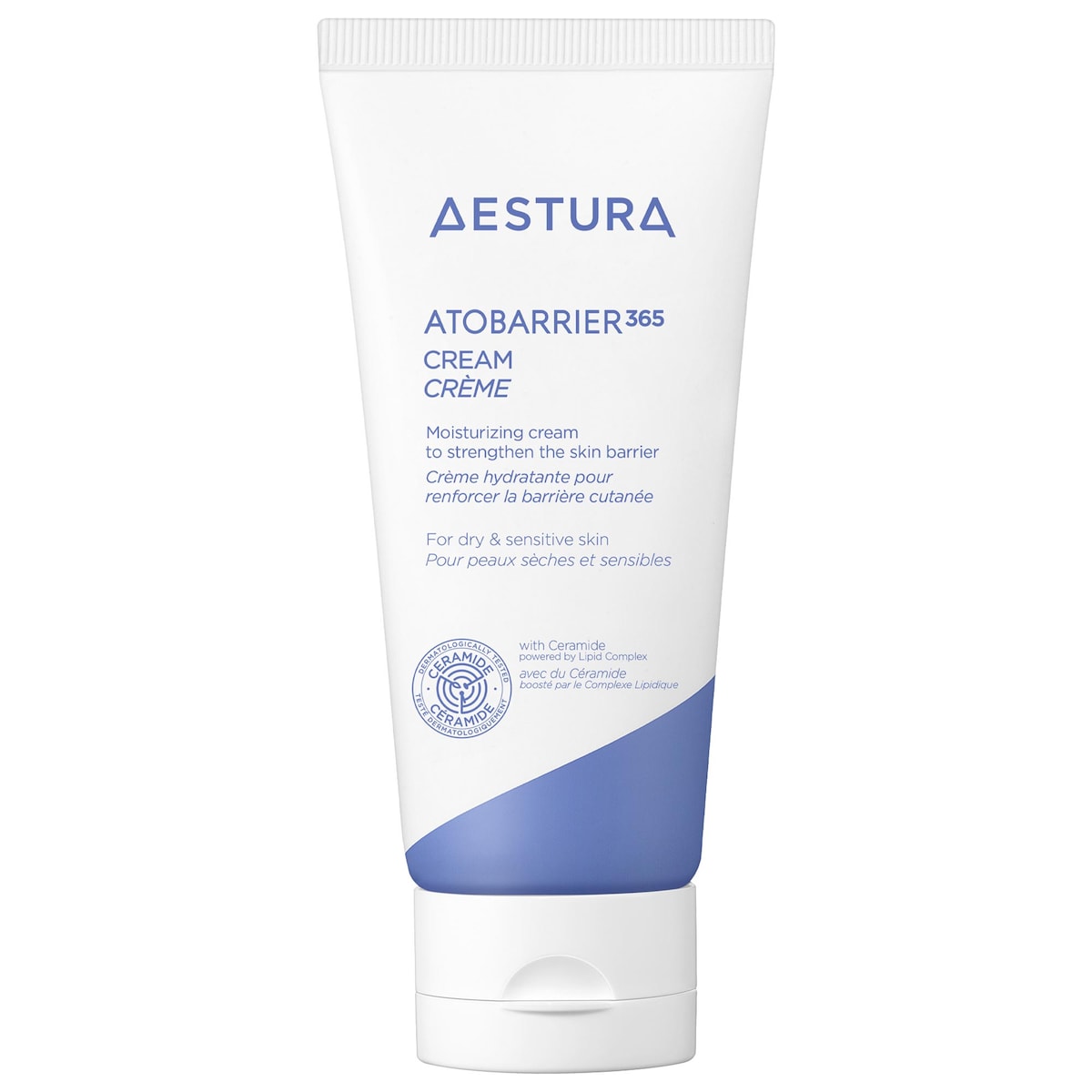
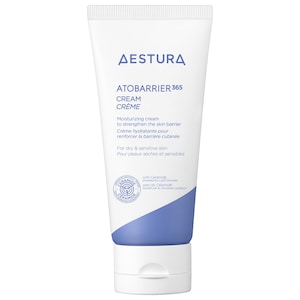 | AESTURA ATOBARRIER365 Cream Moisturizer | Richer barrier cream | Dry, tight, treatment-tired skin | Oily skin that hates cream weight |
 | Skinfix Triple Lipid-Peptide Cream | Heavier recovery night cream | Skin that wakes up dry after lighter moisturizers | Skin that clogs under richer creams |
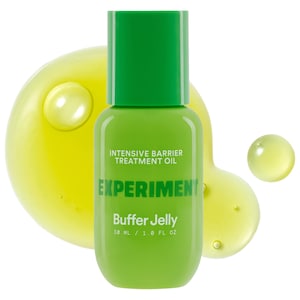 | Experiment Buffer Jelly Intensive Barrier Treatment | Spot sealing | Mouth corners, cheeks, wind-chapped patches | Acne-prone zones that dislike occlusive layers |
The table is not meant to make the routine bigger.
It is meant to stop the random buying.
If the cleanser is the problem, fix the cleanser. If the cream is not holding through the night, fix the moisturizer. If your skin only gets angry on retinol nights, the answer is probably not a new toner.
The mistake that makes sensitive skin worse at night
The most common mistake is stacking "helpful" products until the routine becomes hostile.
Retinol can be useful. Exfoliating acids can be useful. Vitamin C can be useful. Benzoyl peroxide can be useful. Clay masks, peel pads, brightening serums, and spot treatments can all have a place.
The problem starts when they all get treated like they belong in the same week at full volume.
Sensitive skin does not always scream immediately. Sometimes it negotiates for a while. It feels a little warm after cleansing. It gets shiny but tight. It stings when moisturizer goes on. It starts breaking out in tiny irritated bumps that do not behave like normal acne. Then one night you add the product that used to be fine, and suddenly everything feels wrong.
That is not always an allergy.
Sometimes it is a schedule problem.
My three-night reset when my face feels reactive
When my skin starts acting sensitive, I do not try to prove which product caused it on the first night.
I reset.
For three nights, I use the smallest routine that still makes my face comfortable:
| Night | Routine | What I avoid |
|---|---|---|
| Night 1 | Cleanser, moisturizer, spot seal only where tight | Retinol, acids, benzoyl peroxide, vitamin C, masks |
| Night 2 | Cleanser, hydrating layer if comfortable, moisturizer | Testing a new product because the skin feels slightly better |
| Night 3 | Same as night 2, or moisturizer only if I did not wear sunscreen/makeup | Exfoliating because dullness showed up |
The third night is where I used to mess up.
I would see a little improvement and immediately reintroduce an active. Then my skin would get tight again, and I would decide the moisturizer was not strong enough. In reality, I had not given the routine enough quiet time.
Sensitive skin often needs consistency before complexity.
Cleansing: clean enough, not stripped
Night cleansing matters because sunscreen, makeup, sweat, and city air do not need to sleep on your face.
But sensitive skin does not need an aggressive cleanse to prove the day is gone.
I like a cleanser that leaves my face feeling normal within a minute after rinsing. Not squeaky. Not waxy. Not tight around the mouth. If my cheeks feel pulled before I have even reached moisturizer, the rest of the routine is already doing damage control.
Double cleansing can be useful if you wear makeup or stubborn sunscreen. I just do not think sensitive skin should double cleanse by default with two harsh steps. If I need a first cleanse, I want it soft. If I need a second cleanse, I want it boring.
The test is simple: after cleansing, wait sixty seconds.
If your face feels tight, hot, or shiny-dry, the cleanser may be too much, the water may be too hot, or you may be cleansing longer than your skin can tolerate.
Hydration: only keep the layer that actually helps
Sensitive skin routines get bloated here.
Toner. Essence. Mist. Serum. Ampoule. Another serum because the first one said "barrier" and the second one said "calming."
I understand the temptation. A watery layer can make skin feel better fast. But if every layer adds a small irritation risk, the routine can become fragile.
For sensitive skin at night, I only keep a hydrating layer if it passes three tests:
- It does not sting on contact.
- It makes moisturizer feel better, not stickier.
- My skin still feels calmer the next morning.
That last test matters most. A product can feel amazing for five minutes and still make the routine worse by morning.
If my face is very reactive, I skip the hydrating layer completely and go straight from cleanser to moisturizer on slightly damp skin. That is not a failure. That is editing.
Treatment nights need boundaries
This is where sensitive skin routines either get smarter or fall apart.
I do not like using retinol and exfoliating acids on the same night when my skin is already reactive. I also do not like using benzoyl peroxide, peel pads, strong dark-spot serums, and retinol as if they are just interchangeable "treatment" steps.
They are not.
A better sensitive-skin week looks more like this:
| Day | Night plan | Why |
|---|---|---|
| Monday | Recovery night | Start the week calm instead of irritated |
| Tuesday | Retinol or targeted treatment | One active gets the lane |
| Wednesday | Recovery night | Let the barrier answer before adding more |
| Thursday | Hydration and moisturizer only | Keep the routine boring if skin feels tight |
| Friday | Gentle exfoliation only if skin is calm | Optional, not automatic |
| Saturday | Recovery night | Prevent the slow irritation creep |
| Sunday | Choose based on skin, not the calendar | Redness means recovery, not ambition |
That schedule is not strict. It is a guardrail.
The point is that sensitive skin usually needs recovery nights built in before irritation forces them.
Retinol with sensitive skin: use less than your ego wants
Retinol is where people get impatient.
I get it. The payoff sounds worth it: smoother texture, fine-line support, fewer clogged pores for some people, better long-term skin behavior. But sensitive skin does not care how good the ingredient sounds on paper.
It cares about dose, frequency, formula, and timing.
If I were restarting retinol with sensitive skin, I would use it one night a week for two or three weeks. I would use a pea-sized amount. I would avoid the corners of my nose, lips, and eyes. I would moisturize well. I would not exfoliate the next night just because my skin looked dull.
The dull phase is where people panic.
Retinol can make skin feel dry or uneven while it adjusts. That does not mean you should immediately polish it with acid. Sometimes the better move is moisturizer, patience, and fewer hero products.
If retinol burns, keeps burning, causes swelling, or makes your skin feel raw, I would stop and get professional help instead of trying to out-discipline my face.
Exfoliation: sensitive skin does not need a weekly punishment
I do not think sensitive skin needs automatic exfoliation every week.
It may benefit from it. That is different.
The better question is whether your skin is calm enough to use exfoliation without spending the next three nights repairing the fallout. If the answer is no, skip it. Texture can wait. Barrier repair comes first.
When exfoliation does make sense, I prefer keeping it separate from retinol nights. I also prefer choosing one format. Not an acid cleanser, an acid toner, and a peel pad because each one looked gentle alone.
That is how "gentle" turns into too much.
The best exfoliation night for sensitive skin is usually quiet:
- Cleanse.
- Apply the exfoliant.
- Moisturize.
- Stop.
No bonus mask. No extra brightening serum. No convincing yourself that tingling means it is working harder.
Moisturizer is the main event
For sensitive skin at night, moisturizer is not a boring final step.
It is the step that decides whether the routine can be repeated.
I look for a moisturizer that makes my skin feel settled, not coated. That can be a lighter barrier moisturizer if I am oily or combination. It can be a richer cream if I am dry, tight, or using actives. It can be a small amount of occlusive balm over the corners of my mouth or cheek patches if the air is dry.
What I do not do anymore is judge moisturizer only by how dewy it looks right after application.
The real test is the morning.
If I wake up tight, the routine did not hold. If I wake up greasy but still irritated, the routine may be heavy without being calming. If I wake up with fewer stinging moments and less redness, I keep going even if the routine looks boring on the shelf.
When acne-prone sensitive skin needs a different plan
Sensitive skin and acne-prone skin can be a frustrating pair because the usual acne tools can be irritating.
This is where I would stop trying to treat every breakout like it needs the strongest possible response.
If benzoyl peroxide works for you, it may not need to be a full-face nightly leave-on. It might be a short-contact cleanser, a spot treatment, or a few planned nights a week. If salicylic acid helps, it still needs space from retinol and other exfoliants. If your acne is painful, cystic, spreading, or leaving marks, guessing forever is usually more expensive than seeing a professional.
The sensitive-acne night routine I would try first is:
- Gentle cleanse.
- Acne treatment only where it belongs.
- Barrier moisturizer everywhere.
- Recovery nights between stronger treatment nights.
The goal is not to baby acne.
The goal is to stop irritating the whole face while treating one problem.
What I would stop doing first
If your sensitive night routine feels chaotic, I would not start by replacing every product.
I would stop these first:
- Using retinol and exfoliating acids in the same night.
- Trying a new product while your skin is already burning.
- Cleansing until the face feels squeaky.
- Treating tingling as proof that something is working.
- Adding a mask on top of an active night.
- Changing moisturizers every three days.
- Using the same routine on calm nights and irritated nights.
Those changes sound small. They are not.
They remove the main sources of confusion. Once the routine is calmer, you can actually tell what helps.
Where Glass fits when the routine keeps changing
The hard part is not knowing that sensitive skin needs a gentler night routine.
The hard part is remembering what you did when your skin was calm versus what you did when it started getting irritated.
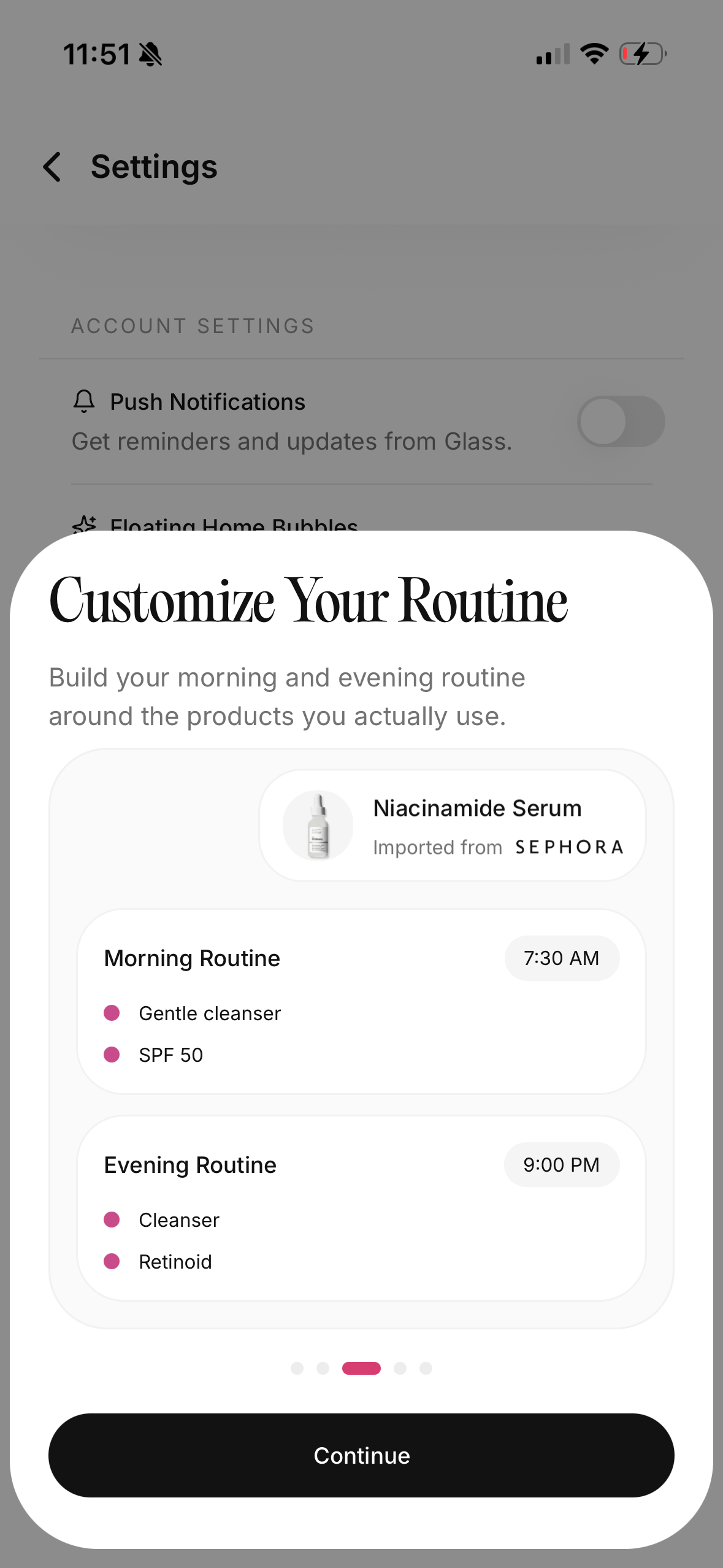
That is where Glass helps. You can build a morning and night routine, track the nights you used retinol or exfoliation, log skin scans, and see whether redness, tightness, breakouts, or dryness started after a product change. The useful part is not just the routine checklist. It is the pattern record.
Sensitive skin punishes vague memory.
If you are changing products, spacing active nights, or trying to rebuild your barrier, tracking gives you a cleaner answer than guessing from whatever your face looks like on the worst morning.
The routine I would use tonight
If my skin felt sensitive tonight, I would keep it simple.
I would cleanse gently if I wore sunscreen or makeup. I would skip exfoliation. I would skip retinol unless my skin had been calm for a while and it was already a planned retinol night. I would moisturize like that was the whole point of the routine. If one patch still felt tight, I would seal only that patch.
Then I would stop touching my face.
That last part is underrated.
Sensitive skin often needs fewer layers, fewer experiments, and fewer last-minute decisions. A good night routine should make your face feel safer by the time you get into bed, not make you wonder whether tomorrow morning is going to punish you.
FAQ
What is the best night skincare routine for sensitive skin?
The best night routine for sensitive skin is usually a gentle cleanse, one optional hydrating layer, moisturizer, and a planned treatment only on nights your skin can tolerate it. Recovery nights should be part of the routine, not something you add only after irritation gets obvious.
Should sensitive skin use retinol at night?
Sensitive skin can use retinol at night if it is introduced slowly and tolerated well. Start with low frequency, use a small amount, avoid stacking it with exfoliating acids, and stop if burning, swelling, or raw irritation shows up.
Should I exfoliate if my skin is sensitive?
Only exfoliate when your skin is calm. Sensitive skin does not need automatic weekly exfoliation, especially if the barrier already feels tight, hot, stingy, or irritated. If you exfoliate, keep that night simple and avoid pairing it with retinol.
Why does moisturizer sting on sensitive skin at night?
Moisturizer can sting when the skin barrier is irritated, when the formula includes an ingredient your skin dislikes, or when earlier steps stripped the skin. If multiple gentle products suddenly sting, pause actives and simplify the routine before blaming every moisturizer.
How long should I wait before adding products back?
I would wait until the skin feels calm for several nights in a row before adding anything back. Add one product at a time, use it on a planned night, and give your skin enough time to show whether it actually tolerated the change.