My skin does not need more motivation when it is angry.
It needs fewer decisions.
That is the part I wish I understood earlier. When your face burns after moisturizer, turns shiny but feels tight, flakes under sunscreen, or suddenly hates products it used to tolerate, the instinct is to buy a stronger repair cream and keep the rest of the routine mostly the same.
I do the opposite now.
I make the routine boring on purpose.
Not forever. Just long enough for my skin to stop negotiating with me every time I wash my face.
A damaged skin barrier routine is not a glow routine with the fun parts removed. It is a short recovery plan with one job: reduce irritation, hold water better, and rebuild enough tolerance that normal skincare feels normal again.
The fast answer
If my skin barrier feels damaged, I stop exfoliating, stop retinoids, stop vitamin C, stop benzoyl peroxide unless a clinician told me otherwise, stop scrubs, and stop testing new products. Then I use a gentle cleanser, a barrier-support moisturizer, and sunscreen in the morning. At night, I cleanse only if I need to, moisturize generously, and add a thin occlusive layer on the driest areas if my skin is cracking, peeling, or waking up tight.
That sounds almost too simple.
That is why it works.
The American Academy of Dermatology keeps face washing advice boring too: gentle non-abrasive cleanser, lukewarm water, fingertips instead of scrubbing tools, moisturizer when skin is dry or itchy, and washing no more than twice daily plus after sweating. That is not a glamorous reset, but it is the kind of reset irritated skin can actually survive.
The mistake is treating barrier repair like another active category. It is not. It is the pause that makes actives tolerable again later.
How I know it is probably a barrier problem
I do not diagnose my skin from one bad morning. Everyone gets a weird day.
I start paying attention when the pattern changes.
The clearest signs are boring and annoying:
- moisturizer stings
- sunscreen burns around the cheeks or nose
- skin feels oily and dry at the same time
- every cleanser leaves tightness
- makeup catches on flakes that were not there before
- redness lasts longer than usual
- acne treatments suddenly feel harsher
- water alone feels uncomfortable
Cleveland Clinic describes the skin barrier as the outer layer made of dead cells, lipids, proteins, and fats that helps protect skin from the environment. When that protective layer is compromised, the whole routine starts feeling more dramatic than it should.
That is the clue I trust most.
Not one breakout. Not one dry patch. The clue is reactivity.
If three products that used to be fine suddenly sting, I stop asking which product betrayed me first. I assume the routine has become too aggressive for the state my skin is in right now.
The first 72 hours are about removing friction
The first few days are not when I try to solve texture, dark spots, pores, acne marks, dullness, and glow.
I only care about friction.
That means I remove everything that asks my skin to work harder:
- exfoliating acids
- retinol or retinal
- strong vitamin C
- scrubs and cleansing brushes
- peel pads
- clay masks
- fragranced extras
- new serums
- spot treating huge areas instead of actual spots
If a prescription product is involved, I do not casually stop or restart it without medical guidance. But for over-the-counter actives I added myself, I pause them when my face starts acting like everything is an emergency.
This is where people panic because doing less feels like falling behind.
I get it.
When my skin is rough or breaking out, the idea of pausing treatments feels wrong. But barrier repair is not laziness. It is damage control. If my skin cannot tolerate moisturizer without burning, it is not ready for another exfoliation night.
My morning reset routine
Morning is where I keep things almost painfully plain.
If my skin feels greasy, sweaty, or covered in last night's occlusive, I use a gentle cleanser. If it feels dry and calm, I rinse with lukewarm water or skip cleanser entirely. I do not scrub with a washcloth. I do not chase a squeaky finish. I do not use hot water because hot water makes my face feel clean for ten seconds and angry for the rest of the morning.
Then I moisturize while the skin is slightly damp.
Then sunscreen.
That is the whole routine.
| Step | What I use | Why it stays |
|---|---|---|
| Cleanse | Gentle cleanser or water rinse | Removes what needs removing without making tightness worse |
| Moisturize | Barrier cream or comfortable gel-cream | Helps reduce water loss and softens the tight feeling |
| Protect | Broad-spectrum SPF 30+ | Keeps irritated skin from fighting UV exposure on top of everything else |
AAD sunscreen guidance is still the baseline I use here: broad-spectrum, SPF 30 or higher, and water resistance when sweat or water is part of the day. Barrier repair does not cancel sunscreen. It makes sunscreen choice more important because a stinging sunscreen can make you want to skip the one step that protects the progress.
If chemical sunscreen burns while my skin is reactive, I switch to the gentlest sunscreen I can tolerate instead of deciding sunscreen is impossible. Sometimes that means mineral. Sometimes it means a different texture. The goal is not ideological purity. The goal is daily protection that does not make me hate my routine.
My night reset routine
Night is where I protect recovery.
If I wore sunscreen or makeup, I cleanse gently. If I stayed inside, did not sweat, and my face is painfully dry, I do not force a full cleanse just to feel disciplined.
After cleansing, I moisturize more generously than I do in the morning.
If my skin is very tight, I add a thin layer of petrolatum-style occlusive on the driest areas. Not a thick mask over everything every single night. Just enough to keep the cheeks, nose corners, or flaky patches from losing water while I sleep.
The night routine looks like this:
- Cleanse only as much as needed.
- Apply moisturizer to slightly damp skin.
- Add a thin occlusive layer on the driest areas if needed.
- Stop there.
The stopping is the hard part.
This is when I want to sneak in one serum because my face looks dull. I do not. If my skin is burning, recovery is the treatment.
The product lanes I would choose first
I do not think every person needs these exact products. I do think the lanes are useful.
The safest barrier routine has clear jobs: gentle cleanse, hydration support, barrier cream, sunscreen, optional seal. If a product does not fit one of those jobs, I leave it out until my skin calms down.
| Image | Product lane | Example | Best fit | Skip if |
|---|---|---|---|---|
 | Gentle cleanser | AESTURA ATOBARRIER365 Gentle pH-Balancing Foaming Cleanser | Skin that feels tight after washing | Your skin cannot tolerate any cleanser right now |
 | Light hydration | AESTURA ATOBARRIER365 Milky Hydro Essence | Dehydrated, treatment-tired skin | You are reacting to every extra layer |
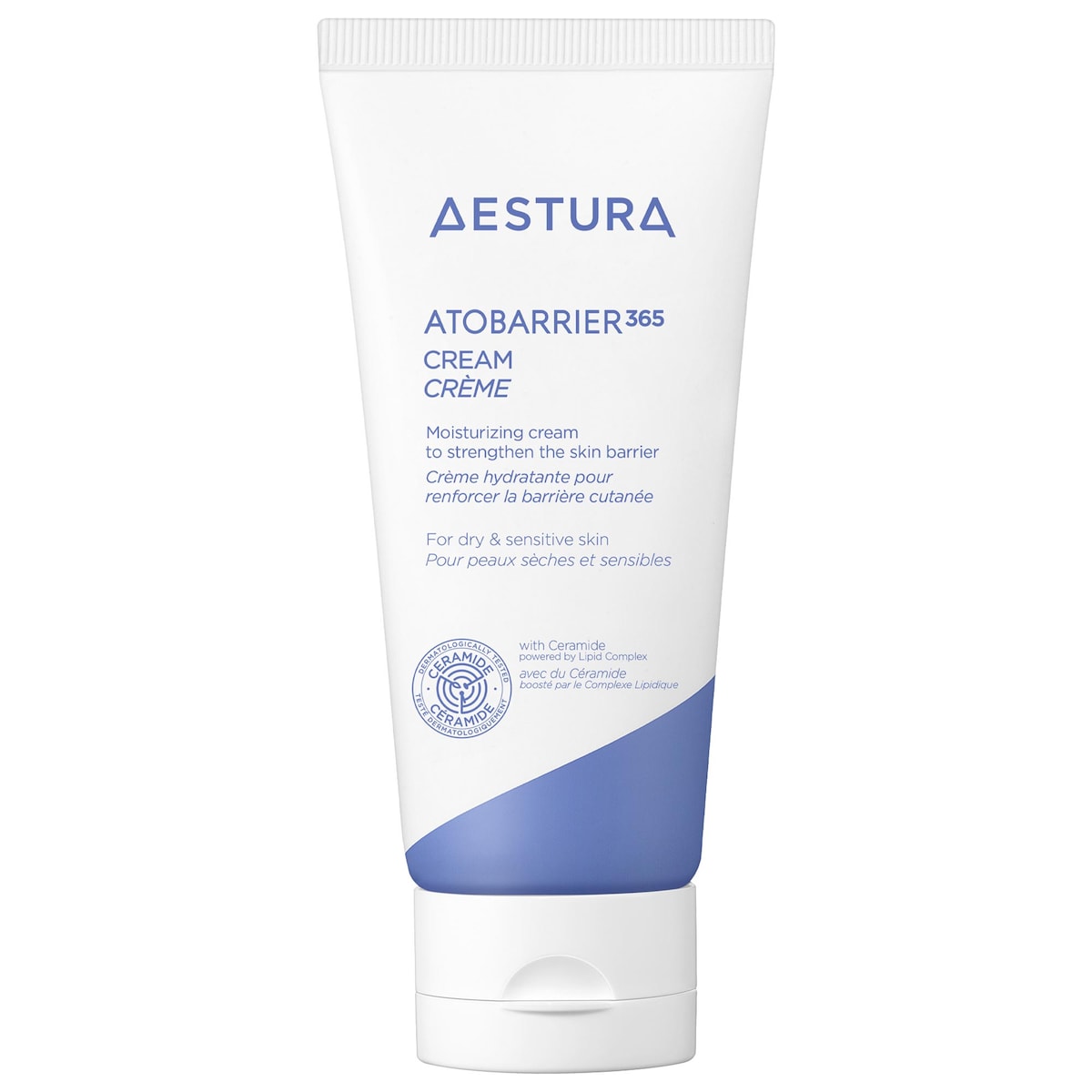
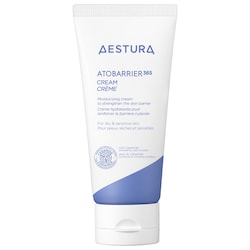 | Barrier cream | AESTURA ATOBARRIER365 Cream Moisturizer | Dry, depleted, reactive skin | Very oily skin that hates richer creams |
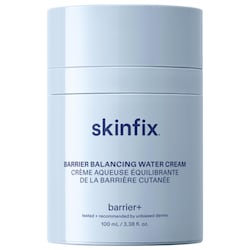 | Lighter moisturizer | Skinfix Barrier Balancing Water Cream | Combination or oily skin that still needs support | You need a richer night seal |
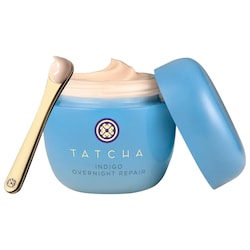 | Recovery cream | Tatcha Indigo Overnight Repair | Redness-prone, overworked skin | You want something weightless |
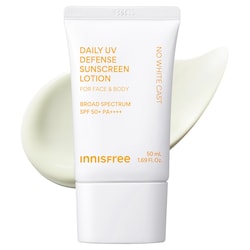 | Daily sunscreen | innisfree Daily UV Defense Invisible Korean Sunscreen SPF 50 | A soft daily SPF lane | It stings while your skin is compromised |
The point is not to buy all six.
The point is to choose one cleanser, one moisturizer, one sunscreen, and maybe one recovery-support layer if your skin is still uncomfortable.
More products can look more serious. Fewer products are easier to judge.
What ingredients I look for
I care less about the front label and more about the role.
For barrier support, I like seeing ingredients that help with water, comfort, and lipid support. Ceramides are the obvious one because they are part of the skin's barrier structure. Hyaluronic acid can help with hydration. Squalane, glycerin, panthenol, cholesterol, fatty acids, and colloidal oatmeal can all make sense depending on the formula.
Vogue's dermatologist-sourced barrier ingredient breakdown points to ceramides, panthenol, niacinamide, and natural moisturizing factors as useful categories for barrier care. Dermstore's dermatologist guide similarly emphasizes ceramides, hyaluronic acid, and squalane as barrier-supporting lanes.
I do not treat that as a shopping list where every formula must include everything.
I just want the product to make sense.
If the cleanser says exfoliating, resurfacing, polishing, clarifying, or deep pore and my face already burns, I put it back. If the serum is mostly acids and promises fast glow, I put it back. If a cream has barrier language but is also loaded with things my skin usually dislikes, I do not force it just because the category sounds right.
Barrier repair is not a label. It is how the whole routine behaves.
The timeline I actually expect
I do not expect my skin to look perfect in three days.
I expect the first win to be comfort.
For me, the timeline usually looks like this:
| Time | What I want to see | What I do not change yet |
|---|---|---|
| Days 1-3 | Less burning, less tightness after washing | I do not restart actives |
| Days 4-7 | Moisturizer feels normal again, flakes start calming | I do not add new serums |
| Week 2 | Skin feels less reactive and makeup sits better | I still avoid exfoliation if stinging remains |
| Weeks 3-4 | Better tolerance, fewer random burning moments | I restart only one active if skin is calm |
Some people feel better faster. Some take longer, especially if retinoids, acne medication, eczema, rosacea, weather changes, or repeated over-exfoliation are involved.
The point is not to win a speed contest.
The point is to stop resetting the irritation clock every night.
How I restart actives without ruining the reset
I only restart actives after my basic routine feels boring again.
That means cleanser does not sting. Moisturizer does not burn. Sunscreen is tolerable. My face does not feel tight immediately after rinsing. I am not waking up with new flaky patches every morning.
Then I pick one active.
Not three.
If retinol was the problem, I restart once a week. If exfoliation was the problem, I restart with the gentlest product I own and use it once, then wait. If vitamin C burned during the damaged phase, I bring it back only after sunscreen and moisturizer feel stable for a while.
My restart rule is simple:
One active. One night. Watch for three days.
If skin stays calm, I repeat the next week. If it burns, I go back to the reset. I do not bargain with irritation anymore.
This is where a tracker helps. Memory is unreliable when your face changes slowly. In Glass, I would log the active night, dryness, redness, stinging, and a weekly photo. I do not need a 40-step diary. I need enough pattern recognition to know whether I am rebuilding tolerance or just repeating the same mistake with better packaging.
The acne problem during barrier repair
This is the part that gets emotionally difficult.
Sometimes a damaged barrier breaks out.
Then the temptation is to attack the breakout and repair the barrier at the same time. That can work under a dermatologist's plan, but when I am managing an over-the-counter routine myself, I stay careful.
If the breakout is mild, I keep the reset going and use spot treatment only where needed, not as a full-face punishment. If acne is painful, cystic, spreading, or tied to prescription treatment, I would rather involve a dermatologist than turn my bathroom into a trial lab.
The wrong move is coating the whole face with benzoyl peroxide, salicylic acid, retinol, and exfoliating toner while calling the moisturizer "barrier repair." That is not repair. That is mixed messaging.
If acne is the main pattern and the barrier is also irritated, I still want the base routine to feel stable. A strong acne routine on top of burning, dehydrated skin usually becomes hard to follow and hard to interpret.
What I ignore while my skin is recovering
I ignore glow hacks.
I ignore pore panic.
I ignore the urge to fix every flake with an acid.
I ignore the mirror at 11 p.m. when lighting makes every texture look worse.
I ignore product reviews from people whose skin is not acting like mine.
Most importantly, I ignore the voice that says a quiet routine is not enough.
Quiet is the point.
Allure has covered the newer problem of people overdoing barrier repair too, layering several reparative products until the routine becomes crowded in the opposite direction. I think that is real. You can over-exfoliate, then over-correct with too many rich layers, too many "repair" serums, and too much testing.
The better middle is simple: remove the irritants, support the skin, and stop changing the plan every day.
When I would get help instead of guessing
I do not treat every skin problem like a content problem.
If skin is swollen, oozing, crusting, severely painful, infected-looking, suddenly rashy, or not improving after a careful reset, I would see a dermatologist. I would also get help sooner if I have eczema, rosacea, perioral dermatitis, severe acne, or a prescription routine that is part of the issue.
There is a difference between "my routine got too aggressive" and "my skin needs medical care."
The internet blurs that line. Your face should not have to.
The reset I trust now
When my skin barrier feels wrecked, I do not try to become more advanced.
I become more consistent.
Morning: gentle cleanse if needed, moisturizer, sunscreen.
Night: gentle cleanse if needed, moisturizer, optional thin occlusive on dry patches.
No exfoliation. No retinol. No vitamin C. No random new serum. No scrubbing. No hot water. No proving a point.
Then I wait for the boring signs of progress: less stinging, less tightness, less redness, fewer products feeling impossible.
That is the version of skin barrier repair I trust.
Not the loudest routine.
The one my skin can actually repeat.
FAQ
How long does a damaged skin barrier take to repair?
Mild irritation can feel better within a few days once you remove the triggers, but full tolerance can take weeks. I judge progress by comfort first: moisturizer stops burning, cleansing stops leaving tightness, and sunscreen becomes tolerable again.
Should I stop all actives when my skin barrier is damaged?
If the actives are over-the-counter products you added yourself, I usually pause exfoliating acids, retinoids, strong vitamin C, and harsh acne treatments during the reset. If a prescription is involved, ask the clinician who prescribed it before changing the plan.
Is Vaseline good for a damaged skin barrier?
A thin petrolatum-style layer can help seal dry areas after moisturizer, especially at night. I use it as a targeted seal, not as a replacement for moisturizer and not as an excuse to keep using irritating actives underneath.
Can I exfoliate while repairing my skin barrier?
I do not exfoliate while my skin still burns, stings, flakes aggressively, or feels tight after basic care. Once the routine feels calm again, I restart slowly with one exfoliation night and watch my skin for several days before repeating.
What should I track while my skin barrier heals?
Track product changes, active nights, stinging, redness, dryness, sunscreen tolerance, and a weekly photo. That is enough to see patterns without turning recovery into another exhausting routine.