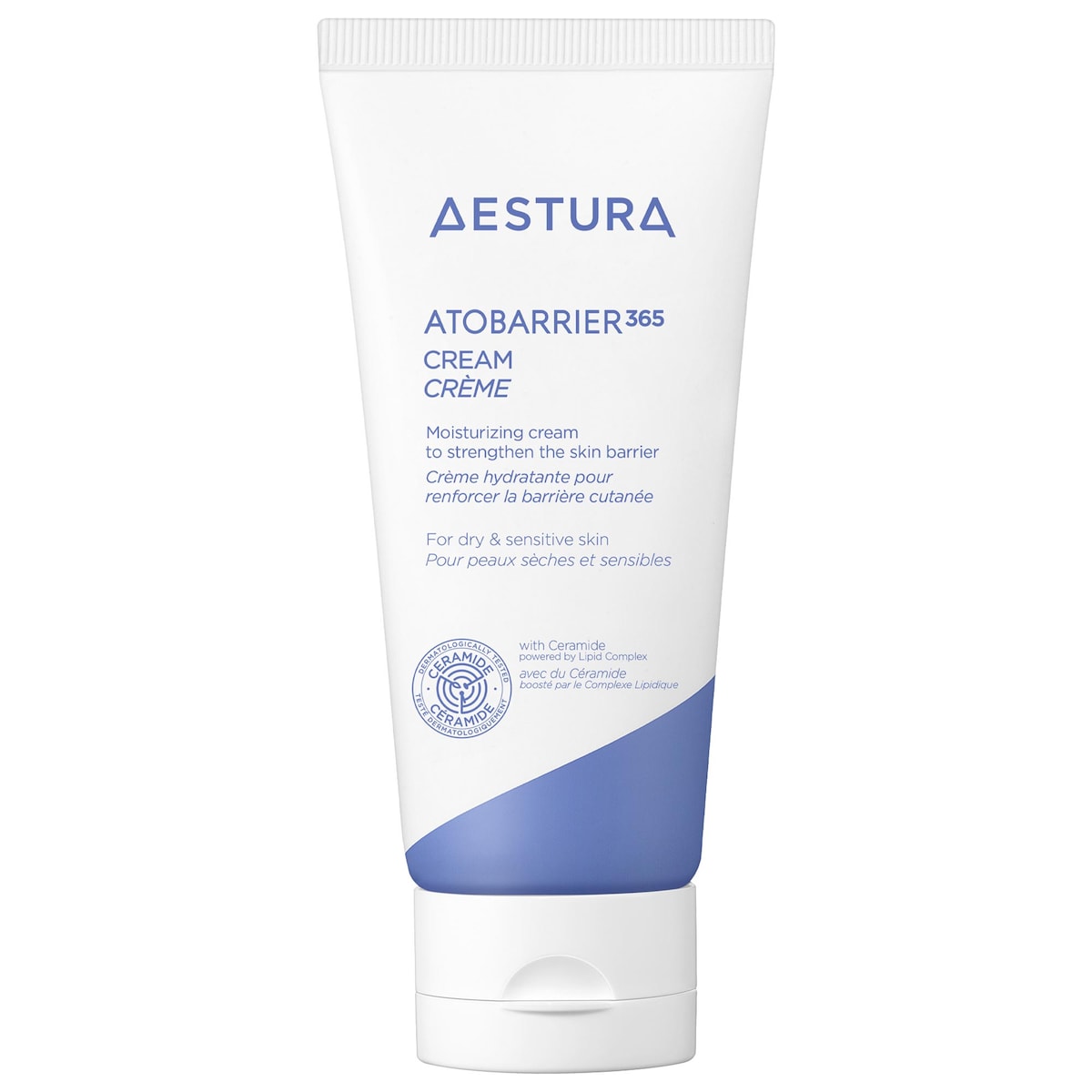
Everything burned.
Not dramatically.
Just enough to make me nervous.
The cleanser felt sharper than it used to. Moisturizer, the thing that was supposed to calm everything down, suddenly stung for the first few minutes. Sunscreen felt hot around my nose and cheeks. Even water felt suspicious on the wrong night.
That is the part that makes this confusing.
When a routine is clearly too harsh, the answer feels obvious. You used a peel, scrubbed too hard, tried a new retinoid, or stacked too many actives. But the more common version is quieter. Your skin starts reacting to products you already trusted, so you blame the new moisturizer, then the cleanser, then the weather, then yourself.
I used to treat that burning as a product problem.
Now I treat it as a routine signal.
The short answer
If your skincare burns when you apply moisturizer, sunscreen, cleanser, or a product that used to feel fine, simplify the routine first. Stop exfoliating acids, retinoids, strong vitamin C, scrubs, peel pads, fragranced treatments, and extra serums for a short reset. Keep the routine to a gentle cleanse, a bland moisturizer, and sunscreen in the morning until your skin feels boring again.
That word matters.
Boring is the goal.
Not glossy. Not tight. Not squeaky. Not "tingly in a good way." Calm, plain, predictable skin is the checkpoint before you start adding anything clever back in.
The mistake is trying to repair irritation with more skincare.
Burning skin usually does not need a more advanced routine. It needs fewer chances to get annoyed.
What burning usually means
A little sensation can happen with certain active products, but basic comfort products should not feel like a dare. If a gentle moisturizer, simple cleanser, or sunscreen starts stinging, I assume one of four things is happening:
| What might be happening | What it feels like | What I would do first |
|---|---|---|
| Your barrier is stressed | Products that used to feel fine now sting | Pause actives and simplify |
| Your cleanser is too much | Skin feels tight before moisturizer | Switch to a gentler cleanse or cleanse less |
| You are stacking too many actives | Redness, shine, flakes, breakouts, tightness | Stop exfoliation and retinoids temporarily |
| One product is not for you | Burning happens in the same spot every time | Remove that product and patch test later |
The hard part is that more than one can be true.
You might have a cleanser that is a little too stripping, a retinoid schedule that is a little too ambitious, and a moisturizer that would be fine on calm skin but stings on skin that is already irritated.
That is why I do not start by replacing everything.
I start by removing noise.
My reset rule: no actives until the basics stop stinging
This is the rule that changed the way I handle reactive skin:
Do not reintroduce active products while the boring products still burn.
If moisturizer stings, I am not adding exfoliating toner. If sunscreen feels hot, I am not testing a new vitamin C. If cleanser leaves my face tight, I am not deciding whether retinol is "purging" or irritating me. I need the baseline to calm down first.
For me, a reset routine looks like this:
Morning
- Rinse with lukewarm water, or use a gentle cleanser only if I need it.
- Apply a simple moisturizer while skin is comfortable, not dripping wet.
- Use sunscreen, preferably one I already know I tolerate.
Night
- Remove sunscreen and makeup gently.
- Cleanse once with a low-friction cleanser.
- Apply a moisturizer that feels boring in the best way.
- Add a thin balm only on raw patches if needed.
No exfoliating pads.
No retinoid.
No peel mask.
No "just a little" glycolic toner because I am scared of texture coming back.
Sensitive skin does not calm down faster because I keep negotiating with it.
The products I would put in the calm-down lane
I would not buy all of these at once. That would defeat the point. I like having clear product lanes because it keeps the routine from turning into a panic cart.
| Image | Product | Reset lane | Why I would consider it |
|---|---|---|---|
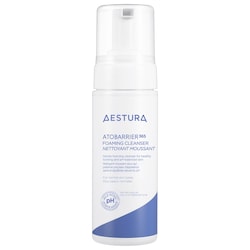 | AESTURA ATOBARRIER365 Gentle pH-Balancing Foaming Cleanser | Gentle cleanse | Better when cleanser tightness is the first problem |
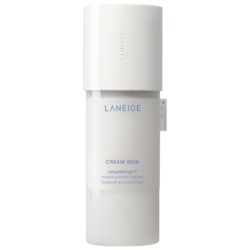 | LANEIGE Cream Skin Refillable Milky Toner with Ceramides and Peptides | Soft hydration | Useful when skin feels dry but creams feel heavy |
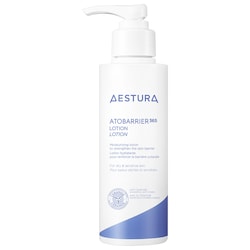 | AESTURA ATOBARRIER365 Lightweight Face Lotion | Light moisturizer | Good when richer repair creams feel like too much |
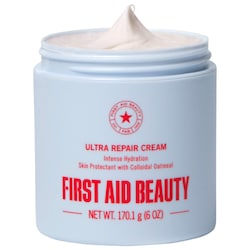 | First Aid Beauty Ultra Repair Cream | Rich recovery | Better for dry reset nights or tight patches |
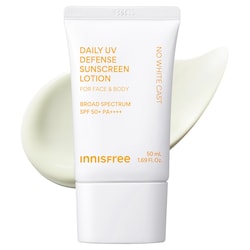 | innisfree Daily UV Defense Invisible Korean Sunscreen Lotion SPF 50+ PA++++ | Daily sunscreen | Light enough that I am more likely to keep using it |
The table is not a prescription. It is a way to think.
When skin is reactive, each product should have one obvious job. Cleanse without tightness. Add water without stickiness. Moisturize without heat. Protect without making you dread the morning.
If a product cannot do its one job quietly, it does not belong in the reset.
Step one: stop making cleanser prove itself
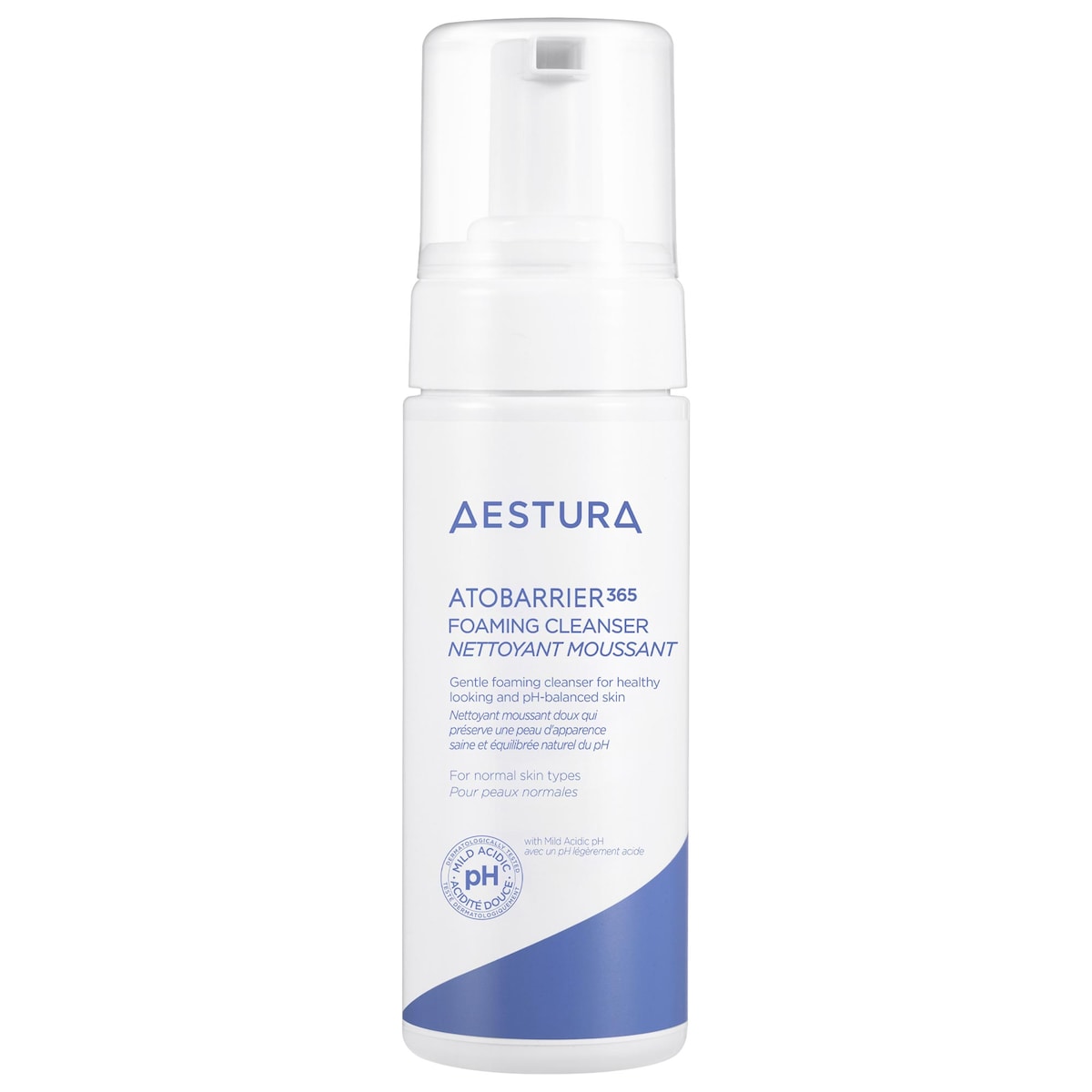
The cleanser is where a lot of irritated routines quietly begin.
If your face already feels tight before moisturizer, the moisturizer is walking into a problem it did not create. Then it stings, and you blame the cream.
I would look for a cleanser that leaves skin clean but not shiny-tight. That means no aggressive scrubbing, no hot water, no long cleanse because you are trying to feel "extra clean," and no second cleanse unless there is actually sunscreen, makeup, or heavy product to remove.
The best sign is boring skin five minutes after washing.
If your cheeks feel stretched, your mouth area feels dry, or your skin looks oddly glossy in a dry way, I would make the cleanse gentler before changing the rest of the routine.
Sometimes that means switching cleansers.
Sometimes it just means cleansing once at night and rinsing in the morning.
Step two: use hydration carefully, not dramatically
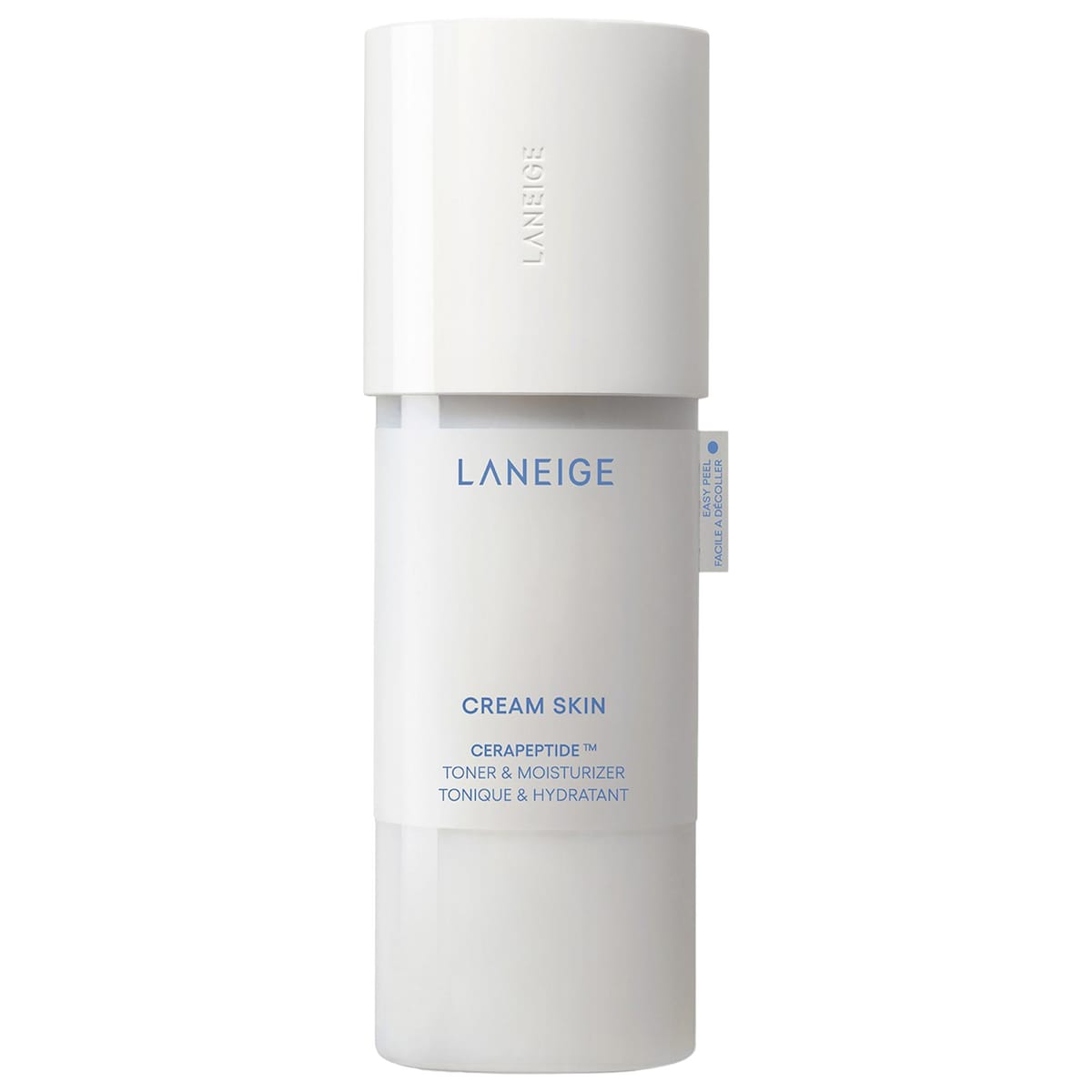
Hydration can help reactive skin feel less tight, but this is where people accidentally rebuild a complicated routine under a new name.
A toner, essence, mist, or milky layer should make the moisturizer easier to wear. It should not become another treatment step. During a reset, I do not want exfoliating toner, brightening toner, pore toner, resurfacing essence, or anything that sounds like it wants credit for visible transformation.
I want comfort.
That is it.
If even a hydrating layer stings, I skip it. There is no award for forcing a step your skin is not accepting yet.
The same goes for damp-skin application. Some people love applying moisturizer while skin is still damp. Some people find it stings more when their face is wet. If damp application burns, let your skin sit for a minute, then moisturize. Rules are only useful when your skin agrees with them.
Step three: pick the moisturizer by the reaction, not the label
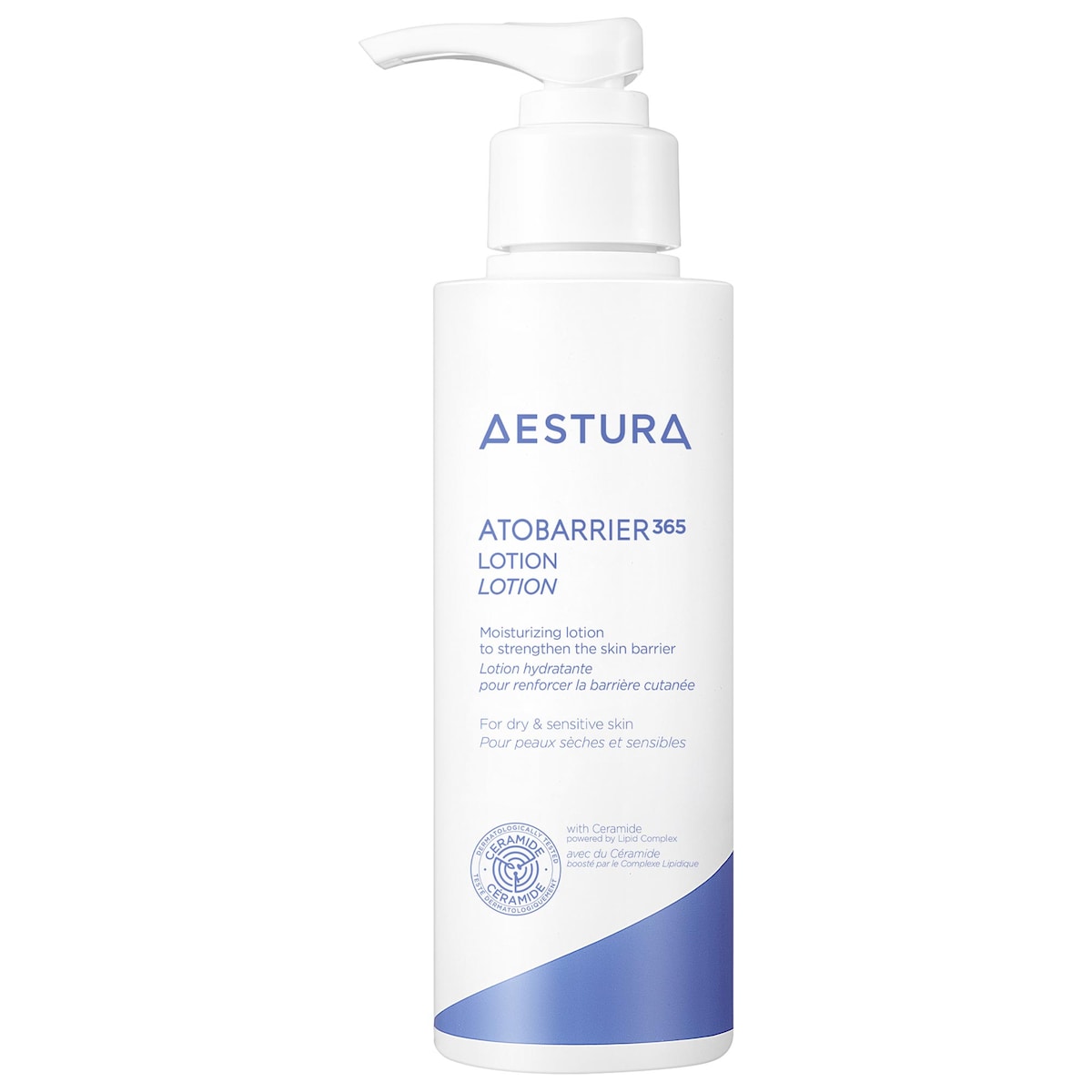
"For sensitive skin" is a helpful starting point, not a guarantee.
I care more about what happens after application:
- Does the sting fade quickly or keep building?
- Does the skin feel calmer after ten minutes?
- Does the moisturizer sit comfortably under sunscreen?
- Does it make red areas feel padded or hotter?
- Do I wake up less tight, or just more greasy?
If a moisturizer stings for a few seconds on very dry skin and then settles, I pay attention but do not panic. If it burns hard, lasts more than a couple of minutes, makes redness worse, or keeps happening every time, I stop using it on my face.
There is no skincare maturity in pushing through pain.
For oily or combination skin, I would start lighter. A heavy cream can be useful, but if it makes the face feel trapped, you may end up washing more aggressively the next morning and starting the irritation loop over again.
For dry skin, I would give richer creams a fair shot at night, especially on the areas that feel tight after cleansing. The goal is not to cover the face in the thickest possible product. The goal is to get through the night without your skin losing its mind.
Step four: keep a richer cream or balm for patches, not your whole personality
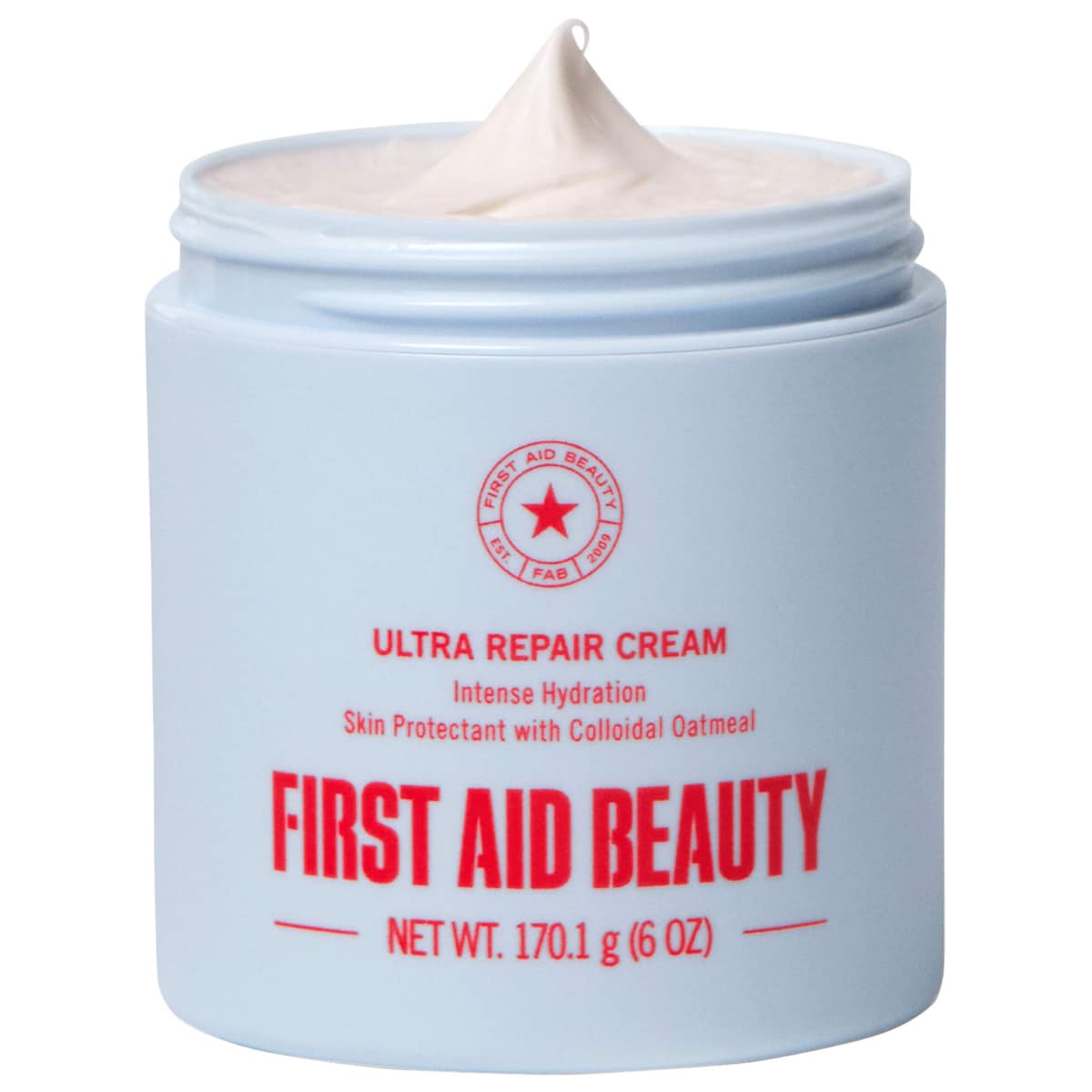
When my skin is irritated, I like having one richer option around.
But I use it with restraint.
Raw corners of the nose, dry cheek patches, and the area around the mouth may need more cushion than the rest of the face. That does not mean the forehead, T-zone, and chin need the same layer every night.
This is where a lot of recovery routines become too heavy.
The skin feels better for two nights, then pores feel clogged, texture looks worse, and suddenly exfoliation starts looking tempting again. I would rather use a rich cream where I need it and keep the rest of the routine light enough to repeat.
Repair should not create a new problem you immediately want to scrub off.
Step five: do not drop sunscreen because your skin is irritated
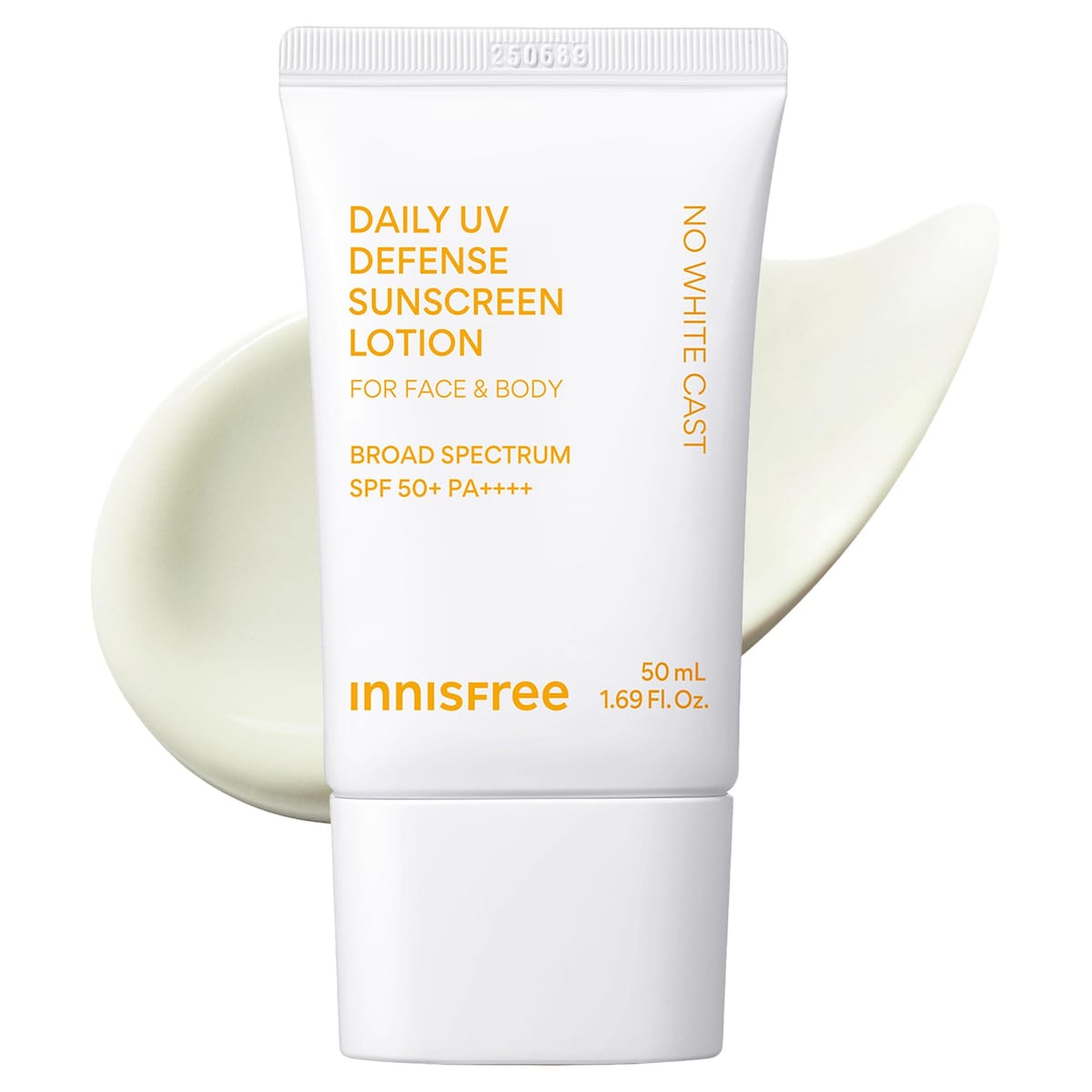
This is the annoying part.
When skin is burning, sunscreen can feel like the first thing you want to avoid. I understand that. I also think it is one of the worst steps to abandon completely, especially if redness, dark spots, post-acne marks, or retinoid recovery are part of the problem.
The better move is to make sunscreen easier.
Use the formula you tolerate best. Keep the morning routine lighter underneath it. Do not exfoliate the night before and then act surprised when sunscreen stings. Give moisturizer a few minutes to settle if stacking too fast makes everything feel hot.
If every sunscreen burns, that is a sign to pause stronger products and consider getting professional help, not a sign that sunscreen is optional forever.
The two-week calm test
I like a two-week reset because it is long enough to see a pattern but short enough that it does not feel like disappearing from skincare entirely.
For two weeks, I would track only a few things:
| Day | Morning feel | Night feel | Burning product | Notes |
|---|---|---|---|---|
| 1 | Tight, hot, calm, oily, normal | Tight, hot, calm, oily, normal | Cleanser, moisturizer, SPF, none | What changed? |
| 7 | Better, worse, same | Better, worse, same | Which step still stings? | Any skipped actives? |
| 14 | Calm enough to rebuild? | Calm enough to rebuild? | If yes, where? | Reintroduce one thing or wait |
I am not looking for perfection.
I am looking for direction.
If the burning improves after removing actives, the routine was probably too aggressive. If burning stays tied to one product, that product may not be right for you. If everything still burns, or if redness, swelling, cracking, hives, or pain is getting worse, that is outside the lane of a blog routine. I would stop experimenting and talk to a dermatologist.
How I would bring actives back
The most dangerous moment is not the reset.
It is the first good week after the reset.
Skin feels calm again, so the temptation is to bring everything back at once. Retinoid Monday. Exfoliant Wednesday. Vitamin C every morning. Brightening serum because the marks are still there. Suddenly the face is hot again and you have no idea which step caused it.
I would bring back one product at a time.
One.
Use it once. Wait. Use it again a few days later if skin stayed calm. Keep the rest of the routine boring. Do not restart exfoliation and retinoid in the same week if you are already prone to burning.
My reintroduction order would usually be:
- Sunscreen consistency first, if that slipped.
- One gentle treatment for the main problem.
- Retinoid or exfoliant later, not both at once.
- Extra serums only if they solve a real bottleneck.
If your goal is texture, choose the texture lane. If your goal is breakouts, choose the acne lane. If your goal is dark marks, choose the pigment lane and respect sunscreen. Trying to solve all three in one week is how the routine gets loud again.
What I would ignore during the reset
I would ignore the fear that my skin is "doing nothing."
Calming down is doing something.
I would ignore the tiny texture that shows up when I stop exfoliating for a week.
Texture is easier to handle than a face that burns from moisturizer.
I would ignore the urge to buy five barrier products because the word barrier feels comforting.
Too many comforting products can still become too much.
I would ignore the idea that stinging means a product is working.
Sometimes it means your skin is irritated and you are calling it progress because progress sounds better than damage.
Where Glass helps
The hard part of a reset is remembering what changed.
When skin is reactive, every day can feel like a new theory. Maybe it was the cleanser. Maybe it was the sunscreen. Maybe it was the retinoid from three nights ago. Maybe it was the weather. Maybe you used too much moisturizer. Maybe you forgot that the peel pad came back into the routine on Sunday.
That is exactly the kind of mess Glass is built to make clearer.
You can track the products you are actually using, save a simpler routine, log skin changes over time, and stop relying on memory when your face is already annoyed. The value is not that an app magically knows your skin better than you do. The value is that it gives you a calmer record so you can stop changing five things at once.
If you are rebuilding from burning, keep how to build a skincare routine that you'll actually follow, skin barrier repair routine, and best moisturizers at Sephora for sensitive skin close. Those are better next steps than another random active.
FAQ
Is it normal for moisturizer to burn?
Moisturizer should not feel painfully hot or keep burning every time you use it. A brief sting can happen when skin is very dry or irritated, but repeated burning is a sign to simplify, remove likely triggers, and stop forcing that product if the reaction continues.
Should I stop all skincare if everything burns?
I would not jump straight to doing nothing unless a clinician tells you to. Most people do better with a stripped-back routine: gentle cleansing when needed, a tolerated moisturizer, and sunscreen in the morning. The point is to remove active and irritating steps, not leave dry skin completely unsupported.
How long should I pause retinol or exfoliating acids?
Pause them until basic products stop stinging and your skin feels stable. For many people, that means at least one to two weeks, sometimes longer. When you restart, use one active at a time and keep the schedule slower than you think you need.
What if my sunscreen burns too?
First, make the routine underneath it simpler. Skip actives, avoid harsh cleansing, and use a moisturizer you tolerate. If several sunscreens still burn or your skin is red, swollen, cracked, or painful, get professional help instead of continuing to test products on irritated skin.
How do I know when my skin is ready for actives again?
Your skin is ready when cleanser, moisturizer, and sunscreen feel boring for several days in a row. Not perfect. Boring. If you are still negotiating with burning, tightness, and hot patches every night, the reset is not done yet.