
My skin looked shiny.
It was not hydrated.
That was the trap.
For a while, I thought glass skin meant finding the product that made my face look reflective the fastest. A glossy cream. A dewy sunscreen. A serum with the word glow on the bottle. Anything that made the surface catch light.
Then I would wake up tight.
My cheeks felt stretched. My forehead looked oddly lined. Makeup sat badly even though my skin looked almost oily in photos. That is when I finally understood the difference between a glow that sits on top and hydration that actually makes the skin feel comfortable underneath.
Dehydrated glass skin is not built by making the face wetter, slicker, or shinier. It is built by putting water back into the routine at the right time, keeping the barrier calm enough to hold it, and choosing products that make the next morning better instead of just making bedtime look prettier.
Quick answer
If your skin looks glossy but still feels tight, rebuild the routine around hydration timing instead of adding more shine.
The version I trust now is simple:
- Cleanse gently, especially at night.
- Add a watery or milky layer while skin is still slightly damp.
- Use one hydrating serum if your skin still feels flat.
- Seal with a cream that fits your actual skin type.
- Wear sunscreen every morning so the glow is not constantly being reset.
That is the whole foundation.
Not ten steps.
Not a new active every week.
Not exfoliating until the skin looks smooth for two hours and angry for three days.
The American Academy of Dermatology gives dry-skin advice that sounds boring until it fixes the problem: use warm water instead of hot, use a gentle cleanser, and moisturize while the skin is still damp. Cleveland Clinic also breaks a good moisturizer into three useful jobs: humectants pull in water, occlusives slow water loss, and emollients smooth roughness.
That combination is the reason a routine can look less dramatic at night and still work better by morning.
The April 2026 routine I would build first
| Image | Step | Product | Best for | Why I would use it |
|---|---|---|---|---|
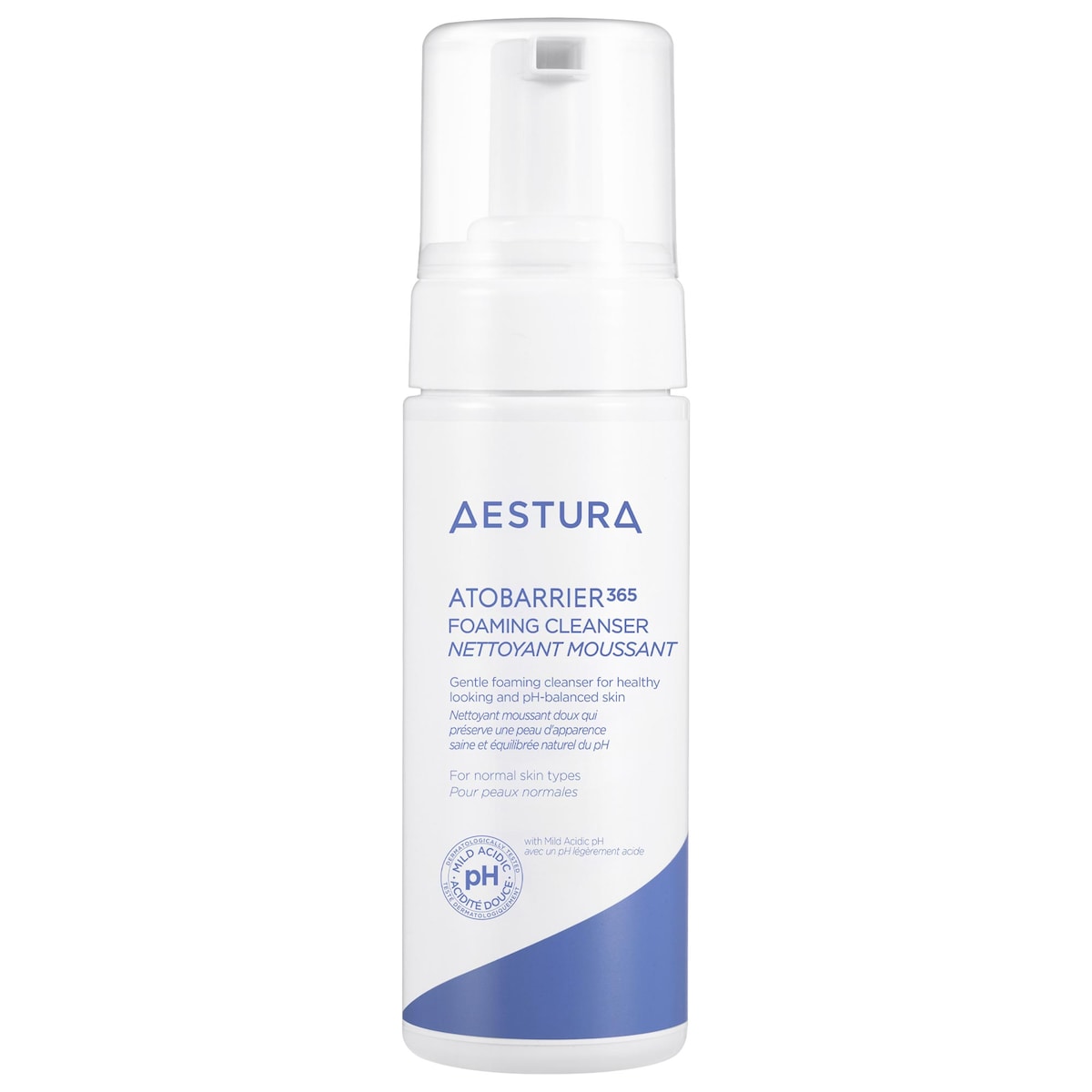
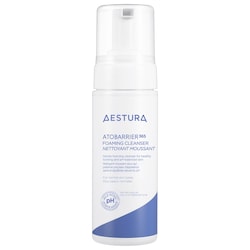 | Cleanse | AESTURA ATOBARRIER365 Gentle pH-Balancing Foaming Cleanser | Dehydrated skin that gets tight after washing | A calmer cleanse keeps the rest of the routine from becoming repair work |
 | Rehydrate | LANEIGE Cream Skin Milky Toner | Skin that feels bare, papery, or thirsty after cleansing | It gives the routine a soft hydration layer before cream |
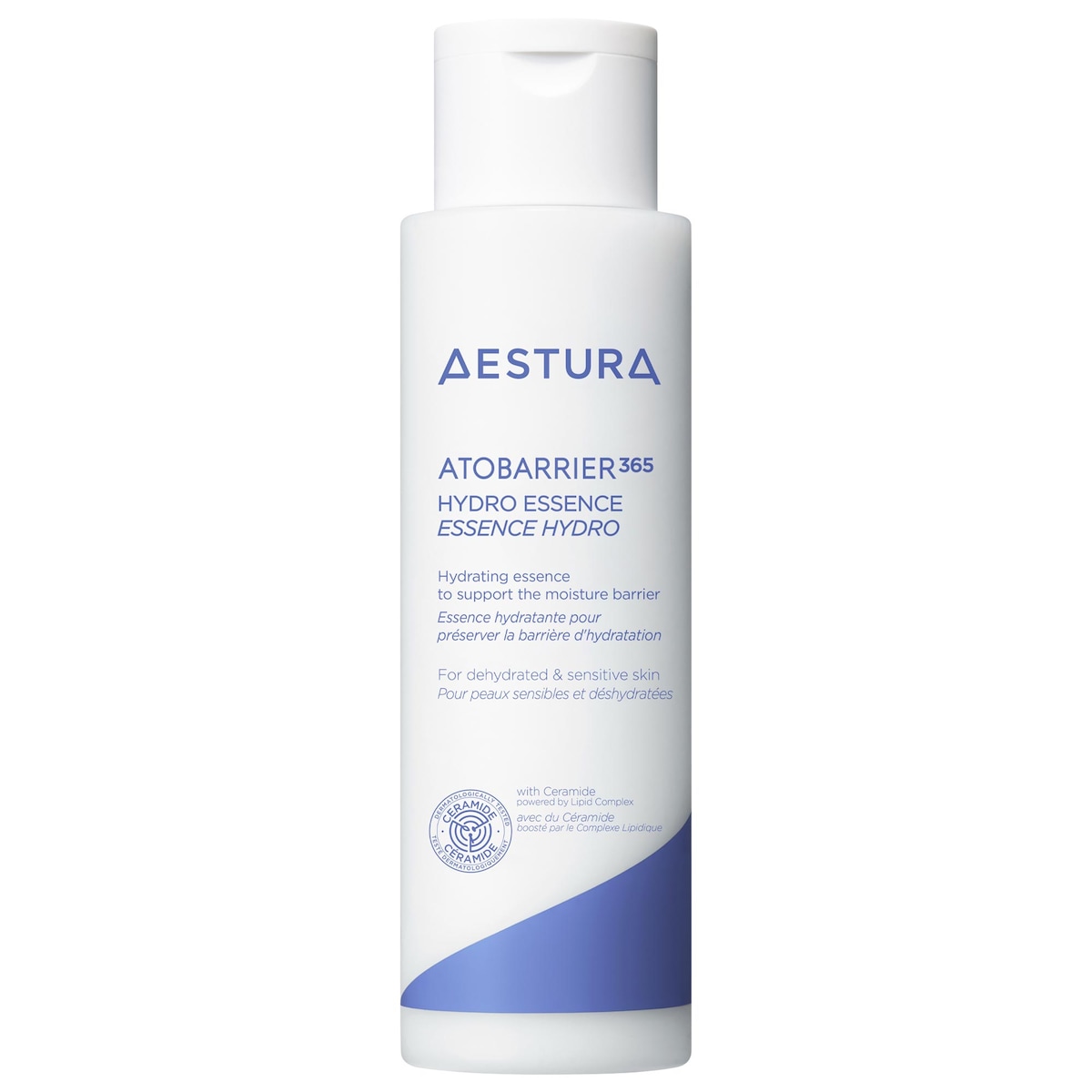
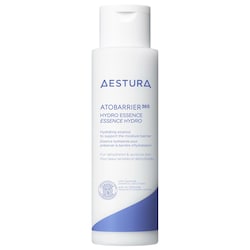 | Barrier support | AESTURA ATOBARRIER365 Milky Hydro Essence | Dehydrated skin that also feels sensitive | A milky essence gives cushion without making the routine feel heavy |
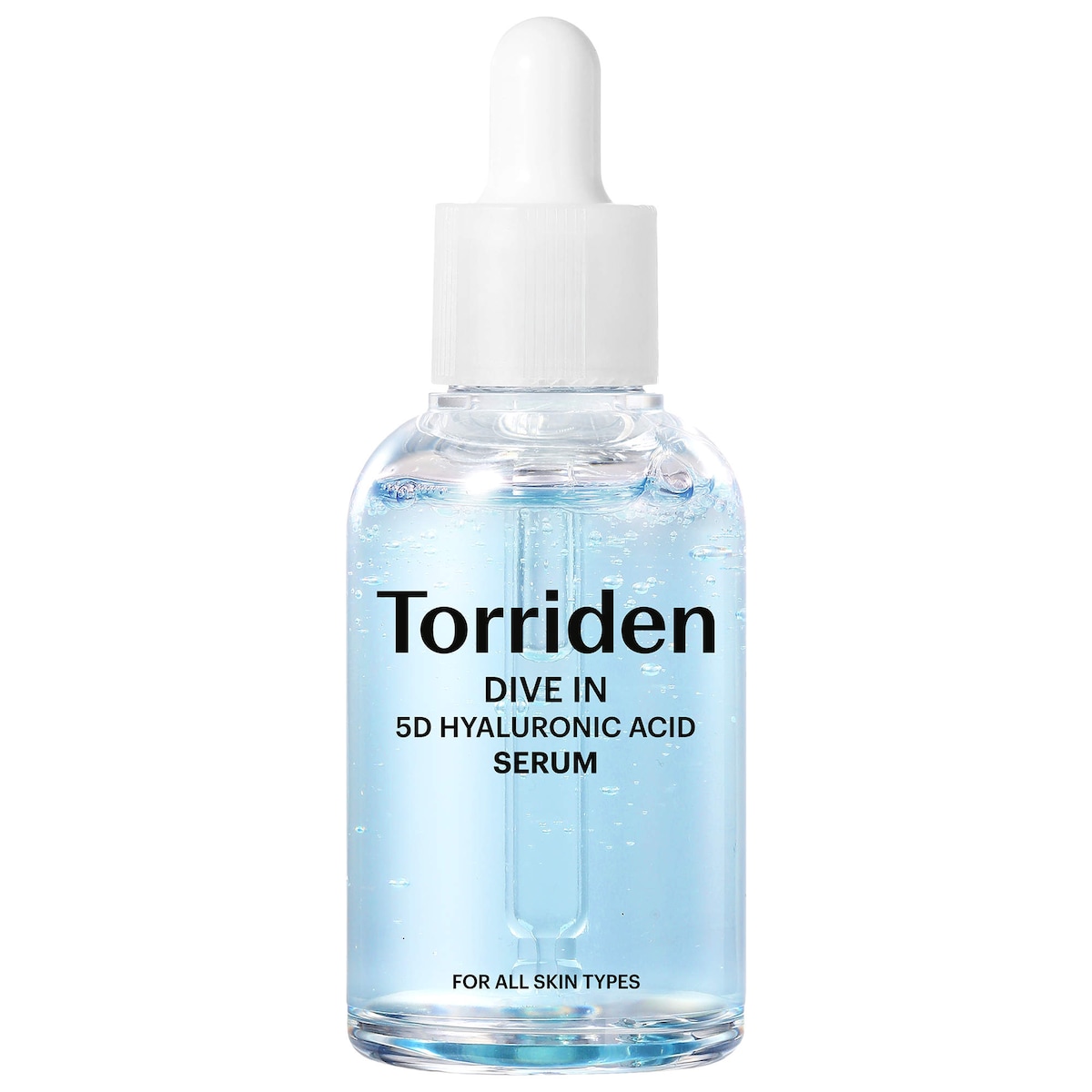
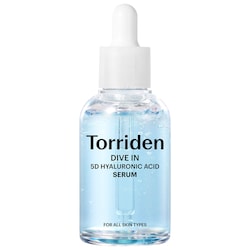 | Serum | Torriden DIVE IN 5D Hyaluronic Acid Ultra Hydrating Serum | Flat, dull, water-starved skin | A clear humectant step makes sense when moisturizer alone is not enough |
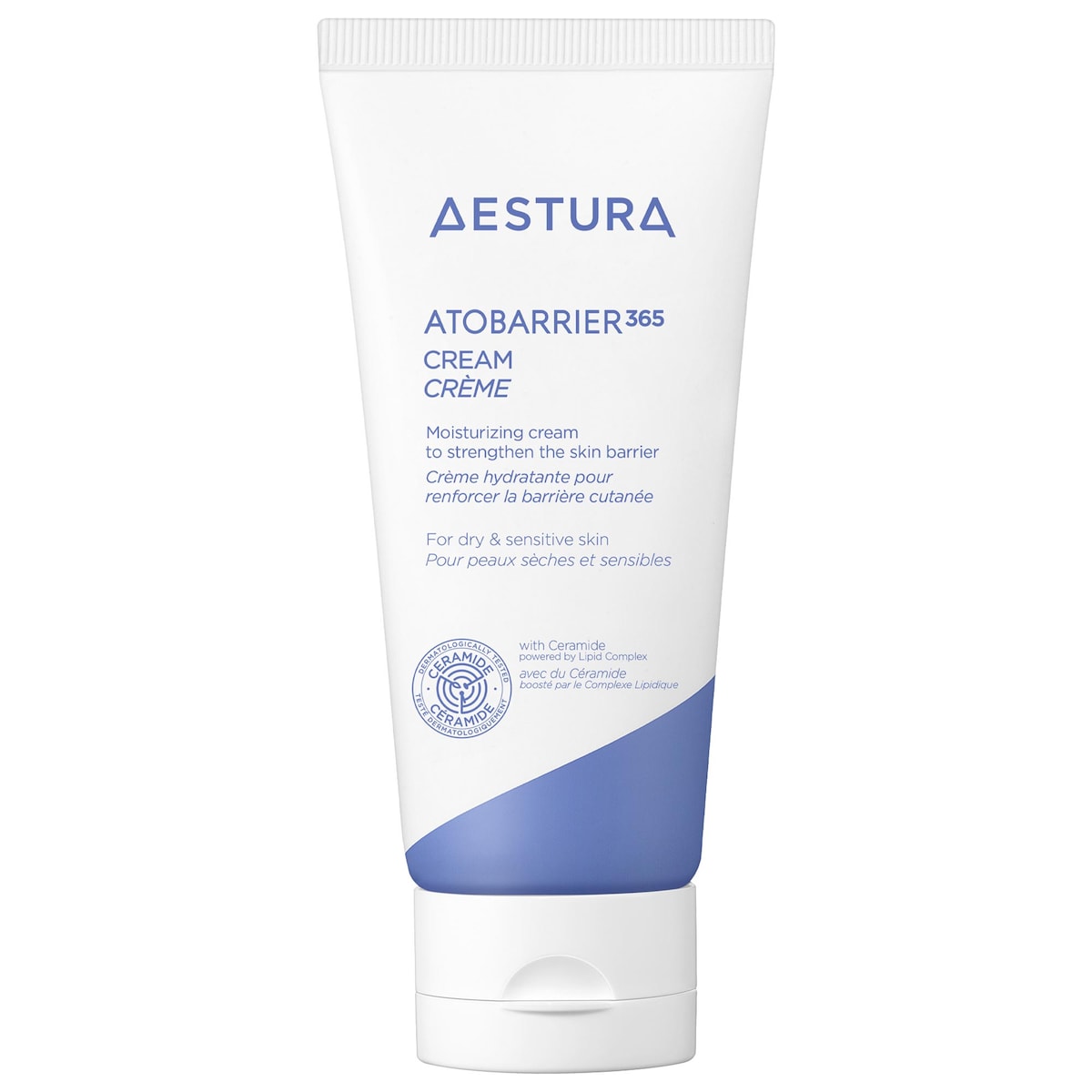
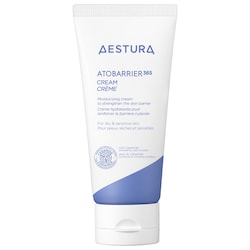 | Seal | AESTURA ATOBARRIER365 Cream Moisturizer | Tight, compromised, easily annoyed skin | A stronger final layer helps hold the hydration you just added |
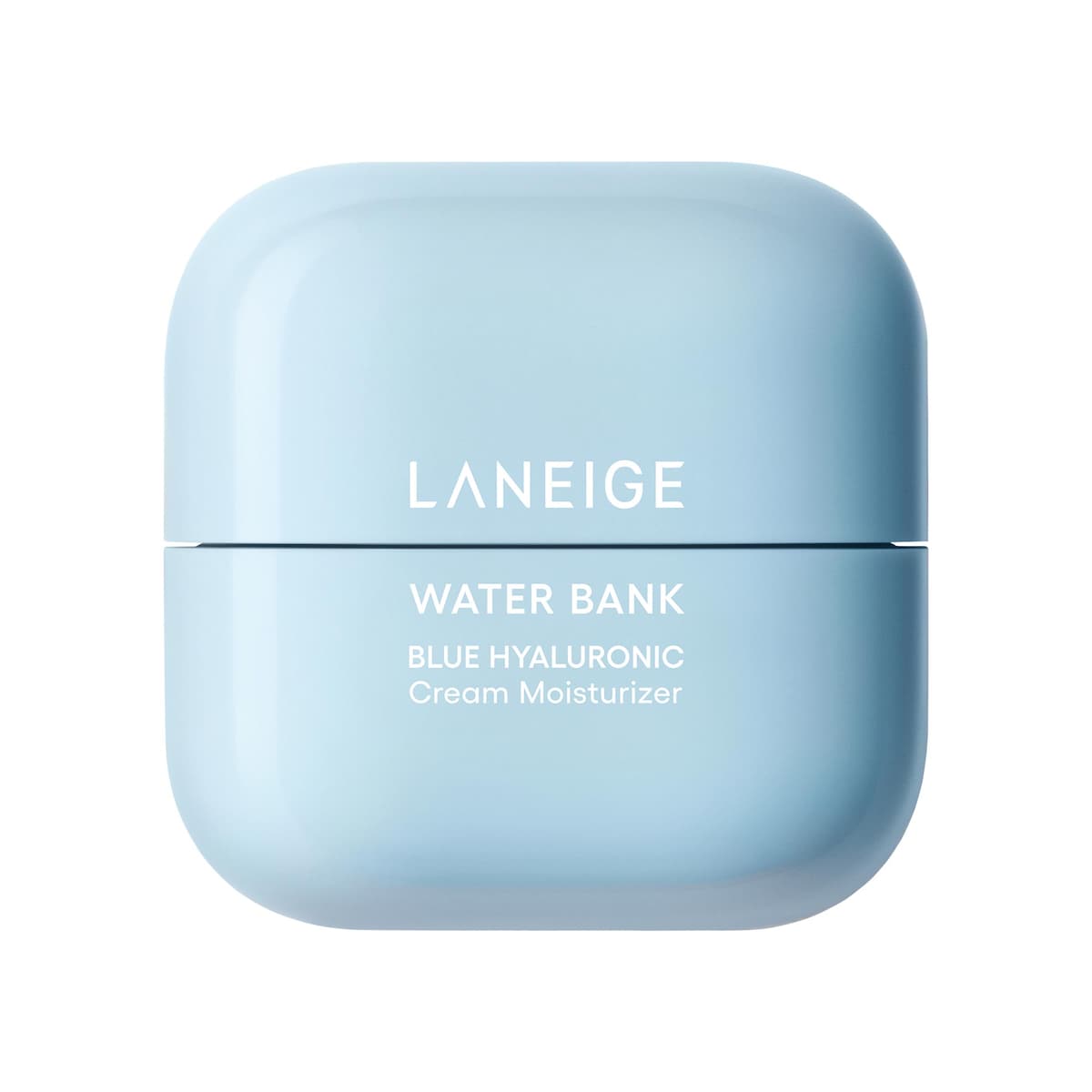
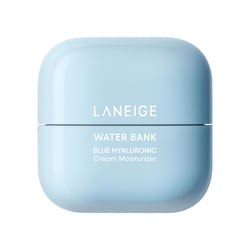 | Lighter seal | LANEIGE Water Bank Blue Hyaluronic Cream | Dehydrated skin that hates heavy creams | A smoother middle lane when rich barrier creams feel like too much |
The mistake was chasing reflection before comfort
I used to judge a routine in the mirror five minutes after applying it.
That is a bad test.
Almost anything can look good for five minutes if it leaves enough sheen. A face oil can do that. A silicone-rich sunscreen can do that. A moisturizer that never really sinks in can do that. Even irritated skin can look glassy when the surface is polished and a little inflamed.
The better test is boring and much more honest.
How does your skin feel two hours later?
How does it feel when you wake up?
Does your moisturizer feel like it disappeared by morning, or does your skin still feel flexible? Does your forehead look oily but tight at the same time? Do your cheeks feel dry underneath a shiny layer? Does foundation catch around your nose even though you moisturized the night before?
Those clues matter because dehydrated skin often tricks you. It can look shiny and still lack water. It can feel oily and still have a weak barrier. It can break out from too much stripping, then get stripped even more because you mistake the rebound oil for proof that you need stronger products.
That cycle is exhausting.
The way out is not to punish the skin into behaving. It is to make the routine less chaotic.
Cleanse like you want your skin to keep something
The cleanser is where many dehydrated routines start losing.
Not because cleansing is bad. Cleansing matters, especially if you wear sunscreen, makeup, or live in a city where your face collects the day. The problem is cleansing until the skin feels erased.
I know that feeling too well. The face feels smooth, tight, and almost squeaky. For a few seconds it feels clean in a satisfying way. Then the rest of the routine has to fight uphill.
For dehydrated glass skin, I want the cleanse to be effective but uneventful.
That is why AESTURA ATOBARRIER365 Gentle pH-Balancing Foaming Cleanser makes sense in this kind of routine. It sits in a gentler, barrier-aware lane. It is the cleanser I would reach for when the goal is to remove the day without making my cheeks feel smaller afterward.
At night, I would use it after a first cleanse if I wore heavier sunscreen or makeup. On a lighter day, I would use it alone. In the morning, I might skip cleanser completely and rinse with water if my skin woke up calm and not greasy.
That last part took me too long to accept.
Some faces do not need the same cleanse twice a day. If your morning cleanse makes your skin feel tight before the day even starts, it is worth testing a softer morning. Not forever. Just long enough to see if your skin stops starting the day in debt.
Add hydration while the skin is still listening

This is the step that changed the routine for me.
I stopped waiting.
After cleansing, I used to dry my face, walk away, brush my teeth, answer a message, come back, and then wonder why every moisturizer felt like it was sitting on top of dry paper.
Now I pat my face so it is not dripping, then add hydration while the skin still feels slightly damp. That timing makes a bigger difference than most extra products.
LANEIGE Cream Skin Milky Toner works well for this role because it behaves like a comfort step. It is not trying to exfoliate, peel, brighten, tighten, blur, and solve my life in one bottle. It gives the skin a softer base before serum or cream.
Use one layer if your skin is only a little thirsty.
Use two thin layers if your skin feels tight, creased, or flat.
Then stop.
Seven layers might sound impressive, but a routine you dread is not a routine. Dehydrated skin needs repeatability more than performance theater. I would rather do two calm layers every night than build a ceremony I abandon after four days.
Use an essence when the barrier needs softness, not more activity
There are nights when my skin does not want a strong treatment.
It wants softness.
That is the lane for AESTURA ATOBARRIER365 Milky Hydro Essence. I would use it when my face feels easily irritated, weather-stressed, or dull in the way skin gets dull when it is tired of being pushed.
The reason I like a milky essence in a dehydrated routine is that it sits between watery hydration and cream. It gives the skin a little cushion without jumping straight to a heavy final layer.
This matters if your routine keeps splitting into two bad options:
- lightweight layers that disappear too fast
- rich creams that feel coated but not actually hydrating
A milky middle step can make both sides work better. It gives the cream something better to seal, and it gives the skin a more comfortable transition after cleansing.
I would not use this as an excuse to stack five more products. If I use a milky toner and a milky essence, I usually keep serum optional. If I use an active that night, I keep the rest quieter.
The routine should feel like a sequence, not a pile.
A hydrating serum helps when moisturizer alone keeps failing
Serum is not mandatory.
That sentence clears out a lot of clutter.
If toner and moisturizer already leave your skin calm by morning, you do not need to force a serum into the routine just because glass skin routines usually show one. But if your skin still looks dull, flat, or tight underneath, a hydrating serum can be useful.
Torriden DIVE IN 5D Hyaluronic Acid Ultra Hydrating Serum is the kind of step I would use when the issue is clearly water loss, not texture, pigment, or acne.
I would reach for it when:
- my cheeks feel tight under moisturizer
- fine dehydration lines show up by afternoon
- makeup grips onto patches that did not look flaky at first
- my skin looks shiny but not bouncy
I would skip it when:
- the routine is already pilling
- my skin is irritated and wants fewer variables
- I am using a treatment serum that night
- the room is extremely dry and I do not have a good cream on top
That last point matters. Humectants are helpful, but they are not magic. A hydrating serum still needs a seal. Otherwise, the routine can feel beautiful at first and still leave you tight later.
Choose the final cream by the morning result
I used to choose moisturizer by how luxurious it felt going on.
Now I choose it by how my skin feels the next morning.
That is a better standard.
If I wake up tight, the final layer was not enough or I did not put enough water underneath it. If I wake up greasy but still dehydrated, I probably used something too occlusive over a weak hydration base. If I wake up congested, the cream may be too heavy for my skin or I may be using it too often in the wrong season.
AESTURA ATOBARRIER365 Cream Moisturizer is the richer, barrier-first choice in this routine. I would use it when my skin feels depleted, flaky, reactive, or hard to comfort. It makes the most sense when I need the final step to hold.
LANEIGE Water Bank Blue Hyaluronic Cream is the lighter middle lane. I would use it when my skin is dehydrated but still hates a thick finish. It gives comfort without making the whole routine feel like a winter rescue plan.
The mistake is thinking one moisturizer has to be the permanent winner.
Skin changes.
Weather changes.
Your routine changes.
The cream should match the morning evidence, not your idea of what your skin type is supposed to be.
Morning glow still depends on sunscreen
Glass skin falls apart when the morning routine skips protection.
I know sunscreen does not sound like the glamorous part. It is still the part that keeps everything else from working against itself. If you are trying to brighten, smooth, calm post-acne marks, soften texture, or protect a barrier that already feels stressed, daily sunscreen is not optional skincare decoration.
It is the routine's seatbelt.
For dehydrated skin, I like a sunscreen that does not make the face feel tighter as it dries down. Some matte formulas look clean for an hour but leave the cheeks feeling dry and stretched. Some very dewy formulas look beautiful but move around too much under makeup.
The right sunscreen is the one you will actually apply enough of.
That usually means:
- no stinging around the cheeks or eyes
- no finish so greasy that you avoid reapplying
- no white cast that makes you use less than you need
- no pilling over your morning moisturizer
If your sunscreen keeps failing, do not keep blaming your skin. Change the layer underneath, use less skincare before it, or choose a sunscreen with a finish you can live with every day.
For more routine help around this step, best sunscreens at Sephora for glass skin is the next place I would go.
The weekly rhythm matters more than a perfect product shelf
The routine got easier when I stopped treating every night like it needed to be productive.
Some nights are hydration nights.
Some nights are active nights.
Some nights are nothing-special nights where the win is not making things worse.
That rhythm matters because dehydrated skin often gets stuck between two impulses: repair everything and treat everything. You feel tight, so you add barrier products. You look dull, so you exfoliate. You see bumps, so you add acne treatment. You see marks, so you add brightening serum. Soon the routine has no quiet nights left.
I would split the week like this.
Hydration nights
Cleanse gently. Add a milky or watery layer. Use a hydrating serum if needed. Seal well.
These are the nights that make the skin feel like itself again.
Active nights
Cleanse gently. Keep hydration simple. Use one active. Moisturize.
One active means one. Not retinoid plus exfoliating acid plus brightening serum plus a mask because you got impatient.
Reset nights
Cleanse only if needed. Moisturize. Leave the skin alone.
These nights are underrated. They are especially useful after travel, bad sleep, weather swings, over-exfoliation, or a new product that did not agree with you.
If you want a deeper version of this rhythm, I tried skin cycling and skin barrier repair routine are useful follow-ups.
How I troubleshoot the routine now
When dehydrated skin acts up, I do not immediately buy something new.
I ask better questions.
If my skin is shiny but tight
I add hydration earlier and check whether my final cream is sealing enough. Shine alone does not mean the routine worked.
If my skin is greasy by noon
I stop stripping it in the morning first. Rebound oil can happen when the routine keeps removing too much and then trying to mattify the response.
If products pill
I reduce layers before I blame the product. Too much toner, too much serum, too much cream, and too little dry-down time can turn a good routine into eraser crumbs.
If my cheeks sting
I pause actives and fragrance-heavy experiments. Stinging is not proof that a product is working. Sometimes it is just your barrier asking you to stop.
If my skin looks dull but feels comfortable
I do not automatically exfoliate. I look at sleep, sunscreen, old product buildup, and whether my routine has become too heavy. Dullness is not always dead skin.
This is where a tracker helps. Not because skincare needs to become homework, but because memory is unreliable. If you keep changing three products at once, you will never know what helped.
Glass is useful for this exact reason: you can track routines, scans, product changes, and progress without turning your camera roll into a detective board.
What I would ignore
I would ignore anyone telling you that glass skin requires a fixed number of steps.
It does not.
I would ignore routines that use exfoliation as the answer to every problem.
Texture and dullness can improve with exfoliation, but dehydrated skin often needs comfort before resurfacing.
I would ignore the idea that oily skin cannot be dehydrated.
It can. That is why some people feel greasy and tight at the same time.
I would ignore the pressure to use every trendy ingredient at once.
Niacinamide, hyaluronic acid, ceramides, peptides, retinoids, acids, vitamin C, and barrier creams can all have a place. They do not all need to be on your face tonight.
The best dehydrated glass skin routine is usually not the most impressive shelf. It is the one that keeps your skin comfortable long enough for the glow to stop looking forced.
The routine I would actually repeat
If I had to keep this as simple as possible, I would do this for two weeks before judging it.
Morning
Rinse or cleanse gently if needed.
Apply one hydrating layer while the skin is slightly damp.
Use a light moisturizer if sunscreen alone is not enough.
Apply sunscreen generously.
Night
Remove sunscreen and makeup properly.
Cleanse gently.
Apply a milky toner or essence while skin is still slightly damp.
Use a hydrating serum only if the skin still feels flat.
Seal with a cream that leaves the skin comfortable by morning.
Once or twice a week
Use one active if your skin is calm.
Skip it if your skin is tight, stingy, flaky, or irritated.
That is the part that makes the routine feel adult to me now. The goal is not to prove how much my skin can tolerate. The goal is to make my skin easier to live with.
Real glass skin does not feel tight under the shine.
It feels calm.
It feels flexible.
It still looks like skin.
And when the routine is working, you do not need to keep chasing the mirror five minutes after applying product. You can wait until morning and let your skin tell the truth.