If you have spent more than ten minutes around skincare content, you have probably seen the phrase glass skin used in at least three different ways.
One person uses it to mean glowing skin.
Another uses it to mean poreless, almost reflective skin.
Someone else uses it like it is a shopping list: toner, essence, serum, cream, sleeping mask, done.
That is part of why the whole thing can start feeling vague, overhyped, or quietly exhausting.
So let’s make it simple.
The short answer
Glass skin is skin that looks unusually smooth, clear, hydrated, and light-reflective.
Not oily. Not sweaty. Not just covered in shiny products.
The reason people keep chasing it is that it reads as healthy, calm, fresh, and taken care of. It has that “your skin looks really good lately” effect.
The reason people keep getting confused by it is that the internet often sells glass skin like it is one magical product or one ultra-long routine, when it is usually the result of a few things working together:
- enough hydration
- a calm skin barrier
- smoother texture
- more even tone
- less irritation
- a routine you can actually repeat
That is the real core.
If you want the practical routine version after this, start with how to achieve glass skin, skincare routine for glass skin, or glass skin routine for dry skin if your skin already leans tight or thirsty.
Why the term gets people so hooked
The phrase itself is doing a lot of work.
“Glowing skin” can mean anything. “Healthy skin” sounds nice but abstract. “Glass skin” gives you a visual instantly.
You can picture it.
You think of light bouncing off a surface cleanly. Smooth. Fresh. Clear. Even. Almost translucent in the best way.
That is why the term spread so hard. It is not just descriptive. It is aspirational.
And honestly, that is also why it gets dangerous sometimes.
Because once a beauty goal becomes visual enough, people stop asking whether it is realistic for their skin, their climate, their schedule, or their actual biology. They start chasing the image.
That is where a lot of routines go sideways.
Where glass skin comes from
Glass skin is strongly tied to modern K-beauty and the broader Korean skincare conversation around skin that looks deeply hydrated, clear, refined, and luminous rather than covered up.
That part matters.
The roots are not really “buy more products because Korean skincare likes layers.”
The roots are closer to this:
- skin-first beauty
- hydration as a real priority
- consistency over occasional intensity
- gentle daily care
- texture and barrier health mattering as much as brightness
- prevention and maintenance being more valuable than dramatic rescue work
That is why the best versions of glass-skin advice are usually calmer than the trend makes them sound.
Yes, K-beauty helped popularize layered routines. Yes, essences, milky toners, sleeping masks, and cushioning hydration products became part of the global conversation. But the underlying philosophy was never supposed to be chaos. It was supposed to be thoughtful care.
That is also why you will sometimes hear adjacent ideas in Korean skincare culture that overlap with glass skin:
- skin that looks bouncy
- skin that looks juicy or dewy in a healthy way
- skin that looks bright but still soft
- skin that looks clear rather than heavily perfected
Different phrases come and go. The deeper idea stays pretty consistent: skin should look alive, comfortable, and well-supported.
What glass skin actually looks like in real life
This is the part the internet usually messes up.
Real glass skin is not your face looking like it has been laminated.
It is not highlighter on bare skin.
It is not “I layered six products and now I am reflective.”
And it is definitely not “my T-zone is slick but I am calling it dew.”
In real life, glass skin usually looks like:
- smoother texture when light hits the face
- fewer rough, flaky, or tight-looking areas
- hydration that makes the skin look fuller instead of flat
- less visual noise from irritation
- a more even, calm finish overall
It can still have pores. It can still have movement. It can still look like skin.
That last part is worth saying twice.
The most useful version of glass skin is not fake perfection. It is skin that looks so settled and cared for that it reflects light better.
What glass skin is not
Sometimes the cleanest explanation is subtraction.
Glass skin is not:
- perfectly poreless skin
- genetically guaranteed skin
- one expensive serum
- a ten-step routine by default
- constant exfoliation
- a reason to punish sensitive skin
- a replacement for medical care if you have active skin disease
It is also not a fair standard for every single person, every single week.
If you are sleep-deprived, stressed, breaking out, dealing with seasonal dryness, testing new actives, or living in a climate that makes your face confused by noon, your skin may not look “glass-like” right now. That does not mean your routine is failing. It may just mean your skin is acting like skin.
Why glass skin became such a global obsession
There are a few reasons.
1. It compresses a whole skincare dream into one image
People do not just want glow. They want clarity, smoothness, hydration, and effortlessness at the same time.
Glass skin packages all of that into one phrase.
2. It fits social media perfectly
It is visual. It is measurable-looking. It lends itself to before-and-afters. It makes product routines feel cinematic.
And once a trend starts working visually, the internet tends to flatten all nuance around it.
3. It feels healthier than heavier makeup trends
A lot of people got tired of beauty goals that required obvious coverage, contour, or finish tricks. Glass skin feels more skin-first, more believable, and more wellness-adjacent.
Even when people overdo it, the emotional pitch is still appealing:
_What if my skin just looked better on its own?_
That is a very strong promise.
4. It gives people a project
Skincare is part care ritual, part self-improvement fantasy, part control. Glass skin gives that energy a target.
It says:
_Here is a version of your skin you can work toward._
The good side of that is consistency. The bad side is perfectionism.
The biology behind why some skin looks “glassier”
This does not need to get overly scientific to be useful.
Skin tends to look more glass-like when a few practical things are true:
The surface is smoother
Light reflects more evenly off smoother skin than rough, flaky, inflamed, or congested skin.
That is why texture matters so much here.
The skin is well hydrated
Hydrated skin often looks fuller, softer, and less tired. Fine texture can look less obvious. The whole face reads fresher.
The barrier is not stressed out
When the barrier is irritated, damaged, or constantly inflamed, the skin often looks redder, rougher, tighter, shinier in the wrong way, or weirdly dull.
Tone is calmer and more even
Post-breakout marks, diffuse redness, irritation, and uneven patches interrupt that clean reflective look.
The routine is not fighting itself
This is the least glamorous point and one of the most important.
A lot of people do not fail at glass skin because they are missing the right product. They fail because their cleanser is too harsh, their actives are too stacked, their hydration is too random, or they change the plan every four days.
The routine never gets a chance to settle.
Why some people get close to glass skin fast and others do not
Because the starting points are wildly different.
Some people are beginning with:
- naturally balanced skin
- small pores
- low sensitivity
- consistent sleep
- low product reactivity
- a climate their skin likes
Other people are beginning with:
- acne
- rosacea
- eczema tendencies
- dehydration
- oiliness plus irritation
- prescription actives
- a broken barrier
- stress
- inconsistent routine habits
That does not mean one person “deserves” better skin more than the other. It means the path is different.
This is also why comparison gets so stupid so fast in skincare.
One person’s “simple glass skin routine” is built on years of stable skin. Another person’s face is actively negotiating with hormones, weather, and a retinoid.
Those are not the same situation.
The real roots of the look: hydration, calmness, and repetition
If you strip away the trend language, glass skin usually comes back to three unsexy things.
1. Hydration
Not just “I used a hydrating serum once.”
I mean a routine where the skin regularly gets enough water support and enough sealing support that it stops looking papery, tight, or drained.
2. Calmness
Less irritation. Less over-cleansing. Less over-exfoliation. Less product drama.
The skin looks better when it is not constantly recovering from your routine.
3. Repetition
This is the one people hate because it is less exciting than a new purchase.
But the routines that actually move skin forward are usually the ones that are boring in the best possible way. Gentle enough to repeat. Clear enough to follow. Stable enough to learn from.
That is why how to build a skincare routine that you'll actually follow matters so much more than another random “glow” product.
The biggest mistakes people make when they chase glass skin
Mistake 1: confusing shine with health
If your face is reflective because it is coated, greasy, or slightly irritated, that is not the same win.
Mistake 2: exfoliating like the goal is to sand the skin down
Smoother texture helps, yes.
But too much exfoliation is one of the fastest ways to make the skin tighter, redder, more reactive, and less convincing overall.
Mistake 3: layering without understanding the job of each step
Hydration prep, treatment, moisturizer, sunscreen.
That already covers a lot.
Many routines get messy because every new product is solving the same problem again.
Mistake 4: treating all oiliness like the enemy
Some faces look oily because they are overloaded. Some look oily because they are dehydrated and compensating. Some are just naturally oilier.
Those are different problems.
Mistake 5: changing products too quickly
You cannot learn what is helping if your routine has a new personality every week.
Mistake 6: skipping sunscreen while chasing brightness
That is one of the least efficient moves in skincare.
If your goal is clearer-looking, more even-looking skin, sunscreen is not optional background noise.
So how do you actually get closer to glass skin?
You usually do less, but you do it better.
Here is the clean version.
Step 1: Cleanse gently
Your cleanser should not leave your face feeling squeaky, hot, or stripped.
That alone changes more routines than people expect.
Step 2: Add a hydration layer
A good toner, essence, or hydrating serum can make the skin look more comfortable fast, especially if dehydration is part of the problem.
Step 3: Pick one serum lane
Do you need hydration first? Balance? Brightening? Barrier support?
Pick the job that matters most. Stop assigning five products to one face.
If you are stuck between ingredient lanes, niacinamide vs hyaluronic acid for glass skin is a cleaner decision guide than guessing.
Step 4: Moisturize according to your skin type
The point is not to coat your face. The point is to keep the hydration you already added from disappearing.
Step 5: Wear sunscreen every morning
This is part of the glow story whether it feels glamorous or not.
Step 6: Stop irritating your own face
That includes:
- over-washing
- over-scrubbing
- chasing stronger actives too early
- using too many “glow” products at once
What a realistic glass-skin routine feels like
This is an underrated question.
The routine should feel:
- easy enough to do when you are tired
- calm enough that your face is not negotiating with you
- light enough that sunscreen still works on top
- consistent enough that you know what changed
If it feels like a nightly lab experiment, it is probably too much.
What if your skin is acne-prone, oily, or sensitive?
Then the answer is not “glass skin is not for you.”
The answer is that your version has to be more honest.
If your skin is oily
Do not strip it into panic mode.
A lot of oily skin looks better with lighter hydration, lighter creams, and less aggression, not more punishment.
Start with glass skin routine for oily skin if that sounds like you.
If your skin is dry
You probably need comfort before correction.
Hydration layers and a reliable moisturizer matter more than trendy actives at first.
If your skin is sensitive
Your version of glass skin should look calm before it looks glossy.
That means fewer products, slower changes, less exfoliation, and lower ambition at the beginning.
If your skin is acne-prone
The goal is not to fake smoothness while the skin is inflamed. The goal is to support clarity and barrier health without making the acne battle worse.
If your acne is persistent, painful, cystic, or scarring, skincare content has limits. A dermatologist matters more than a trend.
The psychological side nobody talks about enough
Glass skin can be motivating.
It can also quietly turn into a moving target.
Because once you get a little closer, the brain goes:
_Okay, but what if it looked even smoother? Even clearer? Even brighter?_
That is where skincare stops feeling caring and starts feeling evaluative.
You start reading your face like a performance review.
That is not the energy you want.
The healthiest version of this goal is:
_I want my skin to look more settled, more hydrated, and more even than it does right now._
That is achievable. That gives you room to notice real improvement. That lets your face stay human.
Is glass skin realistic for everyone?
No, not in the fantasy version.
And that is fine.
The fantasy version usually borrows from:
- genetics
- lighting
- camera smoothing
- makeup prep
- very stable skin
- sometimes professional treatments
But the useful version is realistic for a lot more people than they think.
Not “perfectly reflective skin every day.”
More like:
- softer texture
- better hydration
- clearer tone
- less irritation
- a fresher-looking face in normal lighting
That is a real result.
The better question to ask
Instead of asking, “How do I get glass skin exactly like the internet shows it?”
Ask:
What is keeping my skin from looking calm, smooth, and hydrated right now?
That question changes everything.
Because then your routine becomes specific.
Maybe the issue is barrier stress. Maybe it is dehydration. Maybe it is congestion. Maybe it is too many actives. Maybe it is inconsistency. Maybe it is not skincare at all and your sleep, stress, or environment is showing up on your face.
Specific routines win. Fantasy routines just sound better on camera.
What glass skin means in the end
To me, glass skin is best understood as a skin condition trend built on a real skincare truth.
The trend part is the name, the image, the obsession, the product theater, the before-and-after energy.
The truth underneath it is much simpler:
Skin looks better when it is hydrated, calm, gently cared for, and not constantly pushed into recovery mode.
That is it.
That is the big secret hiding inside the very shiny phrase.
If you want the most practical next step, read:
And if you want the real standard I would keep in your head, use this one:
Glass skin is not about making your face look unreal. It is about helping your skin look so supported that light likes it better.
20 Sephora products that can genuinely help with glass skin
This is where I want to slow the whole conversation down a little.
People hear “glass skin products” and immediately imagine that they need to buy an entire new shelf.
You do not.
But if you want a strong, useful shortlist of Sephora-accessible products that can help you get closer to smoother, calmer, more hydrated-looking skin, these are the kinds of products worth understanding.
Not because you need all 20.
Because once you understand what each one is for, the whole glass-skin idea gets much easier to personalize.
I’m going product by product here, because that is the only way this section is actually useful.
1. Beauty of Joseon Green Plum Refreshing Cleanser for Gentle Daily Wash
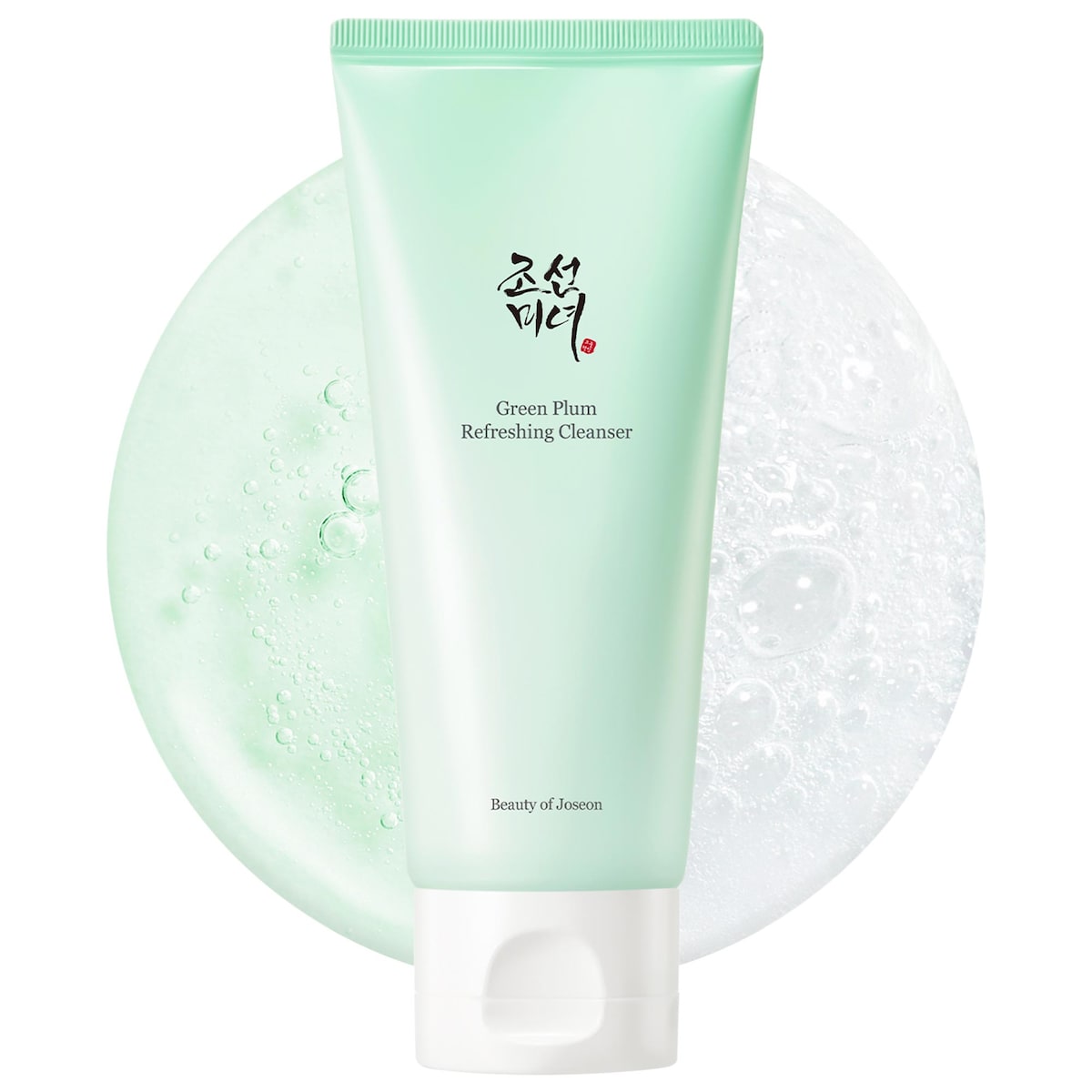
This is the kind of cleanser that makes the whole routine behave better. If your current face wash leaves you tight, squeaky, or weirdly shiny in that stripped way, your glass-skin routine is already starting from behind. A gentler cleanser does not sound glamorous, but it is often the difference between skin that looks calm and skin that looks overmanaged.
Best for: normal, combination, oily-dehydrated, and sensitive-leaning skin.
Why it helps with glass skin: smoother-looking, more reflective skin usually starts with not irritating your face twice a day.
Good to know: if you wear heavy makeup or very stubborn SPF, this may be better as your second cleanse than your only cleanse at night.
2. Skinfix Acne+ 2% BHA + Azelaic Acid + Niacinamide + AHA Cleanser
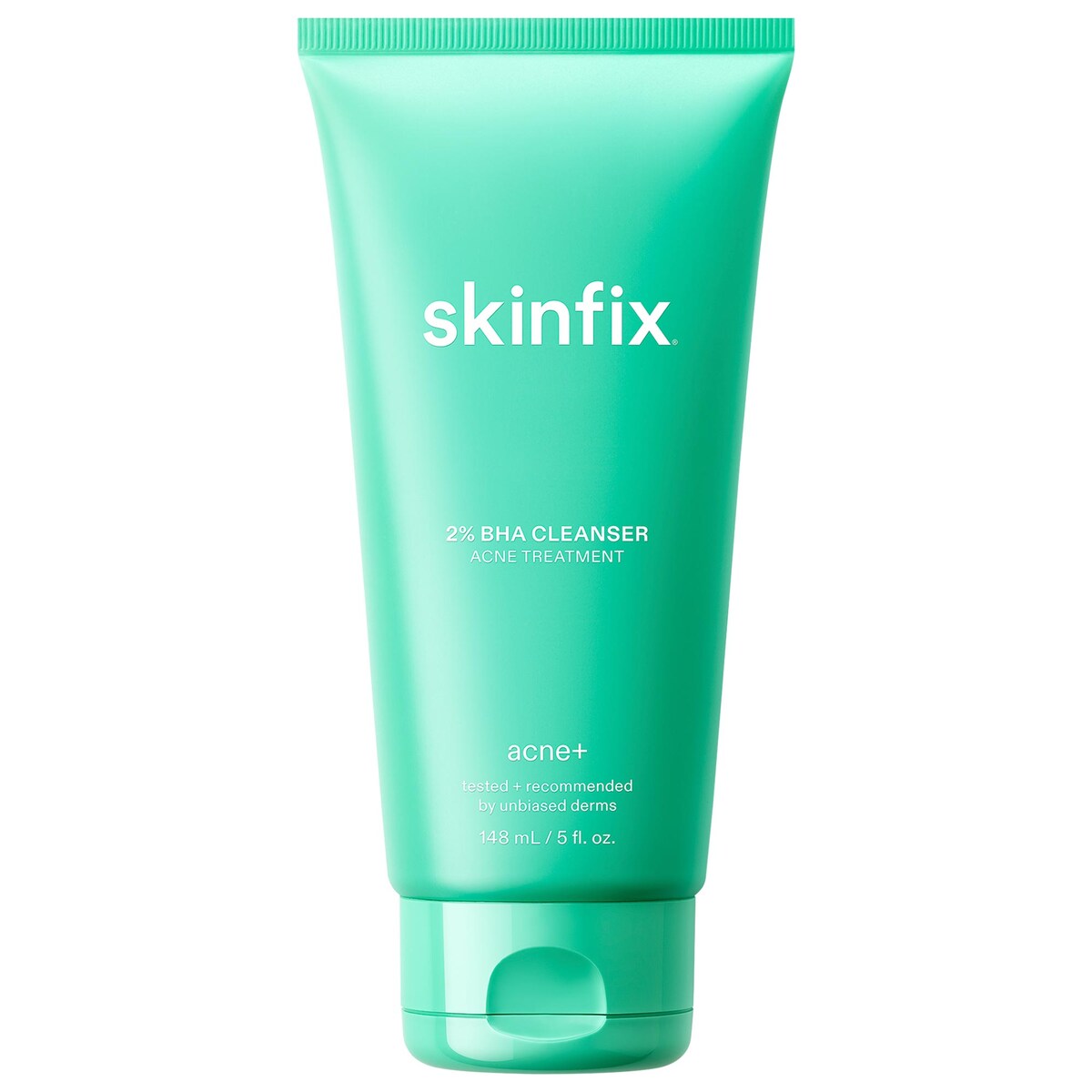
This is for the person whose biggest barrier to glass skin is not dryness first. It is congestion, bumps, post-breakout mess, and that feeling that texture keeps sitting on top of everything. When acne or buildup is the thing breaking the illusion of smoothness, a cleanser like this can make more sense than another hydrating product.
Best for: oilier and acne-prone skin that tolerates active cleansers reasonably well.
Why it helps with glass skin: smoother texture and less congestion can make light hit the skin more evenly.
Good to know: if your skin is already reactive, do not force this just because “clearer” sounds good. Barrier stress will cancel the benefit fast.
3. LANEIGE Cream Skin Refillable Milky Toner with Ceramides and Peptides
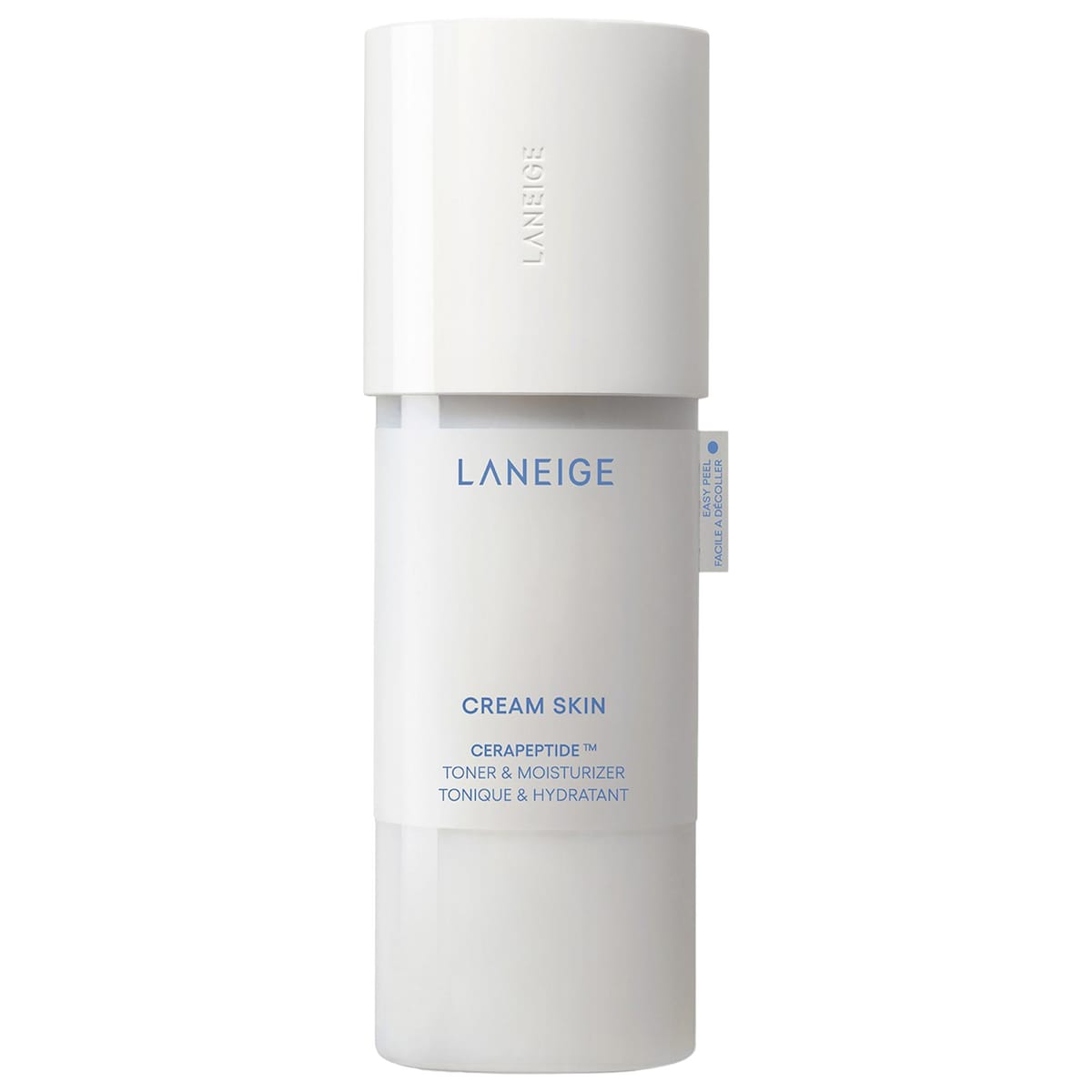
If glass skin had a classic comfort product, this would be very high on the list. It gives that cushioned, just-more-comfortable look that dry or tired skin usually needs before it can look glossy in a believable way. It is one of the easiest products here to understand because the result is so visible: the skin often looks softer and less flat pretty quickly.
Best for: dry, dehydrated, tight, or barrier-tired skin.
Why it helps with glass skin: it gives the face that fuller, more settled look that makes the rest of the routine sit better.
Good to know: if you are very oily or live somewhere hot and humid, one thin layer may be plenty.
4. Beauty of Joseon Glow Replenishing Rice Milk Lightweight Hydration Toner
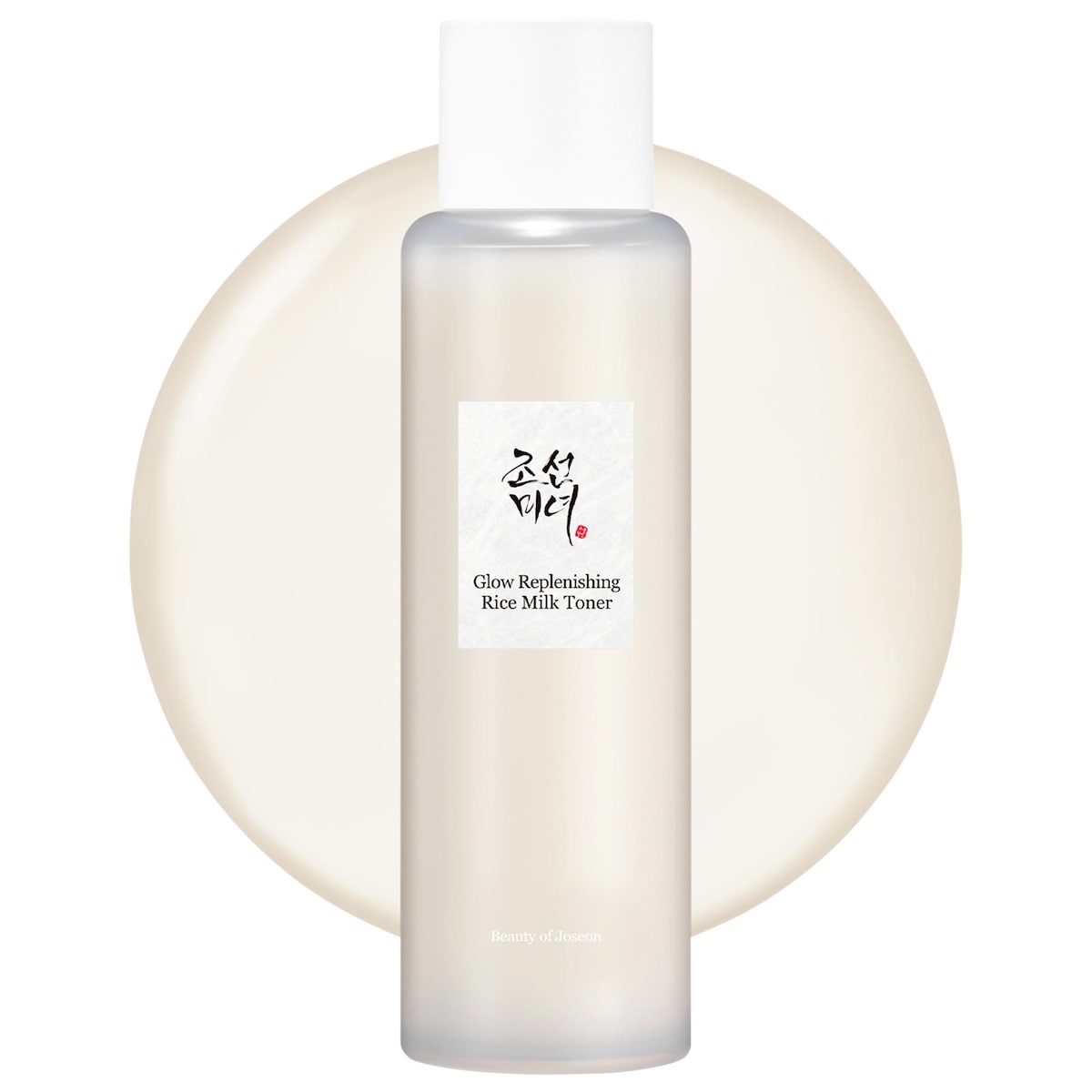
This is the lighter, cleaner answer for people who want hydration without the routine feeling creamy too early. Some skin types do not need more richness. They need more balance. That is where a product like this makes more sense than automatically reaching for the richest milky toner in the room.
Best for: combination skin, oily-dehydrated skin, and anyone who wants bounce without heaviness.
Why it helps with glass skin: it adds softness and hydration while keeping the routine airy enough to stay elegant.
Good to know: this is one of the best “I want glow, but I hate feeling coated” options in the whole lineup.
5. belif Aqua Bomb Hydrating Toner with Hyaluronic Acid
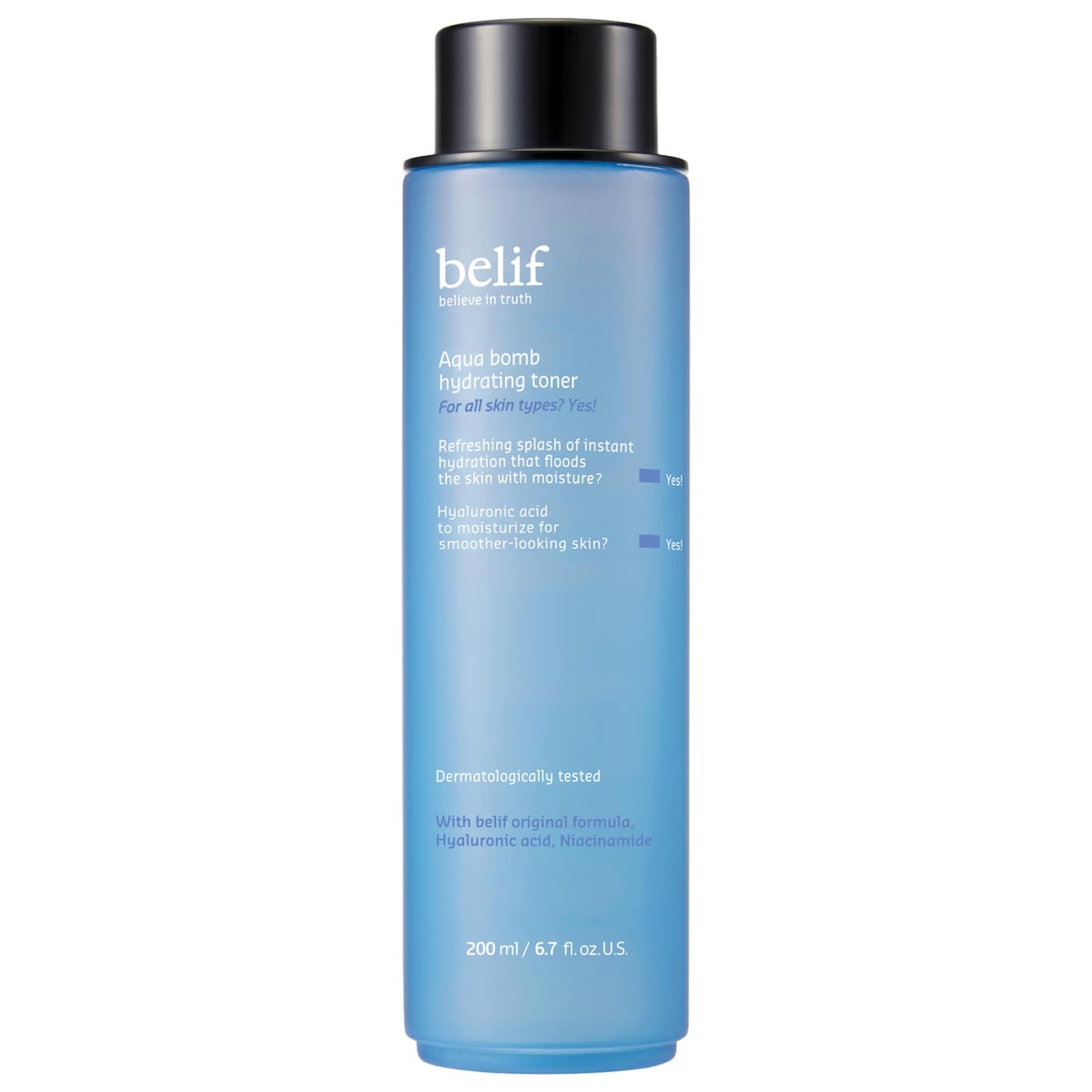
Some people do best with hydration that feels almost invisible. Not watery in a useless way. Just fresh, quick, and clean. That is the lane this toner belongs to. It is especially useful if your skin looks dull but richer prep steps make you nervous or greasy by lunchtime.
Best for: oily, combination, and humidity-heavy routines.
Why it helps with glass skin: it supports plumper-looking skin without making the finish feel crowded.
Good to know: if your skin is very dry, this may feel more like support than a hero product on its own.
6. Dr. Jart+ Ceramidin Skin Barrier Serum Toner
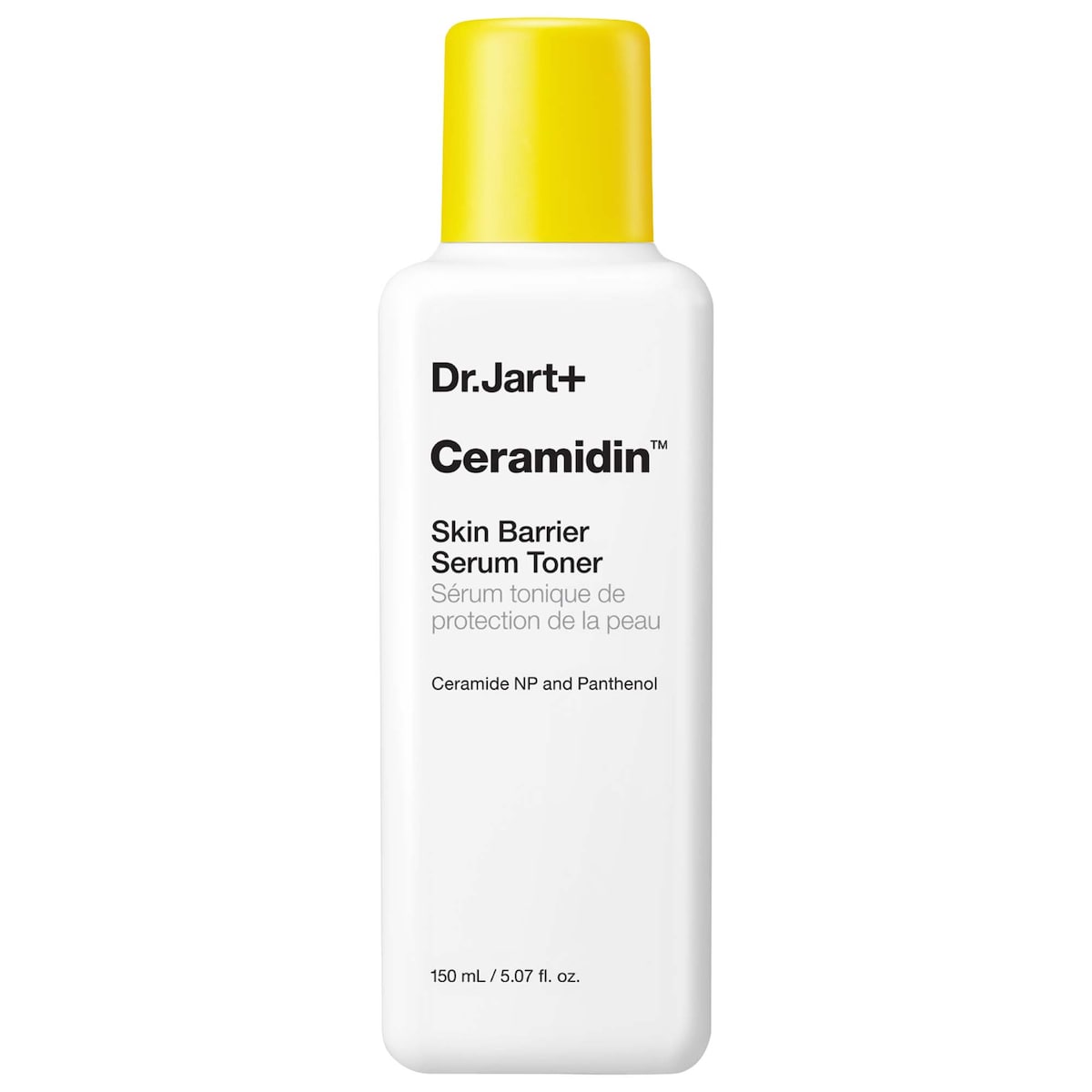
This is the “my skin is irritated and I need it to stop acting offended by everything” pick. It is less about chasing immediate dew and more about building the kind of calm skin that can eventually look smoother and brighter without constant compensation. When the barrier is stressed, gentle products like this tend to matter more than more active ones.
Best for: sensitive, stressed, reactive, or over-exfoliated skin.
Why it helps with glass skin: calm, intact skin looks more refined than irritated skin, even before you add extra glow.
Good to know: this is a better pick for rebuilding than for dramatic overnight brightening.
7. Dr. Jart+ Vital Hydra Solution Hydro Plump Treatment Essence with Hyaluronic Acid
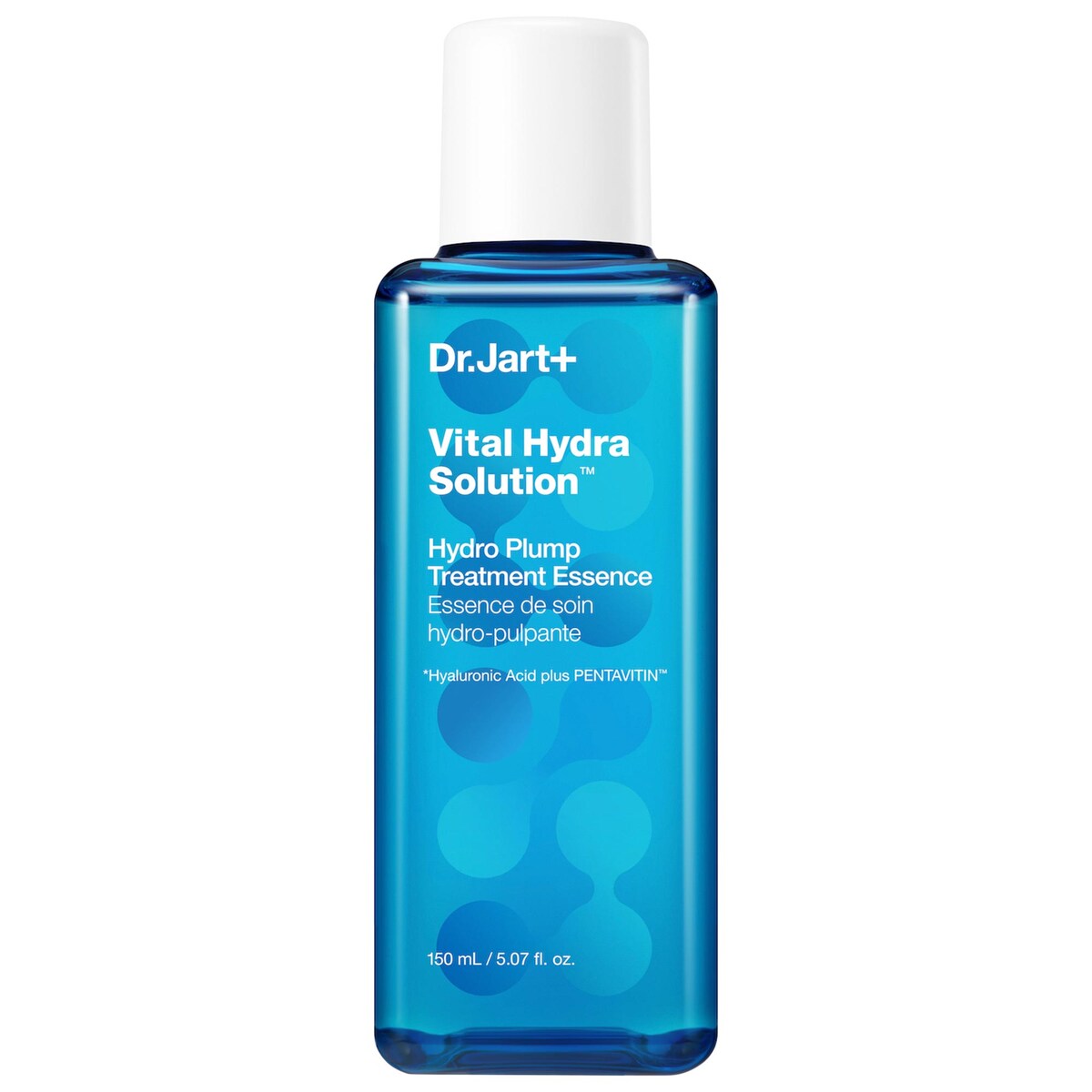
This is for skin that looks a little tired, a little papery, a little less bouncy than it should. If you keep saying your face looks “flat” even though you own moisturizer, this kind of plumping hydration step often makes more sense than buying another treatment serum.
Best for: dehydrated, dull, and bounce-deficient skin.
Why it helps with glass skin: it helps the face read fuller and fresher instead of dry underneath and shiny on top.
Good to know: this makes the most sense when dehydration is the main bottleneck, not when acne or irritation is the main problem.
8. Then I Met You The Giving Essence Brightening & Hydrating Treatment with Niacinimide
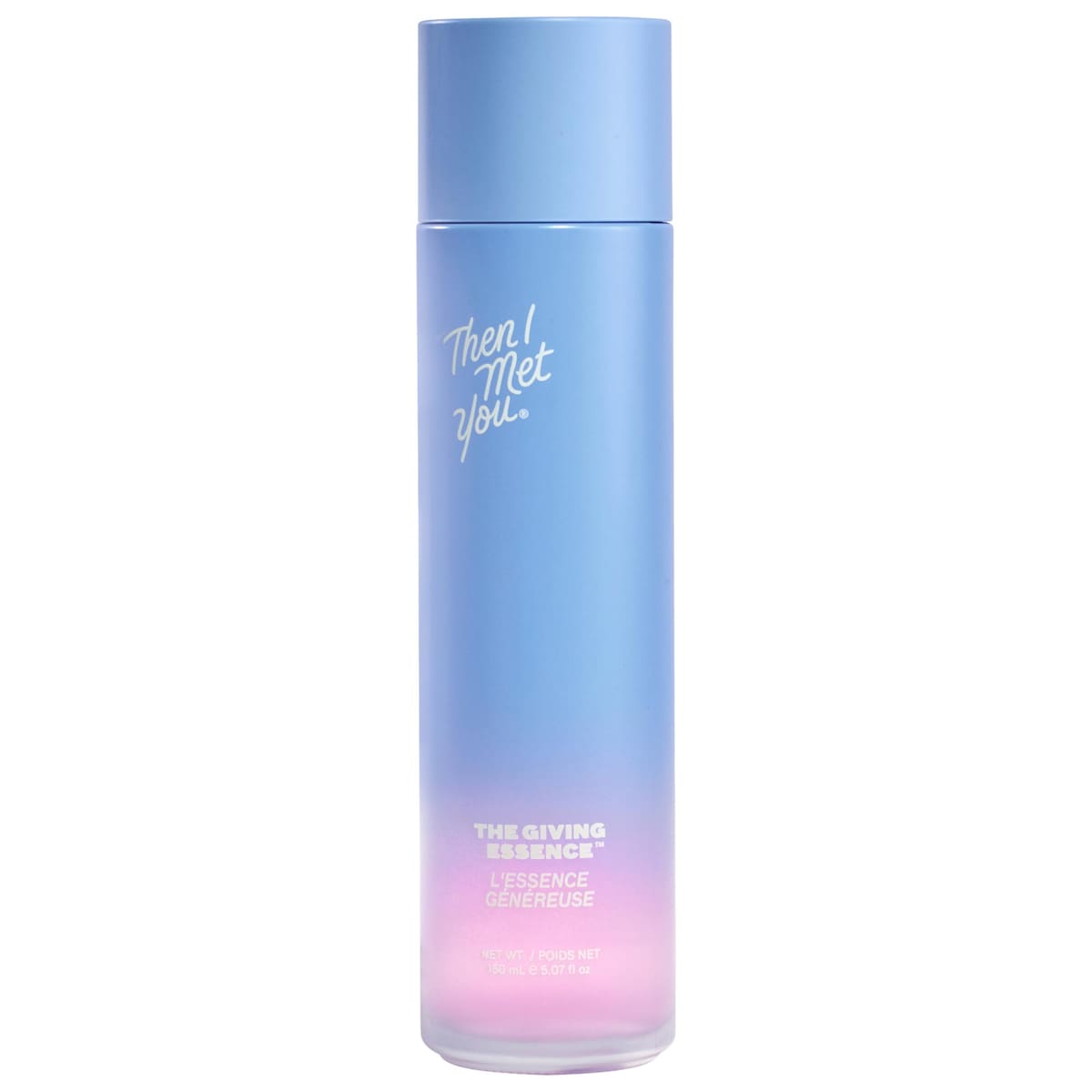
This is the kind of product for people who want their routine to feel a little more polished and bright without diving straight into harsher active territory. It has more “refined glow” energy than basic hydration-toner energy, which can be useful when your skin is dull but not necessarily dry.
Best for: dullness, uneven-looking tone, and people who like a more treatment-forward first layer.
Why it helps with glass skin: it makes the routine feel brighter and more polished without needing a super aggressive step.
Good to know: this works best when the rest of the routine is still simple enough to let it stand out.
9. SK-II Aging Skin Facial Treatment Essence with Antioxidants
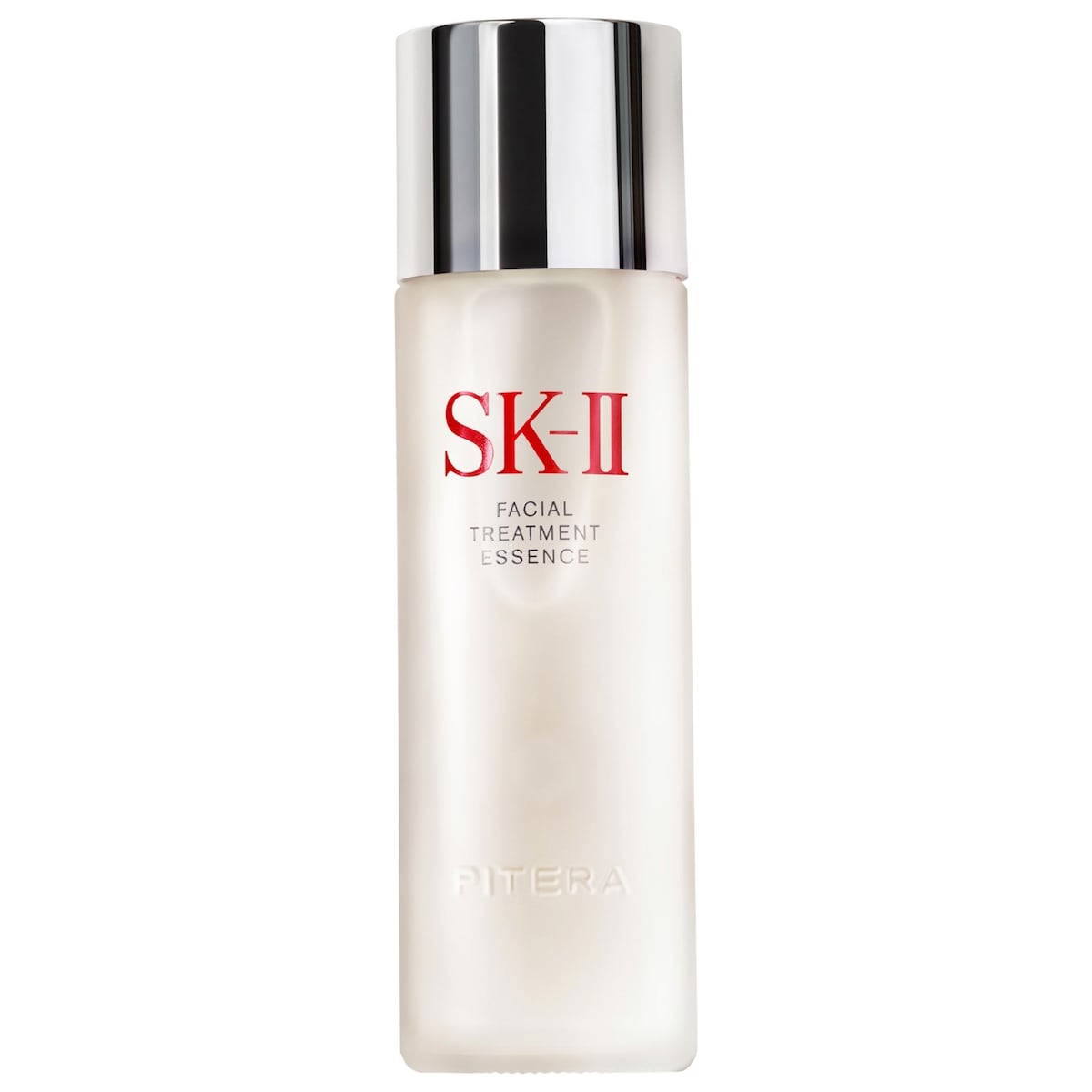
This is the prestige-luxury version of the glass-skin conversation. You do not need a product like this to get there, but it belongs in the discussion because it fits that “refined, clear, cared-for skin” ideal that so many people associate with glass skin in the first place.
Best for: people willing to spend more on an essence step and who want the classic luxury-skin route.
Why it helps with glass skin: it lives in the category of products people use when they want skin to look more polished, even, and maintained over time.
Good to know: this is absolutely not the first product I would tell most people to buy.
10. Torriden DIVE IN 5D Hyaluronic Acid Ultra Hydrating Serum for Plump & Glow Skin
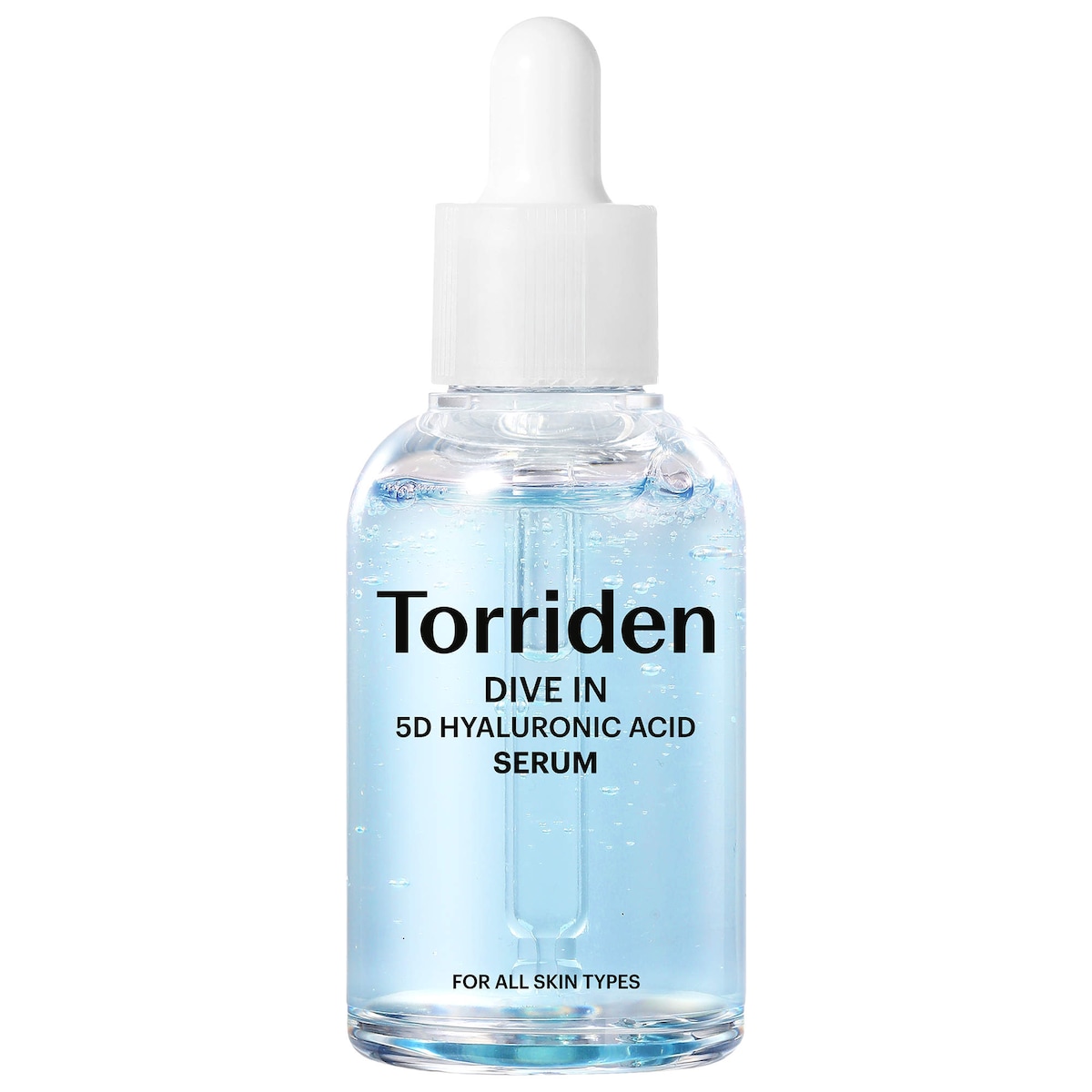
If I had to point to one serum that immediately makes sense in a glass-skin routine, this is near the top. It is a very straightforward answer to the problem of skin looking thirsty, tired, less bouncy, and more textured than it should.
Best for: dehydrated skin, dull skin, fine texture from lack of hydration, and anyone whose face looks better for ten minutes after skincare than it does an hour later.
Why it helps with glass skin: hydration-first skin usually looks fuller and reflects light more cleanly.
Good to know: if your main issue is congestion or oil balance, this may not be the first serum lane to choose.
11. Beauty of Joseon Glow Serum for Oil Control with Niacinamide
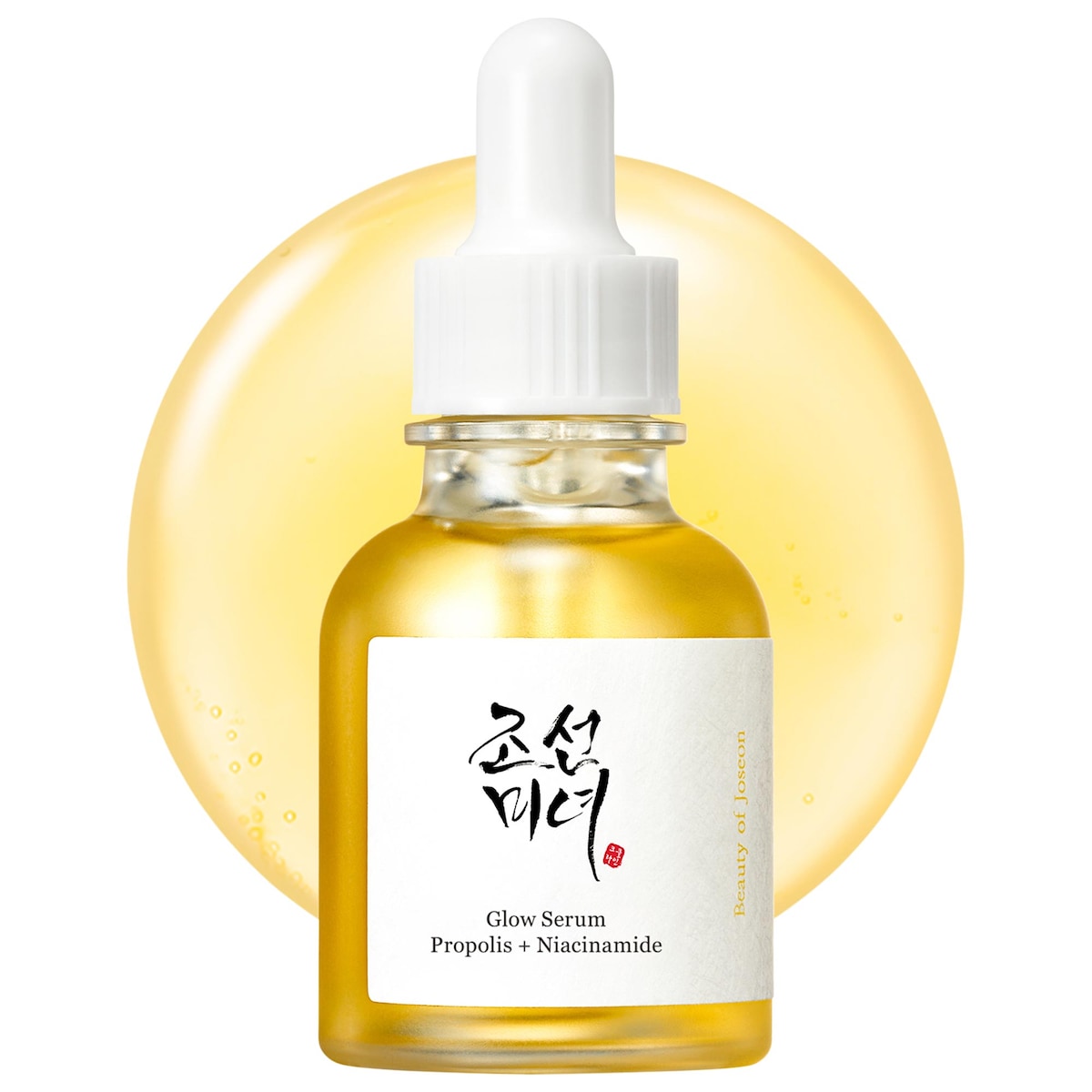
This is the serum for people who hear “glass skin” and immediately think, “Okay, but my T-zone would like a word.” If your skin looks uneven because it is oily, congested, post-breakout marked, or generally unbalanced, this makes more sense than another pure hyaluronic acid step.
Best for: oily or combination skin, visible pores, congestion, and uneven-looking tone.
Why it helps with glass skin: clearer, calmer, more balanced skin often looks more glass-like than skin that is just wetter.
Good to know: if your skin is very dry, this may work better as a secondary lane than your only serum.
12. Glow Recipe Plum Plump Hyaluronic Acid Hydrating Serum
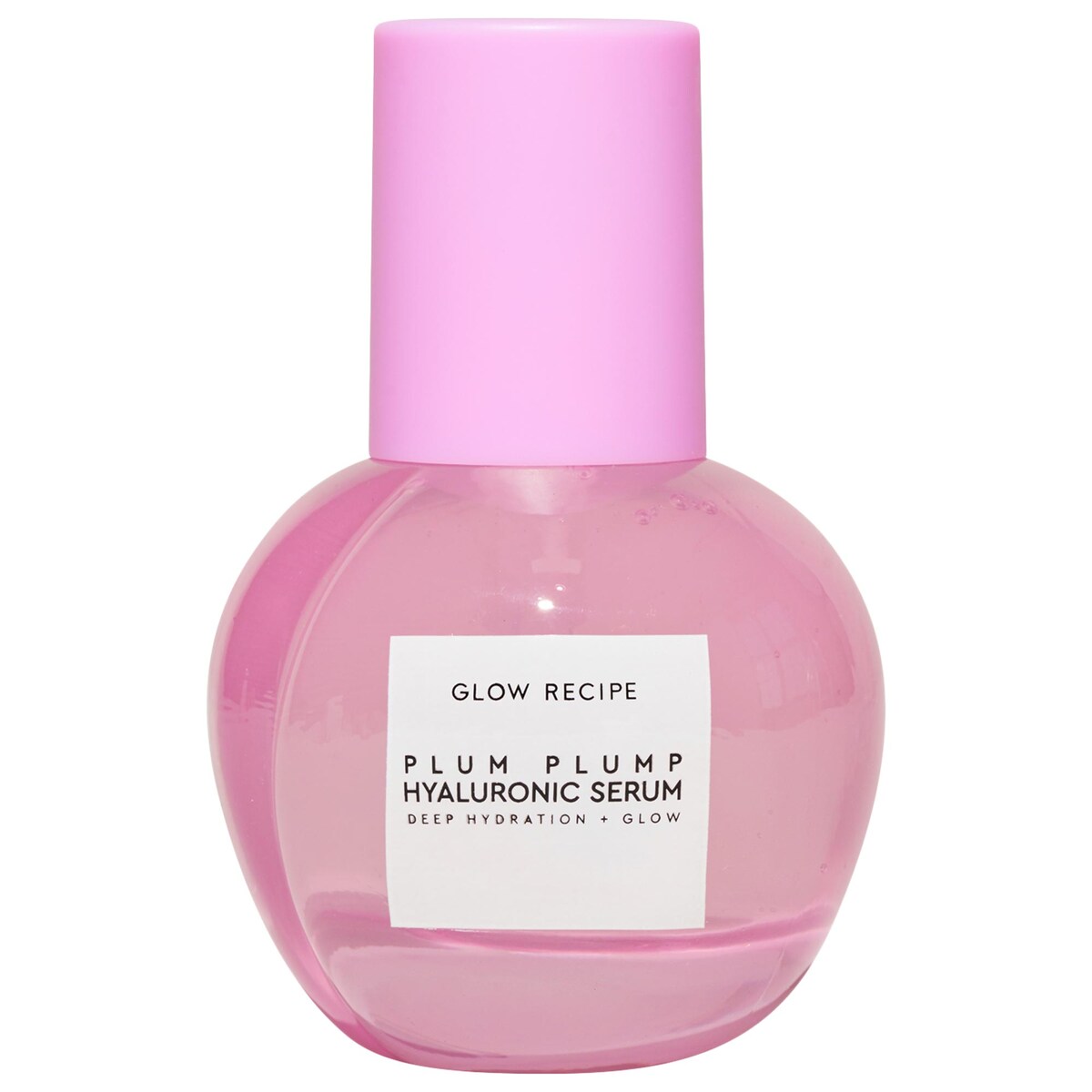
This is one of those products that makes a lot of sense if your version of glass skin is really about bounce. Not barrier emergency. Not acne rescue. Just that fresher, springier, more alive look that dehydrated skin loses first.
Best for: normal to dry skin and anyone who wants a visibly plumper hydrating serum.
Why it helps with glass skin: plumper-looking skin tends to look smoother and more reflective in the exact way people are usually after.
Good to know: this is strongest when paired with a moisturizer that can actually hold onto the hydration.
13. Glow Recipe Watermelon Glow Niacinamide Dew Drops Serum
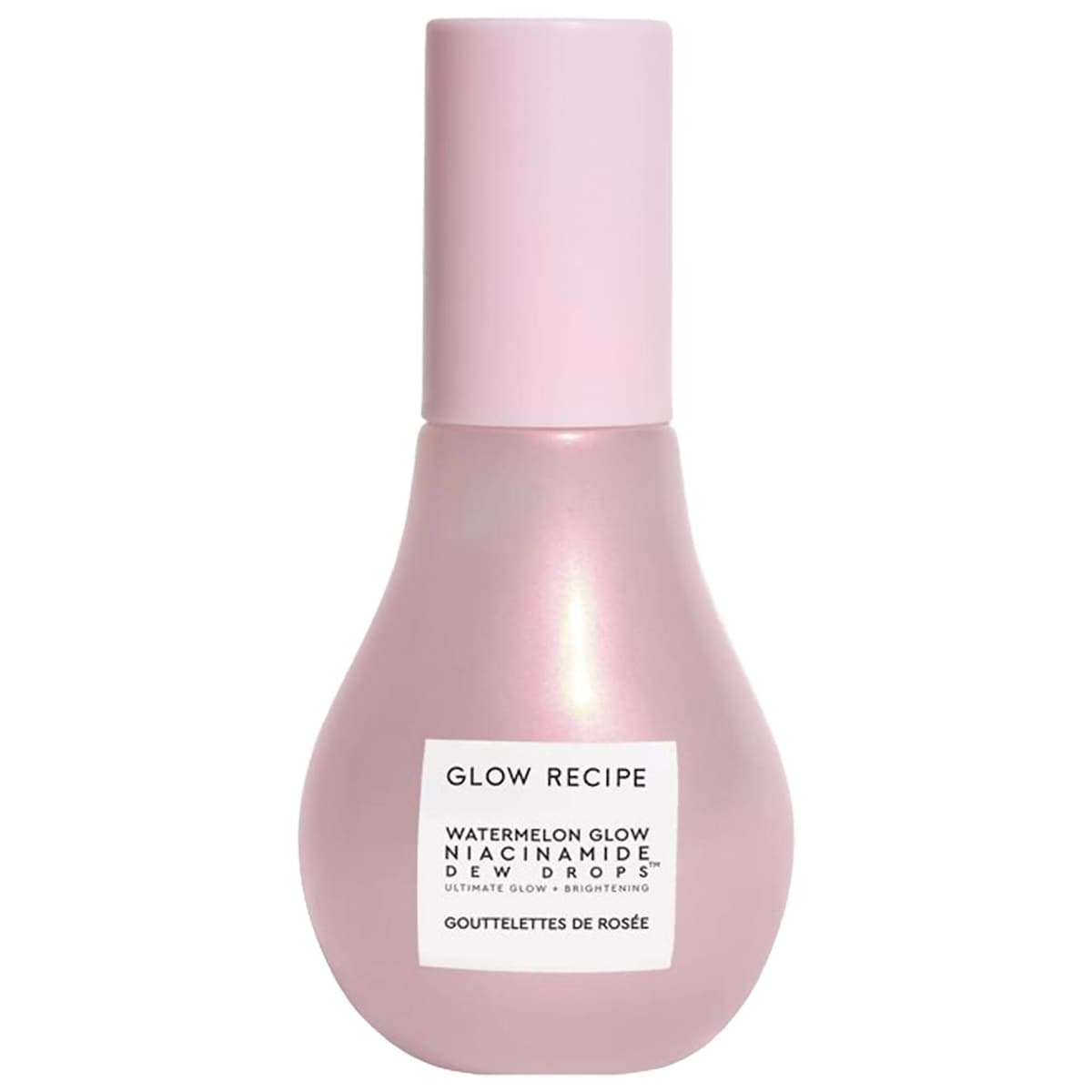
This one sits closer to the “glow-support” side of the spectrum. It can absolutely fit into a glass-skin routine, but I would not confuse it with being the entire routine. It works best when you already have hydration and barrier basics handled and you want a little extra brightness and polish in the finish.
Best for: dullness, uneven-looking tone, and people who like a glow-forward cosmetic-skincare hybrid feel.
Why it helps with glass skin: it can give the skin a brighter, more lit-from-within finish when the foundation of the routine is already solid.
Good to know: this is a finishing-support product, not the answer to dehydration all by itself.
14. Fenty Beauty by Rihanna Dew N Plump Hydrating Nectar Glow Serum
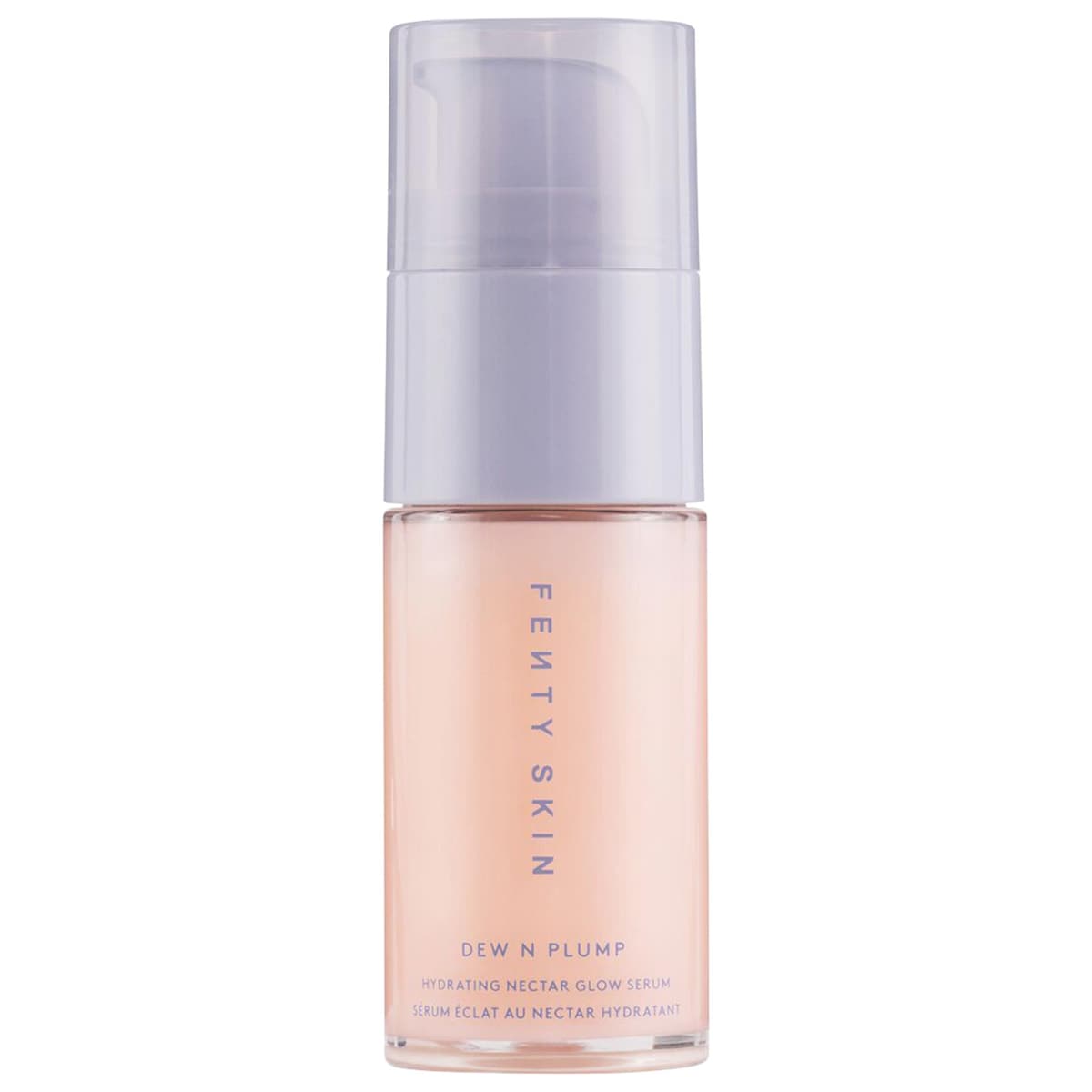
This is for people who want their serum step to do two things at once: add hydration and leave the skin looking a little smoother and more polished. It is a nice middle lane between pure hydration and obviously glow-chasing product styling.
Best for: skin that looks tired, flat, or a little drained under makeup or SPF.
Why it helps with glass skin: it supports that fresher, more hydrated finish without feeling like a full cream step.
Good to know: this is most useful for people who care how the routine looks and wears in the daytime.
15. LANEIGE Water Bank Blue Hyaluronic Cream Moisturizer for Moisture Barrier Repair
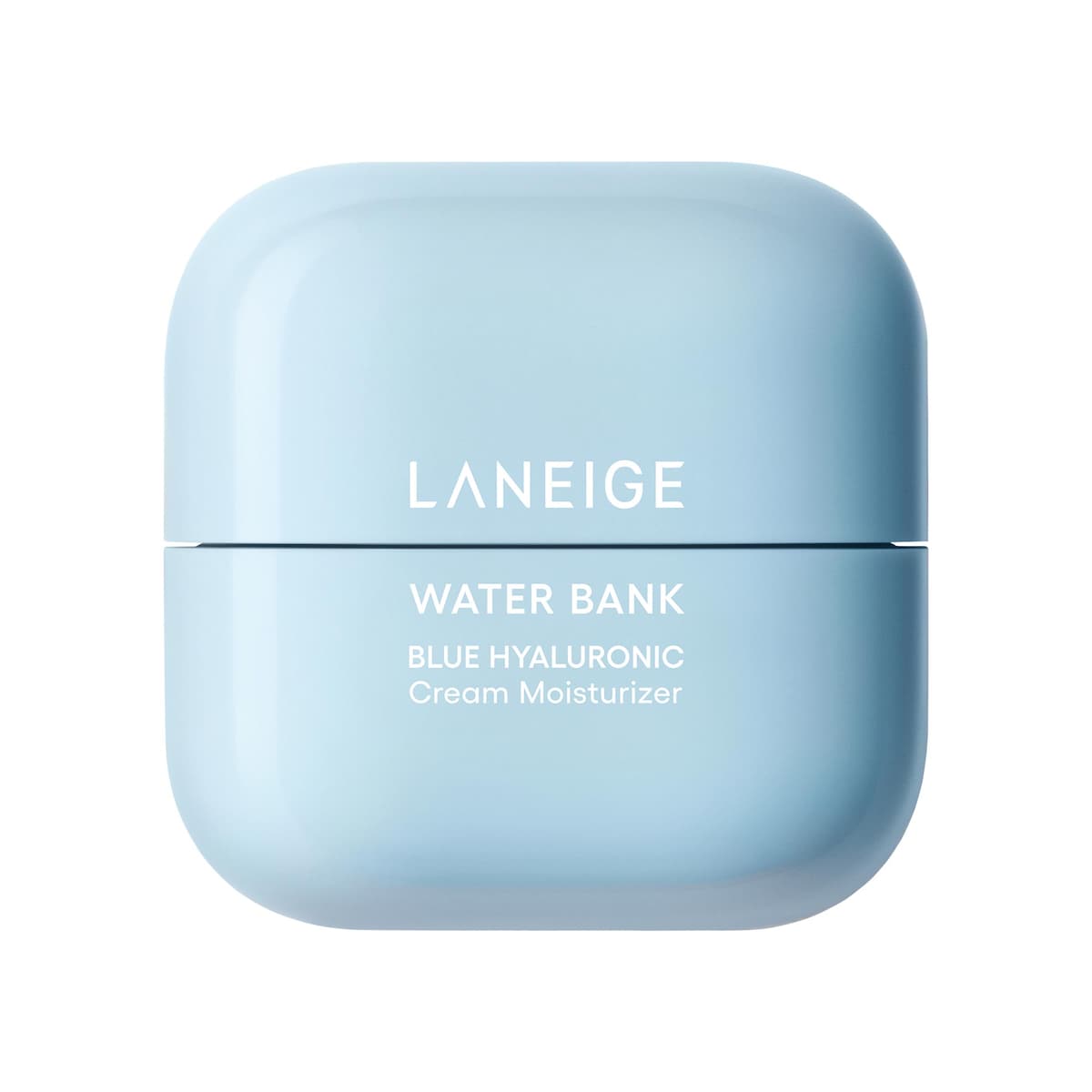
This is one of the easiest “default yes” moisturizers in this whole category. It sits in that very useful middle zone where it feels comforting enough for dry skin but still elegant enough that it does not automatically ruin the rest of the routine.
Best for: normal to dry skin, dehydration, and anyone wanting one reliable cream for the glass-skin lane.
Why it helps with glass skin: hydration only matters if it stays in the skin long enough to change how the face actually looks.
Good to know: if you are very oily, this may work better at night than in the morning.
16. Skinfix Barrier Balancing Water Cream Moisturizer with Hyaluronic Acid
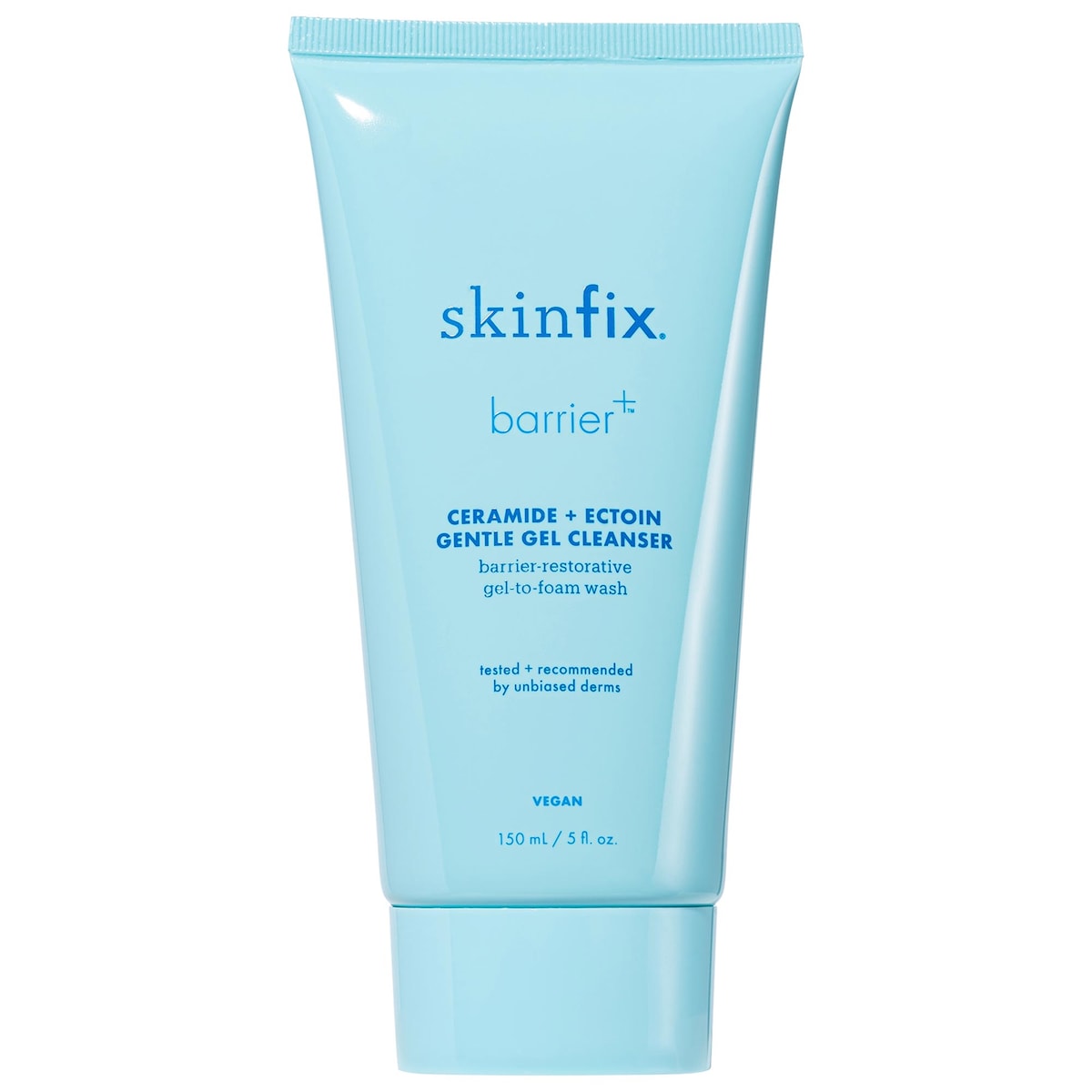
This is the moisturizer for people who want their skin hydrated but not coated. It is one of the more useful oily-skin glass-skin products because it respects the fact that some faces need water and barrier support without extra heaviness.
Best for: oily, combination, acne-prone, and congestion-prone skin.
Why it helps with glass skin: it locks in hydration while keeping the finish cleaner and less shiny in the wrong way.
Good to know: if rich creams have made you think moisturizers are the problem, this is a better test case.
17. AESTURA ATOBARRIER365 Cream Moisturizer with Ceramides & Niacinamide for Skin Moisture Barrier Repair
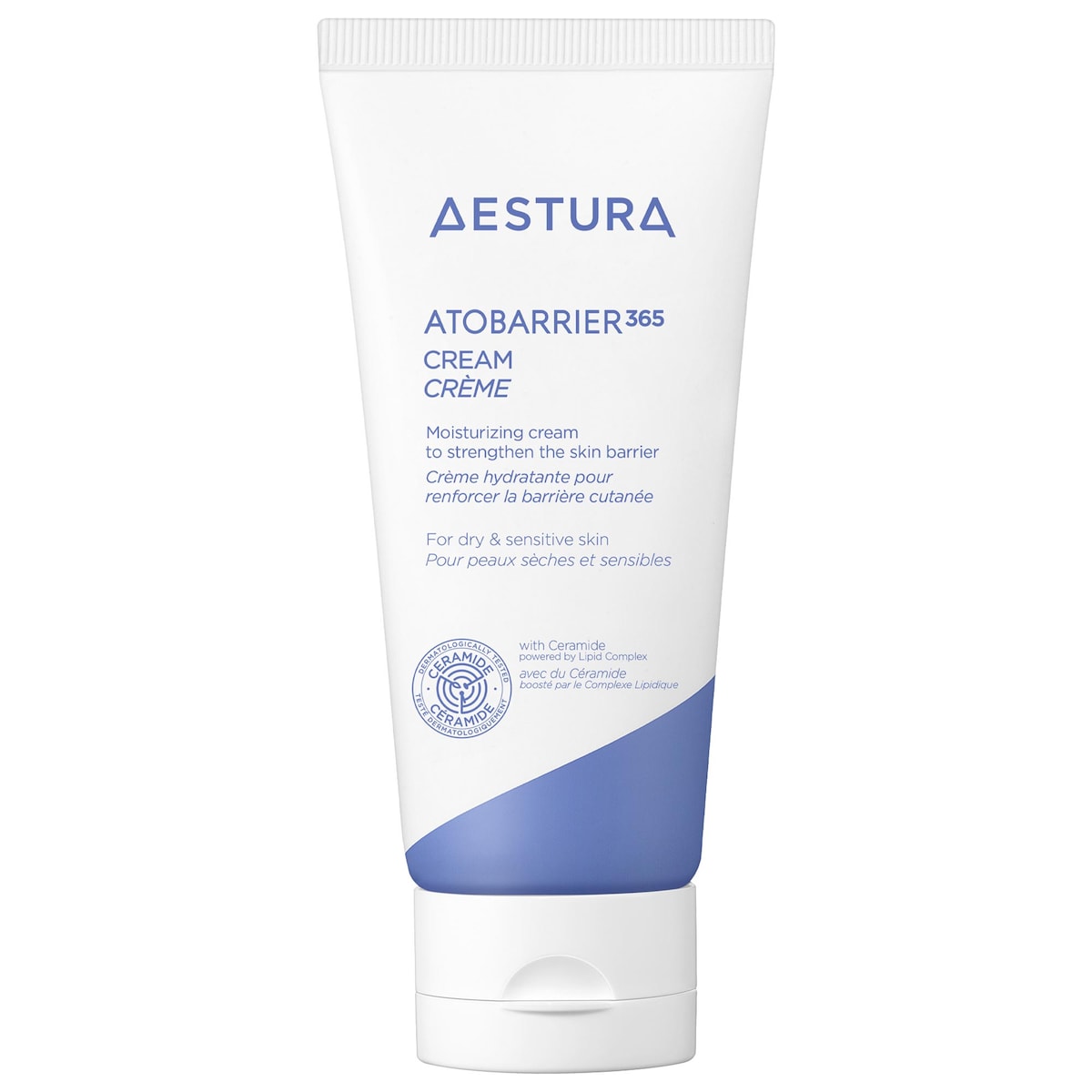
When the barrier is truly having a bad time, this is the kind of product that makes more sense than almost any glow-marketed product. Very dry or fragile skin usually does not need more glamour. It needs more stability. This is the stability lane.
Best for: very dry, sensitive, overtreated, or barrier-damaged skin.
Why it helps with glass skin: skin cannot look refined and light-reflective for long if it is constantly irritated or losing comfort.
Good to know: this is more “repair and cushion” than “lightweight daytime polish.”
18. Dr. Jart+ Vital Hydra Solution Water Cream Glow Moisturizer with Hyaluronic Acid
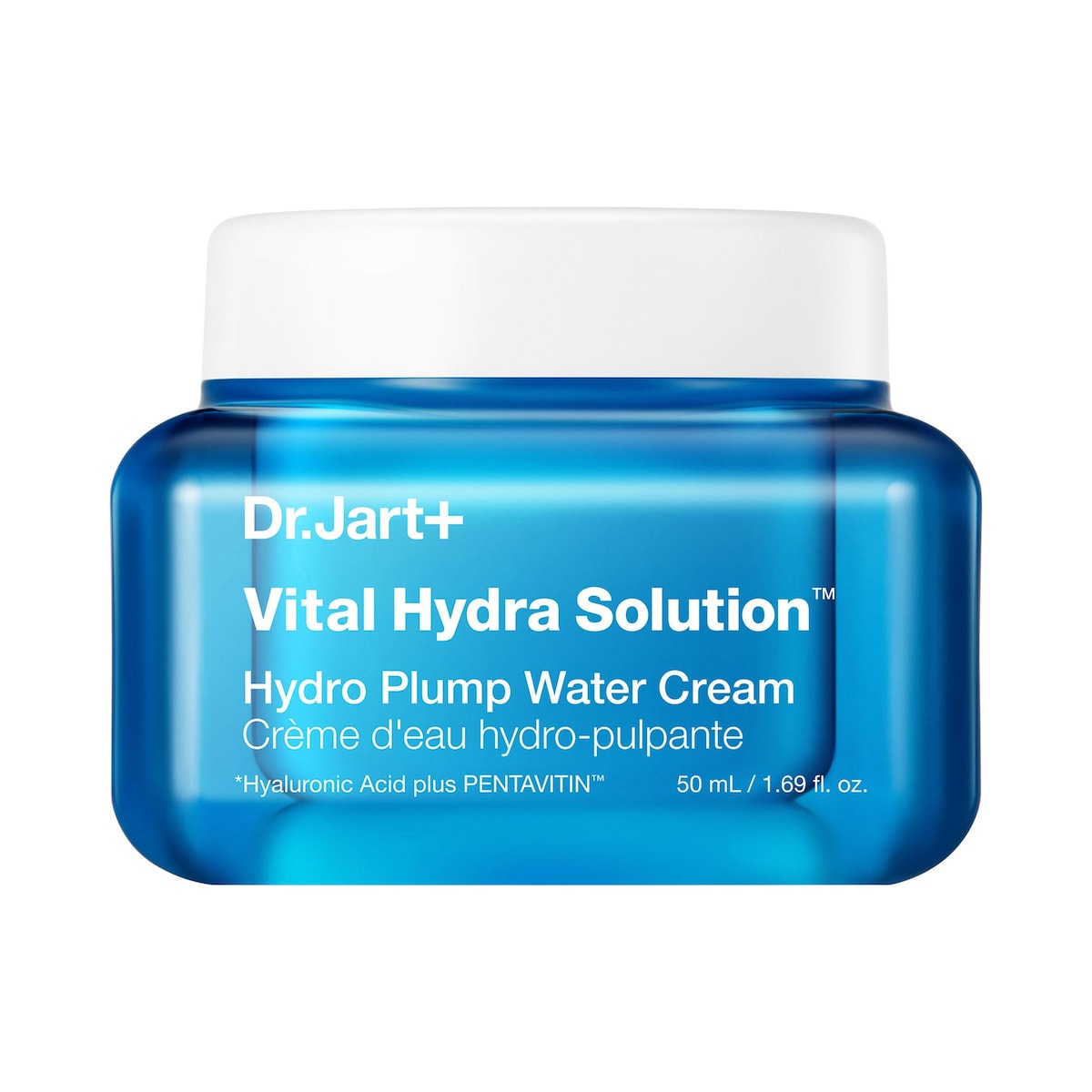
This sits in the water-cream sweet spot. It is for the person who wants their moisturizer step to still feel fresh and modern, not dense or sleepy. If your skin likes hydration but hates suffocation, this kind of texture tends to make the routine easier to keep.
Best for: normal, combination, and dehydration-prone skin that prefers lighter creams.
Why it helps with glass skin: it gives that hydrated, smoother-looking finish without turning the routine heavy.
Good to know: this is strongest when your routine goal is glow plus comfort, not major barrier rescue.
19. Charlotte Tilbury Magic Water Cream Refillable Gel Moisturizer with Niacinamide
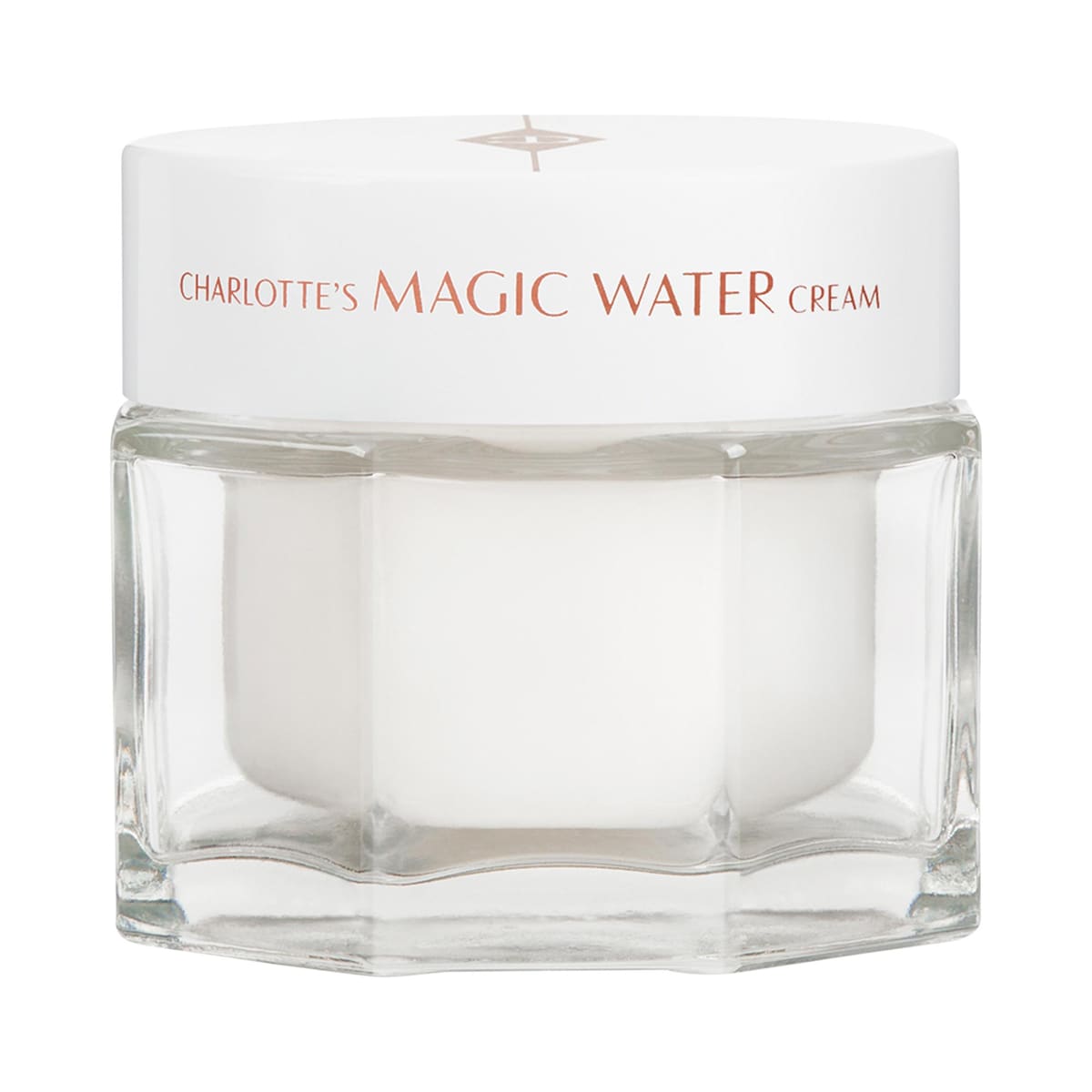
This is the polished-finish option. It is less about pure repair and more about that smoother, prettier, more perfected-looking surface that some people want from the routine. It can absolutely fit a glass-skin goal, especially if your skin is not badly irritated and you care about how everything wears under the rest of your day.
Best for: people who want a more refined cosmetic finish from their moisturizer.
Why it helps with glass skin: it supports that sleek, smoothed-out, “my skin looks a little more expensive today” effect.
Good to know: I would pick this after hydration basics are solved, not before.
20. innisfree Daily UV Defense Invisible Korean Sunscreen Lotion Broad Spectrum SPF 50+ PA++++
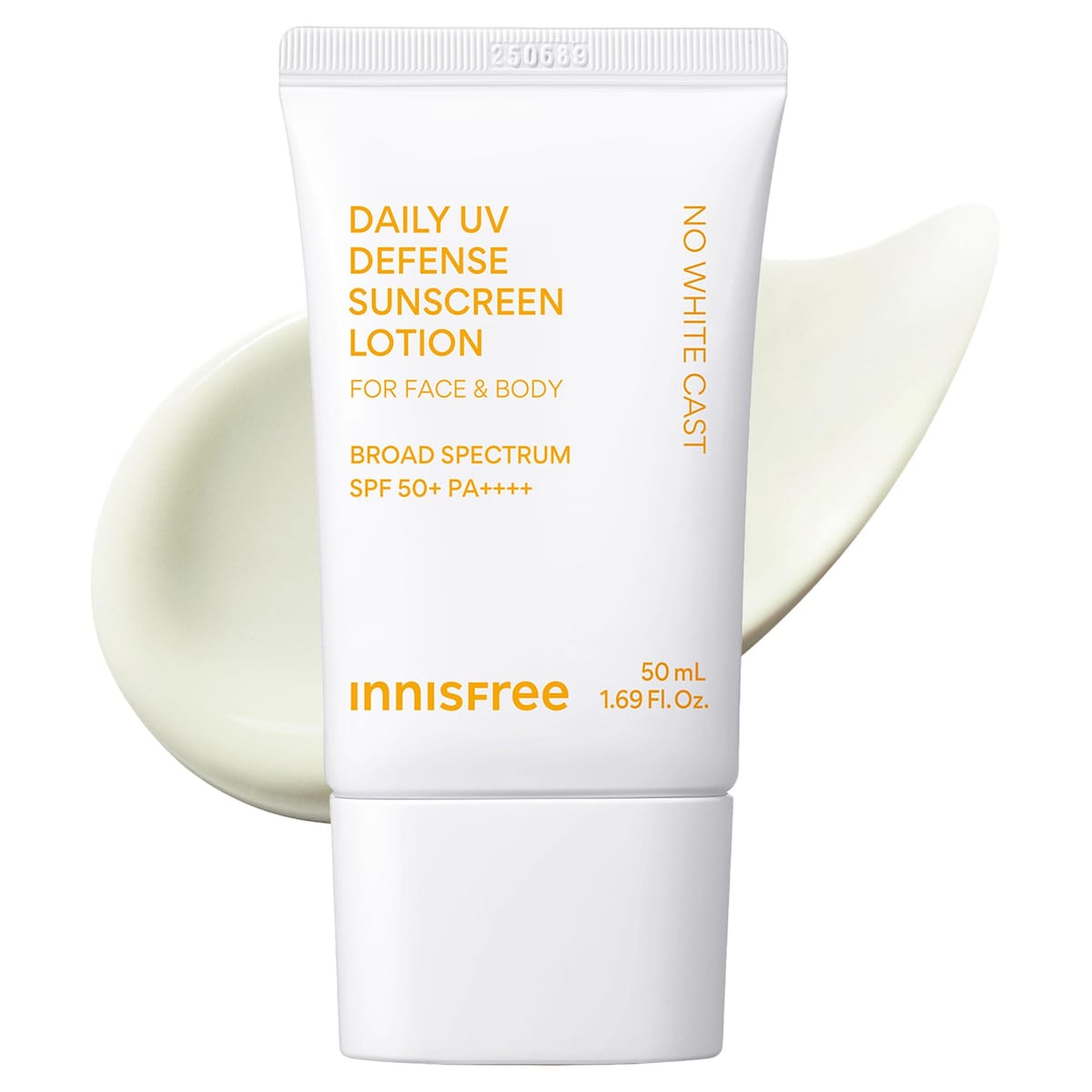
This is the least optional product in the whole list. If your skin is getting more even, more hydrated, and more consistent, sunscreen is part of why that improvement stays visible. And practically, a lightweight sunscreen like this matters because routines fail when the SPF step feels like punishment.
Best for: almost everybody, especially people who skip sunscreen when it feels too heavy or annoying.
Why it helps with glass skin: calmer tone and better long-term consistency are much easier when your skin is protected every morning.
Good to know: if you only add one new morning step to a routine that already works pretty well, this is usually the smartest one.
How to think about those products without overbuying
The easiest mistake here is treating this like a shopping challenge.
It is not.
A useful glass-skin routine usually pulls one product from most of these categories, not four.
In practice, the routine usually looks more like:
- one cleanser
- one hydration prep step
- one serum
- one moisturizer
- one sunscreen
That is already enough to get most people moving in the right direction.
If you add more than that, the extra steps should each have a clear job.
Not “I wanted more glow.”
More like:
- “my skin is dry and needs a richer prep step”
- “my skin is oily and needs a balancing serum”
- “my barrier is stressed and I need more comfort”
- “my sunscreen is the reason I keep skipping mornings”
That is a useful reason.
If I were building a glass-skin routine from those products by skin type
This is where product lists become a lot more helpful.
Dry or dehydrated skin
If your face feels tight, looks flat, or gets flaky around actives or weather changes, I would build from comfort outward.
That version could look like:
- Beauty of Joseon Green Plum Refreshing Cleanser for Gentle Daily Wash
- LANEIGE Cream Skin Refillable Milky Toner with Ceramides and Peptides
- Torriden DIVE IN 5D Hyaluronic Acid Ultra Hydrating Serum for Plump & Glow Skin
- LANEIGE Water Bank Blue Hyaluronic Cream Moisturizer for Moisture Barrier Repair or AESTURA ATOBARRIER365 Cream Moisturizer with Ceramides & Niacinamide for Skin Moisture Barrier Repair
- LANEIGE Hydro UV Defense Sunscreen Broad Spectrum SPF 50+
That routine is not trying to impress anybody. It is trying to make dry skin finally look relieved.
And relieved skin often looks much closer to glass skin than “glow” products do.
Oily or combination skin
If your skin gets shiny fast but still never quite looks healthy, I would stay lighter and cleaner instead of overcorrecting.
That version could look like:
- Beauty of Joseon Green Plum Refreshing Cleanser for Gentle Daily Wash
- Beauty of Joseon Glow Replenishing Rice Milk Lightweight Hydration Toner or belif Aqua Bomb Hydrating Toner with Hyaluronic Acid
- Beauty of Joseon Glow Serum for Oil Control with Niacinamide
- Skinfix Barrier Balancing Water Cream Moisturizer with Hyaluronic Acid
- innisfree Daily UV Defense Invisible Korean Sunscreen Lotion Broad Spectrum SPF 50+ PA++++
This is one of the most common skin types to misunderstand.
People see shine and think the solution is to remove more.
Usually the better answer is lighter hydration, better balance, and less friction.
Sensitive or barrier-stressed skin
If your skin stings, gets red easily, suddenly hates active ingredients, or seems irritated by everything, then your version of glass skin needs to start with calm.
That version could look like:
- Beauty of Joseon Green Plum Refreshing Cleanser for Gentle Daily Wash
- Dr. Jart+ Ceramidin Skin Barrier Serum Toner or LANEIGE Cream Skin Refillable Milky Toner with Ceramides and Peptides
- Torriden DIVE IN 5D Hyaluronic Acid Ultra Hydrating Serum for Plump & Glow Skin
- AESTURA ATOBARRIER365 Cream Moisturizer with Ceramides & Niacinamide for Skin Moisture Barrier Repair
- innisfree Daily UV Defense Invisible Korean Sunscreen Lotion Broad Spectrum SPF 50+ PA++++ if your skin tolerates it well
This is the skin type that benefits the least from trend-chasing and the most from stability.
If the skin calms down, the whole face often starts looking brighter and smoother without you having to force it.
Acne-prone skin
If your biggest glass-skin blocker is congestion, bumps, or lingering post-breakout mess, then the routine has to support clarity without stripping the life out of your face.
That version could look like:
- Skinfix Acne+ 2% BHA + Azelaic Acid + Niacinamide + AHA Cleanser if your skin tolerates actives well, or Beauty of Joseon Green Plum Refreshing Cleanser for Gentle Daily Wash if it does not
- Beauty of Joseon Glow Replenishing Rice Milk Lightweight Hydration Toner
- Beauty of Joseon Glow Serum for Oil Control with Niacinamide
- Skinfix Barrier Balancing Water Cream Moisturizer with Hyaluronic Acid
- innisfree Daily UV Defense Invisible Korean Sunscreen Lotion Broad Spectrum SPF 50+ PA++++
The biggest glass-skin mistake in acne-prone routines is trying to bulldoze the skin into smoothness.
That usually backfires.
You want clearer, calmer, more even skin over time, not one aggressive week followed by irritation.
Which products are the best “bang for your buck” if you do not want to buy much
If I had to keep this tight and useful, these are the products I would keep circling back to for different jobs:
- Beauty of Joseon Green Plum Refreshing Cleanser for Gentle Daily Wash as the gentle baseline cleanser
- LANEIGE Cream Skin Refillable Milky Toner with Ceramides and Peptides for dry or barrier-tired skin
- Beauty of Joseon Glow Replenishing Rice Milk Lightweight Hydration Toner for lighter hydration
- Torriden DIVE IN 5D Hyaluronic Acid Ultra Hydrating Serum for Plump & Glow Skin when dehydration is the main bottleneck
- Beauty of Joseon Glow Serum for Oil Control with Niacinamide when oiliness, pores, and uneven tone matter more
- Skinfix Barrier Balancing Water Cream Moisturizer with Hyaluronic Acid for oily or combination skin
- LANEIGE Water Bank Blue Hyaluronic Cream Moisturizer for Moisture Barrier Repair for normal to dry skin
- innisfree Daily UV Defense Invisible Korean Sunscreen Lotion Broad Spectrum SPF 50+ PA++++ as one of the easiest daily-SPF lanes
That is already a strong real-world list.
Not flashy.
Just useful.
Where Glass makes this whole process easier
This is also the part where I think a lot of skincare content quietly stops being helpful.
It tells you what glass skin is. It tells you what to buy. It tells you what a perfect routine might look like.
But it does not help much with the messy part in the middle:
_How do you actually stay consistent long enough to figure out what works on your face?_
That is where Glass fits.
Instead of treating skincare like a bunch of disconnected product decisions, Glass makes it easier to build around the products you already own, track whether you are actually following the routine morning and night, log skin scans over time, and see how things like consistency, stress, water intake, and routine changes show up on your skin. The Skin Assistant and reporting side matter here too, because the real goal is not just collecting “good products.” It is understanding whether your skin looks better because your routine is finally calmer, more consistent, and better matched to what your face actually needs.
That is a much more useful version of “achieving glass skin” than buying three new serums and hoping one of them changes your life by Friday.
One last thing before you turn this into a cart
A long product section can be helpful.
It can also accidentally make the wrong point.
So let me say this clearly:
You do not get glass skin by owning the most glass-skin products.
You get closer to it when your routine becomes:
- gentler
- more specific
- more hydrating where it needs to be
- more balanced where it needs to be
- easier to repeat
If one cleanser, one toner, one serum, one moisturizer, and one sunscreen do that for you, that is already enough.
That is not a boring version of the trend.
That is the version that actually works.