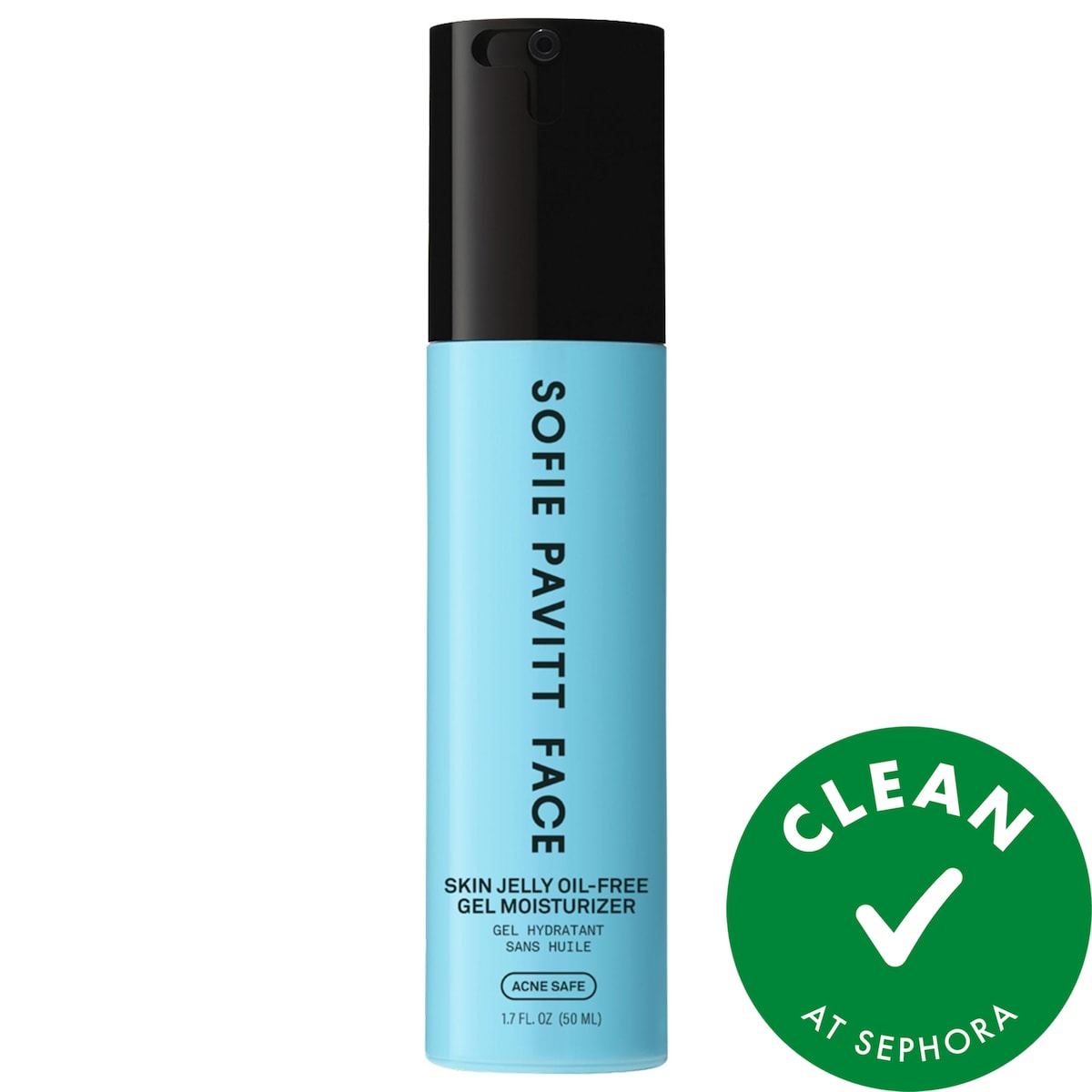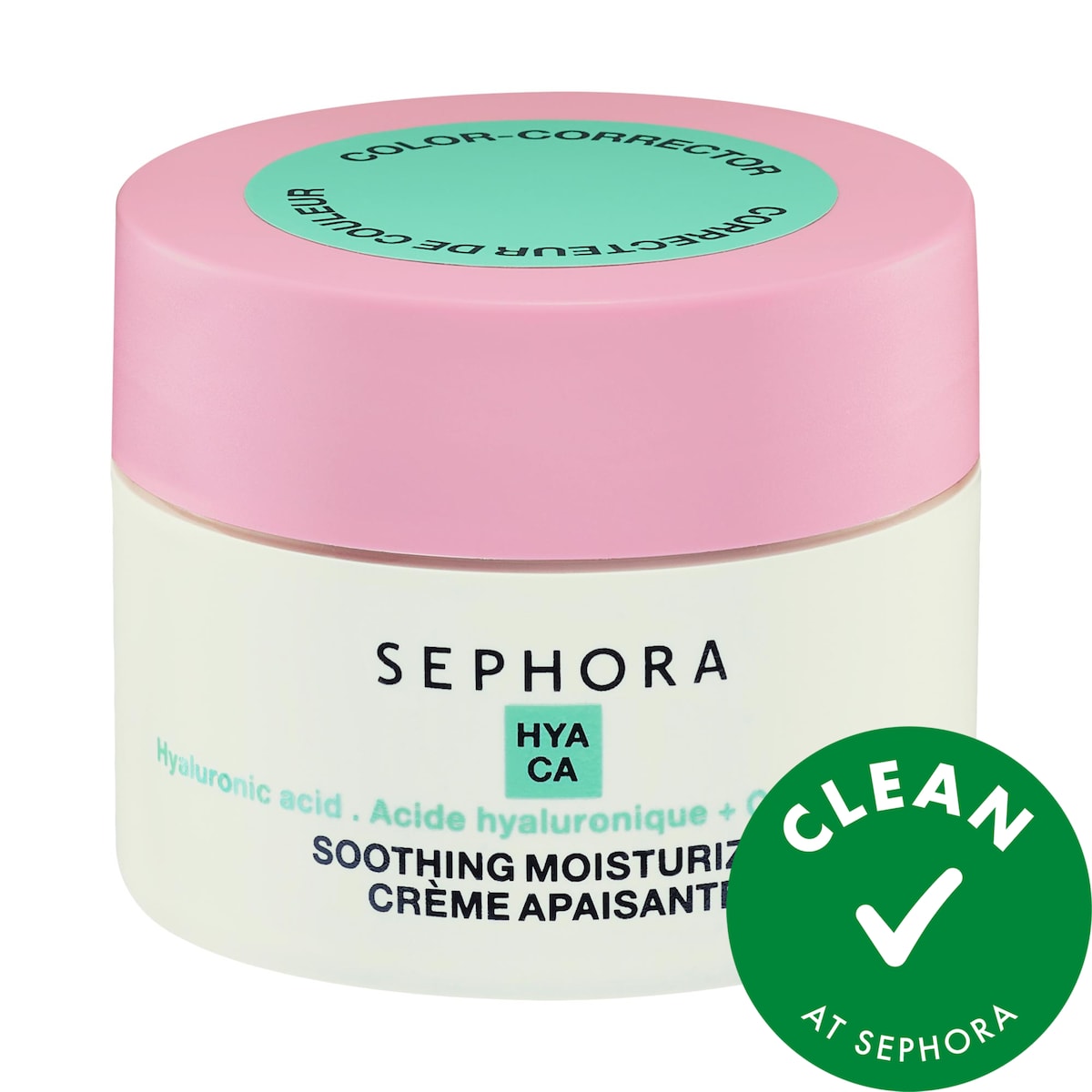
Oily skin still gets thirsty.
That took me too long to accept.
For a while, I treated moisturizer like the thing that ruined everything. My face would look fine after washing, then shiny by lunch, then congested by the end of the week. So I would skip moisturizer, use something more drying, and convince myself that tight skin meant progress.
It did not.
Tight skin is not balanced skin. It is often irritated skin with oil on top. If your face feels dry underneath but greasy on the surface, a lighter moisturizer can be the thing that makes the whole routine behave.
For May 2026, the gel moisturizer lane is crowded. Some formulas feel weightless and disappear. Some feel like a sticky film. Some are called gel creams but act more like a rich cream. The useful question is not which one is universally best. It is which texture, ingredient mix, and finish makes sense for your skin on a real morning when you need sunscreen, makeup, sweat, and life to sit on top of it.
The short answer
If you have oily, acne-prone, or combination skin, I would start with a lightweight gel moisturizer that is oil-free or non-comedogenic, has humectants like glycerin or hyaluronic acid, and does not leave a heavy occlusive layer. If you use acne treatments, I would prioritize barrier support over a matte finish that feels good for five minutes and leaves your cheeks burning by night.
The American Academy of Dermatology says acne treatments such as benzoyl peroxide, salicylic acid, topical retinoids, and isotretinoin can dry and irritate skin, and that using moisturizer daily can help skin tolerate those treatments. It also recommends looking for descriptions like oil-free, non-comedogenic, or won't clog pores when choosing moisturizer for acne-prone skin.
That is the frame I would use. Not fear of moisture. Not blind trust in every gel cream. Just a better filter.
Why oily skin can feel dry and greasy at the same time
Oil and water are not the same problem.
Your skin can produce plenty of sebum and still lack comfortable hydration. That is why some oily skin looks shiny but feels tight, flaky around the nose, or stingy when you apply actives. The surface has oil. The barrier still feels stressed.
This is where people get trapped. They see shine and assume the skin needs less. Then they remove moisturizer, add more exfoliation, and use harsher cleansers. The skin feels cleaner for a day, then rebounds into irritation, extra oil, or more visible texture.
I would rather solve for comfort first. Skin that feels calm is easier to read. If a product breaks you out, you can identify it. If every product burns because the routine is too aggressive, everything looks guilty.
What I look for in a gel moisturizer
A good gel moisturizer for oily skin should do three things.
It should hydrate without leaving a greasy coat. It should sit under sunscreen without pilling. It should keep the skin comfortable enough that you do not start chasing tightness with more products.
The ingredient list does not have to be exotic. I like seeing humectants such as glycerin, hyaluronic acid, panthenol, or polyglutamic acid. Niacinamide can be useful for some oily or pore-prone routines, though not everyone loves it. Ceramides, cholesterol, fatty acids, or barrier-supportive blends can help if acne treatments have made the skin reactive.
What I watch more carefully is the finish. A product can have beautiful ingredients and still feel wrong if it leaves a tacky layer, pills under SPF, or makes the T-zone look wet by midmorning.
The product short list I would actually compare
These are not medical recommendations. They are useful product roles to compare against your own skin, especially if you already shop around Sephora-style skincare and want a gel or gel-cream texture instead of a heavy cream.
| Image | Product | Best fit | Watch-out |
|---|---|---|---|
 | Sofie Pavitt Face Skin Jelly Oil-Free Gel Moisturizer | Oily or breakout-prone skin that wants a very light gel | May not feel rich enough if your cheeks are dry |
 | Kiehl's Ultra Facial Oil-Free Gel Cream | Combination-to-oily skin that wants a familiar oil-free gel cream | Can feel too light if your barrier is already irritated |
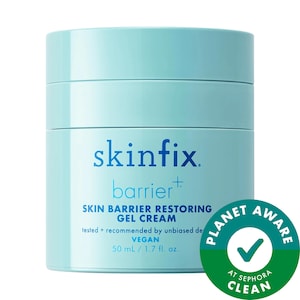 | Skinfix Barrier Restoring Gel Cream | Oily skin using actives that still needs barrier support | More treatment-like than a bare-bones hydrator |
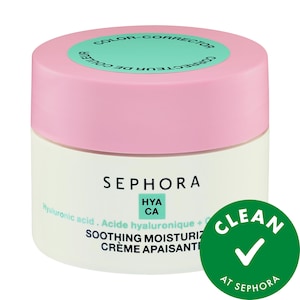 | Sephora Collection Soothing Moisturizer with Hyaluronic Acid | Budget-conscious routines that need simple hydration | May not be enough alone with strong acne actives |
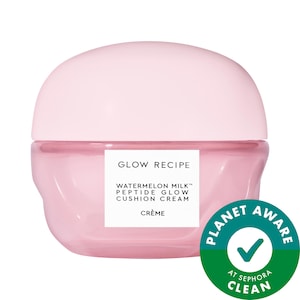 | Glow Recipe Watermelon Milk Peptide Cushion Cream | Dehydrated combination skin that likes a cushier feel | Skip if you know richer textures trigger congestion |
The point is not to buy all five. The point is to understand the lanes. A feather-light gel, an oil-free gel cream, a barrier gel cream, a simple hyaluronic moisturizer, and a cushiony cream do not solve the same problem.
My first pick for very oily skin
For very oily skin, I would start with the lightest true gel texture.
That is the lane where a product like Sofie Pavitt Face Skin Jelly makes sense. It is positioned as oil-free, and the role is clear: give the skin hydration without making it feel coated. That kind of moisturizer is especially useful if your morning routine already has sunscreen doing some of the sealing work.
I would use a thin layer. Not a scoop. Not a second layer because it vanished quickly. With oily skin, over-applying a gel can create the same sticky problem you were trying to avoid.
Then I would wait five minutes and apply sunscreen. If the sunscreen pills, the pairing is wrong or you used too much. If the skin feels tight by noon, the gel may be too light or your cleanser/acne treatment may be too stripping.
My pick for oily skin on acne treatments
If you are using benzoyl peroxide, salicylic acid, adapalene, tretinoin, or another drying acne step, I would stop choosing moisturizer by shine alone.
This is where a barrier-minded gel cream can be smarter than a perfectly matte one. Skinfix Barrier Restoring Gel Cream is the kind of product role I would consider here because it is still in the gel-cream lane but aims at barrier support instead of only lightness.
That matters because acne routines fail when the support step is too weak. You start a retinoid, your face peels, you blame the retinoid, then you quit before you know whether it could have worked. A better moisturizer does not make strong actives risk-free, but it can make consistency more realistic.
If your skin is stinging, flaking, or burning, do not add five more calming products. Simplify. Use the acne treatment less often if your prescriber or product instructions allow it. Keep the moisturizer steady. Watch the trend.
My pick for combination skin
Combination skin usually needs zoning.
Your forehead and nose may want a gel. Your cheeks may want a little more cushion. If you force one texture everywhere, one area often loses. The T-zone gets greasy or the cheeks get tight.
Kiehl's Ultra Facial Oil-Free Gel Cream sits in a practical middle lane for a lot of combination routines. It is not the richest option, but it has enough body to feel like a moisturizer instead of a watery serum. I would test it by applying less on the T-zone and a normal amount on the cheeks.
That sounds fussy, but it is often easier than buying a new product every time one area complains.
My pick if your budget is tight
If you are trying to keep the routine affordable, I would not spend the whole budget on moisturizer first.
A simple product like Sephora Collection Soothing Moisturizer with Hyaluronic Acid can make sense if the rest of the routine is already doing the heavy lifting. You need a cleanser that does not strip, a sunscreen you will actually wear, and one well-chosen treatment if acne is the issue. Moisturizer supports the routine; it does not need to become the entire personality of the shelf.
Where budget moisturizers disappoint is usually texture or persistence. Some feel nice for ten minutes and then disappear. Some sit weird under sunscreen. Some are fine in spring and too light once retinoids enter the routine.
That does not make them bad. It just means you should judge them by daily use, not by the first swipe on your hand.
When a gel cream is too light
There is a specific feeling I watch for: skin that gets shiny but still feels tight when you smile.
That usually means the routine is not comfortable enough. Maybe the gel is too light. Maybe the cleanser is too strong. Maybe the active is too frequent. Maybe the sunscreen is drying. But if your face feels both oily and fragile, chasing a drier finish is usually the wrong move.
In that case, I would either layer a hydrating serum under the gel or switch to a slightly cushier gel cream at night. Glow Recipe Watermelon Milk Peptide Cushion Cream belongs in the cushier lane. I would not choose it for someone who hates any residue, but I would consider it for dehydrated combination skin that keeps rejecting ultra-light gels.
You do not have to use the same moisturizer morning and night. Morning can be lighter because sunscreen follows. Night can be more supportive because you are not trying to keep makeup or SPF elegant.
The acne-prone rule that gets misunderstood
Non-comedogenic is useful language, but it is not a magic spell.
It means the product is formulated to be less likely to clog pores. It does not mean your skin personally cannot react. It does not mean you can apply three thick layers and blame the label if your pores feel congested. It does not mean every unlabeled product is automatically dangerous.
I use the label as a starting filter, then I watch the pattern.
New clogged bumps across the same zones after two weeks? Suspicious. Immediate burning? That is more irritation than clogging. One random pimple during your usual breakout week? Not enough evidence. A greasy forehead two hours after applying too much product? That may be application, not formula.
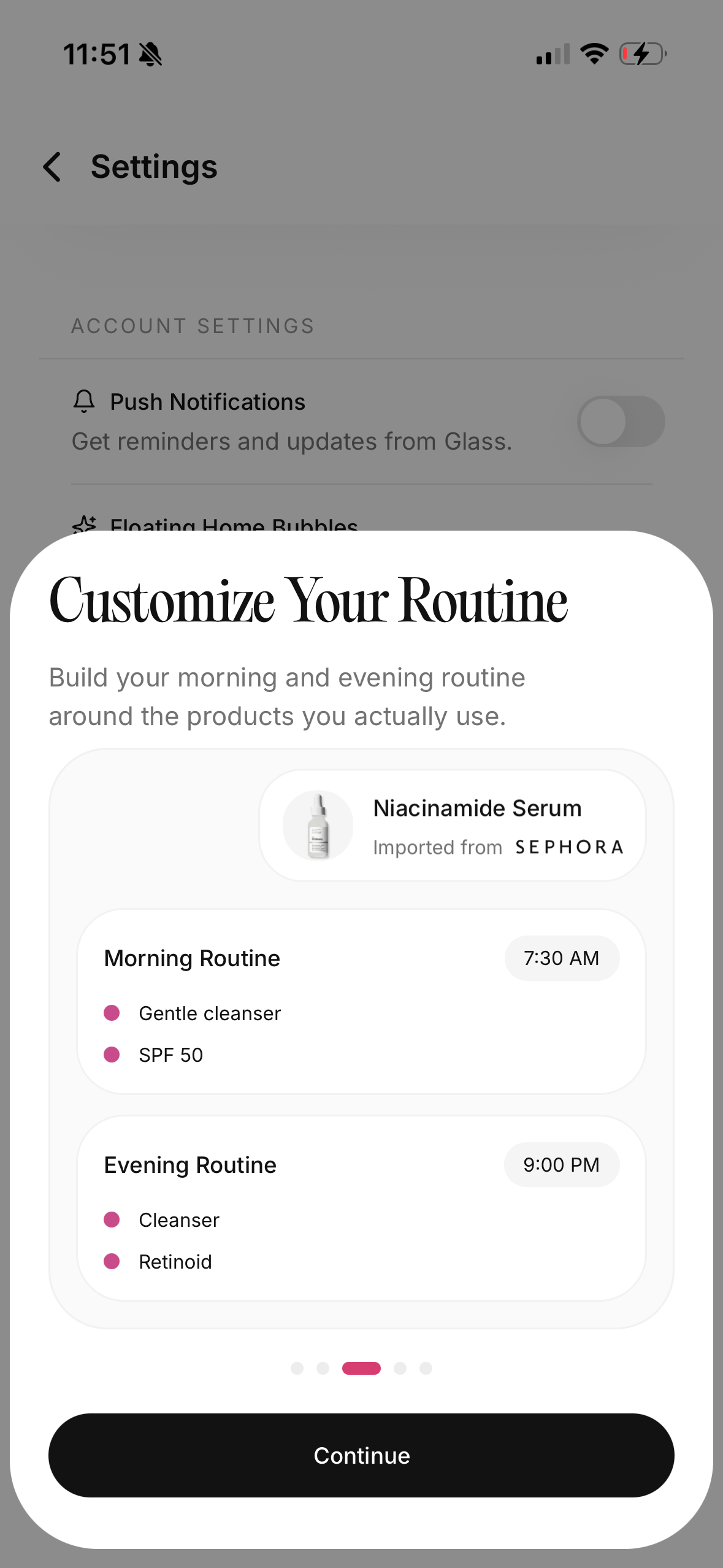
This is where tracking helps. Glass is useful because you can log the product, the amount, the timing, and the breakout pattern instead of trying to reconstruct everything from memory.
How I would test a new gel moisturizer
I would not introduce it on the same day as a new cleanser, serum, sunscreen, and exfoliant. That creates noise.
I would test like this:
- Keep the rest of the routine stable.
- Use a small amount once daily for the first few days.
- Apply it to slightly damp skin after cleansing.
- Wait before sunscreen so you can see whether it pills.
- Track tightness, shine, stinging, and new clogged bumps.
- Give it enough time unless the skin clearly reacts badly.
Mayo Clinic recommends nonoily, water-based facial products for acne-prone routines and notes that if acne does not improve after two to three months of consistent care, it may be time to see a clinician. That timeline matters. A moisturizer can make the routine more tolerable, but it is not supposed to clear severe acne by itself.
What I would avoid
I would avoid judging the product only by how matte it looks in the first ten minutes. Some matte moisturizers feel elegant at first and then leave the skin tight, dusty, or weird under sunscreen.
I would avoid heavy fragrance if my skin is already irritated. I would avoid rich oils on the T-zone if I know they make me congested. I would avoid using a new moisturizer as an excuse to keep an overly harsh cleanser.
Most of all, I would avoid panic-switching.
If every small bump sends you into a new routine, you never get clean information. Oily skin needs consistency more than punishment. A boring two-week test teaches you more than six dramatic overnight changes.
Morning vs night
Morning moisturizer has to cooperate with sunscreen. That is the job.
For oily skin, I like a thin gel layer in the morning, then a sunscreen that does not turn the whole face slick. If the sunscreen is moisturizing enough, you may need less moisturizer than you think.
Night moisturizer has a different job. It has to help the skin recover from cleansing, weather, sweat, acne treatments, and whatever else happened that day. If your morning gel feels too light at night, do not force it. Use a slightly more supportive gel cream at night and keep the morning routine lighter.
This is not overcomplication. It is matching texture to context.
A simple routine for oily skin
Morning:
- gentle cleanser or water rinse
- thin gel moisturizer
- sunscreen
Night:
- cleanser
- acne treatment if you use one
- gel cream or barrier-supportive moisturizer
Weekly:
- review photos in similar lighting
- note shine, tightness, clogged bumps, and irritation
- change one thing at a time
That is enough structure for most people to learn something.
When moisturizer is not the real issue
Sometimes the moisturizer is innocent.
If your cleanser leaves your face squeaky, fix that. If your sunscreen breaks you out, test that. If hair products sit along your forehead and temples, look there. If you are using a strong active every night and your cheeks are peeling, the moisturizer may not be the villain. It may be underpowered for the rest of the routine.
Acne-prone skin gets blamed on single products because single products are easy to swap. The pattern is usually bigger.
When to get help
See a dermatologist or clinician if you have deep painful acne, scarring, sudden severe breakouts, acne that does not improve after consistent care, or irritation that keeps returning no matter how gentle your routine is.
Also get help if you suspect rosacea, perioral dermatitis, folliculitis, allergic contact dermatitis, or another acne lookalike. A gel moisturizer will not fix the wrong diagnosis.
The bottom line
For oily skin in May 2026, I would not skip moisturizer. I would choose a lighter one with discipline.
Start with a gel if you are very oily. Choose a barrier gel cream if acne treatments are making you dry or irritated. Use less in the T-zone and more on the cheeks if your skin is combination. Do not buy five moisturizers because one bad product scared you. Test one, track it, and judge the pattern.
Clearer, calmer skin usually comes from boring consistency. The right gel moisturizer should make that consistency easier.
Useful references: American Academy of Dermatology on moisturizer and acne, American Academy of Dermatology acne-prone skin resources, and Mayo Clinic on nonprescription acne treatment.