
If you search glass skin regimen right now, the pages showing up near the top usually fall into one of two buckets.
The first bucket is the aspirational K-beauty guide that stacks step after step until the routine starts sounding more like a project than something you could actually keep doing on a Tuesday night. The second bucket is the dermatologist-backed explainer that gives you solid principles but not enough help with the most practical question:
_What should my actual regimen look like if I want smoother, clearer, more reflective skin without overloading my face or my bathroom counter?_
To shape this guide, I reviewed published guides on April 18, 2026, including Dew Beauty’s glass skin regimen guide, Trillium Clinic’s how to achieve glass skin, L’Oréal Paris’ how to get glass skin, InStyle’s 10-step derm-approved routine, and Woman & Home’s five-step glass skin routine. I also cross-checked current dermatologist guidance from the American Academy of Dermatology on face washing, safe exfoliation, and how to select sunscreen.
Those pages broadly agree on the foundations:
- glass skin is mostly about hydration, smooth texture, and routine consistency
- a stripped barrier makes the goal harder, not easier
- over-exfoliation is one of the fastest ways to sabotage your glow
- sunscreen matters more than any trendy last-step glow product
They still leave a few important pain points unresolved:
- They often explain the concept better than the regimen.
- They still quietly reward longer routines when most people need a better-filtered one.
- They do not spend enough time on how to adjust the regimen when your skin is oily, dehydrated, sensitive, or already a little overworked.
- They rarely say what to cut first when the routine starts feeling sticky, irritating, or impossible to repeat.
- They do not connect the glow goal to actual shopping choices clearly enough.
This guide is meant to be better than those pages by doing three things at once:
- keeping the regimen to the smallest version that still works
- pairing each step with Sephora-accessible products and images
- solving the routine-friction problems that make most people quit
Quick answer
If you want the shortest version first, the best default glass skin regimen for most people is:
- Cleanse gently.
- Add one hydrating prep layer.
- Use one hydrating serum.
- Add one balancing serum only if your skin actually needs it.
- Seal everything in with moisturizer.
- Wear sunscreen every morning.
That is the core regimen.
You do not need a 10-step routine, a drawer full of actives, or a sheet mask every other night to get closer to glass skin. In most cases, the people who struggle to get there are not underdoing it. They are either:
- cleansing too aggressively
- exfoliating too often
- skipping hydration because they are worried about oil
- skipping moisturizer because they are worried about breakouts
- wearing sunscreen inconsistently
- trying to fix texture, tone, dehydration, and sensitivity all at the same time
If your skin already stings, looks shiny and flaky at once, or pills under everything, stop chasing glow first and read skin barrier repair routine: what to do when everything suddenly stings. A calmer barrier is usually the thing that makes the rest of the regimen finally work.
What this guide focuses on
A lot of published advice still leaves readers with too much theory and not enough sequencing.
Dew Beauty’s piece is comprehensive, but it leans hard into a classic Korean multi-step mindset that will be too much for a lot of readers. Trillium Clinic does a better job on ingredient logic and dermatologist framing, but it still assumes a fairly motivated skincare user. L’Oréal Paris mixes lifestyle, skincare, and makeup well, but it makes the regimen feel a little broader than it needs to be. InStyle gives people the familiar 10-step path, which is helpful for context and not great for sustainability. Woman & Home trims the routine down, but it leaves out some of the product-fit nuance that matters once you are actually trying to buy and layer things.
The practical problem across all five is regimen friction.
That is what usually breaks a glass skin routine in real life:
- the cleanser leaves your face tight, so every later step feels like damage control
- the toner-serum-moisturizer stack gets sticky or heavy
- you use too many actives before solving dehydration
- sunscreen is the first thing you want to skip because everything underneath already feels like a lot
- your routine looks glowy for 20 minutes and then turns greasy, uneven, or pilled
This article stays tighter on purpose. The goal is not to build the most impressive regimen. The goal is to build one you can actually keep repeating long enough to see your skin look calmer, smoother, and more reflective.
The best Sephora products for a realistic glass skin regimen
These are the products that make the regimen easier to repeat, not the ones that only look good in a flat lay.
| Image | Step | Product | Best for | Why it made the regimen |
|---|---|---|---|---|
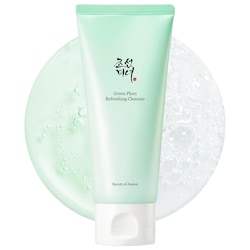 | Cleanser | Beauty of Joseon Green Plum Refreshing Cleanser for Gentle Daily Wash | Skin that feels tight after washing | Gives you a calmer starting point without that stripped feeling |
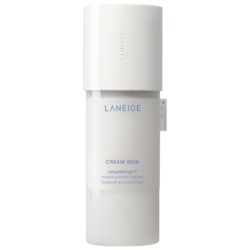 | Hydrating prep | LANEIGE Cream Skin Refillable Milky Toner with Ceramides and Peptides | Dry, dull, dehydrated skin | The easiest way to make the regimen feel bouncier fast |
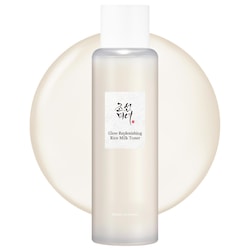 | Lighter prep option | Beauty of Joseon Glow Replenishing Rice Milk Lightweight Hydration Toner | Combination or oilier skin | Better when creamy layers feel like too much |
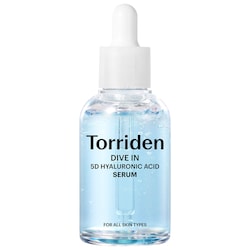 | Hydrating serum | Torriden DIVE IN 5D Hyaluronic Acid Ultra Hydrating Serum for Plump & Glow Skin | Bounce, plumpness, smoother-looking texture | Keeps the regimen hydration-first instead of correction-first |
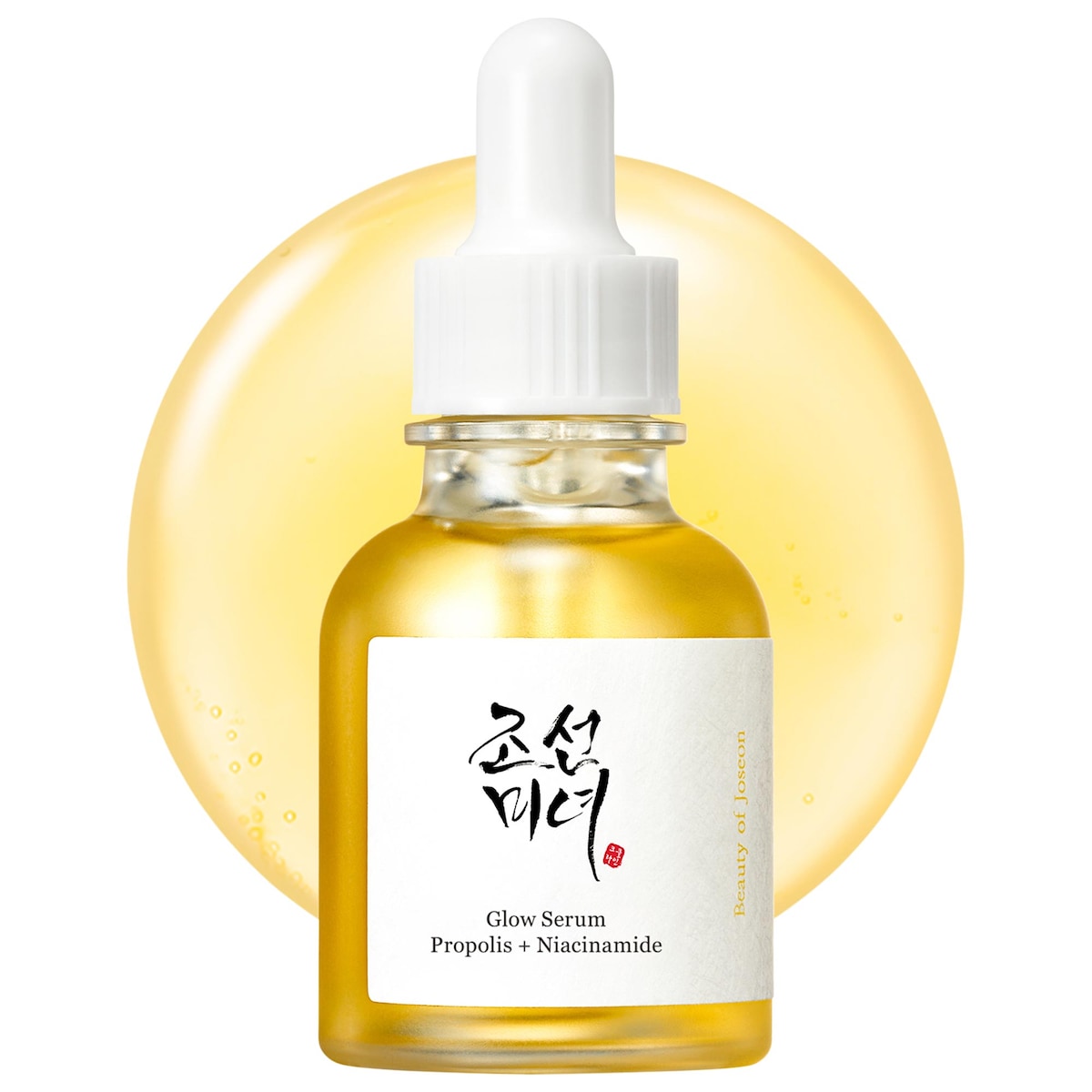
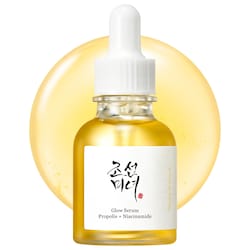 | Balancing serum | Beauty of Joseon Glow Serum for Oil Control with Niacinamide | Oily zones, uneven tone, post-breakout dullness | The smartest optional second serum if your skin is out of balance |
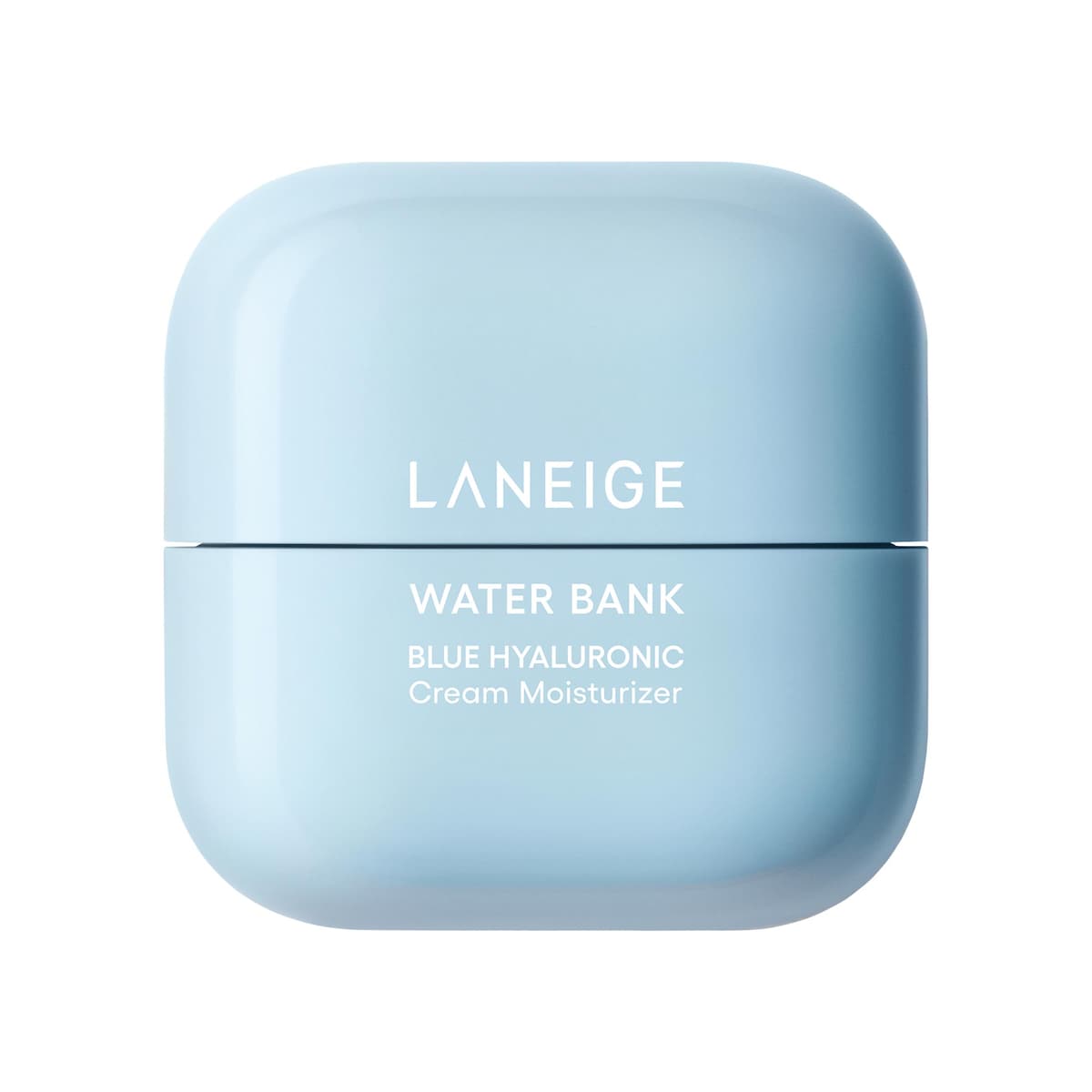
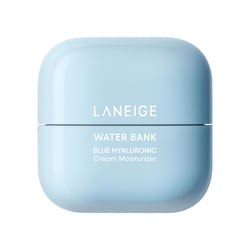 | Moisturizer | LANEIGE Water Bank Blue Hyaluronic Cream Moisturizer for Moisture Barrier Repair | Normal to dry skin | Gives a smoother finish without the dense feel of a heavy cream |
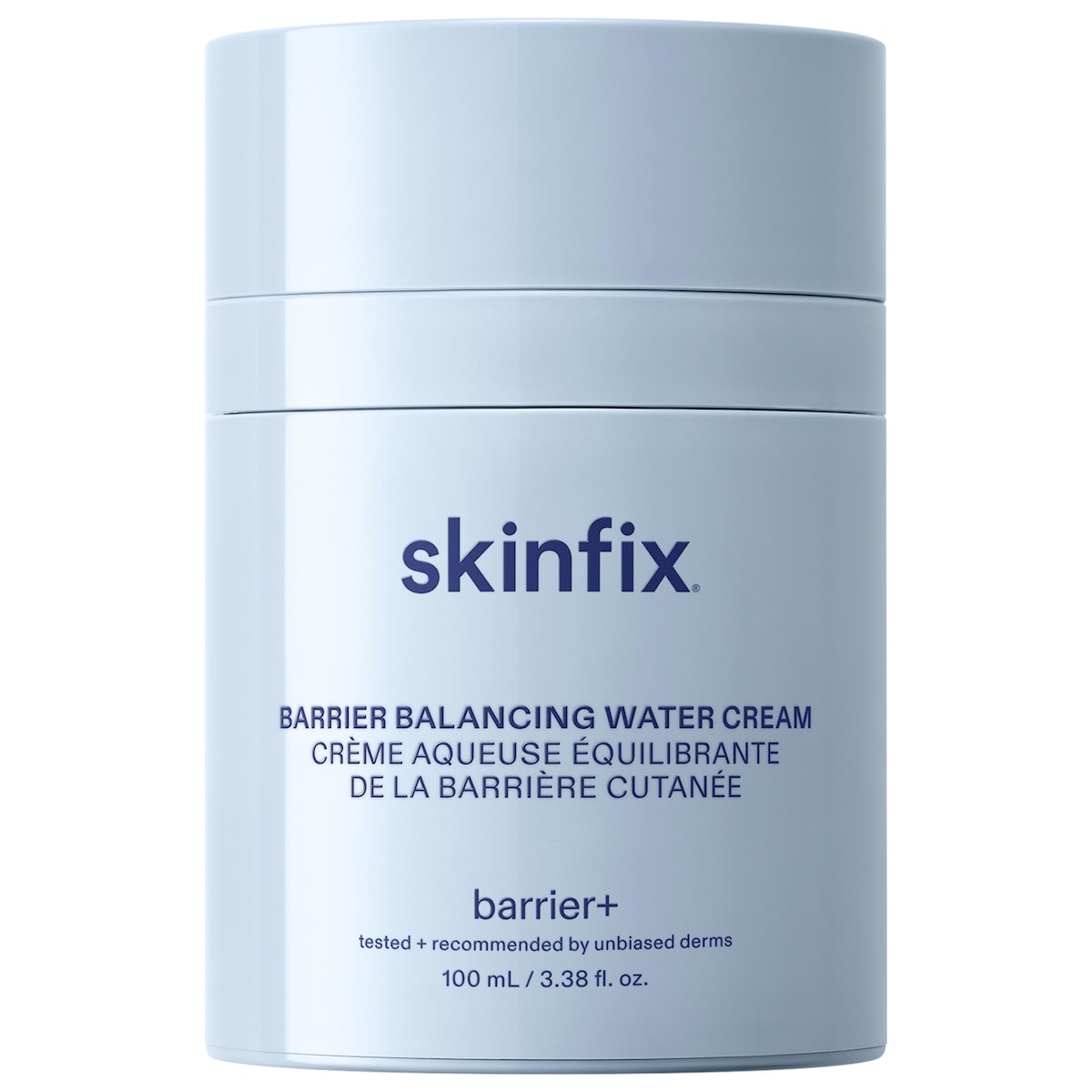
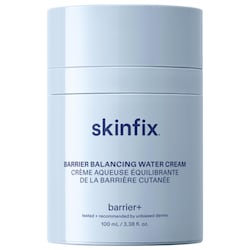 | Lighter moisturizer | Skinfix Barrier Balancing Water Cream Moisturizer with Hyaluronic Acid | Combination or oily skin | Better when richer glow creams tip into grease |
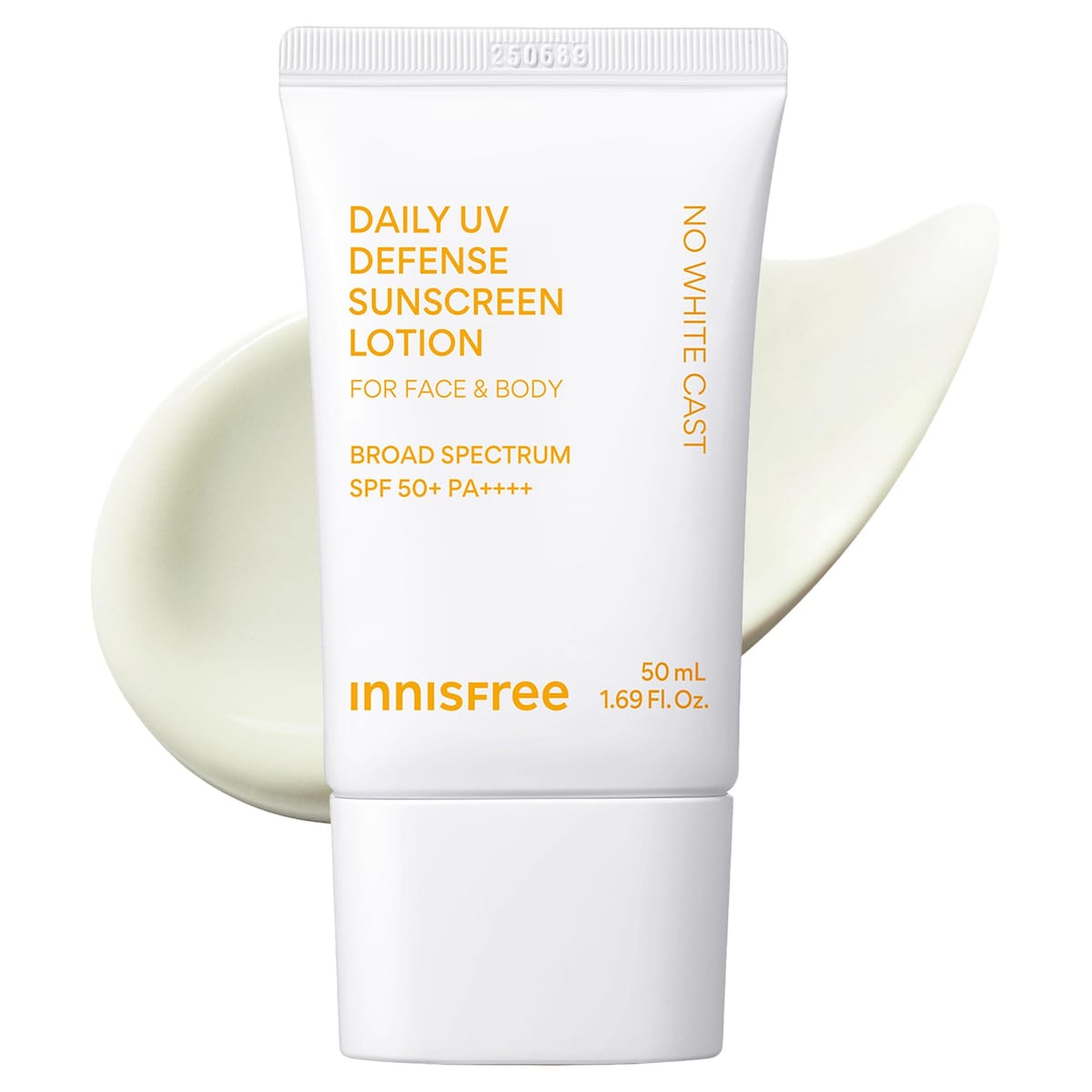
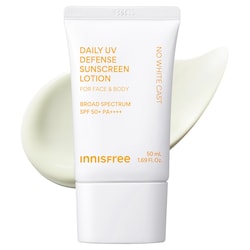 | Sunscreen | innisfree Daily UV Defense Invisible Korean Sunscreen Lotion Broad Spectrum SPF 50+ PA++++ | Everyday SPF consistency | Light enough to keep the last step repeatable |
The 6-step glass skin regimen that actually fits real life
This is the version most people should start with before they start adding extra exfoliants, masks, peels, or treatment layers.
1. Start with a cleanser that does not make the rest of the regimen work harder
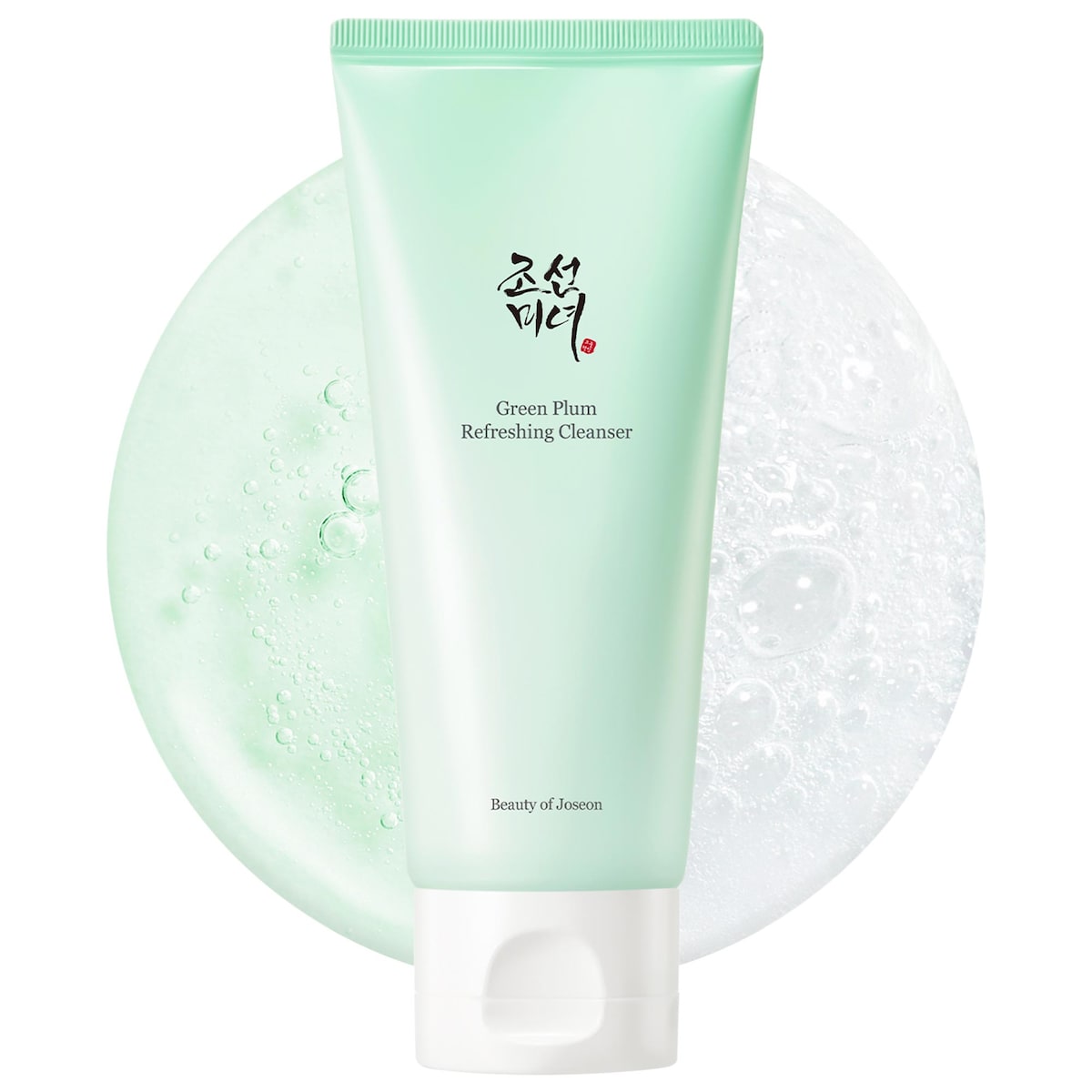
The AAD’s current face-washing guidance is still simple because the basics still matter: use a gentle cleanser, wash with lukewarm water, do not scrub, and limit washing to twice a day plus after heavy sweating.
That matters here because one of the fastest ways to ruin a glass skin regimen is starting with a cleanser that leaves your skin feeling squeaky, tight, or shiny in that stripped way.
That is why Beauty of Joseon Green Plum Refreshing Cleanser earns the first spot. It helps you build the regimen from a calmer baseline instead of asking every later product to clean up after your cleanser.
Choose a cleanser in this lane if:
- your face feels tight after washing
- your skin looks dull even though you already own serums
- your routine feels more irritating than helpful
- you want glow that looks healthier, not oilier
If you wear heavier makeup or long-wear sunscreen, double cleansing at night can help. If you do not, you do not need to force it just because some glass-skin guides treat it like a law.
2. Add one hydrating prep step so your serum is not trying to rescue everything
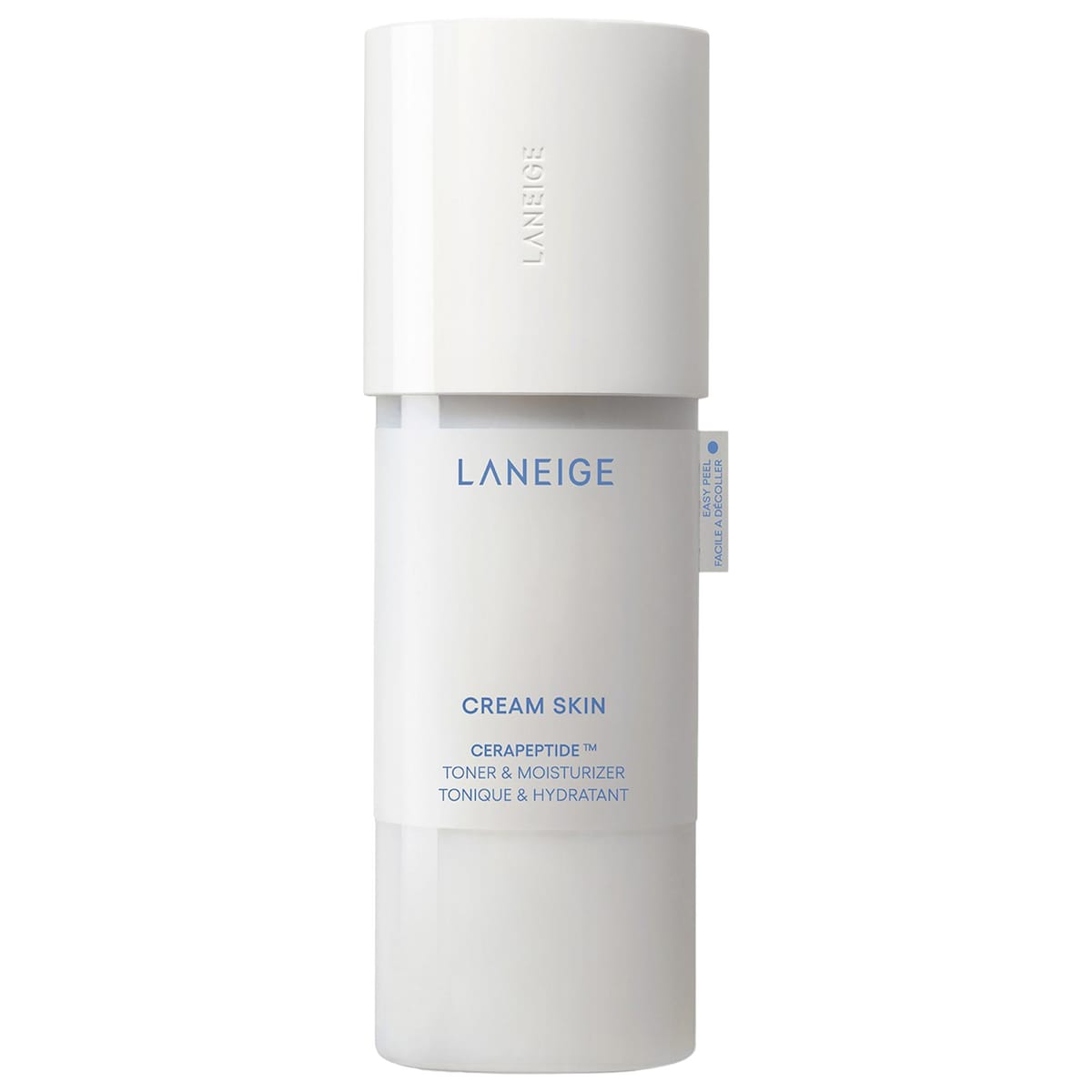
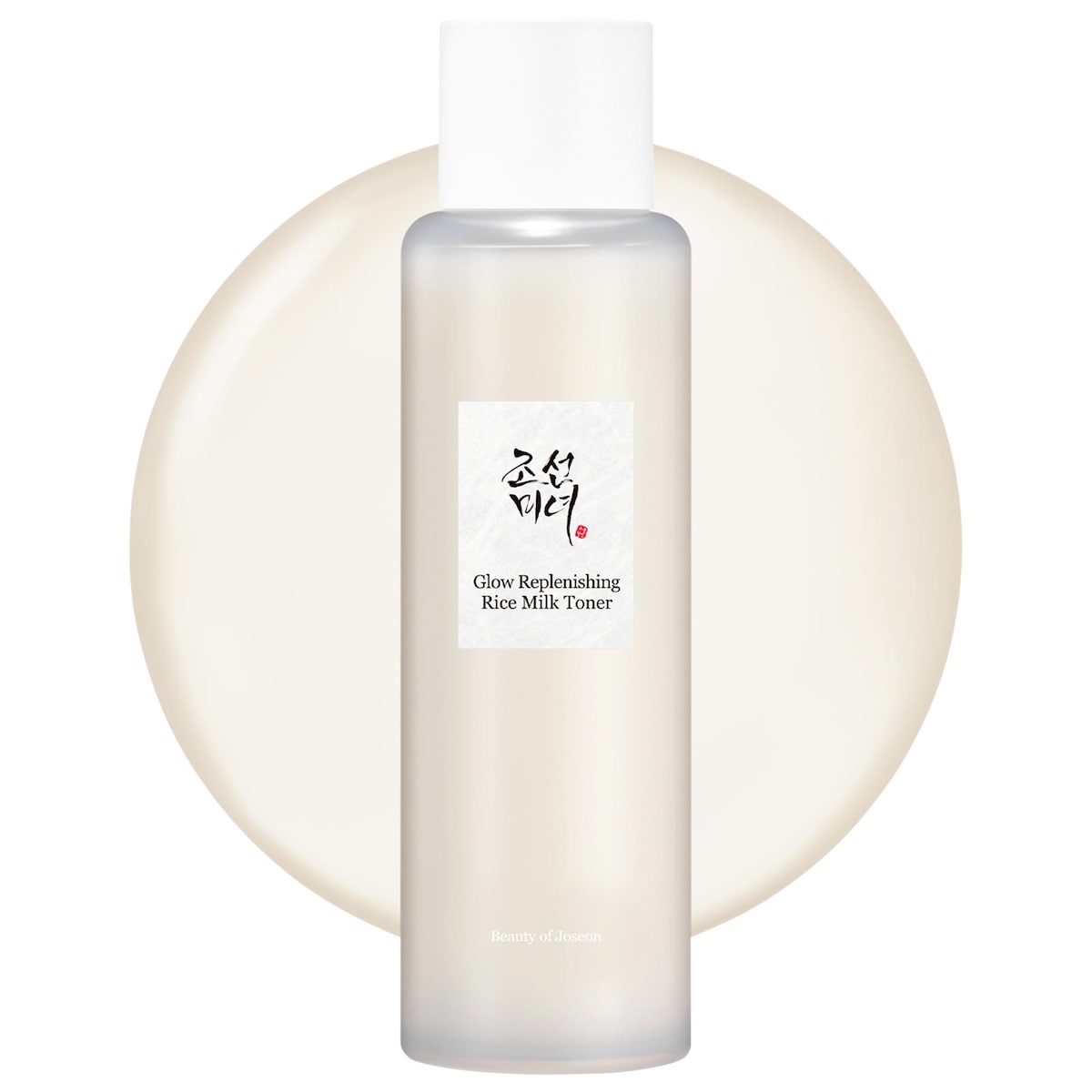
This is the step most guides mention without fully explaining.
A hydrating toner or essence is useful because it spreads hydration across the regimen instead of forcing one serum and one moisturizer to do all the work. That often makes skin look less flat, less papery, and more evenly reflective.
If your skin runs dry, dull, or tight, LANEIGE Cream Skin is the better fit. If your skin is combination or oilier, Beauty of Joseon Glow Replenishing Rice Milk is usually the smarter lane because it gives you hydration without the heavier finish.
Use this step if:
- your skin feels dry right after cleansing
- your glow disappears halfway through the day
- your face looks tired even when it is not actively irritated
- sunscreen or makeup catches on rough texture
If you want to shop this step more deeply, best Korean toners at Sephora for glass skin (2026) is the stronger comparison page.
3. Use one hydrating serum before you collect multiple corrective serums
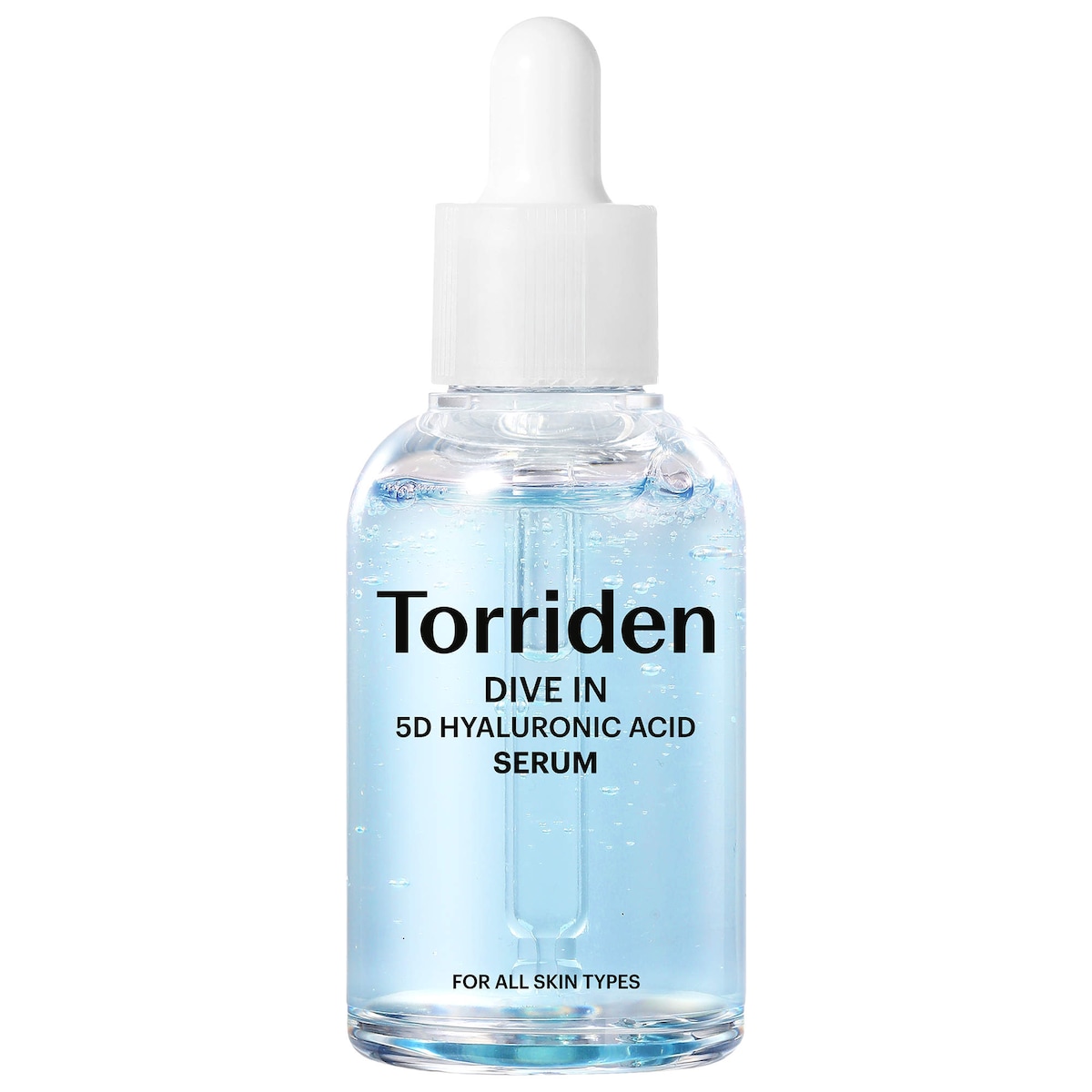
This is where the regimen starts making visual sense.
Many people chasing glass skin think they need more actives first. In reality, a lot of them need skin that is better hydrated, less rough, and less slightly irritated all the time.
That is why Torriden DIVE IN 5D Hyaluronic Acid Ultra Hydrating Serum is here. It stays focused on the hydration job.
Use this step when:
- your skin looks dull from dehydration
- fine texture is more visible by the end of the day
- your face needs more cushion, not more intensity
- you keep buying brightening or resurfacing products before solving the basics
This is also the point where a good regimen beats a longer regimen. One well-fitting hydrating serum usually does more for the glass-skin goal than stacking three interesting treatment serums that all compete with each other.
If you are deciding between hydration and niacinamide, niacinamide vs hyaluronic acid for glass skin is the better next read. If you want more product options in this exact lane, go to best hydrating serums at Sephora for glass skin.
4. Add a balancing serum only if your skin has a real balance problem
This is where a lot of glass-skin routines get noisy.
You do not automatically need a second serum. Add one only if your skin actually has one of these issues:
- oily T-zone plus dehydrated cheeks
- uneven tone after breakouts
- congestion that gets worse with richer “glow” products
- skin that looks dull because it is out of balance, not because it is dry
That is where Beauty of Joseon Glow Serum for Oil Control with Niacinamide earns its place. It helps when your regimen needs balance and tone support, not just more water.
Skip this step if:
- your barrier already feels reactive
- your skin stings easily right now
- you already use other strong active treatments
- you are still figuring out whether dehydration is the main problem
One of the biggest mistakes in published guidance is acting like a more advanced regimen is automatically a better regimen. It usually is not.
5. Seal the regimen with the moisturizer that matches your finish goal
Moisturizer is where people often confuse glow with grease.
The right moisturizer helps skin look smoother, more comfortable, and softly reflective. The wrong moisturizer either disappears too fast or sits on the skin like a heavy film.
If your skin is normal to dry, LANEIGE Water Bank Blue Hyaluronic Cream is the safer middle lane. If your skin is combination or oily, Skinfix Barrier Balancing Water Cream often makes more sense because it gives you a lighter finish without making the regimen feel unfinished.
Choose based on feel:
- if your skin feels tight and thirsty, go slightly richer
- if it gets greasy quickly, go lighter but do not skip moisturizer
- if makeup or SPF pills, you may be over-layering underneath
That last point matters because many people blame sunscreen when the real issue is a regimen that already got too thick before the last step.
If this is the hardest step for you to get right, best moisturizers at Sephora for glass skin (2026) goes deeper.
6. Finish with sunscreen every morning or the regimen starts losing ground
The AAD is still explicit about the sunscreen baseline: look for broad-spectrum protection, SPF 30 or higher, and water resistance.
That is not just generic skincare advice. It is directly tied to the glass-skin goal. Without consistent sunscreen, it gets harder to preserve even tone, calmness, and the smoother-looking texture that makes skin reflect light more evenly.
innisfree Daily UV Defense SPF 50+ makes sense here because it is easy to keep wearing. That matters more than a theoretically perfect sunscreen you hate by day four.
If sunscreen is the part of your regimen that keeps falling apart, the issue is usually one of these:
- Too many layers underneath.
- Too much moisturizer for your skin type.
- Not enough time between steps.
- A sunscreen texture that does not match the finish you want.
If that sounds familiar, best sunscreens at Sephora for daily wear and best invisible sunscreens at Sephora are the better follow-ups.
Morning vs. night: how the regimen should actually change
One reason “glass skin” routines get bloated is that people keep every interesting step in both halves of the day.
You do not need that.
| Time | What to do | What to keep lighter |
|---|---|---|
| Morning | Cleanse if needed, hydrating prep, hydrating serum, moisturizer, sunscreen | Keep the stack thin so SPF sits better |
| Night | Cleanse, hydrating prep, hydrating serum, optional balancing serum, moisturizer | This is the better place for the optional serum if your skin gets overwhelmed easily |
If your skin is drier, you can use a slightly richer finish at night. If it is oilier, you may still want the same regimen structure with less product per step.
That is the real answer to how to achieve glass skin without turning the routine into work: use the same bones morning and night, then only shift the density and optional treatment layer.
How to adjust this regimen by skin type
Dry or dehydrated skin
- Use the gentlest cleanser you can tolerate.
- Favor LANEIGE Cream Skin over the lighter toner lane.
- Do not skip moisturizer in the morning.
- Keep exfoliation lighter and less frequent.
- Prioritize hydration before brightening.
If that sounds like you, glass skin routine for dry skin is the better branch.
Oily or combination skin
- Use lighter hydration, not zero hydration.
- Keep layers thin so the regimen still feels clean.
- Add the balancing serum before you add richer creams.
- Do not confuse a stripped finish with a healthy finish.
For that version, glass skin routine for oily skin (April 2026) is the more specific guide.
Sensitive or barrier-stressed skin
- Keep the regimen very small.
- Avoid adding multiple active steps at once.
- Skip extra exfoliation and masks until the skin feels steady again.
- Stick to cleanser, hydration, moisturizer, and sunscreen first.
If your skin is currently more reactive than dull, glass skin routine for sensitive skin (April 2026) is the better next read.
The biggest mistakes that keep a glass skin regimen from working
After looking at published guides and the routines people usually end up with, these are the mistakes that come up most often:
- Buying brightening products before fixing dehydration.
- Over-exfoliating in the name of smoothness.
- Skipping moisturizer because the skin is oily.
- Using more steps instead of better-fitting steps.
- Blaming sunscreen when the layers underneath are the real problem.
- Switching products too quickly to know what is actually helping.
- Confusing temporary shine with healthy-looking glow.
The biggest mindset shift is this:
A better glass skin regimen is usually a calmer regimen, not a more aggressive one.
That is also why “glassy skin” and healthy skin are not exactly the same thing, but they overlap much more than the internet sometimes makes it seem. The more even, hydrated, and supported your skin looks, the less you need to chase the finish itself.
FAQ
How long does a glass skin regimen take to work?
Most people notice the first visible changes when the routine feels more comfortable within a couple of weeks, then see a clearer texture and hydration difference after several consistent weeks. The exact timeline depends on your starting point. If your barrier is irritated or you are over-exfoliating, the first win is often just getting your skin calmer again.
Do I need a 10-step Korean routine for glass skin?
No. The live search results still overrepresent longer routines. A six-step regimen is enough for most people, and many people do better with even fewer steps at first.
Can oily skin follow a glass skin regimen?
Yes. Oily skin can still be dehydrated, irritated, and uneven. The fix is usually lighter hydration and better balance, not skipping moisture entirely.
How often should I exfoliate in a glass skin regimen?
It depends on your skin type and what else you already use. The AAD’s current advice is to exfoliate carefully and avoid overdoing it, especially if you already use products like retinoids or benzoyl peroxide. If your skin looks red, tight, or reactive, you are probably doing too much.
What is the difference between glass skin and just looking greasy?
Healthy-looking glass skin tends to look smooth, hydrated, and even. Greasiness usually looks slicker on the surface without the same even texture underneath. If your face looks shiny but also feels tight, your regimen may be stripping and dehydrating you at the same time.
Final take
If you only remember one thing from this page, remember this:
The best glass skin regimen is not the longest one. It is the one that helps your skin look calmer, smoother, and more hydrated week after week without making the routine so crowded that you stop wanting to do it.
Start with the smallest working version:
- gentle cleanser
- one hydrating prep layer
- one hydrating serum
- moisturizer
- sunscreen
Then add the balancing serum only if your skin actually needs it.
If you want to branch out from here, the best next reads are glass skin care routine (April 2026), how to get glass skin naturally (April 2026), and best products for glass skin (April 2026).