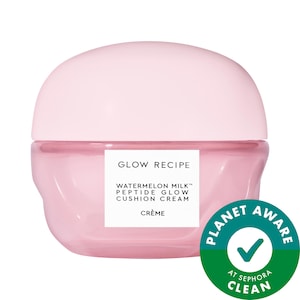
These two moisturizers look similar at first.
They are not.
Glow Recipe Watermelon Milk Peptide Cushion Cream is the softer, dewier, more comfort-first cream. It reads like the jar I would reach for when my skin feels dry, a little flat, and under-cushioned, but I still want the finish to look fresh under sunscreen or makeup.
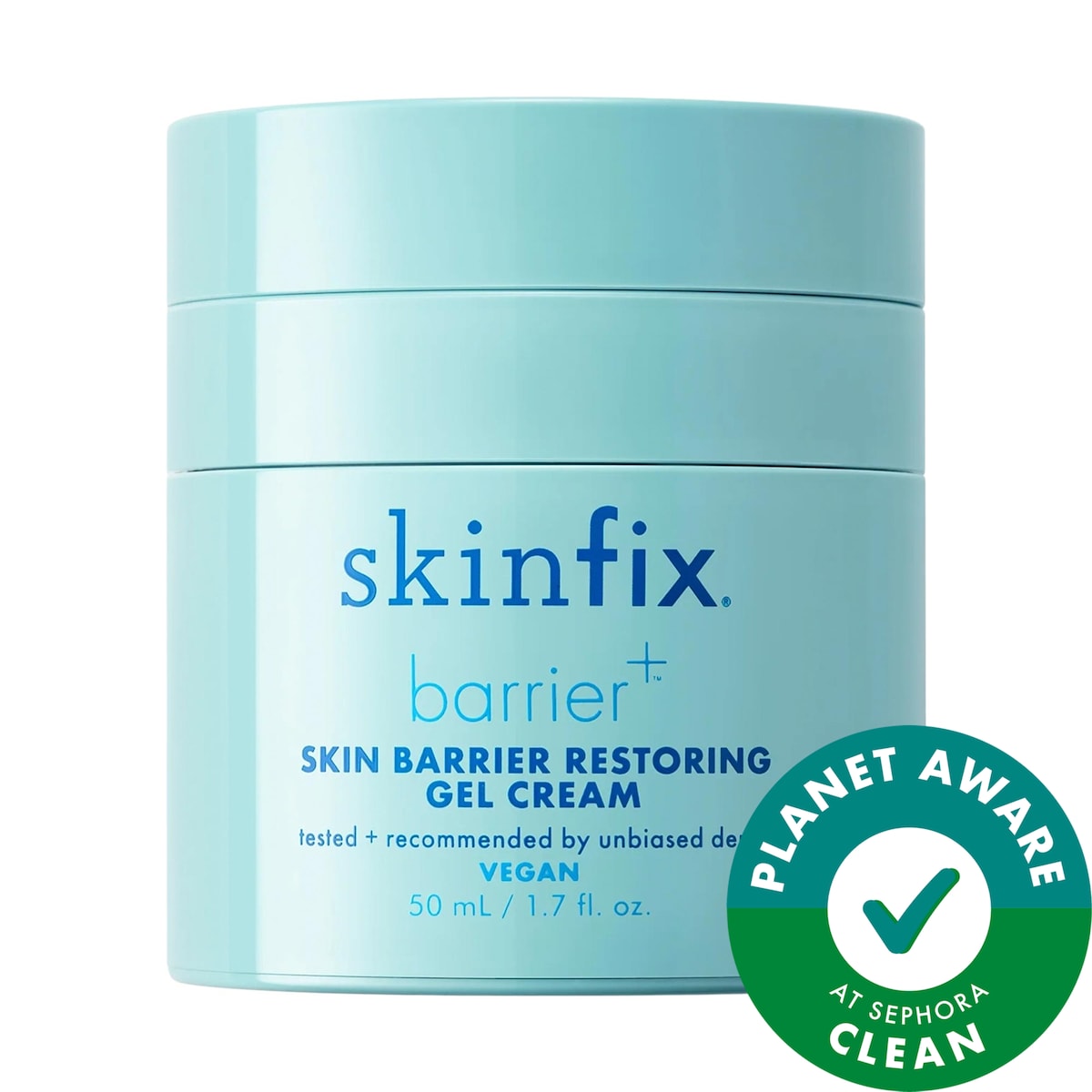
Skinfix Skin Barrier Restoring Gel Cream is the more clinical-feeling gel cream. It reads like the one I would consider when my skin is combination, oily, acne-prone, or irritated from doing too much, and I want barrier support without the emotional weight of a rich cream.
The short version: choose Glow Recipe if your skin wants plush hydration and a softer glow. Choose Skinfix if your skin wants lightweight barrier support, oil-control help, and a less dewy finish.
Neither one is automatically better. The better buy depends on how your skin fails.
| Product | Image | Best fit | Current price signal |
|---|---|---|---|
| Glow Recipe Watermelon Milk Peptide Cushion Cream |  | Normal, dry, dehydrated, or slightly sensitive skin that wants cushion | $34 to $40 at Sephora in May 2026 |
| Skinfix Skin Barrier Restoring Gel Cream |  | Combination, oily, acne-prone, or pore-conscious skin that still needs support | $46 to $54 at Sephora in May 2026 |
My Fast Answer
If my face felt tight, dull, dry around the mouth, or rough under makeup, I would start with Glow Recipe Watermelon Milk Peptide Cushion Cream.
It has the texture logic I want for that problem: glycerin, squalane, panthenol, ceramide NP, sodium hyaluronate, beta-glucan, allantoin, peptides, and a cream format that sounds more cushiony than matte. It is fragrance-free, refillable, and positioned for dry and sensitive skin. That matters because dry skin usually does not need a more complicated routine. It needs a cream that makes the routine feel less thin.
If my face felt oily by noon, congested around the nose, reactive from actives, or scared of anything rich, I would start with Skinfix Barrier Gel Cream.
Skinfix has squalane, niacinamide, zinc PCA, glycerin, hydrolyzed hyaluronic acid, sodium hyaluronate, peptides, allantoin, and a barrier-lipid complex. It costs more, but it is also more specific. It is not only asking, “Is your skin dry?” It is asking, “Do you need barrier support without feeling coated?”
That is the split.
Glow Recipe is comfort and cushion. Skinfix is control and repair.
The Texture Difference Is The Whole Story
Moisturizer comparisons get messy when people talk only about ingredients.
Ingredients matter. Texture decides whether you will actually use the product.
Glow Recipe uses the word “cushion,” and I would take that seriously. A cushion cream should feel more plush than a water cream and less heavy than a balm. That middle lane is useful for people who want their moisturizer to make the skin look alive again. Not greasy. Not sealed under an ointment. Just softer, smoother, and less thirsty.
Skinfix uses the gel-cream lane differently. It is still a moisturizer, but the promise is lighter. The formula direction includes oil-control and pore-refining language through niacinamide and zinc PCA, while still keeping barrier support in the center. That is a very different shopper. This is for the person who knows they need moisturizer but hates the feeling of moisturizer.
I would not ignore that emotional piece. A product can be technically good and still fail because you use half the right amount, skip it in the morning, or dread putting sunscreen over it. The right moisturizer should make the next step easier.
Choose Glow Recipe If Your Skin Feels Underfed
Glow Recipe makes the most sense when skin feels dry in a way that shows up visually.
I mean the kind of dryness where foundation catches around the nose, sunscreen looks patchy, cheeks feel tight after cleansing, or the face looks dull even though you slept. That is when a more cushiony moisturizer can change the whole routine. You are not trying to mattify. You are trying to bring comfort back to the surface.
The formula has several useful comfort signals. Glycerin and sodium hyaluronate support hydration. Squalane and caprylic/capric triglyceride give the cream more slip and softness. Panthenol, beta-glucan, allantoin, ectoin, and ceramide NP all point toward a calmer barrier-support lane. The peptide network adds the anti-aging and smoothing angle, but I would not buy it only because of peptides.
I would buy it because the formula is built around a dry-skin experience: moisture, cushion, softness, and a dewier finish.
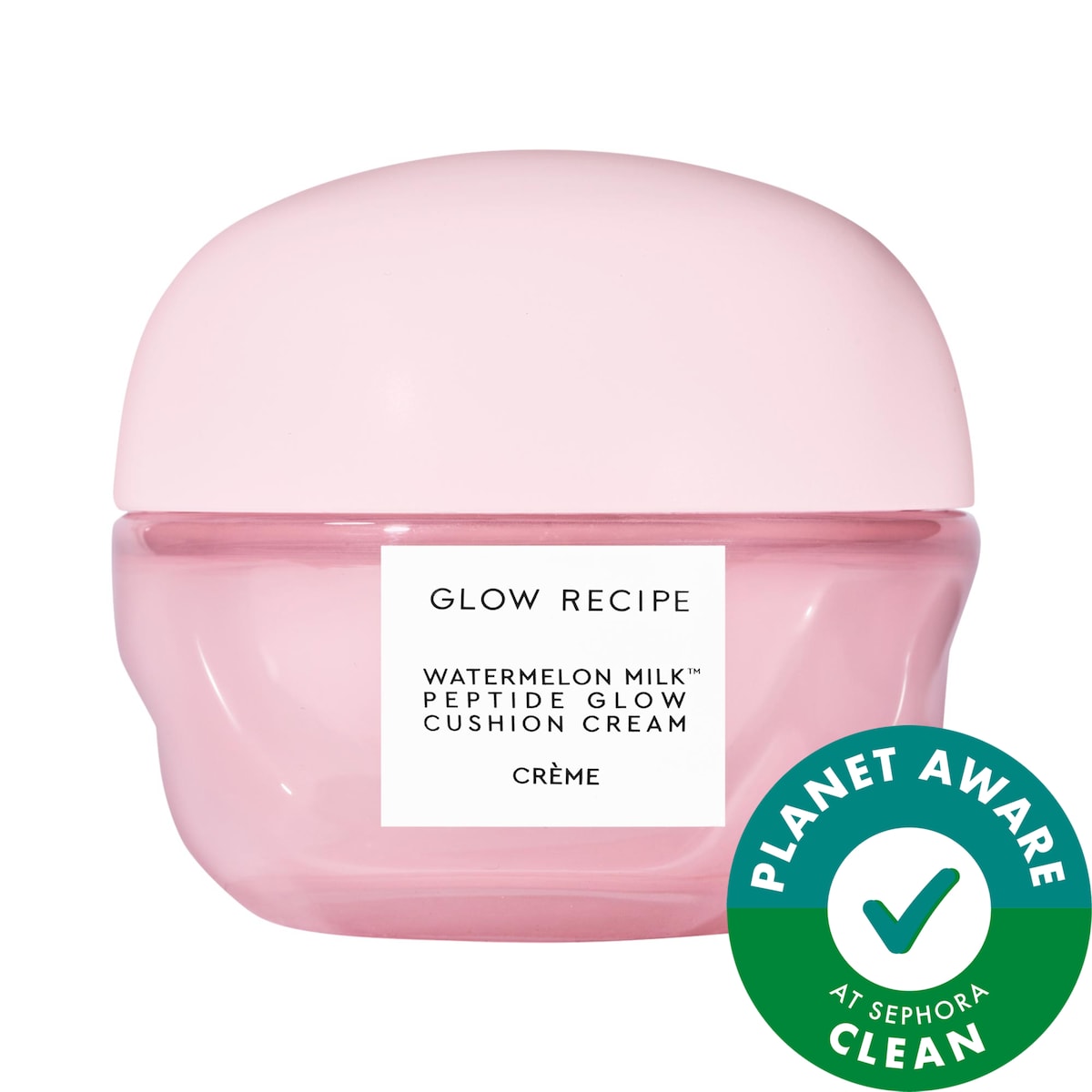
Choose Skinfix If Rich Creams Make You Nervous
Skinfix is the more useful choice when your skin needs help but heavy creams have betrayed you before.
That can happen with oily skin. It can happen with acne-prone skin. It can happen with combination skin where the cheeks feel dry but the T-zone gets shiny by lunch. It can also happen when your barrier is irritated and every instinct says “more moisture,” but thick layers make your pores feel crowded.
Skinfix has a smarter lane for that person. Niacinamide at 2% gives the formula a balance and tone-support angle. Zinc PCA makes sense for oilier or more congestion-prone skin. Squalane, glycerin, hyaluronic acid, peptides, and lipid-support ingredients keep it from becoming just another mattifying gel that disappears too fast.
This is why I would put Skinfix in the “I need support, but please do not smother me” category.
Dry Skin
For dry skin, Glow Recipe is the safer first pick.
Dry skin usually needs a moisturizer that changes how the face feels immediately. I do not mean a fake instant transformation. I mean enough cushion that you stop chasing hydration with five separate serums. A good cream should make the routine feel complete.
Mayo Clinic points dry facial skin toward gentle cleansing and moisturizers with barrier-friendly ingredients such as ceramides, fatty acids, glycerin, shea butter, or similar healing ingredients. That is the bigger rule I would keep in mind: dry skin does better when the routine protects water and reduces friction.
Glow Recipe is not the richest moisturizer in the world, but it is more aligned with that dry-skin need than Skinfix. It has the softer finish and the more comfort-first structure.
Skinfix can still work for dry skin if you hate heaviness or get clogged easily. But if your main complaint is tightness, flaking, or makeup catching, I would not start with the more oil-control-coded product.
Oily Or Combination Skin
For oily or combination skin, Skinfix makes more sense.
This is where people often make the same mistake twice. First, they skip moisturizer because they are oily. Then their skin gets tight and shiny at the same time. Then they overcorrect with a rich cream and feel congested. The routine swings between stripping and coating.
Skinfix helps avoid that swing. It gives you a gel-cream texture, barrier support, niacinamide, zinc PCA, and a finish that sounds easier to repeat under sunscreen. That does not mean it will be invisible on every face. It means the product is built with oily-combination concerns in mind.
Glow Recipe can work for combination skin if the dry areas are the real problem and the T-zone is manageable. But if shine, pore visibility, or congestion drives most of your decisions, Skinfix is the cleaner match.
Acne-Prone Skin
For acne-prone skin, I would start with Skinfix unless your acne-prone skin is also clearly dry and under-moisturized.
The reason is not that Skinfix treats acne. A moisturizer is not an acne medication. The reason is that Skinfix gives hydration and barrier support in a lighter, pore-conscious lane. The formula includes niacinamide and zinc PCA, which are common choices in products made for oilier or more blemish-prone routines.
The American Academy of Dermatology’s acne skincare guidance is consistent with the bigger principle: acne-prone skin still needs moisturizer, especially when acne treatments dry the skin. Skipping moisturizer can make the routine harder to tolerate, which then makes consistency worse.
Glow Recipe is not automatically wrong for acne-prone skin. Some acne-prone people are dry, sensitive, and desperate for a cream that does not sting. But if you already know plush creams make you break out or feel coated, I would not force the Glow Recipe lane just because the jar sounds more comforting.
Sensitive Or Barrier-Tired Skin
This is the hardest category because sensitive skin can mean different things.
If sensitive means dry, tight, and easily irritated by light moisturizers, Glow Recipe is the more appealing first pick. The formula direction is calming and comfort-led, and the fragrance-free positioning matters. A cream that gives enough cushion can keep you from layering too many products just to feel normal.
If sensitive means easily clogged, oily, redness-prone, or reactive to heavy products, Skinfix is the more practical first pick. It gives support without asking you to accept a rich finish.
The real rule is this: sensitive skin should not test a new moisturizer at the same time as a new cleanser, exfoliant, retinoid, vitamin C, sunscreen, and foundation. That is how you create a mystery reaction. Patch test if you are reactive, then use the new cream in a stable routine for several days before blaming or praising it.
Makeup And Sunscreen
Glow Recipe is the better makeup-prep choice for dry patches.
If foundation separates because the skin underneath is dehydrated, a cushion cream can help. Use less than you would at night. Let it settle. Then apply sunscreen. If you rush the layers, even a good moisturizer can make SPF or base makeup pill.
Skinfix is the better sunscreen partner for people who hate shine. It is not a primer, but the gel-cream format should be easier under daily SPF for oily or combination skin. I would still give it a minute before sunscreen, especially around the nose where products tend to bunch up.
The mistake is using night-cream amounts in the morning. Morning moisturizer should solve comfort without crowding the face.
Retinoids, Acids, And Recovery Nights
If your skin is dry from retinoids, Glow Recipe may feel better.
Panthenol, ceramide NP, squalane, glycerin, and that cushiony format are useful when retinoid nights leave the cheeks tight. I would use it after the retinoid has settled, or as part of a buffer method if your skin needs that. Keep the rest of the routine simple.
If your skin gets oily, clogged, or bumpy when you try to recover with rich creams, Skinfix is the smarter support product. It gives the routine a recovery lane without pulling you into balm territory.
Neither product should be used as permission to keep over-exfoliating. If your face burns, stings, flakes aggressively, or suddenly hates every product, the answer is usually fewer active nights, not a more expensive moisturizer.
Price And Repurchase Logic
Glow Recipe is the easier price in this matchup.
At Sephora in May 2026, the product sits around $34 to $40 depending on size or refill. For a newer cushion cream with refillable positioning, that feels easier to test than a $54 gel cream.
Skinfix costs more, around $46 to $54, but the value case is different. You are paying for a more specific barrier and pore-conscious lane. If it lets you moisturize consistently without feeling greasy, that can be worth more than a cheaper cream you avoid.
I would not judge value by price alone. I would judge it by finish discipline. Will you use the right amount every day? Will it fit under sunscreen? Will it stop you from buying three backup products to compensate? Will it help your routine stay boring enough to work?
That is the real cost math.
Which One I Would Buy First
I would buy Glow Recipe first if my skin looked dull, felt dry after cleansing, or needed a smoother base under makeup. I would also choose it if my current moisturizer disappears too fast and leaves me layering hydrating serums like I am trying to build a cream from scratch.
I would buy Skinfix first if my skin felt oily and dehydrated at the same time. I would choose it if rich creams make me congested, if my T-zone gets shiny fast, or if I want a barrier-support step that still respects acne-prone skin.
If I could not decide, I would look at my sunscreen.
If sunscreen usually feels drying, Glow Recipe.
If sunscreen usually feels greasy, Skinfix.
That one test tells you more than another hour of ingredient comparison.
When Neither One Is Right
Skip both if your skin is actively burning, swollen, crusting, infected-looking, or reacting to everything. That is not a shopping problem. That is a pause-and-get-care problem.
Skip Glow Recipe if you dislike dewy creams, avoid anything plush, or know that squalane-heavy comfort creams make you congested. Skip Skinfix if niacinamide tends to bother your skin or if gel creams never give you enough comfort.
Also skip both if your routine is already unstable. New moisturizer plus new active plus new cleanser equals bad data. You will not know what helped.
The Routine I Would Build Around Each
For Glow Recipe, I would keep the routine soft:
- Gentle cleanser or water rinse in the morning
- Hydrating serum only if needed
- Glow Recipe Cushion Cream
- Sunscreen
- Night cleanse
- Treatment on selected nights
- Glow Recipe again as the comfort step
For Skinfix, I would keep the routine clean:
- Gentle cleanse
- Lightweight serum only if it has a clear job
- Skinfix Gel Cream
- Sunscreen
- Night cleanse
- Acne or retinoid treatment on planned nights
- Skinfix or a richer cream only where needed
Glass helps most when you are trying to figure out which lane your skin actually lives in. Track the moisturizer, sunscreen feel, breakouts, tightness, and makeup behavior for two weeks. The pattern usually becomes clearer than the product page.
Bottom Line
Glow Recipe Watermelon Milk Peptide Cushion Cream is the moisturizer I would choose for dry, dull, dehydrated, or makeup-frustrated skin that wants cushion without a heavy balm feel.
Skinfix Skin Barrier Restoring Gel Cream is the moisturizer I would choose for oily, combination, acne-prone, pore-conscious, or barrier-tired skin that wants support without a rich-cream finish.
Both are barrier-support moisturizers. They just solve different versions of the same problem.
If your skin feels thirsty, choose cushion. If your skin feels crowded, choose gel cream.
Useful references: Mayo Clinic on dry skin care, AAD on moisturizing acne-prone skin, Glow Recipe Watermelon Milk Peptide Cushion Cream, and Skinfix Skin Barrier Restoring Gel Cream.