The easiest way to misuse a clay mask is to treat it like a personality change.
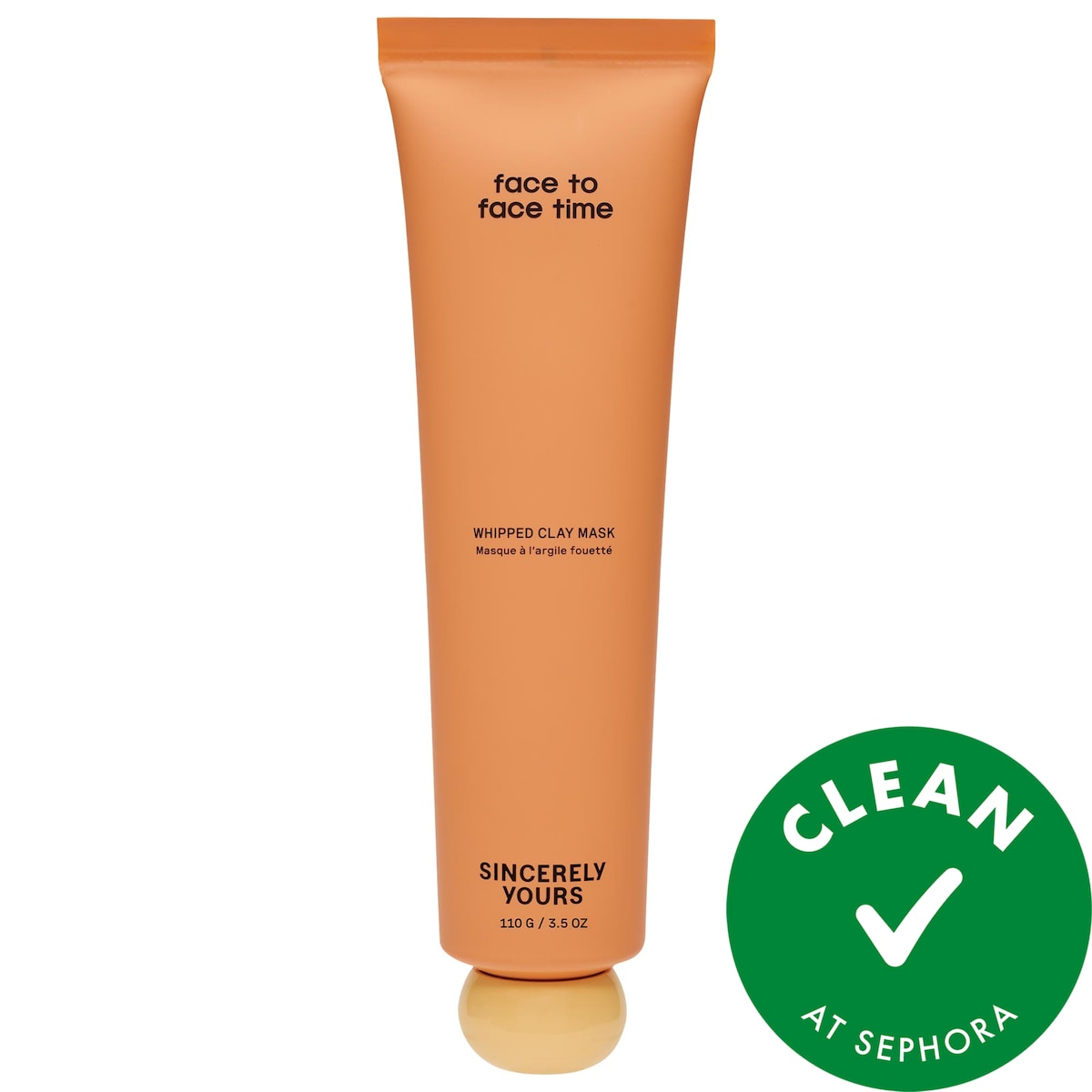
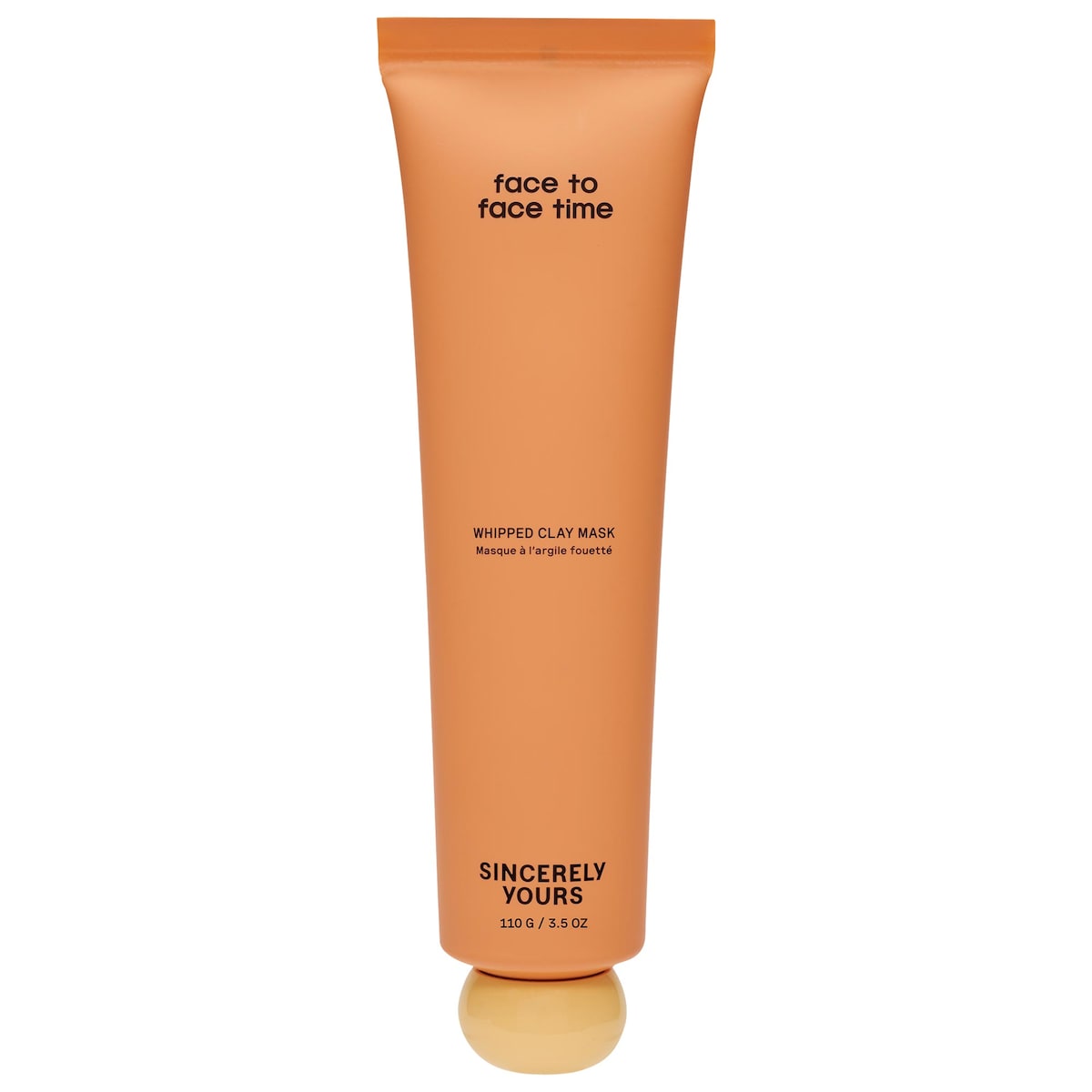
Your skin feels oily, so you decide it needs a deep reset. You cleanse harder, mask longer, skip moisturizer, and wake up wondering why the face looks dull but still feels greasy. That is the exact loop I would try to avoid with Sincerely Yours Face To Face Time Gentle Pore-Purifying Whipped Clay Mask.
This is a 10-minute whipped clay mask with kaolin, bentonite, pineapple enzymes, hyaluronic acid, niacinamide, ceramide NP, and lactobacillus ferment. The product is aimed at oiliness, pores, and uneven texture, but the routine has to keep the barrier in the conversation. That is the difference between a useful weekly mask and a product you use when you are annoyed at your face.
My use-case answer for May 2026: I would use this as a controlled reset, not a punishment step. Once weekly is enough for most routines at first. I would apply it where oil and congestion actually show up, rinse on time, and follow with a plain moisturizer.
The use-case snapshot
| Use case | How I would use it |
|---|---|
| Shiny T-zone | Thin layer on forehead, nose, and chin only |
| Dull, congested skin | One full-face use if cheeks tolerate clay |
| Before makeup | Night before, not 10 minutes before foundation |
| After sweat | Cleanse first, then use only if skin is not irritated |
| Active acne routine | Use on a non-active night |
| Sensitive skin | Patch test, shorten the first wear time, moisturize well |
| Dry cheeks, oily nose | Zone-mask instead of full-face masking |
The mask is not the whole routine. It is a once-in-a-while step that should make the rest of the routine easier to repeat.
Start with the job, not the jar
Before I used this, I would decide what job it is supposed to do.
For me, a good clay mask has one of three jobs:
- reduce the greasy, heavy feeling after a high-oil week
- make congested areas feel cleaner without scrubbing
- smooth the look of texture before returning to a simple routine
If I cannot name the job, I would not use the mask that night.
That sounds strict, but it prevents a common mistake. People use masks because the jar is there, not because the routine needs it. Then they blame the mask when the real issue was frequency, timing, or stacking too many actives around it.
My first-use plan
I would make the first use deliberately boring.
Night routine:
- Cleanse gently.
- Pat skin dry.
- Apply a thin layer of Face To Face Time to the T-zone.
- Avoid the eye area, corners of the nose if they get raw, and any broken skin.
- Rinse at 10 minutes or earlier if the skin feels uncomfortable.
- Apply a simple moisturizer.
No acid toner. No retinoid. No scrub. No peel pad. No spot treatment layered over the same zones right away.
The first use is not the night to prove how much your skin can tolerate. It is the night to find out whether the mask belongs.
Why I would start with the T-zone
The T-zone is usually where a clay mask earns its place fastest.
The forehead, nose, and chin tend to show more oil, visible pores, and makeup separation. The cheeks may have a completely different problem: dryness, redness, sensitivity, or barrier fatigue.
That is why I would not automatically put a clay mask everywhere. Zone-masking is more practical. Apply where the skin needs oil absorption and leave the calmer, drier zones alone.
If the T-zone feels clean and the cheeks stay comfortable, that is a win. If a full-face layer makes the cheeks tight, I would not call the product a failure. I would call the map too aggressive.
How often I would use it
The product directions allow one to three times per week. I would still start with once.
Once weekly is enough to learn:
- whether it stings
- whether it leaves skin tight
- whether moisturizer feels normal afterward
- whether the next morning looks calmer
- whether new dryness shows up around the mouth, nose, or cheeks
If week one goes well, I might use it twice in week two. I would reserve three times weekly for oily, resilient skin with a very simple routine.
More frequent use is not automatically better. If your skin gets tighter after each use, that is feedback.
The best night to use it
I would use it on a non-active night.
That means no new retinoid, no exfoliating acid, no peel, no strong acne treatment, and no aggressive cleanser in the same routine. The mask already has clay plus gentle exfoliation cues. It does not need backup from every intense product in the cabinet.
A good mask night could look like this:
- gentle cleanse
- mask
- rinse
- moisturizer
That is it.
If you are building a weekly plan, place the mask between active nights, not on top of them. A simple schedule might be: retinoid Monday, recovery Tuesday, mask Wednesday, recovery Thursday, retinoid Friday, flexible weekend.
What to do after rinsing
After rinsing, I would not chase the clean feeling with more treatment. I would protect it.
Use a moisturizer that your skin already knows. If your skin is oily, choose a gel cream or light lotion. If your cheeks are dry, use a richer layer only where needed.
This is also when people make a subtle mistake: they rinse a clay mask, feel smooth, and decide to add a brightening serum, acne serum, exfoliant, and sleeping mask. That turns a controlled reset into a stack.
The best after-mask routine is usually quiet.
How I would use it before makeup
I would not use this mask right before makeup unless I already knew my skin tolerated it perfectly.
The safer move is the night before. Cleanse, mask, rinse, moisturize, sleep. In the morning, use your normal moisturizer and sunscreen. That gives the skin time to settle and reduces the chance that foundation grabs dry patches.
If I did use it the same day as makeup, I would keep it short and targeted. T-zone only. Moisturizer after. Sunscreen before makeup. No scrubbing with a towel to get that extra-clean feeling.
Makeup usually looks better on calm skin than freshly challenged skin.
How I would use it after a workout
After a sweaty workout, I would cleanse first and then decide.
Sweat, sunscreen, and friction can make the face feel congested, but post-workout skin can also be warm and reactive. If the face is red, hot, stinging, or freshly rubbed by a towel, I would skip the mask and just cleanse gently.
If the skin feels normal but oily, a T-zone mask later that evening could make sense. I would not use it as a rushed locker-room step. A clay mask needs clean skin, a timer, a sink, and enough patience to rinse properly.
How I would use it for oily skin
For oily skin, I would use this mask as a weekly reset while keeping the daily routine balanced.
Morning:
- Gentle cleanser or rinse.
- Lightweight moisturizer.
- Sunscreen.
Night:
- Cleanse.
- Treatment on planned nights.
- Moisturizer.
- Mask once weekly on a non-treatment night.
The important part is that the mask does not replace moisturizer. Oily skin can still get dehydrated. If you strip it, skip moisture, and keep masking, the skin can feel tight and greasy at the same time.
That is why I like pairing mask decisions with routine tracking. Glass can help you notice whether shine improves when the weekly mask is steady, or whether the real issue is cleanser, sunscreen, sleep, stress, or too many product changes.
How I would use it for combination skin
Combination skin should stop trying to make one product solve every zone equally.
I would use Face To Face Time on:
- nose
- chin
- center forehead
- inner cheeks only if they get congested
I would avoid:
- dry outer cheeks
- flaky spots
- irritated corners around the nose
- any area that recently burned from actives
Then I would moisturize the whole face, with extra attention to the dry zones.
This approach feels less satisfying than painting on a perfect full-face mask, but it is better skincare. The face is allowed to have different needs in different places.
How I would use it for acne-prone skin
Acne-prone skin needs the most discipline.
I would not use this as a substitute for acne treatment. It can be part of a routine for oil and surface congestion, but deep or persistent acne usually needs a clearer treatment plan.
If you already use benzoyl peroxide, salicylic acid, adapalene, tretinoin, or prescription acne care, I would put the mask on a separate night. I would also avoid applying it over open, picked, or painful lesions.
The right question is not "Can this clear my acne?" The better question is "Can this help my oily, congested zones feel cleaner without making my acne routine harder to tolerate?"
If the answer is yes, keep it occasional.
How I would use it for sensitive skin
For sensitive skin, I would use less product, less time, and fewer surrounding variables.
First test:
- small area near the jaw or side of the face
- thin layer
- shorter wear time
- rinse gently
- plain moisturizer afterward
- wait at least a day before full use
I would not test it before an event, before a photo day, or during a week when the skin is already reacting.
Sensitive-skin routines fail when every product gets judged in a chaotic environment. If the cleanser changed, the moisturizer changed, the sunscreen changed, and the mask was added, you cannot know what caused the problem.
What I would not combine it with
I would not combine it with:
- a physical scrub
- a peel pad
- a strong acid toner
- a first-time retinoid night
- a benzoyl peroxide sandwich
- another clay mask
- a drying spot treatment on the same zones
- a new vitamin C serum if my skin is reactive
None of those combinations is automatically dangerous for everyone. They are just not the way I would test a new pore mask.
Layering multiple corrective steps can make the skin look worse, then you end up thinking you need even more correction. That is how routines get messy.
The 10-minute rule
The label says 10 minutes, and I would respect that.
Leaving a mask on longer can feel like getting more value from the jar. In reality, it can be the thing that tips the skin from clean to tight. Clay does not become smarter after the timer ends.
Set a timer. Rinse thoroughly. Pat dry. Moisturize.
If the mask dries faster on certain areas, that does not mean you need to wait until every inch feels stiff. Comfort matters more than turning the product into a shell.
The "my pores look huge" routine
If pores look more noticeable, I would not use this mask alone and expect a permanent change.
I would build a calmer week:
- cleanse gently
- use the mask once on the oiliest zones
- moisturize daily
- wear sunscreen every morning
- avoid picking and squeezing
- keep makeup removal consistent
- pause extra exfoliation if the skin feels tight
Visible pores often look worse when skin is oily, clogged, irritated, dehydrated, or sun-stressed. A mask can help one piece of that picture. It cannot replace the whole routine.
For a broader routine reset, how to build a skincare routine you will actually follow is the better starting point.
When I would pause it
I would pause the mask if I noticed:
- burning that lasts after rinsing
- new flaky patches
- cheeks feeling tight the next morning
- more redness around the nose or mouth
- makeup clinging to dry texture
- a pattern of irritation after each use
Pausing does not mean the product is bad. It may mean the timing is wrong, the frequency is too high, or another product in the routine is already doing too much.
If the skin is painful, swollen, blistering, spreading redness, or showing infection signs, I would stop experimenting and get medical care.
How I would track whether it is helping
I would track three things, not twenty.
First, comfort after rinsing. Does skin feel clean and normal, or tight and thirsty?
Second, next-morning texture. Does the T-zone look calmer, or do dry patches show up?
Third, weekly pattern. Does using the mask once weekly reduce the urge to over-cleanse and over-exfoliate?
That last one matters. Sometimes the value of a mask is not that it transforms the face. It gives you a controlled place for the reset impulse, so you stop making the daily routine harsher.
The value of keeping it occasional
Face To Face Time is not expensive compared with many face masks, but it still deserves a defined role.
I would keep it occasional because occasional products stay easier to judge. You can see whether the skin looks better after mask night. You can notice if dryness follows. You can decide if the jar is earning its spot.
Daily products are harder to evaluate because they blend into everything else. A once-weekly mask should be obvious: it either helps the routine feel cleaner, or it does not.
If it does not, do not force it.
Bottom line
I would use Sincerely Yours Face To Face Time Gentle Pore-Purifying Whipped Clay Mask as a 10-minute weekly reset for oil, pores, and texture. I would start with the T-zone, avoid active nights, rinse on time, and moisturize afterward.
The product makes the most sense for people who want the clean feel of clay without turning their routine into a drying cycle. The routine around it matters as much as the mask.
FAQ
Should I use it morning or night?
Either can work, but I would start at night. That gives the skin time to settle before sunscreen and makeup.
Can I use it with retinol?
I would not use it in the same routine as retinol at first. Put the mask on a separate night until you know your skin tolerates both.
Should I apply it all over?
Not automatically. If your T-zone is oily and your cheeks are dry, zone-mask instead of using a full-face layer.
What should I use after it?
Use a moisturizer your skin already tolerates. Keep the after-mask routine simple.