
Clay masks can get mean fast.
That is the first thing I look for.
Not whether a mask makes skin look matte for ten minutes. Not whether the jar feels fun. Not whether the before-and-after looks dramatic while the mask is still wet. The real test is what happens after you rinse it off and go back to your normal routine.
If your face feels clean but flexible, good. If it feels tight, shiny, dry around the mouth, and somehow oilier by the next morning, the mask did too much.
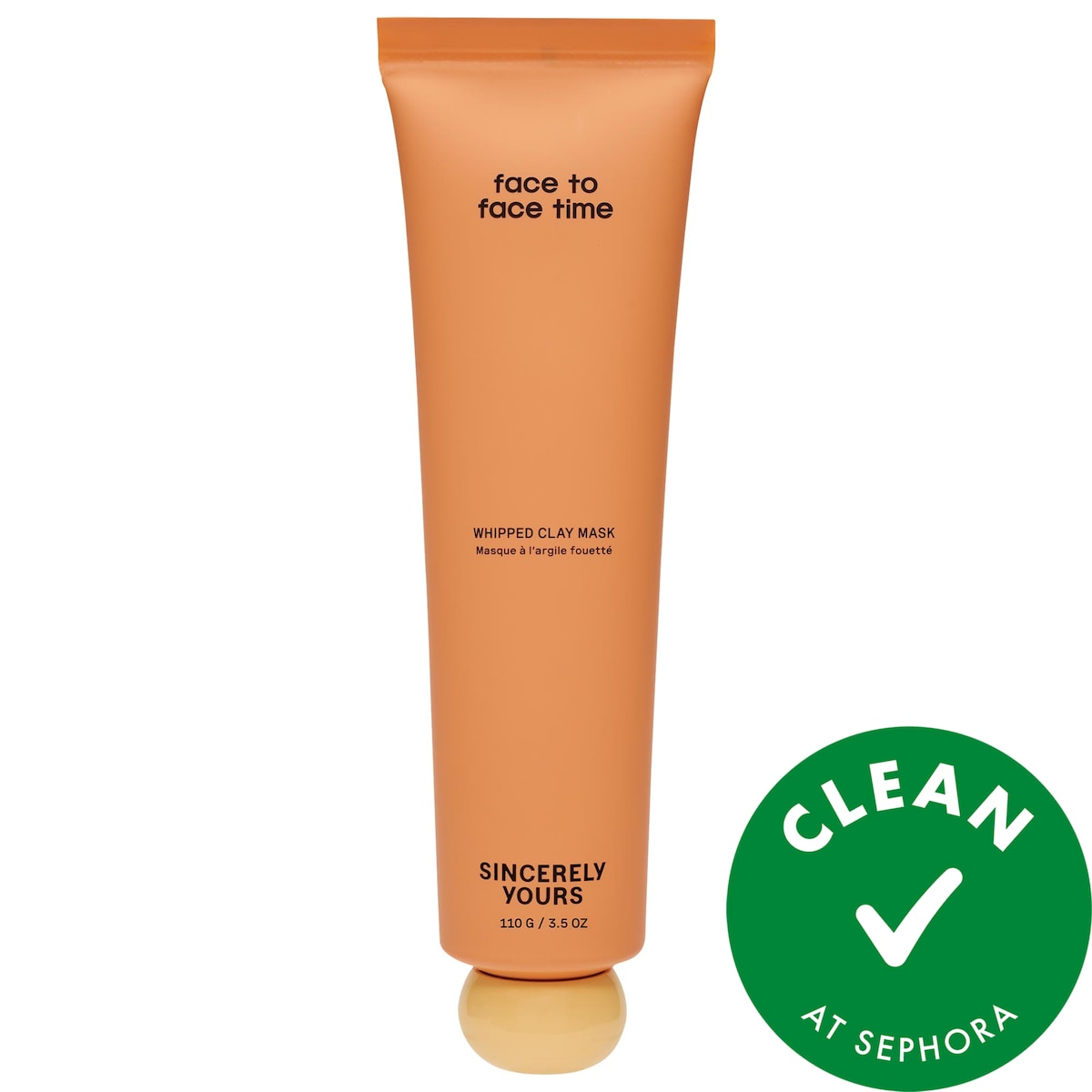
That is why Sincerely Yours Face To Face Time Gentle Pore-Purifying Whipped Clay Mask caught my attention. It is a clay mask, but it is not trying to be the old-school punishment version. The formula mixes kaolin and bentonite clay with glycerin, niacinamide, sodium hyaluronate, ceramide NP, pineapple fruit extract, malic acid, lactobacillus ferment, and a creamier base. That makes it more interesting than a straight oil-absorbing mask.
As of May 2026, Sephora lists it at $24, with a review average around 4.69 from about 68 reviews. It is positioned for normal, combination, and oily skin, especially oiliness, pores, and uneven texture.
My short read: I would consider it if your skin gets shiny or congested but hates harsh masks. I would skip it if your barrier is already angry, if clay always leaves you tight, or if you expect one mask to erase pores. Pores do not vanish. They can look calmer when oil, buildup, and irritation are managed well.
The quick decision
| Product | Image | Best fit | Where I would be careful |
|---|---|---|---|
| Sincerely Yours Face To Face Time |  | Oily, combination, or congested skin that wants a gentler clay mask | Sensitive skin that gets tight after clay, niacinamide-reactive skin, or over-exfoliated routines |
| Sephora Collection Face Mask Magic |  | Someone comparing affordable mask options | Less specific if you want a pore-focused clay-and-barrier formula |
| Rhode Caffeine Reset Mask | 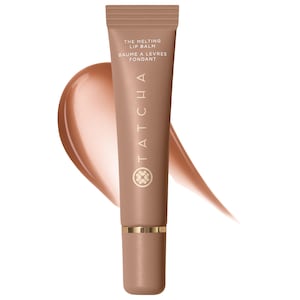 | A cream-mask lane for tired-looking skin | Not the same job if your main issue is oil and congestion |
The cleanest way to think about Face To Face Time is this: it is a reset mask, not a rescue mask.
Use it when skin feels oily, dull, or a little congested. Do not use it when your face is burning, peeling, freshly over-exfoliated, sunburned, or reacting to everything. Clay plus enzymes on compromised skin can turn a small problem into a louder one.
Why this mask is not just clay
The clay part is simple. Kaolin and bentonite can help absorb excess oil and make the surface feel cleaner. That is the classic reason people reach for a clay mask.
The more important part is what sits around the clay.
This formula includes glycerin, propanediol, sodium hyaluronate, niacinamide, ceramide NP, lactobacillus ferment, hydrolyzed jojoba esters, sea buckthorn fruit oil, and caprylic/capric triglyceride. That tells me the mask is trying to avoid the dry, cracked, chalky finish people complain about after harsher clay masks.
It also includes pineapple fruit extract and malic acid, which makes me treat it like a mild exfoliating mask, not just a rinse-off oil absorber. That is useful, but it changes the rules. If you are already using a retinoid, salicylic acid, glycolic acid, benzoyl peroxide, peel pads, or a strong vitamin C routine, you should not treat this as harmless just because it rinses off.
Rinse-off does not mean invisible to your skin.
The tight-skin test
This is the test I would use before deciding whether to keep it.
After rinsing, wait ten minutes before applying anything else. Your skin should feel cleaner and maybe a little smoother. It should not feel stretched like plastic wrap.
If it feels tight, that matters. Tight skin after a mask usually means the mask pulled too hard, stayed on too long, or landed on skin that was already dehydrated or irritated. A tiny temporary matte look is not worth a barrier setback.
I would rather use a clay mask for six calm minutes and rinse early than leave it on until it dries into a crust. A mask does not become more effective just because it feels more dramatic.
How I would use it the first week
I would start with once.
Not three times. Not every other night. Once.
Use it on clean, dry skin. Avoid the eye area and the corners of the mouth. Apply a thin layer. Set a timer for five to seven minutes the first time, even though the product usage allows up to ten minutes and one to three uses per week. Rinse before the mask gets painfully dry.
Then keep the rest of the routine boring:
- Gentle cleanse.
- Thin layer of Face To Face Time.
- Rinse thoroughly.
- Simple moisturizer.
- Sunscreen if used in the morning.
Do not follow it with a peel pad, retinoid, exfoliating toner, drying spot treatment, and a new moisturizer all in the same night. That kind of stacking makes it impossible to know what helped and what irritated.
Who I think it is actually for
I would put this mask in front of someone with combination or oily skin who says:
- my T-zone gets shiny fast
- my pores look more obvious when my skin feels congested
- strong clay masks make my face too tight
- I want something more polished than a basic mud mask
- I still need hydration even when I am oily
- I want a once-a-week reset without wrecking my routine
That person has a real reason to look at it.
The formula is most compelling for skin that needs oil control and restraint at the same time. A lot of oily-skin products act like the goal is to punish the face into being matte. That usually fails. The better goal is calmer oil, less buildup, and a routine you can repeat without irritation.
Who should skip it
I would skip Face To Face Time if your skin is very dry, actively peeling, or currently stinging from basic moisturizer.
I would also be cautious if niacinamide tends to flush, itch, or break you out. Niacinamide is useful for many people, but it is not magic for everyone. If your skin has a history with it, respect that history.
Skip it for now if you recently overdid acids or retinoids. A mask with clay, pineapple extract, and malic acid is not the peace offering your face needs in that moment. Use a gentle cleanser, moisturizer, and sunscreen until the skin feels normal again.
And skip it if the only reason you want it is "smaller pores." Pores are part of skin. A mask can reduce the look of oil and buildup. It cannot permanently shrink pore structure.
The pore promise, translated
When a mask says it helps with pores, I translate that into three realistic jobs.
First, it can absorb oil sitting at the surface. That can make pores look less shiny and obvious for a while.
Second, it can help lift some buildup so texture feels smoother. The clay and gentle exfoliating ingredients are doing that part.
Third, it can make the routine feel reset enough that makeup and sunscreen sit better.
That is useful. It is also temporary. If pores look larger because skin is oily, congested, irritated, sun-damaged, or dehydrated, one mask is not the whole plan. The daily routine still matters more.
How often I would use it
Once a week is the starting point.
If your skin is oily and handles it well, you could move to twice a week. I would only consider three times a week if your skin is very tolerant, not tight after rinsing, and not already using other exfoliating products often.
Most people do not need three clay-mask nights. They need one calm reset and a better daily routine.
Here is the simple frequency read:
| Skin pattern | Starting frequency |
|---|---|
| Oily and resilient | Once weekly, then test twice weekly if needed |
| Combination | Once weekly, or only on T-zone |
| Sensitive but oily | Patch test, then once every 10 to 14 days |
| Dry or over-exfoliated | Skip until skin is comfortable again |
| Acne-prone with active prescriptions | Ask your clinician or keep it very occasional |
The T-zone-only option is underrated. Your cheeks do not have to participate just because your nose is shiny.
The ingredient story in plain English
Kaolin and bentonite are the oil-control backbone. They are the reason the mask belongs in the pore and shine conversation.
Glycerin, propanediol, sodium hyaluronate, and butylene glycol are hydration support. These help the formula feel less like a dry paste.
Niacinamide and ceramide NP point toward barrier support. That is the part I like most for a clay mask, because oily skin still needs a working barrier.
Pineapple fruit extract and malic acid bring the smoothing angle. I would not treat them like a strong peel, but I would treat them with respect if my routine already uses exfoliating acids.
Lactobacillus ferment gives the formula a more modern, balance-focused feel. I would not buy the mask for that alone, but it fits the overall gentle-reset positioning.
What I would watch after rinsing
The first use should answer practical questions:
| Signal | Good sign | Warning sign |
|---|---|---|
| Tightness | Skin feels clean but flexible | Skin feels stretched or squeaky |
| Redness | Mild temporary flush only | Lingering redness, heat, or sting |
| Texture | Surface feels smoother | Skin looks shiny-tight or flaky |
| Oil | T-zone looks calmer | Face rebounds oily and uncomfortable |
| Breakouts | No new irritation pattern | Clusters of new bumps after use |
Do not judge the mask only while your face is freshly rinsed. Check again that night and the next morning. The delayed feeling tells the truth.
How it fits with acne-prone skin
Acne-prone skin is where I would be careful and interested at the same time.
Interested because a gentle clay mask can help with oily, congested-feeling skin. Careful because acne-prone people often stack too many drying products. If you already use salicylic acid, benzoyl peroxide, adapalene, tretinoin, or prescription acne care, the mask should not become another aggressive layer.
Use it on a non-active night first. Moisturize afterward. Do not pick at bumps after rinsing just because the skin looks "cleaner." That is how a mask night turns into a scab night.
If you have deep painful acne, cystic bumps, spreading inflammation, or scarring, do not lean on a clay mask as the main plan. That is dermatologist territory.
How it fits with makeup
I would use this the night before a makeup day, not five minutes before makeup.
Clay masks can leave skin smoother, but they can also make the surface temporarily more reactive. If you mask right before makeup, you may end up layering primer, sunscreen, foundation, powder, and setting spray over skin that just had oil pulled from it.
The better move is the night before:
- Cleanse.
- Mask briefly.
- Rinse well.
- Moisturize.
- Let the skin settle overnight.
The next morning, judge whether foundation grips better around the nose and forehead. If makeup looks smoother but your cheeks feel dry, use the mask only on the center of the face next time.
The biggest mistake I would avoid
Do not let it fully punish-dry on your face.
That old feeling where a clay mask cracks when you smile is not a badge of honor. It is often the point where the mask has gone from useful oil absorption to unnecessary dryness. Rinse while the mask is still comfortable.
The second mistake is using it because your skin is angry. A clay mask is better for congestion and shine than for irritation. If your face is hot, burning, or flaky, it needs less drama.
Where Glass fits
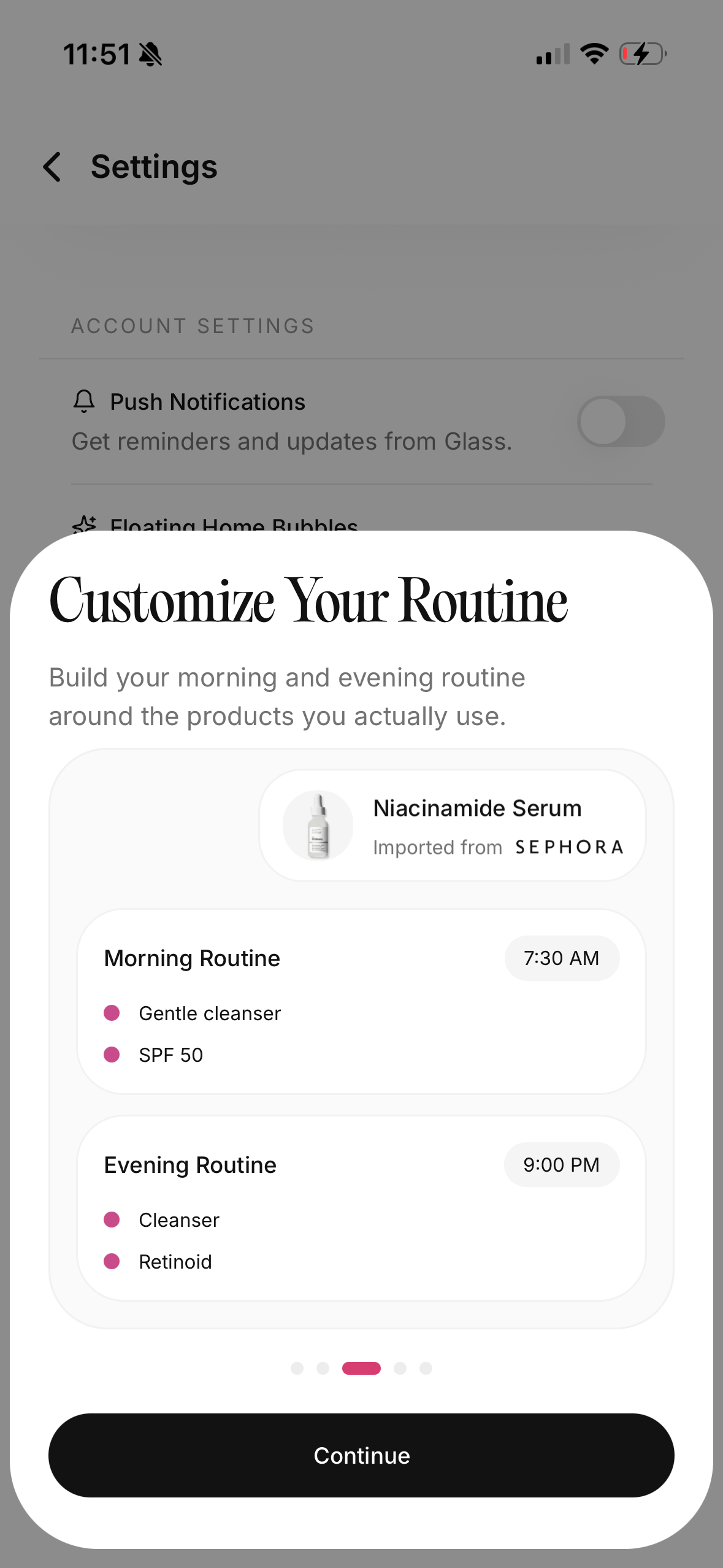
This is exactly the kind of product I would track in Glass.
Add it as a weekly treatment, not a daily step. Note where you used it: full face, T-zone, chin, or nose only. Track tightness, shine, new bumps, and whether sunscreen or makeup behaved better the next day.
If you are already trying to figure out which products are making your skin tight, keep I fixed tight skin after moisturizer open too. If your routine is crowded, morning and night skincare routine order is the better place to reset the whole structure.
My verdict
Sincerely Yours Face To Face Time is most interesting because it understands the modern clay-mask problem. People still want pores to look cleaner and oil to calm down, but they do not want the dry, squeaky, stripped finish that made clay masks feel risky.
The $24 price makes sense if you want a gentle weekly reset and your skin fits the normal, combination, or oily lane. The ingredient mix is more thoughtful than a basic clay mask: kaolin, bentonite, glycerin, niacinamide, sodium hyaluronate, ceramide NP, pineapple extract, malic acid, and lactobacillus ferment all have a clear role.
I would buy it for oil, pores, and texture maintenance. I would not buy it as acne treatment, pore eraser, or barrier rescue.
The right use is calm and boring: thin layer, short timer, rinse early, moisturize after, track the next morning. If your skin feels better and not tighter, it earned another week.
FAQ
Is Sincerely Yours Face To Face Time good for oily skin?
It is best aligned with normal, combination, and oily skin that wants a clay mask for shine, pores, and texture without the harsh dry-down feeling of older clay masks.
How often should I use it?
Start once weekly. If your skin stays comfortable and you are not using many other exfoliating products, oily skin may test twice weekly. Sensitive or combination skin may prefer T-zone-only use.
Can sensitive skin use this clay mask?
Maybe, but cautiously. It is positioned as sensitive-skin friendly, but it still contains clay plus gentle exfoliating ingredients. Patch test first and rinse before any tight or stinging feeling builds.
Should I use it before or after cleanser?
Use it after cleansing on clean, dry skin. Rinse thoroughly, then follow with moisturizer.
Can it shrink pores?
No mask permanently shrinks pores. It may make pores look less obvious by reducing surface oil, lifting some buildup, and smoothing texture temporarily.
Useful references: Sincerely Yours Face To Face Time, Sephora product listing, Healthline on face mask frequency, and Who What Wear dermatologist comments on mask use.