The fastest way to ruin a good acne cleanser is to use it like punishment.
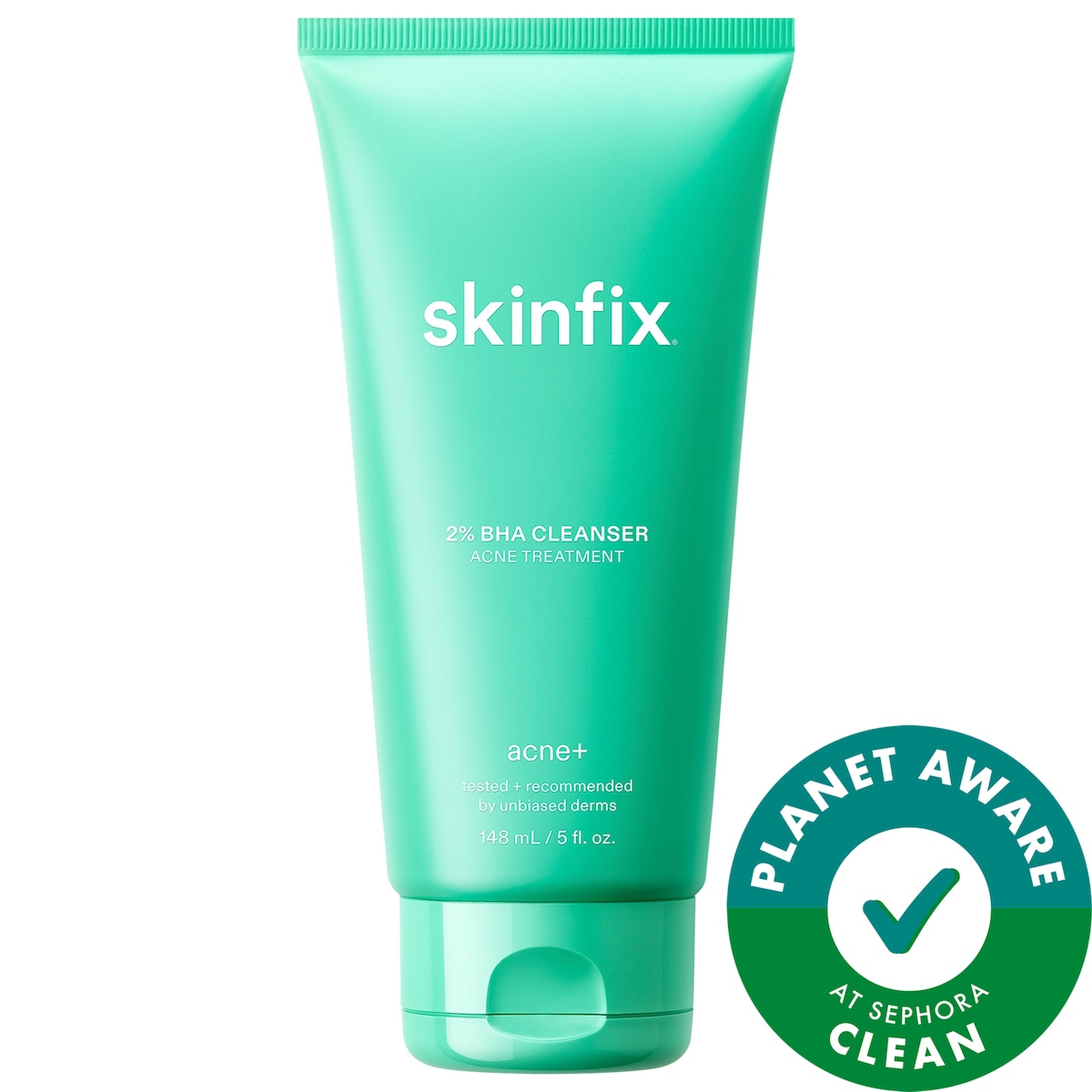
That is where I would be careful with Skinfix Acne+ 2% BHA + Azelaic Acid + Niacinamide + AHA Cleanser. The formula is appealing because it has the ingredients acne-prone shoppers tend to look for: 2% salicylic acid, niacinamide, azelaic acid, and glycolic acid. It is aimed at pores, blemishes, and oiliness. It also has the Skinfix barrier-aware personality, which makes it feel less harsh on paper than many classic acne washes.
But it is still an active cleanser.
If I were adding it to a routine in May 2026, I would treat it like a scheduled treatment step that happens to rinse off. I would not use it twice a day from day one. I would not pair it with every other exfoliant I own. I would not scrub harder because my chin is breaking out.
The goal is simple: get the benefit of a BHA cleanser without turning oily, combination, or acne-prone skin into tight, shiny, irritated skin.
The routine I would start with
Here is the simplest version.
| Step | Morning | Night |
|---|---|---|
| Cleanse | Gentle cleanser or water rinse | Skinfix cleanser two or three nights weekly |
| Treat | Optional calm serum | Keep active treatments separate at first |
| Moisturize | Lightweight moisturizer | Barrier-support moisturizer |
| Protect | Sunscreen | No sunscreen needed |
That is boring on purpose.
When a cleanser already brings salicylic acid, azelaic acid, niacinamide, and glycolic acid, the rest of the routine does not need to perform harder. It needs to give the skin enough cushion that the cleanser can help without creating a new problem.
Why barrier care matters in an acne routine
Acne-prone skin is often treated like it only needs less oil.
That is too simple.
Oily skin can still be dehydrated. Combination skin can be shiny in the T-zone and tight on the cheeks. A person can have active blemishes and still have a damaged barrier from washing too much, using too many acids, or chasing every new breakout with another drying layer.
When the barrier is unhappy, acne care gets harder. The skin may sting after cleansing, look redder, flake under sunscreen, feel tight after moisturizer, or produce more shine because it feels stripped.
That is why I would not judge Skinfix only by whether it feels strong. I would judge it by whether the whole routine remains repeatable.
The best acne routine is not the most intense one. It is the one your skin can tolerate long enough to show a real pattern.
The pea-size amount actually matters
The usage direction says to dispense a pea-size amount onto damp palms, work it into a lather, massage over the face and neck, and rinse thoroughly.
I would follow the pea-size direction closely.
More cleanser does not mean more clarity. With an active wash, using too much can simply mean more dryness around the mouth, more tightness on the cheeks, and more temptation to add a heavy cream that may not suit acne-prone skin.
I would make the cleanser thin and even in my palms before it touches my face. Then I would massage lightly, focusing more on oily zones and less on areas that already feel delicate.
No cleansing brush. No washcloth scrubbing. No second round because the skin "still feels bumpy."
The product already has the active part built in.
My first two weeks
I would use the first two weeks as a tolerance test.
| Week | Plan |
|---|---|
| Week 1 | Use Skinfix two nights, separated by rest nights |
| Week 2 | Use Skinfix three nights if skin stayed comfortable |
| Morning | Keep cleanser gentle or skip cleanser if skin feels clean |
| Off nights | Use a gentle cleanser and moisturizer |
| Pause point | Stop if skin stings, flakes, or feels raw |
This is especially important if the routine already includes retinoids, benzoyl peroxide, exfoliating toner, or acne spot treatments.
People often blame the newest product when irritation shows up. Sometimes that is fair. But often the real issue is the total routine load. Skinfix may be fine twice a week and annoying five times a week. It may be fine alone and too much when layered with a leave-on acid.
Frequency is part of the formula in real life.
How I would use it for oily skin
For oily skin, this cleanser is tempting because it speaks directly to oiliness, pores, and blemishes.
I would still resist the urge to use it morning and night immediately.
My oily-skin setup would be:
- gentle cleanse or water rinse in the morning
- sunscreen that does not feel greasy
- Skinfix cleanser at night on Monday, Wednesday, and Friday
- lightweight moisturizer every night
- no exfoliating toner on Skinfix nights
If the skin stays comfortable, I might increase to every other night. If oil improves but the face feels tight, I would keep the same frequency and improve the moisturizer instead of pushing the cleanser harder.
Oily skin does not need to be squeaky clean. It needs to be balanced enough that the routine does not trigger more shine by over-stripping.
For broader routine structure, I would pair this with oily skin routine without stripping.
How I would use it for combination skin
Combination skin needs more zone thinking.
If the forehead, nose, and chin are oily but the cheeks get dry, I would not massage this cleanser evenly with the same pressure everywhere. I would focus the active cleanse on the T-zone and move lightly over the cheeks.
Then I would moisturize by zone:
- lightweight gel cream on the T-zone
- a little more moisturizer on the cheeks
- extra bland cream only where the skin feels dry
This sounds fussy, but it is often easier than trying to force one intensity level across the whole face.
Combination skin can like an acne cleanser and still dislike it on the cheeks. That does not mean the cleanser is useless. It means the routine needs better boundaries.
How I would use it for acne-prone sensitive skin
If someone says their skin is acne-prone and sensitive, I would ask what happens when they use actives.
If the skin gets a little tight but recovers by morning, I might try Skinfix once or twice weekly. If the skin burns, swells, flakes, or stays red-looking for days, I would not start here.
For sensitive acne-prone skin, I would build the routine like this:
| Need | Product lane |
|---|---|
| Daily cleansing | Gentle cleanser |
| Acne-focused wash | Skinfix once or twice weekly if tolerated |
| Moisture | Barrier-support moisturizer |
| Spot care | Targeted, not full-face layering |
| Morning protection | Daily sunscreen |
The mistake is making every step acne-focused. Sensitive skin usually needs one acne-focused move at a time.
The Glass guide to best gentle cleansers at Sephora for acne-prone skin is the backup plan I would keep close. If Skinfix feels like too much, the answer is not failure. The answer may be a gentler daily cleanser and a separate treatment on fewer nights.
What to do on breakout weeks
Breakout weeks are when people overcorrect.
I would use Skinfix as a breakout-week swap, not a panic button. That means replacing the usual cleanser a few nights that week, not adding it on top of every treatment step.
A clean breakout-week routine could look like this:
- Gentle cleanser in the morning.
- Sunscreen every morning.
- Skinfix cleanser three nights that week.
- Gentle cleanser on the other nights.
- Moisturizer every night.
- Spot treatment only where needed.
That is enough movement to be meaningful without turning the routine into a full-face drying project.
If the breakout is deep, painful, cystic, spreading quickly, or leaving scars, I would not expect a cleanser alone to solve it. That is the point where professional care matters.
What to do on recovery weeks
Recovery weeks are just as important as breakout weeks.
If the skin starts feeling tight, I would back off before it gets dramatic. I would use a gentle cleanser, moisturizer, sunscreen, and maybe nothing else for a few days.
The signs I would watch:
- moisturizer stings
- sunscreen pills over flakes
- cheeks feel hot after cleansing
- the corners of the nose peel
- the skin looks shiny but feels dry underneath
- makeup catches on texture that was not there before
Those are not signs to exfoliate more. They are signs to lower the routine load.
A cleanser schedule can always restart after the skin feels normal again.
Where Skinfix Barrier Gel Cream fits
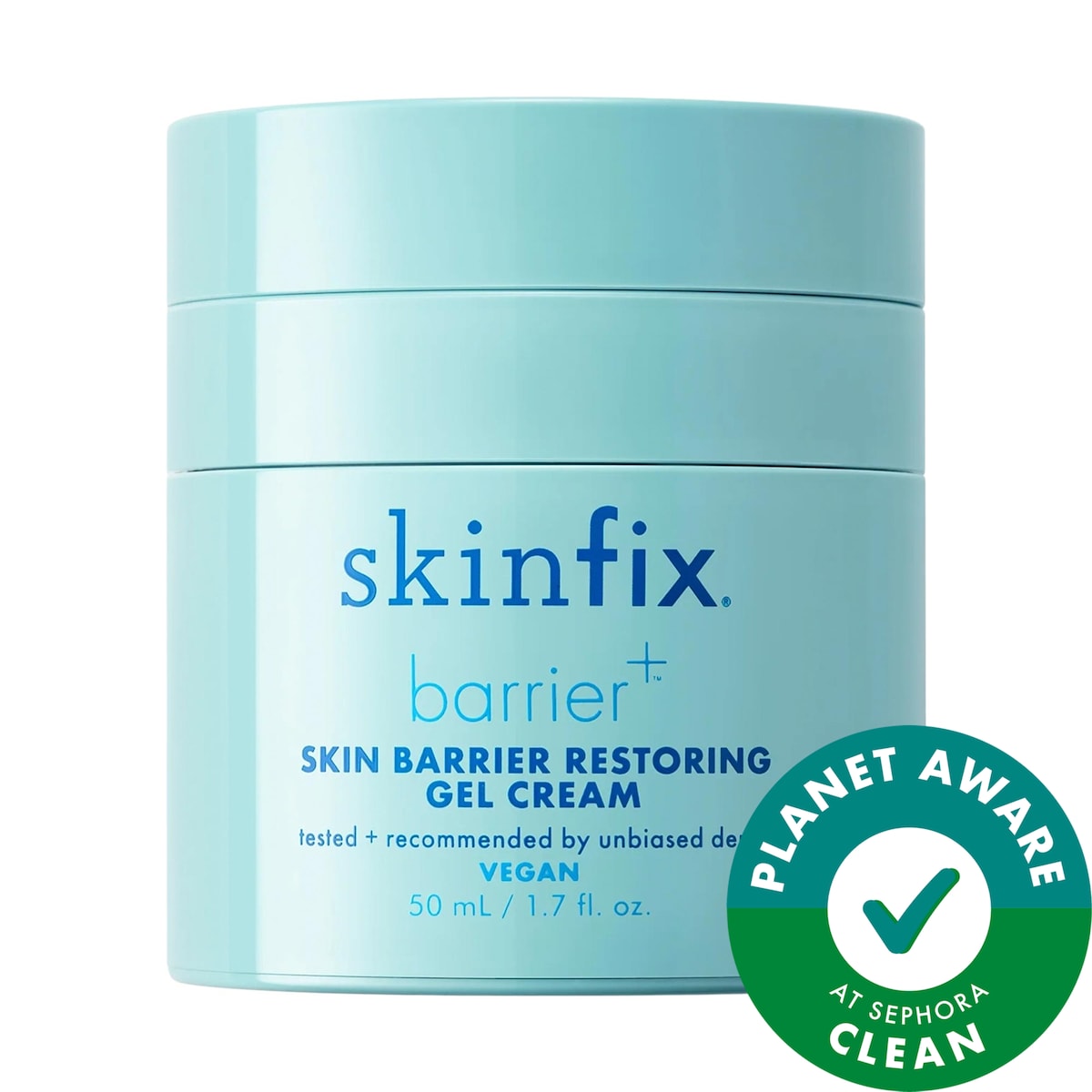
Skinfix has an obvious moisturizer neighbor in Skinfix Skin Barrier Restoring Gel Cream.
I would not say everyone needs both. But they do make sense together for the person with oily or combination skin that gets breakouts and still needs a moisturizer that does more than disappear.
The cleanser is the active oil-and-pore step. The gel cream is the barrier-support step.
That pairing is much more logical than using the Skinfix cleanser and then skipping moisturizer because acne-prone skin feels scary. Skipping moisturizer after active cleansing can leave the face tight, then shiny, then more reactive.
If you are trying to decide whether the moisturizer side makes sense, read I checked Skinfix Barrier Gel Cream in May 2026.
How I would layer around BHA and azelaic acid
Because this cleanser already includes BHA and azelaic acid, I would keep the rest of the routine simple while introducing it.
On Skinfix nights, I would avoid:
- leave-on BHA
- exfoliating pads
- glycolic toner
- strong peel masks
- benzoyl peroxide all over the face unless already tolerated
- starting retinoid for the first time
On non-Skinfix nights, I would use any other treatment carefully and not assume the skin can handle everything because the cleanser rinses away.
If you are trying to build a whole acne plan, night skincare routine for acne-prone skin gives a calmer structure than just adding more treatments.
How long I would give it
I would give this cleanser two to four weeks if the skin is tolerating it.
I would not expect every breakout to vanish in a few days. I would look for smaller changes first:
- less greasy buildup after cleansing
- fewer new clogged-looking bumps
- smoother feel around the nose and chin
- less need to scrub
- no new dryness spiral
If the only change is that the skin feels tighter, that is not the result I want.
If the cleanser helps oil but irritates the cheeks, I would zone it. If it helps congestion but the routine feels dry, I would reduce frequency. If it causes burning or persistent flaking, I would stop.
The mistakes I would avoid
The biggest mistake is using this cleanser as if acne-prone skin needs to be defeated.
I would avoid:
- using it twice daily from the first day
- pairing it with multiple exfoliants
- rubbing longer because the breakout feels annoying
- skipping moisturizer afterward
- using hot water
- adding a new retinoid in the same week
- judging the product only by how "clean" the skin feels after rinsing
That last one matters. A tight, squeaky face can feel satisfying for ten minutes and then become a problem for the next week.
My bottom line
I would use Skinfix Acne+ Cleanser as a smart active cleanser, not an everyday punishment wash.
For oily or combination skin, I would start two or three nights a week. For sensitive acne-prone skin, I would start once or twice weekly or choose a gentler cleanser first. For breakout weeks, I would use it as a swap, not as an extra layer. For recovery weeks, I would stop and let the barrier calm down.
The cleanser makes the most sense when acne, oil, clogged pores, and uneven texture are all part of the problem. It makes the least sense when the skin is already raw.
FAQ
Can I use Skinfix Acne Cleanser twice a day?
I would not start twice a day. Some oily skin may tolerate it, but most people should begin a few nights weekly and increase only if the skin stays comfortable.
Should I use it before or after makeup remover?
If you wear heavy sunscreen or makeup, I would remove that first with a gentle first cleanse, then use Skinfix as the second cleanse only if your skin tolerates double cleansing.
Can I use a vitamin C serum after it?
Some people can, but I would keep the first two weeks simple. Add vitamin C only after you know the cleanser is not making your skin tight or reactive.
What moisturizer should I use after it?
I would choose a lightweight, non-heavy moisturizer that keeps the skin comfortable. Skinfix Barrier Gel Cream is one logical match, but any well-tolerated moisturizer can work.
Is it enough for acne by itself?
For mild oil and clogged pores, it may be enough as one helpful step. For painful, persistent, cystic, or scarring acne, I would not rely on a cleanser alone.